Spring of Cary: An Affair To Remember


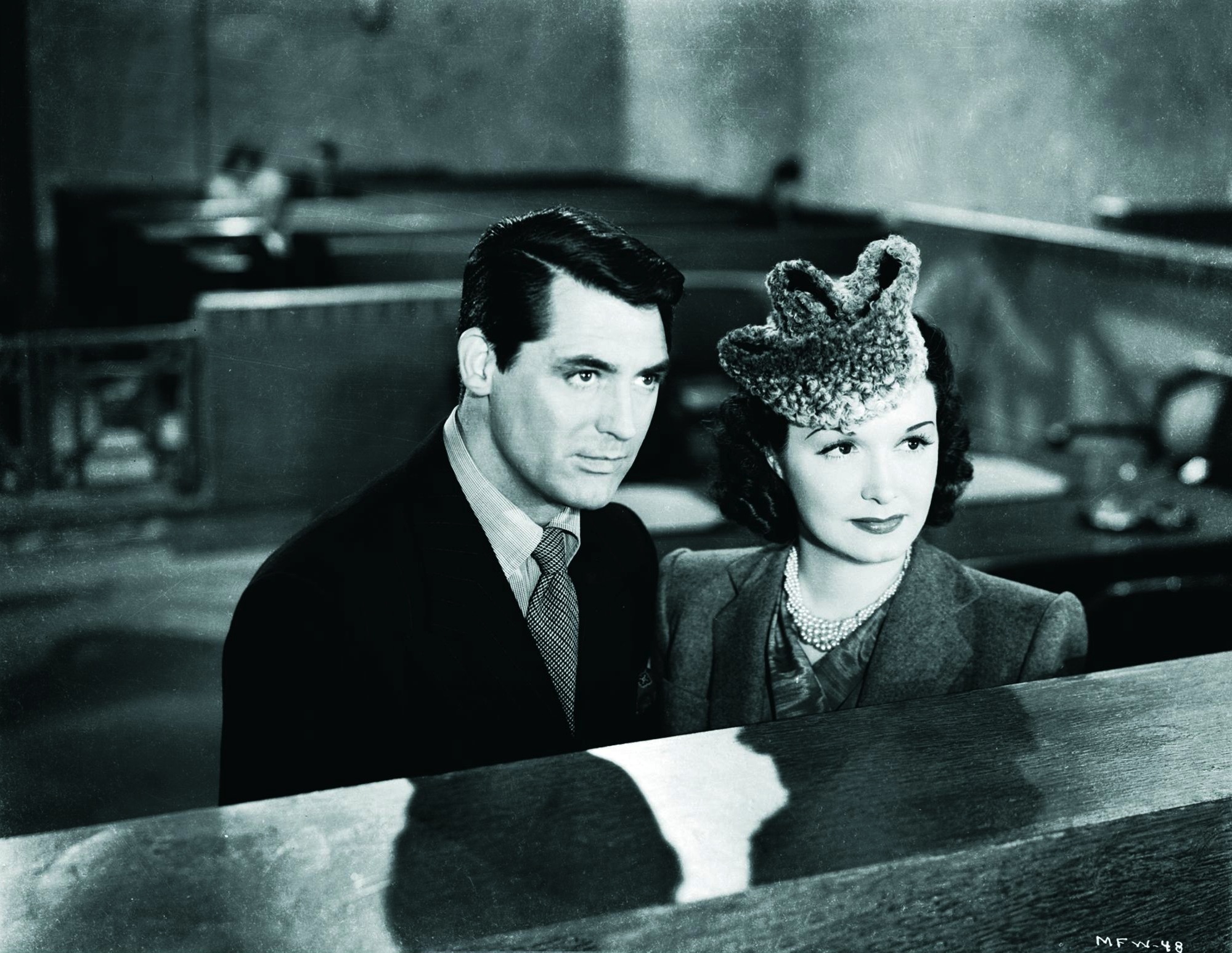
I am watching Cary Grant movies with Erin from Still Life, With Cracker Crumbs this spring. I picked movies of Cary’s I had not seen before.

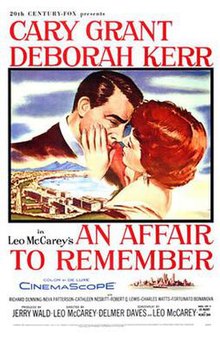
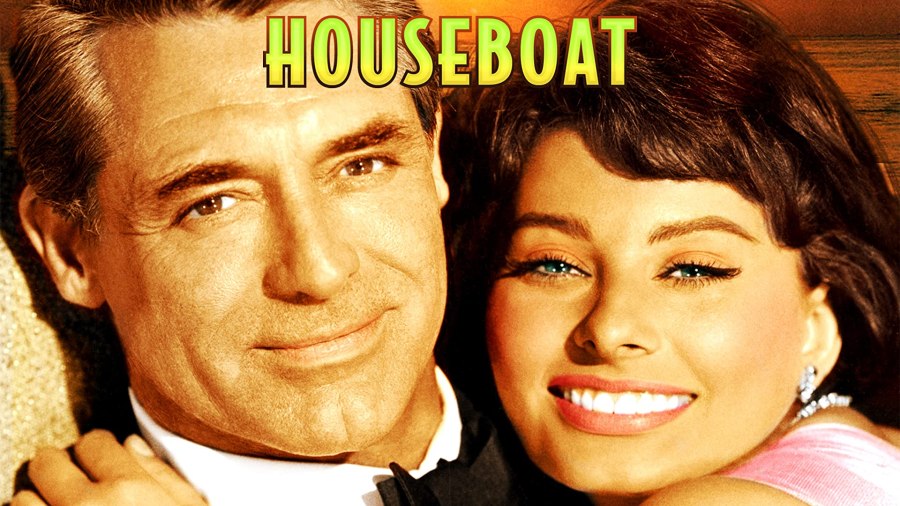
I love this graphic Erin designed!!

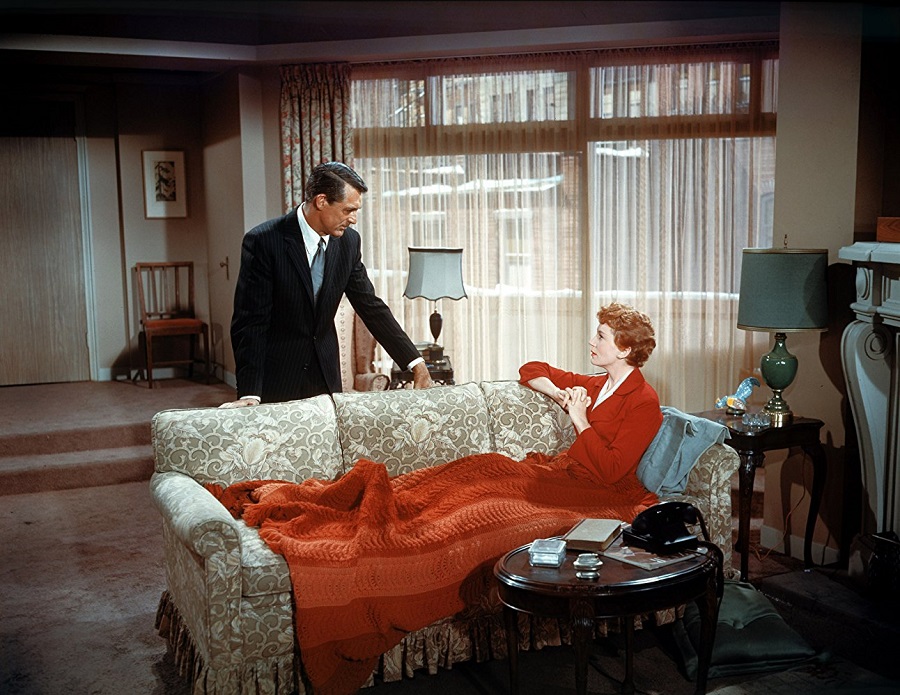
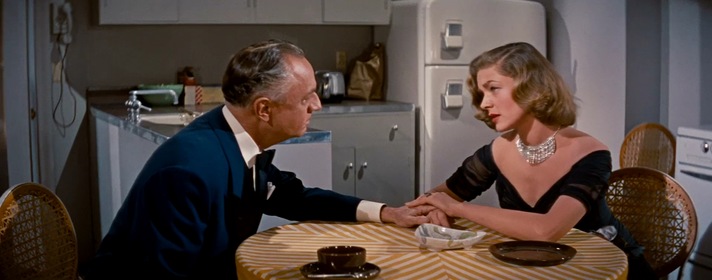
Today we are discussing An Affair to Remember from 1957, which was nominated for four Oscars.

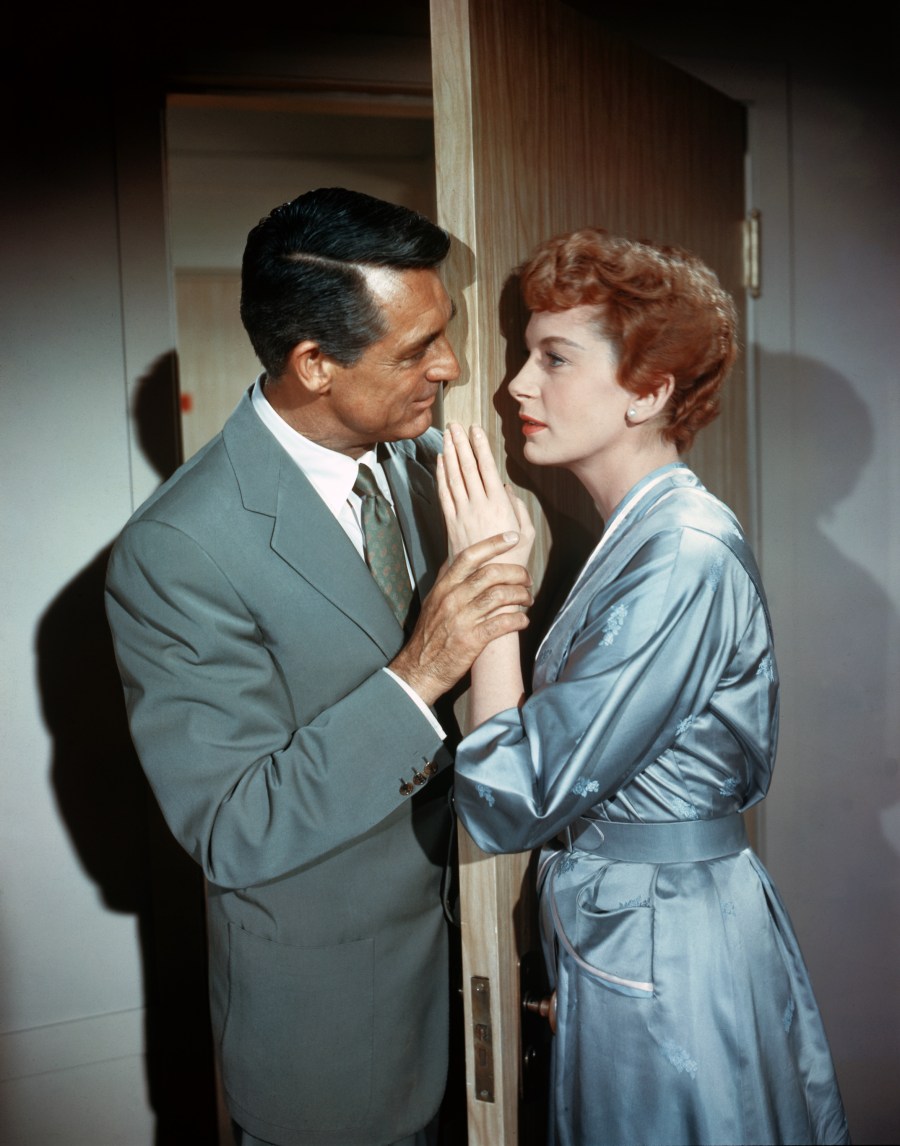
In this movie, Cary plays Nick Ferrante, a “international playboy”. He is a man who likes to date rich women – as many as he can at a time it seems.

As the movie starts, though, it appears that he is finally settling down. It’s worldwide news when he becomes engaged. He’s on a cruise, though, where there is a lot of women available to him and it’s there that he meets Terry McKay portrayed by Deborah Kerr.

He can’t seem to break himself from the habit of picking up women,so he starts with picking her up as well.

“You saved my life,” he tells her. “I was bored to death. I didn’t think I’d find one attractive woman on this boat. . . . I said to myself, ‘Don’t beautiful women travel anymore?’ And then I saw you.”

Then he proceeds by essentially trying to get into her pants. Excuse me for being blunt but he suggests they find something fun to do and he is her cabin. She, however, lets him know that she is romantically involved with someone. He keeps trying to get her to cheat and, well, eventually, that will happen with a few kisses, but nothing beyond that, as far as we are shown anyhow.

We see from the beginning that the connection is real, but then I did find myself wondering how real it was with two people who were willing to cheat on their romantic partners, especially the one who is used to moving from woman to woman. That’s the cynical side of me, of course. I mean they weren’t actually married yet.

They do try to stay away from each other on the ship but no matter where they go, they seem to bump into each other.

It is a literal bumping incident at the pool that leads Nick to invite Terry to meet his French grandmother during a stop by the ship in France. His grandmother adores Terry and Terry adores her and her beautiful villa. Terry learns more about Nick that makes her fall for him even more. He’s an artist, but he always destroys his paintings because they are never good enough, his grandmother says.

It’s at his grandmother’s that Terry breaks out her singing voice and shows she has hidden talents as well. But the ship horn is blowing, and they have to leave the grandmother, much to the grandmother and their sadness.

Terry clearly doesn’t want to love the grandmother because then she has to admit she’s falling for man who is not the man she has been romantically involved with and if she can’t have Nick, then she can’t have the grandmother either. But she does love the woman and  . . . yes, Nick.

An additional challenge for the now blossoming couple is that Nick is a famous socialite and everyone on the ship is watching them to see if they really are a couple so they can gossip about it.

Soon the cruise will be over, though, and they need to decide what they are going to do about their newfound love for each other. That’s when Terry decides they need to get their lives in order in the next six months and then if they both want the relationship, they will meet at the top of the Empire State Building in July.

They each go back to their lives, and we follow their journeys there until July. They both pursue their real passions in life during this time – art for Nick and singing for Terry. They both also change during this time, finding out what is real and most important in their lives.

You’ll have to watch the movie if you want to know if they meet or not, but if you’ve ever seen that one scene in Sleepless in Seattle, you probably know what happens. Or the gist of it. It really is a classic ending and I have my opinions on it, but I don’t want to share so I don’t ruin the ending for anyone who hasn’t seen it. All I know is that I wanted to yell at the screen a couple of times and that I had to wipe my eyes a bit.

I enjoyed this movie a lot more than My Favorite Wife. I did not expect Kerr to sing two or three songs in it, since it wasn’t a musical, but the songs were very nicely done. Overall, I felt the movie was well done. I did feel the ending was a bit rushed and would have liked to have learned a little bit more about what happened after it.

This movie was directed by Leo McCarey who also directed Cary in The Awful Truth, which, if you remember from my previous blog post about The Awful Truth, was a director that Cary clashed with originally. Cary didn’t understand McCarey’s style of directing, which included simply telling the actors the gist of the scene and then having them improvise. Cary eventually warmed to McCarey’s style and even expressed disappointment that he was not in McCarey’s movie Love Affair from 1939. He was so disappointed he talked McCarey into remaking the movie, which is what An Affair to Remember was, according to Wikipedia.

Cary and Kerr did improvise many of their lines and many of those were what appeared in the film according to trivia on IMBd.

Another bit of trivia on IMBd that I found interesting:

“Deborah Kerr plays Terry McKay, previously played by Irene Dunne in Love Affair (1939), of which this film is a remake. Both were directed by Leo McCarey. The year before this film was made, Kerr played Anna Leonowens in The King and I (1956), also a role that had previously been played by Irene Dunne in the black-and-white classic Anna and the King of Siam (1946). “The King and I” is a musical based on the same book.”

Next up for our Spring of Cary feature is the movie Holiday with Cary and Katherine Hepburn.

After that we have:

Operation Petticoat (May 11)

Suspicion (May 18)

Notorious (May 25)

To read Erin’s impression of An Affair to Remember, hop on over to her blog.

Spring of Cary: My Favorite Wife


For the third movie in Spring of Cary (Grant) with Erin from Still Life, With Cracker Crumbs (and anyone else who wants to join – I’m looking at you kajta, but I know you’ve been busy), we watched My Favorite Wife with Cary and Irene Dunne.

Yes, Irene was in last week’s movie too.

This movie was an interesting concept – if not a bit crazy. Hopefully, you’ll be able to tell as I begin to write about this movie, that this is meant to be a comedy. In fact it was defined back then and now as a screwball comedy.

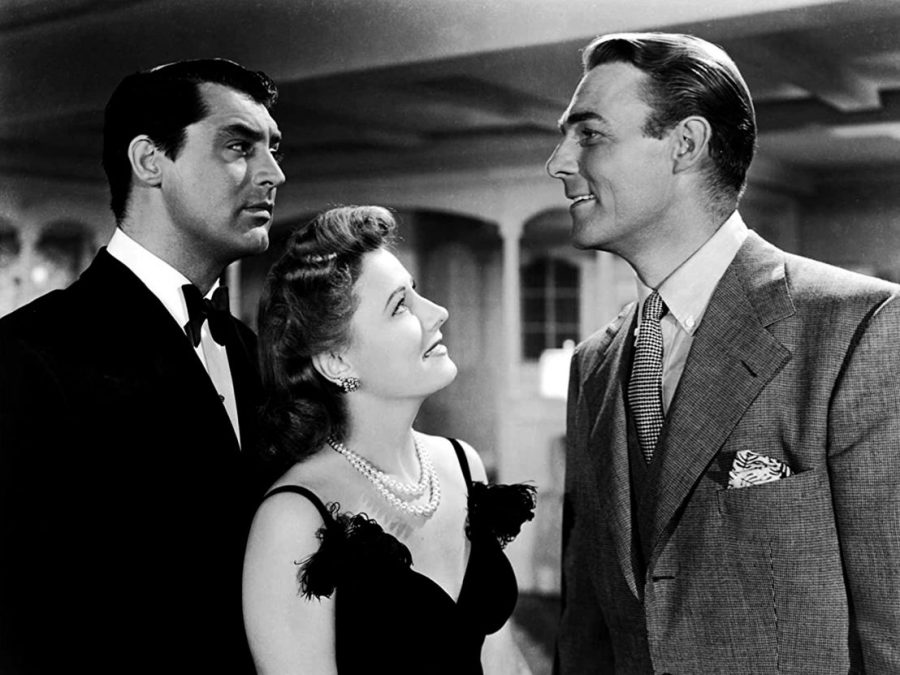
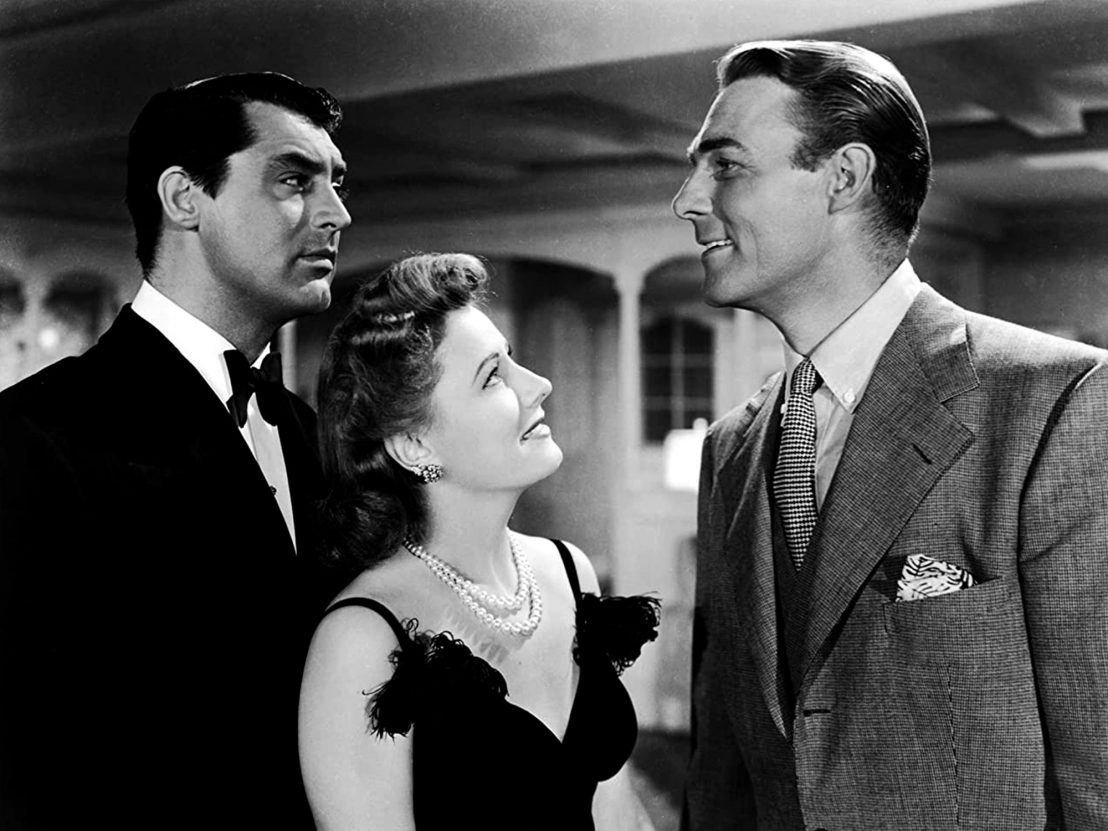
A man wants to get married, but before he can, he must declare his first wife Ellen (Irene) dead. She’s been missing at sea and was believed drowned seven years earlier.

It turns out, however, that she is not dead, and she returns while Nick Arden (Cary) is on his honeymoon with wife number two, Bianca (Gail Patrick).

Nick is of course shocked and now has no idea what to do because he has two wives.

It turns out Ellen was stranded on an island all those years and it would have been lonely for her if it wasn’t for Steve Burkett (Randolph Scott) who was stranded with her.

That’s a fact she doesn’t immediately admit to her husband and a fact he’s not real pleased with, even though he’s remarried.

That new wife, by the way, is not a very nice woman.

Oh and don’t forget that Nick and Ellen have two children together and all of that will have to be figured out as well.

To break the news to Nick, Ellen heads to his honeymoon, which was the same hotel and place they had their honeymoon, I might add. How tacky is that of him?!

As the movie goes on we the viewers now have to figure out who we want Nick to end up with and for me, of course, it’s Ellen (Irene), his first wife.

It’s clear from the moment that Nick sees his first wife that he is still in love with her.

The problem is that he has to find a way to tell Bianca that his first wife has returned and this is a task he drags out in comical ways. He drags it out so long that eventually, Ellen has to pretend to be a visitor of Nick’s mother. A wild Southern friend.

Of course, the movie keeps it tasteful and never touches on Nick and Bianca “consummating” the marriage, which we are guessing they never have.

Even though Bianca is stuck up, it is very unfair of Nick to keep dragging it out and not tell her the truth. She believes he’s her husband and that he might be running around behind her back. He keeps chickening out because he doesn’t want to upset her but she’s already upset, thinking something horrible is wrong with her and he’s fallen out of love with her.

Every time he has a chance to tell her the truth something interrupts them and he runs off again, leaving her in even more despair.

Of course, one of these interruptions comes from an insurance man who reveals that Ellen was stranded on the island with another man for seven years. Not only that but the man is quite interested in her and he lets Nick know about it.

This was a hilariously ridiculous movie, if not a little bit cringeworthy at times.

I mean are we really supposed to expect they were on an island seven years and nothing “untoward” happened? Hmmm….Well, I suppose it is a movie so we can suspend belief for a bit.

This movie was very similar to The Awful Truth, including Cary’s purposeful awkwardness and the silly and suggestive ending.

Overall it was a cute movie, but I wouldn’t say it was one of my favorites of Cary’s.

Have you ever seen the movie? What did you think about it?

To read Erin’s impression of the movie, visit her blog here: https://crackercrumblife.com/2023/04/20/the-spring-of-cary-grant-my-favorite-wife/

The rest of the movies we will be watching for Spring of Cary include:

An Affair To Remember (April 27)

Holiday (May 4)

Operation Petticoat (May 11)

Suspicion (May 18)

Notorious (May 25)

Classic Movie Impressions. Spring of Cary: The Awful Truth

“What wives don’t know won’t hurt them.” That’s what Cary Grant as Jerry Warriner says in the beginning of The Awful Truth, the second movie that Erin of Still Life, With Cracker Crumbs and I are watching for our Spring of Cary.

Now, last week I was a bit of a downer when I shared some of Cary’s personal life and the tension while filming Houseboat because of his affair with Sofia Loren. I will do my best this week to not be a downer! Ha!

This is a fun, silly movie so I will be able to keep things pretty light in this post. Lucky for all of you. *wink*

So, back to the storyline of the movie, which was released in 1937.

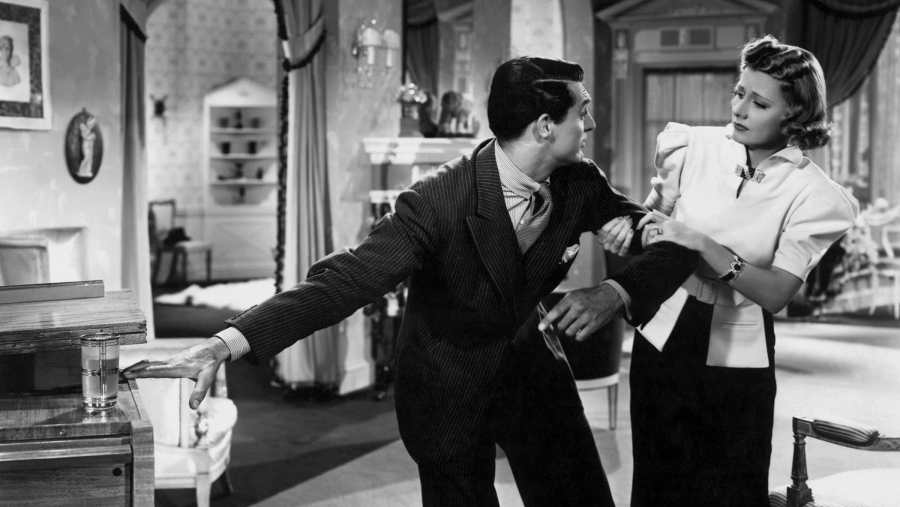
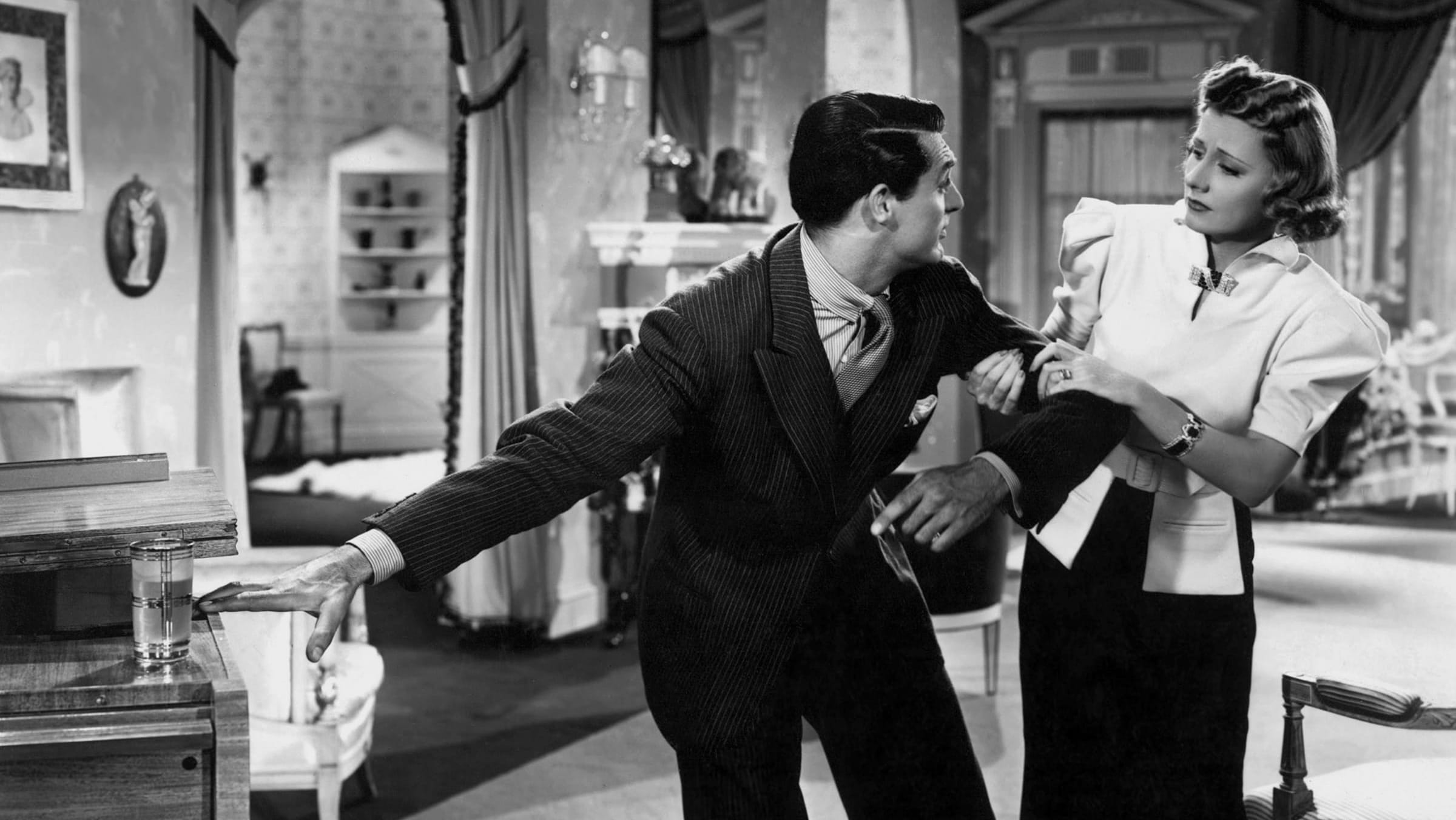
Here is a description on IMBd: Before their divorce becomes final, Jerry and Lucy Warriner both do their best to ruin each other’s plans for remarriage, Jerry to haughty socialite Barbara Vance, she to oil-rich bumpkin Daniel Leeson. Among their strategies: Jerry’s court-decreed visitation rights with Mr. Smith, their pet fox terrier, and Lucy doing her most flamboyant Dixie Belle Lee impersonation as Jerry’s brassy “sister” before his prospective bride’s scandalized family.

We start the movie out with Jerry trying to find a way to look tan so Lucy believes he was really in Florida. Not sure where he was for two weeks, but it apparently was not in Florida. We never really find the truth about that particular story.

Jerry goes home to his wife and finds out she isn’t home either. So, where has she been?

Jerry’s wife, portrayed by Irene Dunn, has secrets of her own, though they may not be quite as nefarious as Jerry’s – or are they? It’s never completely clear who is sneaking around on who in the beginning of the movie.

Eventually, it is clear that both of them are somewhat running around on their spouses, though maybe not full-blown affairs. They are, however, hanging around the opposite sex who are not their spouse.

In fact, both spouses are trying to pull the wool over each other’s eyes.

They’ve grown apart in a way and maybe have grown bored with each other so they are both living their own lives in a way and just when they decide they should officially live their lives apart by filing for divorce, they find there is still something between them they’re not ready to let go of just yet.

All it takes is a bit of jealousy to be stirred up when Lucy starts seeing another man, even before the divorce is final (gasp). From there the misunderstandings, mix-ups, and silliness kicks off and never slows down.

There are so many laugh-out-loud moments. One that stands out for me is Lucy’s call with her lawyer who is trying to talk to her about the beauty of marriage while his wife nags him in the background and he says to her, “Please shut your mouth” and then progresses to, “You shut your mouth! I’ll eat dinner when I want to!”

Irene and Cary are great together – tossing barbs back and forth fast and furious like the ball in a tennis match at Wimbleton.

They made three movies together: this one, Penny Serenade, and My Favorite Wife.

I have My Favorite Wife on our list to watch next week.

According to articles online, there were many parts of the movie that were adlibbed, which added even more to the charm of the movie for me.

The film was directed by Leo McCarey and you can read more about him HERE

According to an article on Criterion.com: (McCarey’s) claims to greatness, reaching far back into silent film, include Laurel and Hardy two-reelers; the Marx Brothers comedy Duck Soup (1933); a beloved melodrama that, astonishingly, he wrote and directed twice—as Love Affair in 1939 and, in 1957, as An Affair to Remember; and two surprise blockbusters, Going My Way (1944) and The Bells of St. Mary’s (1945), gentle Catholic comedies starring Bing Crosby that reflect McCarey’s own devout Catholicism and feeling for the workings of divine providence.”

I have An Affair to Remember on our list for April 27th and I just added The Bells of St. Mary’s to my personal list to watch.

According to Wikipedia, the movie is based on a play of the same name written by Arthur Richman. It was also made into a radio theater program with Lux Radio Theater with Cary and Claudette Colbert in 1939. I’ve listened to the Lux Radio productions before and really enjoyed them. There was one of Mr. Blandings Builds His Dream House with Cary and Myrna Lloyd, who were the leads in the movie version as well and that one was superb.

The same article details that the actors at first struggled immensely with McCarey’s freestyle method of directing. They were not provided with a script or much direction, which infuriated Cary who was used to having set scripts and assembly-line type movies with Paramount. He tried to get out of the movie several times, which irked McCarey and he allegedly held a grudge against the actor for decades over that move.

Despite the rocky start, though, the actors eventually determined that McCarey was a comic genius and looked back on the experience fondly, remembering how hard they laughed each day.

The whole article, which details the process of filming and the improvisation on the set is very interesting. If you want to read more of it, you can do so here: https://en.wikipedia.org/wiki/The_Awful_Truth

To read Erin’s impressions of The Awful Truth, well…she doesn’t have one this week so check out her blog next week. *ahahaaaaha* She told me she didn’t have one after I put mine up.

Our remaining schedule for the Spring of Cary:

My Favorite Wife (April 20th)

An Affair To Remember (April 27)

Holiday (May 4)

Operation Petticoat (May 11)

Suspicion (May 18)

Notorious (May 25)

The Spring of Cary: Houseboat (1958)

I love this graphic that Erin madr

Today Erin of Still Life, With Cracker Crumbs, and I are starting a spring feature called Spring of Cary Grant. We will be watching one Cary Grant movie a week and sharing our impressions of it on Thursdays.

I gathered this list of movies together not because they are his best movies, but because I either hadn’t seen them yet or had not seen them in years.

This week we are writing about Houseboat. Next week we will be writing about The Awful Truth.

Houseboat was released in 1958 and stars Cary and Sophia Loren.

Cary plays Tom Winters, a man whose estranged wife has passed away.

Sophia portrays Cinzia Zaccardi, the daughter of a famous Italian composer who is in the United States while he is touring and wants to experience life in the United States before she has to go back. She’s supposed to be 22 and I thought she looked older but she was actually 24 when the movie was made.

Cary was 54. I’ll just leave that where it is.

The opening of the movie was pretty heartbreaking and it doesn’t give too much away to say that the mother of Tom’s children has passed away and their father, who they rarely see, has returned from Europe. He was preparing to divorce their mother and they had been separated for four years so he didn’t know the children very well.

There is a definite undercurrent of sadness in the movie, but thankfully there is plenty of comedy.

As we get into the movie we realize Cary’s character truly is clueless about how to be a father.

He’s also a bit of a jerk. Then again the other men in the movie are sort of jerks too. Most of them needed slapping. A few of the women did as well.

Luckily,  he learns how to be a better father and a better person as the movie goes on.

There are some downright ridiculous moments in this movie, but I need a bit of ridiculous this week.

There were also a lot of heartbreaking moments of children really acting out in grief and their lives being turned upside down.

The child actors were excellent in this. I think they might have actually had more range than Cary in this one.

There was something awkward about this movie for me and I thought it was only because of the age gap, but when I read about the movie and how it came about, the awkwardness continued.

According to IMBD: “The original screenplay was written by Betsy DrakeCary Grant‘s wife at the time. Grant originally wanted it to star her, but his extramarital affair with Sophia Loren complicated the project. Grant decided to have Loren replace Drake. Adding insult to injury, it was drastically rewritten to accommodate Loren by two other writers, Jack Rose and Melville Shavelson (who also directed), bearing little resemblance to her original script, she received no writing credit, and the reworked script was Oscar®-nominated for Best Original Story and Screenplay.”

Ouch. I can’t even imagine that heartache. But here is some more complication – Sophia apparently wasn’t as in love with Cary as he was with her because before filming started she married another man, which is why I think the chemistry between them really wasn’t there for me. Cary, who was reportedly heartbroken, tried to back out of the movie but couldn’t because of his contract and so the director helped make it go smoothly – how, I have no idea.

I guess Cary got over it eventually since he was married five times (two times after that) Ha!

I guess this wasn’t a great kick off for The Spring of Cary Grant – learning about his personal life, but I still enjoy his movies. I hope that he apologized to his previous wife for that one before they both passed away. Eek! I did read that they actually remained friends until his death, so I think they did make amends.

Also, Cary had a lot of issues from his childhood that he carried into adulthood and that affected his relationships with women, unfortunately. It’s not an excuse but it does help me understand his issues in that area a little bit better.

And, again, it doesn’t take away from his acting ability or his movies.

I’m looking forward to writing about The Awful Truth next week, which I already watched when I planned on doing this feature myself. I’m so glad Erin decided to jump in with me. You can find her impressions of Houseboat on her blog.

The movies of Cary’s that we will be watching next include:

The Awful Truth

My Favorite Wife

An Affair To Remember

Holiday

Operation Petticoat

Suspicion

Notorious

‘Tis the Season Cinema: Holiday Inn

Here we are, closing in on the end of our ‘Tis The Season Cinema and I can’t even believe it.  How is it already almost Christmas?

If this is your first time here, Erin from Still Life, With Cracker Crumbs, and Katja_137 From Breath of Hallelujah and I have been watching Christmas movies and sharing our impressions of them.

This week Holiday Inn was on our list and, well, I sort of regret this pick. I hadn’t watched it in years and forgot about some aspects of it that make me even more uncomfortable this time around than they did in the past.

But, well, it’s been watched and now I have to share my impressions, but before I do, I do want to mention that while I did not include any movies about the birth of Jesus in the list of movies for this feature, I do have a couple of movies along those lines I watch each year and recommend as well. I’ll try to get a list of those together for next week but for now, I will mention that The Chosen has an amazing Christmas special on their app, which you can download onto your phone and send to your TV. You can also watch it on Peacock. It is called The Messengers: Christmas with The Chosen. It features an hour and a half of music and then a Christmas short that director/writer Dallas Jenkins made for his church and depicts the birth of Christ through the view of a disabled shepherd who saw the star that night. It is beautifully done.

The short presentation is also available on YouTube, which I discovered just before I hit “schedule” on this post:


Okay. On to Holiday Inn.


We begin with three performers – two men and a woman. The men are Fred Astaire (Ted) and Bing Crosby (Jim). The woman is Virginia Dale (Lila) The woman is dating Bing but she’s fallen for Fred. Bing thinks she wants to retire with him to a farm in the country, but she breaks it to him that she no longer wants to be with him, or even retire, and instead plans to continue performing with Fred.

Ouch. Brutal start.

Well, that’s okay, because Bing wants to continue running his farm in the country and has decided to turn it into an inn.

In walks Linda (Marjorie Reynolds) who wants to break into show business and who Jim hires to sing for him at his new inn. The inn will only be open on holidays throughout the year, hence the name Holiday Inn.

Of course, it is cold and snowy at the inn and it’s getting close to Christmas in the first part of the movie, and this sets the stage for the first movie performance of White Christmas, which you might remember me mentioning when I wrote about watching the movie White Christmas a couple of weeks ago.

This movie was first, the song was sung, and 12 years later they made White Christmas, which, incidentally, was filmed on the same set as Holiday Inn. That’s why both movies have a similar feel even though they are supposed to be different characters and stories.

While there are similarities between the movies (a duo of male performers and two women love interests, who also sing or perform in some way) there are also differences, and not only in the plot. Holiday Inn was originally released in black and white and White Christmas was always in color. We own a DVD collection that features a black-and-white or color version of the movie, but I chose to stick with the original. I don’t enjoy when they colorize black and white movies, which is why I will never watch a color version of It’s A Wonderful Life either. I tried once. It just felt all kinds of wrong.

The collection we have also features a copy of the soundtrack on CD. There are 12 tracks, all written by Irving Berlin, who, of course, wrote the songs for the movie – specifically White Christmas.

As the movie continues, Fred walks back into Bing’s life and once again tries to steal his dance partner and his love interest, which creates all kinds of drama once again.

There is one regrettable scene in this movie that I wish was not there. The scene involves blackface and while I understand the purpose of it in the plot of the movie (to hide a character from another character), blackface should never be used as a plot point or anything else. It’s offensive and rude. Still, I hate to see an entire movie tossed out over one scene. The song they sing does talk about how wonderful Abraham Lincoln was for freeing the slaves, but the way they do it – grooooan.

There are African American actors in the movie, and they participate in the blackface scene, also singing praises of Abraham Lincoln. So, what does that mean? I have no idea, other than there are no black actors playing main parts. They are servants and used for humor plot points for part of the movie and while they aren’t mocked or mistreated, it still makes me uncomfortable.

If I had to pick a favorite Christmas movie, it wouldn’t be this one, probably based partially on that scene. It was so cringe and it had been years since I saw it and forgot how bad it was. Incidentally, if you have ever watched this movie on ACM, they deleted the blackface scene and don’t have it in the showing they run each year. I also wouldn’t pick this one as a favorite because it’s not really focused on Christmas, other than Bing singing White Christmas.

If I had to pick a favorite Fred Astaire dance, though, it would be the firecracker one in this movie. It is insane and one of the coolest dances I’ve seen in a classic movie.

According to IMBD, “The firecracker dance sequence was added to the movie as a patriotic number, following the attack on Pearl Harbor, which took place during filming. The dance number required three days of rehearsal and took two days to film.  Fred Astaire did 38 takes of the number before he was satisfied with it. The crew members had to wear goggles during filming, because the sand from the firecrackers flew into their faces. Also, animation was added to make the firecracker “blasts” more dramatic. Later, Astaire’s shoes for the dance were auctioned off for $116,000 worth of war bonds.”

It is such a horrible shame that the dance sequence was put in a movie with an offensive blackface scene.


I apologized to Erin for suggesting this movie, telling her I really had forgotten how bad the scene was, even though I knew it was there. If you do choose to watch this movie, please skip over the blackface scene and you’ll be better off.

Up next in our lineup of Christmas movies is It’s A Wonderful Life, which should be a lot less uncomfortable to watch.

To finish out the ‘Tis the Cinema’ feature we will be watching two children’s shows, Charlie Brown Christmas and Emmett Otter’s Jug-Band Christmas. I am hoping those two will be a lot more heartwarming.

Feel free to join in with us in watching the next film and shows and blogging about them. We share our blog posts on Thursdays unless life gets in the way and we have to change the day.

To catch up on Erin’s impression of the movie check out her blog. You can also check out Katja’s on her blog.

Classic movie impressions: Breakfast at Tiffany’s (with spoilers)

I have been exchanging classic movie suggestions with Erin from Still Life, With Cracker Crumbs this summer and I think we are going to continue doing it into the fall because it has been a lot of fun and a nice distraction from life stressors.

Today I am discussing Breakfast At Tiffany’s and Erin is discussing my suggestion of The Philadelphia Story.

You can find Erin’s post HERE.

On to my impressions of Breakfast At Tiffany’s:

I think this is the first movie I watched at Erin’s suggestion that I really didn’t enjoy as much as I hoped I would. I didn’t completely hate it by any means. In fact, there were aspects of it I liked very much, but I did not love this movie and I think it was because of one very specific reason — Audrey Hepburn’s accent.

I feel awful saying that, since I have never actually had an issue with her accent, but in this movie, she was supposedly a girl from the South running away from her problems but he had some odd European accent the entire movie. I mean, she couldn’t at least fake a Southern accent? Isn’t that what actresses are supposed to do? Except for Kevin Costner in Robin Hood, of course. Har. Har. In all the reviews of this movie I saw, not one of them seemed to have an issue with her accent for this character, so I’m pretty sure this is just a “me problem.”

The whole back story for Audrey’s character in this movie just wasn’t believable at all because of her accent, but I am sure it was more believable in the book by Truman Capote that it was based on. He released the book in 1958.

The idea behind this movie is that Audrey is a free-spirited young woman living alone in New York City when she meets Paul, played by George Peppard (who would later star in the A-Team), a gigolo who gets paid to sleep with a married socialite, living in her apartment the next floor up from Audrey.  He is supposed to be a writer, but that avenue has dried up so he’s earning money by selling his body. I think we, as movie watchers, are supposed to see this as normal behavior in some ways, but also see that it isn’t what he wants for his life — to be used and dragged along with the promise of a publishing career someday.

Audrey has reinvented herself as Holly Golightly, changing her name from Lulamae and leaving behind an extremely odd and rather inappropriate upbringing.

The entire movie is essentially about her making a number of bad decisions in an effort to be on her own, yet at the same time not having to support herself. She is always looking for a situation where an older, richer man will take care of her and let her live her laid-back life where she imagines going to Tiffany’s jewelry store and buying whatever she wants for her breakfast, so to speak.

Honestly, I think Audrey’s character is a horrible brat, yet I don’t blame her for wanting to get away from the terrible situation she grew up in and I think that’s the point of the movie. She acts like a spoiled, selfish brat because she’s been traumatized. She’s not tied down to anything and she’s afraid to be because when she was tied down, she was told what to do at a very young age.

I really loved the end of the movie, but I won’t share it here in case someone reading this has never seen the movie  . . . . then again the movie is 61 years old this year and I did write a disclaimer in my headline that there would be spoilers so — [SPOILER ALERT ABOUT THE ENDING OF THE MOVIE AHEAD!!]

I love that at the end Holly realizes that Cat (which is her name for her cat, that she never really named because naming the cat would mean she has to commit to something and that is a very frightening idea for her based on her past childhood issues) is the one constant in her very unstable life. When she goes back to look for the cat – after she tosses him from a cab and tells him to get lost in the city – she also realizes that Paul is her other constant and she is ready to open herself up to at least a couple constants in her life.

This ending is not how the novel ends, however. In the book the reader is left with not actually knowing whatever happened with Holly

So it doesn’t sound like I totally hated Audrey’s portrayal of Holly, I do want to say that I loved how Audrey was so laissez-faire about life, even if that attitude was leading her into a life void of real love.

She reminded me a lot of a friend I had in college, except my friend wasn’t trying to run away from anything in her life, she was simply extremely laid back and casual about things. She was also a little bit ditzy and that could make her both aggravating and a blast to be friends with.

One quick warning too — this movie does contain an absolutely racist portrayal of an Asian person by Mickey Rooney. I didn’t even believe it was Mickey Rooney when my husband told me it was him.

The bottom line on Breakfast At Tiffany’s is that I do recommend it, even if I didn’t like that Audrey’s accent was not authentic.

Classic Movie Impressions: The Ghost and Mrs. Muir

Erin from Still Life, With Cracker Crumbs and I, have been exchanging classic movie suggestions this summer. This week I am talking about The Ghost and Mrs. Muir, which she and her mom suggested for me, and she is talking about His Girl Friday, which I suggested for her.

I am so glad that Erin suggested this one. I enjoyed it much more than I thought I would when I first heard about it.

The premise of this 1947 classic is rather simple. A widow, Mrs. Lucy Muir, wants to get away from her in-laws (a sister-in-law and mother-in-law) so she looks for a home to live in with her young daughter, Anna Muir, who is played by Natalie Wood. She finds a house that no one else seems to rent and later finds out it is because people believe that the home is haunted by a sea captain who owned the place and killed himself during a break from the sea.

The sea captain is played by Rex Harrison and the widow is played by Gene Tierney.

Not to give away too much but Lucy meets the ghost, and they form a friendship aimed at allowing Lucy to keep the home and not have to go back to live with her controlling in-laws. It will also allow the ghost, Captain Daniel Gregg (no, not Daniel Craig so no shirtless scenes here), to remain as a spirit around his home and keep it like it was when he was alive.

There are times during the movie that Lucy believes she has imagined the Captain and other times she is sure he is real. Sometimes even we as the viewer wonder if she is imagining him or not.

There is a terrible amount of sexual tension between the two, even though the captain is a ghost and there is no chance for a relationship between them.

I can’t deny that young Rex’s sex appeal just oozes from him as he starts to fall in love with Lucy, who he nicknames Lucia. I’ve always had the older Rex from My Fair Lady and Dr. Doolittle in my mind when I hear his name so to see him so young helps me understand why he became such a sought-after leading man in the 40s and 50s and beyond. I read in one article that he believed his character needed a beard in the movie but the studio fought it because they felt many women would want to see his handsome face. In the end, Rex won the fight.

The lighting and cinematography in the movie are very dramatic and set a romantic and rich mood.

An article on the Turner Classic Movies website describes Lucy and Daniel’s first meeting well:

The pools of lamplight and the soft, deep shadows create a rich atmosphere that evokes ghost story imagery but not menace. Rather, it is oddly welcoming and comforting and Bernard Herrmann’s score (one of his finest) is uneasy but curious rather than spooky. Harrison’s booming voice rises as she challenges him and then drops to a civil, at times admiring tone as they talk. Her courage impresses him and rather than scare her off, he comes to terms with his permanent houseguest: a co-existence that turns into a partnership and even something of an unspoken romance.

The movie does have quite a bit of humor in it but there is also an underlying sadness at times, especially since the Captain is a ghost and can’t truly be close to anyone.

The movie is based on a book by R.A. Dick.

“How unfortunate of a name,” I thought when I read this and after further research saw it was a pseudonym by an author named Josephine Leslie. She was an Irish writer who also wrote a book called The Devil and Mrs. Devine. I guess she had a theme going there with the titles. She did not write a third book in this vein, with her only other book being Light and Shade.

It was published in 1945 and made into a movie that was released in 1947, which is a pretty good turnaround to me.

The book and movie were also the basis for a sitcom, which ran for two years.

I won’t tell you what I thought of the ending, in case you haven’t seen it, but if you have seen it, let me know and maybe I can tell you in private. *wink*

Overall, I really enjoyed the movie. It was such a great pic from Erin and her mom. She and I haven’t discussed the next movies we recommend for each other or even if we will, so I’ll keep you posted there. It has been a fun experience either way!

This was a fun behind-the-scenes photo I found online.

Summer of Paul: Sweet Bird of Youth

I decided about a month ago that I would start watching Paul Newman movies for fun this summer. I started with Cat On A Hot Tin Roof, at the suggestion of Erin at Still Life, With Cracker Crumbs, and then stumbled on to a list of Paul Newman movies on a movie site to sort of guide me.

I have a lot of catching up to do on this list and hope to get to as many of them as possible through August. So far this summer, I have watched Cat on a Hot Tin Roof, The Long Hot Summer, Paris Blues, and Sweet Bird of Youth. In the past, I have watched Butch Cassidy and the Sundance Kid and Exodus.

Up this week will be The Rack and The Hustler. The Husband wants me to watch The Hustler with him this weekend.

Before the summer ends, I hope to get to:

Cool Hand Luke (which I watched once many years ago),

Somebody Up There Likes Me

Rachel Rachel (which he directed and stars his wife Joan)

The Color of Money

Hud

Nobody’s Fool

The Sting

The Verdict

And the documentary series about him and his wife, Joan Woodward:

The Last Movie Stars

The documentary is on HBO Max, but I will have to get a subscription to watch it because we were sharing a subscription with someone, and they got rid of their subscription. We will see what can be done, but, man, a subscription to HBO Max is expensive now! Maybe they will have a sale.

I have digressed quite a bit here because I had planned for this post to be about Sweet Bird of Youth, which I watched a couple of weeks ago. This is yet another movie that Paul was in that was based on a Tennessee Williams play. I didn’t realize that Paul had been in more than one movie based on Williams’ plays until I started watching his movies this summer.

I had never heard of Sweet Bird of Youth before and for a movie made in 1962, it was quite dark and heavy and also seemed ahead of its time somehow. The acting was absolutely stellar all the way around. The overall story was gritty and raw, focusing on some serious issues, at least one of which I don’t want to share because it will be a spoiler. A couple of the issues I can mention are alcoholism, drug (pot) use, promiscuity, domestic abuse, power-hungry politicians, greed, and nepotism.

Paul’s shirt was off quite a few times in this movie, which wasn’t a bad thing to me but did drive my son nuts because every time he walked in the room, there was a shirtless Paul Newman.

“Just go back to watching your movie with that shirtless guy,” he told me one day to avoid discussing his need to eat healthier food (or maybe it was about his need to clean his room. I lose track of our discussions now that he is a teenager).

In addition to Paul, the movie starred Ed Begley (wow. His performance made me want to reach through the screen and slap him! Dang!), Shirley Knight (she was stunning and so perfect in that part), Rip Torn (didn’t even recognize him, he was so young), Geraldine Page, and Madeline Sherwood.

Here is a small description of the movie I found online: “After unsuccessfully trying his luck in Hollywood, charming gigolo Chance Wayne (Paul Newman) wanders back to his hometown, accompanied by Alexandra Del Lago (Geraldine Page), a movie star on the wane. Chance quickly falls back into his old rut — he’s still smitten with his former sweetheart, Heavenly Finley (Shirley Knight), but her thuggish brother (Rip Torn) and her crooked politician father (Ed Begley) both hate him. When Alexandra leaves town, Chance is left with little more than trouble.”

I do recommend the movie, but I will warn you that it is not a happy Paul and some of the topics are a bit uncomfortable. I am not giving rankings to the movies I am watching but if I was, I’d give this one a five out of five.

Classic Movie Impressions: Blue Hawaii

I have been trading classic movie suggestions this summer with Erin from Still Life, With Cracker Crumbs.

The movies we have given our impressions of so far have been

A Streetcar Named Desire

Cat on A Hot Tin Roof

The Thin Man

Double Indemnity

On her blog today, Erin is discussing To Catch A Thief, a favorite Hitchcock film of mine. I am going to be discussing Blue Hawaii, as the blog post title suggests.

When Erin suggested this movie, I was fine with it because I was sure it would be fun and if nothing else, the music would be good. Because my mom was always a huge fan of Elvis I knew quite a bit about him from a music stand point but I’ve only seen clips of his acting.

I do believe I saw part of this movie years ago. I expected it be a pretty big Cheese Fest, but I didn’t mind. With the way the world’s been lately, watching something light and cheesy is fine with me.

And yeah, there was some cheese to it, but it was also much better than I expected. Plus, Elvis’ voice on Can’t Help Falling in Love With You totally reminded me why so many people loved his singing and not just those swinging hips.

My mom was a huge Elvis fan when she was a teenager. She was raised by a strict, stereotypical Southern father who declared he would not have any of his daughters screaming about some boy swinging his hips. So one night when my mom and her sisters and their aunt (who is only a year older than my mom) were watching him on The Ed Sullivan Show, my mom said they tried to be very calm and not scream when he came on screen.

The bad thing was that her aunt grabbed my mom’s knee, and my mom can’t stand anyone to touch her knee because she’s very ticklish. She screamed when my aunt grabbed her knee, which brought my grandfather’s stern response of, “I will not have anyone screaming for that boy in my house!” My mom did her best to explain to him what had happened, but I’m not sure he believed her.

He must not have been too upset by my mom’s scream, though, because he took my mom and her sisters to see Elvis at a local high school at some point after he was on The Ed Sullivan Show. If you knew how my grandfather was back then, this would surprise you. I know it surprised me.

Anyhow, I digress. Blue Hawaii is a simple film about Elvis who returns to the island of Hawaii after serving in the military. His parents want him to work for his father in the pineapple business, but he wants to make it on his own, which, of course, causes tension. His quest for independence allows several opportunities for him to croon 14 different songs throughout the 1 hr 41 minute movie.

I wasn’t expecting Elvis to be a very good actor and he wasn’t stellar, but he also wasn’t that bad. He was certainly better than many of the actors of today. His long, dark eyelashes and pouty lips certainly didn’t hurt his appearance on screen.

This movie also stars Angela Lansbury as his mother. She portrays an over-the-top Southern mother who likes to remind everyone how rich they are. She’s also fairly racist, which is illuded to but not explicitly shown. She’s not a huge fan of her son’s girlfriend, a native girl who is bi-racial — part Hawaiian and part French. The suggestion is that one reason she’s not impressed with the girl is her background, but that’s only subtly suggested because the movie is very light for the most part. Plus, all of that is put aside as the movie moves on and the attitude of Elvis’ mother changes toward the girlfriend and his effort to make a way on his own.

Speaking of  his girlfriend in the movie (Joan Blackman), according to Express, which is a UK publication, Elvis fell in love with her and asked her to marry him. He met her in 1958, before they filmed Blue Hawaii, and chased her and begged her to be in the movie with him.

Joan said: When we first set eyes on each other (in 1957), there was a spark, a magic in the air… There was just that special something between us, sometimes so warm and wonderful you could almost reach out and touch it.”

In 1977 she told a magazine that she and Elvis had adjoining hotel rooms during the filming of the movie and essentially lived together for weeks. Of course Elvis was dating Priscilla at the time and she and Joan looked a lot alike.

I should add that this Express magazine site looks a bit like a gossip site, so take all of this with a grain of salt.

Back to the movie, because I have digressed again.

I loved the music and scenery in this movie. I wouldn’t say the movie is a super accurate portrayal of what Hawaii is really like, but it doesn’t mock the natives of the islands and instead brings the viewers attention to some of the more interesting aspects of the islands’ diverse cultures.

I will say that, according to this movie, Hawaii is a place where bare-chested men always ride the seas in little boats with a guitar so they can sing. I’ve never been there before so for those of you who have — is this true?!

In 2006, on an episode of Private Screenings on TCM, Angela spoke about working with Elvis.

“I was, obviously, awed by being in the presence (of him),” she said. “He was an awfully nice young man in those days. He was always a nice young man. Very caring person. He had his terrible problems of a very personal nature, but in those days, he had just come out of the Army, he was fit, slender and he was at the top of his form. And he couldn’t have been nicer to me. We had a wonderful time. He were on Kuai. I’ll never forget it. It was a wonderful time.”

She said they sat around and chatted while waiting for scenes.

“She was such a funny character,” she said of the mother. “She didn’t really understand her son at all.”

Angela said the character was an over-the-top Southern-belle type and that Elvis loved it and had a great time interacting with her in the role.

If you are looking for a deep plot, this movie is definitely not what you want to watch. It’s essentially one big concert movie with very little plot. That, however, is exactly what I needed when I watched it.

Have you ever seen Blue Hawaii? What did you think of it?