Classic Movie Impressions: It’s Love I’m After (Spring of Bette)

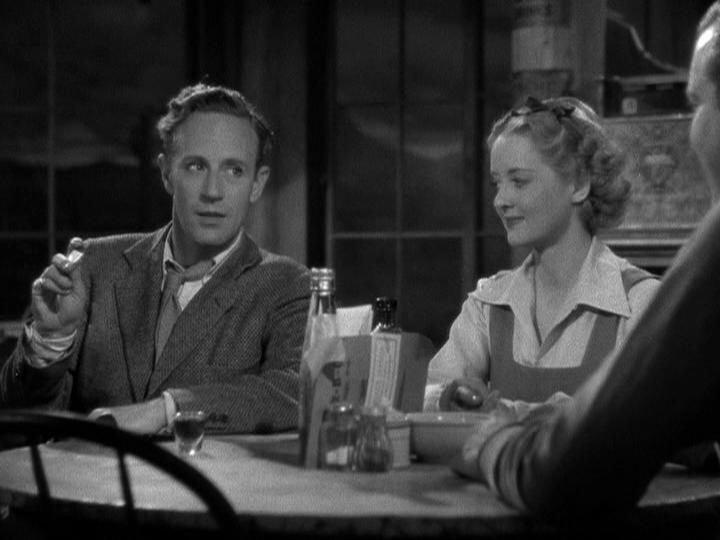
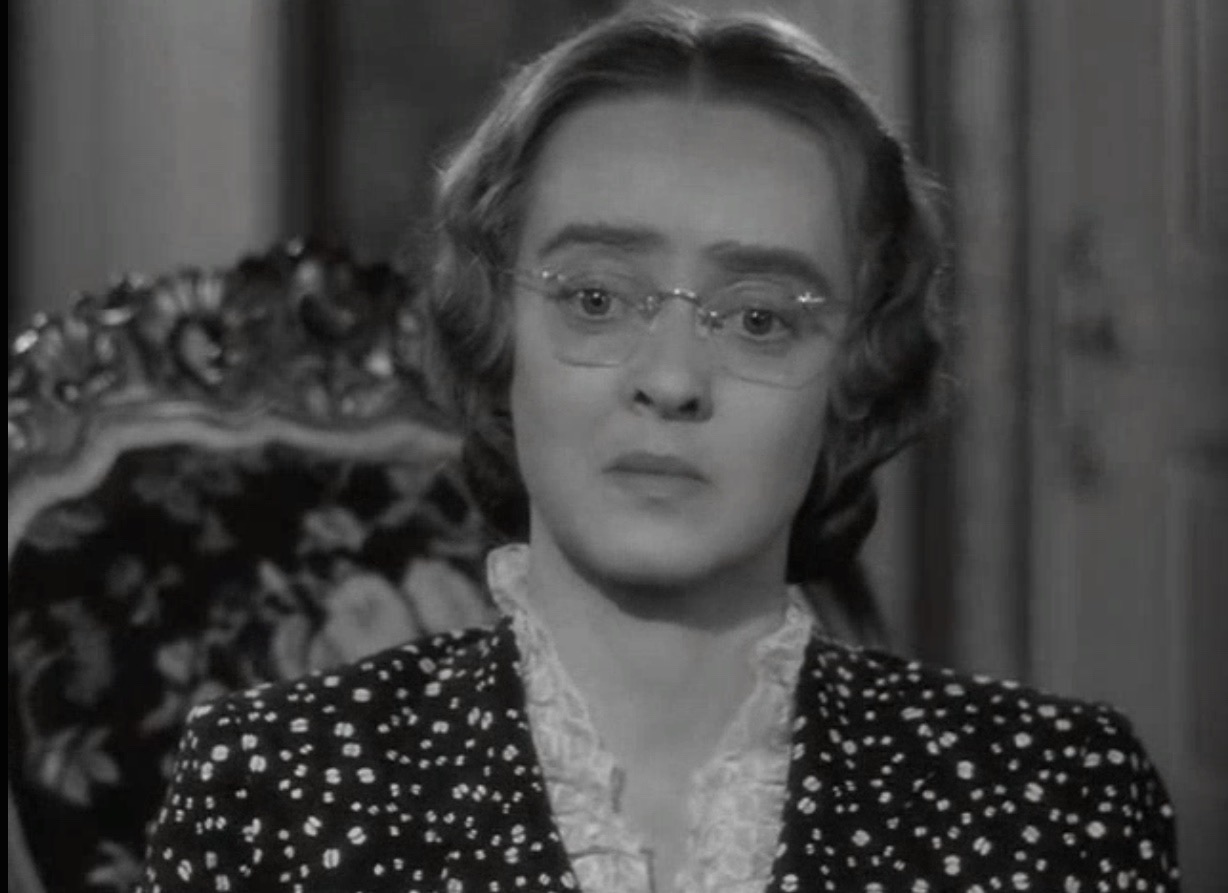
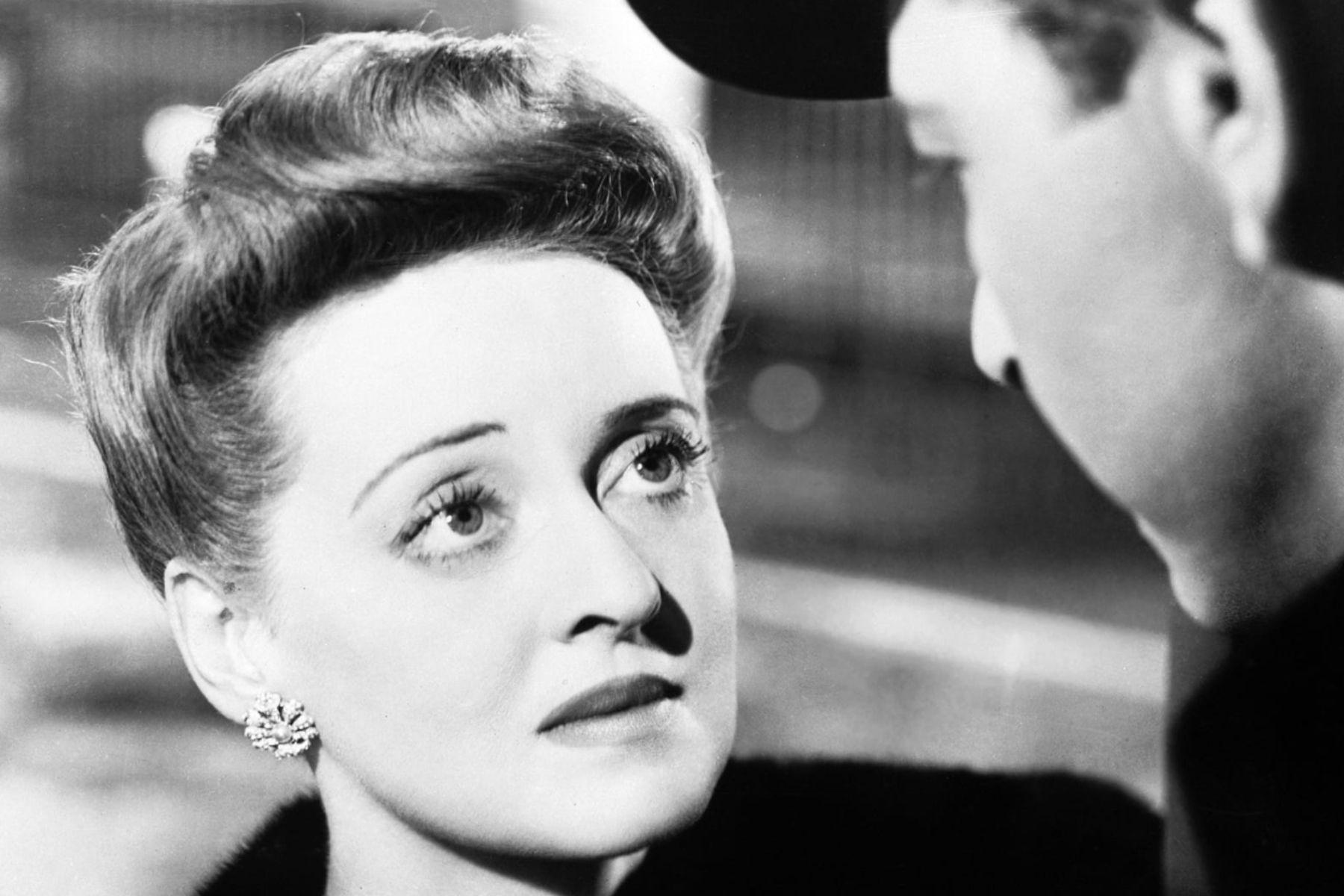
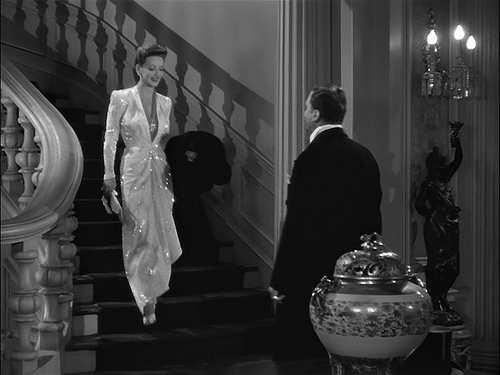
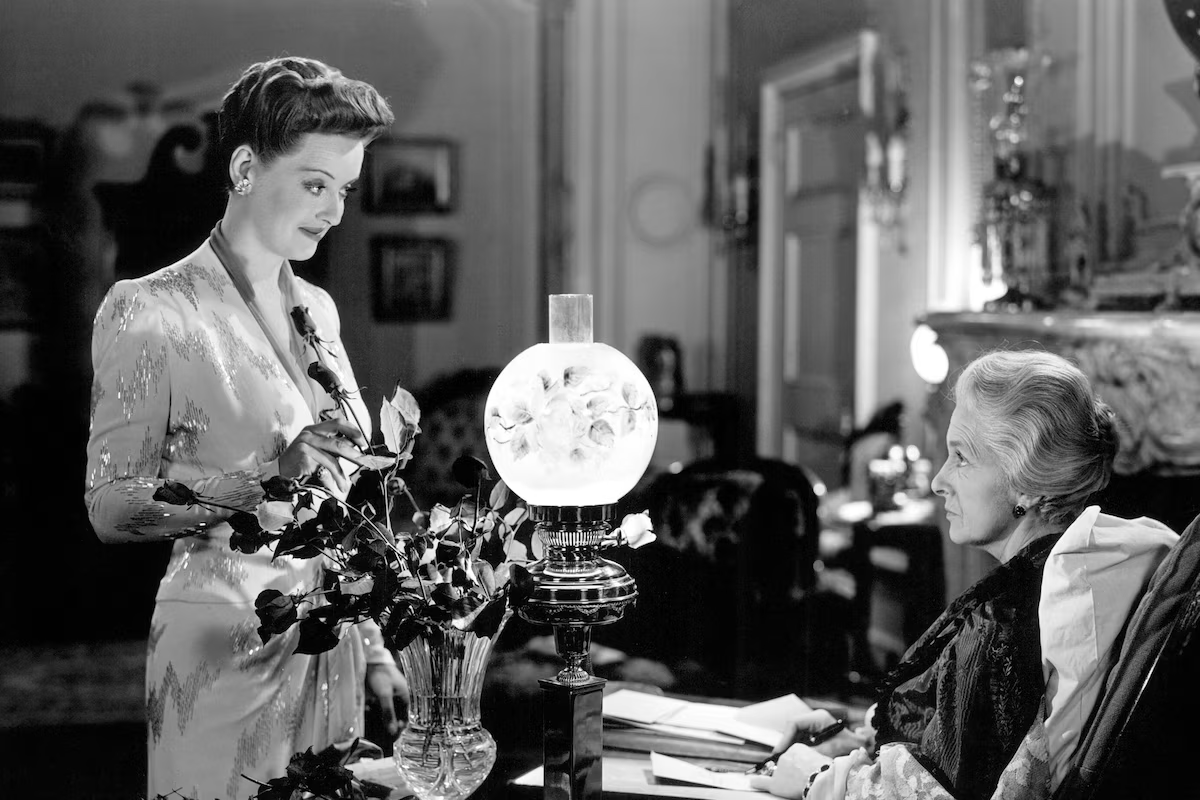
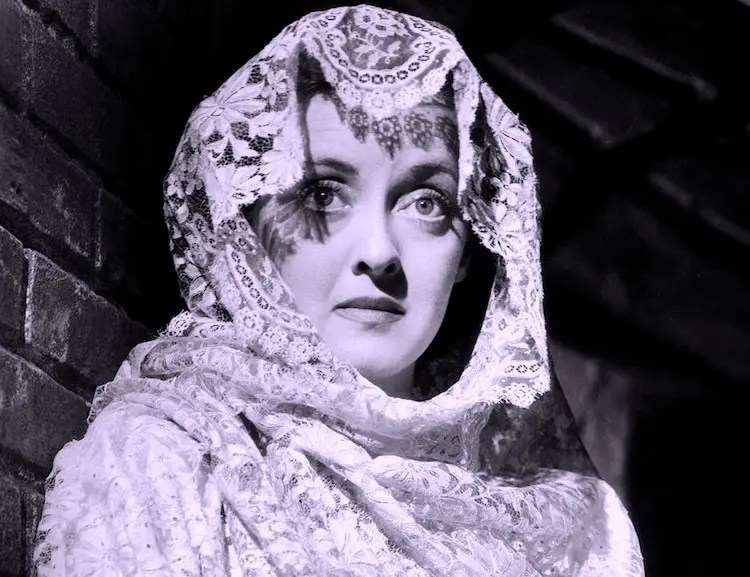
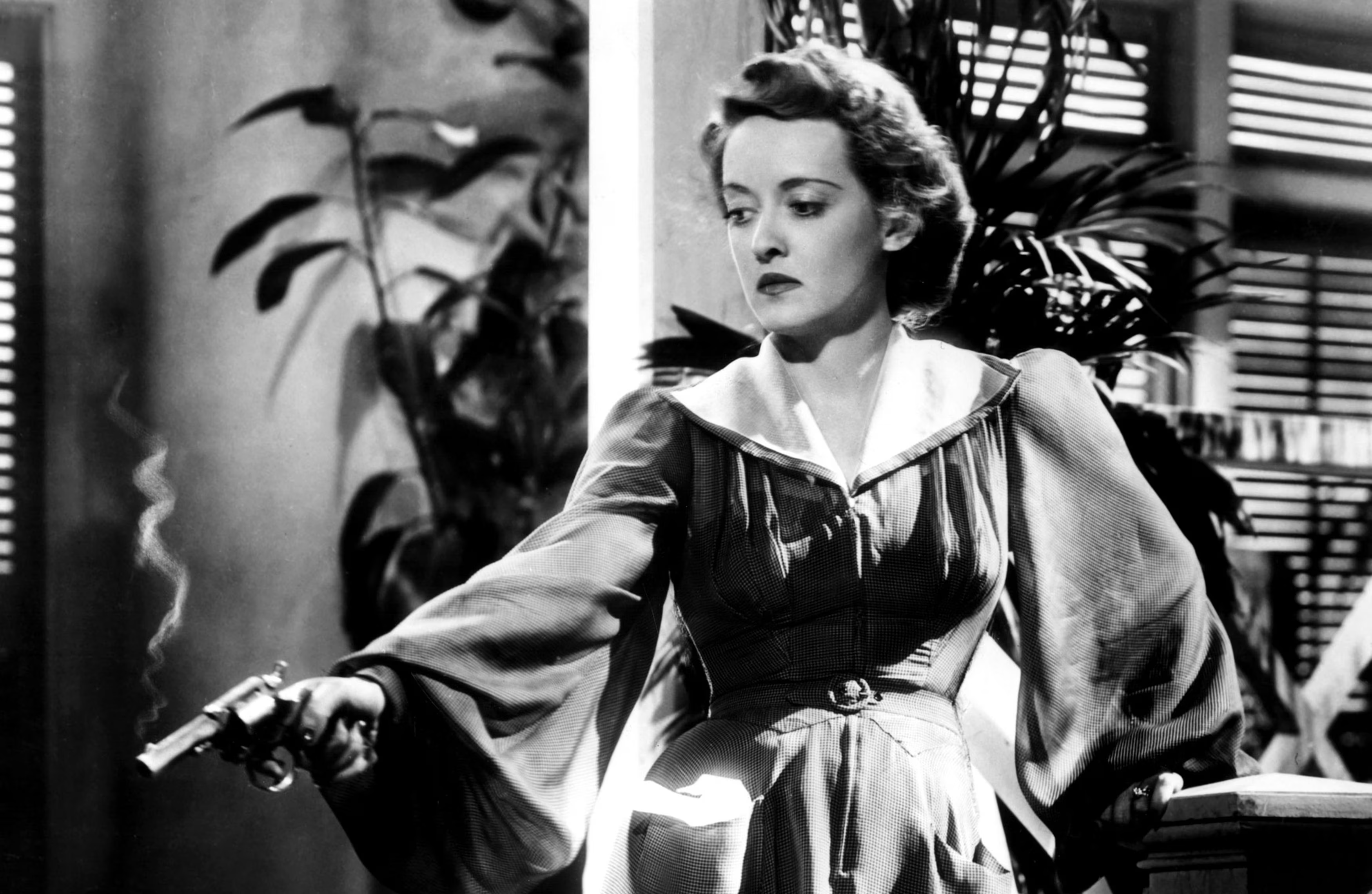
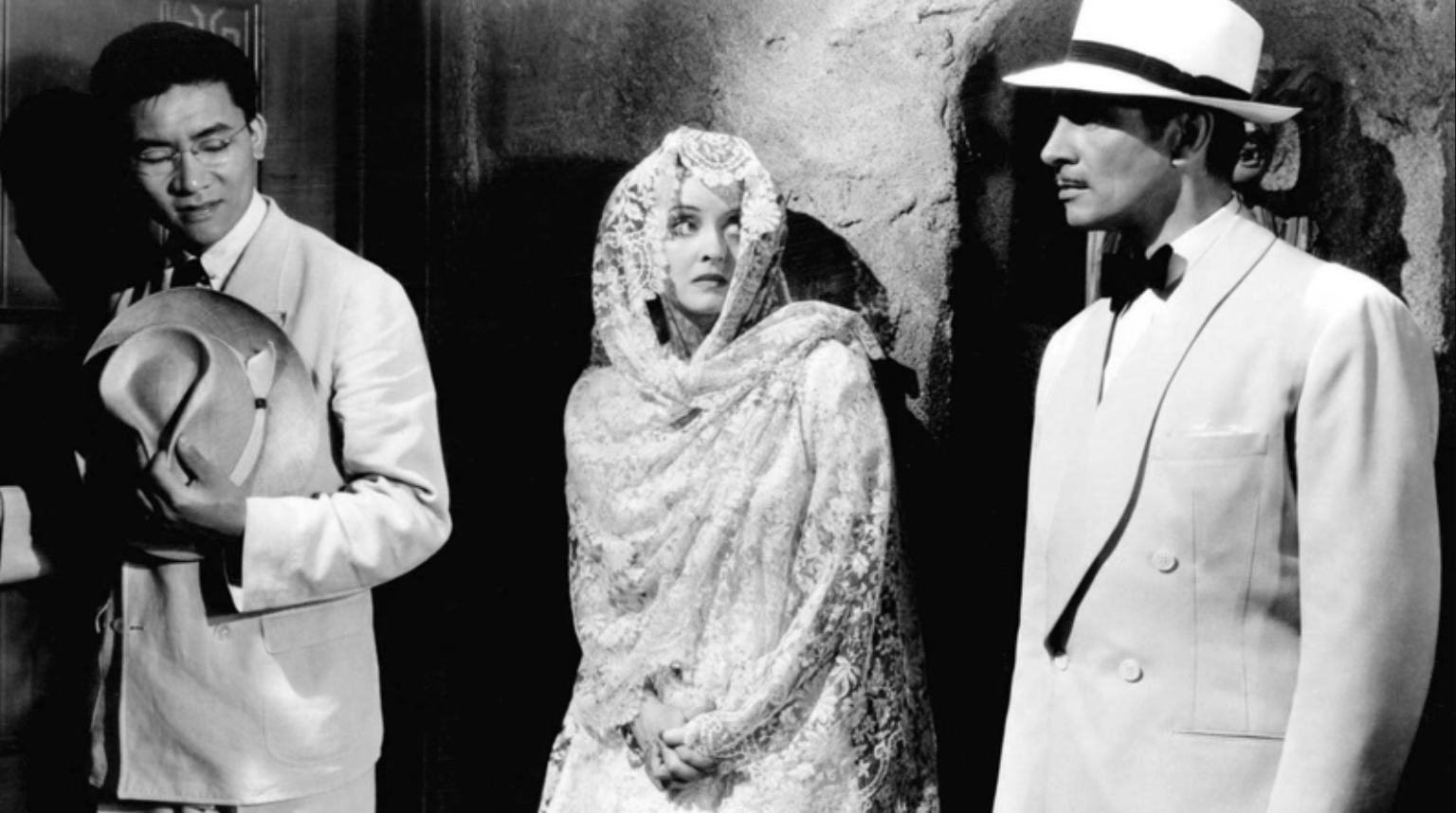
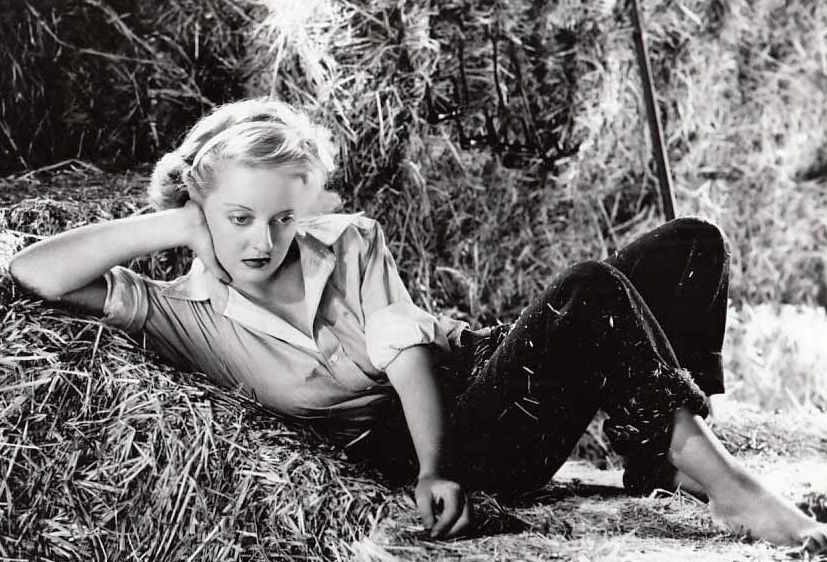
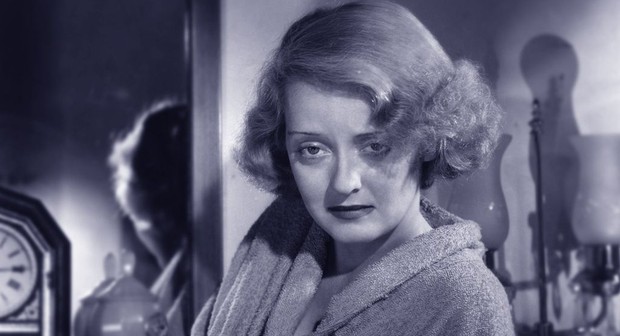
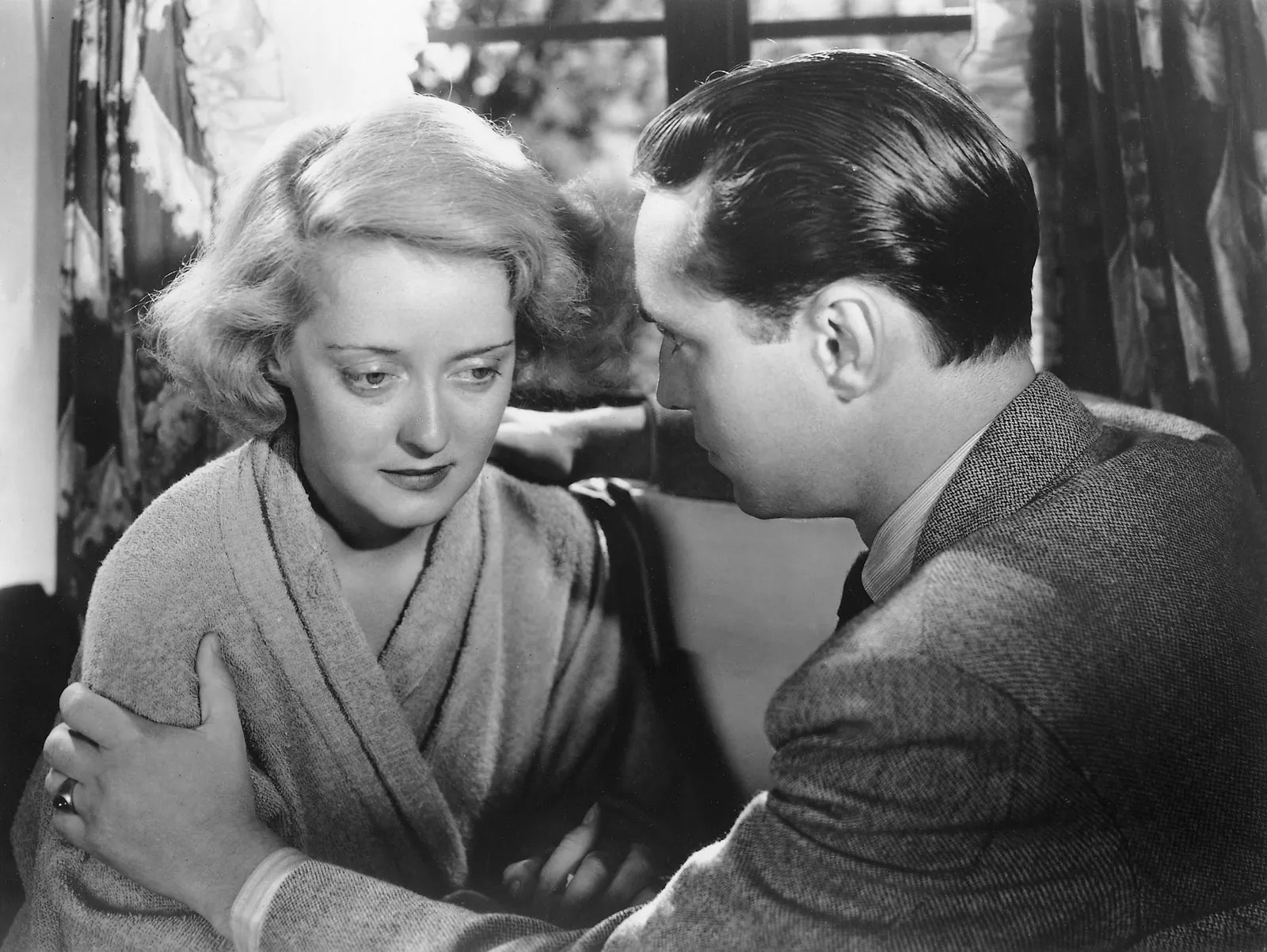
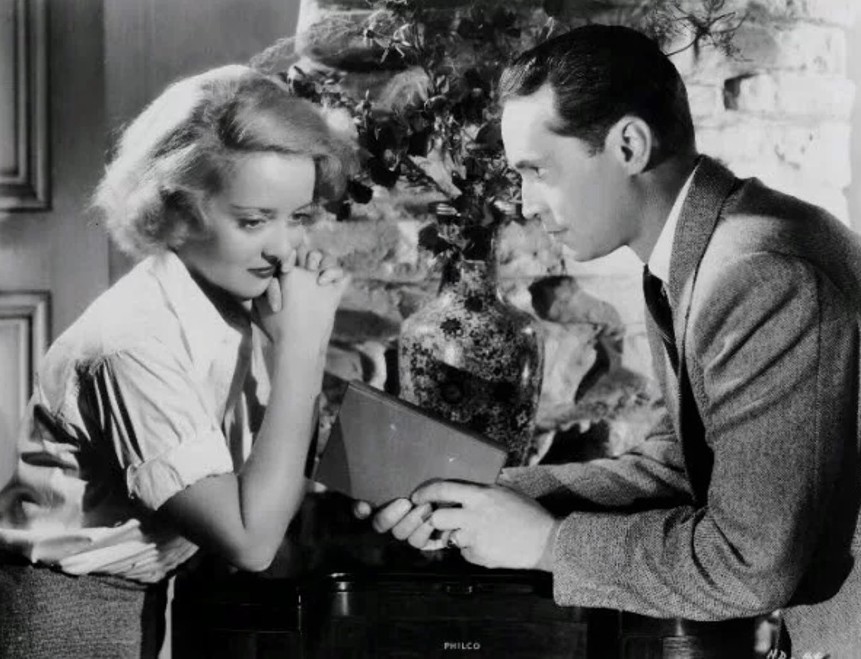
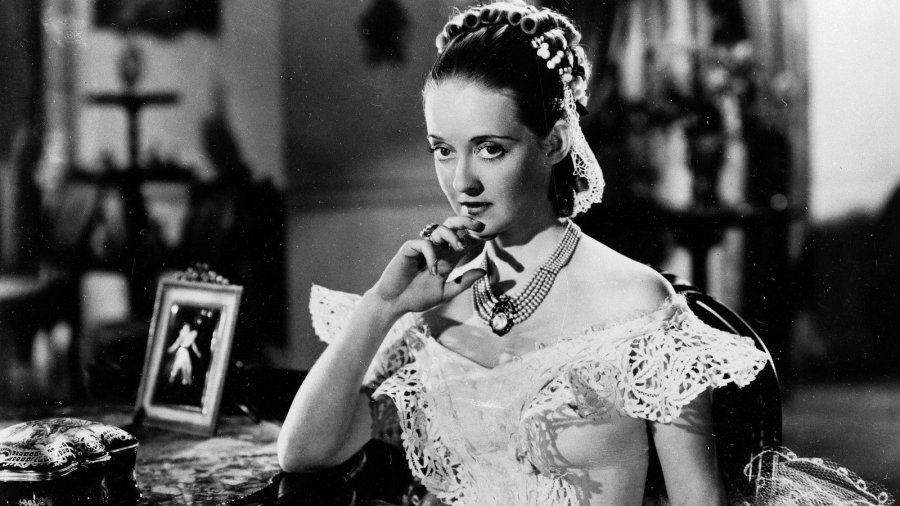
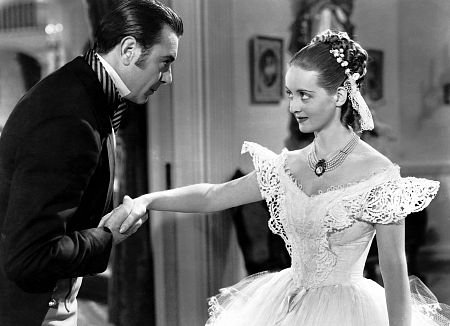
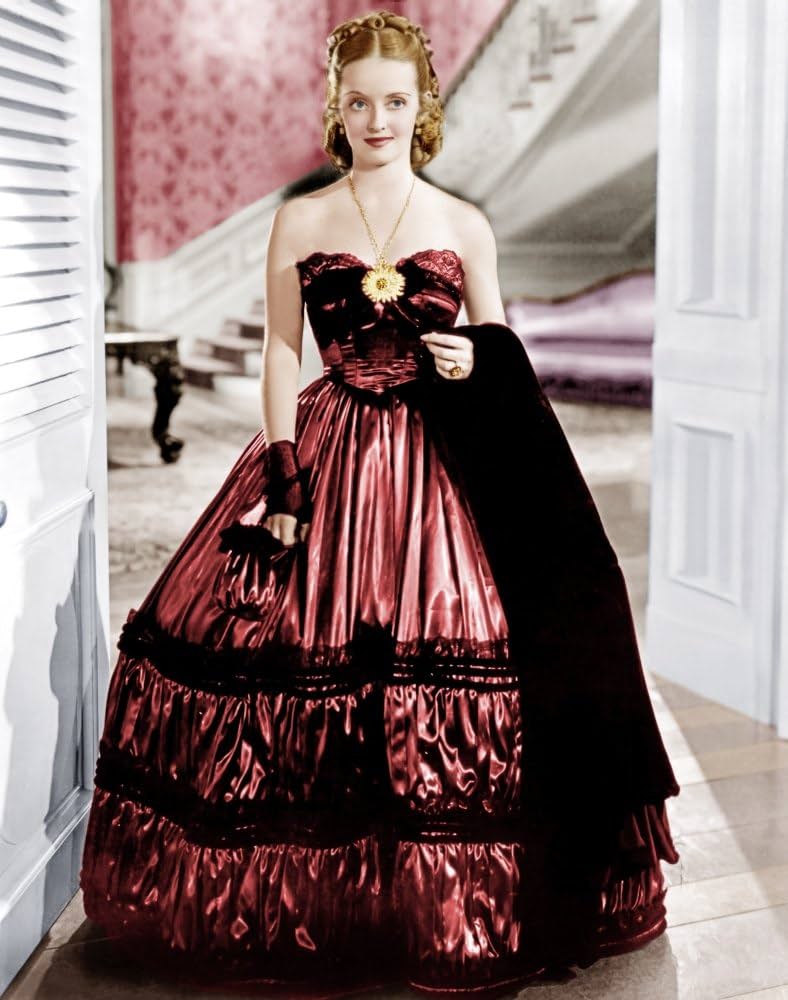
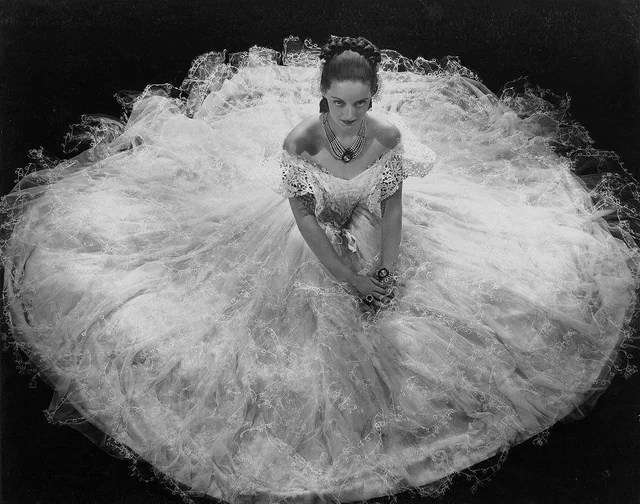
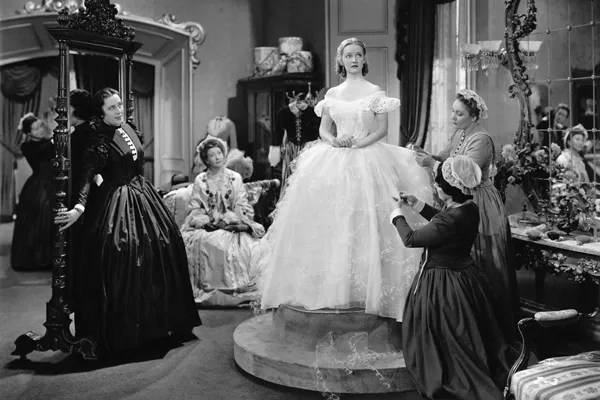
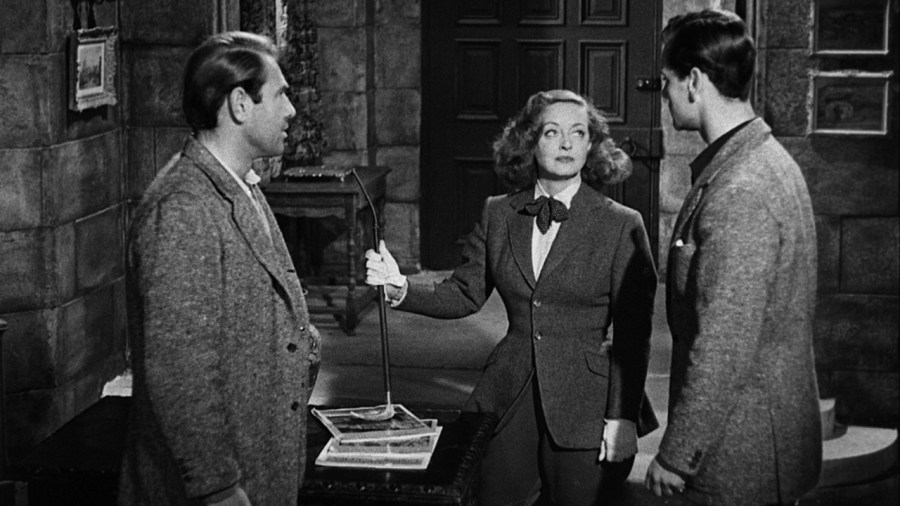
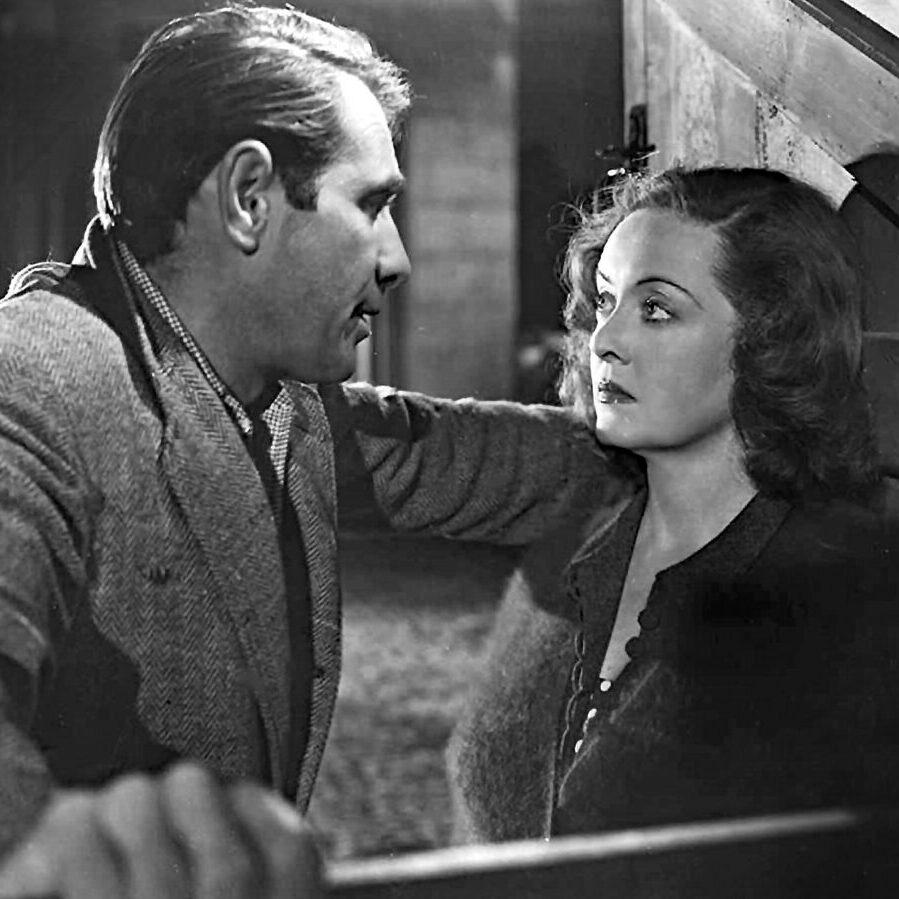
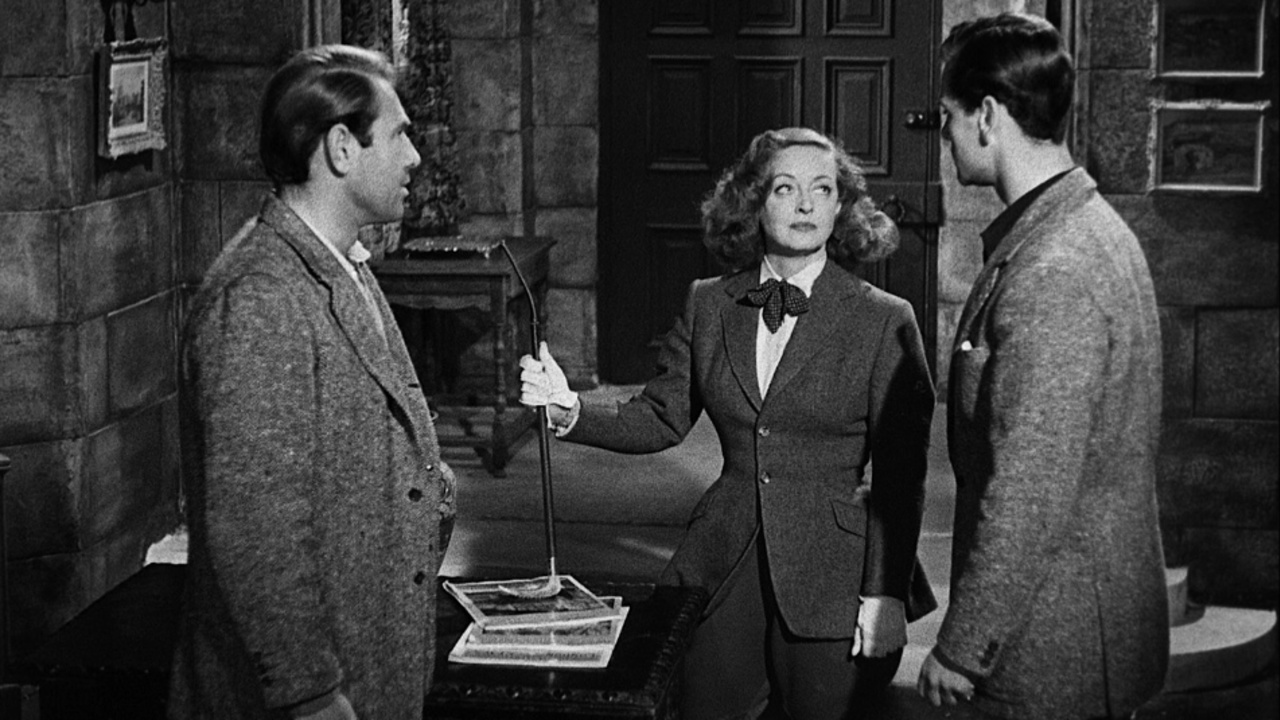
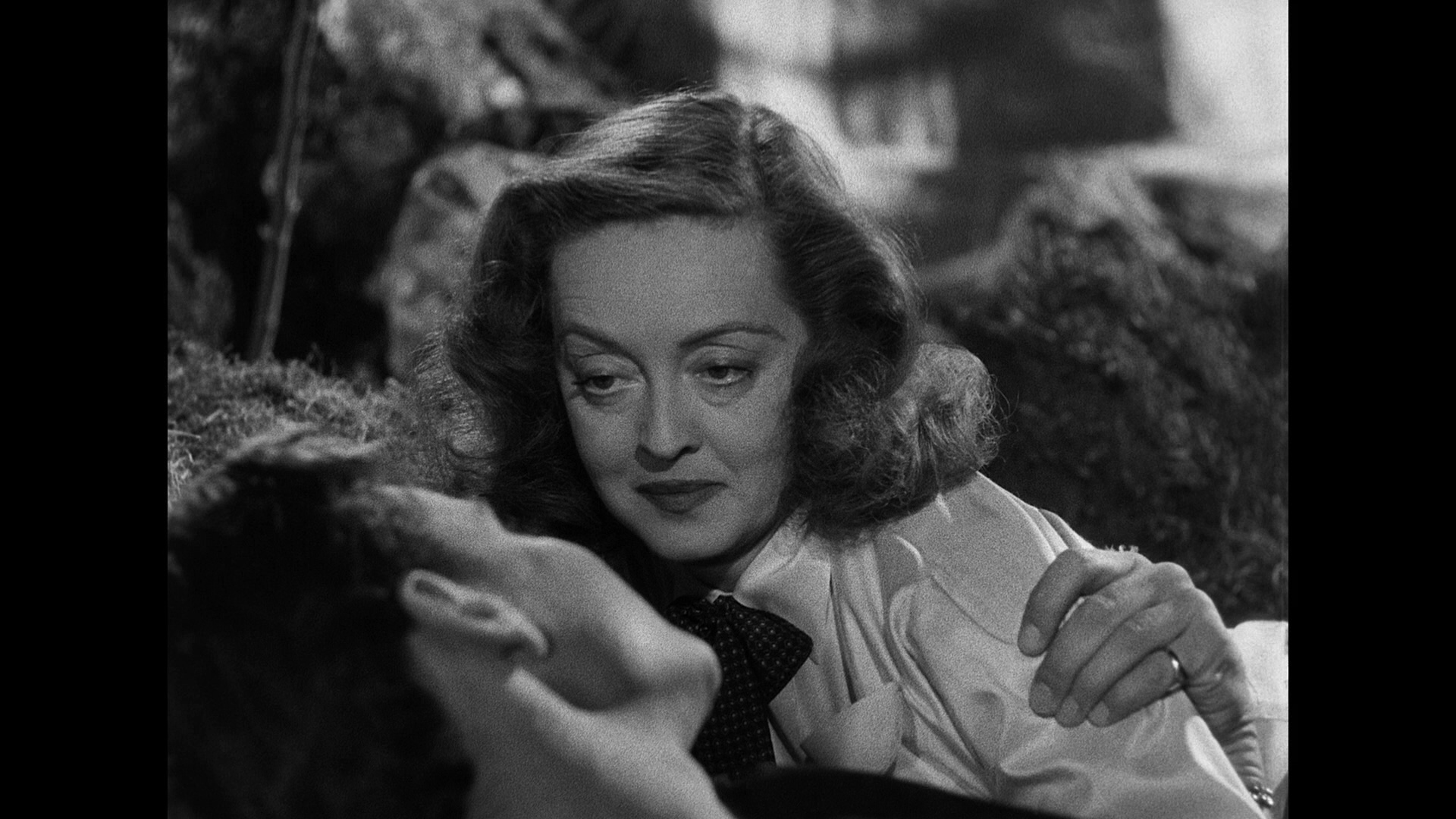
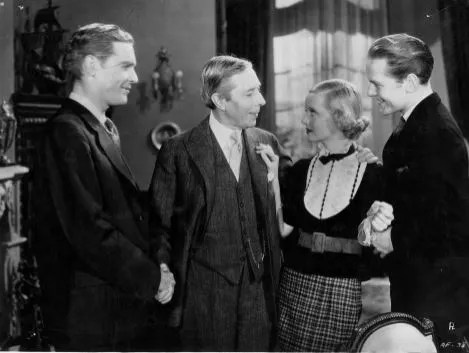
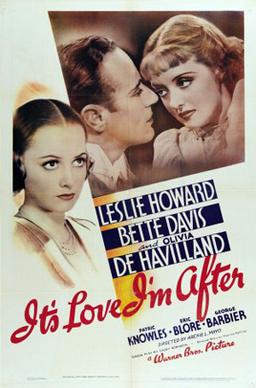
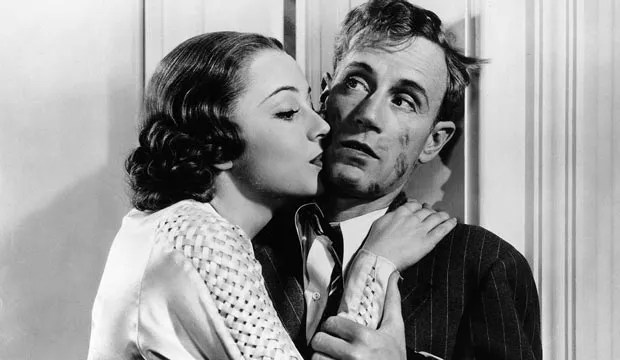
An arrogant, self-absorbed, womanizing stage actor and the actress who keeps putting up with him are the main characters in It’s Love I’m After, a 1937 romantic comedy starring Bette Davis, Leslie Howard, and Olivia De Havilland.
I stumbled on this one by accident while looking for Bette Davis movies to add to my Spring of Bette Davis feature and ended up absolutely loving it.

I didn’t even know it was a comedy when I started it, but when the pair started insulting each other in loud whispers during a scene from Romeo and Juliet, I knew this movie was going to be very entertaining.

And it was very entertaining, very funny, and a very nice surprise.

Leslie Howard plays the part of Basil Underwood, a famous stage actor who women fall all over.

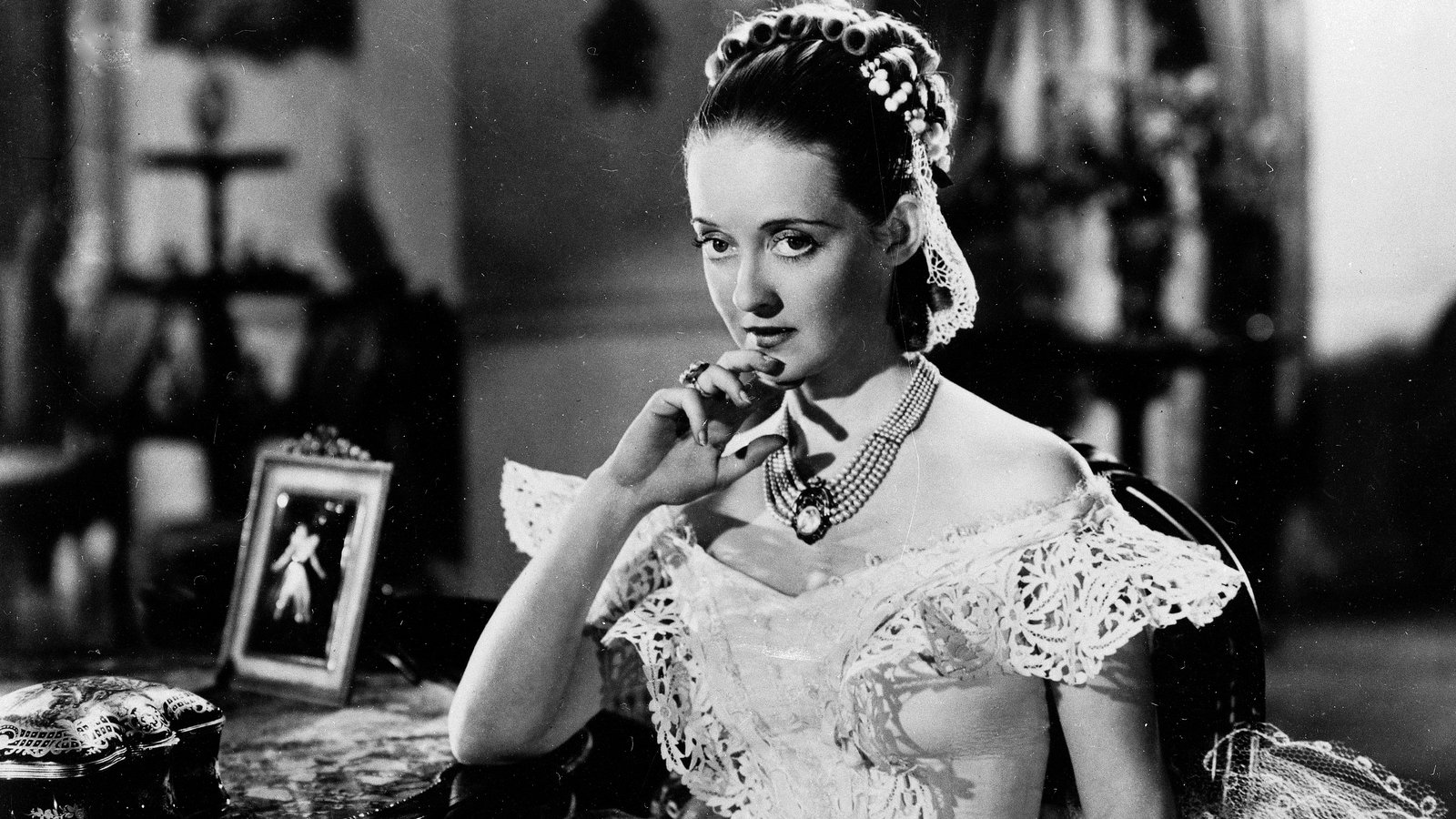
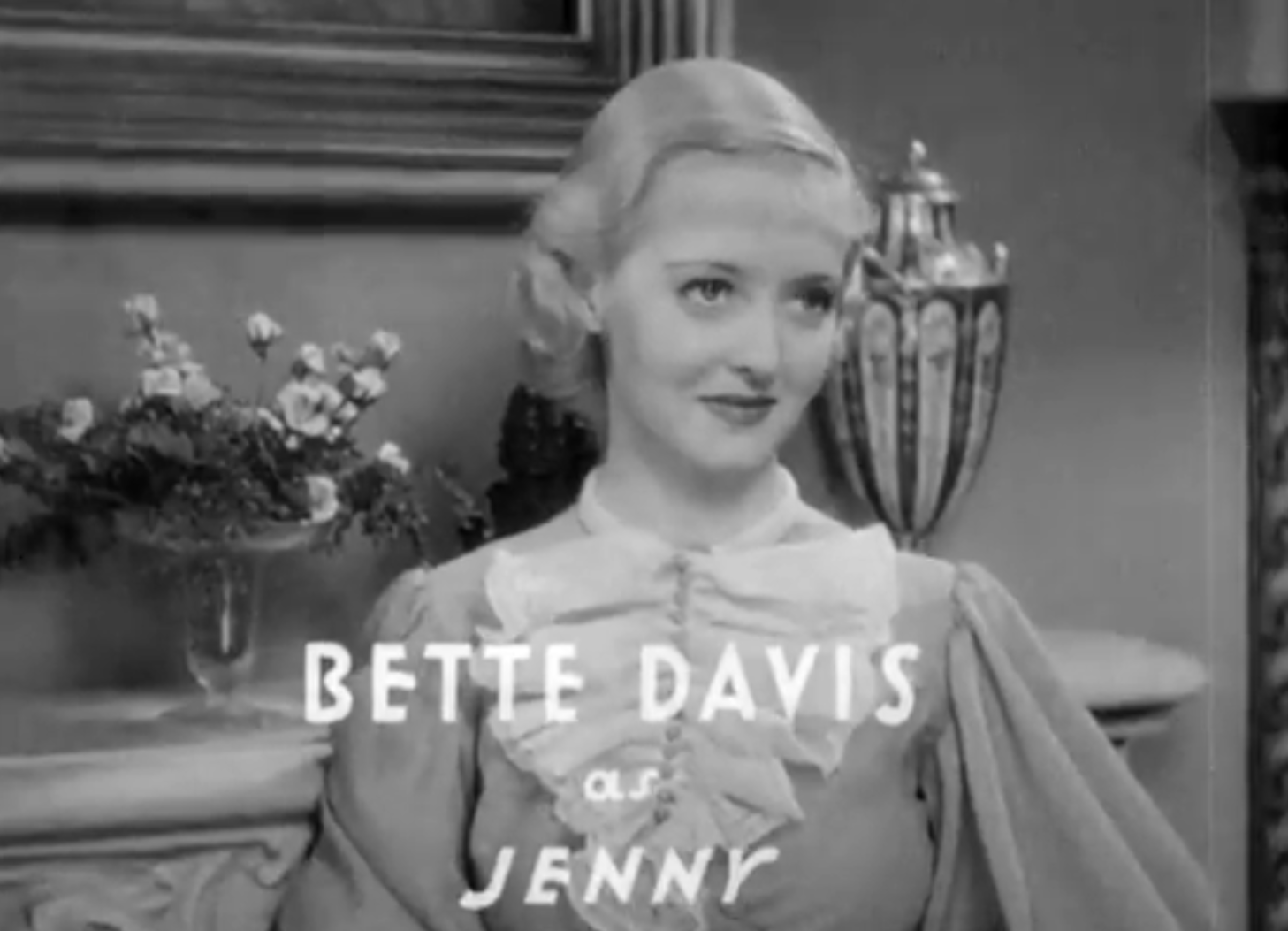
Bette plays his co-star and on-again-off-again girlfriend, Joyce Arden, who joins Leslie’s drama with her own drama. In the beginning, we see the two sniping at each other right after their performance, going back to the hotel and continuing their arguing through the door separating their rooms.

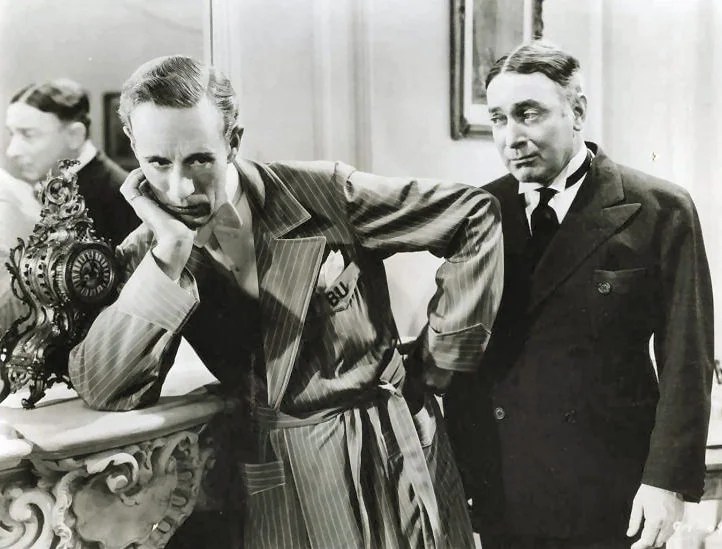
It is at the hotel where we meet Basil’s valet Digges played by Eric Blore. Their interaction reminded me so much of Jeeves and Bertie Wooster in the Jeeves books by P.G. Wodehouse. I absolutely loved their bantering, bickering, and joking.

They have this whole routine where Digges either gives or takes away points from Basil based on his behavior, and Basil’s behavior is often not good because he is frequently running off with married women or breaking hearts, all while in a relationship with Joyce.

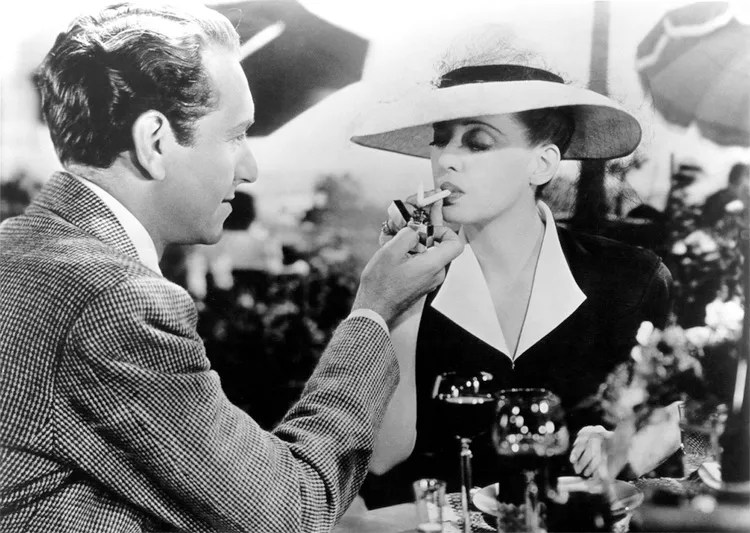
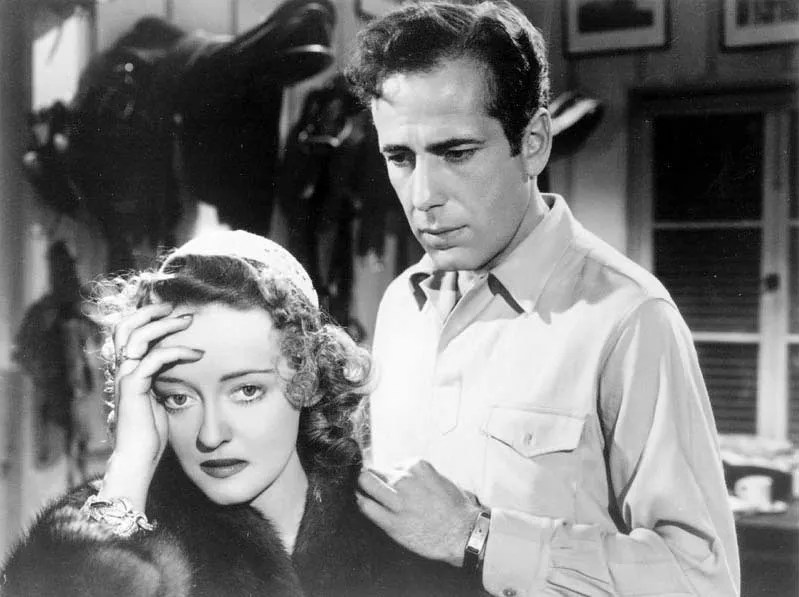
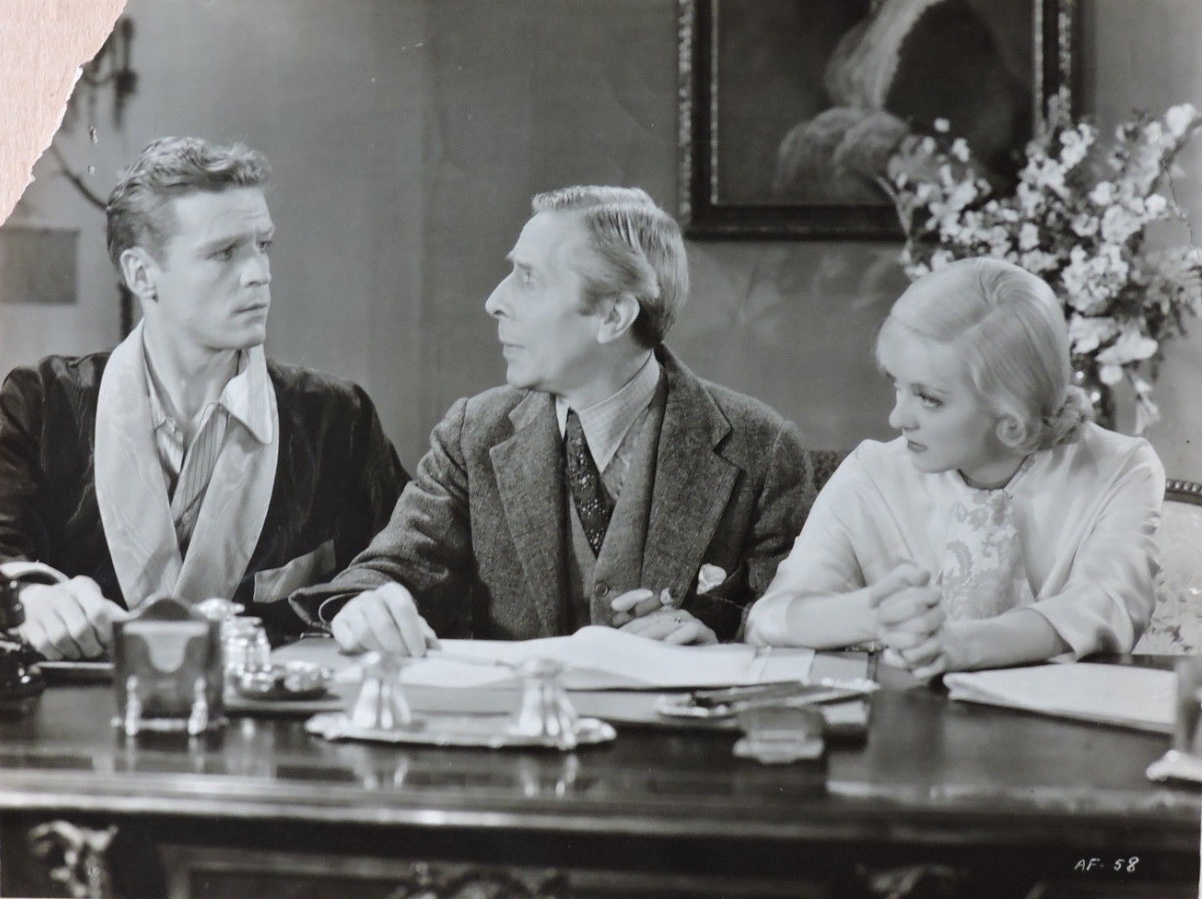
Leslie Howard and Eric Blore

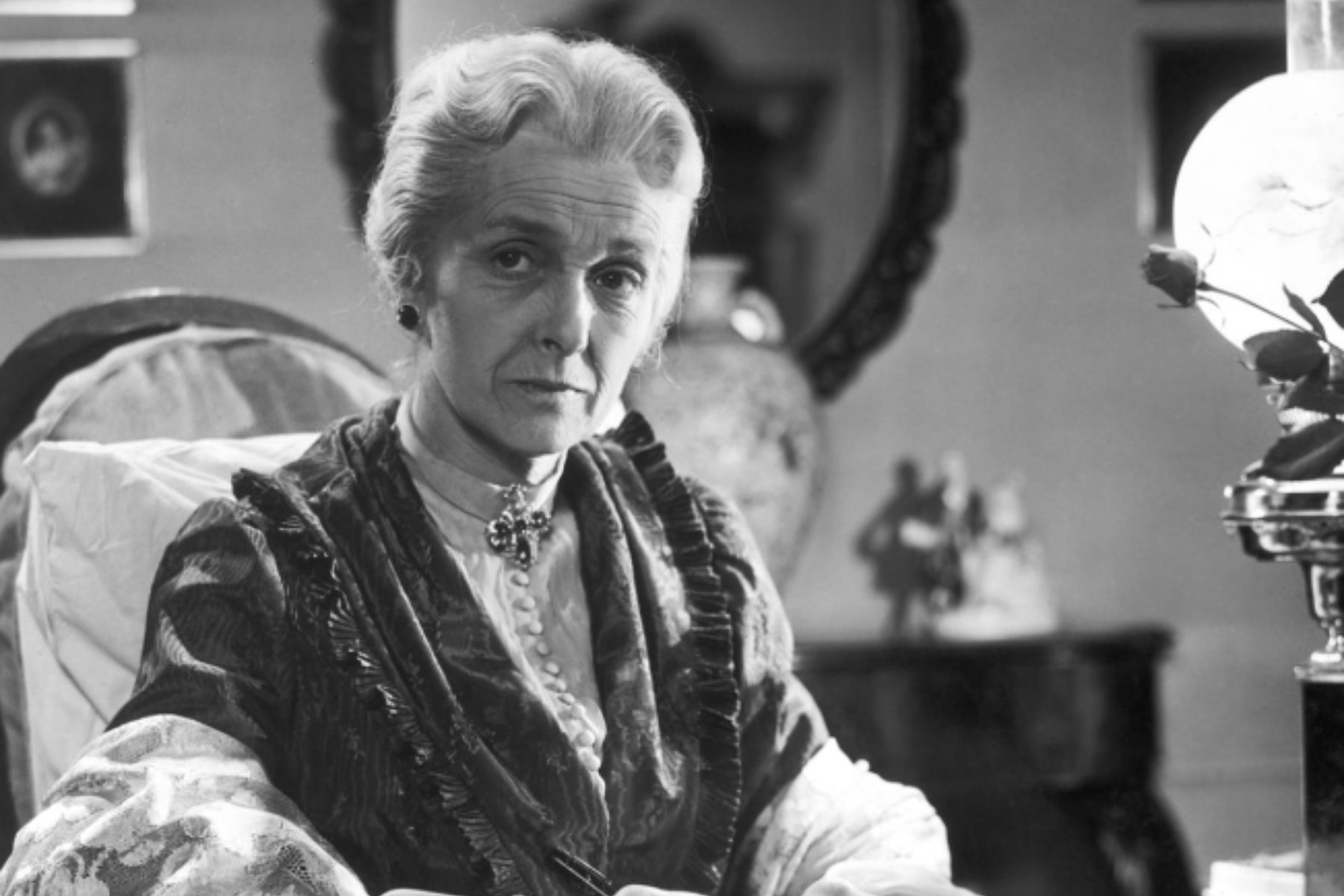
Joyce and Basil have decided they are going to get married early on in the movie, but there is one problem. After their performance at the beginning of the movie, a young woman named Marcia West (De Havilland) comes to visit Basil and tells him she is in love with him. This is very exciting for him because, you know, he loves women and the attention of women. Marcia leaves without telling him her name, and Basil is left with a well-stroked ego.

Once he and Joyce have decided to marry, and Joyce has closed herself in her room to get ready to leave for the wedding at a justice of the peace, Marcia’s fiancé,  Henry Grant Jr. (Patrick Knowles) shows up and tells Basil he’s angry at him because Marica is in love with him.

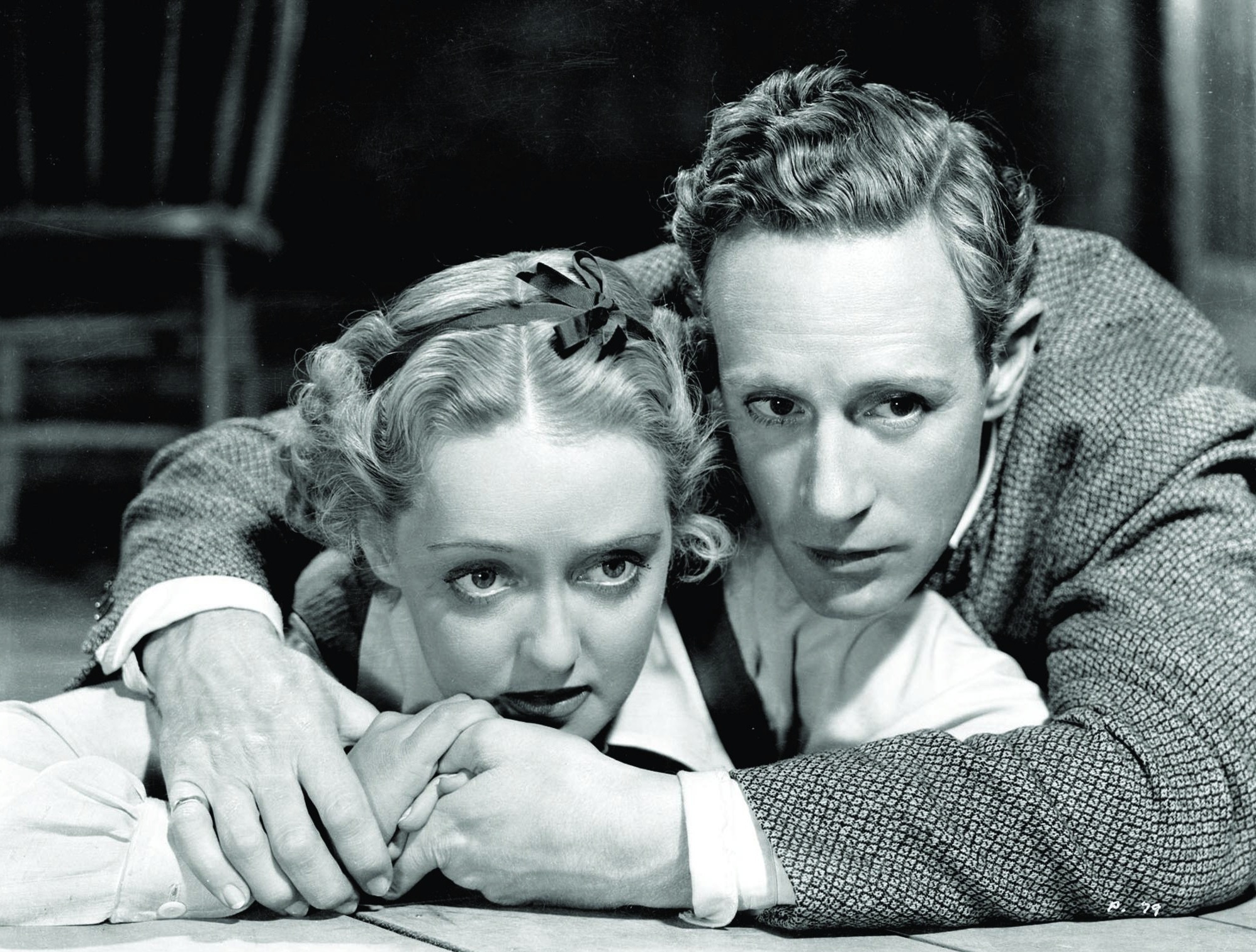
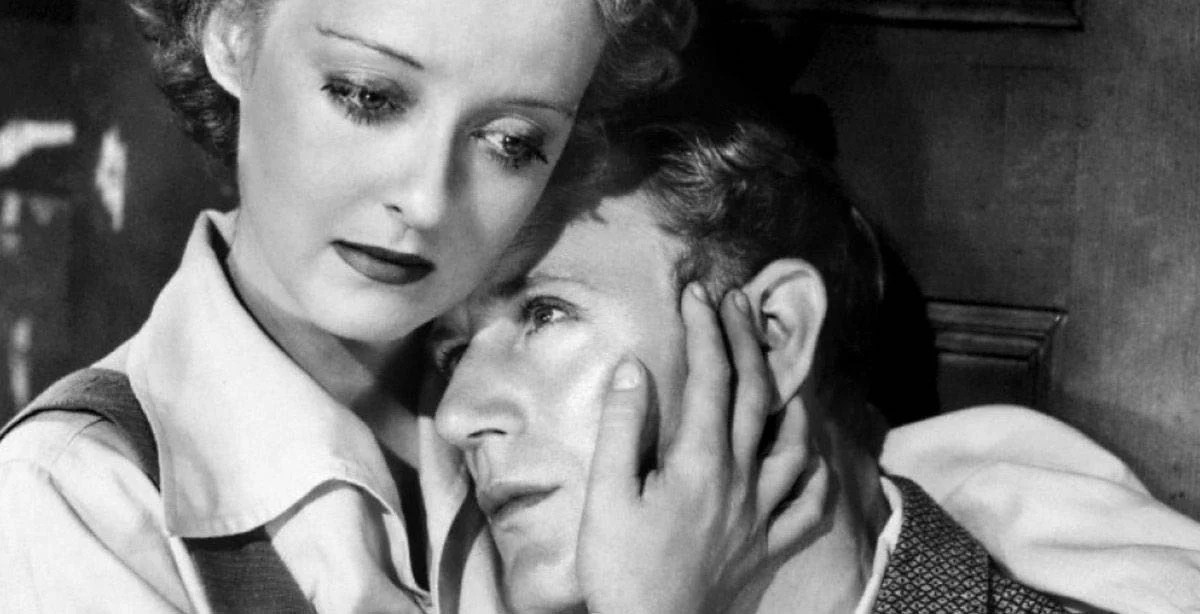
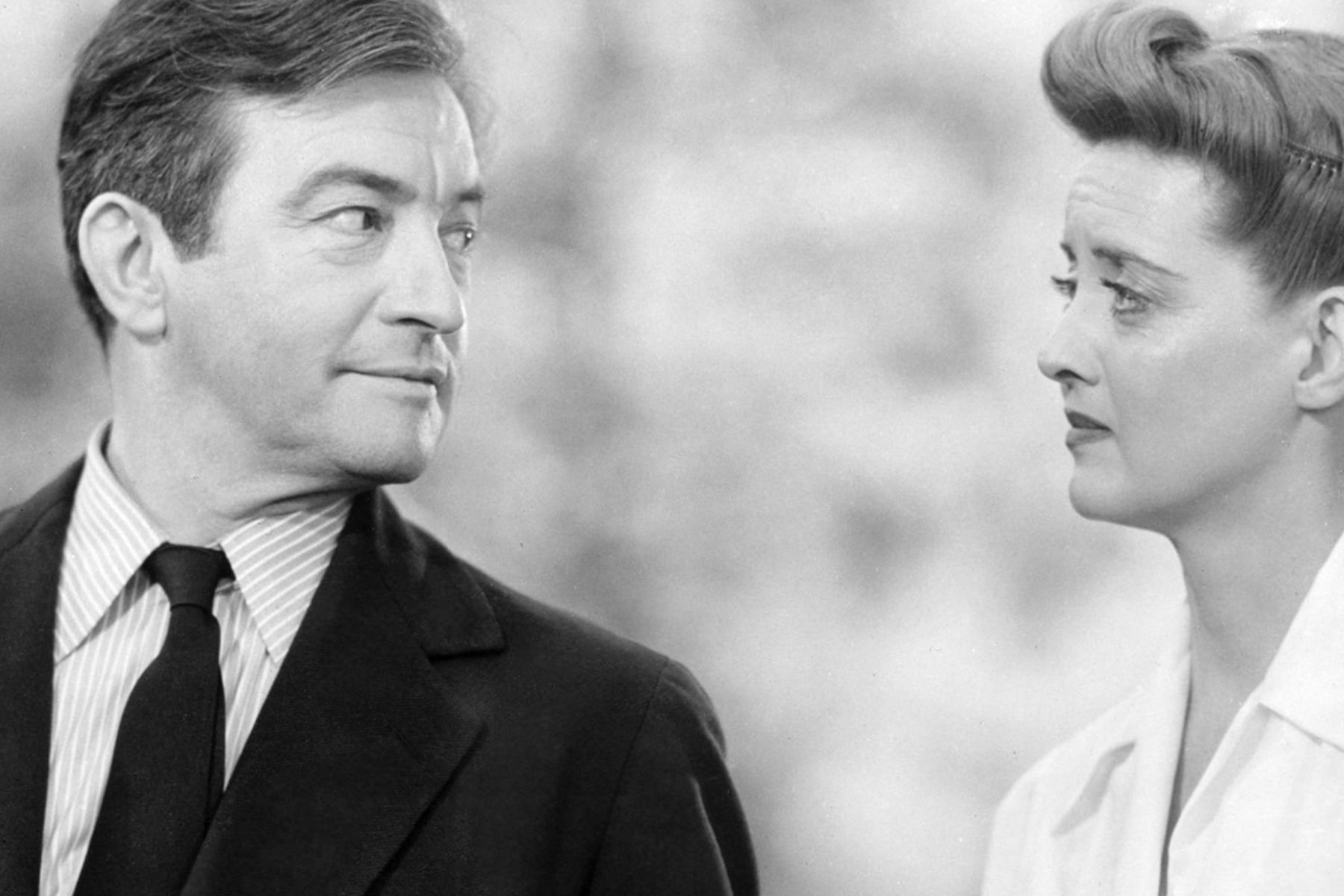
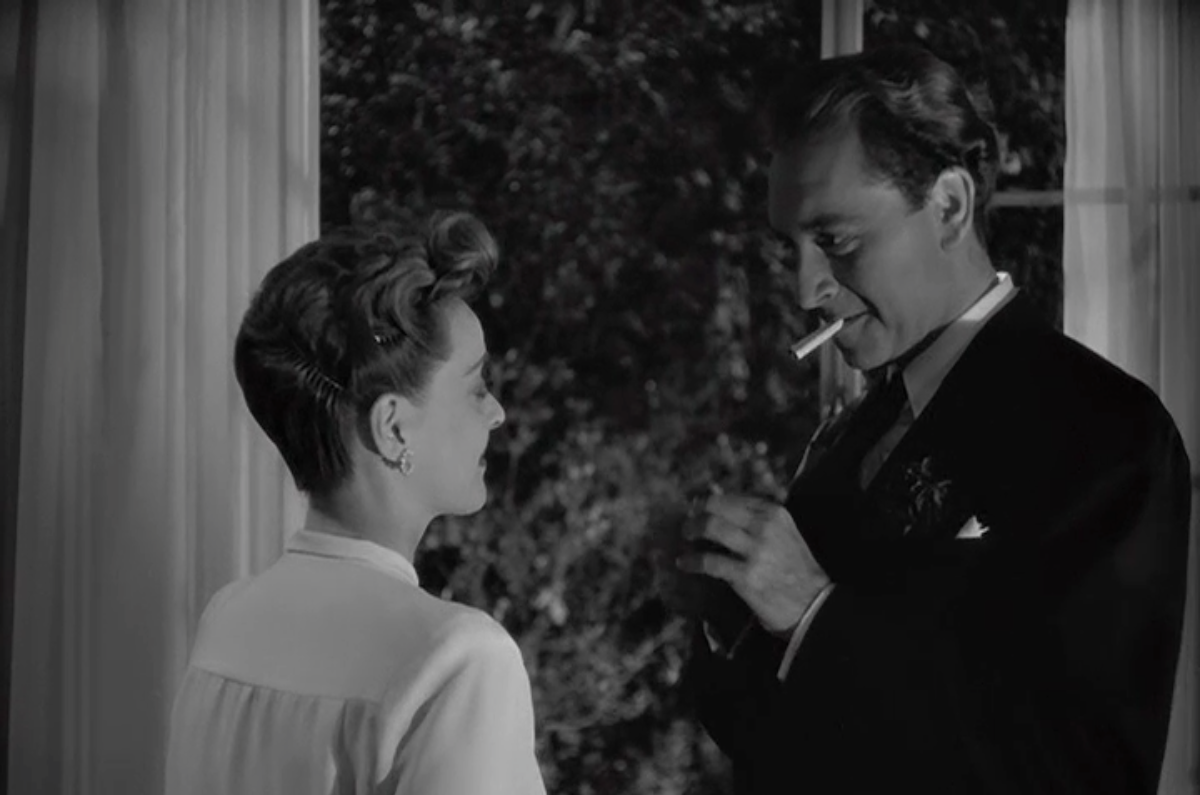
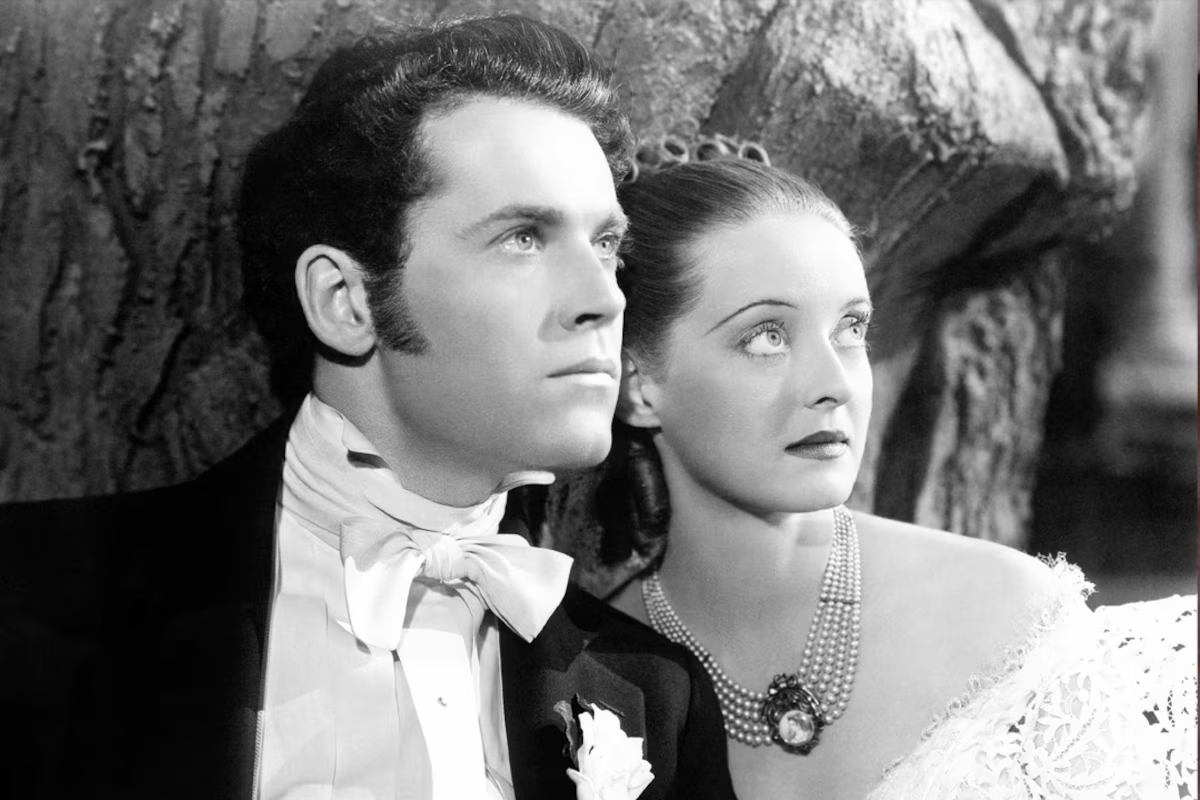
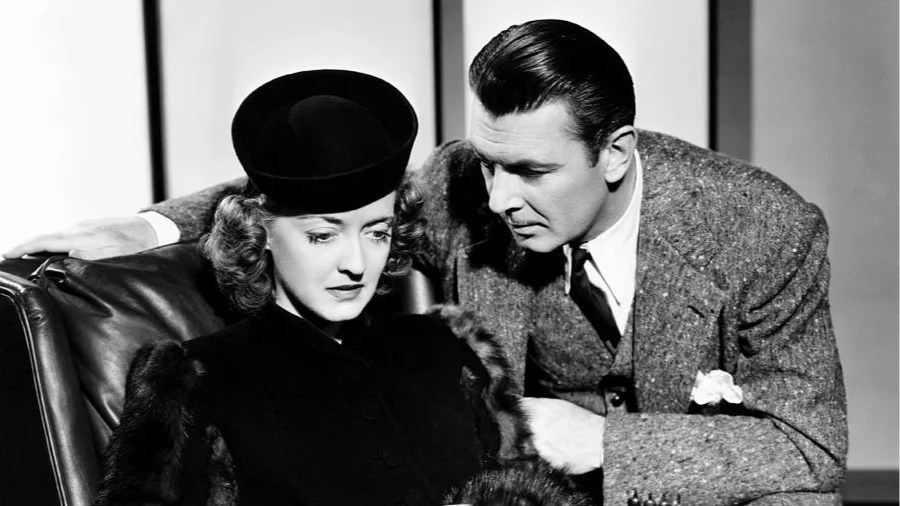
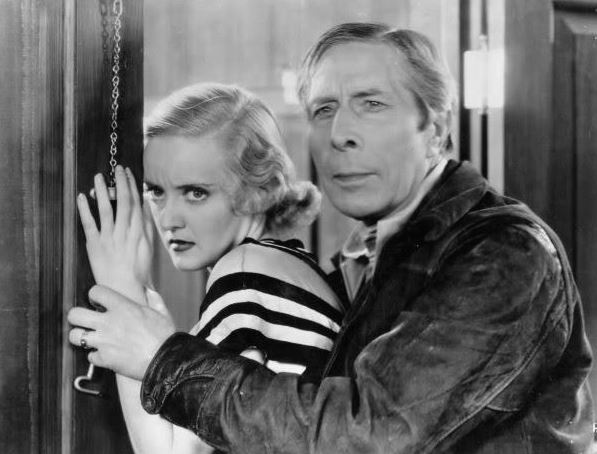
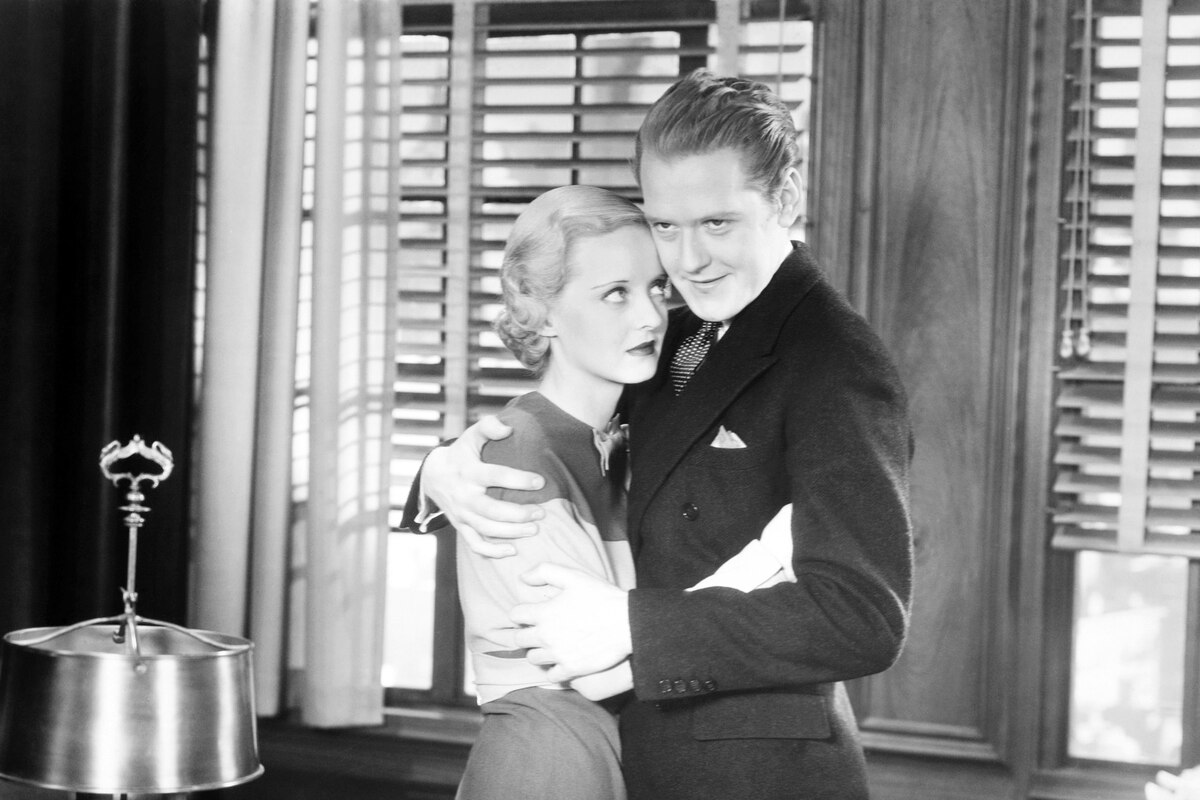
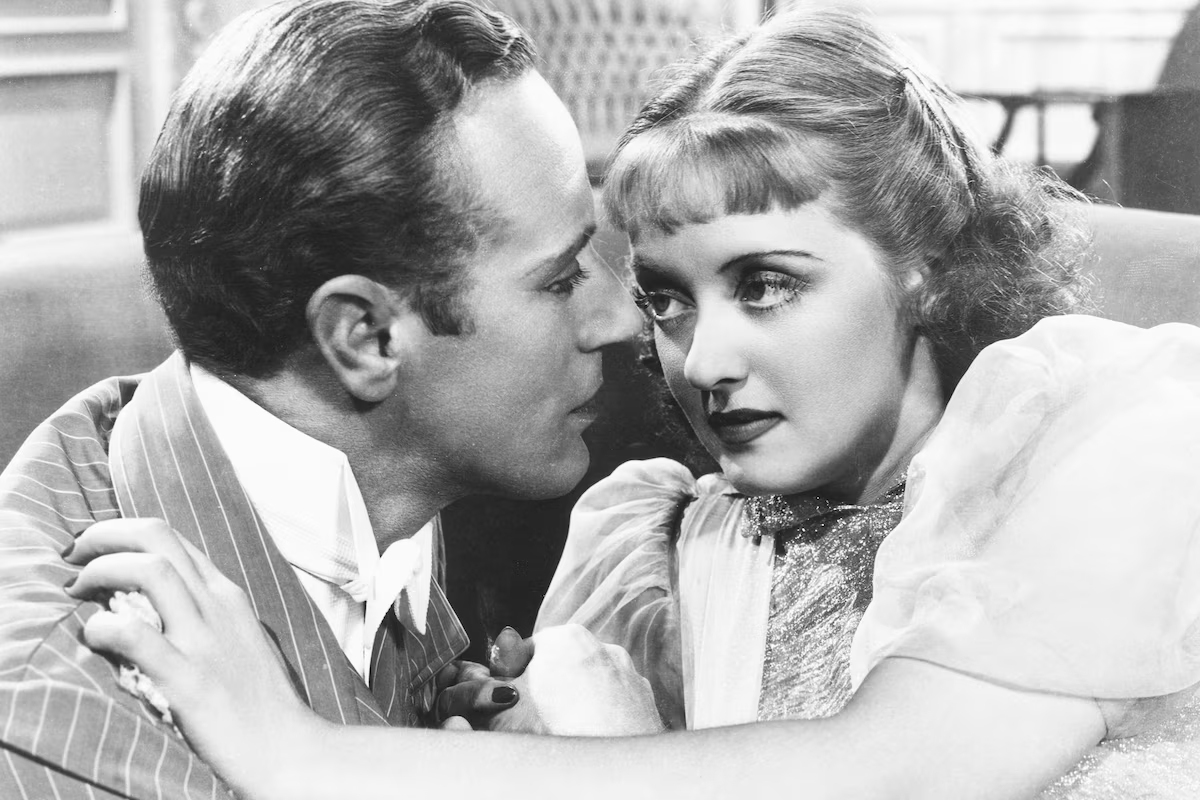
Leslie Howard and Bette Davis

There is this whole hilarious scene where Basil says the situation reminds him of a play he was once in and he and Digges act it out for Henry, who is bewildered and annoyed.

The play they act out is about a woman who is in love with a man, but the man wants to shake the woman, so he acts like a cad to get rid of her.

Henry is delighted and says that is what he wants Basil to do — come to Marcia’s family’s house that weekend and be an absolute jerk so she will be fall out of love with him.

What follows is an absolutely hilarious second act that had me in stitches. Olivia was absolutely perfect as a celebrity-obsessed woman, and Leslie was perfect as the arrogant, self-absorbed star.

The cast was just so perfect together.

There is one line that isn’t really a spoiler, so I just have to share it — at one point Olivia says that she was obsessed with Clark Gable for a month and Leslie says, “Who’s Clark Gable?”

I felt like such a nerd when I said, to myself because my daughter was not listening, “Do you know why that’s so funny? It’s so funny because Leslie, Olivia, and Clark were all in Gone with the Wind together and in that movie Olivia’s character was in love with Leslie’s character and Clark was in a relationship with Vivien Leigh.” Then I snorted a laugh.

Gone With the Wind was released two years after this movie. I thought it would have been funny if It’s Love I’m After had been made after Gone with The Wind.

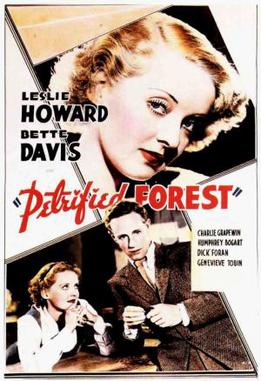
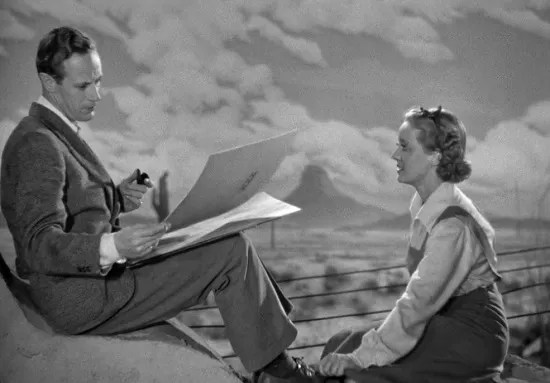
Leslie Howard wanted the movie made to give himself a break after appearing in mostly heavy dramatic roles like The Petrified Forest (1936) and Romeo and Juliet (1936), according to TCM. The screenplay was based on the story Gentlemen After Midnight by Maurice Hanlin.

Producer Hal Willis wasn’t sure about Leslie’s ability to pull of comedy, but did accept the suggestion for the film. Casey Robinson wrote the screenplay, and Archie Mayo directed.

Leslie originally wanted a comedic actress from the stage, like Gertrude Lawrence or Ina Claire to play opposite him but after a few failed attempts, the picture began production without a leading lady.

Finally, Wallis decided that Bette Davis could use a change of pace after intensely dramatic roles in Marked WomanKid Galahad and That Certain Woman (all 1937).

Bette wasn’t so sure, though. She’d turned out a lot of films in a short time and actually wanted a break. This would be her third film with Leslie, and she liked working with him but didn’t like that he was going to receive top billing above her. The two had had a strained relationship during the filming of Of Human Bondage when Leslie was cold and dismissive and said to resent the fact an American had been cast in a very British story. He’d also run hot and cold during the filming of The Petrified Forest, sometimes ignoring her, and also, she said, coming on to her “rather crudely.”

In It’s Love I’m After he turned his attention to Olivia, reportedly driving her nuts with his persistence in trying to woo her.

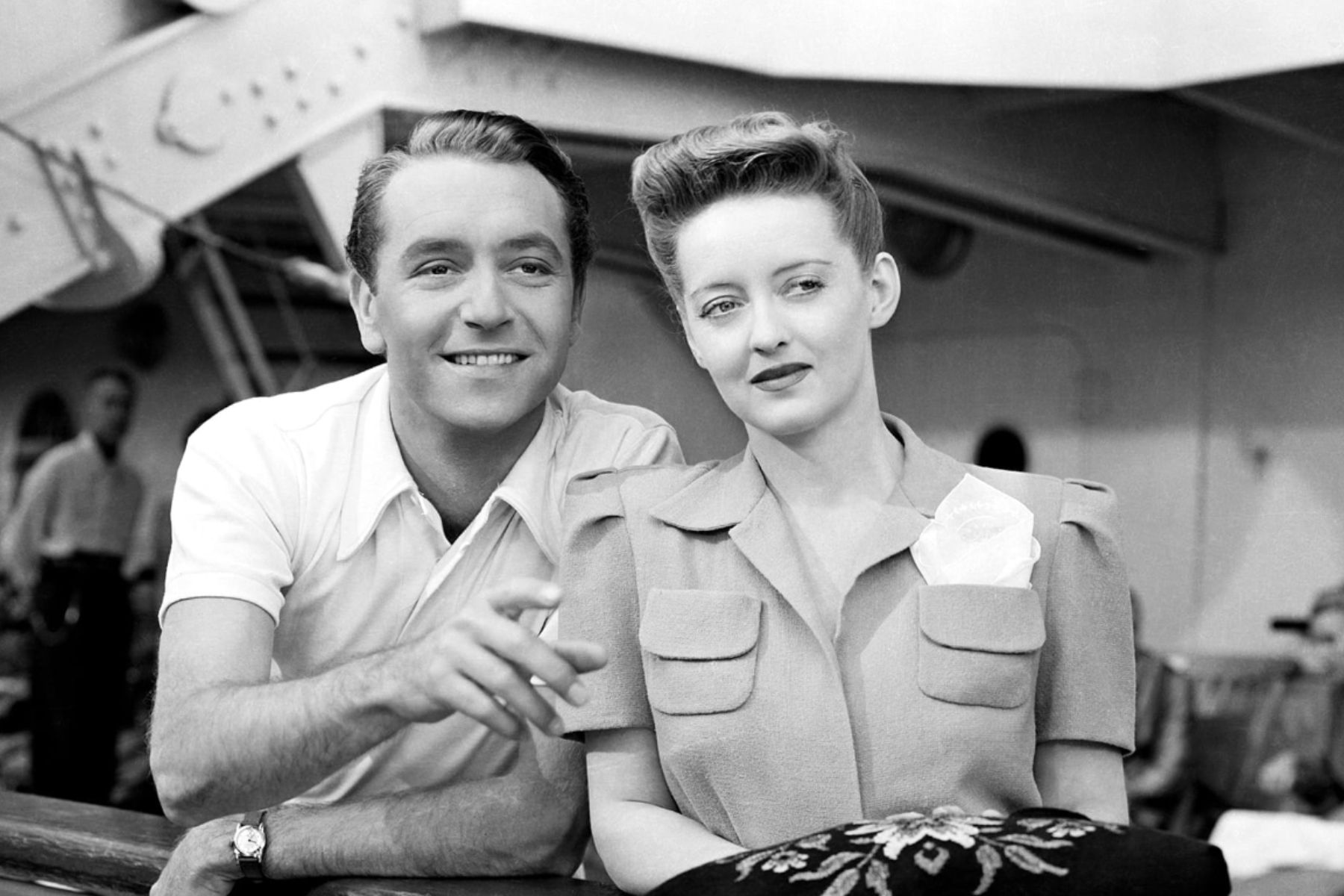
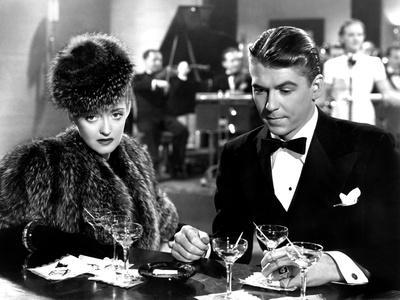
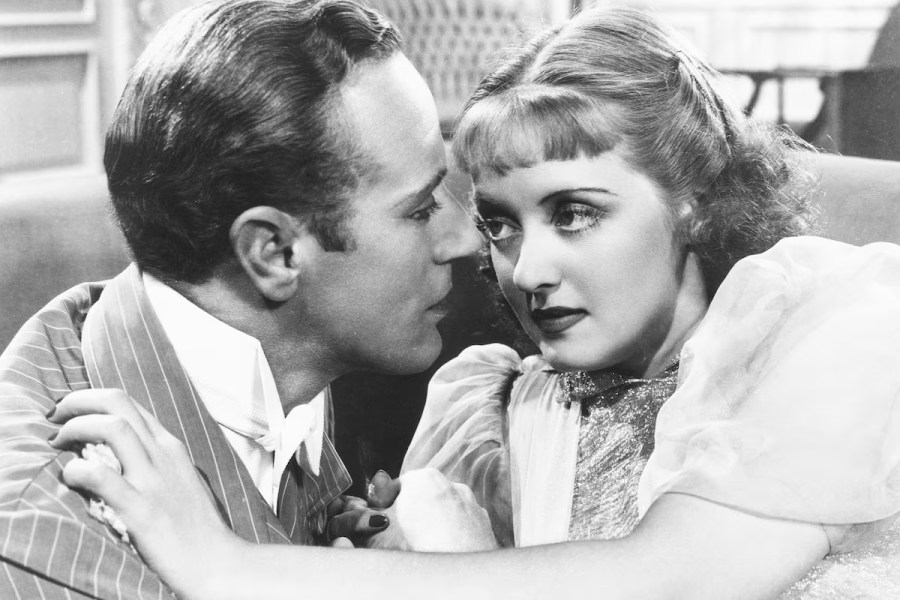
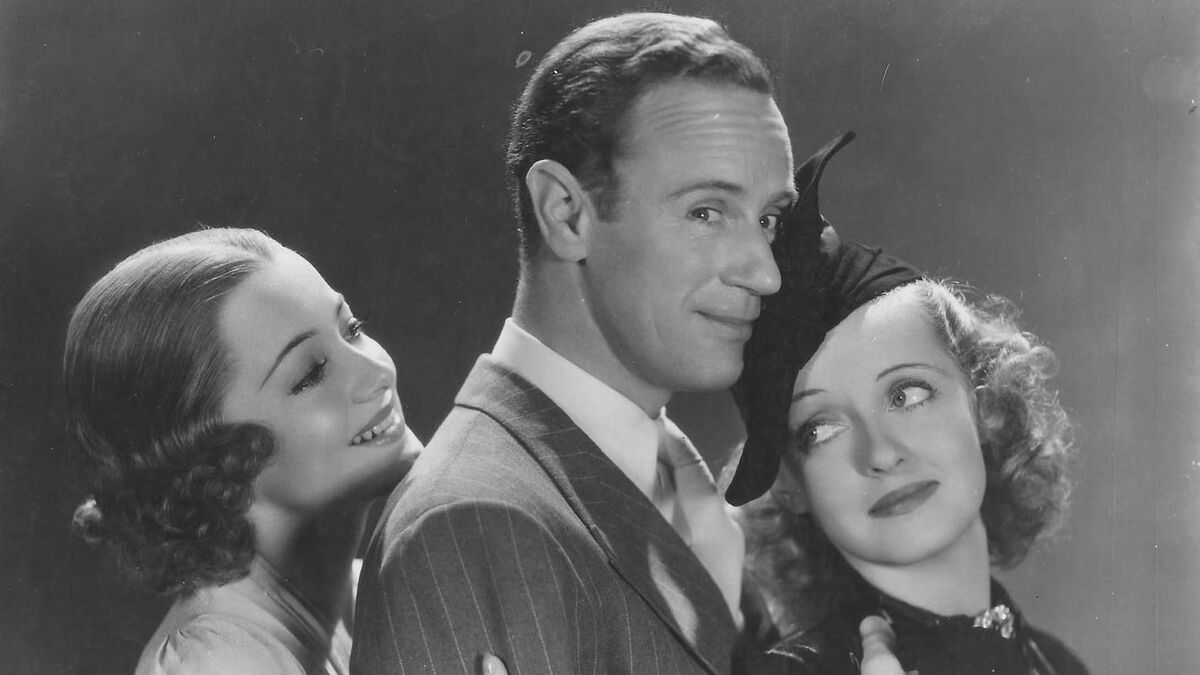
Olivia De Havilland and Leslie Howard

If it sounds like his character wasn’t too far off from the real Leslie, then you’d be right. He was known to be a womanizer, despite being married, and had many affairs.

Bette finally agreed to accept the role, but did ask for a cinematographer she liked to be hired to help her look good on screen.

Audiences proved that the producer had no reason to be worried about Leslie not doing well in a comedy, with over $1 million being brought in during its initial release.

Leslie followed this movie up by directing himself in George Bernard Shaw’s classic movie, Pygmalion (1938)

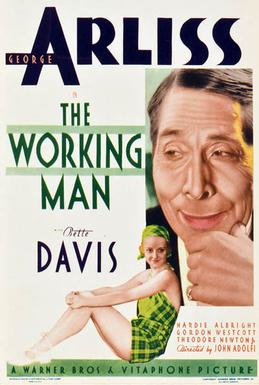
Up next for Spring of Bette, I will be writing about another one of her less-familiar movies, A Working Man, where she was in full blonde mode.

Here is the complete list of movies I will be watching during this feature:

It’s Love I’m After (April 15th)

A Working Man (April 17th)

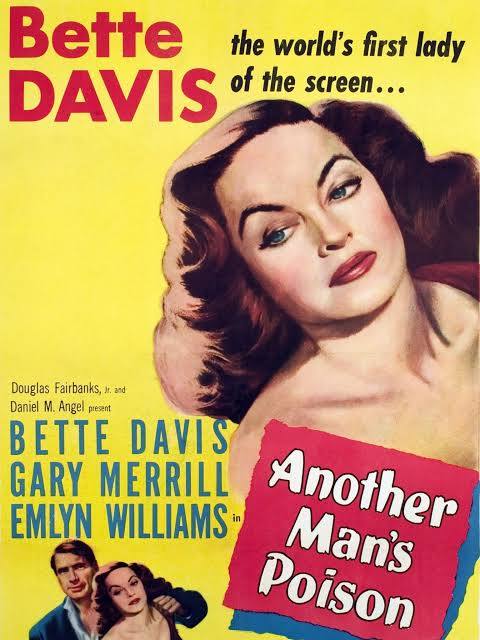
Another Man’s Poison (April 23th)

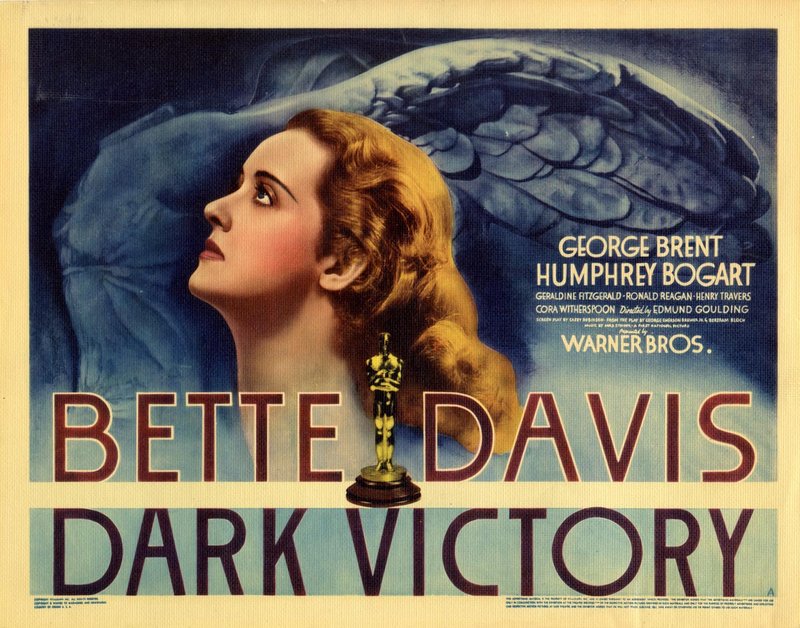
Dark Victory (April 30rd)

Jezebel (May 1)

Dangerous (May 7)

The Letter (May 12)

Of Human Bondage (May 21)

Now, Voyager (May 28)


Additional sources and resources

https://www.tcm.com/articles/92525/its-love-im-after

https://www.goldderby.com/gallery/best-bette-davis-movies-ranked/bette-davis-movies-ranked-all-about-eve/

If you want to find clips and thoughts about vintage movies and TV, you can visit me on Instagram on my Nostalgically Thinking Account (https://www.instagram.com/nostalgically_thinking/) or on my YouTube account Nostalgically and Bookishly Thinking here: https://www.youtube.com/@nostaglicandbookish


A little about Bette Davis and her connection to the small, rural area I live in (as I start my Spring of Bette)

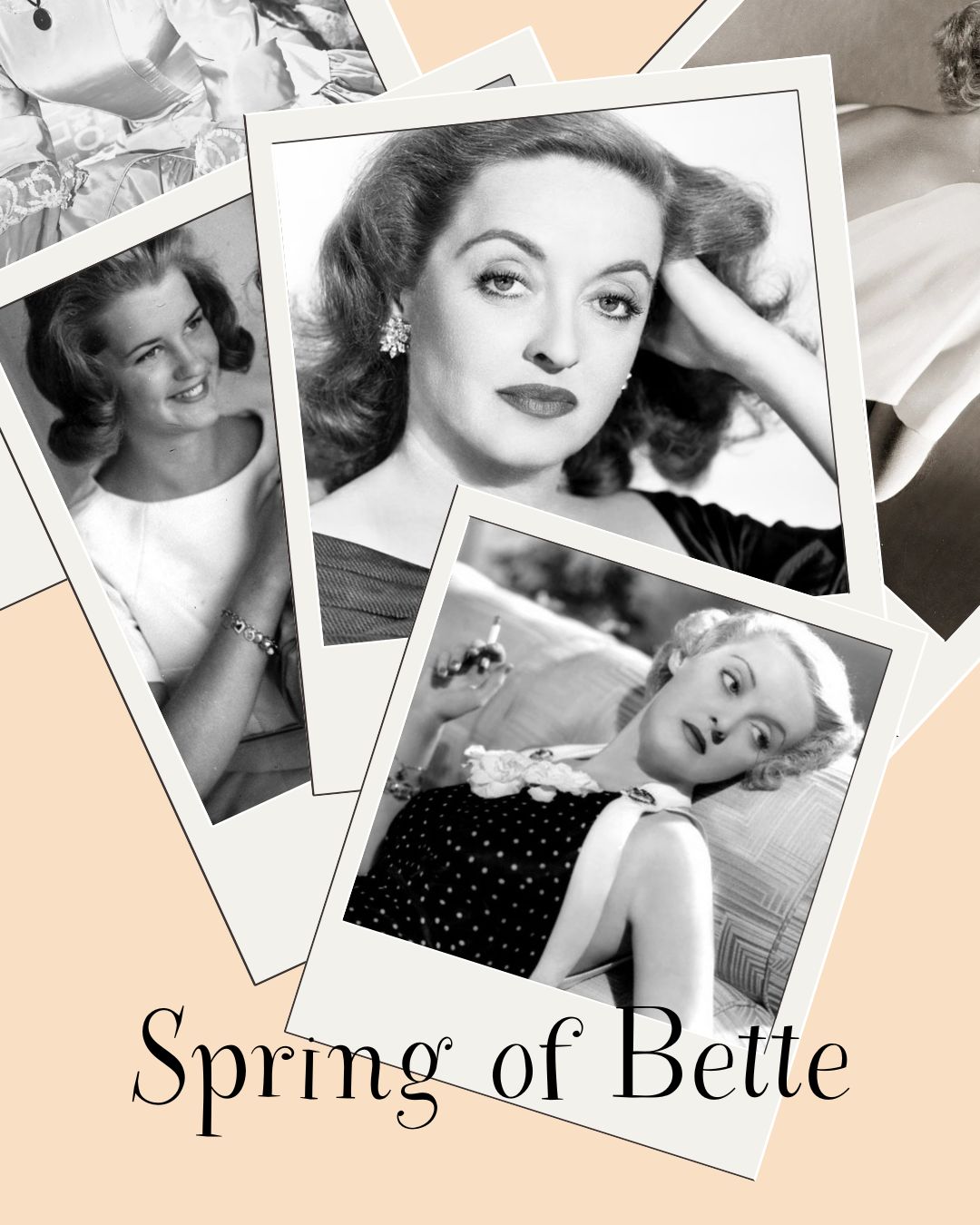
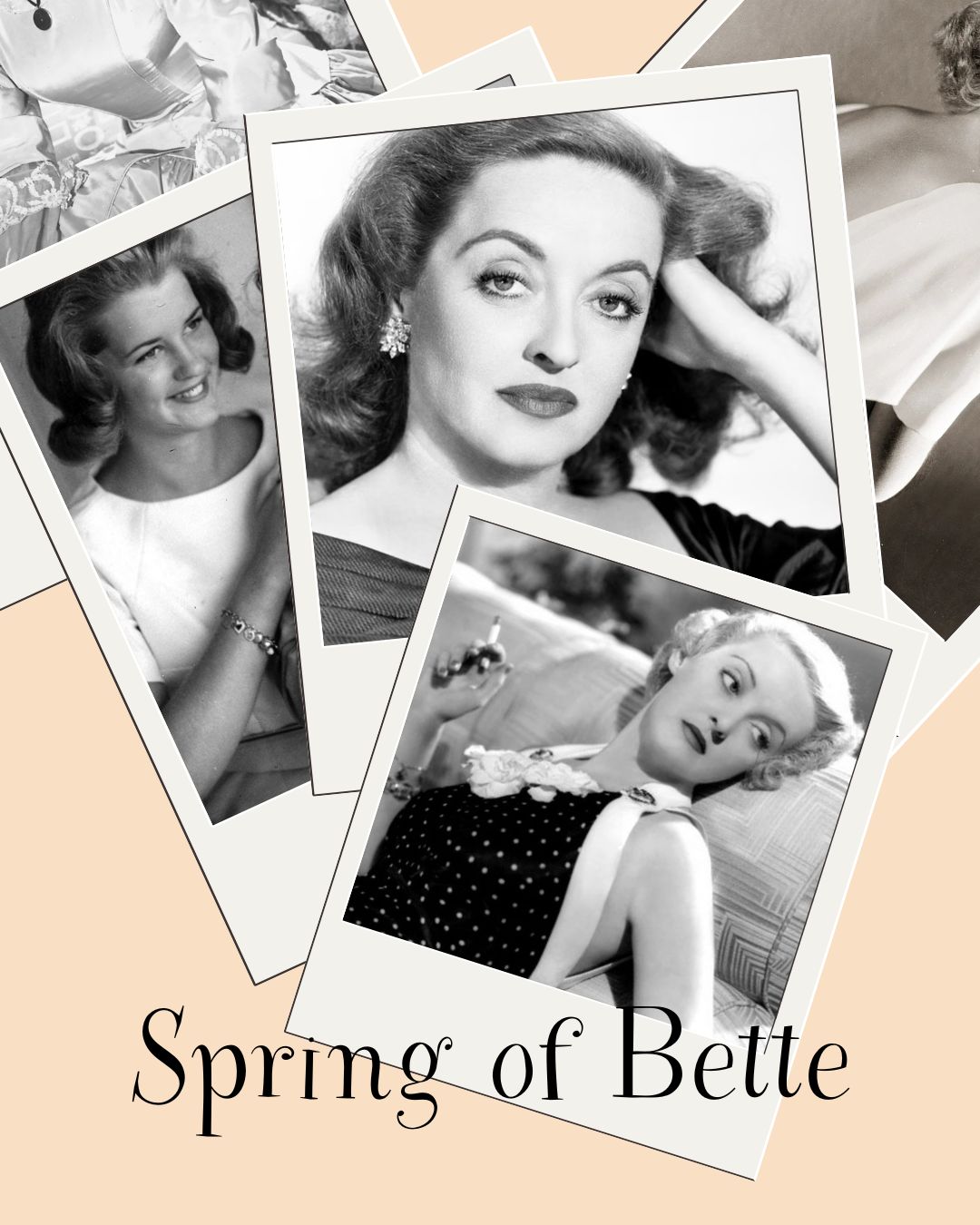
This spring, I am watching and writing about Bette Davis movies, and I thought I’d kick it off with a post about Bette herself.

I don’t know why it has taken me so long to watch Bette Davis movies, considering her connection to the area I live in.

Bette Davis’s daughter, B.D. (Barbara Davis) Sherry Hyman used to own and live on a farm about 30 minutes from where I live now. Sadly, Bette did not have a good relationship with her daughter after the daughter wrote two scathing books about Bette.

If you are of a certain age, you may remember the books and the fallout from them in the 1980s.

I personally didn’t pay attention to celebrity drama when I was a child, so I didn’t know about it until recently.

I’ll get to that a little further in the post, but for now, let’s start at the beginning of Bette’s life.

Hadley Hall Meares wrote this for Vanity Affair in 2020, “Opinions? Bette Davis had a few. Born Ruth Elizabeth Davis in 1908, the legendary movie star was a tireless perfectionist and workaholic with little patience for those who did not share her vision. Consequently, her 1962 autobiography The Lonely Life and its 1987 follow-up, This ‘N That, are not short of opinions—many hard-edged, but a few remarkably tender. As her autobiographies prove, there was so much more to Davis’s wild life even than what we saw in 2017’s Feud, which charted her fabled dispute with co-star Joan Crawford.”

Bette was born to Ruth (Favor) and Harlow Morrell Davis. When she was seven years old, her father divorced her mother, and her mother raised Bette and her younger daughter Barbara on her own.

Bette began acting in school productions at the Cushing Academy in Massachusetts in her teens. She then did a summer in a small theater in Rochester, New York, before moving to New York City, where she attended the John Murray Anderson/Robert Milton School of Theatre and Dance. In 1929, she made her stage debut at Greenwich Village’s Provincetown Playhouse in The Earth Between.

Her first Broadway appearance was at the age of 21 in the comedy Broken Dishes. Her first movie appearance was a very small role in 1931’s Bad Sister with Hollywood’s Universal Pictures. In 1932, though she landed a deal with Warner Brothers and her career took off, with her breakout film being The Man Who Played God. After that she filmed 14 films over the next three years! They sure turned them out back then!

Bette was blonde when she first started out, by the way. Her hair was naturally a honey blonde but studio executives made it very blonde in the early 30s, which she didn’t like. Gradually, her hair darkened, or she darkened it to become the familiar brunette we saw later in her career.

In 1934, Bette was loaned to RKO Pictures for Of Human Bondage, a drama based on a novel by W. Somerset Maugham and co-starring British actor Leslie Howard. This movie brought Davis her first Oscar nomination.

Bette’s performance in the movie as “the vulgar, cold-hearted waitress Mildred” would kick off many roles in her career as strong-willed, sometimes unlikable women. Many people interpreted who Bette was in real life based on the roles she played.

Over a career that spanned 60 years Bette made a long list of well-acclaimed films, including All About Eve, Whatever Happened To Baby Jane?, and Dark Victory.

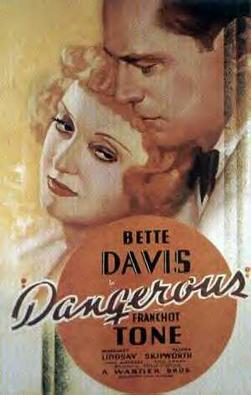
She won her first Academy Award in 1935 for playing a troubled actress in Dangerous. Her second was for Jezebel in 1938. She was nominated eight more times but never won another one.

Bette was high praised by many of her peers with exception to one — her nemesis and co-star from Whatever Happened to Baby Jane? Joan Crawford — who said these following things about her:

“I’m the quiet one and Bette’s explosive. I have discipline, she doesn’t.”

“She has a cult, and what the hell is a cult except a gang of rebels without a cause. I have fans. There’s a big difference.”

“Sure, she stole some of my big scenes, but the funny thing is, when I see the movie again, she stole them because she looked like a parody of herself, and I still looked like something of a star.”

The pair had a hate/hate relationship for years with Bette saying this about Joan when she died: “You should never say bad things about the dead, you should only say good… Joan Crawford is dead. Good.”

Bette certainly acted confident, bold, and mouthy most of the time, but even she had doubts at times.

According to the site Golden Derby, Bette was once so worried about her career she took an ad out in Variety magazine: “Mother of three 10, 11 and 15-Divorcee. American. Thirty years’ experience as an actress in motion pictures. Mobile still and more affable than rumor would have it. Wants steady employment in Hollywood. Has had Broadway. References upon request.”

Bette was married four times. She married Harmon Nelson in 1932 and they divorced in 1938. She married Arthur Farnsworth in 1940 and that marriage lasted three years before Farnsworth tragically died in a freak accident.

Her next marriage was to William Grant Sherry, and was for five years. Her last was to Gary Merrill, which lasted the longest but was also said to be violent, bitter, and full of domestic violence.

She had Barbara “B.D.”, with Sherry and adopted two children, Michael and Margot, with Merrill. Margot was discovered to be brain damaged at 3 and Bette put her in a special home, but still supported her financially, and often brought her home for long periods for visits with family.

With Bette’s permission, B.D. married Jeremy Hyman when B.D. was only 16 and Jeremy was 29. The  marriage lasted for more than 50 years but many say it was the husband who turned B.D. against her mother. Jeremy died in 2017.

What I feel bad about is that Barbara, B.D., she calls herself a pastor but still publicly shredded Bette in two different books. Maybe Bette was a narcissist and crazy, but the best thing might have been not to write a book about it all, and instead given all that hatred and bitterness to God. That’s just my opinion, of course.

Bette and B.D. during better days.

Before writing the books, Barbara commended her mother for how she raised her when she was younger and in a 60-Minute  interview said she’d adopted some of those principals for raising her own son. After the first book came out, she tried to explain in interviews that her relationship with her mother was difficult and that was what the books were about, but she also went on talk shows and just verbally eviscerated her mother’s reputation.

I watched one where she even pulled her oldest son into the action, and he described things he said Bette had done to him when he was visiting her.

B.D. received a lot of condemnation about the timing of the release of the first book because Bette had had a mastectomy and suffered a stroke not long before. Shortly after that she broke her hip. Bette’s assistant later wrote a book where she said she and Bette’s lawyers tried to keep the news of the book from her because she was still trying to heal from surgery.

Bette with B.D.

When she did find out, she was shocked, devastated, and felt deeply betrayed by the book.

“Nothing,” Bette’s assistant, Kathyrn Sermak told Vanity Fair in 2017 when her book Miss D and Me came out, “nothing compared to the betrayal of B.D.’s book. That broke her heart.”

Sermak said cinematic portrayals of Bette are inaccurate.

“I will always be grateful to Ryan Murphy for introducing [Davis and Crawford] to a new generation,” Sermak told Vanity Fair about the movie about Bette’s relationship with Joan Crawford. But that Davis is “not the woman I was on 10 years of film sets with. Miss Davis never behaved on film sets like that. She never yelled, she never screamed—at least not around me.”

Bette felt so deeply betrayed by B.D.’s book that she disinherited her from her will. I also can’t imagine why Barbara felt she needed to write another one after writing one already. More money I supposed.

Bette  divided her estate between her adopted son Michael Merrill and Sermak, with stipulations that her son take care of her adopted daughter Margo.

Bette also wrote a message to B.D. in her autobiography, written two years before she died, and in part of it she stated:

“As you ended your letter in My Mother’s Keeper – it’s up to you now, Ruth Elizabeth – I am ending my letter to you the same way: It’s up to you now, Hyman.

Ruth Elizabeth

P.S. I hope someday I will understand the title My Mother’s Keeper. If it refers to money, if my memory serves me right, I’ve been your keeper all these many years. I am continuing to do so, as my name has made your book about me a success.”

B.D. once said she wrote the book to get her mother’s attention so they would talk things out. Trust me, there are better ways to do that, and it didn’t work. The two never spoke again.

Before their relationship took a nosedive, Bette frequently visited B.D. and her sons in our tiny, rural area. There are old newspaper articles quoting people from the community I went to high school in who met her when she either visited their store or their motel. She rarely stayed with B.D. because of the friction between them.

“She looked and acted in real life like she did in the movies,” the owner of a local market told a local newspaper. “She was very straightforward, and there was no doubt that when  she said something, it was what she meant.”

The local motel where Bette stayed when she visited her daughter. The motel is no longer there.

He remembered Bette being driven around the area in a chauffeured limousine and that she once came into the sporting goods store he used to own to buy a .22-caliber rifle. He said he heard a woman say her mother would be paying for the gun and when he looked up, Bette Davis was standing there.

The owner of a local hotel called Bette “pushy and possessive.” He said she and her daughter, son-in-law, and grandson came in for dinner one night and the grandson sat on his dad’s cowboy hat. The owner’s dad scolded the child, and Bette told the owner off.

“Bette told him to shut up.”

So, maybe the real Bette was a little bit like her on-screen characters after all.

There are a ton of great movies of Bette’s to watch, but for this particular series, I have chosen the following movies:

It’s Love I’m After (April 15th)

A Working Man (April 17th)

Another Man’s Poison (April 23th)

Dark Victory (April 30rd)

Jezebel (May 1)

Dangerous (May 7)

The Letter (May 12)

Of Human Bondage (May 21)

Now, Voyager (May 28)

These are subject to change depending on what life events pop up between now and the end of May.

I’ve already watched The Bride Came C.O.D. and All About Eve and written about them on the blog.

Have you ever watched Bette Davis? Which movies did you see her in?

______

Sources and additional resources:

https://www.vanityfair.com/hollywood/2020/11/bette-davis-autobiography-feud#:~:text=Davis%20could%20be%20equally%20complementary,recalls%20in%20This%20’N%20That:

https://www.biography.com/actors/bette-davis

https://www.goldderby.com/gallery/best-bette-davis-movies-ranked/bette-davis-movies-ranked-the-private-lives-of-elixabeth-and-essex/

https://www.vanityfair.com/hollywood/story/joan-crawford-bette-davis-baby-jane-biography

This post includes affiliate links, which I will make a small commission on if you purchase from that link. You will not be charged more, but I will receive a very small amount of the purchase price.

Winter of Cagney: The Bride Came C.O.D.

This Winter I’ve been watching James Cagney movies.

I’ve switched the movie I was going to write about last week with the one I was going to write this week because I was going to watch the DVD of Angels With Dirty Faces I picked up, but I’ve been waiting for a night to watch it with The Husband, and that hasn’t come.

In the end, I decided to wait to watch that movie with him because he would like to see it as well, and it will be fun to watch together.

Angels with Dirty Faces stars Cagney with Humphrey Bogart, and Bogie is one of my husband’s favorite actors.

The Bride Came C.O.D. with Cagney and Bette Davis was a perfect substitute for this week, though.

It was a delightfully fun movie, and I needed it this week, so I’m glad I made the trade.

I will be watching this movie again with him soon, though, because it was just too much fun and should be watched with others.

This is a slapstick comedy where Cagney and Davis were both trying their acting talents at something a little different.

First, the premise: Davis is playing Joan Winfield, an heiress who makes impulsive decisions, and her latest impulsive decision is marrying Alan Brice (Jack Carson), a famous singer and band leader. The marriage announcement comes at just the right time for gossip and entertainment broadcaster named Hinkle who needs a big story.

He talks Brice into marrying Joan right away because it will make a great story for his broadcast.

The only issue is that Joan is on the phone with her father when Alan announces his engagement to Joan to the audience at the club and she is trying to work up the courage to tell her father she’s engaged.

Their call is cut short and she never tells him, but Hinkle arranges for her and Alan to go to a small airport to be flown by a private plane to Las Vegas where they can be married.

Steve Collins, a notorious womanizer who pretends  he is married with children so he doesn’t get roped into marriage by women who like to date married men,  owns the airport and the main plane. He’s never paid for the plane though and the finance company now wants it back.  Steve’s handy man, Pee Wee (George Tobias) tells him that Hinkle has arranged for their plane to take a famous couple to Las Vegas and Steve wonders if they will even have a plane to take them in.

Collins tries to think of a way to get the money and has no ideas until Joan’s father, oil tycoon Lucius K. Winfield (Eugene Pallette) calls the airport to try to reach his daughter and Collins strikes up a plan with Winfield to make sure his daughter doesn’t make it to Las Vegas to marry Alan Brice.

If Collins pulls off the delay, meeting Winfield with his daughter in tow in Texas instead, Winfield will pay Collins the money he needs to pay off the plane and keep the airport in business.

The first task at hand is to get rid of Hinkle and Alan which PeeWee helps Collins with. With them out of the way, Collins jumps in the plane and takes off with Joan, his plan to fly her to Texas. Unfortunately, Joan isn’t too happy with this arrangement and tries to escape, causing the plane to crash in the desert.

Here we will be introduced to Pop Tolliver (Harry Davenport), who I just loved.

I loved a lot about this movie.

It was very witty and fun, with some great lines.

Bette Davis was supposed to be 23 in the film which I found a little unbelievable but then again, Bette always looked older to me than she was.

She was actually 33 when this movie was made.

According to Frank Miller from TCM (yes, my go-to-source), Cagney made the movie on the heels of Strawberry Blonde because he wanted to break out of gangster roles.

Ann Sheridan, Ginger Rogers, and Rosalind Russell were considered for Davis’s role but when she expressed interest in trying out, Hal Willis, the producer of the movie, went to bat for her.

“In addition, she was eager to re-team with Cagney, who like her had a history of battles with the Warner Bros. management,” Miller wrote. “They had not worked together since 1934, when they teamed for the minor comedy Jimmy the Gent. Some biographers have suggested that the studio was punishing her with the film because of her notorious temperament, while others have suggested she may have wanted to emulate Katharine Hepburn, who had been equally successful in serious and comic roles. Also possible is that she was drawn to the film’s obvious similarities to It Happened One Night (1934), another tale of a runaway heiress saved from a bad marriage by the love of a simple working guy.”

There was a lot of trouble with the movie, including the writing and the fact Cagney wasn’t a fan of the sweltering heat at the shooting location of Death Valley.

Davis also wasn’t happy because while a stunt double was supposed to take the fall into a cactus for her, she had a fall of her own and ended up with 45 cactus quills having to be removed from her behind.

Neither actor was very fond of the movie years down the road and even critics bashed it with one saying, “Okay, Jimmie and Bette. You’ve had your fling. Now go back to work.” 

As for me, I found the film a lot of fun and ended up snickering at the silliness and the exchanges between our main characters.

And as I said above, Harry Davenport really added some charm to the film for me.

Have you ever seen this one?

I found it for rent on Amazon Prime but it is also available on HBO Max, Hulu, YouTube, and AppleTV.

Next week I’ll wrap up my Winter of Cagney with Angels With Dirty Faces and two weeks after that I’ll start a bi-weekly movie watch of Bette Davis films.

If you want to catch up on the other Cagney films I’ve watched this winter you can do so here:

Yankee Doodle Dandy

Taxi

The Strawberry Blonde

Mister Roberts

The Public Enemy

Love Me or Leave Me

White Heat


If you want to find clips and thoughts about vintage movies and TV, you can visit me on Instagram on my Nostalgically Thinking Account (https://www.instagram.com/nostalgically_thinking/) or on my YouTube account Nostalgically and Bookishly Thinking here: https://www.youtube.com/@nostaglicandbookish


If you enjoy the kind of content on my blog and all that goes into it, you can support my writing for $2.99 a month or a single donation. Learn more here: https://lisahoweler.com/support-my-writing/

Summer of Marilyn: Monkey Business and All About Eve

A sinus thing that wasn’t exactly an illness but a weather change thing hit me last week so I ended up forgetting to finish watching my one Marilyn movie and watching the other one. In other words, I have a good excuse for being late on my Marilyn movie impressions.

I’m going to be sharing about two Marilyn Monroe movies this week since I have been so behind on watching and writing about them. They are two very, very different movies on different ends of the spectrum – Monkey Business and All About Eve.

First up: Monkey Business.

Cary Grant is an absent minded professor in this screwball comedy that he stars in with Marilyn and Ginger Rogers.

Ginger is the straight man (woman) in this one with Cary being more of the goofball with the biggest bottle cap glasses I have ever seen him in. They looked more like something Jerry Lewis would wear.

This is very early Marilyn, so she almost likes like Norma Jean probably looked before she became Marilyn, but not quite. She still has the pouty lips and short hair, but the hair looks darker to me in th is film.

Marilyn plays the secretary of Cary’s boss and in their first scene together she shows Cary the stockings he invented and how they look on her legs. Cary’s character, showing his true nerdy self, is more interested in the stocking than the legs they are covering, of course.

The premise of the movie is rather silly but silly is a wonderful escape from life so I liked that it was silly.

Cary is working on a formula that could help people look and feel younger. It also, apparently, makes them more virile – ahem. The monkey they test it on is very interested in the female monkey, despite being 84 in monkey years. The monkey Is also able to move around like a young monkey after taking the formula.

This is after many of the tests did not yield any results.

 
(As I side note here, I must say that I don’t know many other actresses who have a hip sway like Marilyn. I am completely jealous of it and the shape of her. Sigh.)

It’s the monkey that finally mixes the winning concoction for a type of youth formula and then proceeds to pour it in the water cooler. Cary and his fellow professors don’t know this, of course, so when Cary decides he’s going to be the guinea  pig and take his own formula and then wash it down with the water from the cooler. So Cary believes that his formula is what helps him when he suddenly can see without his glasses and then becomes like a teenager and runs off with Marilyn’s character to buy a new car.

After Ginger learns that Cary tested the formula on himself, she decides she should be the test subject and she takes the formula, which we know doesn’t work, but it tastes so awful she washes it down with the cooler water.

Now she becomes the young and crazy 20 something year old.

She ends up with teenage angst complete with crying and breaking down at Cary. It’s a hilarious but ridiculous scene. I have a feeling Ginger had a blast filming it.

Ginger even gets a chance to dance a bit in the film, even though that isn’t the main focus, when she’s feeling a lot younger.

The film is a low-key romance with the two of them realizing even under the influence of the formula how much they love each other.

Luckily the formula does wear off and when both have had it wear off, they decide the formula could cause more harm than good. Cary is going to destroy the formula and that’s when they decide to make a pot of coffee with the water from the cooler. Ah, yes, I’m sure you know where this is going. Craziness is about to ensue so hold on to your seats.

You’ll have to watch it to see what happens, which reminds me, you can watch it for free on YouTube here:

I pulled a bit of trivia off of IMbd about the movie and some of it was very interesting. Here are a few tidbits:

  • The exterior shots of the Oxly Chemical Co. office building where Barnaby works were actually shots of the Executive Building on the 20th Century Fox studio lot. The building is now known as the Old Executive Building.
  • The sports car used in the film was a red 1952 MG TD Roadster, which was put into storage by 20th Century-Fox after filming wrapped. It was purchased by Debbie Reynolds in a 1971 sale of Marilyn Monroe memorabilia (despite the fact Monroe herself never owned the car). It sustained a dent in the front bumper when Cary Grant hit a fence while driving it. Reynolds had the transmission rebuilt, then put it up for auction in 2011. It sold for $210,000.
  • Among the movie star photos Marilyn Monroe taped to her bedroom wall when she was a foster child were several of Cary Grant. She was thrilled to be co-starring with him in this film, a break-through role in her then fast-rising movie career.
  • Forty year old (forty-one at the time of release) Ginger Rogers was the oldest leading lady to ever star in a Howard Hawks picture.
  • Marilyn Monroe plays the character Lois Laurel. The real Lois Laurel is the only daughter of comedian Stan Laurel of the comedy team Laurel & Hardy.
  • Shares a title with the otherwise unrelated 1931 Marx Brothers comedy “Monkey Business,” though the films have some vague connections: Early in his career, Cary Grant was partly inspired by Zeppo Marx, the team’s parodic juvenile straight man. In addition, the 1931 film co-starred Thelma Todd, whose life, career, and mysterious death parallel Grant’s co-star here, Marilyn Monroe.

This movie was so much fun and I really did enjoy it. I mentioned above that Ginger must have had so much fun filming that one scene but I have a feeling they all had a ton of fun. It was absolute ridiculous and hilarious fun.

All About Eve

Now, Marilyn is not a main actress in this film, but it was one of her first movies and she was considered a standout in it, and my husband suggested it, so I included it in my list to watch this summer. Marilyn was 23 when the movie was made and just about to break her career wide open.

This movie was nominated for 14 Oscars and won six, including best picture. It is the only film in Oscar history to have four women nominated, including Bette Davis, Anne Baxter for actress and Celeste Holm and Thelma Ritter for supporting actress. Released in 1950, it made $3.1 million, more than half of it’s $1.4 million production costs.

Bette Davis is a famous stage actress named Margo who Eve Harrington, played by Anne Baxter, goes to meet one night after watching her show every single night during its run.

This is my first movie with Bette, by the way, and it did not disappoint.

Eve is very peculiar to say the least as this movie starts. She tells the actress and the producer and writers about her sad life of losing her husband early in their marriage and staying in San Francisco to make a new life for herself and her love of acting and the theater.

You know right away that something just feels off about her, even though the movie starts with her being honored as a well-known actress. She really inserts herself into the lives of these people and weasels her way into the acting jobs she wants, pushing others out of the way for it.

With her sob story, Margo welcomes her into her home and she becomes her confidant, her assistant, and everything you can think of that requires Eve to wait on Margo. It’s clear that Eve wants Margo’s job and as time goes on it is clear she’ll find a way to get it, mainly by being Margo’s everything. Actually, she’s a little too everything. She starts doing things that Margo doesn’t ask her to do and making herself look better than Margo. It’s a very strange obsession.

Margo begins to notice how attentive Eve is to her boyfriend and everything else. She also begins to compare herself to Eve and feel old around her. To her it’s time for Eve to move on because she has a feeling Eve is much more interested in taking her place, not just waiting on her. |

Marilyn doesn’t come in until more than 40 minutes into the movie and I didn’t even recognize her. She was beautiful, sure, but her hair was styled differently and she was a minor character. It was clear she was ready for stardom though and George Sanders uttered a premonition of sorts when he said, “Well done. I can see your career rising in the east like the sun.”

And soon after this movie, it did just that.

Her character Miss Casswell has the middle name of the author of the short story that was never credited for her part in the movie – Mary Orr.

She’s so young looking in the movie – it’s crazy. And, of course, she’s sort of passed off as someone sent in to make producers and directors happy because she’s sexy and flirtatious.

I searched online to see what critics said of Marilyn’s performance and found a few opinions. Here s one:

Lyvie Scott on Slashfilms.com said Marilyn stole the scenes she was in in All About Eve and I’d have to agree. She had some of the best lines, such as where Eve says she doesn’t know what she’d talk about with Dr. Dewitt (George Sanders) and Marilyn says, “Don’t worry about it. You won’t even get a word in the whole time.” Or something along those lines.

A bit off topic here, but George Sanders always reminds me of John De Lancie who played Q on Star Trek.

Scott wrote of Marilyn, “Monroe’s role in “All About Eve,” though small, is one of the most memorable of the film. It’s difficult to focus on anyone but Monroe when she’s in the room. Knowing just how famous she would become, it all feels like a testament to her inescapable star power.”

Scott, of course, details what others detail about Marilyn on film sets throughout the years. She was often late and had a hard time nailing her lines and was a bit difficult to work with overall. Marilyn tried to blame her inability to remember her lines on nerves and that very well may have been the case since she was acting next to Bette Davis and the fact that she’d only come off the success of one other film, “The Asphalt Jungle” before this.

Davis wasn’t really buying her excuses. According to Scott’s article: “Unfortunately, Davis was less than impressed with Monroe. Famously temperamental on set, she was already put off by the younger actress’s tardiness. And after so many retakes for a scene which, to her, must have been a breeze, Davis apparently snapped — and Monroe had to excuse herself to vomit offstage.”

Read More: https://www.slashfilm.com/806889/filming-all-about-eve-was-more-than-marilyn-monroe-could-handle/

It’s just so humorous to me that in this movie they pan Marilyn’s audition to be the understudy of Bette’s character when she would rise to stardom faster than almost all of them, except Bette. She might not have been as good of an actress, especially when compared to Bette, but she still seemed to shoot up even faster – probably because of her looks (aka breasts and hips).

I’m talking more about Marilyn in this post because my feature is called Summer of Marilyn, but I should be talking about Anne Baxter and Bette Davis more, especially considering Marilyn was only in this movie about ten minutes, if that. Both of the other actresses were very good in this, even though I could not stand the way Anne Baxter talked and how overly dramatic and maudlin she was. That was, however, her character so, in other words, she was brilliant in making me hate her.

As for Bette – wow. She knocked it out of the park. Here is what Roger Ebert said about her performance on his site:

Growing older was a smart career move for Bette Davis, whose personality was adult, hard-edged and knowing. Never entirely comfortable as an ingenue, she was glorious as a professional woman, a survivor, or a b***** predator. Her veteran actress Margo Channing in “All About Eve” (1950) was her greatest role; it seems to show her defeated by the wiles of a younger actress, but in fact marks a victory: the triumph of personality and will over the superficial power of beauty. She never played a more autobiographical role.”

Besides Bette and Anne Baxter, George Sanders was absolute perfection at being a dirty, crooked journalist. His speech toward the end of the movie was just absolutely outstanding and  

She seems so innocent and idealistic but deep down she’s just pretty selfish to me. She wants a career and she doesn’t care whose coat tails she rides, or whose head she steps on, to get there. She’ll do it with big, watery eyes and a tipped head, of course.

The film is mainly about jealousy and ambition and the tangled web that both can weave, but it is also very much about the dread of getting older, especially for women. Margo feels that Eve is stealing everything from her because she is young. Off screen, Bette Davis was terrified of growing old and this part fit her well, as Ebert said. When she was talking about the dread of growing old in the movie, she was speaking from personal experience, not just from the experience of the character.

At one point she says, “Funny business, a woman’s career — the things you drop on your way up the ladder so you can move faster. You forget you’ll need them again when you get back to being a woman. That’s one career we gals have in common is being a woman.”

So far All About Eve has been one of the best films I’ve watched but not because of Marilyn, even though she was great in it. The best film I watched with her in it was a tie between Niagra and Some Like it Hot. We will see if The Misfits knocks one of those movies off the list when I watch it later this week.

Have you seen either of these movies? What did you think?