Ten mysteries I hope to read this summer

Top Ten Tuesday is hosted by That Artsy Reader Girl.

If you are new to my blog, I just wanted to share with you that I co-host a monthly bookish link party called A Good Book and A Cup of Tea (no, you don’t have to drink tea to participate) with Erin (Still Life, With Cracker Crumbs) and Cat (Cat’s Wire). You can find a link to it at the top of the page. The link party is for all book-related posts from reviews and recommendations to …well, anything related to books at all. Including Top Ten Tuesday, if you want to link your top ten there too!

Today’s Top Ten Tuesday prompt is:  Books on My Summer 2026 To-Read List

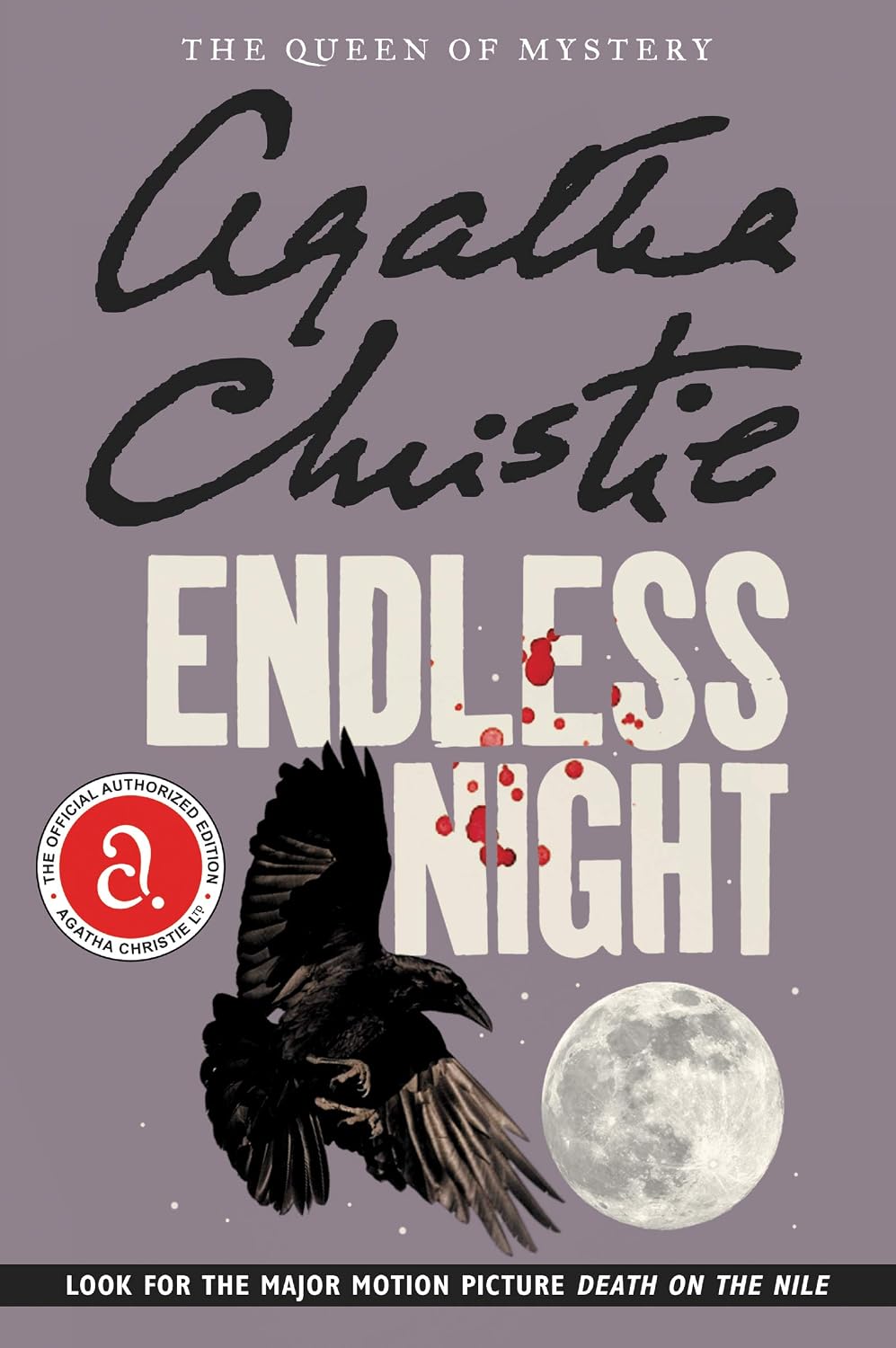
Since I listed 15 books I want to read this summer in a blog post last week, I thought today I would list 9 mystery books I want to read this summer and one I already read. There are four Agatha Christe books listed here — one I already read, two I’ll be reading for the Agatha Christie Reading Challenge (July and August) and one I threw in for extra.

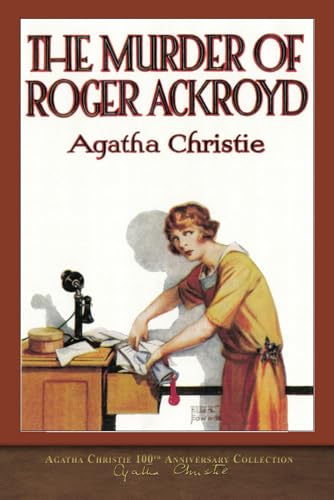
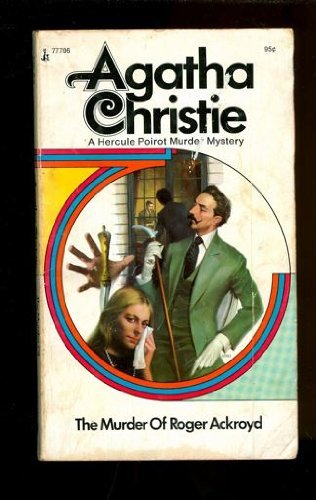
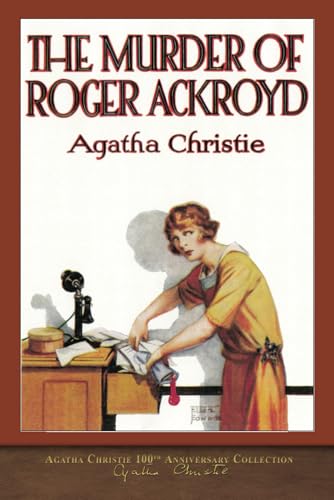
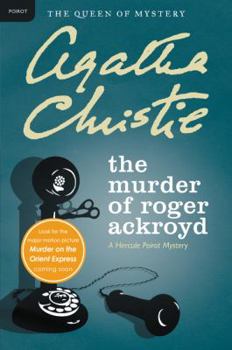
Already read: 1. The Murder of Roger Ackroyd by Agatha Christie

Description:

The peaceful English village of King’s Abbot is stunned. The widow Ferrars dies from an overdose of Veronal. Not twenty-four hours later, Roger Ackroyd—the man she had planned to marry—is murdered. It is a baffling case involving blackmail and death that taxes Hercule Poirot’s “little grey cells” before he reaches one of the most startling conclusions of his career.

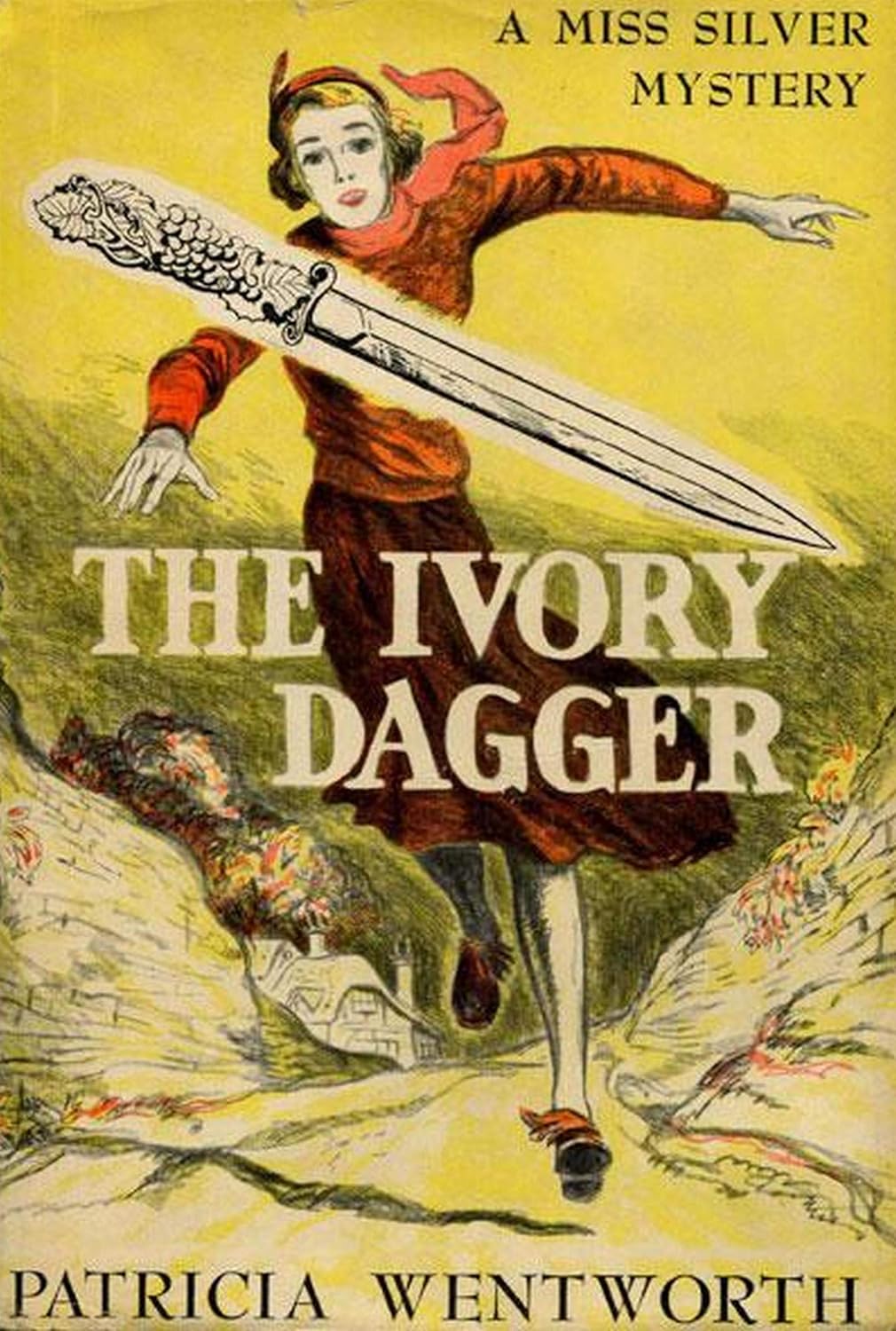
2. The Ivory Dagger (A Miss Silvers Mystery) by Patricia Wentworth (already started)

Description: When Lila Dryden is discovered standing over her fiance’s body with dagger in hand, Miss Silver is called in to investigate, only to discover Lila’s sleepwalking patterns, the return of her former lover, and the victim’s circle of acquaintances–all of whom occasionally wished him dead. 

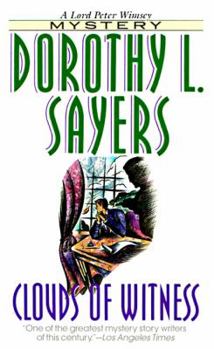
3. Clouds of Witness by Dorothy Sayers

Description: In a shocking scandal, the likes of which has not been seen in the English aristocracy since the 18th century, the Duke of Denver stands accused of the foul murder or his sister’s fiance, shot through the heart on a cold, lonely night at Riddlesdale Hall in Yorkshire. The Duke’s brother, Lord Peter Wimsey, attempts to prove Denver’s innocence, but why is the Duke refusing to cooperate? And what does his sister, Lady Mary, know about the affair? Trying to reveal the truth, Wimsey uncovers a web of lies and deceit within the family and finds himself faced with the unhappy alternative of sending either his brother or his sister to the gallows – until he himself becomes a target…

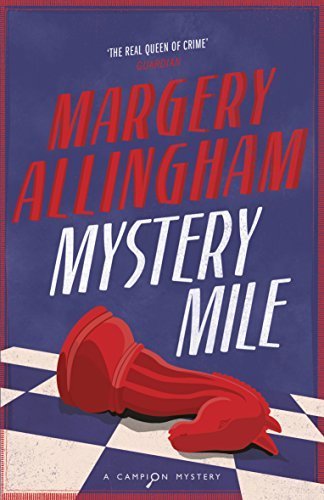
4. Mystery Mile by Margery Allingham

Description: A red chess piece… An improbable suicide… A disappearing judge… These were the clues to a killer whose victims never escaped. Judge Lobbett has found evidence pointing to the identity of the criminal mastermind behind the deadly Simister gang that is terrorizing New York. After four attempts on his life, he seeks the help of enigmatic and unorthodox amateur sleuth, Albert Campion, during his travel to England. For safety, Campion sends the Judge and his family to a secluded house in an island on the Suffolk coast.

But that safety is it seemed fitting that odd things should happen in a town called “Mystery Mile”. Soon after their arrival the local vicar is killed – a clear message from the gang. Its a race against time for Campion to get the judge to safety and decipher the clue to their mysterious enemy’s name. But even a connoisseur of crime as Scotland Yard’s Albert Campion had never encountered such elusive clues. He had to trace a mastermind of crime in time to save his client’s life–and his own. Luckily for Judge Lobbett, underneath his constant stream of banter, Campion displays a diamond-sharp intelligence and a natural detective’s instinct… Blackmail, abduction and sudden death bring matters to a climax.

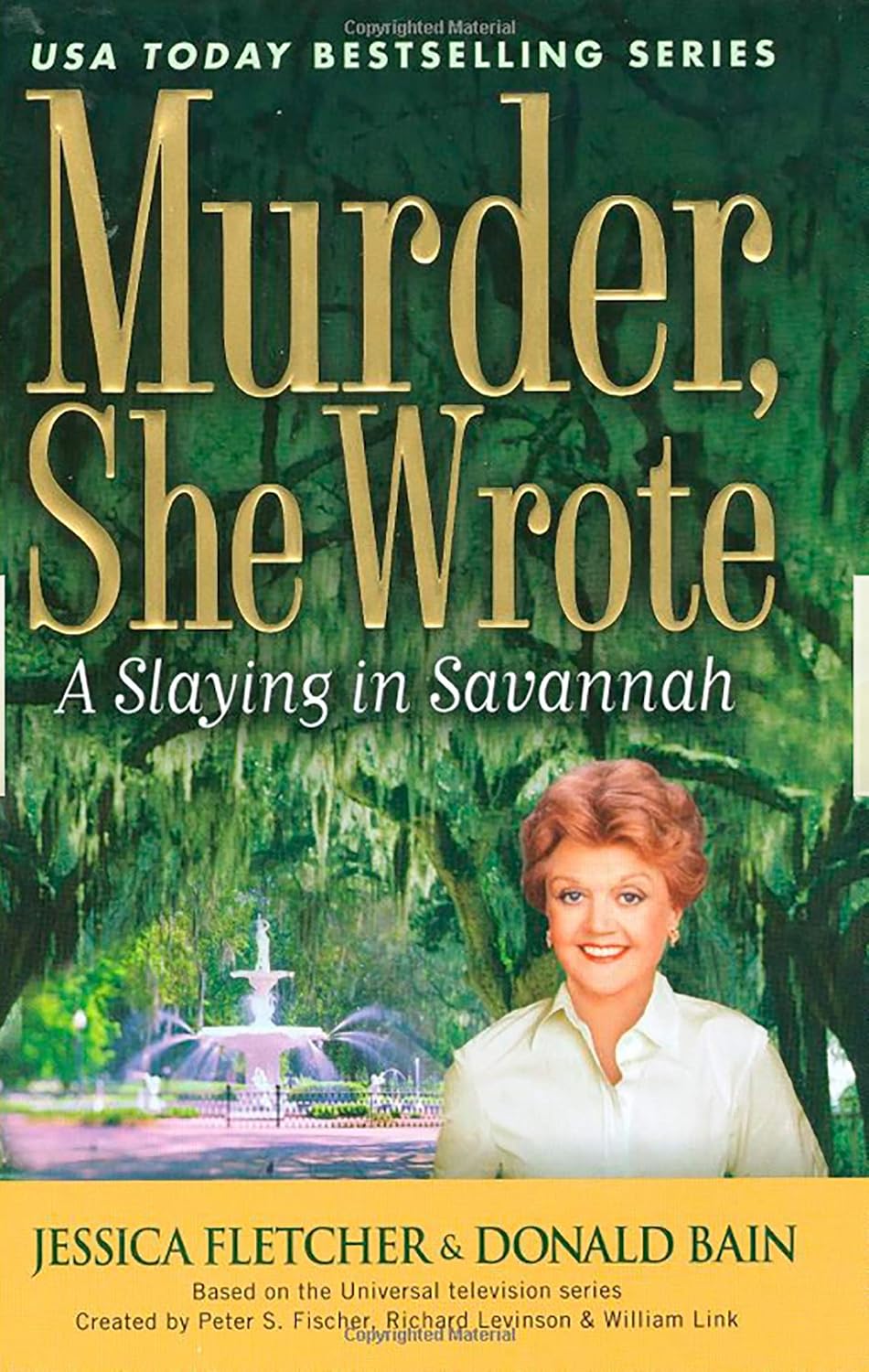
5. Murder, She Wrote: Slaying in Savannah by Donald Bain

Description: Jessica is saddened when her eccentric old friend Tillie Mortelaine passes away—and surprised to learn that Tillie has left her a million dollars. But there are strings attached. Jessica must use the money to help the literacy fund she and Tillie established years ago in Savannah, Georgia. And she will receive the money only if she can solve a mystery within the month: the murder of Tillie’s fiancé, Wanamaker Jones.

As Jessica settles into Tillie’s Savannah mansion and meets Tillie’s boarders, she also discovers that the spirit of Wanamaker Jones haunts the grounds. And that there are those in Savannah who are looking to cash in on Tillie’s demise—and Jessica’s failure…

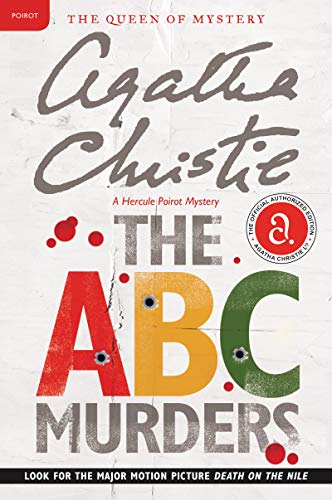
6. ABC Murders by Agatha Christie

Version 1.0.0

Description:

When Alice Asher is murdered in Andover, Hercule Poirot is already looking into the clues. Alphabetically speaking, it’s one letter down, twenty-five to go.

There’s a serial killer on the loose. His macabre calling card is to leave the ABC Railway Guide beside each victim’s body. But if A is for Alice Asher, bludgeoned to death in Andover, and B is for Betty Bernard, strangled with her belt on the beach at Bexhill, who will then be Victim C? More importantly, why is this happening?

Often considered to be one of Agatha Christie’s best.

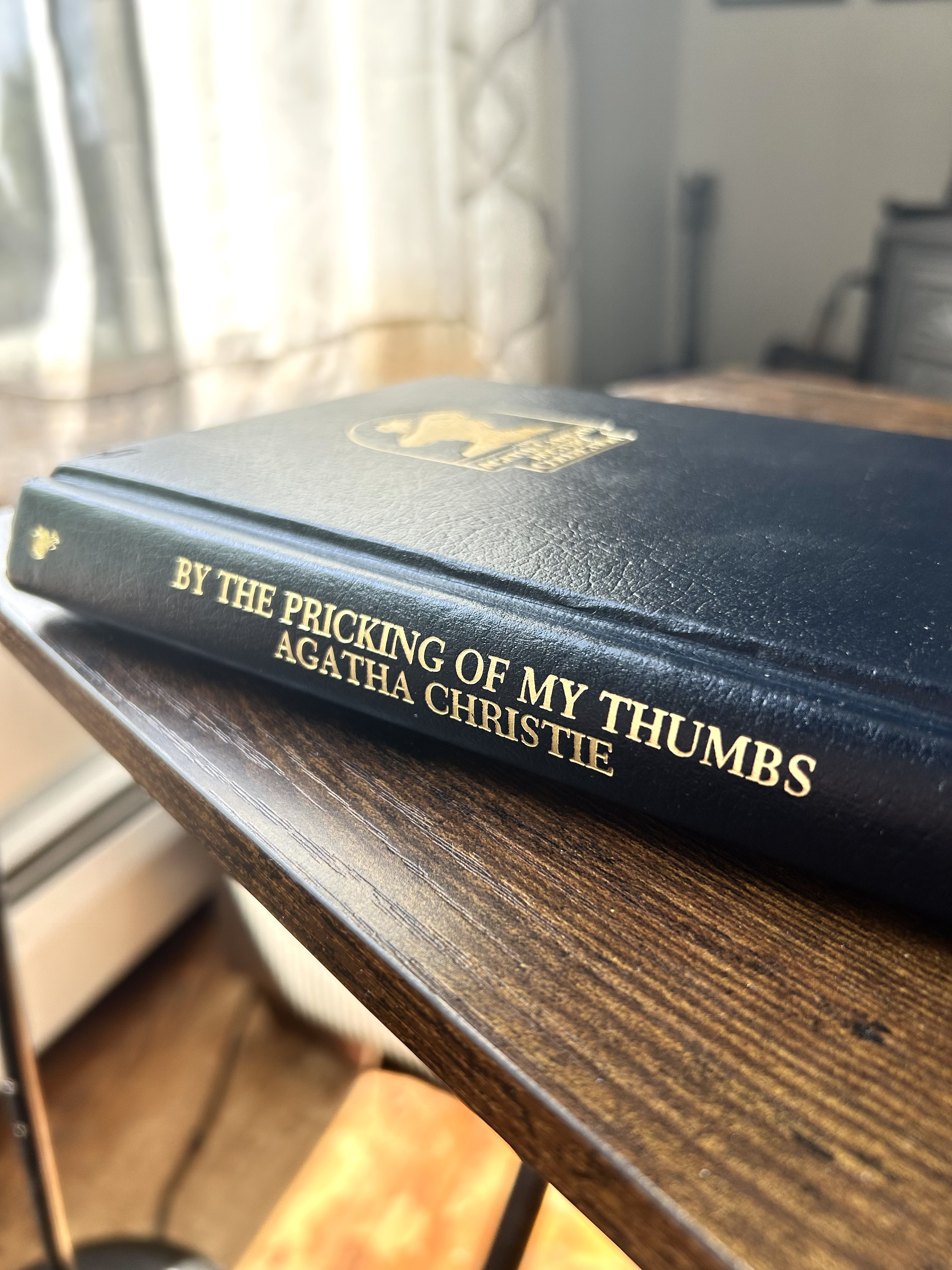
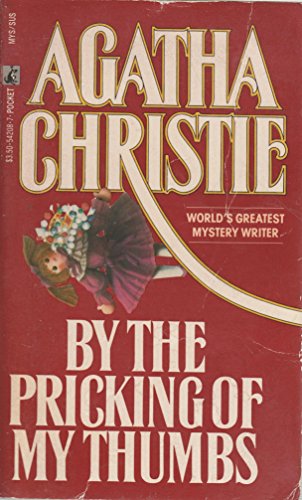
7. By The Pricking of My Thumbs by Agatha Christie

Version 1.0.0

Description:

Tommy and Tuppence Beresford, Agatha Christie’s delightful sleuthing duo, investigate the strange and troubling doings behind the scenes at a gothic British nursing home in By the Pricking of My Thumbs

When Tommy and Tuppence visit an elderly aunt in her gothic nursing home, they think nothing of her mistrust of the doctors; after all, Ada is a very difficult old lady.

But when Mrs. Lockett mentions a poisoned mushroom stew and Mrs. Lancaster talks about “something behind the fireplace,” Tommy and Tuppence find themselves caught up in a spine-chilling adventure that could spell death for either of them.

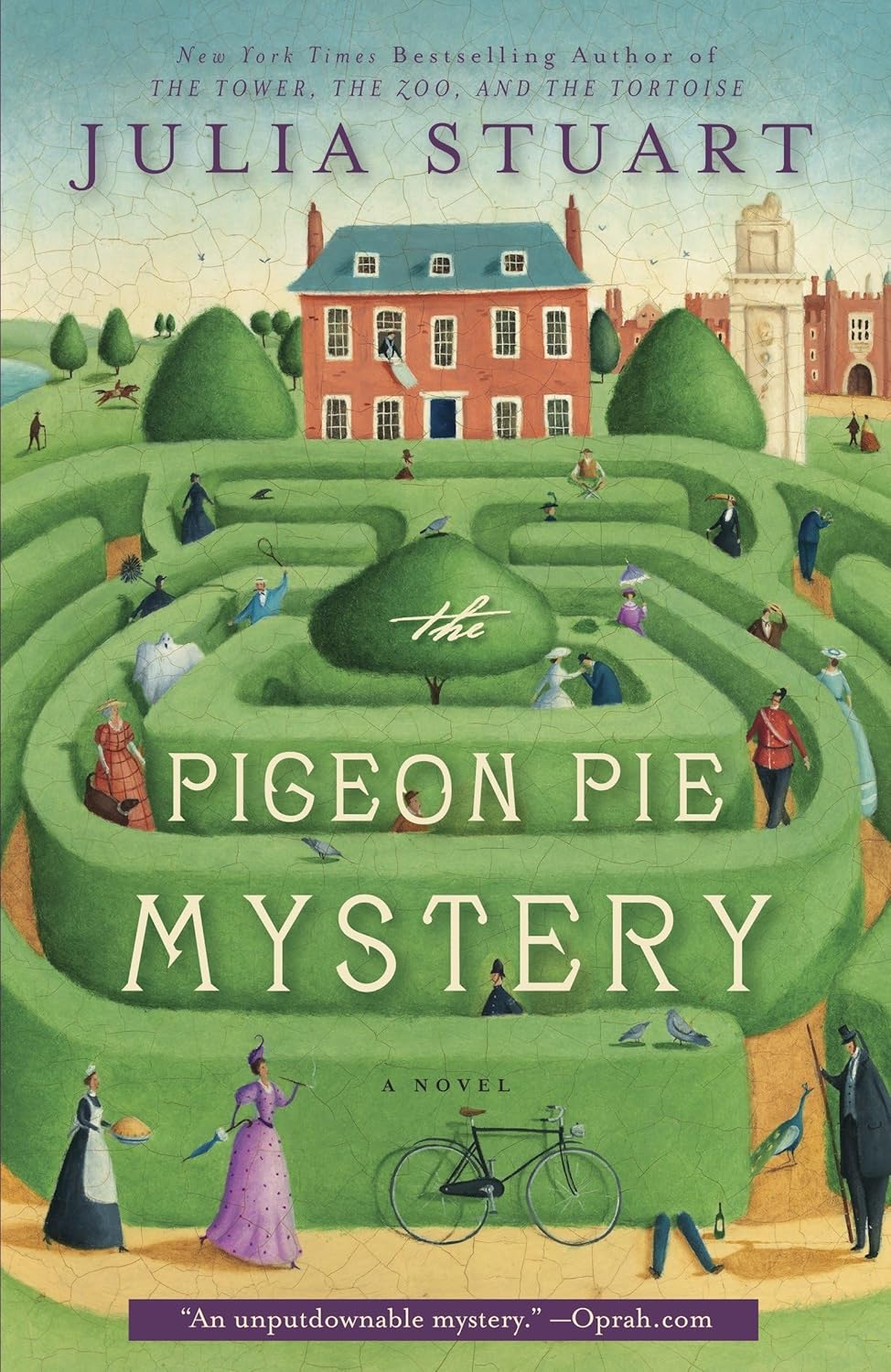
8. Pigeon Pie Mystery by Julia Stuart

Description: When Indian Princess Alexandrina is left penniless by the sudden death of her father, the Maharaja of Brindor, Queen Victoria grants her a grace-and-favor home in Hampton Court Palace. Though rumored to be haunted, Alexandrina and her lady’s maid, Pooki, have no choice but to take the Queen up on her offer.
     Aside from the ghost sightings, Hampton Court doesn’t seem so bad. The princess is soon befriended by three eccentric widows who invite her to a picnic with all the palace’s inhabitants, for which Pooki bakes a pigeon pie. But when General-Major Bagshot dies after eating said pie, and the coroner finds traces of arsenic in his body, Pooki becomes the #1 suspect in a murder investigation.
     Princess Alexandrina isn’t about to let her faithful servant hang. She begins an investigation of her own, and discovers that Hampton Court isn’t such a safe place to live after all.
     With her trademark wit and charm, Julia Stuart introduces us to an outstanding cast of lovable oddballs, from the palace maze-keeper to the unconventional Lady Beatrice (who likes to dress up as a toucan—don’t ask), as she guides us through the many delightful twists and turns in this fun and quirky murder mystery. Everyone is hiding a secret of the heart, and even Alexandrina may not realize when she’s caught in a maze of love.

9. Sad Cypress by Agatha Christie

Description:

Beautiful young Elinor Carlisle stood serenely in the dock, accused of the murder of Mary Gerrard, her rival in love. The evidence was only Elinor had the motive, the opportunity, and the means to administer the fatal poison.

Yet, inside the hostile courtroom, only one man still presumed Elinor was innocent until proven Hercule Poirot was all that stood between Elinor and the gallows.

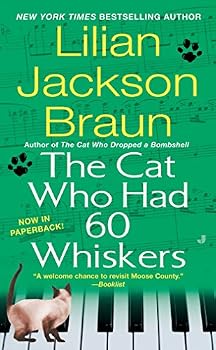
10.The Cat Who Had 60 Whiskers by Lilian Jackson Braun

(Little nervous about this one as it is the last in the series before Lilian died and the later books really weren’t very good.)

Description: A twenty-ninth installment of the popular series finds Moose County in an uproar over a string of lucrative inheritances and a bee sting-related death, throughout which Polly departs for Paris, Koko the irrepressible Siamese meets a piano tuner, and Qwill writes a play.

Have you read any of these? What did you think of them?


On Thursdays, I am part of the Weekend Traffic Jam Reboot blog link party. You can find the latest one in the sidebar to the right under recent posts.


Hello! Welcome to my blog. I am a blogger, homeschool mom, and I write cozy mysteries.

You can find my Gladwynn Grant Mystery series HERE.

You can also find me on Instagram and YouTube.

If you would like to be the first to get news about my books or just have access to special posts for supporters, you can do so here for $2.99 a month : https://lisahoweler.com/support-my-writing/

Book recommendation: The Murder of Roger Ackroyd by Agatha Christie

You don’t have to guess who is going to die in this Agatha Christie book since the title is The Murder of Roger Ackroyd.

But who killed Roger Ackroyd is going to get complicated and you’ll need to strap yourself in for the rollercoaster ride.

The book was originally presented as a serialization entitled Who Killed Ackroyd? From July to September of 1925 in the London Evening News.

The book is about a doctor, James Sheppard,  who lives in the small English village of King’s Abbot with his spinster sister Caroline and gets wrapped up in the mystery of the murder of well-known village resident Roger Ackroyd, which occurs within 24-hours after another village resident commits suicide.

From Goodreads: “Considered to be one of Agatha Christie’s greatest and also, most controversial mysteries. ‘The Murder Of Roger Ackroyd’ breaks the rules of traditional mystery.”

I didn’t realize this was a Hercule Poirot book before I started it. This is actually the third Poirot book, which I found interesting since in it he is talking about retirement. Dr. Sheppard narrates this book in first person, creating a unique and entertaining way to introduce Poirot.

This is my seventh Agatha Christie read this year as I work through the books on my own and through the 2026 Christie Reading Challenge.

Before I was done with this one, someone online (I can’t remember if it  was a comment on my post or someone else’s post, spilled the beans that the ending was shocking. They said there was a surprising twist so that had me trying to figure out the twist through most of the book, which means I figured out the killer but still had to be sure I was right and still wanted to know how Agatha lead the reader there.

I was right but I still enjoyed the book immensely. Agatha really was ahead of her time with her plot twists and stories overall. Never before, or maybe I should say, rarely before, had mystery writers taken readers down such psychological roads with endings that left the reader not just thinking about the mystery’s solution, but also about the nature of humans and why they do what they do.

I’m not going to say she was the first to do this (hello, Conan Doyle, Allingham, Sayers, etc.), of course, but she did pull off the twists in interesting ways. I would say that the ending of Crooked House was one of the darkest and uncomfortable twists in any era, let alone the Golden Age of Mystery era.

As in any Poirot book, there were hilarious or interesting quotes.

Among them was one that came from Poirot after he accidentally hits Dr. Sheppard with a marrow (squash):

“I demand of you a thousand pardons, monsieur. I am without defence. For some months now I cultivate the marrows. This morning suddenly I enrage myself with these marrows. I send them to promenade themselves — alas! Not only mentally but physically. I seize the biggest. I hurl him over the wall. Monsieur, I am ashamed, I prostrate myself.”

Dr. Sheppard doesn’t know who Poirot, who has moved in next to him and his sister, is at first. He thinks he might be a hairdresser.

“Clearly a retired hairdresser,” he thinks at one point. “Who knows the secrets of human nature better than a hairdresser?”

 Dr. Sheppard calls him “Porrott” and is bewildered by the clues the man is giving him. Poirot also has no idea Dr. Sheppard doesn’t know he’s a famous detective.

“Mr. Ackroyd knew me in London, when I was at work there,” Poirot tells him after the marrow hitting incident. “I have asked him to say nothing of my profession down here.’
Sheppard continues by saying, “I see,” and is amused at Poirot’s “patent snobbery.”

“But the little man went on with an almost grandiloquent smirk,” Christie writes.

“One refers to remain incognito. I am not anxious for notoriety.  I have not even troubled to correct the local version of my name.”

“Indeed,” I said, not knowing quiet what to say.

Another funny quote that I took as a bit of a self-deprecating jab at herself by Christie, since she once wrote romances too: “What made you notice Ralph Paton?  His good looks?”

“No, not that alone — though he is unusually good-looking for an Englishman — what your lady novelists would call a Greek God. No, there was something about that young man that I did  not understand.”

Up next in my Agatha Christie reading journey is a different book for Agatha — The Rose and the Yew Tree — a tragedy written by Agatha under the name Mary Westcott.

Have you read The Murder of Roger Ackroyd? What did you think?

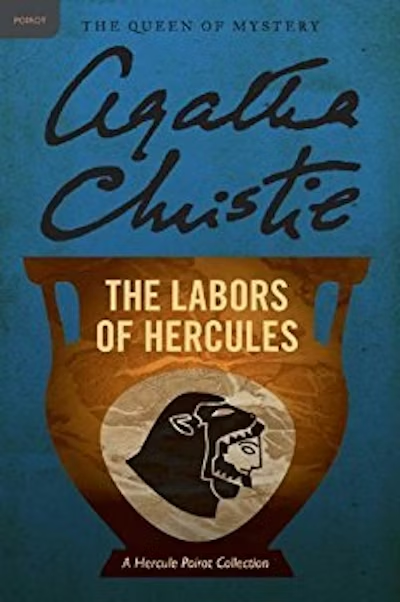
Book recommendations: The Labors of Hercules by Agatha Christie

I’ve been participating in the  Read Christie 2026 Challenge, and for May, I read The Labors of Hercules.

It is a collection of short stories featuring Christie’s Belgian detective, Hercule Poirot.

The stories all connect and follow the theme of Poirot sharing twelve cases to close his career as a private detective. Because he was named after Hercules (though his name does not have the “s”), he decides his final cases will be those that follow the Greek myth of the 12 Labors of Hercules.

I don’t really know a lot about Greek mythology, but I figured it out along the way.

Agatha wrote these as serialized stories in The Strand magazine from 1939 to 1940, with the last one being written for the collection in 1947.

I wasn’t too sure about this one when I started it, but the book, with each chapter focused on a short mystery, grew on me as I kept going. Some of the stories were more serious than the others.

I almost gave up after the second story, since the first couple were not written well to me, but I’m glad I didn’t give up because the stories got better – especially the final one where Poirot ran into a woman he used to have an attraction to – Countess Vera Rossakoff.

There was a lot of humor and just a good story in that one, which was entitled The Capture of Cerberus.

Here are a couple of quotes I enjoyed from that story:

“It is the misfortune of small precise men to hanker after large and flamboyant women. Poirot had never been able to rid himself of the fatal fascination the Countess held for him. Though I was something like twenty years since he had seen her last, the magic still held. Granted that her makeup now resembled a scene-painter’s sunset, with the woman under the makeup well hidden from sight, to Hercule Poirot she still represented the sumptuous and the alluring.”

When Poirot first sees her again after so many years, it is on an escalator and she shouts back at him to meet her in hell. He later learns from his secretary, Miss Lemon, that Hell is a nightclub, and he later learns the countess owns it.

At first, though, he is totally baffled.

“But what had she meant by it? Had she meant London’s Underground Railways? Or were her words to be taken in a religious sense? Surely, even if her own way of life made Hell the most plausible destination for her after this life, surely—surely her Russian Courtesy would not suggest that Hercule Poirot was necessarily bound for the same place?”

Then, when he finally does get to the club…

“The place was full and it had about it that unmistakable air of success which cannot be counterfeited. There were languid couples in full evening dress, Bohemians in corduroy trousers, stout gentlemen in business suits. The band, dressed as devils, dispensed hot music. No doubt about it, Hell had caught on.

“We have all kinds here,” said the Countess. “That is as it should be, is it not? The gates of Hell are open to all?”

“Except, possibly, to the poor?” Poirot suggested.

The Countess laughed. “Are we not told that it is difficult for a rich man to enter the Kingdom of Heaven? Naturally, then, he should have priority in Hell.”

I was surprised by how much Agatha wrote about cocaine use and its destruction in these stories. Sometimes I am very naïve and forget that cocaine and drug abuse was a very real thing even back then.

If I didn’t think it would bore both you and me, I would go through each story and tell you why I did or didn’t like it, and share some quotes. Instead, I will simply reiterate that there were good stories and not as good stories, in my opinion, but that I would read them all because what one person doesn’t like, another person might like.

My mom and I share a Kindle/Goodreads account and I noticed when I finished it that she gave it a three star. I bumped it up to a four, but without that last story I might have given it a three too (or 3.5), even though the idea behind it was very ingenious.

Have you read this collection yet?

Up next for me for the Read Christie 2026 challenge is The Murder of Roger Ackroyd.

Top Ten – Er – Eight Authors I wish were Still Writing Today

Top Ten Tuesday is hosted by That Artsy Reader Girl.

Today’s prompt is:  Authors You Wish Were Still Writing Today

I only came up with eight authors I wished were still writing, all of them long dead, but I think it’s a good list.

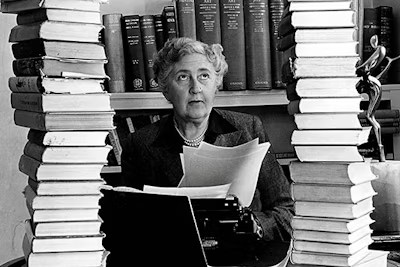
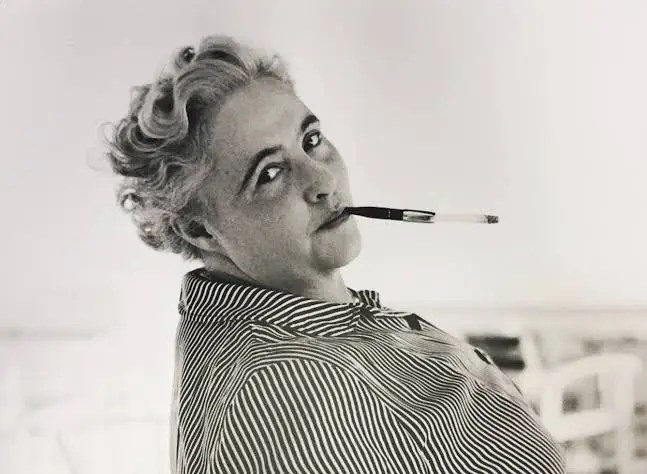
Agatha Christie

The fun she’d have with modern times and modern toys to mix in her plots. The only drawback is that some of her plot points might not work since we now have so many conveniences and cameras and things that could make getting away with murder even more difficult. That might be a challenge Agatha would love to take on, though.  

Margery Allingham

Margery would also love to use some of the more modern elements to knock off a few victims, I think. But she would write it in a much more poetic way than Agatha. This woman’s way with words….wow.

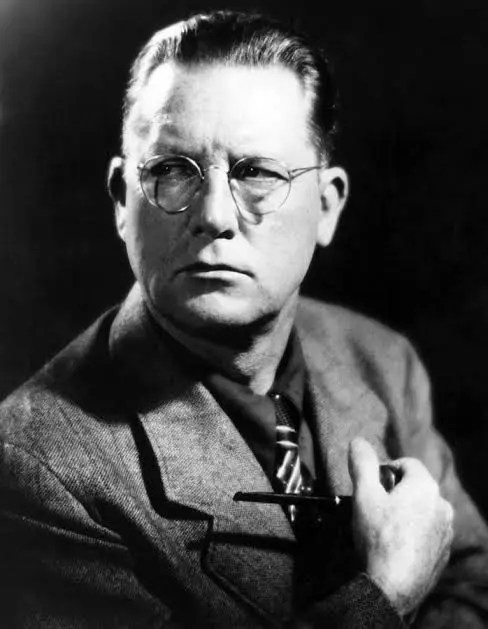
Erle Stanley Gardner

Perry Mason on his cellphone  telling Burger to stuff it where the sun don’t shine. Also, just more great stories with other characters — Bertha Cool on a podcast, telling everyone stories about her greatest cases.

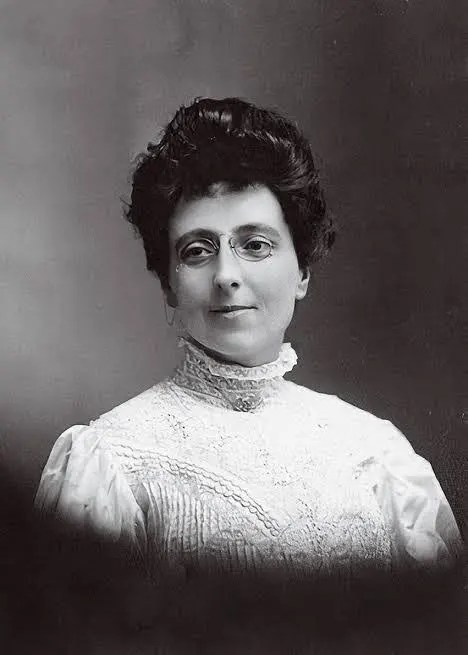
L.M. Montgomery

I would love to read more sweet, touching stories by her. Whatever she wants to write. Clean, no swearing, just writing about every day life in a beautiful rural setting in Canada.

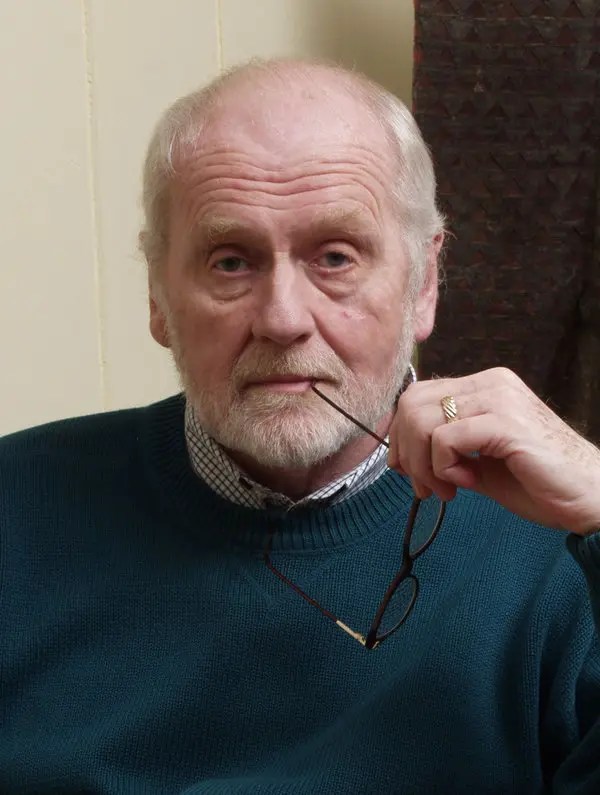
Donald Bain

Donald was a prolific ghost writer, but I just need him to write more Murder, She Wrote books that feel like authentic Jessica. I love how he makes her so real and fleshed out. He writes it from a first-person point of view and adds in her thoughts about her late husband Frank. She’s always so caring about her friends too. I mean, I really forget it is a man writing it. I feel like he’s truly seeing Jessica’s world through the eyes of a woman. I also love when he adds in history and facts about Maine or whatever city or country Jessica is visiting. He completely immerses you in the story.

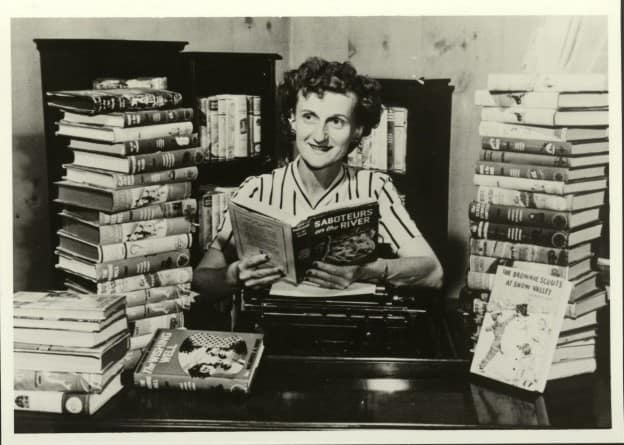
Mildred Wirt Benson

I love Mildred’s children’s mystery books. If you don’t know, she was the author who helped create the Nancy Drew books and was the first Carolyn Keene. She later went on to write other children’s books with girl detectives, such as the Penny Parker series

I loved the plots she came up with and always find her plots in the Nancy Drew books so much better than ones written by other authors using the pseudonym.

Mildred wrote 130 books for juveniles and a few for adults. I hope to look up those adult ones soon.

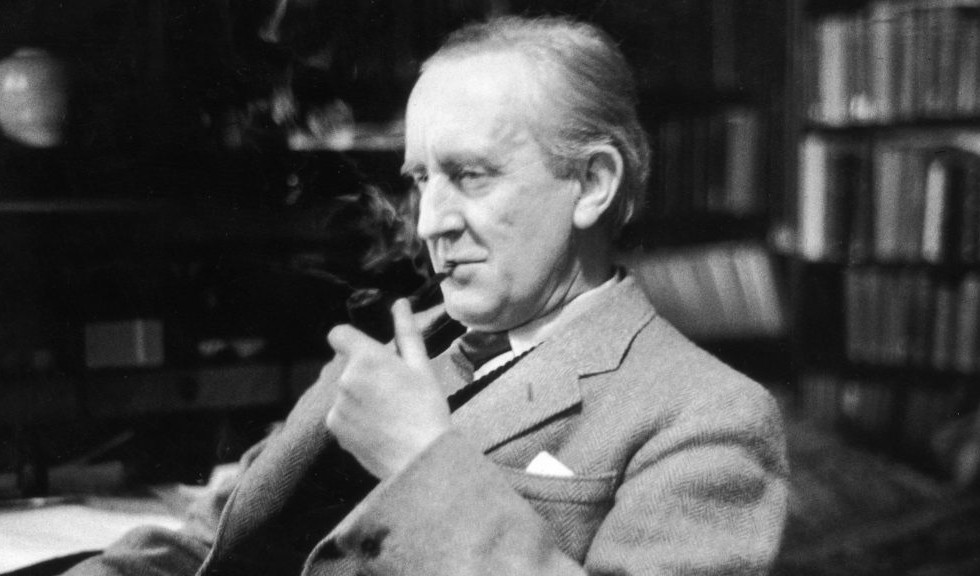
J.R.R. Tolkien

I would love if Tolkien was still  writing and would infuse some of his wisdom and purity into fantasy books of today. He would, however, probably find some of his work edited so we don’t have to read so many descriptions of trees.

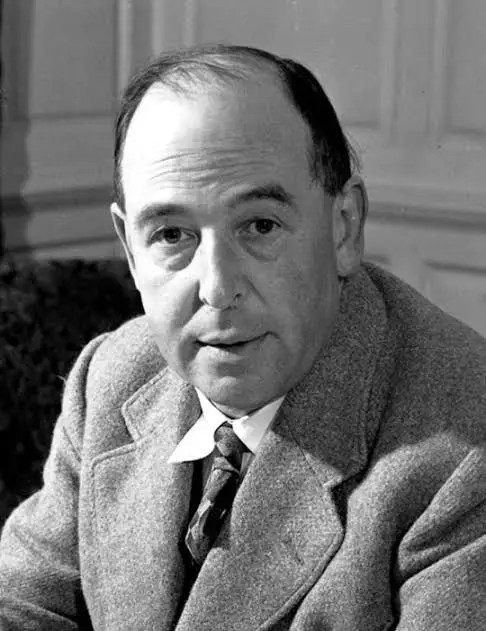
C.S. Lewis

I would love to particularly read Clive’s theological thoughts in relationship to the unique challenges of our modern world, which really aren’t that unique, but feel like they are. I would love to know what he thinks of the modern church, our crazy leaders, Christians who are so obsessed with politics that they’ve lost sight of Jesus…and so much more. I have a feeling he would anger so many people.

Are there any authors that you wish were still writing today?


If you write book reviews or book-related blog posts, don’t forget that Erin and I host the A Good Book and A Cup of Tea Monthly Bookish Blog Party. You can learn more about it here.

On Thursdays, I am part of the Weekend Traffic Jam Reboot blog link party. You can find the latest one in the sidebar to the right under recent posts.


Hello! Welcome to my blog. I am a blogger, homeschool mom, and I write cozy mysteries.

You can find my Gladwynn Grant Mystery series HERE.

You can also find me on Instagram and YouTube.

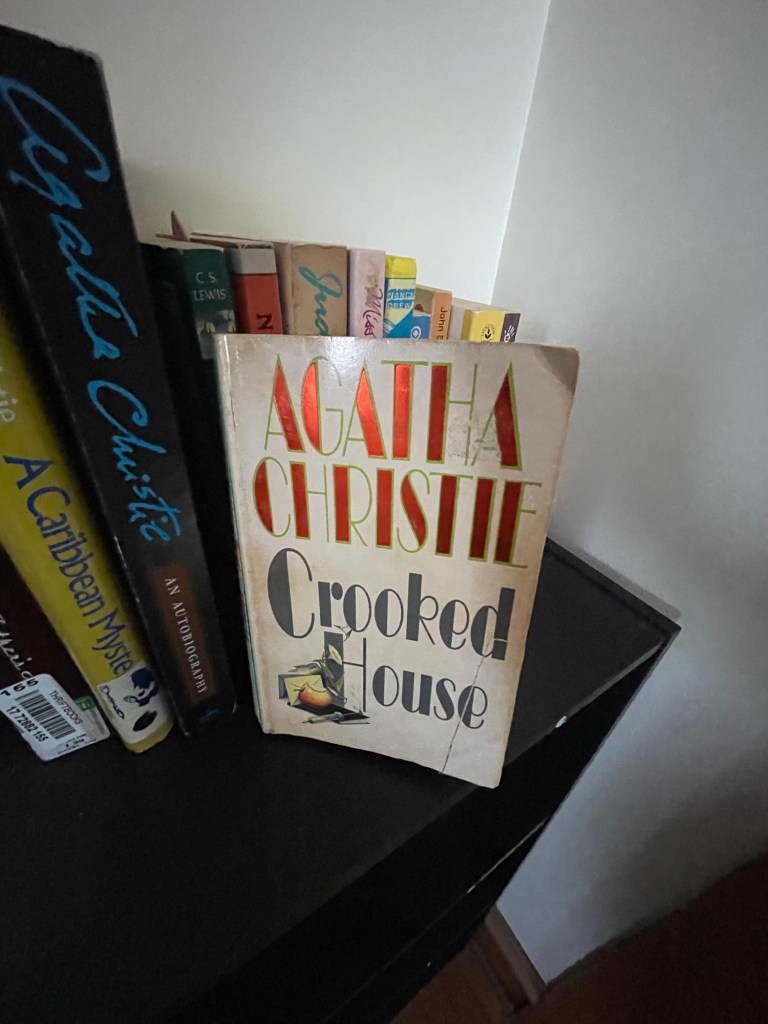
 Book Recommendation: Crooked House by Agatha Christie

That won’t make sense until you read the book, so here is a little background on this one, which does not feature one of Christie’s famous detectives.

This book is a standalone novel that starts with the main character Charles Hayward planning to marry Sophia Leonides who he met in Egypt toward the end of the war. They hang out while in Eqypt and correspond some afterward, but drift apart until he returns to England two years later. It’s after his return that he reads in the paper that Sophia’s grandfather has died. He knows it is her grandfather because she once told him all about her family.

“’We live in a crooked little house . . .’”

“I must have looked startled, for she seemed amused, and explained by elaborating the quotation. ‘And they all lived together in a little crooked house,’ That’s us. Not really such a little house either. But definitely crooked — running to gables and halftimbering!”

In this case the crooked little house quote is a play on the nursery rhyme “There Was a Crooked Little Man,” but I am not familiar with that nursery rhyme.

Due to the blitz, Sophia’s extended family was all living in the house with the patriarch, Aristide Leonides, a short Greek man who commanded a lot of presence. Her family includes her younger brother and sister, her parents, her uncle and an aunt by marriage, her grandfather, a great aunt, and a step-grandmother.”

Charles reaches out to her by telegram, and she asks to meet that night at a local restaurant. The connection they had two years ago is still strong, and he still wants to marry her, but she says she can’t marry him now, and maybe never. She believes her grandfather has been murdered, and she doesn’t want to ruin Charles’ reputation as a member of the Diplomatic Service because she feels certain the murder was committed by someone in her family.

The main suspect is her step-grandmother, Brenda, with the tutor for Sophia’s siblings a close second because the family believes the two were having an affair.

In the first part of the book, we get to know the entire family, and it isn’t very pretty. Many of them are selfish and bitter people looking out for themselves, and the ones who don’t seem that way may be putting on an act. Maybe even Sophia is putting on an act. Figuring out who committed the crime will baffle Charles and Scotland Yard, and when you get to the ending — oof. It’s definitely a plot twist, one I saw coming, but still had to find out how and why.

I would definitely recommend this one if you’ve never read Agatha before or even if you have. I think it’s one of her best, and I read today that she called it one of her favorites to write. It is definitely a book that will stick with you over the years, making you think (and shudder a bit) long after you’ve put it down.

Some quotes from it I enjoyed:

“Curious thing, rooms. Tell you quite a lot about the people who live in them.”

***

“I think people more often kill those they love than those they hate. Possibly because only the people you love can really make life unendurable to you.”

***

“I’ve never met a murderer who wasn’t vain… It’s their vanity that leads to their undoing, nine times out of ten. They may be frightened of being caught, but they can’t help strutting and boasting and usually they’re sure they’ve been far too clever to be caught.”

***

“Murder, you see, is an amateur crime… One feels, very often, as though these nice ordinary chaps, had been overtaken, as it were, by murder, almost accidentally. They’ve been in a tight place, or they’ve wanted something very badly, money or a woman – and they’ve killed to get it. The brake that operates with most of us doesn’t operate with them… They continue to be aware that murder is wrong, but they do not feel it. I don’t think, in my experience, that any murderer has really felt remorse… Murderers are set apart, they are ‘different’ – murder is wrong – but not for them – for them it is necessary – the victim has ‘asked for it,’ it was ‘the only way.”

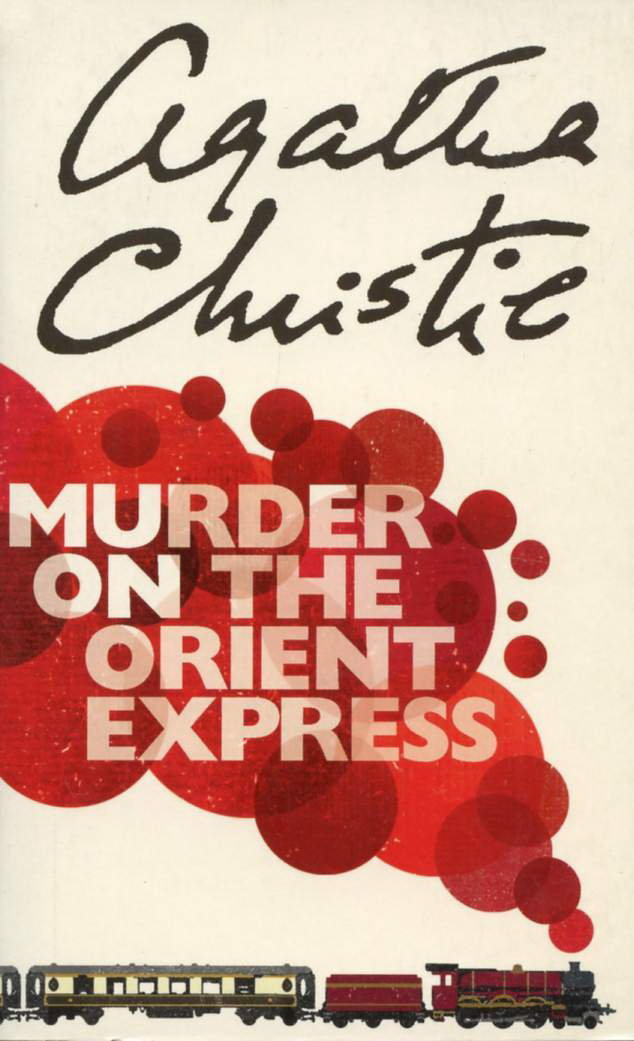
Book Recommendation: Murder on the Orient Express by Agatha Christie

I read Murder on the Orient Express by Agatha Christie for the first time this month as part of Read Christie 2026 with the Official Agatha Christie site.

I’ve read plenty of Christie’s books already but have always steered clear of the “big ones” that everyone knows because I’ve usually seen the movies and know the stories. I have learned, though, that there can be changes in the movies and sometimes they aren’t always for the better.

One example was And Then There Were None. If you have not read that one, you really need to, even if you saw any of the movies. It was the first Christie I read and … whoa. I sat there at the end feeling horrified and in awe at the same time. What a twisted, but well-written story.

(An aside…anyone who doesn’t think Agatha disappeared for 11 days as a way to get back at Archie and buys the whole “temporary amnesia” story hasn’t read enough of Agatha’s books. The woman had a million ideas how to get back at someone and how to kill them.  If you don’t know what I am talking about – do a quick online search. It’s like the plot of one of her books but actually real life.)

For those who have never read this one, here is simple summary: a group of people end up stranded on the Orient Express (a train in Europe) during a blizzard when one of them is murdered. Too bad for the murderer, renowned detective Hercule Poirot has hopped on at the last minute and is working hard to solve the case while everyone waits for help to arrive.

What is so funny in the Poirot books is how Poirot always expects everyone to know who he is, and most people look at him in confusion when he introduces himself.

It’s always like, “Surely you must know me,” and then the other person looks confused and says, “No, I’m afraid not.”

Here are some actual quotes from the book that I enjoyed:

“Mon ami, if you wish to catch a rabbit you put a ferret into the hole and if the rabbit is there he runs. That’s all I have done.”

***

“When he passed me in the restaurant,” he said at last. “I had a curious impression. It was as though a wild animal — an animal savage, but savage, you understand — had passed me by.”

“And yet he looked altogether of the most respectable.”

“Precisement! The body — the cage — is everything of the most respectable — but through the bars, the wild animal looks out.”

***

“But I know human nature, my friend, and I tell you that, suddenly confronted with the possibility of being tried for murder, the most innocent person will lose his head and do the most absurd things.”

***

“You’ve a pretty good nerve,” said Ratchett. “Will twenty thousand dollars tempt you?”

It will not.”

If you’re holding out for more, you won’t get it. I know what a thing’s worth to me.”

I, also M. Ratchett.”

What’s wrong with my proposition?”

Poirot rose. “If you will forgive me for being personal – I do not like your face, M. Ratchett,” he said.”

***

“All around us are people, of all classes, of all nationalities, of all ages. For three days these people, these strangers to one another, are brought together. They sleep and eat under one roof, they cannot get away from each other. At the end of three days they part, they go their several ways, never, perhaps, to see each other again.”

***

I’ve already read my Christie for this month, but I’ve tossed Crooked House in the mix as an extra Christie read because my husband recommended it.

In April, I’ll be reading a Miss Marple — A Caribbean Mystery.

Have you read this one or any Christie books? If you have read her books, do you have a favorite?


If you write book reviews or book-related blog posts, don’t forget that Erin and I host the A Good Book and A Cup of Tea Monthly Bookish Blog Party. You can learn more about it here.

On Thursdays, I am part of the Weekend Traffic Jam Reboot blog link party. You can find the latest one in the sidebar to the right under recent posts.

I also post a link-up on Sundays for weekly updates about what you are reading, watching, doing, listening to, etc.


Hello! Welcome to my blog. I am a blogger, homeschool mom, and I write cozy mysteries.

You can find my Gladwynn Grant Mystery series HERE.

You can also find me on Instagram and YouTube.

Top Ten Books on My Spring 2026 To-Read List

Top Ten Tuesday is hosted by That Artsy Reader Girl.

Today’s prompt is: Books on My Spring 2026 To-Read List

I already shared a post about what books I have on my spring hopeful list, so today I am narrowing the list down to the top ten from that list that I definitely want to read, even though I know other books will probably catch my attention along the way.

A note for this post: it does contain affiliate links.  Clicking the link does not mean that you will pay more for the item, only that I make a tiny commission if you make a purchase from that link.

  1. Thrush Green by Miss Read

I’ve read other Miss Read books and enjoyed them so wanted to try this one.

Discover the little English village that neighbors Fairacre, in a novel that’s “enchanting, lovely, gentle, pointed, and charming” (Minneapolis Sunday Tribune).
Miss Read’s charming chronicles of English small-town life have achieved legendary popularity, providing a welcome return to a gentler time with “wit, humor, and wisdom in equal measure” (The Plain Dealer).
Welcome to Thrush Green, the neighboring village to Fairacre, with its blackthorn bushes, thatch-roofed cottages, enchanting landscape, and jumble sales. Readers will enjoy meeting a new cast of characters and also spotting familiar faces as they become immersed in the village’s turn of events over the course of one pivotal day: May Day. All year, the residents of Thrush Green have looked forward to the celebration. Before the day is over, life and love, and perhaps eternity, will touch the immemorial peace of the village.

2. Mere Christianity by C.S. Lewis

I keep saying I am going to read this one and just never do it! This spring I want to actually read it!

Our moral consciousness and moral judgements are proof to the human race that a moral being exists—God.

Mere Christianity explores the core beliefs of Christianity by providing an unequaled opportunity for believers and nonbelievers alike to hear a powerful, rational case for the Christian faith. A brilliant collection, Mere Christianity remains strikingly fresh for the modern reader and at the same time confirms C. S. Lewis’s reputation as one of the leading writer and thinkers of our age.

The book brings together Lewis’ legendary broadcast talks during World War II. Lewis discusses that everyone is curious about: right and wrong, human nature, morality, marriage, sins, forgiveness, faith, hope, generosity, and kindness.

3. Murder, She Wrote: Aloha Betrayed by Donald Bain  

These are always fun reads so I need at least one per season if not one per month!

Description: Jessica is on the Hawaiian island of Maui, giving a lecture on community involvement in police investigations. Her co-lecturer is legendary retired detective Mike Kane, who shares his love of Hawaiian lore, legends, and culture with Jessica. But the talking stops when the body of a colleague is found at the rocky foot of a cliff.

Mala Kapule, a botanist and popular professor at Maui College, was known for her activism and efforts on behalf of the volcanic crater Haleakala. Plans to place the world’s largest solar telescope there split the locals, with Mala arguing fiercely to preserve the delicate ecology of the area.

Now it’s up to Jessica and Mike to uncover who was driven to silence the scientist…and betray the spirit of aloha.

4. Crooked House by Agatha Christie

I am currently reading this one and enjoying it.

Description Described by the queen of mystery herself as one of her favorites of her published work, Crooked House is a classic Agatha Christie thriller revolving around a devastating family mystery.

The Leonides are one big happy family living in a sprawling, ramshackle mansion. That is until the head of the household, Aristide, is murdered with a fatal barbiturate injection.

Suspicion naturally falls on the old man’s young widow, fifty years his junior. But the murderer has reckoned without the tenacity of Charles Hayward, fiancé of the late millionaire’s granddaughter.

5. A Caribbean Mystery by Agatha Christie

This is my April read for the Read Christie 2026 Challenge.

Description: As Miss Marple sat basking in the Caribbean sunshine, she felt mildly discontented with life. True, the warmth eased her rheumatism, but here in paradise nothing ever happened.

Eventually, her interest was aroused by an old soldier’s yarn about a murderer he had known. Infuriatingly, just as he was about to show her a snapshot of this acquaintance, the Major was suddenly interrupted. A diversion that was to prove fatal.

6. Heidi by Johanna Spyri

I am reading this one with Erin from Still Life, With Cracker Crumbs.

Description: At the age of six, little orphan Heidi is sent to live with her grandfather in the Alps. Everyone in the village is afraid of him, but Heidi – fascinated by his long beard and bushy grey eyebrows – takes to him immediately and soon earns his love in return. She adores her life in the mountains, playing in the sunshine and growing up among the goats and birds, but one terrible day Heidi is collected by her aunt and forced to live with a new family in town. Heartbroken by the loss of her Alpine life, she must do everything she can to return to her grandfather.

7. Nancy’s Mysterious Letter by Carolyn Keene

Because I haven’t read a Nancy Drew in a bit.

Version 1.0.0

Description: By mistake, Nancy Drew receives a letter from England intended for an heiress, also named Nancy Drew. When Nancy undertakes a search for the missing young woman, it becomes obvious that a ruthless, dangerous man is determined to prevent her from finding the heiress or himself. Clues that Nancy unearths lead her to believe that the villainous Edgar Nixon plans to marry the heiress and then steal her inheritance.

8. Rascal by Sterling North

Little Miss and I will be reading this for school.

Description: Rascal is a beloved, autobiographical children’s book by Sterling North, published in 1963, that tells the heartwarming story of a boy’s year-long friendship with a pet raccoon in 1918 Wisconsin. The book, a Newbery Honor winner, chronicles the adventures of young Sterling and his mischievous companion, exploring themes of nature, family, and a changing world as the boy navigates life with his father after his mother’s death. 

9. A Damsel in Distress by P.G. Wodehouse

I’ve really enjoyed his Jeeves series so we will see about this one.

Description: P. G. Wodehouse’s charming tale of a taxi driver who falls in love with a wealthy woman who rides in his cab. Hilarity and antics ensue when he arrives at her rural estate.

10. An Biography by Agatha Christie

This one may take me a bit as it does seem long, but I am very interested in it.

Version 1.0.0

Description:

Back in print in the exclusive authorized edition, is the engaging and illuminating chronicle of the life of the “Queen of Mystery.” Fans of Hercule Poirot and Miss Marple and readers of John Curran’s fascinating biographies Agatha Christie’s Secret Notebooks and Murder in the Making will be spellbound by the compelling, authoritative account of one of the world’s most influential and fascinating novelists, told in her own words and inimitable style. The New York Times Book Review calls Christie’s autobiography a “joyful adventure,” saying, “she brings the sense of wonder…to her extraordinary career.”

Have you read any of these?


If you write book reviews or book-related blog posts, don’t forget that Erin and I host the A Good Book and A Cup of Tea Monthly Bookish Blog Party. You can learn more about it here.

On Thursdays, I am part of the Weekend Traffic Jam Reboot blog link party. You can find the latest one in the sidebar to the right under recent posts.


Hello! Welcome to my blog. I am a blogger, homeschool mom, and I write cozy mysteries.

You can find my Gladwynn Grant Mystery series HERE.

You can also find me on Instagram and YouTube.

Book review: Come, Tell Me How You Live by Agatha Christie Mallowan


I’m surprised more people don’t talk  or write about Agatha Christie’s non-fiction books, especially Come, Tell Me How You Live, which reveals so much of her witty sense of humor.

Of course, she only wrote three non-fiction books — this one, her autobiography, and The Grand Tour, a collection of her letters and photographs from her 1922 tour to promote the British empire.

Christie writes this book under her full name of Agatha Christie Mallowen, with Mallowen being the name of her second husband and she’s wrong in her introduction.

I don’t read non-fiction often so I wasn’t sure I would enjoy this one but when the opening pages describe Agatha looking for outfits she can wear on her husband’s archaeological dig in Syria and the clerk lets her know they might not be able to accommodate her larger size, which Agatha handles hilariously, I knew I had to keep going.

As Agatha says in the intro of this book, “This is not a profound book. It will give you no interesting sidelights on archaeology, there will be no beautiful descriptions of scenery, no treating of economic problems, no racial reflections, no history. It is, in fact, small beer — a very little book, full of everyday doings and happenings.”

This book does actually include some beautiful descriptions and a few interesting sidelights on archaeology.

Agatha started writing this book before World War 2 and finished it afterward, sending it out into the world to be published.

As I mentioned already, the book begins with Agatha looking for traveling clothes. Her humor immediately kicks in.

“Shopping for a hot climate in autumn or winter presents certain difficulties. One’s last year’s summer clothes, which one has optimistically hoped will “do”, do not “do” now the time has come. For one thing, they appear to be (like the depressing annotations in furniture removers’ lists) “Bruised, Scratched, and Marked.” (And also Shrunk, Faded, and Peculiar!). For another — alas, alas that one has to say it! — they are too tight everywhere.

So, to the shops and the stores and:

“Of course, Modom, we are not being asked for that kind of thing now! We have some very charming little suits here — O.S. in the darker colors.”

I’m guessing O.S. means oversized because Agatha then writes: “Oh, loathsome O.S. How humiliating to be O.S.! How even more humiliating to be recognized at once as O.S.!”

If I have done my math right, Agatha would have been around 45 at the time this trip was taken.

She and her husband, Max, traveled to Syria and Iraq. Max was an archaeologist and Agatha actually met him on an archaeologist dig in 1930, years after divorcing her cheating first husband, Colonel Archibald Christie.

What’s so fun about this book is how Agatha writes about different she and Max approach situations in life, with her being a bit more high strung and him being laid back and acting like everything will turn out all right. Agatha was about 15  years older that Max, I might add, which I did not realize while I was reading the book. I read that while I was researching for the review. No wonder he seemed so aloof and laid back. He was still young and a bit naïve in some ways.

In addition to sharing details of her marriage, Agatha also writes about the quirky men who travel with her and her husband.

I would not be surprised if some of the people they worked with or met along their travels popped up in Agatha’s mysteries.

Mac, her husband’s architect assistant, gets the bulk of the secondary character playback throughout the book and it is hilarious. His full name was Robin Maccartney.

Mac is extremely serious, a perfectionist, and also lacks any sense of humor.

Agatha and Max traveled off and on between 1935 and 1936, with stays in Syria long enough that they had a house remodeled for them to stay in. Mac, an architect by trade, has been designing blueprints for Agatha’s bathroom.

“I ask Mac that evening at dinner what is fist architectural job as been.

“This is my first bit of practical work,” he replies. “—your lavatory!”

He sighs gloomily, and I feel very sympathetic. It will not, I fear, look well in Mac’s memoirs when he comes to write them.

The budding dreams of a young architect should not find their first expression in a mud-brick lavatory for his patron’s wife!”

Agatha shares some of her most savage lines in the book when she is writing about Mac, who almost seems uptight and perfect to be human at times.

It isn’t until he can’t light a gas lamp that he has a meltdown which Agatha says reveals his humanity.

I steal a glance at him when another five minutes have gone by. He is getting warm. He is also looking not nearly so superior. Scientific principal or no scientific principal the petrol lamp is holding out on him. He lies on the floor and wrestles with the thing. Presently he begins to swear… A feeling that is almost affection sweeps ove me. After all, our Mac is human. He is defeated by a petrol lamp!

Agatha writes that from that point on, Mac is one of them, someone who can easily get frustrated and swear about it.

Agatha did take her typewriter and some manuscripts with her and writes about working on a book while there. One of their friends, Louis Osman, an architect and member of the archaeological team, who was affectionately nicknamed “Bumps” by the group, and who Agatha simply calls “B” in her book, came into her office one day to chat, but she wants him to leave because she’s in the middle of writing a murder scene.

“He goes into the drawing office and talks to Mac, but, meeting with no response, he comes sadly into the office, where I am busy on the typewriter getting down to the gory details of a murder.

‘Oh,’ says B. “you’re busy?”

I say, ‘Yes,’ shortly.

“Writing?” asks B.

‘Yes’ (more shortly).

‘I thought, perhaps,’ says B wistfully. ‘I might bring the labels and the objects in here. I shouldn’t be disturbing you should I?’

I have to be firm. I explain clearly that it is quite impossible for me to get on with my dead body if a live body is moving, breathing and in all probability talking, in the near vicinity!

Poor B goes sadly away, condemned to work in loneliness and silence. I feel convinced that, if B ever writes a book, he will do so most easily with a wireless and a gramophone turned on close at hand and a few conversations going on in the same room!”

Agatha also tells about the women of the middle east and how they want to get to know her and learn more about her. I was surprised to learn in this section that Agatha had had a series of miscarriages over the years, which may be one reason she and Archie only had one daughter.

There are some parts of the book I found a tiny bit slow but so much of it was so fascinating that I didn’t mind a little bit of slowness

I really enjoyed Agatha’s recollections and her thoughts about the faith of the people compared to the faith of the people in England.

I also found it interesting to read her views on public education, which would probably surprise people today.

After sharing about watching some of the village children play and experiencing every day life she wrote:

“I think to myself how happy they look, and what a pleasant life it is like the fairy stories of old, wandering about over the hills herding cattle, sometimes sitting and singing. At this time of day, the so-called fortunate children in European lands are setting out for the crowded classroom, going in and out of the soft air, sitting on benches or at desks, toiling over letters of the alphabet, listening to a teacher, writing with cramped fingers. I wonder to myself whether, one day a hundred years or so ahead, we shall say in shocked accents: ‘In those days they actually made poor little children go to school, sitting inside buildings at desks for hours a day! Isn’t it terrible to think off! Little children!’”

Have you ever read this one or any of Agatha’s non-fiction books?

Book review: The Secret of Chimneys by Agatha Christie

The Secret of Chimneys by Agatha Christie is the first of two books which feature Superintendent Battles and in the autumn my husband picked me up a gorgeous copy of it during a trip to a Barnes and Noble about 90 minutes away.

I had looked at the copy the year before so the gift was exciting and I enjoyed reading it as my third book this year.

Anthony Cade dominated the majority of the story, more so than Battle, and I was fine with that. He was a blast and had all the best lines. For some reason, I kept picturing Cade as Hugh Fraser, who plays Colonel Hastings in the Poirot TV show and movies, as I was reading.

From what I have read about this series, this is also where we Agatha readers meet Bundle – real name Lady Eileen Brent, but I also didn’t feel she dominated much of the story either. I read that she is even more in the second book of this duology, Seven Dials, which was recently released as a mini-series on Netflix. No, I haven’t seen it as I don’t a subscription to Netflix.

She was a fun addition who I would have liked to seen more of in the book really. So many Agatha fans seem to love her. This is not a complaint in anyway. Just an observation of a character I liked and wanted more of. I believe I will get that in the second book.

This one features a ton of political intrigue and some call it more of a thriller than a detective/crime fiction book, like many of Agatha’s other books. There is also a bit of romance, though, and I found the romance so sweet and the romantic lines swoon-worthy.

A quick description from the Agatha Christie site: A young drifter finds more than he bargained for when he agrees to deliver a parcel to an English country house. Little did Anthony Cade suspect that a simple errand on behalf of a friend would make him the centerpiece of a murderous international conspiracy.”

Chimneys, by the way, is the name of the house/estate – not an appendage on a roof.

Here are some quotes from the book that I enjoyed:

“Detective stories are mostly bunkum,” said Battle unemotionally. “But they amuse people, he added, as an afterthought. And they’re useful sometimes.”

“In what way?” asked Anthony curiously.

“They encourage the universal idea that police are stupid. When we get an amateur crime such as a murder, that’s very useful indeed.”

***

‘Lord no. It’s the red signal again. When I first saw you—that day in Pont Street, I knew I was up against something that was going to hurt like fun. Your face did that to me—just your face. There’s magic in you from head to foot—some women are like that, but I’ve never known a woman who had so much of it as you have. You’ll marry someone respectable and prosperous, I suppose, and I shall return to my disreputable life, but I’ll kiss you once before I go—I swear I will.’

***

“I wouldn’t go so far as to say I’ve got a plan. But I’ve got an idea. It’s a very useful thing sometimes, an idea. – Superintendent Battle

***

“You understand well enough, I dare say,” said Anthony, breaking the silence. “You know when a man’s in love with you. I don’t suppose you care a hang for me – or for anyone else – but, by God, I’d like to make you care.”

As for the mystery, I didn’t fully guess the guilty party but was starting to get an idea of who certain people really were toward the end of the book.

Have you read this one? What did you think?

If you write book reviews or book-related blog posts, don’t forget that Erin and I host the A Good Book and A Cup of Tea Monthly Bookish Blog Party. You can learn more about it here.

On Thursdays, I am part of the Weekend Traffic Jam Reboot blog link party. You can find the latest one in the sidebar to the right under recent posts.

I also post a link-up on Sundays for weekly updates about what you are reading, watching, doing, listening to, etc.

If you would like to support my writing (and add to the fund for my daughter’s online art/science classes), you can do so here.


Hello! Welcome to my blog. I am a blogger, homeschool mom, and I write cozy mysteries.

You can find my Gladwynn Grant Mystery series HERE.

You can also find me on Instagram and YouTube.