Today’s prompt was: Books on My Fall 2025 to-Read List
I have more than ten books on my autumn hopefuls list, but I chose ten of those to share. I am leaving out those I am reading now or have already read this month:
|| Murder, She Wrote: Trick or Treachery by Jessica Fletcher and Donald Bain ||
|| Nancy Drew: The Clue of the Broken Locket by Carolyn Keene ||
|| A Damsel in Distress by P.G. Wodehouse ||
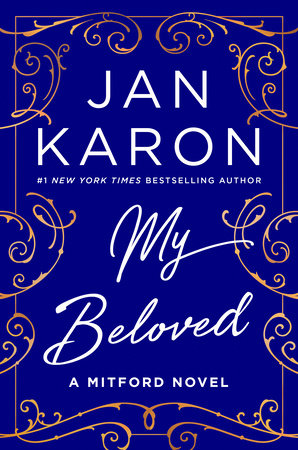
|| My Beloved (A Mitford Novel) by Jan Karon (it releases Oct. 7 but I probably won’t get it right away so this could become a winter read) ||
|| Rebecca by Daphne du Maurier ||
|| The Unselected Journals of Emma Lion by Beth Brower ||
|| A Hardy Boys Mystery: The Tower Treasure by Frankin W. Dixon ||
|| The Cat, The Mill, and the Murder by Leann Sweeney ||
|| A Fatal Harvest (An Amish Inn Mystery) by Rachael O. Phillips ||
|| The Cider Shop Rules by Julie Anne Lindsey ||
Have you read any of these books? Or maybe watched the shows based on them? What did you think of them or the characters?
If you write book reviews or book-related blog posts, don’t forget that Erin and I host the A Good Book and A Cup of Tea Monthly Bookish Blog Party. You can learn more about it here.
Hello! Welcome to my blog. I am a blogger, homeschool mom, and I write cozy mysteries.
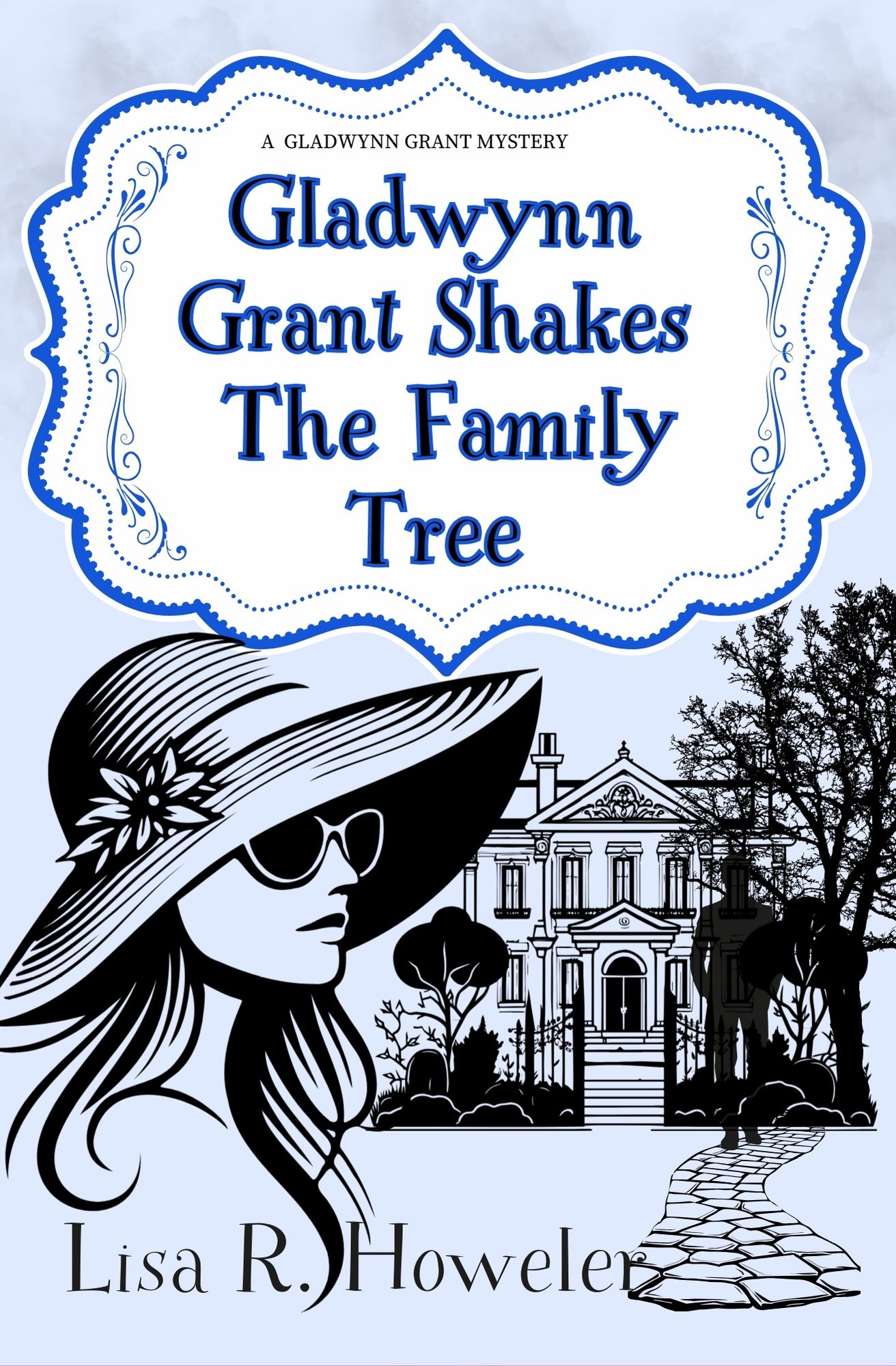
You can find my Gladwynn Grant Mystery series HERE.
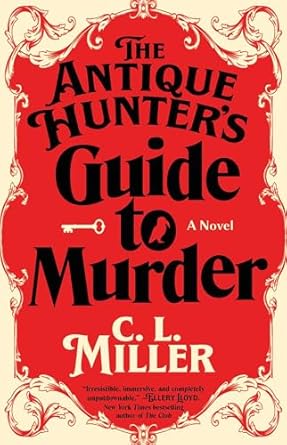
Erin from Still Life, With Cracker Crumbs mentioned to me a couple of weeks ago that she thought I had mentioned somewhere that I was going to read The Antique Hunter’s Guide to Murder. I had not but it looked interesting to me so she suggested we do a buddy read. I’ve never done a buddy read so I said I could try it with her.
Having someone to talk to about the book and bounce ideas off of about what was going to happen next was fun.
This book takes place in England and is about Freya Lockwood who used to be an antique hunter. I wasn’t sure what the term “antique hunter” meant until I got into the book. It turns out it isn’t only about finding antiques that are worth something and can be sold in a store. Antique hunting is also about finding stolen antiques and returning them to their rightful owners.
What I knew from the beginning was that a man named Arthur Crockleford had died and it upset her. It is actually suggested in the prologue of the book that Arthur was murdered.
We will spend most of the book trying to figure out not only why but who.
Freya and Arthur haven’t talked in almost 20 years and we will learn more about that as we read too.
Freya’s aunt Carole, who cared for Freya when her parents died, introduced Freya to Arthur and was also good friends with him. After Freya and Arthur’s falling out, Freya married and had a child, who is now grown.
From the book description: Joining forces with her eccentric Aunt Carole, Freya follows clues to an old manor house for an advertised antiques enthusiast’s weekend. But not all is as it seems. It’s clear to Freya that the antiques are all just poor reproductions, and her fellow guests are secretive and menacing. What is going on at this estate and how was Arthur involved? More importantly, can Freya and Carole discover the truth before the killer strikes again?”
Arthur leaves behind a series of journals for Freya that he calls the Antique Hunter’s Guide.
My thoughts:
This book was … okay for me. It wasn’t the worst book I’ve ever read. It wasn’t the best. Overall, though, it was a fun escape – at least until about 60 percent when things got a bit confusing for me and sort of fell apart in my opinion. That totally could have been just a me thing, though. Maybe my brain wasn’t clicking as well with the second half as it did the first.
The book was clean and free of swearing and graphic descriptions so I would consider it a cozy mystery.
The one big thing this book had going for it was the characters. They were interesting and I got attached to them, though I was attached more to Carole than Freya.
The mystery is decent too, but the characters are interesting and fun to learn about.
Freya’s aunt Carole is a highlight of the book for me. She was eccentric, funny, and always on the brink of either blowing their investigation or getting them deeper in trouble. She was there to add some humor to the book it seems and I liked that.
Freya is getting her life back and finding the woman she used to be in this book, but don’t worry, if you forget that fact, the author will tell you about 50 more times before the book ends. She will also remind you that Freya has a scar on her hand about 50 times. I’m joking a bit, but those two things were repeated a bit too much for my liking. I got the point the first three times we were told Freya wanted her old life back. Though I thought we were told this too much I liked that Freya worked toward finding her former passion for antique hunting.
Here are a couple of quotes I highlighted as I read:
“This plate is different than before, but it’s still precious,” said Arthur. “Most of us have been broken in one way or another. We don’t need to hide the scars, for they make us who we are. This bread was mended with real gold.”
“I saw for the first time that I was me again — that person hadn’t left me; I’d just dived into the safety of my London home and become shrouded with the world of being a wife and mother.”
“Your journals are called the Antique Hunter’s Guide. But my hunting hasn’t been as straightforward — your guide led me on quite an adventure.”
“You can be so dramatic. He offered tea, and murderers don’t offer tea, do they darling?” Carole tutted at me.
“Carole appeared at my side and rubbed my arms like she used to do after we’d come in from a long, cold winter’s walk. “I want to show you what I meant about the vases. Come.” She handed back my phone and led me away from the darkness, just as she had always done.”
Erin mentioned when we were talking that she thought this book was a good introduction to a series and I think she’s right. There was a lot in it and a couple storylines going on, including a possible romance, but in the end they all converged, luckily.
I will warn you that this book switches from a few points of view to introduce us to each suspect or to Aunt Carole. The tense changes when the POV changes so we go from mainly first person for Freya to third person for everyone else. I thought Miller did this well so the changes didn’t bother me like it has in some other books I’ve tried in the past.
There is one more book in the series that is out — The Antique Hunter’s Death on the Red Sea. The third book, The Antique Hunter’s Murder At The Castle is scheduled for release in March of 2026.
The bottom line for me is that this is a fun read, something to pick up when you need an escape from the world. Don’t expect it to blow you away, but do expect to be sufficiently entertained.
If you write book reviews or book-related blog posts, don’t forget that Erin and I host the A Good Book and A Cup of Tea Monthly Bookish Blog Party. You can learn more about it here.
Hello! Welcome to my blog. I am a blogger, homeschool mom, and I write cozy mysteries.
You can find my Gladwynn Grant Mystery series HERE.
It’s time for our Sunday morning chat. On Sundays, I ramble about what’s been going on, whatthe rest of the familyand I have been reading and watching, andwhat I’ve been writing. Some weeks I share what I am listening to.
Friday was my birthday, so I wrote about visiting a very nice restaurant with my husband in my Saturday Afternoon Chat post yesterday if you want to catch up with all that there. I’ll share some photos below of our experience.
A reminder that I — and now my new co-host Erin from Still Life, With Cracker Crumbs — host a monthly bookish link party. It’s called A Good Book and a Cup of Tea but I’ve changed the link name at the top of the page to “Bookish Link Party” so it makes more sense. It’s a link-up for any post related to reading or books and you can post throughout the month.
Another reminder that Erin and I will be hosting a Comfy, Cozy movie-watching marathon again this year, and we already have our list of movies. This week we are watching Benny and Joon with Mary Stuart Masterson, Johnny Depp, Aiden Quinn, and Julianne Moore.
Erin made this cool graphic for it:
Also, Erin and I host a monthly Crafternoon meet up where we get together on Zoom with other bloggers/crafters and do a craft while we chat about life and books and all kinds of other things. We do our best not to focus on religion or politics so we don’t depress ourselves.
If you are interested in the crafternoon, you can find more information here.
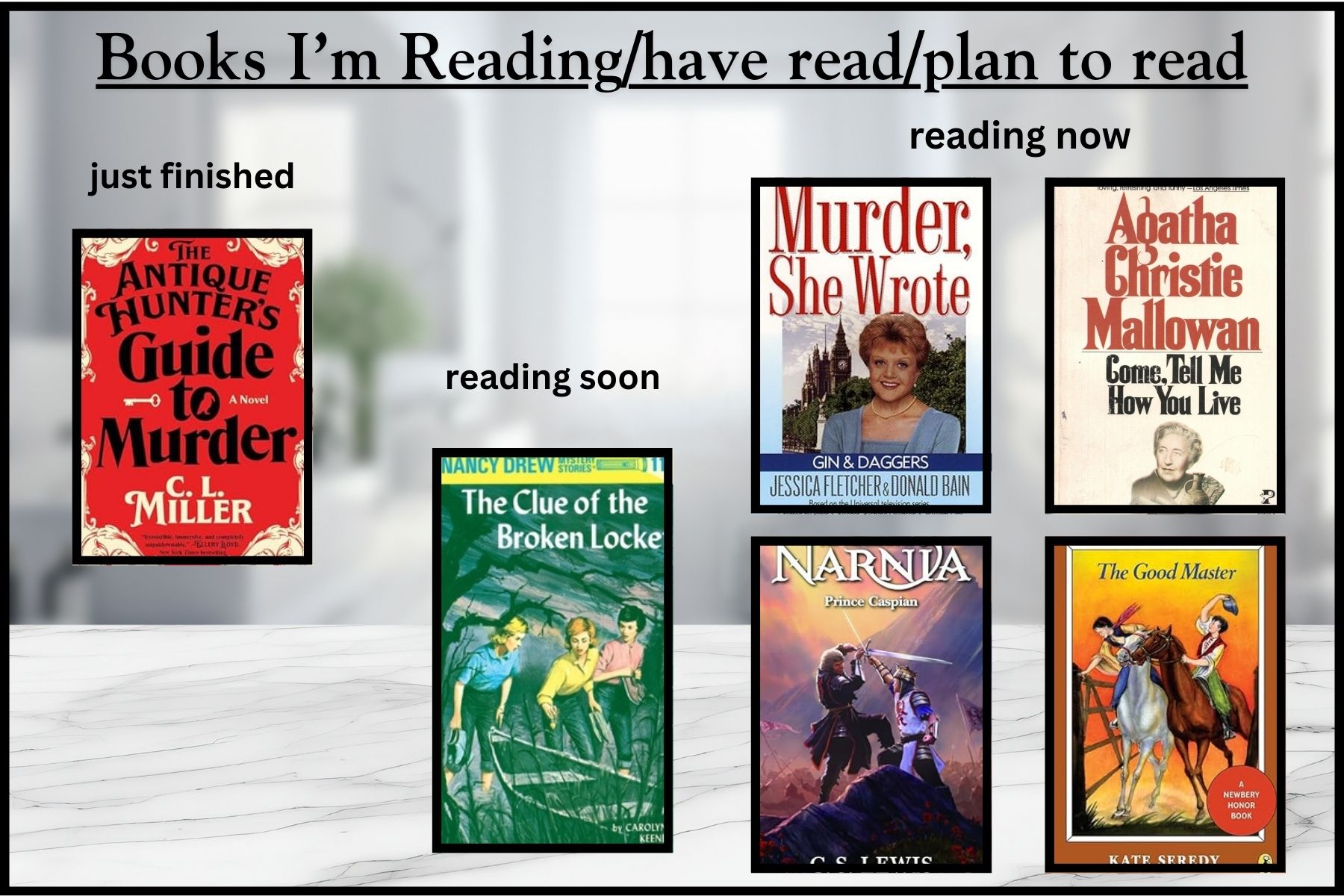
I just finished An Antique Hunter’s Guide to Murder by C.L. Miller, which as a buddy read with Erin from Still Life, With Cracker Crumbs. We are both sharing a review of it tomorrow.
You can read the review tomorrow to know what I thought of it.
Right now, I am still reading Gin and Daggers, a Murder, She Wrote book by Donald Bain. I will most likely have it done tonight or tomorrow.
I am also reading The Voyage of the Dawn Treader by C.S. Lewis.
My slow read is still Come, Tell Me How You Live by Agatha Christie Mallowen, a non-fiction book by Agatha that is about her and her husband traveling to Syria for an archaeological dig. It’s good so far but a bit wordy and slow in some places so I’m not as interested to read it as I am my murder mysteries.
Up next I will be reading Nancy Drew: The Clue of the Broken Locket.
Tuesday I’ll be sharing my list of hopeful reads for autumn. I know for a fact I won’t get through all of them, but it will be fun trying anyhow.
Little Miss and I are reading The Good Master by Kate Seredy together.
The Husband is reading Gray Day by Walter Mosley.
This past week I watched Murder, She Wrote (of course. I am making my way through the show since I didn’t watch them when I was younger.), Poirot, Just A Few Acres Farm, Dick VanDyke, and Supernatural.
It was my first time watching Supernatural and I liked it, sort of. I’m not big on scary or horror-type stuff and though this is tamer than actual horror films, it still unsettled me. I watched it with my son and told him I might do it again but I’m not sure. I’ll have to watch a lot of All Creatures Great and Small to get it out of my system. Ha!
I actually am working on Gladwynn Grant Goes Back to School, but very slowly. It looks like I won’t have it out until winter.
I’m going to start listening to Come Rain, or Come Shine by Jan Karon this upcoming week (because I didn’t last week!) as I get ready for Jan’s new book to come out in October!
I’ve also been listening to the True Drew Podcast, which is a podcast about all things Nancy Drew. You can find it on Apple Podcasts.
What have you been doing, watching, reading, listening to, or writing? Let me know in the comments or leave a blog post link if you also write a weekly update like this.
Glad you stopped by for a chat and thanks to my sister-in-law’s gift of some new teas, I can offer you some different varieties.
She even brought them in a very cute little basket that Little Miss had fun rearranging yesterday. She plopped my jar of honey right in the middle of the teas.
I have never tried the cold tea brews before so I am excited to do that later this week.
The Boy has already tried the pumpkin spice one and has loved it.
Yesterday was my birthday and The Husband took me to a very fancy restaurant in our area that he’s been saying he wanted to take me to for a long time.
Every time we would drive by it on our way to cities southeast of us, he would say, “I’m going to take you there for our anniversary one day.”
Well, he didn’t for our anniversary, which was totally fine with me, but he did for my birthday, and it absolutely lived up to the hype.
We sat out on the patio overlooking a creek and a tiki torch, as well as the walking trails. The weather was absolutely perfect, even if the trees had not changed as fast as the ones near us are changing.
The food was much fancier than what we would normally eat and absolutely incredible. I’ve never tasted steak like that. It was like butter in my mouth it was so tender. I mean, it tasted like steak not butter, but I think you get what I mean.
I gave my daughter a sample when I got home and she said she had no idea what I meant by the butter comment and sort of looked annoyed at me, but for me it was amazing.
The Husband had chicken marsala.
We both had potatoes with a fancy name, which the waitress explained was simply mashed red potatoes with the skin on. Ha! Fancy name or not, the potatoes were insanely good.
It was very relaxing to sit there and look out over the small creek that runs on the property. They have a botanical garden somewhere but we didn’t find it. They also have a garden on the property where they grow food for the restaurant. So, it is essentially farm to table.
The restaurant is also an inn and it’s a gem in the middle of nowhere really. It’s not in a bigger city near us — it’s a little bit away from a small “city” near us but there really isn’t anything else around it. I will say I felt a little out of place there, since I would say most of the clientele is in a different financial bracket than my me and my husband. I ignored those feelings, though, and made up stories in my head about the people around us as I waited for our food.
I decided the man sitting behind my husband, who did look a bit tired and unshaven, though well dressed, was a businessman who hadn’t yet told his wife that things were falling apart. He was also a closet gambler and alcoholic.
The young waiter who looked about 16 but was probably older, was a rich kid made to work there after his family kicked him out because he was an entitled brat who felt he didn’t have to do anything to contribute to his family, alone society. (Of course I didn’t really think this about the kid, despite the weird side eye he gave me on the way by — these are just stories I made up!)
Then there was the group of friends all in their 50s or 60s who were sitting in chairs along the creek, sipping their various alcoholic drinks.
I definitely knew they could be the basis of a murder mystery and tried to choose which one might get knocked off first. I chose the one man in white shorts and blue polo holding his cocktail, looking annoyed as everyone else pulled chairs up to sit next to him. I also imagined he used the word “insufferable” a lot in every day conversation, especially when referring to some of the women around him.
Most of the men and women in the group were wearing blue tops and white pants. I don’t know if that is a rich person thing or just a style choice. Either way, they all looked lovely and like they were having a good, yet slightly annoying time. By “slightly annoying” I mean none of them were really smiling much. They seemed somewhat annoyed at each other. Gosh, looking back, maybe they had come from a funeral or something. Like the funeral of their murdered friend….
Okay, yes, I need to stop reading and watching so many murder mysteries.
The man behind us was in the middle of an interview for a job at State Farm with a guy who made a lot of dad jokes, so I don’t think he needed a made up story. He just needed an escape. I didn’t hear the first comment, but I did hear when the older man said, “Because we’re always there. Get it? Like State Farm is there…”
There was some nervous laughter that trickled around the table and then the sales pitch to join the team started after that.
After dinner, we headed to where all birthday girls around here go — Walmart. Ha! Actually, The Husband ran in to grab some bottled water my parents. We made a quick stop after that and picked up a treat for the kids.
At home I watched a couple episodes of Supernatural with The Boy, but don’t know if I will do that again. I enjoyed them to a point, but they were also quite disturbing in parts.
It was hard to see Jared Padalecki as anyone but Dean on Gilmore Girls and it was confusing that his name was Sam in this show, but his brother was Dean. I kept getting confused.
Speaking of The Boy — he got his driver’s permit yesterday and we were so happy for him. He was a little nervous about the test but it turned out to be much easier than he thought. Though he has waited a bit to get his permit, he has been driving grandpa’s tractors and truck around his property for a couple of years now, so he knows what he is doing.
Right after he passed the test my dad actually took him driving around some backroads for a couple of hours.
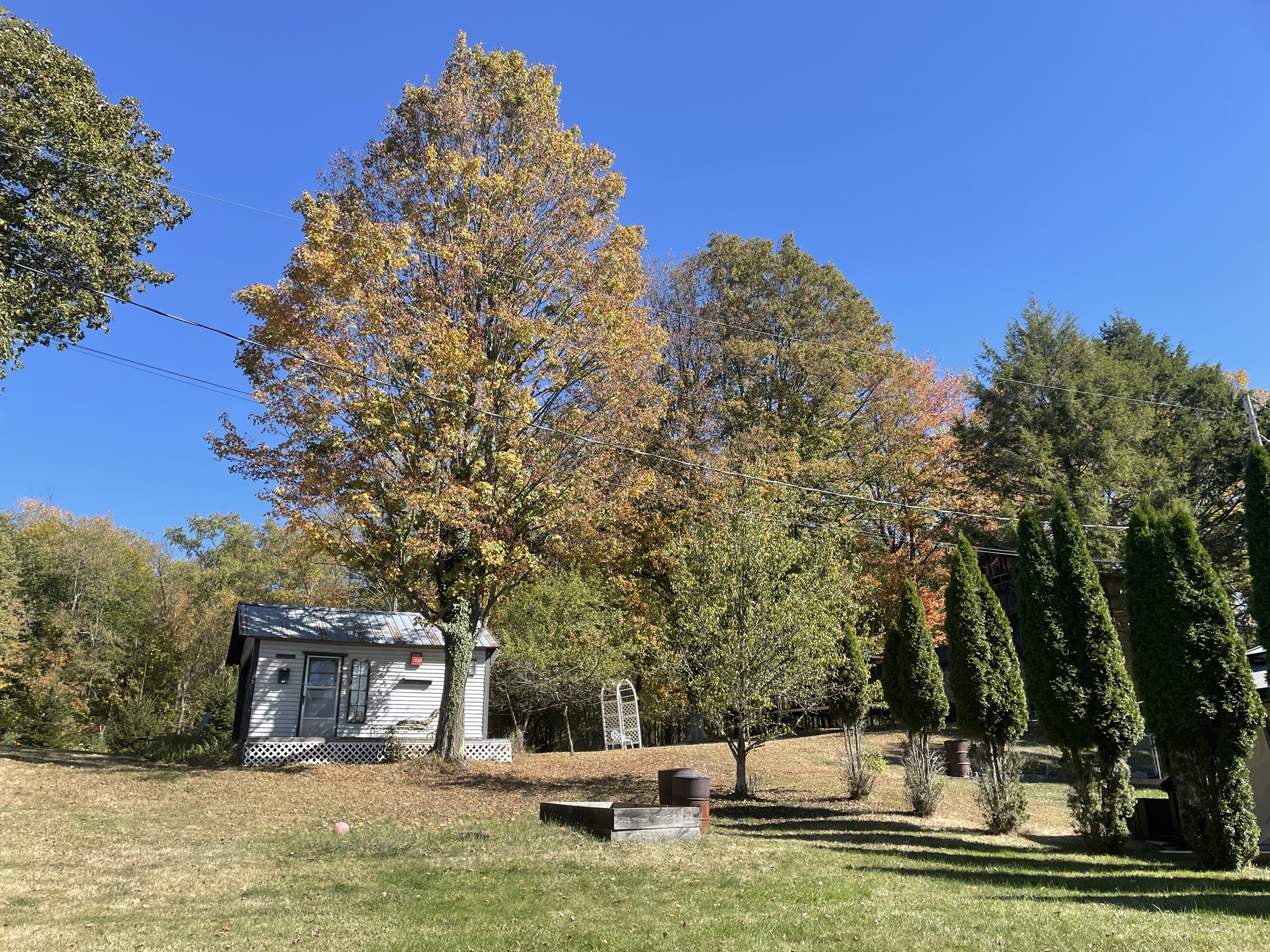
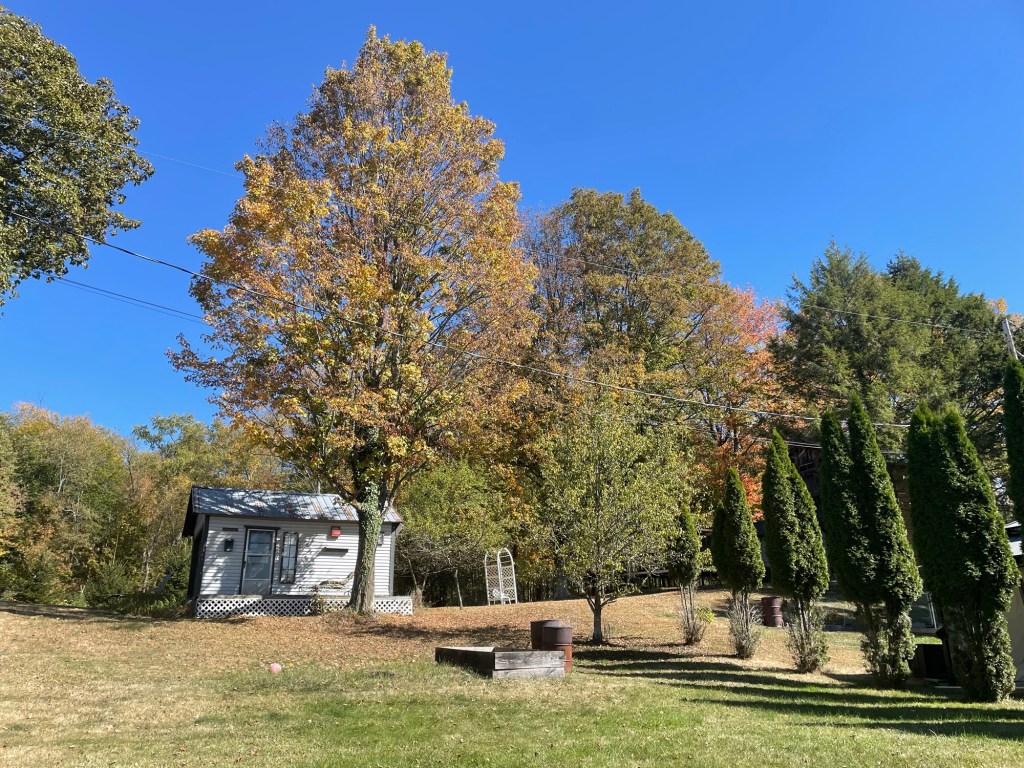
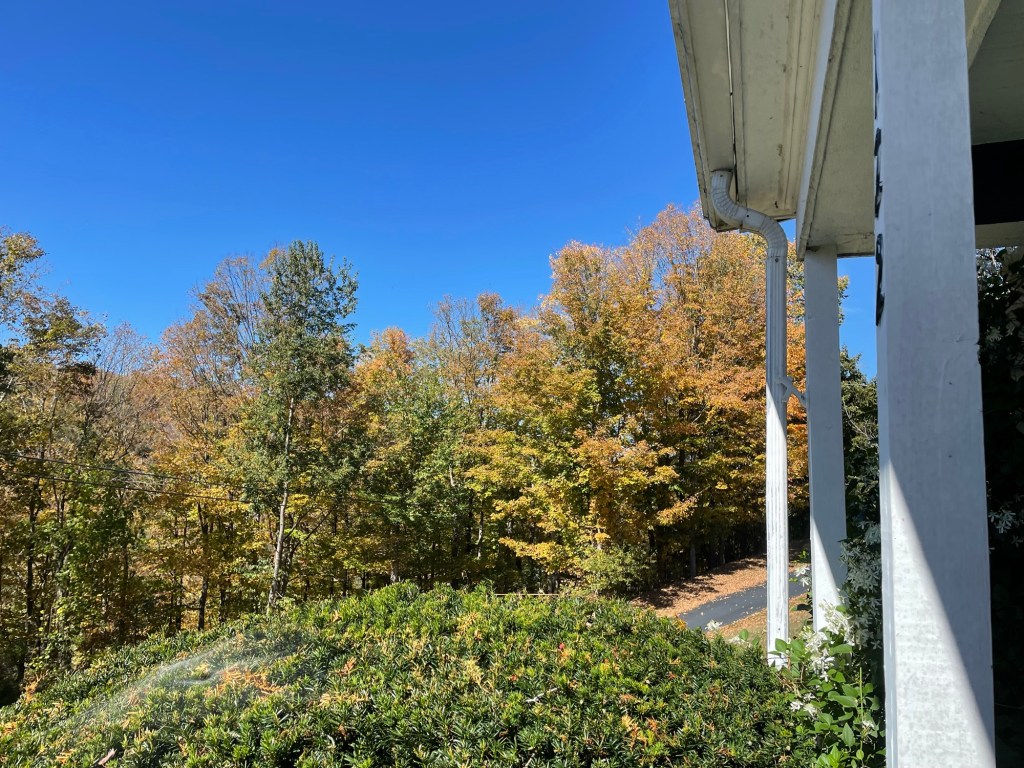
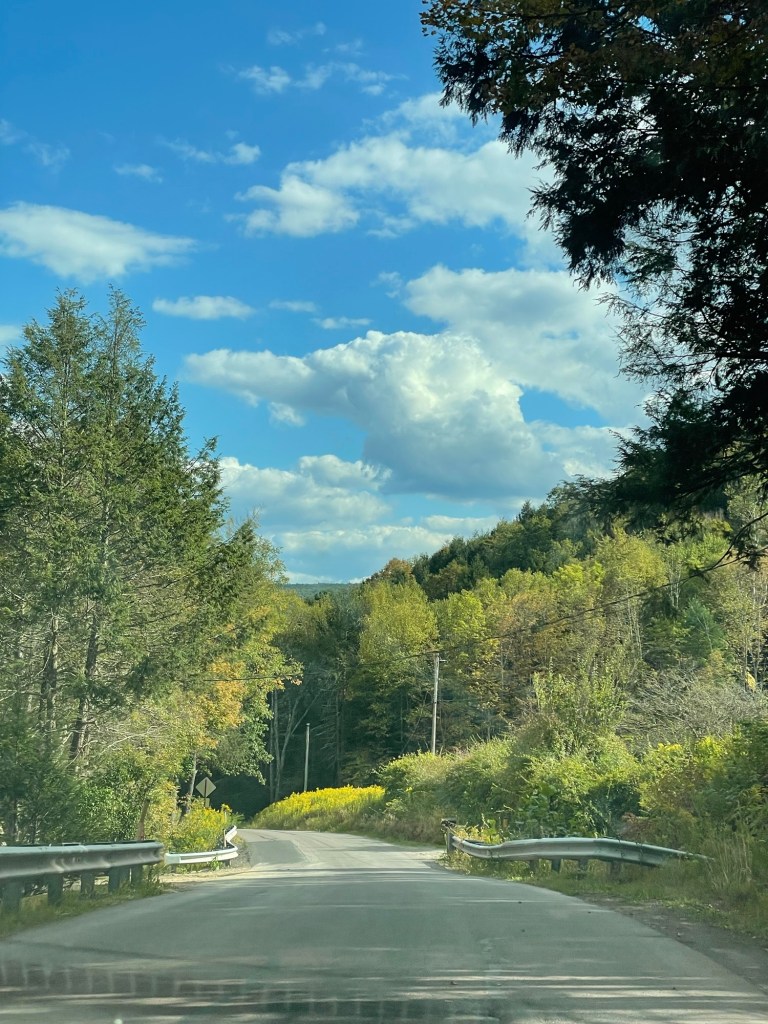
We are definitely having fall weather and fall vibes in our neck of the woods right now. The trees are changing fast and falling down on the ground. It seems like we got our color much quicker than I thought we would and I am trying to enjoy it as much as I can before our trees are bare.
When even more of the trees have changed we plan to go leaf peeping and admire the views.
I hope to post some photos for all of you of the leaves on here but I am having an issue with WordPress,, who says my storage is almost full and they want me to pay even more than what I do so I can add more storage.
I’m rejected the idea of paying more by backing up some old posts, deleting them from this blog, and moving them to a backup blog. These are posts from seven or eight years ago, not recent ones.
I’ve also been combining photos on collages I’ve made in Canva to help cut down on how much storage space I am using.
Another blogger friend of mine, Mama’s Empty Nest, has been struggling with this for months now. She’s also been struggling with a lot more as her husband had to undergo an emergency surgery and her daughter was admitted to the hospital after going into labor way too early. I don’t know if she has mentioned this on her blog yet, but the baby did not make it and I just ask that you pray for that family right now. This would have been her daughter’s second child, as she has an older daughter. The little girl is around the same age as Little Miss and was really looking forward to a sibling. Just please pray for their healing and comfort at this time.
Luckily, Mr. Empty Nest is doing fairly well after his surgery, but I just can’t imagine how hard it was for him and his wife with him recovering and their daughter suffering as she lost her little one in the hospital.
I would say that I am ending my post with some sadness, but there is also joy in the story. This little one has gone back to Jesus where her family will meet her again one day and her grandpa is getting healthier by the day and will be able to spend more time with her older sister. There is some joy in the midst of heartache, thankfully.
This upcoming week isn’t yet a busy one for us, but we will see how that goes.
Do you have anything interesting planned for next week?
For the past several months, I have been writing about or recapping episodes from the 1977-1979 TV Show The Hardy Boys/Nancy Drew Mysteries. For the first season, the episodes would flip-flop back and forth between featuring The Hardy Boys and Nancy Drew, and eventually the two would join forces before they began to phase Nancy out all together.
This time we are discussing The Mystery of the Solid Gold Kicker with Nancy Drew as the main investigator.
The episode starts with Nancy at a college football game. She’s inside the controller’s booth at the TV station broadcasting the game and it is never explained why.
Later, though, she’s at a party with the kicker of the team — a surprise guest star, who back then probably wasn’t a star yet.
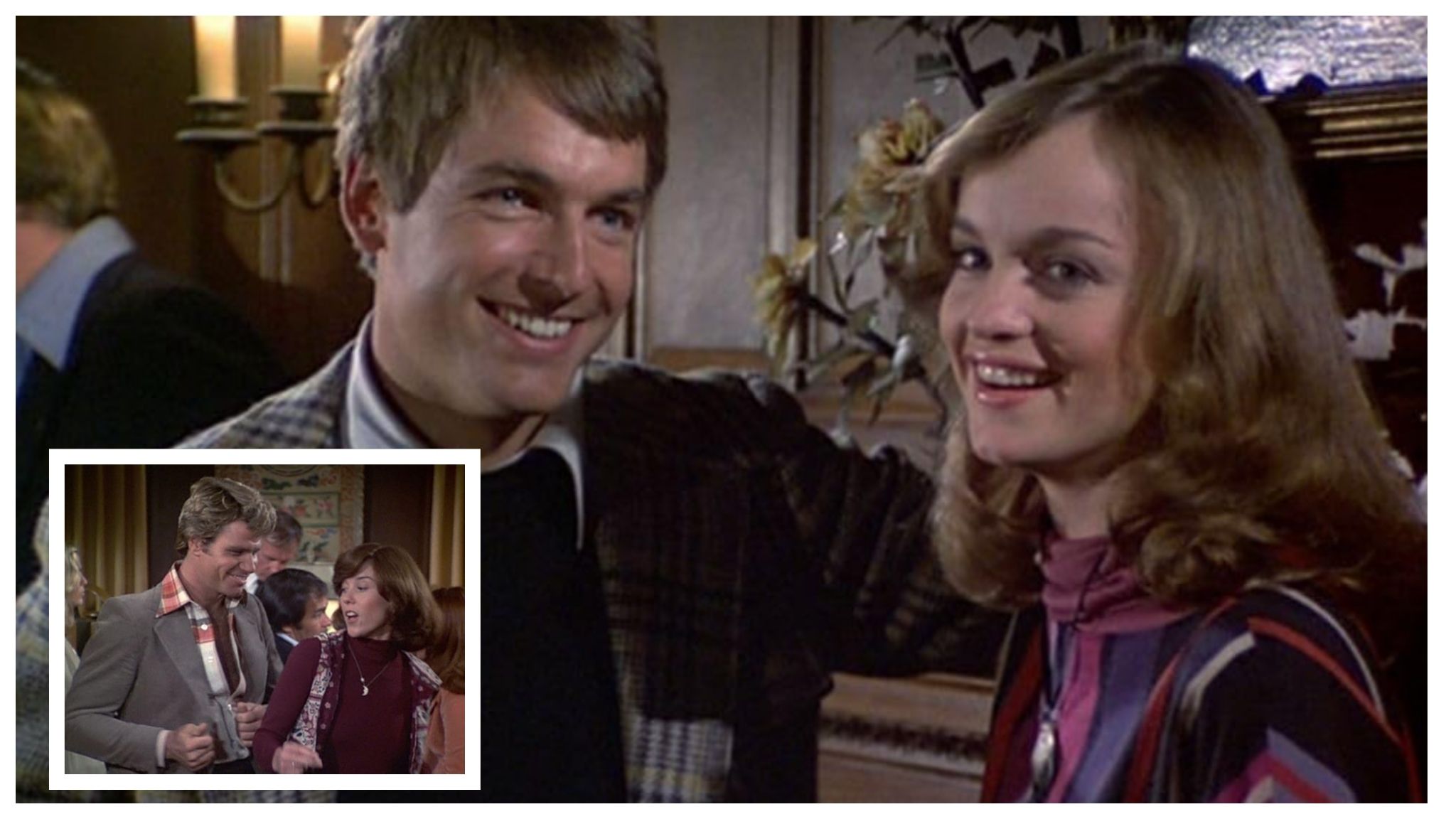
Yes, that is Mark Harmon as star kicker Chip Garvey
He and Nancy are chatting while Nancy’s best friend George dances with Pete Miller (Martin Kove). The man is clearly old enough to be her dad, but I digress. He admits he is older and says he came to scout out Chip for Chip’s manager because he thinks the kid will go far as a professional ball goes.
Chip suddenly feels a bit woozy, things are going black. Nancy tells him to sit down but before he can a blond struts up to him and starts telling him off about abandoning her after inviting her down from Boston. Then she suggests that he’s going to hit he again.
“How could you do this to me, after all that you promised?” she asks as Chip’s manager tries to pull he out of the room. “After all we meant to each other?”
Chip is completely bewildered by the outburst and says he doesn’t even know the woman. She leaves and soon we are in the car with Nancy and George saying they can’t believe that fight and saying they don’t think they really know Chip at all.
When George drops Nancy off, she realizes she forgot her purse. She goes back to the house where the party was, which we eventually figure out was the house of the manager. Before she gets there we viewers are shown the manager, Ben Halstead (Terry Kiser), standing with the blond girl, Paula, and they are looking down at an unconscious Chip. Paula asks Ben how much he gave him.
“Just to knock him out for a few minutes, that’s all,” Ben answers. “He’ll come around when we want him to.”
So he and Paula set up a scene where Paula is unconscious on the floor and just before they do that, Ben says that Chip is like his own brother. Paula is worried he won’t be able to “come out of this” but Ben says, “He’ll be fine. He’ll be scared, but he’ll be fine and do the right thing.”
Ben says he has to do this to save himself.
Then they position Paula with broken glass around her so it looks like she’s been severely injured and wake Chip up.
He’s lead by Ben to believe that he actually killed Paula. Chip freaks out and says he doesn’t remember anything and that he couldn’t have hurt her.
The hiccup in all of this is George has come back for her purse, looks in the window and sees Paula “dead” on the floor.
She freaks out and drives back for Nancy.
Meanwhile, inside the house, Ben is telling Chip he’ll take care of things for him.
Chip is saying he doesn’t feel right about it and wants to call the police.
George found a phone booth and called Nancy and the police and now she and Nancy are racing toward Ben’s to find out what really happened.
The sheriff, Sheriff Foley, bangs on Ben’s door and tells him what George says she saw.
Foley uses the whole, “Sorry, Ben, but this crazy girl thinks she saw a dead woman on your floor…”
Ben says George is crazy and invites the sheriff to search for any evidence there was a girl lying on the floor.
The sheriff finds nothing and tells the girls they have to go.
Nancy doesn’t let up, though, and wants to see Ben’s vacuum cleaner. She wants to prove that there is broken glass in it.
There isn’t so Nancy and George are forced to leave.
On the way out, though, Nancy notices that Ben’s car is warm. She knows he lied so they drive off to find out where the trash might have been dumped. She drives to a less residential area (I mean how big is River Heights anyhow? I guess it’s plausible there is a less residential area where trash is dumped.)
Miracoulsy, while digging in the dumpster, they find the bag with the broken glass and a vacuum bag.
This is the time for a little humor too as a garbage man almost picks them up while they are snooping.
George wonders if they could have dumped the body in that dumpster too and that has Nancy thinking. It is clear there isn’t a body there but if the woman really died — where is her body?
Next we see Ben talking to Pete. Pete says he’s back in Boston and asks what the issue is so Ben tells him about the deputy sheriff showing up with Nancy and George.
Pete laughs. “What? It’s not like they found a body.”
Ben tells him Nancy Drew is involved.
“Yeah?” says Pete. “So what?”
“She’s a part time investigator with the instincts of a bulldog,” Ben says. “I don’t think she’ll let go.”
I don’ really think bulldogs have much instinct other than drooling and trying to lick their bottoms, but..okay….we’ll go with that analogy I suppose.
Pete says, “Ben, we might have to do something about her.”
Uh-oh.
In the next scene we are at a cemetery and Paula’s name is written on a tombstone. Ben is comforting Chip who is saying, “I just can’t believe it. How can she be dead?”
Ben is telling him it’s going to be fine. It was an accident. Chip did nothing wrong and soon he’ll get over it.
“No, I’ll never get over it,” Chip says.
Then he sees Pete. “What’s he doing here?”
Ben said he couldn’t handle it by himself so he had to have Pete help him.
Pete said he was willing to help an up and coming football superstar. “It isn’t fair his career should be derailed over something that wasn’t his fault.”
Ben then asks if he got the other situation figured out and Pete says he did. That he got “them to compromise.”
Chip says, “Compromise? What’s all this about?”
Pete says others know about it but they won’t run to the cops as long as Chip pays them $500,000. Chip says he doesn’t have that money so Pete says he can get it by throwing Saturday’s game and giving those who bet on it their money that way.
Chip says he’s going to go to the police but Ben and Pete talk him out of it because they threaten his family when they realize Chip doesn’t mind going to jail or even getting beat up by the gamblers.
Nancy tries to tell her dad about what she thinks might be happening but, once again, Carson Drew frowns at his daughter, while holding his pipe, and says, “Now that’s a pretty serious charge without any evidence, Nancy.”
Hello? Your daughter was right in the past so maybe, I don’t know, back her up this time?
But nope, he says that there needs to be more evidence. Nancy says she’s already taken the glass to a lab to be tested and that there was carpet on the glass and that can be checked out too. I don’t know what lab would take work from an 18-year-old girl, but, okay, once again, we shall suspend belief.
After Nancy argues with her dad we switch scenes to the lab where an older man with white hair is looking under a microscope right when a man dressed in all black clothes, including a mask, bursts in.
We don’t see the doctor or professor or whatever he is get tied up, but we do see Nancy come in to check on him, cry out when she sees him tied up, and enter the room while the man comes up behind her. Then we go to a “commercial break”. When we come back from the commercial break (there isn’t actually one in the episodes I watch on YouTube), Nancy escapes the man, runs around the island in the lab, grabs a chair and fights the man off, forcing him to flee after she tosses the chair from the window to get attention. This scene had me almost biting my nails — a habit I don’t really have but do when I am a bit nervous.
Despite Nancy’s fight, the man escapes with the evidence.
The doctor did get a chance to look at the glass though and found no evidence that anyone had been hit with it. This has Nancy even more confused.
Then she realizes that someone wanted to steal the evidence because it would show that no one had actually been hit with the vase.
“Dad, I’m going out of town so don’t wait up!” she declares before leaving.
When Carson asks where she is going she says “Boston!” and just hops on a plane. I kid you not.
Maybe Nancy is supposed to be older in this show…I would think so but she goes ALONE to CREEPY PETE’S apartment to confront him!!!
She says she’s looking for Chip but noticed he was staying there. Nancy tells him she needs help with Ben.
Pete asks if it is about Paula and says that the last he saw her was when she left the party. Nancy thanks him and leaves, saying she has a plane to catch. Huh, so she flies in and out of Boston to ask one question. After she leaves Paula shows up to have some “cuddle time” with Pete.
Now we are back in the car with Nancy and George and George is complaining that she got tickets on the 50 yard line and they should really be there. Nancy says she understands but that they need to stay on the case.
So instead they go to see Skipper, an older man who cleans her dad’s office. Nancy tells George she’s on to the plan and believes Paula is alive and Ben and Pete made it look like she died to blackmail Chip.
Inside she talks to the salty Skipper who once traveled all over. She wants to know about the time he was knocked out with a knock out drug and what the symptoms were.
“It’s more like a sail ripping apart in a typhoon,” Skipper says. “It screams through your ears.”
Obviously Nancy is starting to figure out that Chip was drugged.
She and George head back to the football game, with Nancy hoping to be able to talk to Chip after she saw him miss two field goals on the TV that Skipper was watching the game on.
Nancy bursts into the control room and demands – hold on I need to laugh a bit here. Whew. Need to wipe my eyes now. Okay so she demands that the man in the control room bring up a video from the game the week before because she wants to see if Paula was sitting with Ben, who she’s sure she saw on the screen when she was in the control room last week.
“It’s terribly important,” Nancy whines.
Eventually the man agrees and they look through – during halftime. While they are looking, Pete calls the bad gambler/mob guy and tells them it looks like it’s in the bag since Chip missed two field goals. The mob guy says he just found out Chip moved his whole family out of town so it looks like maybe Chip isn’t actually going to throw the game.
“Maybe this girl Nancy Drew is the probl’m ‘ere, Pete, see? I told you she need to be watched, see?” That isn’t actually what the guy says. I’m just making it more gangster-like for you.
Okay, so Pete says he’ll take care of it.
Now we are back to Nancy and she sees Paula and Pete together. She asks how to get to the field so a good-looking man helps her but only gives her a pass to get past the guard. In the meantime, Pete sees her running and he starts to follow her. He calls to her but she starts running even faster to get away. She’s able to escape and get to the entrance of the field but is stopped by security.
Eventually she breaks through and then we see Paula in a black wig in the stands sitting next to Ben. They see Nancy run to Chip and they are definitely nervous.
Nancy tells Chip that Paula is possibly alive and tells him not to throw the game. He says he isn’t going to throw the game.
“People miss sometimes and that was just my time,” he tells her.
It’s time for him to kick and she tells him good luck but he says, “If I miss this, who is going to believe me?”
He doesn’t miss, though, and Nancy meets Ben and Paula trying to leave with Pete in handcuffs behind her. I think she saw Ben and Paula in the stands in the control booth earlier and that’s why she knew where they were sitting, but I started to get confused, so don’t take my word for it.
She confronts Ben and shames him for taking advantage of his friendship and then confronts Paula and rips off her black wig. Paula is like, “Wha’eva!” Okay, she isn’t — she just scowls in snobbery.
The episode ends with Chip telling Nancy, George, and Carson that he is out of the bowl game but will at least be able to finish his degree. He feels awful for not going to the police before. Skipper comes in and gives an encouraging speech to Chip about him becoming his own man, “which is much more important than any point after touch down….” He then tries to launch into a bawdy story about “a man who meets a wench in Hong Kong,” but Carson quickly stops him. Skipper shifts gears and says his next story is much cleaner and then — what happens? You must be able to guess by now if you’ve been reading these recaps.
Yes, everyone laughs and the episode ends.
This one also guest-starred Howard Cosell, the famous sports broadcaster.
For whatever that is worth.
So next up — taking a deep breath — I am so excited — is a two-part episode that features Nancy and The Hardy Boys together.
I don’t know when I will be sharing that recap but I am super duper looking forward to it because I am a super duper dork.
If you would like to read some of my other recaps you can find them at the top of the page under “Old TV Show Recaps.”
Hello! Welcome to my blog. I am a blogger, homeschool mom, and I write cozy mysteries.
You can find my Gladwynn Grant Mystery series HERE.
Welcome to the Weekend Traffic Jam Reboot, where we offer a place for bloggers to link up and get a fresh set of eyes on their posts. We also feature one blog a week, letting our readers know about the blog and providing a link so readers can learn more about it.Please feel free to post new blog posts or old ones you want to bring attention to again.
Look for the post to go live about 9:30 PM EST on Thursdays.
Now, let’s introduce our hosts for the Weekend Traffic Jam Reboot:
Marsha from Marsha in the Middle started blogging in 2021 as an exercise in increasing her neuroplasticity. Oh, who are we kidding? Marsha started blogging because she loves clothes, and she loves to talk or, in this case, write!
Melynda from Scratch Made Food! & DIY Homemade Household – The name says it all, we homestead in East Texas, with three generations sharing this land. I cook and bake from scratch, between gardening and running after the chickens, and knitting!
Lisa from Boondock Ramblingsshares about the fiction she writes and reads, her faith, homeschooling, photography and more.
Sue from Women Living Well After 50 started blogging in 2015 and writes about living an active and healthy lifestyle, fashion, book reviews and her podcast and enjoying life as a woman over 50. She invites you to join her living life in full bloom.
We would love to have additional Co-Hosts to share in the creativity and fun! If you think this would be a good fit for you and you like having fun (come on, who doesn’t!) while still being creative, drop one of us an email and someone will get back with you!
WTJR will be highlighting a different blogger each week this year! We invite you to stop by their blog, take a look around and say hello!
Today’s prompt: Literary/Bookish Candles I’d Make (Pick a book and assign it a fragrance or fragrance combo that would make a nice candle.) (Submitted by Heather @ The Frozen Library) I will note that I wouldn’t really want some of these candles in my house — it’s just the smells I imagine from the books. Ha!
1.
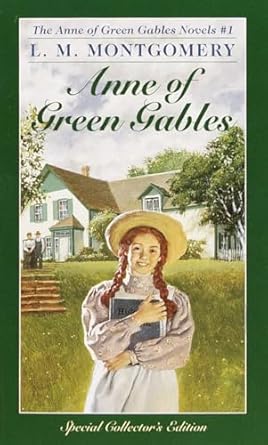
|| Anne of Green Gables by L.M. Montgomery – Raspberry cordial and plum pudding ||
2.
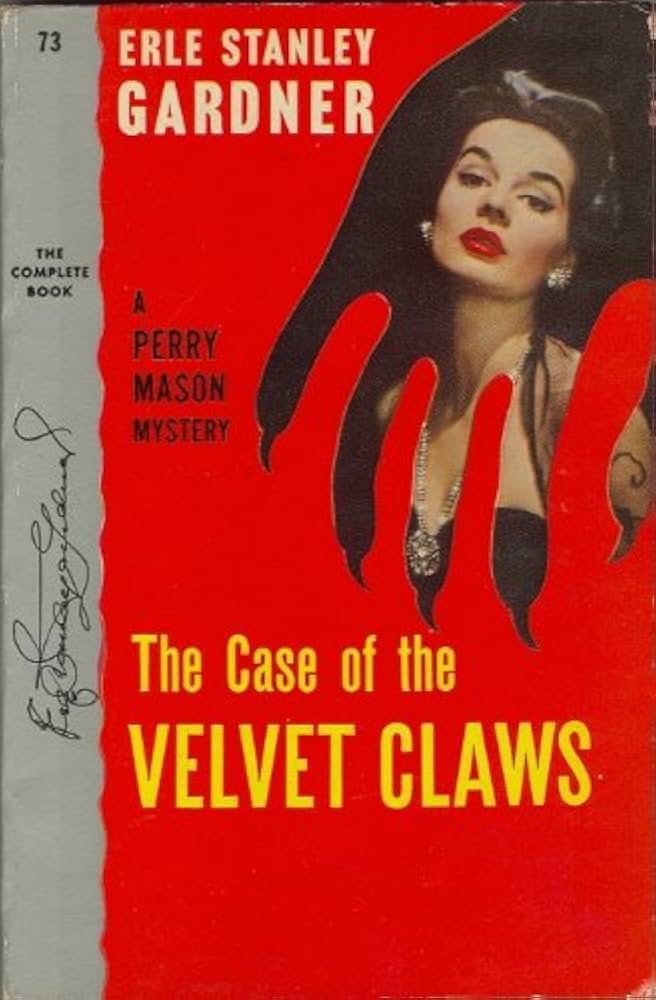
|| Any book from the Perry Mason series by Erle Stanley Gardner – old spice and cigarettes||
3.
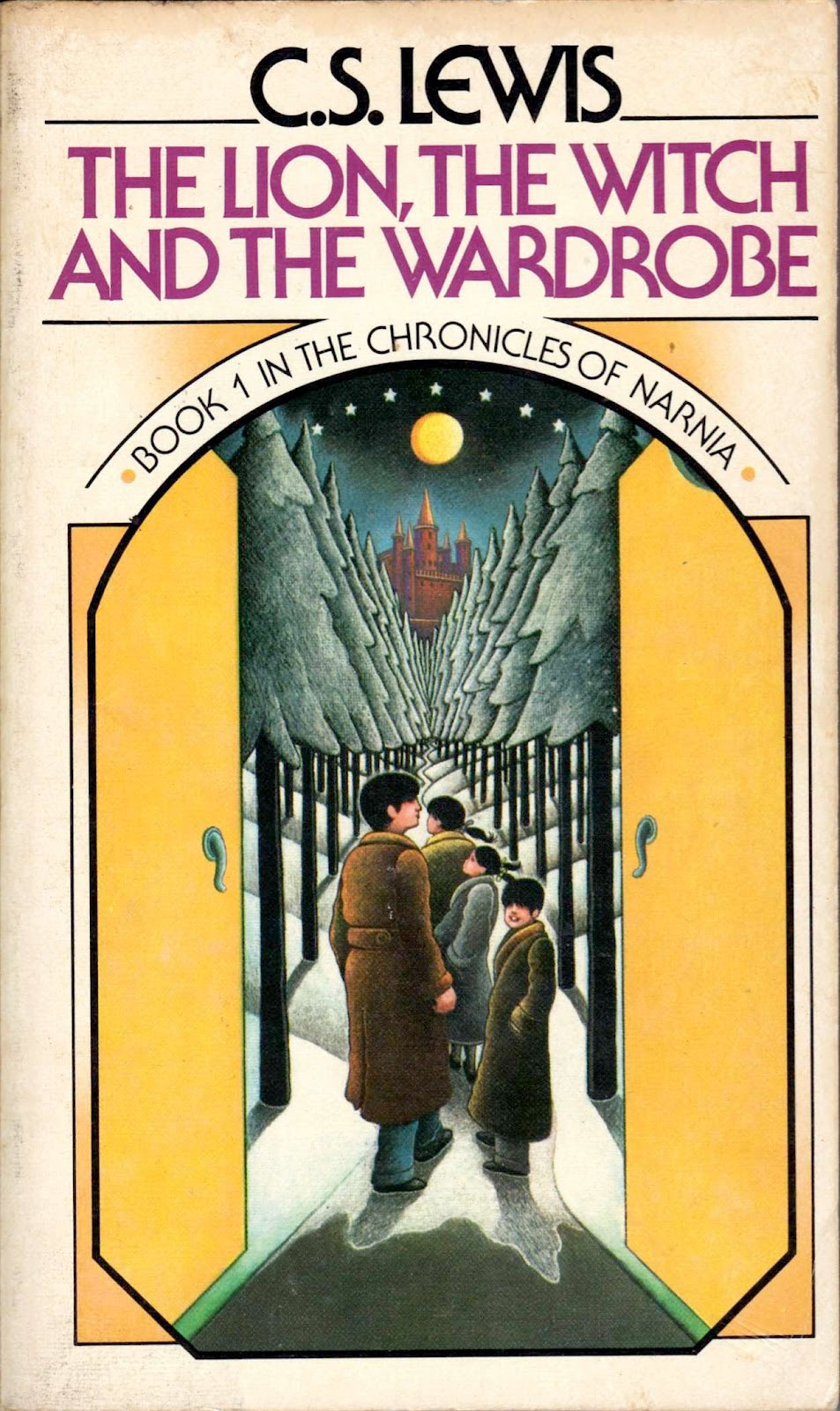
|| The Lion, the Witch, and the Wardrobe by C.S. Lewis – pine needles and Turkish delight. ||
4.
|| Hell is Empty by Craig Johnson – Sulfur and overcooked steak ||
5.
|| The Mystery of Lilac Inn (A Nancy Drew Mystery) by Carolyn Keene -Um…lilacs of course! ||
6.
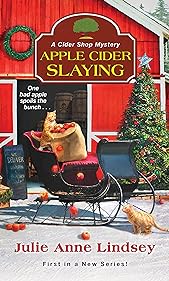
|| Apple Cider Slaying by Julie Anne Lindsey – Definitely apple cider donuts! ||
7.
|| Live and Let Chai by Bree Baker – Chai Tea with cinnamon of course ||
8.
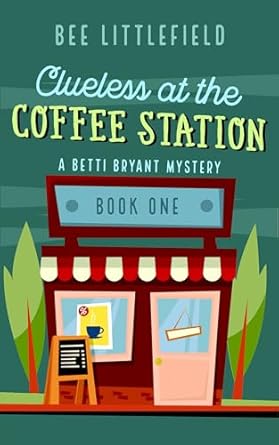
|| Clueless at the Coffee Station by Bee Littlefield – Freshly Brewed Coffee with Hazelnut Cream ||
9.
||The Gardener’s Plot by Deborah J. Benoit – Freshly mown grass or freshly tilled dirt ||
10.
The Divine Proverb of Streusel by Sara Brunsvold – Apple Streusel cake (clearly)!
Have you read any of these books and do you enjoy having scented candles in your home?
Pulitzer Prize-winning humorist Dave Barry is a pretty amiable guy. But lately, he’s been getting a little worked up. What could make a mild-mannered man of words so hot under the collar? Well, a lot of things–like bad public art, Internet millionaires, SUVs, Regis Philbin . . . and even bigger problems, like
• The slower-than-deceased-livestock left-lane drivers who apparently believe that the right lane is sacred and must never come in direct contact with tires • The parent-misery quotient of last-minute school science fair projects • Day trading and other careers that never require you to take off your bathrobe • The plague of the low-flow toilets, which is so bad that even in Miami, where you can buy drugs just by opening your front door and yelling “Hey! I want some crack,” you can’t even sell your first born to get a normal-flushing toilet
Dave Barry is not taking any of this sitting down. He’s going to stand up for the rights of all Americans against ridiculously named specialty “–chino” coffees and the IRS. Just as soon as he gets the darn toilet flushed.
My impressions:
Dave Barry’s columns are hilarious and keep me laughing when I probably would otherwise be crying. I had a weird summer with a lot of up and down emotions so this book, with its bite-sized chapters, (which are made up of column reproductions from his years at the Miami Herald) were just what I needed. I read two or three columns a night and tried not to laugh too loud so I didn’t wake up anyone else in the family.
I love Dave’s sense of humor. The sarcasm and quick whit and play on words. Even the puns. This book was written in 2000 and still holds up with so many topics and thoughts that many of us still (sometimes sadly) can relate to.
What I also liked about this book is that it was clean, with only an occasional off-color comment or joke. There is no swearing other than a hell or damn from time to time.
I have never read Dave’s fiction books so I can’t comment on if those are clean or not. I will let you know if I ever read one. My husband has read them and always seems to laugh through them, so I guess they are funny at least.
Some of Dave’s non-fiction comedy books focus on one specific topic, like computers, ,but the topics in this book include everything from politics to regulations on toilets, always managing to make the topic light and giggle-inducing.
Some quotes I liked from this one:
“Like many members of the uncultured, Cheez-It-consuming public, I am not good at grasping modern art. I’m the type of person who will stand in front of a certified modern masterpiece painting that looks, to the layperson, like a big black square, and quietly think: “Maybe the actual painting is on the other side.”
“The public should enjoy what the experts have decided the public should enjoy. That’s the system we use in this country, and we’re going to stick with it.”
One that hits home for me, a former newspaper reporter whose husband is still in the business: “Here in the newspaper business, we have definitely caught Internet Fever. In the old days we used to — get this! — actually charge money for our newspapers. Ha ha! What an old-fashioned, low 0tech, non-digital concept! Nowadays all of the hip modern newspapers spend millions of dollars operating Web sites where we give away the entire newspaper for fee. Sometimes we run advertisements in the regular newspaper, urging our remaining paying customers to go to our Web sites instead. “Stop giving us money!” is the shrewd marketing thrust of these ads. Why do we do this? Because all of the other newspapers are doing it! If all the other newsapes stuck pencils up their noses, we’d do that, too! This is called “market penetration.””
(Aside: It’s been fun to see newspapers try to shut the barn door after they already opened it on the Web site payments. Most people are fighting it and I can’t blame them. After so many years of getting everything for free, it’s quite a shock to be told you now have to pay for it.)
It was fun here to discover he’d worked at a newspaper I’ve heard of and is in my state: “I myself developed the coffee habit in my early 20s,, when, as a “cub” reporter for the Daily Local News in West Chester, Pennsylvania, I had to stay awake while writing phenomenally boring stories about municipal government. I got my coffee from a vending machine that also sold hot chocolate and chicken-noodle soup; all three liquids squired out of a single tube, and they tasted pretty much the same. But I came to need that coffee, and even today I can do nothing useful before I’ve had several cups. (I can’t do anything useful afterward, either; that’s why I’m a columnist.)”
The bottom line is that if you need a good laugh, this is a good Dave Barry book to choose. I can’t vouch for all of his books, but this one is a good choice.
It’s time for our Sunday morning chat. On Sundays, I ramble about what’s been going on, whatthe rest of the familyand I have been reading and watching, andwhat I’ve been writing. Some weeks I share what I am listening to.
We had some family time this last week with my brother and sister-in-law and my parents to discuss the future, I guess you would say. It wasn’t easy but it was necessary as my parents are both 81 now.
It was nice to have that family time together even though it was short. Luckily, my brother and his wife don’t live too far away, and we hope to visit them when the leaves change color, since they live in one of the prettiest parts of the state.
Nadda.
The Antique Hunter’s Guide to Murder by C.L. Miller, Gin and Daggers (A Murder She Wrote book) by “Jessica Fletcher” and Donald Bain, The Voyage of the Dawn Treader by C.S. Lewis, and Come, Tell Me How You Live by Agatha Christie Mallowan.
The Antique Hunter’s Guide to Murder is very good and fairly fast-moving so far. It’s sort of a cozy mystery at this point. Clean. I’m reading it as part of a buddy read with Erin from Still Life, With Cracker Crumbs.
Gin and Daggers is very good and well-written. I don’t think I expected it to be, even though another one out of the series I read was good as well. This is the first in the Murder, She Wrote series.
The Voyage of the Dawn Treader is obviously good.
Come, Tell Me How You Live is my slow read with a chapter or two a week (the chapters are very long).
Nancy Drew: The Clue of the Broken Locket by Carolyn Keene.
Little Miss and I are reading The Good Master by Kate Seredy and are enjoying it. She is reading a chapter a night before bed, and then I read the chapters the next morning.
I am behind. Oops! Ha! She’s enjoying what’s ahead of me now.
The Husband is reading Walkin’ the Dog by Walter Mosley.
I’ve been watching The Dick VanDyke Show, The Monkees (which I could only find a couple of episodes of), Rockford Files, Dr. Quinn Medicine Woman, Murder, She Wrote, The Chosen and other nostalgic shows that bring me comfort.
The week before last I watched the first couple episodes of season two of the Marlow Mystery Club.
I read the first two books in the series and the second one pretty much made me decide to take a break from the series. I did not enjoy it very much. I’ll see if the season based on it is even better.
Yesterday I wrote about watching an episode of The Monkees that I found on YouTUbe (couldn’t find it streaming anywhere else) and then last night I watched a concert with them from 2001 and it was actually very good. Great music, funny, and just flat out entertaining. Watching it was the most relaxed since Wednesday afternoon. You can find it HERE.
I’m going to start listening to Come Rain, or Come Shine by Jan Karon this upcoming week as I get ready for Jan’s new book to come out in October!
What have you been doing, watching, reading, listening to, or writing? Let me know in the comments or leave a blog post link if you also write a weekly update like this.