Fiction Thursday: Fully Alive Chapter 6

Find the other parts of this story HERE or at the link at the top of the page. There are other works of fiction at the top of the page, as well, including The Farmer’s Daughter, Quarantined (a short story), Rekindle (the start of another story story), and links to my two books for sale on digital platforms.

P.S. The character in this section will have a name change before the final publication. I just have decided on the name I want for her yet.


Eliana couldn’t stop thinking about the day her healing had come. Cleaning flour from the bowl, preparing to cook a meal for her sister’s family after so long, tears were warm on her face.

The morning she had been healed she had sat in the room of the home she’d been confined to for so long, weak, her heart heavy with loneliness and despair, the same as almost every morning for 12 years. Her husband Josiah had divorced her years before, declaring her unclean and unfit to bear him children. She watched him with his new wife from a distance, watched their children grow and felt the ache in her own womb for a child of her own.

“He will come with healing in his wings,” she whispered the morning she had been healed, remembering the prophecy of Malachi.

His wings. She wasn’t sure what that meant but she thought of what she had heard – that John the Baptizer had spoken, saying that a man who came to him for baptism was the one they’d been waiting for, the prophesied messiah. This man was a rabbi, a teacher, but whispers said he was so much more. Healings at his hands. Blind men seeing, crippled walking, souls rejoicing. She closed her eyes, pictured the man and what he might look like. What he might be wearing. She pictured his prayer garment and thought of how the corner of it, the tzitziyot, was called the wings of the garment.

The wings of the garment.

The wings.

With wings.

She felt it first in the pit of her stomach, a hard, hopeful knot. From all she had heard this man was indeed the one who would come to heal, not only her, but all mankind.

He had been easy to find. She had simply followed the crowd that pushed against him. She walked with her head covered, the covering pulled across her face with her hands that she clutched before her face, her head bowed.

Even though Eliana felt that this man called Yeshua was the messiah and knew touching his garment could heal her, she was fearful as she approached him. She was impure and she knew that if she touched him – this pure man – he would also become impure. He paused to speak with a man and someone in the crowd bumped her and she stumbled forward. He was so close. So close. She lowered herself to the ground as he stood, slowing reaching out. If she could just touch — Her hand trembled and she clutched her fingers into a fist, biting her lower lip, closing her eyes, hesitating.

Adonai, Adonai. . .” she whispered, her lips dry.

She opened her eyes, drew a breath slow into her lungs, and stretched out her hand again, a sob gurling deep in her chest as her fingertips brushed the twisted wool at the edge his prayer shawl. Comfort and warmth flowed through her immediately and the pain she had suffered under for so long was gone. It was gone. She couldn’t feel the crunching agony within her womb. She couldn’t feel anything but peace.

The blood she had felt drip slowly down her leg, off and on, so many days for the last 12 years suddenly stopped. She felt dry where she had wet for so long. Eliana stood abruptly and turned to leave, to go home, get away from the crowds, think about what had happened, about what her future might hold now.

“Who touched my clothes?”

The voice of Yeshua startled Eliana and she looked back to see him looking around him, searching the crowd for the person who had touched him. A lightening bolt of fear coursed through her. She had been careful only to touch the tzitziyot, not him. How had he known? Even one of Yeshua’ followers expressed disbelief that he wanted to know who had touched him and pointed out that people were all around him. Anyone of them could have touched him.

“I felt power go out from me.”

Eliana trembled in fear, her breathing shallow. She clutched her hands together to try to stop the shaking. He knew someone had reached out for his healing. He knew.

How could he know?

How could he know unless. . .?

She watched him and fell instantly to her knees.

The words spilled out of her

“It was me, teacher.”

She felt, rather than saw him turn to her. Her eyes were on the ground, trembles shivering through her.  “I have been bleeding, unclean for 12 years. I have been to every doctor. I have tried everything. I was shunned by my family, my community. But when I heard about you – when I heard of those you had healed, I knew – I knew you could take it all away and heal me. I knew you were the one who has been prophesied.”

He kneeled to her level, cupped her chin in his hand. She lifted her eyes slowly, to eyes soft with compassion.

“Your trust has healed you,” he said softly, so soft she could barely hear him. Then he spoke again, louder. “Your trust, daughter, has healed you. Go in peace and be healed of your disease.”

Her sister’s voice yanked Eliana from her memories of the day.

“Eliana! Have you finished the bread?”

“Yes, Ledah, I have.”

“Well, bring it. We are ready for dinner.”

Sunlight poured in through the window of the family home and across the table lined with food. Ledah’s family sat on the floor, children with big brown eyes looking kindly and expectedly at Eliana as she handed her sister the bread mixture. Her sister immediately started cooking the bread over the small fire pit just outside the door.

“We shall celebrate today,” Ledah said with a smile at Eliana as she placed the bread in the bowl. “Jeremiah has slaughtered our best lamb to celebrate your healing. It still makes no sense, but I don’t care. It is a wonderful day!”

Eliana smiled and shrugged. “I don’t understand it either. All I know is when I touched his garment, I was healed. I can’t explain it. I can’t tell you more than that. But I no longer suffer the way I did.”

Ledah shook her head. “It makes no sense, Eliana. A mere man can not heal you by you touching his garment.”

“Then he is not a mere man, is he?”

“Eliana, we have all heard these stories before. Supposed messiahs come to rescue the Jews. Yet here we sit under Roman rule. Don’t start believing all that nonsense now.”

“I don’t know what to believe, yet, but I know what happened to me and I know I am healed, Ledah. I know I have a lightness I have not known for 12 years. This is a gift I can not take lightly.”

Ledah took her older sister’s hand, squeezed it and smiled. “And that’s all that matters. That you are back with us and soon you will live life again among your people.”

Live life again? Eliana didn’t even know what that meant. After so many year alone, watching her husband remarry and have children from afar, she didn’t even know how to enter life again.

She couldn’t imagine any man wanting to marry her, not after she’d been cast aside by her husband. Her chance of having children was gone.

Yet, she had her health again and that in itself opened up hope to her.

And hope? Well, hope meant anything was possible now.

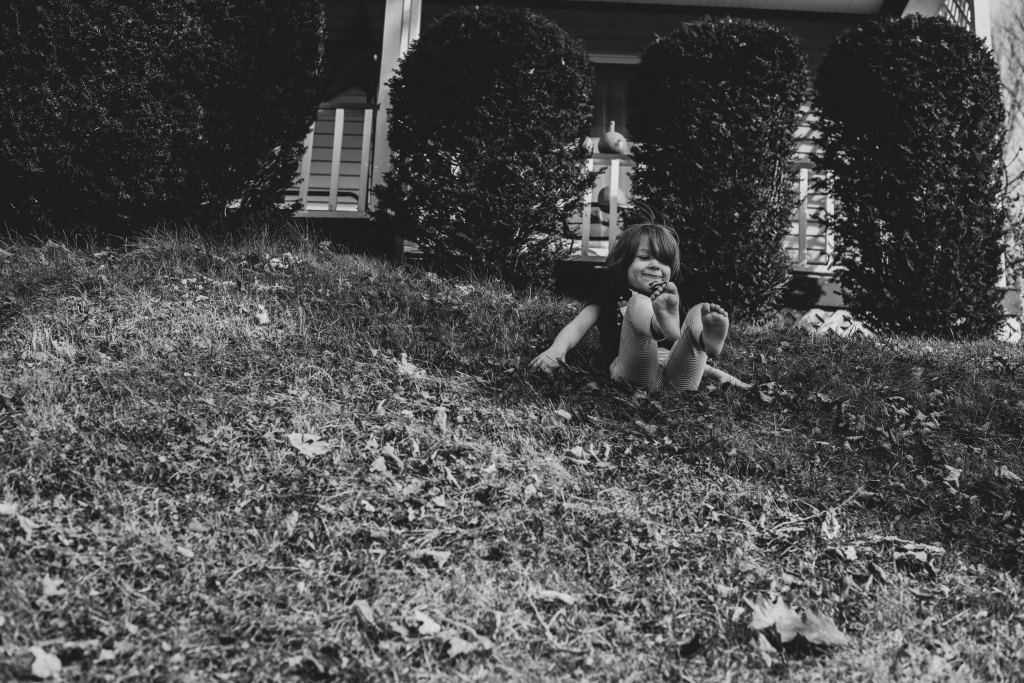
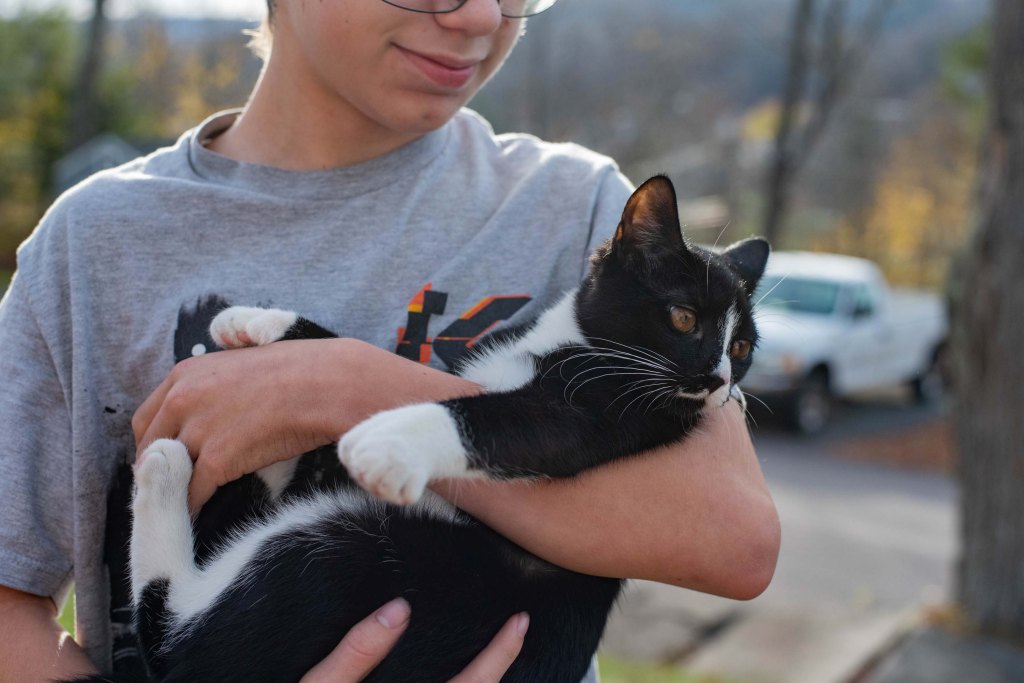
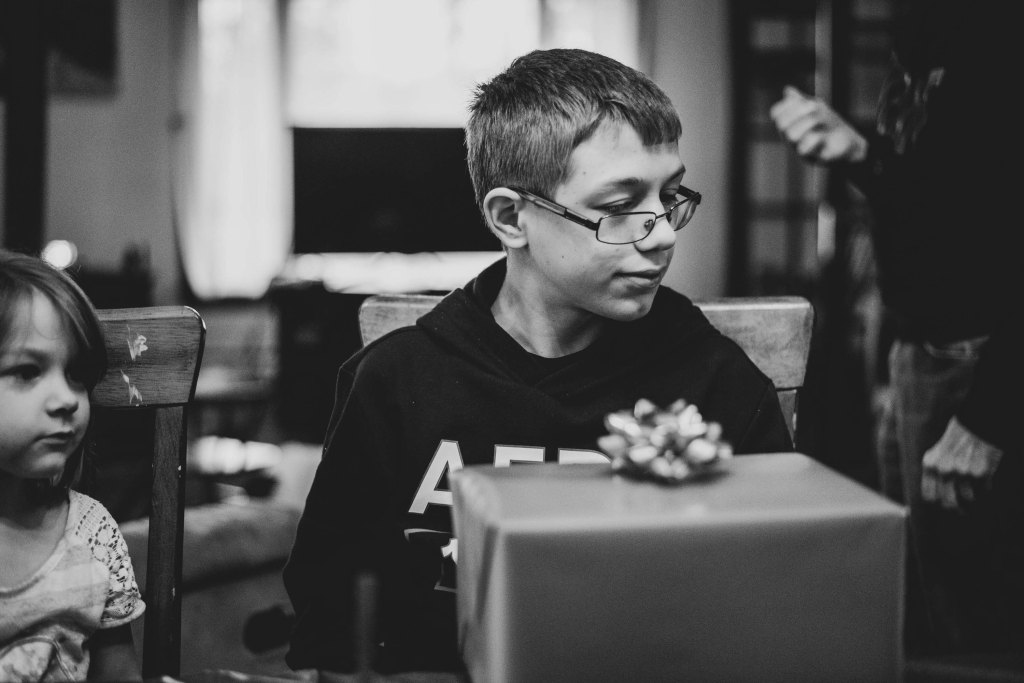
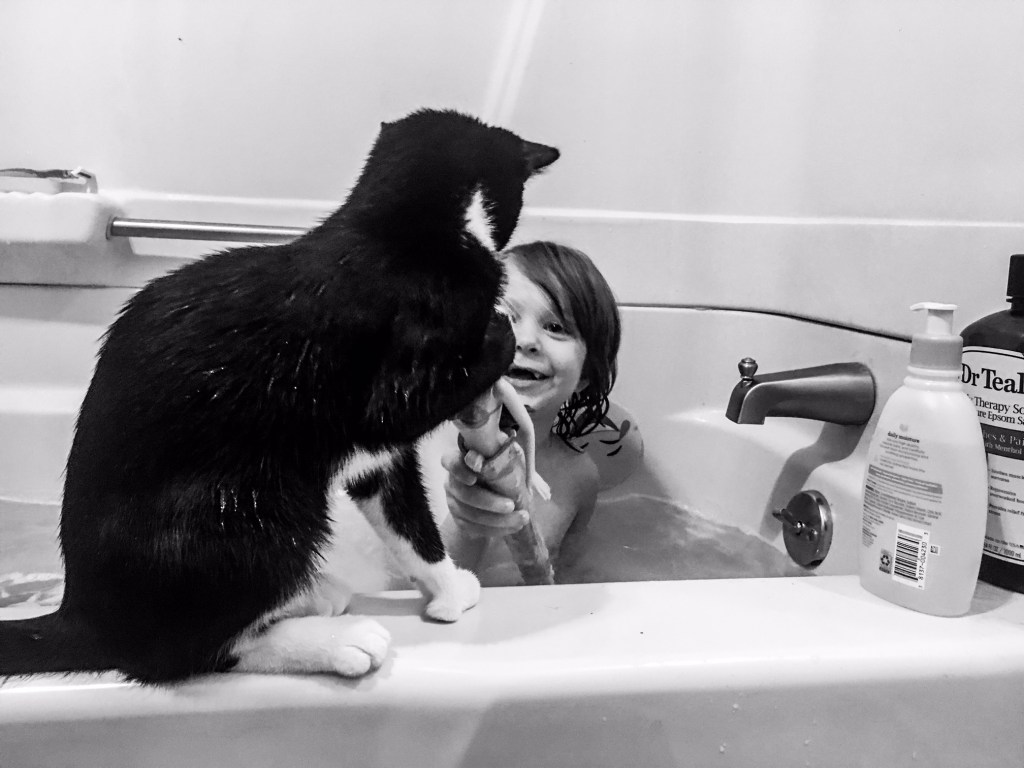
Sometimes I like to see the world in black and white (through photography.)

Sometimes I like to convert my photographs into black and white, simply to see what they look like and what moments are focused on without the distraction of color.

Sometimes I see a photo in black and white in my head and sometimes in color. To me, photos are meant to tell a story and there are times that that story is better told if there aren’t a variety of colors, which can be a distraction, to pull the eye away from the story.

I don’t agree that just any photo can be converted to black and white, however. I’ve seen photographs of flowers converted to black and white and don’t get it. I think flowers should be in color. However, that’s only my personal opinion.

Native American dancers?

Color. (My photo of this was taken on film and I didn’t take the time to scan it in for this post.)

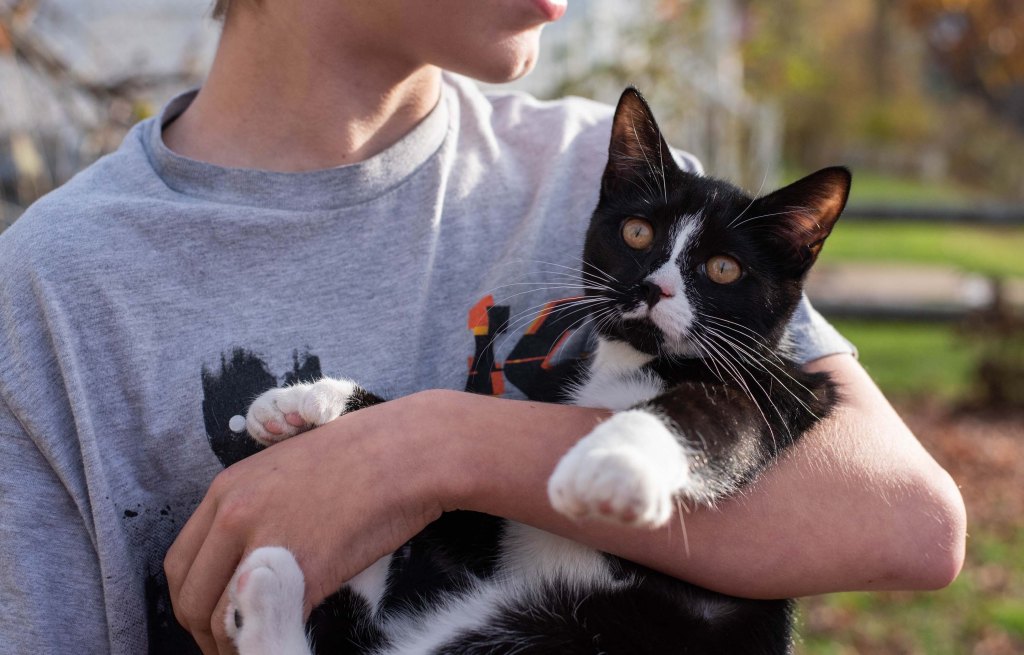
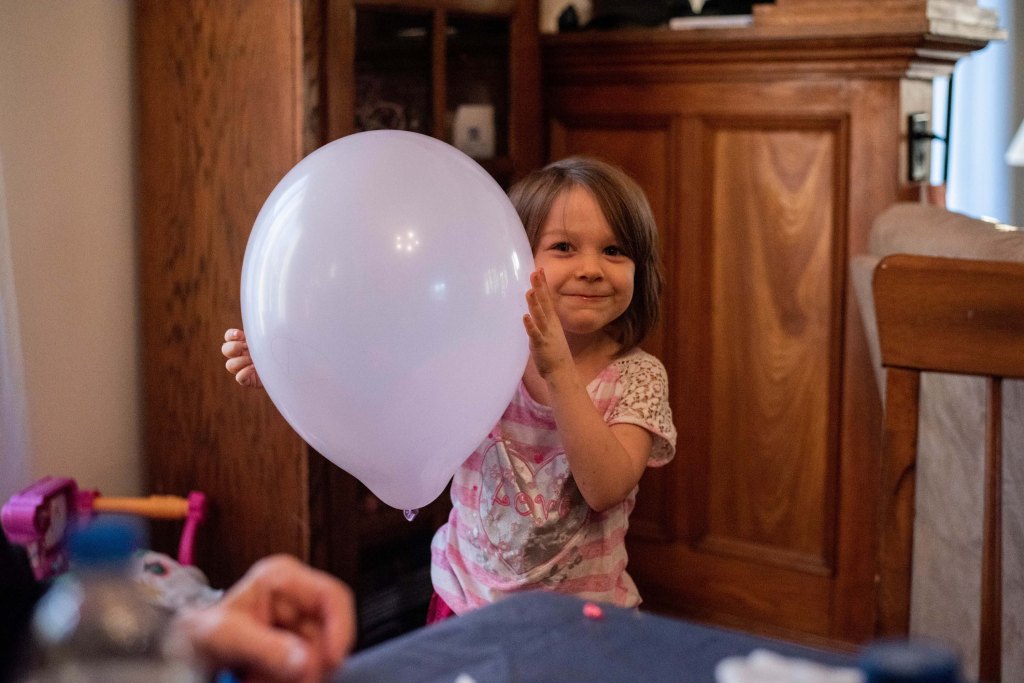
Photos from autumn? Color.

Flowers at a greenhouse? Usually in color but sometimes black and white tells the story better and the colorful flowers aren’t needed.

I thought I would share some of the “story telling” photos I took in the last few months that I thought told the story better in black and white. Even though lately I like most of my photos in color simply so the world doesn’t seem so dark.

I’ve rambled about black and white photography before.

And I’ve rambled about photography in general a number of times:


Capturing the Real, Raw Moments of Photography

What happened to my photography when I stopped taking photos for money

Photography Tuesday: The No Good Rotten Truth about Selling Stock Photography

Photography for parents: Five tips to photographing your children inside your home

Does anyone want to join me for a social media detox?

I need an intervention, folks.

I’m addicted to reading stupid and controversial things on Facebook and it’s making me physically ill.

I deleted my account last year and it was awesome but I added it back because I was in a homeschooling group that made all their announcements about upcoming events there. Now my son is connected to a friend through messenger kids and if I delete the account he’ll lose that connection.

So I want to do another detox. Even for a week but I would love to do a month.

Anyone want to join me? This would be for Facebook, Instagram and Twitter and if you need to log on for a group you run or to check on an emergency in your area, that doesn’t “count against” your break. I’m adding news sites to my detox as well since I think the national media orchestrates a lot of the drama of the world today.

Let me know if you’re interested. I’m going to start mine today and plan on a week, with the ultimate goal being a month. I have done this before and made a list of things I can do otherwise to distract myself. Should I fail, though, please don’t be too hard on me. It’s easy to want to be in the know but right now – I think I’d rather not know. You know?! 😂

Faithfully Thinking: And Jesus commanded them: ‘Go into all the world and make merchandise to promote your church.’

You could say that his week I broke under the weight of Christian commercialism.

I got a bit fed up.

I finally had enough of church promotion being held higher than Jesus promotion.

When Jesus called the disciples he told them to lay everything down and follow him. That meant everything. EVERYTHING. Lay down the way you make your money was included in that. And the disciples did it. And God provided.

Many Christians don’t have money to toss around on fancy cars.

We have to trust God to support us, to provide for us, to make sure we don’t get thrown out onto the street.

Fortunately, many megachurch pastors today don’t have to worry about that because their parishioners are being told “Trust that God will provide ten fold what you give to the church in tithe money.” So the congregation should sacrifice but the pastors? Well, that’s a different story. (Don’t read this and think I don’t believe in tithe. I certainly do and believe it is needed to help a church reach people. I don’t, however, feel that guilt should be levied on to get that tithe.)

Some of the top pastor’s you are seeing all over YouTube and your social media feeds right now are worth millions. Yes. Miiillllions. Some as high as $55 million. They have the best cars, the best clothes, the best food, the biggest houses and take really awesome trips to really awesome places.

And on Sunday they remind you God wants you to sacrifice. You. Not them, of course, but you.

Many pastors today have their own clothing lines, books, reality TV shows, record labels, music, bands, and some of them even have their own TV networks, movie companies, and sets of plates and cups.

It seems today that you’re not a real pastor if you don’t have at least 2 million followers on your social media feeds.

That’s how out of control it has gotten.

“The sermon is good.”

“He’s a good preacher so . . .”

“He works hard so he should be rewarded. . .”

“They’re reaching people. That’s what is important.”

These were all things I have told myself over the last few years. I have excused away all the excess, thinking that is the only way you reach people. You have to have excess to afford to be able to reach people right?

But Jesus didn’t have his own Youtube channel.

Jesus didn’t have an Instagram account.

He didn’t make sure his sermons featured bite sized quotes that are “tweetable” and might fit nicely across the front of a Tshirt.
And he definitely didn’t stand up in front of a church and talk about how great his church was. I once heard a well-known pastor go on and on about how someone in his city criticized his church. That pastor then went on and on about how great his church was and he didn’t care if that man criticized his church. I guess you did mind or you wouldn’t have spent 10-minutes tell us all why that man was wrong and your church is so awesome. I still listen to this pastor but it really does bother me he seems to be so sensitive and keeps bringing up similar remarks in sermons.

“I don’t need you to tell me my church is great!” he yelled Sunday. “I know this church is great!”

And everyone in the sanctuary (which looks like a concert hall) jumped up and cheered dutifully. Sort of like a political rally.

I even ignored how he said “my church.”

We’re humans, right? We get “butthurt” as some like to say. We get offended and we lash out. Been there, done that. He was there and did that.
Not the end of the world and I still think he preaches Biblically-based sermons.

I just wish he’d stop reminding the world how great his church is.

We don’t exactly have megachurches in the area I live in, but we do have one big church. The people there are nice. The pastor delivers strong, Bible-based sermons and he doesn’t end even one sermon without doing an altar call (which is the same for a megachurch pastor I have followed for a few years now. ) I think that’s awesome and this next paragraph is not directed at the church or the pastor.

I think they meant well when they had decals made for their church members to put on their cars. They wanted people to know about their church and learn what a church can offer a person — friendship, fellowship, and a closer relationship with God.

I think, maybe though, that plan backfired a bit. That decal became a symbol but maybe not the symbol people thought it would. It became a popularity symbol in our area.

“Do you go to That Church too?”

“I do go to That Church!”

“Oh my gosh, I’ve heard That Church is so cool! The music is great and they have so many activities!”

“I know, right?!”

Before long, driving around with That Church’s logo on the back of your car became a status symbol. It was like being part of a really cool club. It still is. The other day I watched two people gush over each other’s decals.

“Do you go to That Church?” a man asked a woman in the parking lot of the Dollar General.

“I do! It’s a nice church! Do you go?!”

“I do!”

They both go to the same church but don’t even know each other. That’s possible since this church has two different services, but still . . . to me it smacked more of a popularity contest than excitement they were both part of the family of God.

Maybe they don’t even care that they are part of God’s Church, just that they attend That Church.

The church where everyone is cool and hip and the music is modern and the pastor is “killing it” every week.

Again, the problem isn’t the church.

The music there is awesome.

Everyone who goes there isn’t cool and hip but it could be the impression newcomers have when they attend and I’m sure some of the people are cool.

The pastor is a good, caring pastor.

Members of the congregation are good, caring, sweet people. I know many of them and know they would give someone the shirt off their own backs.

So, the problem is not the church.

The problem is Christians or people who attend (who may or may not be real Christians) being more interested in “gear” they can wear to declare they are part of a club than in really learning and knowing about God. Once you start focusing on who Jesus really is, what you are wearing really isn’t going to matter that much.

Can you wear clothes promoting a church and still want a deeper relationship with God? Sure! I get that not everyone is promoting a church just to feel part of a group. They’ve found something that brings them joy, into a closer walk with Christ, and they want to share it with others. That makes sense. It does.

But for me I still have a bad taste in my mouth when churches grow so big they become more like a social club than a church. I have a bad taste in my mouth when regular church attendees are struggling and a pastor gives a sermon telling them they need to trust God to meet all their needs and give more, while the pastor is driving his family out of the parking lot in a Lamborghini (no, I’m not referring to the more local church on this last one. Pretty sure that pastor is not driving a Lamborghini. Ha!)

I don’t know. Maybe I am wrong. But I don’t believe that’s really what Jesus had in mind when he said: “Go into all the world and preach the gospel.”

Nowhere in his ministry did he say, “Go into all the world and market thy self.”

Nowhere in the Bible does it say, “Go into all the world and sell as many books as possible.”

Nowhere in the Bible does it say, “Go gather followers on your Instagram feed.”

Nowhere did Jesus say, “The more money you got, the more chance you have to enter heaven.”

In fact, he said the opposite. He said wealth can actual hamper your path to heaven.

“And again I say unto you, it is easier for a camel to go through the eye of a needle, than for a rich man to enter in to the kingdom of God.” Matthew 19:24

Notice he said “again”? Apparently, he had to explain wealth to his followers more than one time. He had to keep reminding them that wealth wasn’t going to get them into heaven. Did he say you can’t have wealth? I don’t think so, but I think his comments refer to the trappings of wealth – the fact that having money and prestige and popularity distracts you from what is really important and distracts you from saving souls for the Kingdom. In this modern age of self-promotion I think some churches are excited about their popularity, focusing on the quantity within their doors, but not on the quality of their ministry.

How can these churches truly focus on helping people if they’ve grown too big to even know who attends their church?

Of course, maybe none of that really matters, as long as you have a cool hoodie with the church logo on it to wear during the tough times, right?

Sunday Bookends: Trying a little crime fiction, garden progress, and spending time outside

I decided to break up some of my light fiction this week with crime fiction suggested by my husband (after I asked for a recommendation.) I needed something different than what I usually read. So I’m trying Earl Stanley Gardner’s The Knife Slipped and so far I like it. I love his character descriptions. Here is one of my favorites:

“Her face was the color of a tropical sunset with rouge over the cheeks, and crimson lipstick trying to turn the upper lip into a cupid’s bow. The thing must have been weird enough so far as the average spectator is concerned, but to a detective who trains himself to look closely and see plenty of details, it looked like an oil painting done by Aunt Kate or Cousin Edith, the kind that are hung in a dark corner in the dining room where the open kitchen door will hide ’em during mealtimes.”

I also loved this dialogue:

“To hell with that stuff. I’m objective, Donald. I have no more feeling than the bullet that leaves a rifle barrel. If it’s a charging elephant that’s in front of it, the bullet smears him. If it’s a poor little deer, nursing a fawn, the slug tears through her vitals just the same. I’m like that Donald. I’m paid to deliver results, my love, and by God, I deliver ’em.”

I’m still reading my daughter Paddington books at night and right now we are re-reading Paddington Abroad, which is one of our favorites. I’m also finishing up Sweet On You by Becky Wade.

We are loving our new house and the children are too, especially Little Miss who wants to spend just about all day outside as long as it isn’t hot. I love that she loves to be outside, even though sometimes I need a break to do things inside. She was never outside this much at the old house, which had a smaller yard, was in town, and where we always felt uncomfortable because people drove and walked by and watched us (or maybe that was only in our heads.)

There was a lot of concrete and asphalt there and it wasn’t as friendly. Here we have neighbors who love to pet our dog (one of our neighbors up there did love our dog), welcome us to the neighborhood with hanging plants; wildlife to watch (I caught a toad the other day for my daughter who promptly decided it was her pet and she didn’t want to let it go), we also have bunnies hopping through the backyard, a space for a garden, and all kinds of plants and flowers popping up all over. And for my son, the best thing is that we are 5.3 miles away from his best friend’s house.

We have discovered peonies on one side of the house, which delighted me because I had peonies at the house I lived in when I was a child and they were over 100 years old. I’m so excited for them to bloom I just want to sit next to the bush and wait. My mom says they usually bloom around my brother’s birthday which is June 9. She said when they did bloom they would bother her asthma and a friend told her to have them pulled up so they would stop coming back each year.

“I can’t have them pulled up!” she cried. “They’re over 100 years old!”

I think there was some story about my great-grandfather being very sick one time and when he woke up and was healthy enough to leave the house, the first thing he saw was the peonies. It was some relative anyhow. Later this week I will have an interesting story involving my great-grandfather and his sister Mollie. (I know. You’re just on the edge of your seat waiting to read it, aren’t you? Ha. ;) But it has to be better than the news these days.)

We spent a lot of time outside on Memorial Day weekend too. It’s a family tradition to visit the cemetery down the road from my parents behind a 150-year-old (or so) church where my ancestors and sister are buried. My mom gave birth to my sister prematurely four years before I was born and she did not survive.

My daughter seemed oblivious to the fact she was dancing on the final resting places of her ancestors as she ran around, twirled, jumped and sang Frozen songs and occasionally helped my dad plant flowers. My son told her she needed to stop but I told him if the dead people could see my daughter they’d probably be delighted to watch her with all her en


We found a pigeon when were there and my daughter loves all animals so I thought she was going to try to take it home, especially when she saw it was injured. It couldn’t fly at all. Instead it would try to walk, limp and then fall forward on it’s face. We decided to let it go it’s own way since we weren’t sure what was wrong with it, but it was very sad to see. I wish we could have helped it but I think it was sick and not only injured.

My son thought he was funny to lean on the gravestone of his namesake (his great-great-great grandfather who was a Civil War veteran) and call him a “boomer” but then realized he shouldn’t joke since without the man he wouldn’t even be here. I agreed and that’s when I launched into a Biblical-type lineage speech.

“Yes, son, because John begot J. Eben who begot Ula, who begot Ronnie, who begot me, who then begot you.”

My son didn’t find me humorous. Why would he? He is a teenager now. (Don’t let the smile here fool you…his laughter was at his own joke, not mine.)

I finally finished planting our garden after my dad, son, and husband finished building the fence around the raised garden beds my son and Dad built. I have one more plant to . . . er. . . plant. Broccoli I almost forgot it. I’m really not sure what is going to grow and what isn’t at this point but the green beans and some of the lettuce are already sprouting. My dad finally found us some summer squash. The garden centers around here were wiped out. Summer squash was what I really wanted in the garden because that was the one plant that survived at the other house and actually produced a veggie I could use.


I’ve also planted tomatoes, zucchini, carrots, and potatoes. We will see if any of them come up or not. It will be fun to watch.

So that’s about it for me here this week. How about all of you? What have you been reading, watching or doing this past week? Let me know in the comments.

Fiction Friday: The Farmer’s Daughter Chapter 10

The idea for this book and scenes from it have been swirling in my mind and on the page for probably about a year now. I know a lot of what I share on my blog is going to be edited, tightened, maybe even rewritten. There are two scenes, so far, that I have two different versions written for and I haven’t yet decided which version I’m going to choose to propel the story forward.

The one scene is pivotal for one of my characters and while I’ve been considering changing my initial idea for how her story would play out, I don’t think I’m going to be able to and still move her story where I want it to go in a future book of the series.

I’m cringing at what needs to happen for this character’s story to move forward, but there is no way around it. It has to happen and I’m hoping it comes out the way I want it to.

This writing thing is both a blessing and a curse for an over thinker. I find myself thinking about my characters way more than I should. Every time I share a chapter on here I know that I’ll be heavily editing each chapter in the future and maybe even changing the course of my character’s lives because I change my mind so often. Muhahaha…what power!

Anyhow, enjoy Chapter 10. Catch up with the rest of the story HERE. Find links to the rest of my fiction at the top of the blog.


The sun was high in the sky when Molly carried her lunch to the picnic table her dad had set up outside the barn a few years ago. Her back and legs ached from cleaning out the cow stalls and she knew she’d need a break before she headed to the farm store for her afternoon shift.

She straddled one of the benches and watched Alex sit down across from her, pulling a sub, chips and two sodas from a paper bag.

“Brought your own lunch this time, huh?” she asked.

Alex shrugged. “Nah. Stole Jason’s.”

“Really?” Molly watched him bite into the sub.

He grinned as he chewed. “No. I actually picked up lunch for me and Jason yesterday at Ivy’s Deli. You think I’d come between your brother and a meal? No way. I learned my lesson the hard way in college.”

He pushed a soda toward her. “I’ve got an extra. Want one?”

Molly had promised Liz the night before that she’d cut back on sodas to try to start eating better. She shook her head. “Thanks. I’ll stick to water with lemon.”

She placed her container with a salad with chicken, light Italian dressing and half of an avocado on the table.

Alex scrunched his nose up in disgust. “You’ve got to stop hanging around Liz. All her health food weirdness is rubbing off on you.”

Molly laughed. “That’s not necessarily a bad thing. It won’t hurt me to eat a little healthier. Maybe I can even get you to do it.”

Alex talked around a mouthful of chips. “Nope. Not gonna happen, lady.”

Molly watched her dad walking the fence line across the field as she sipped her water.

Alex followed her gaze. He knew Molly was worried about how hard Robert had been working lately. He also knew she didn’t know about the loan payment that was late and he wasn’t about to tell her. Robert and Walt had given him and Jason the heads up a couple of weeks ago, assuring them that the women in the family would be told as soon as the brothers met with the loan officer. Alex knew Molly would be even more worried if she knew about the loan. He would let Robert tell her and he would when the time was right.

He took the opportunity when she didn’t know he was looking at her to study her. He studied her short nose and her reddish-brown hair that she’d pulled back in a ponytail, the curl that had fallen out and was curving around her ear. He studied her eyes, green with flecks of gold and her lips, perfectly kissable if he could ever bring himself to make that move.

He wondered what she would say if she knew he’d heard the conversation between her and Liz; how she didn’t think she was his type and how she totally was his type. He knew he was eventually going to have to let her know how much his type she was.

“Worried about your dad?” he asked.

“Yeah. He works too hard.”

“He does,” Alex shrugged. “but I don’t think he’d know what to do if he wasn’t working. At least he manages to spend time with you and your brother while he works. My dad’s business was his only focus during my childhood and it still is.”

He laughed softly. “Well, that and his latest mistress.”

Molly and Alex had talked about his dad before and every time Molly felt a twinge of sadness for him. She knew his jokes about his dad were a cover for the hurt still there. She moved her gaze from her dad to look at Alex, tilting her head, thinking what to say next. She stabbed a chunk of lettuce with her fork and decided to take a chance on saying something she knew might alienate him.

“You know, Alex, God can be a father to the fatherless.”

Alex licked mustard off his thumb and looked at Molly through narrowed eyes, a small smile tugging at his mouth. “Yeah? How is that possible when I can’t even see God. Is he going to throw the celestial ball around with me in the clouds or something?”

Molly laughed. “No, but we can talk to God when we’re feeling down or confused or disappointed in someone who should have been there for us.”

“Hmmmm…yeah. I guess I’m not really into that whole talking to someone I can’t see thing.”

Molly wasn’t deterred. “You can’t see the wind, but you can see the affects of the wind. You can see the wind blowing those tree limbs over there so is the wind real?”

Alex shook his head, laughing softly. “Molly Tanner, you like to screw with people’s minds, don’t you?”

“No. I’m just saying that sometimes we need to think about God differently. Maybe he isn’t just someone up there in the clouds, maybe he’s all around us and affecting our lives more than we think. I don’t know, Alex. I don’t have this all figured out either. I have doubts and —”

“You? You have doubts?”

“Yeah, of course. I’m not perfect. I’m not some angel.”

“No? Now I’m interested,” a broad grin crossed his face as he sat the soda on the table. “Tell me, Molly Tanner, what have you done that would prove to me that you’re no angel.”

Molly cleared her throat and pulled her eyes from his intense gaze, his sly smile. Her cheeks grew warm as he watched her.

“I’ve made mistakes. I’ve had thoughts I shouldn’t have.” Like right now. About how good you look in those jeans and how amazing it would probably be to kiss that mouth. “I’ve said bad things about people. This morning I even cursed when I pinched my finger in the barn door.”

“What did you say? ‘Oh shoot’? ‘My lands’?” Alex laughed.

“Actually, no, it was worse,” Molly answered with a smile of her own. “I’ll just leave it at that.”

“Compared to me, Molly, you are an angel.”

“You’re not so bad that God can’t forgive you and that he can’t still love you. I believe he does. He loves us both, despite our failures and our shortcomings and the ways we think we don’t measure up to his standards.”

Alex sucked down the rest of his soda and dragged the back of his hand across his mouth. “It’s a nice thought, Molly-belle but I don’t know if I buy it. Life seems pretty random and unplanned to me and I like it that way. I don’t like the idea of being a puppet for some higher being in the sky.”

Molly rolled her eyes. “We’re not his puppets. We’re his children and he wants the best for us.”

Alex swung his leg over the picnic table bench and stood up. “OK, little lady. Enough church for today. I’ve got some work to finish up in the barn. See you there?”

Molly drank more of her water. “Not today. I have the afternoon shift at the store and then I told Ginny Jefferies I’d go to an art class with her.”

“Okay. Well, enjoy your art class.”

Alex shook his head when he reached his truck, laughing softly to himself. How had he fallen for a girl like Molly? A girl so pristine and proper in her thoughts she made Mother Theresa look mean. Sure, she claimed she had inappropriate thoughts, but he highly doubted it. Someone who talked and thought that much about a mystical being in the sky didn’t have time for thoughts that weren’t in line with what her parents had taught her.

He tossed what remained of his lunch in his truck and headed toward the barn, still pondering what inappropriate thoughts Molly Tanner might have had.

***

Ned stared at Franny from a faded black and white photograph. The photograph didn’t have to be in color for her to remember his bright green eyes or sandy blond hair he swept off to one side. And how handsome he had looked in his uniform that day he’d signed up for the Army. She’d never imagined that a couple of years later that uniform would take him on a ship, far away from her, to war. But when he came back, he’d dropped to one knee and asked her to marry him. She couldn’t say ‘yes’ fast enough.

She remembered the tender kisses, the soft caresses, oh, yes, she did. Her children and grandchildren probably thought she was too old to remember what it felt like to be in love, to be kissed for the first time by the man you were in love with, but she wasn’t. She remembered it all like it was yesterday.

There was a chill in the air that night and she’d worn her favorite white sweater with the pink flowers for their walk around the town square. He’d been so shy, finally reaching over and taking her hand in his as they circled the gazebo for the third time. He’d stopped in front of the gazebo, under the street lamp, turned toward her and cupped her face in his hands. Her heart had been pounding and when his mouth covered her’s she felt like her insides evaporated into a fine mist. She was floating on air.

He smiled and laughed sheepishly when he pulled back, looking down at her.

“I can’t believe it took me so long to kiss you,” he’d whispered.

She couldn’t believe it hadn’t taken him so long either.

She set the picture back on the top of her dresser, wiping a tear from her cheek. It all seemed like yesterday, but it hadn’t been yesterday. It had been 56 years ago and now here she was, alone in this house, without the man who had made it a home for her.

He’d come home from the war, married her and she’d moved to the farm to become a farmer’s wife. At first, they had lived with his parents and then a new house had been built up the road. It was a tough few years, that’s for sure. Walter was born first, then Hannah, then Robert, back-to-back. Money had been tight, but Ned had worked hard with his father to keep the farm going. Producing the best milk in the region was Ned’s goal and he met that goal year after year until the early 60s when a test on the milk came back saying their milk was unsafe.

Ned was beside himself with worry and sank into a deep depression. It was the first time Franny couldn’t seem to soothe him and not even prayer seemed to help. For two weeks Ned paced and wrung his hands. His milk had to be tested again and until then their milk couldn’t be sold. They’d sold vegetables from the fields at a roadside booth to try to make ends meet until the milk was tested again.

“Sorry, Mr. Tanner,” the inspector had said after the second test, stretching his hand out. “It looks like our test was wrong last time. There’s not a thing wrong with your supply. I hope this hasn’t been too much of an inconvenience.”

Franny had thought Ned might bite clear through his tongue and bottom lip the way he clenched his jaw and pressed his lips together. She knew he was literally biting his tongue.

“Not at all,” he said finally, his grip tight on the inspector’s hand.

Things had run smoother after that, but of course there were always the droughts, the flooding, the occasional years when bugs or frost destroyed entire crops or one disease or another spread through the herd. Still, no matter what life through at them, Ned and Franny had been in it together.

Them and God.

A cord of three strands was not easily broken and they had not been broken, despite it all. That was until Ned’s diagnosis when Franny had felt more broken than she’d ever felt before. She’d overcome two miscarriages, the loss of her parents and one brother, but somehow, she felt like she might never overcome the loss of Ned.

She sighed, catching sight of her Bible on the bedside table. It had a thick layer of dust on it and she knew she should wipe it off and open it, but she couldn’t bring herself to do it. She was mad at God. Plain and simple. She couldn’t deny it to herself or anyone else, and she knew God already knew. She was mad at him for taking Ned from her when they’d had so many plans together.

Maybe that’s why she’d been so annoyed with the visit by the pastor. There he stood representing the naivety of the Church as a whole. Millions believing what she now struggled to believe — that God was for her and not against her; that he wanted to prosper her and not harm her. Hadn’t the loss of Ned harmed her? What greater purpose had it served to pull him from the earth when he’d finally had the time to relax and enjoy life; to enjoy life with her?

She hadn’t set foot in the church since the day of Ned’s funeral. She couldn’t even bring herself to attend the retirement gathering for Pastor Larson who had officiated not only Ned’s funeral but all three of her children’s weddings. He’d pastored Calvary Church for 45 years and counseled Franny more times than she could even remember. But she couldn’t bring herself to stand under the roof of a building built as God’s house. She didn’t want God to have the chance to even try to talk to her. While her Christian upbringing had taught her that he could talk to her whenever and wherever he wanted, she felt walking herself right into the lion’s den might give him even more opportunity to try to reach her again, when she didn’t want to be reached.

And then there were all those sad looking parishioners waiting for her there. All those people looking at her in pity, treating her like she wasn’t just plain old Franny anymore.

She scoffed, flicking a dead fly off the window sill. She guessed in some ways she wasn’t the same Franny anymore, the more she thought about it. She had definitely changed. Death did that to a person. She was a widow now. Her heart was broken.

Worst of all, she’d lost a piece of herself and maybe even all of who she used to be, and she had no idea how to find herself again.

She hated that she’d taken her anger with God out on young Pastor Fields. He didn’t deserve it. He’d only been trying to reach out, to offer her comfort in her time of need. Maybe she would find a way to apologize to him. Hopefully at the bake sale. If she could bring herself to go and face all the sad eyes and pushed out bottom lips, the tilting heads and the voices that spoke to her as if she was child.

As if she’d lost all her facilities simply because she’d lost her husband.

 “Oh, Mrs. Tanner, so good to see you. How are you, hon’?”

“Let me do that for you, Mrs. Tanner.”

Heads cocked to one side with pity-filled expressions as they said things like, “Ned was a good man.” Or, “We sure do miss him.” Or, “It must be lonely up there in that house with Ned gone.”

She knew they all meant well, but she could only smile and nod and thank them so often before she wanted to scream and run away. Even if her old legs would let her run away, she knew her eyesight wouldn’t. She was having more and more trouble seeing. She was running into the corners of tables, tripping over shoes she’d forgot to put on the shoe rack, losing her glasses and maybe even her mind. Wouldn’t that just be her luck? Losing her husband, her eyesight, and her mental facilities in less than two years.

Lately it seemed that if she didn’t have bad luck, she wouldn’t have any luck at all.

Fiction Thursday: Rekindle, A Short Story Part 1

In April I shared Quarantined, a short story based on current events. This week I had an idea for a second short story jumping off from the characters I mentioned in Quarantined. This is the first part. You can find links to my other fiction serials I’m sharing on the blog at the top of the page under “Fully Alive” and “The Farmer’s Daughter.” Links to my books for sale are also available under the link at Books for Sale at the top of the page.


Matthew Grant’s conversation with his brother Liam had made him uncomfortable.

Liam’s marriage was in shambles, but Matthew knew Liam still loved his wife Maddie and Maddie still loved Liam. If they didn’t still love each other they wouldn’t be struggling so much with the idea of divorce. It couldn’t be easy being quarantined together during a pandemic with all the issues they had with each other but Matthew was glad they were. Maybe they’d work out some of those issues and save what had been a great union at one time. As it was, their divorce proceedings had been delayed because of the pandemic. As Matthew saw it, this was a way for them to buy more time and truly be sure the divorce was what they wanted.

What made Matthew uncomfortable wasn’t only that he could hear pain mixed with longing in his brother’s voice when they had talked on the video call. It was also that he wondered, worried even, if similar marital trials might one day pull at his own marriage. Maybe it already was happening and he had been too wrapped up in himself to realize it.

Matthew and Cassie hadn’t had a lot of time alone lately. Their life had been a runaway train since the election two years ago. In Washington he faced daily drama and conflict whether he wanted to or not. Becoming the youngest head of the Intel Committee hadn’t helped slow things down any either.

Then there was this crazy never-before-seen virus that seemed to come out of nowhere a few weeks ago and now had him at home with his family, waiting to see if he developed any symptoms after being exposed to it more than a week ago. He was convinced if he had the virus he would have developed symptoms by now, but he stayed home to make sure things looked good to the press and his constituents. Making sure things “looked good and right” to others seemed to be 90 percent of his job anymore, leaving little room for him to actually accomplish the things he’d been elected to do.

All the drama in the House of Representatives left him little time to focus on Cassie or the kids and he regretted that. He regretted it even more when his brother’s march toward divorce had become a growing reality. He’d never pictured Liam and Maddie divorced. They were the perfect couple. They’d weathered some hard storms, including the miscarriages, but Matthew had been sure the challenges would bring them closer together. In fact, he thought it had but maybe he’d been too wrapped up in the campaign to pay attention.

Matthew and Liam’s parents had provided for them the perfect example of a stable, loving marriage. Married 54 years, Bert and Phyllis Grant made it clear each day how much they loved each other. Sure, they had argued, even in front of their children, but those arguments had been resolved usually before the sun had gone down and with a fair amount of ‘making up’. Matthew and Liam, and his sister Lana had been grateful the majority of that making up had gone on behind closed doors.

Standing from the couch to stretch, Matthew looked out the window at his own three children playing ball in the backyard and felt a twinge of guilt. Getting pregnant and carrying three babies to term had been easy for him and Cassie. They’d never had to face the heartbreak of not being able to get pregnant or of a miscarriage. Matthew felt like he’d take it all for granted.

He looked around his living room, well decorated with expensive furniture and commissioned paintings, and thought about how much of his life he had taken for granted, especially lately. He’d taken for granted the newer model car he drove, the highly rated bed he slept on, the full refrigerator and even fuller bank account.

He rubbed his hand along his chin and turned toward the kitchen where Cassie was making a late lunch for him and the kids. Her dark brown hair fell to her waist in a tight braid, the bottom of it grazing the top of the waist band of a pair of red workout shorts. Her favorite tshirt, featuring Johnny Cash wearing a cowboy hat, fit her medium build well, hugging all the areas it should, especially for the benefit of her husband admiring the view that he hadn’t admired for a long time. He watched her stirring the taco meat in the skillet and his gaze traveled down her legs and back up again, thinking about the first time they’d met in an English lecture at college.

“Pst.”

He’d leaned over the desk to try to get her attention but she was intently focused on the professor. He had tried again.

“Pst.”

She glared over her shoulder at him.

“Do you have an extra pen?” he whispered.

She rolled her eyes, ignored him, tapping the end of her own pen against her cheek gently as she kept her eyes focused forward.

“It’s just,” he leaned a little closer so he didn’t interrupt the other students. “I left my pen back in my dorm room and I want to make sure I’m taking notes.”

He was glad he had leaned a little closer. She smelled amazing. What was that perfume? He had no idea but it was intoxicating. Maybe it was her shampoo.  The fluorescent light from the lecture hall was reflecting off her luxurious black strands of hair and he pondered what it would feel like to reach out and touch it. But he didn’t reach out and touch it. That would be weird. Even a 19-year old college freshman like himself knew that.

A year later, though, he was touching that soft dark hair while he kissed Cassie for the first time outside her dorm after their third date. And over the years he’d sank his hands in that hair in moments of tenderness and moments of passion. A smile tugged at the corners of his mouth as he watched  his wife and thought about a few of those moments, including that time in the back of his new car after he’d landed that job at the law firm outside of Boston.

He could deny it. It wasn’t only the material things of his life that he had taken for granted. He had also been taking Cassie for granted. For far too long.

Bookish questions: short chapters or long chapters?

As I started getting back into reading in the last couple of years, I’ve noticed there are all kinds of opinions among book readers. Everyone has different tastes, everyone has different interests and what one person likes in a book another one doesn’t. Of course we all have our own preferences. It’s part of being human.

One varying perspective among book readers is chapter lengths. Some like longer chapters, some like shorter. Personally I’m in between. I don’t enjoy super short chapters but I also don’t want chapters so long that I feel like the story is dragging on.

I know I mention Jan Karon a lot but when I was thinking about longer chapters in books, she came to mind because her chapters are quite long. Even though her chapters are long they are interesting enough to not make it feel like I am pushing through and dying to get to the end of the chapter. She makes the chapters easier to read by breaking them down into sections or scenes throughout the chapters.

The only issue is that sometimes these sections are too short so it feels like I am reading clips from a movie and not a fully cohesive narrative. At times, but not always, it feels almost as if I am jumping in and out of scenes and I lose track a bit, but I still love the stories Jan weaves.

As a writer it is hard to know how long to make a chapter and it’s even harder when a writer is sharing their book or chapters on a blog. When I share the chapters of my stories on my blog I tend to make them shorter because I know most people don’t want to read a long blog post, but when I rewrite them for the final book, I tend to add sections together and make the chapters a little longer.

There are tons of opinions online about how long a chapter should be too. Wordcounter.com says that 5,000 is too long and 1,000 is too short, in the opinions of many. However, Writer’s Digest says that as a writer, you should make your chapter as long as you need in order to propel your story forward. The article’s author, Brian A. Klems says that he thinks of a chapter as an act in a television show.

He writes: “When a TV show finishes Act 1 (which almost always happens just after something significant is revealed or an important question is raised), it goes to commercial break. Ditto for Act 2, 3, 4 and so forth. Look for your chapters to have those similar elements. When you find those “commercial breaks,” end your chapter and start a new one. In other words, let your content dictate your chapter length, not the other way around.”

So, how about you? As a reader, when you read a book do you like short chapters or long chapters? Do you like chapters with lots of scene breaks in them or one big, long scene? If you are a writer, how do you decide how long to make your chapter? Let me know in the comments.