Welcome to my blog! I am a wife and mom from Pennsylvania who also happens to write. I have been writing for 25 years, fourteen of those for smalltown newspapers in rural Pennsylvania and upstate New York. I'm a homeschool mom, a cozy mystery writer, a photographer, a wife, and a mom of two. I blog a little bit about a lot of things here on the blog. You can also find me on Instagram.
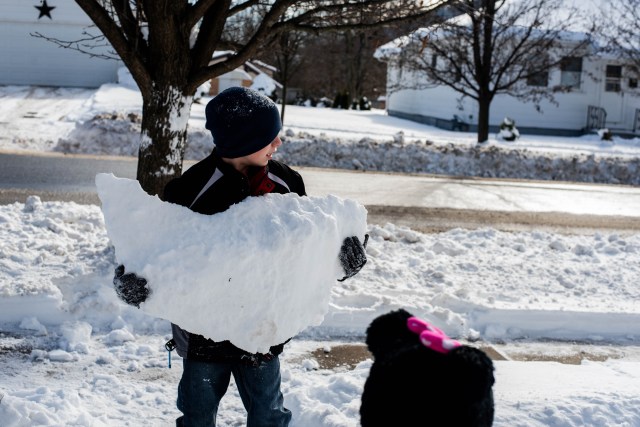
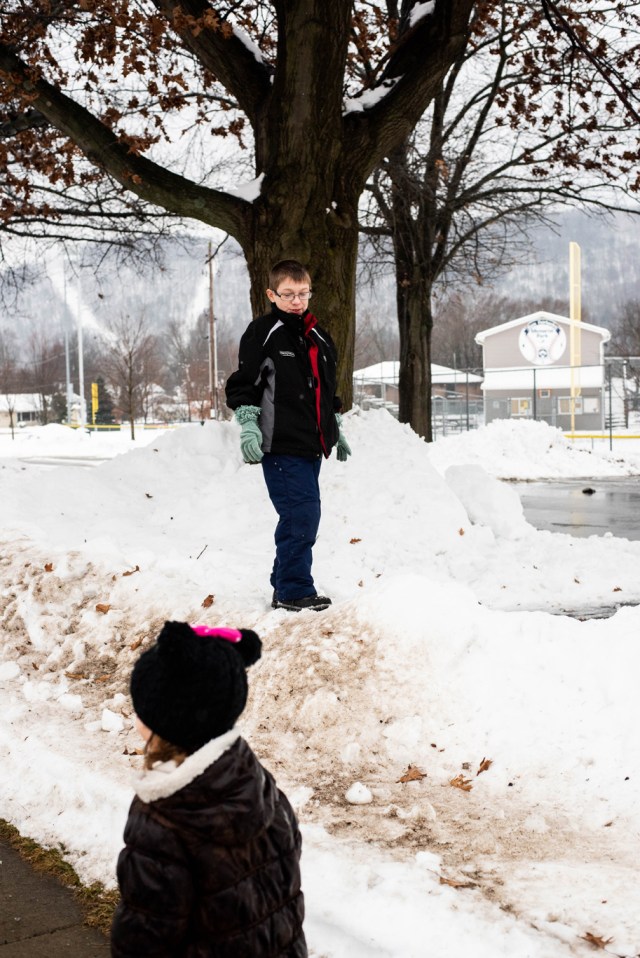
Cold, clouds and more cold and clouds. That was what our January in Pennsylvania was all about and that meant we spent most of it inside, wishing it was sunny and warm and we were outside. We did break out of the house a couple of times, bundled up, to try our best to be lovers of all things cold. We usually lasted about twenty minutes each excursion before we were back inside, huddled under blankets, sipping tea, reading books and watching our new addiction, the Canadian sitcom “Corner Gas”, which we found on Amazon. During the week-long artic freeze we didn’t leave the house at all, other than my husband who had to go to work, which luckily isn’t too far from our house.
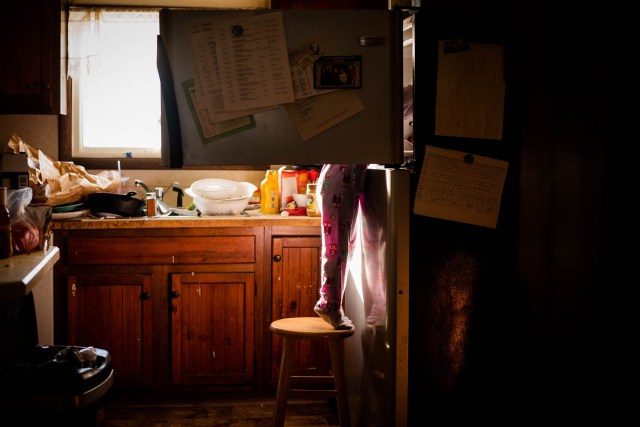
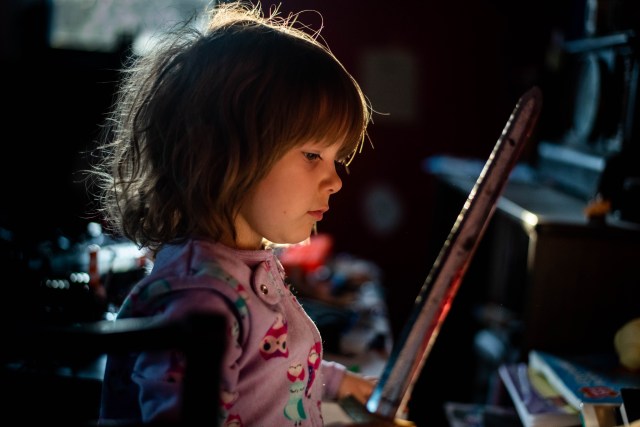
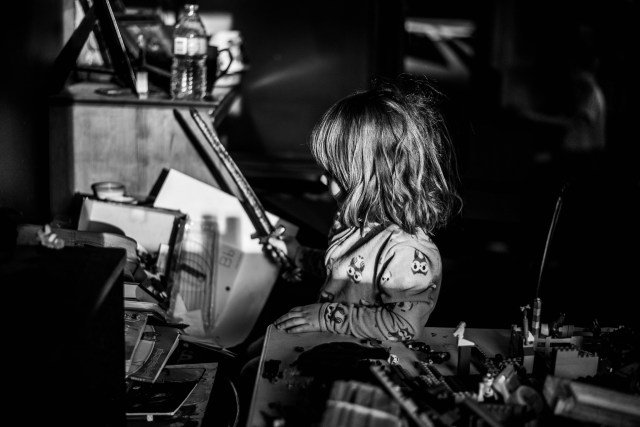
Our cabin fever was so bad I was a little concerned my daughter might never change out of the footed pajamas her grandparents gave her for Christmas.
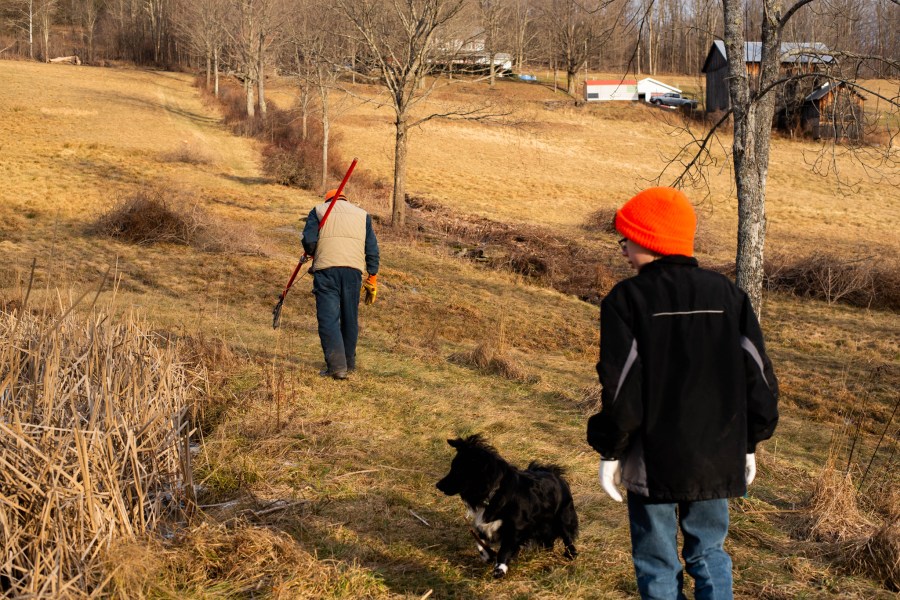
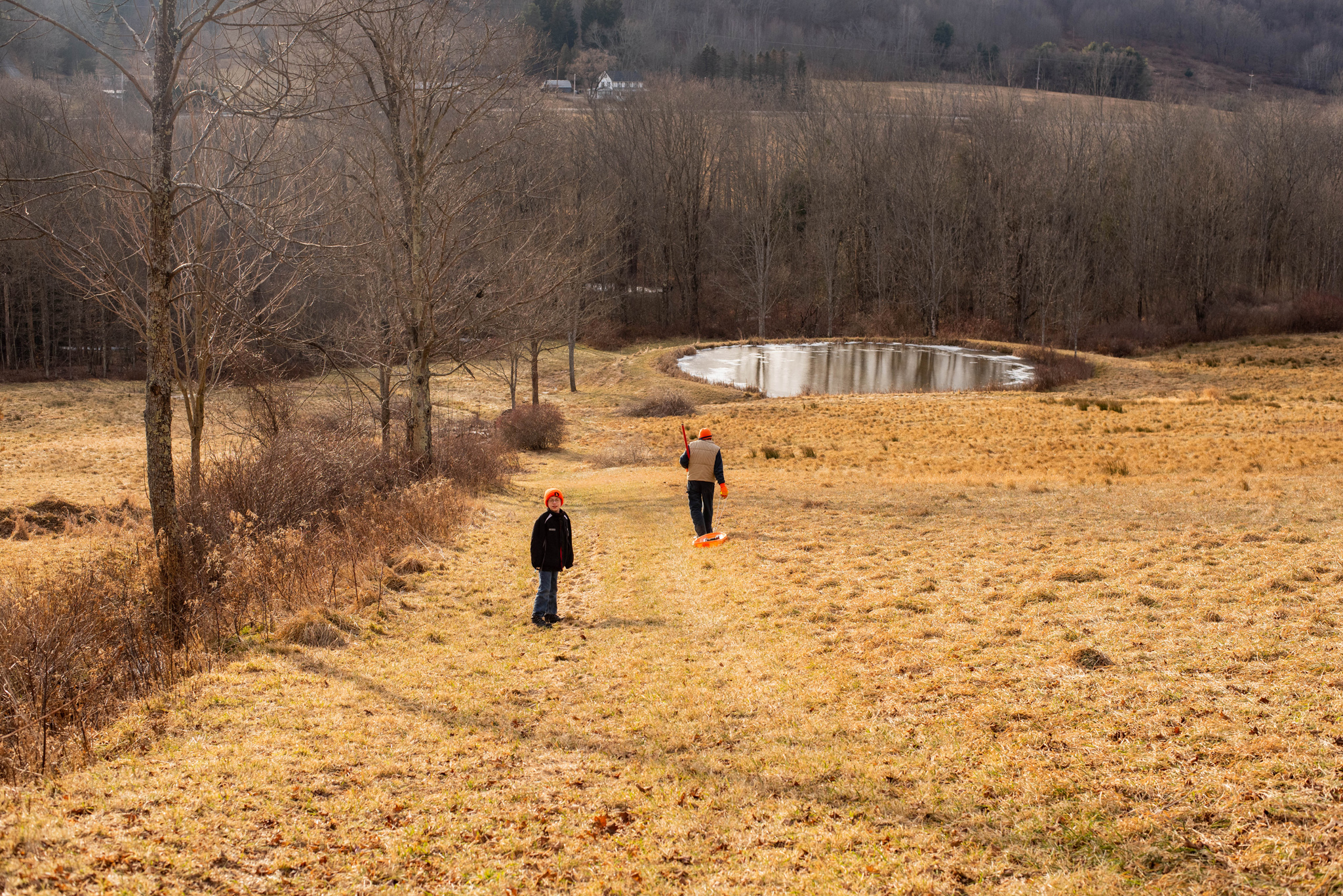
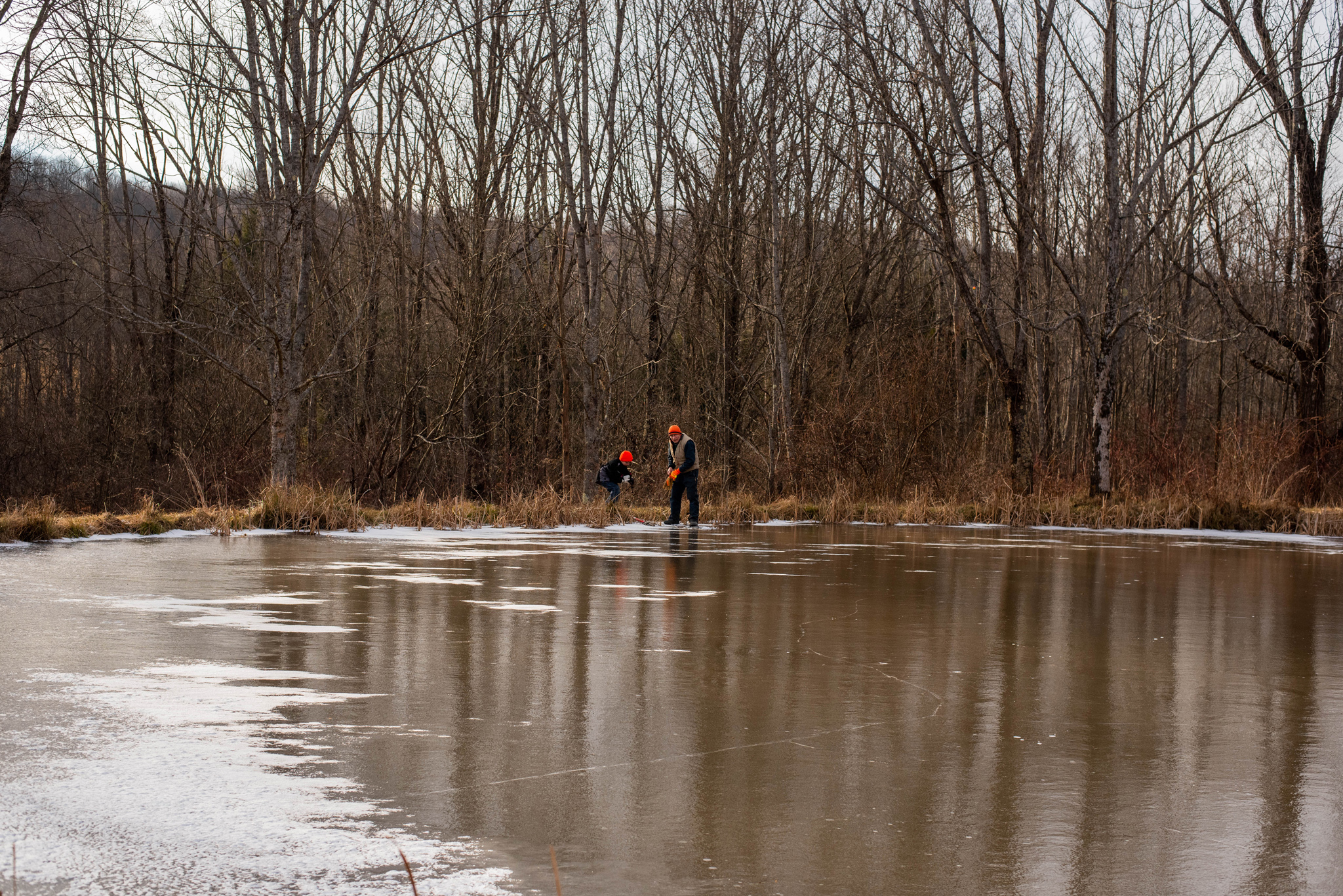
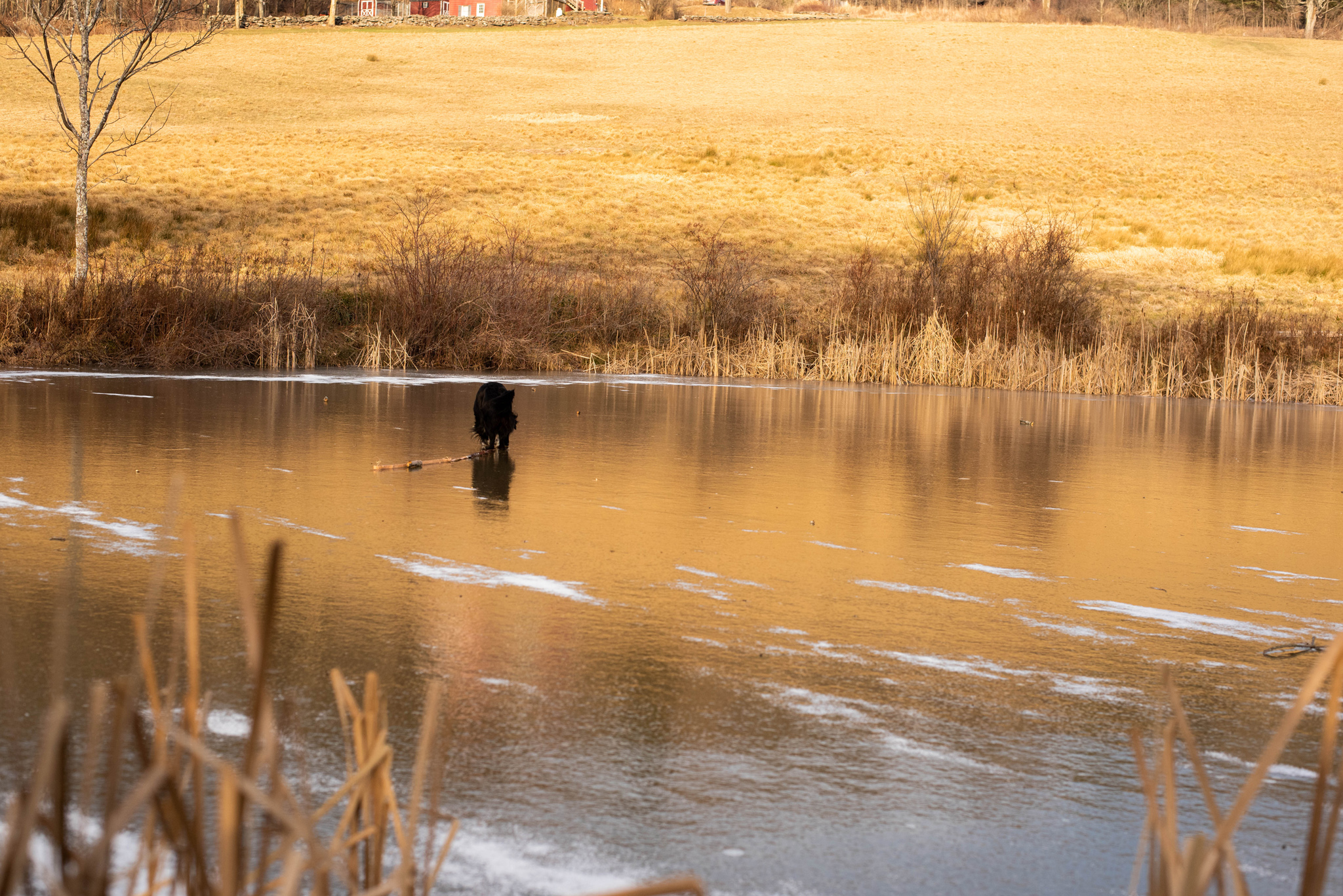
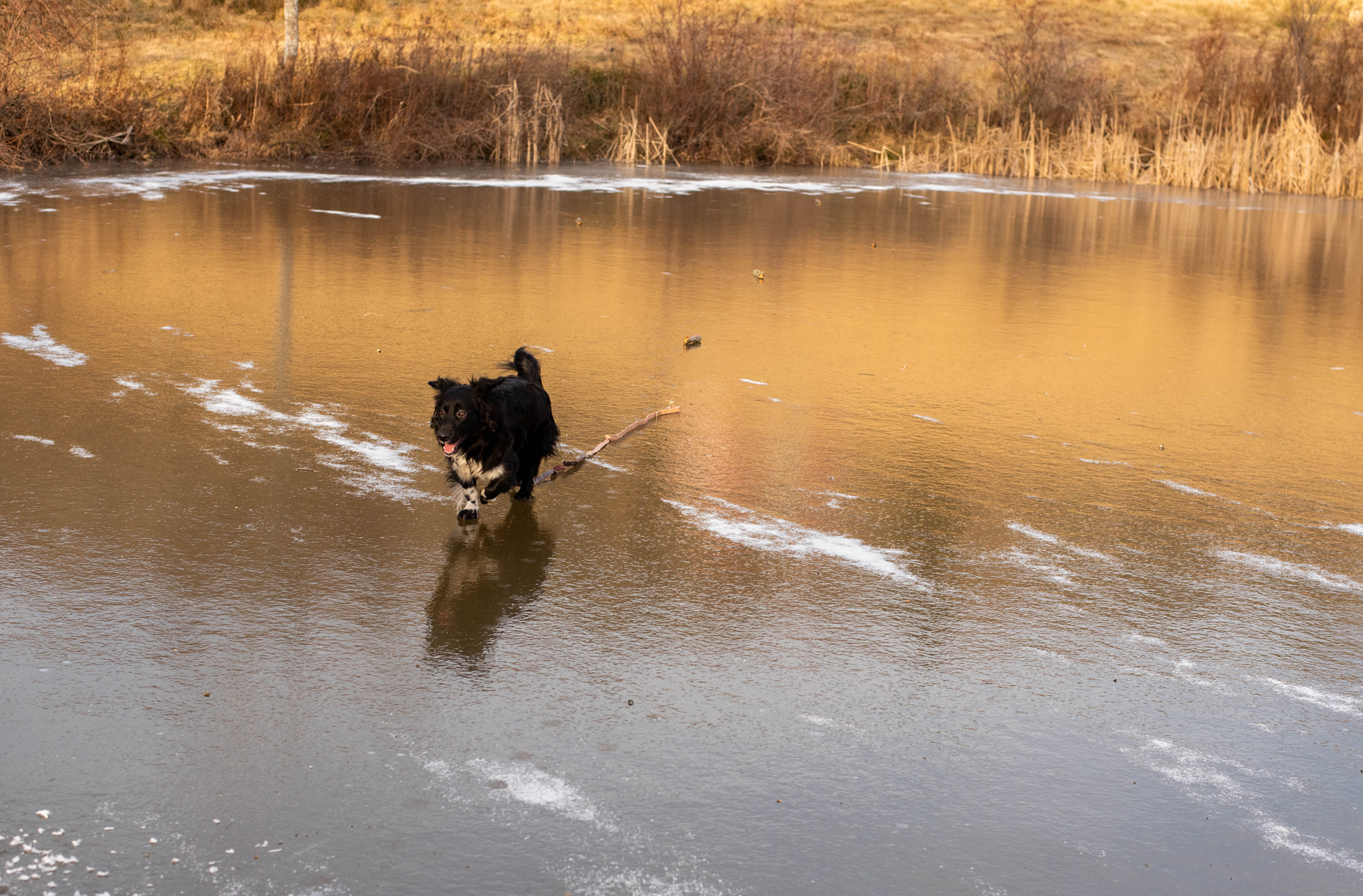
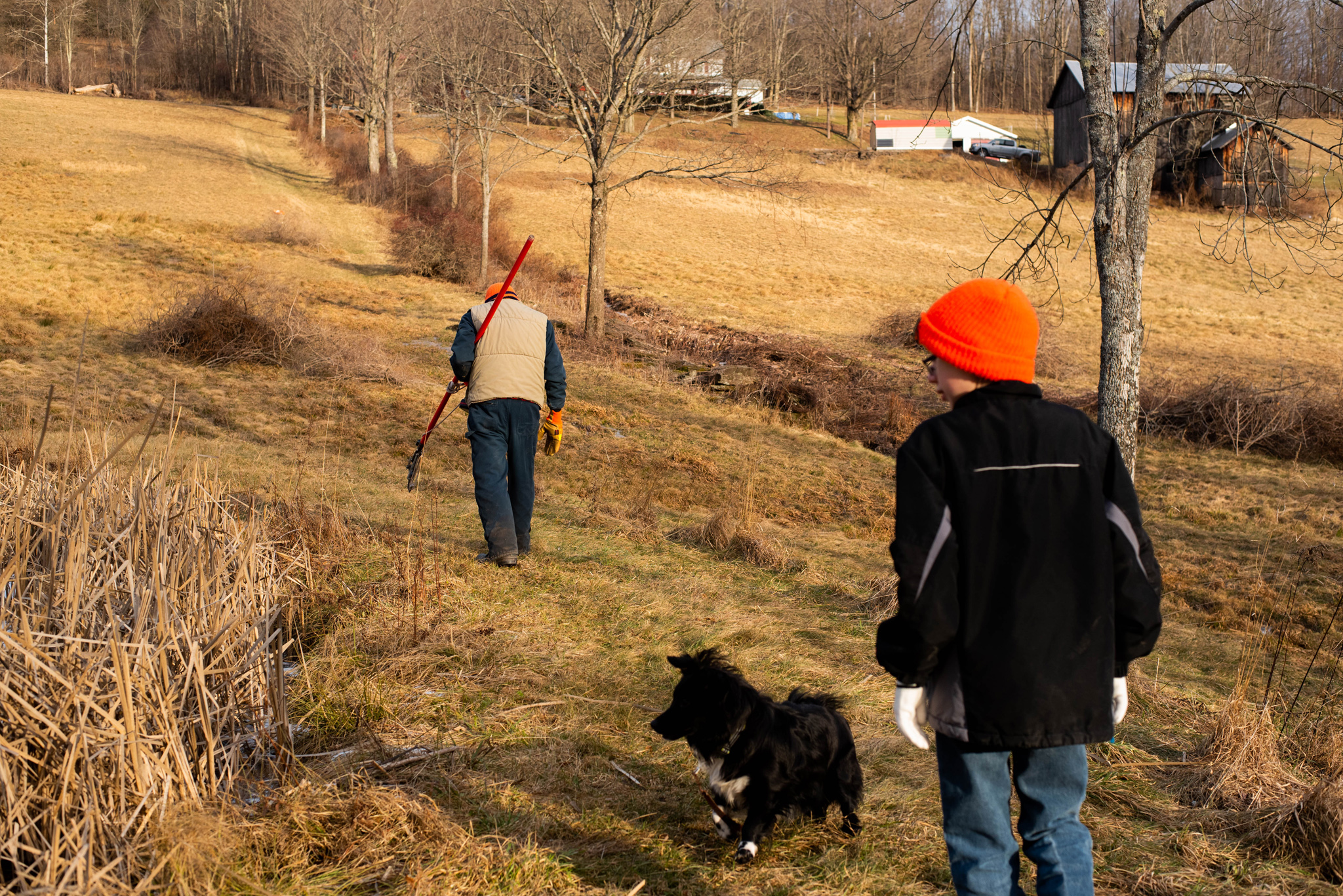
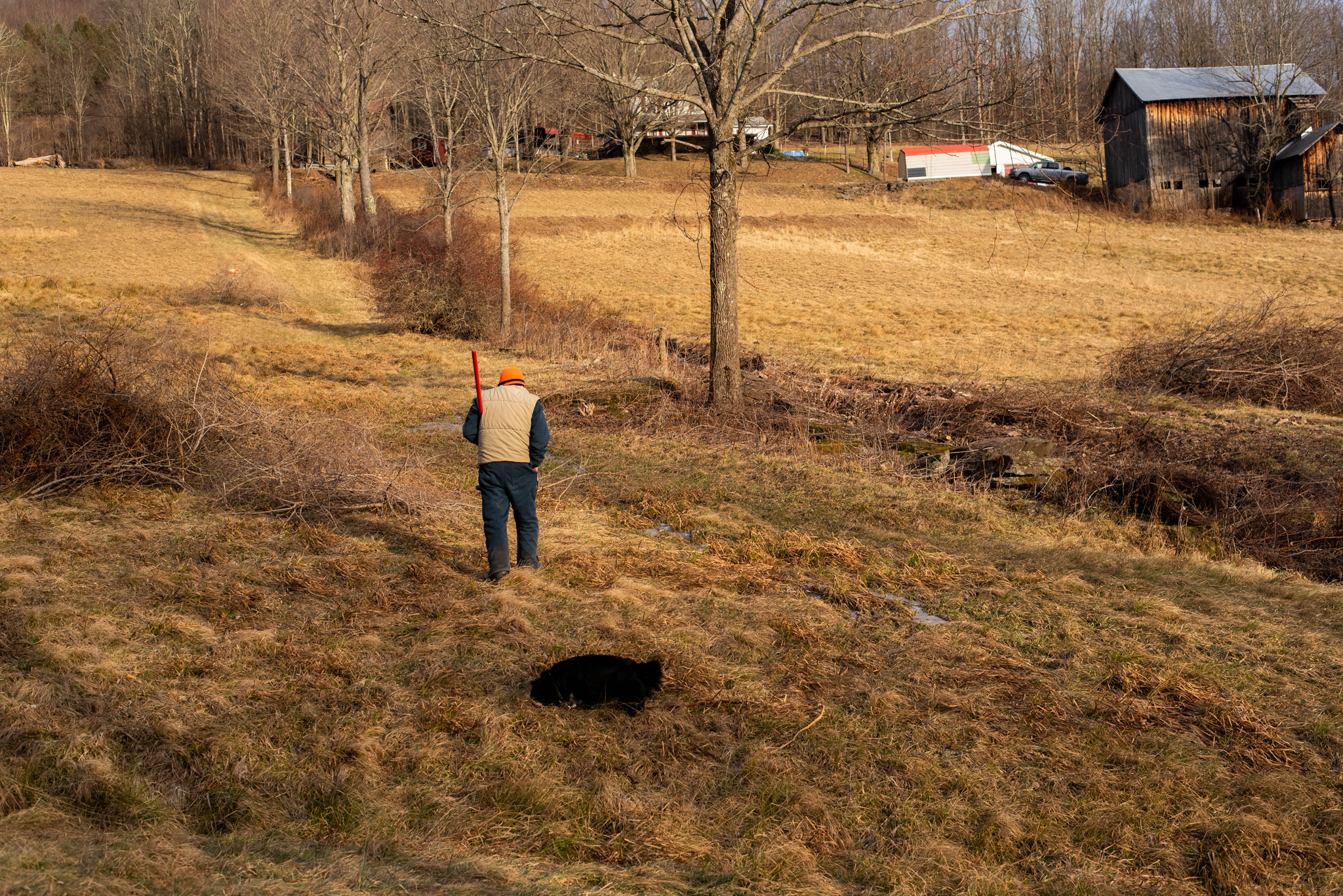
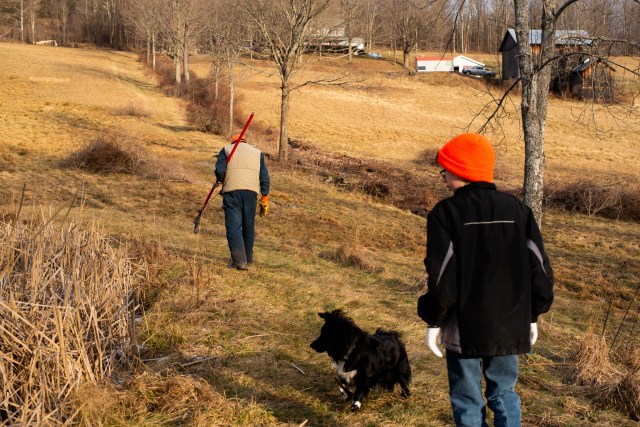
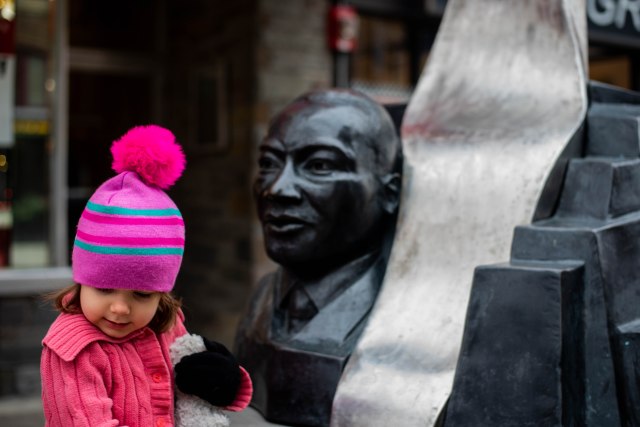
Our cold adventures included playing outside (20 minutes at a time), attending science classes for the local homeschooling group (learning about trees), a trip to Ithaca, NY, (cold, so not much exploring, I’m afraid) and a hike with my dad to his pond to see if it was frozen enough for us to walk on it (spoiler alert: it wasn’t).
How about you? What did you do in January and so far in February? Let me know in the comments or link to your post where you shared.
If you want to see the rest of the blogs in this 10 on 10 blog circle, find the link at the conclusion of this post.
Some people probably even think you have died. You haven’t posted in a week and you’re not liking their posts to show them you still care about their thoughts (because this is the only way people communicate or feel validated anymore). They don’t see you in person because, well, you’re not online so they figure you might be depressed (and who wants to deal with depressed people? Yuck!) or sick or mad about something and they don’t want to know about any of that stuff.
If they do see you in person they tell you how much they love the photos of your kids, which you stopped posting several months ago, and then stare awkwardly at you because, since you no longer post status updates, they don’t know what is really happening in your life. I mean, what if it is bad? Then they’ll feel bad they didn’t know. And what if it is good? Either way they’ll be trapped listening to you share about your life without the ability for them to simply click like and scroll by you so they can quickly move on to the meme with the kitten clinging to a limb (aaaawww! Kitties!)
I thought leaving Facebook back in December would make in-person interactions with friends become more of an occurrence and when they did happen it would be more meaningful. Such was not the case and I know it will not be the case again when I walk away from Facebook again in March.
I accidentally restricted my posts from someone even before I left Facebook and they told me they had no idea what was going on in my life because they couldn’t see my status updates. They told me this on messenger. Because apparently picking up the phone would have been way too mentally taxing. Can you imagine if they had had to speak to me in person? Why I just shudder to think of the horrors that might have entailed. Actual human interaction? Ew.
Thankfully they sent an apology for their actions via messenger to a family member of mine. I feel much better now, knowing they still don’t care enough to pick up the phone or actually speak to me about what’s actually happening in my life, but hey, at least they can talk to a relative about me – via text.
So, yes, I went back to Facebook after my break from it in December and instead of being excited and feeling refreshed to handle it all again I almost immediately felt annoyed. The break was a wake-up call to me to how vapid and ridiculous Facebook is.
The first week or so I was back on I watched someone rant about people complaining about the walk to their car in the morning being cold. People had no right to complain about how cold it was to walk to their cars because by doing so they were clearly spitting in the face of every farmer in the world that has to go out at 4 a.m. to milk the cows in such awful cold. I wasn’t sure of the logic behind this post but I guess the poster wanted us to be sure that we remembered that farmers are suffering in the arctic cold. In other words all they had to write was: “Remember that farmers have to go out in this cold, no matter what. They don’t have a choice. Think of them and say a prayer.” That was way easier than the virtual smackdown that was clearly unnecessary but is a common occurrence on Facebook, where someone is always more important than someone else (and don’t you forget it because if you do they’ll be sure to remind you in a passive aggressive meme.)
Then there were the passive-aggressive, leading questions.
“Does anyone know why school is even closed today?”
The person could have easily written: “It’s stupid that school is closed today” because that was obviously their opinion in the first place or they wouldn’t have added “EVEN” to their question. The leading questions dripping in sarcasm are always fun to read – over and over and over again throughout our feeds.
And, really, that’s what my disdain for Facebook comes down to these days. Ninety-eight percent of what is there is unnecessary. I’m not only preaching to other people here. I’m preaching to me too. Almost everything I have posted there in the last ten years (my word! Ten years?!) has been much of the same. Looking back at my posts over the years is like looking at my journals from seventh grade. It’s definitely cringe-worthy; like mental fingernails on the chalkboard of my immature past. I would definitely say the site has brought out the worst in me, the grumpy, judgmental and complaining person I used to keep locked in my private, tangible journal. For many of us Facebook has made us think complaining about everything under the sun should be a normal part of our life when, newsflash, it shouldn’t.
Choosing to no longer log on to Facebook every day or maybe even every week has been a decision I have felt I’ve needed to make for a long time. I can’t imagine how much further in life I’d be if I had never logged on to the site in the first place, all those years ago. It will be interesting to see where life will take me as I plan to log out and leave it behind for a long while, if not for good.
For now the breaks from it have taken me behind the scenes of the real-life walking dead (in some ways) and out back into the land of living, where I am able to seek out new friends who can still talk to me even if I don’t post for everyone to see which emotion I’m feeling at any given moment.
Some people keep a written documentary, some a visual one. I happen to be someone who keeps both.
As you know, if you’ve followed this blog or my work at all, a lot of my images feature my children, which elicits comments such as “Wow. Don’t you have enough photos of your kids?” or “Geesh, your kids will never say you didn’t take enough photos of them.”
I’m never sure if these comments are meant to be sarcastic or sincere but the more they’re made, the more I gather there isn’t a lot of sincerity in there. Instead many seem baffled why I’d want to take some many images of my own children. They see it more as narcissism than documentation, I suppose, and maybe they think I’m bragging somehow when I post the images. I’m not actually sure. More likely, though, they are teasing and don’t mean to be snarky at all.
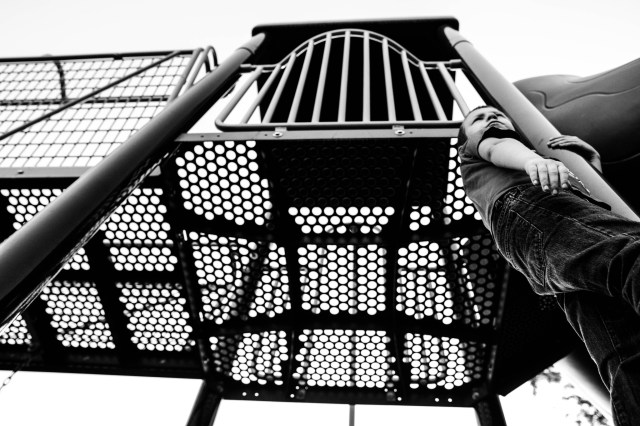
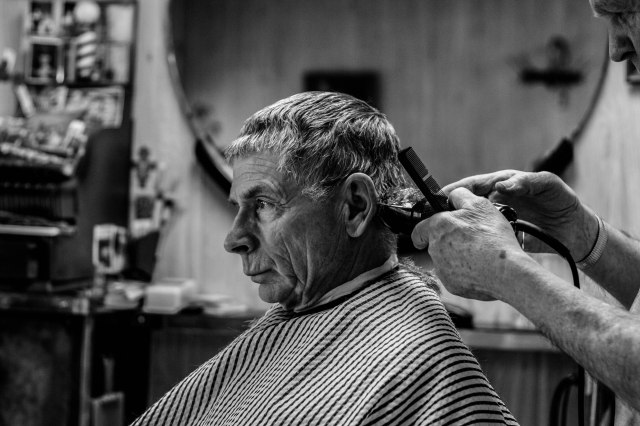
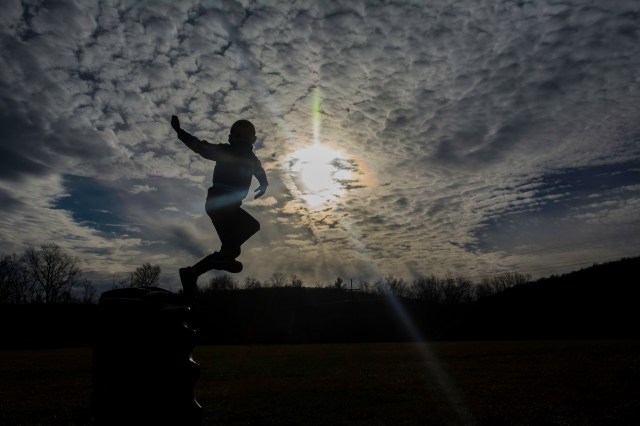
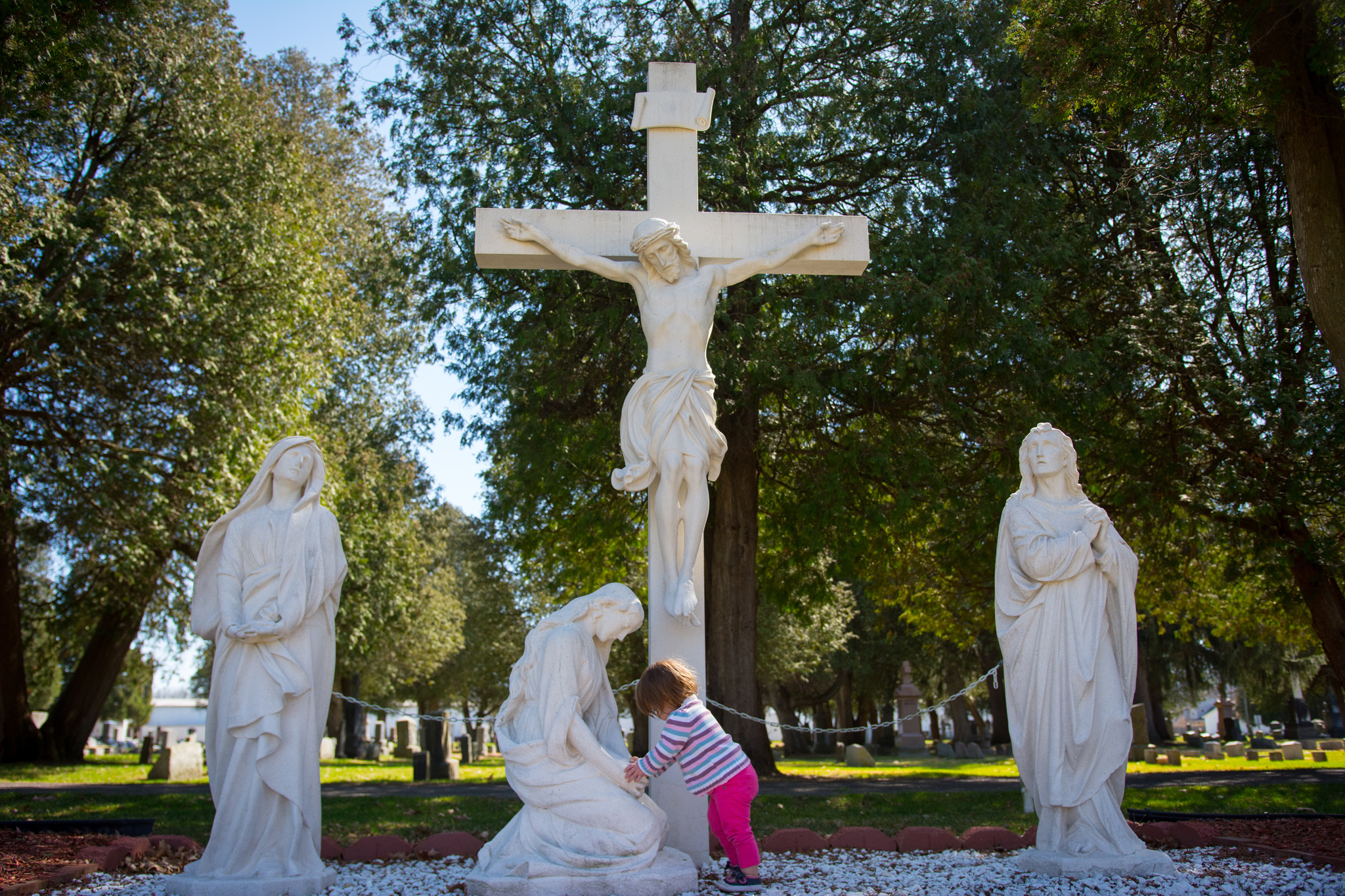
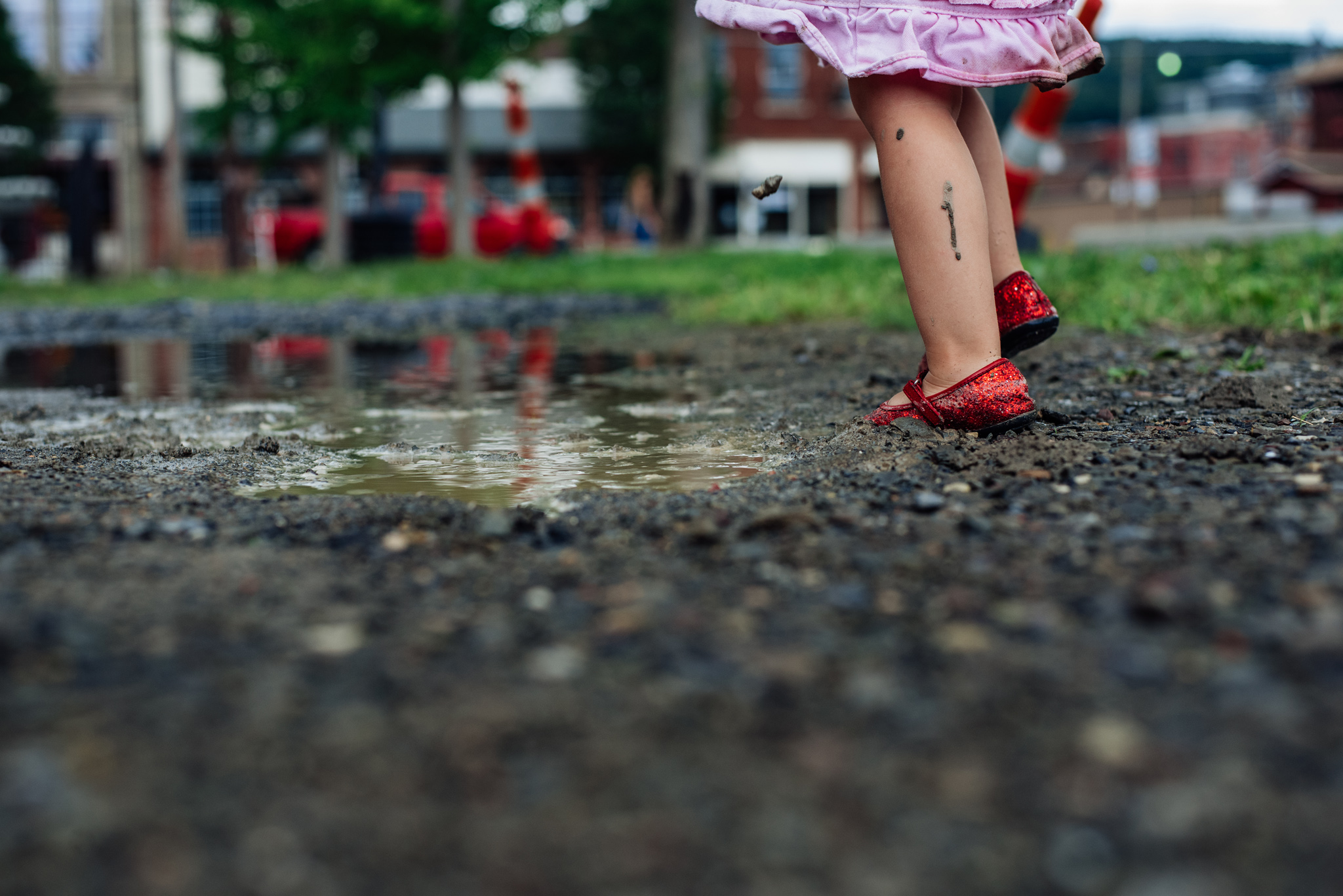
My real purpose for taking the images is simply to document life as I see it and since I’m mostly home with them all day, they are who I see. Photography is like therapy to me. It is similar to writing in a journal. It’s a way to work out my internal musings, my deep questions, my efforts to understand a situation or a person or even an entire family, but it is also a way for me to slow down and simply notice the world around me.
Often, before I even take a photo, unless I’m shooting for stock photography, I think about what the scene means to me. Why do I even want to photograph what is happening around me? Do I want these images because of who or what is in them or because how the scene makes me feel? Many times I want to capture a specific moment on “film” (or memory card these days) so that when I look at the photo I am mentally and emotionally (maybe even spiritually) transported.
Almost every photograph I take is a desire to capture joy within my life. I rarely take a photo to capture sorrow but if I do it is so I can convey to someone else the heavy emotion of the moment, opening their eyes to the experience of someone else and maybe to try to change the future so similar situations don’t happen again.
I am sure there are some in my family who wonder why I would want to photograph certain situations in my life. When my husband’s grandfather became ill I sat by his bed many days as he slept. I never photographed him, but I did photograph the photo of his wife over his bed, the photograph he lifted his eyes to the day he was brought home from the hospital to be placed in hospice care. He was too weak from the stroke to move but he could lift his eyes upward and he wept at the site of the woman he’d been married to almost 65 years and who had died two years earlier.
The only time I photographed him laying in that bed was the day his older brother came to visit him, holding his hand, and speaking softly. It was one of his more alert moments in those days before he passed. In fact, it wasn’t long after his brother’s visit that he slipped into a restful sleep and never woke again.
The moment between the brothers was private, intimate, sacred and part of me knew I shouldn’t lift my camera, but on that day the desire to document replaced the worry of offending a reserved and quiet family. It’s not as if I went all paparazzi on the scene. I remember quickly lifting the camera and snapping off two quiet shots and then putting my camera away.
If anyone in the family had witnessed me taking the photos I’m sure they wouldn’t have understood, and may not even today, why I felt I needed to take that photograph. Looking back, I still don’t why I snapped the shots. Maybe because the family was often so shut off emotionally that I wanted to document this tender moment to remind me they weren’t as shut off as I once thought, but simply struggled knowing how to handle painful moments.
Sometimes when we photograph a moment we are doing so to learn something from the moment, not only to teach someone else about what we saw.
I’ve never shown anyone the image. It’s tucked away in a hard drive and maybe someday I’ll delete it. I’m not sure why I kept it and sometimes I forget I even took it, but then I’ll be looking for another photo and there it is; often showing up when I’m wrestling with a particular quirk of that side of the family. It’s as if God uses the photo to remind me that buried pain creates emotional distance people don’t know how to bridge. In other words, a person isn’t always rejecting us but something inside themselves.
When I look at photography as a way to document, rather than only a way to create something pretty, I am able to let go of preconceived ideas of perfection. The world of photography opens up and leaves behind the constraints of technical refinement. Learning the technical aspects of photography is a good thing, even a necessary thing, but being ruled by them is a creativity killer.
When I let go of the idea that every shot has to be perfect, that’s when I can pick up whatever camera I have on me, and document my world. No workshops needed at that point – just a desire to create and learn from what I capture.
Accessing my reason for picking up the camera creates personal art worth looking at.
We live in the day and age of scrolling through life. Scrolling through trivial information and scrolling through deep and important information. We scroll past photo after photo and thought after thought and rarely pause to truly think about what we are seeing and reading. Information slides in and falls out as quickly as it came.
When I first became interested in photography it wasn’t the posed, cheesy studio images that drew me in. It was the raw, real, authentic documentary photographs that weren’t technically perfect, that weren’t perfectly lit, and didn’t feature perfect expressions that lit a creative fire in me. These images tapped the brakes of a life careening ever faster forward and helped to facilitate a pause to help us focus on what was really happening in our little world or the world at large.
Images of a true, actual scene or event as it happened made me want to capture the same types of moments in the same way. In the images that I saw in magazines and books, I knew it was the moment and the feeling a person got from looking at them that mattered, not if they were edited in Photoshop with overlays or the softening brush. When I first started taking photos I had no idea what Photoshop was. I had little to no interest in digitally manipulating an image, something that some photographers, even those who call themselves “documentary photographers” do today. For me, true documentary photography means little to no alteration to the image. There are a few of my photos, therefore, that are not strict documentary, but the bulk include no changes, other than a conversion from color to black and white.
My first camera was a film camera, an Olympus point and shoot. For the non-photographer, this means the camera didn’t feature interchangeable lenses and the back opened to load a film canister. It did feature an optical zoom lens, which, if you zoomed too far, would cause the image to pixelate severely. I photographed mainly my friends and pets and a few vintage hats from the chest at my grandmother’s and none of it was remotely award winning. The photos weren’t even remotely interesting, but they captured people who were important to our family in everyday moments and therefore were worth more than any of the posed images other families had. My parents most likely spent thousands of dollars helping me develop film at local drugstores with very little to show for it, other than a few memories mixed in between the shots of me trying to figure out the concept of composition.
I had no idea what I was doing with the camera, to be honest. All the images were simple snapshots with very little thought to composition. I didn’t think much about composition or even know what it was. It was a photo that my dad took that sparked the idea of layering, even though I didn’t know what layering was. He photographed the daughter of a friend with the little girl standing in the foreground, eating an apple and smiling at the camera and behind her was her sister, playing in the creek down behind our house. It opened my eyes to the idea that photography didn’t have to be boring, but should instead tell a story.
I found myself fascinated by documentary photographers and photojournalists like Harry Benson, who traveled with The Beetles. I didn’t even know the name of many of the photojournalists whose work I loved, but whose photos I had seen in magazines and books.
(left to right, Harry Benson, Vivian Maier, Dorothea Lange)
I didn’t have the internet back then to learn more about the photographers whose work I had seen in history books or magazines. Yes, I’m really THAT old. But, yet not THAT old that I can’t remember when the Internet became more popular and the world of photography was suddenly at my fingertips. I can still hear the squeal of the modem connecting in our dining room.
But there was and is a downside to the internet. It invented scrolling.
Scrolling our life away and barely slowing down to learn from what is zooming by our view.
“It can be more difficult to penetrate deeply into the subject matter and really impact audiences. It’s so easy to like an Instagram photo without really digesting what it means because you’re just scrolling through it,” Award-winning documentary photographer, Sebastian Copeland told Capture Magazine, an Australian photography magazine, in 2016. “There may be diminishing returns to the mass of communication that is being made available through social media.” (Read more at http://www.capturemag.com.au/advice/the-power-of-documentary-photography#S2gJ8aR9lolWo6so.99)
Writer Amanda Copp speaks about the idea of documentary photography slowing life down in the introduction to the same article Copeland was interviewed for.
“Today’s world feels like someone has slammed their foot on the accelerator and everyone is scrambling to keep up. Endless streams of information and people with limited attention spans have become the norm. Moments that slow people down in this hyper-paced world are few and far between. But documentary photography allows such moments to occur, as well as contemplation, consideration, and, maybe, action. These photographers, dedicated to documenting the world around them, gently apply the brakes on this accelerated world and capture the stories of things left behind. Many of the issues facing people and the planet today are slow and inching forward. While others are far more rapid.” Read more at http://www.capturemag.com.au/advice/the-power-of-documentary-photography#S2gJ8aR9lolWo6so.99
I never have had the chance to travel the world to take photographs, as I once thought I would, so I’ve instead photographed my own life in the style of the photographers I loved. I never wanted to imitate them because we all see the world in our own way. I never had much of an interest in posing an image and hated when I had to do so at the newspapers I worked at – instead always asking for assignments where I could photograph the action. The action in our area wasn’t really “action.” I never photographed a protest or conflict, but an elementary school field day was always fun.
All photography is documenting something, of course, but documenting a scene as it is, as it was, and as it will always be within the frame poses a challenge for me that I enjoy as much as a portrait photographer revels in nailing the right expression.
I’m grateful that I’ve chosen to capture the everyday moments of my family’s life and the world as I see it through the camera lens. Looking back at images that documented a moment, instead of a pose, takes me on an emotional and visual journey that nourishes the soul like a hearty stew nourishes the belly.
For someone whose mind races around in circles most of the day, getting nowhere, documentary photography helps slow my thoughts down and almost forces me to notice the world around me, which I see as a good and welcome thing.
Some of my favorite documentary photographers I’d encourage you to learn from and about, even if photography isn’t your chosen art form:
Scrolling down through Instagram and there is the writer I could have had got to know better but chose not to, for various reasons.
And there she is promoting a friend’s book yet again. I look at her post and I wonder if that book could have been mine if I hadn’t decided to step away from the author’s group, where I felt she taught people how to manipulate other people into buying things they really don’t need.
A part of me feels sad.
“Look at all the people she knows, all the places she travels, the experiences she has had and the success she’s reached,” I thought to myself.
Once upon a time I thought that would be me. I thought I’d travel the world and meet fascinating people and be liked by many.
I’ve never been pretty but sometimes I could write pretty words and take pretty photos. Sometimes I imagined that writing pretty and taking pretty photos would distract people from the fact I wasn’t pretty. I have yet to see an author or a photographer with a big following on any of the social media sites who isn’t pretty. That’s a deeper issue to delve into on another day.
It’s weird how I once imagined I would do all these big and grand things but never did and now – it might you surprise you to know – I’m glad I didn’t.
Thank you, Jesus that I’m still just little me in my little house with my kids and my husband and my dog and cat and that sometimes I get to photograph sweet families and sometimes I get to write about neat things
It turns out I don’t need anything big after all.
Big means stress and rushing and running and I don’t thrive on any of that. What I do thrive on are quiet nights at home, a good book, a cup of hot herbal tea, a good, heartwarming show and slow, purposeful days where I can take time to remind myself where I am and who I am.
I’ll take the quiet life any day over all the stress I once thought I wanted.
I won’t lie, seeing all the beautiful photos of winter wonderlands taken in a rural area after a snowfall always makes me a little jealous.
I live in a small town but it’s not really like one of those picturesque small towns in the movies, at least in the part of town I live in. This isn’t meant as an offense to my town because it isn’t the slums either. The people are nice and the area is quiet and fairly peaceful. The houses are pretty enough but there are also a ton of power lines, a school parking lot and a couple chain link fences around baseball fields interrupting the backgrounds of my photos.
To get to the more picturesque parts of our area I’d have to drive a little and if the roads are dangerous or the temperature is as cold as it was this past week I am limited to what I can photograph.
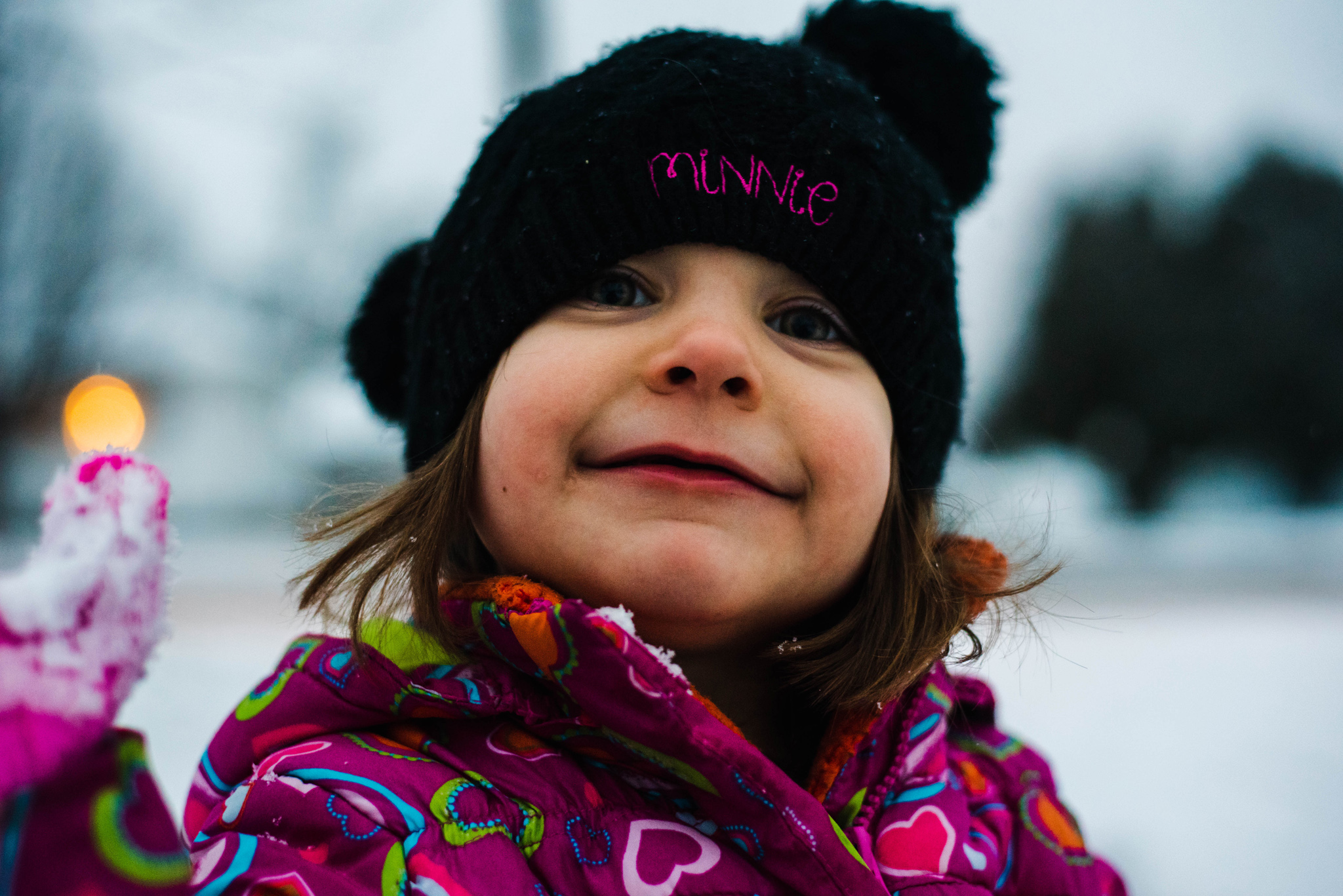
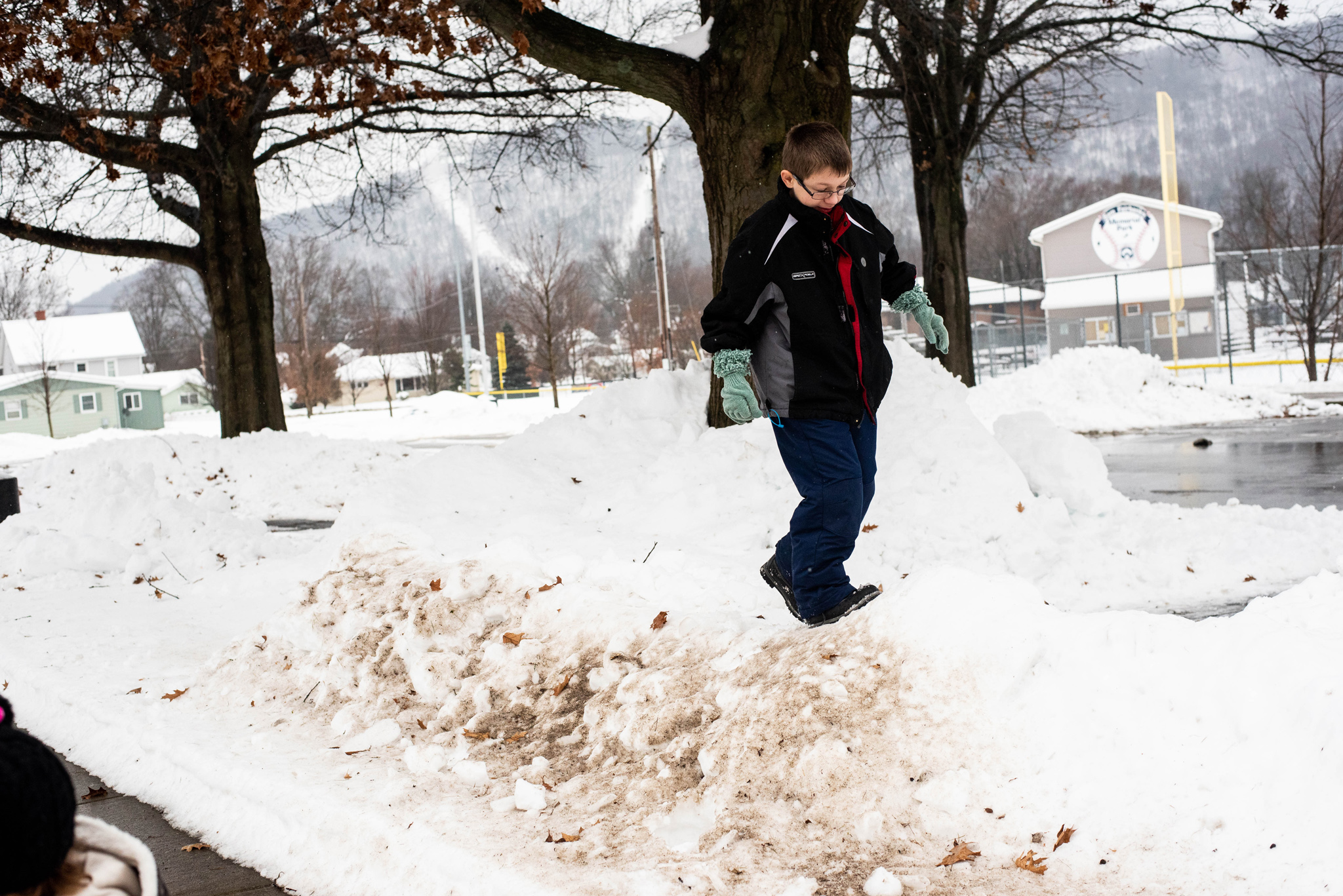
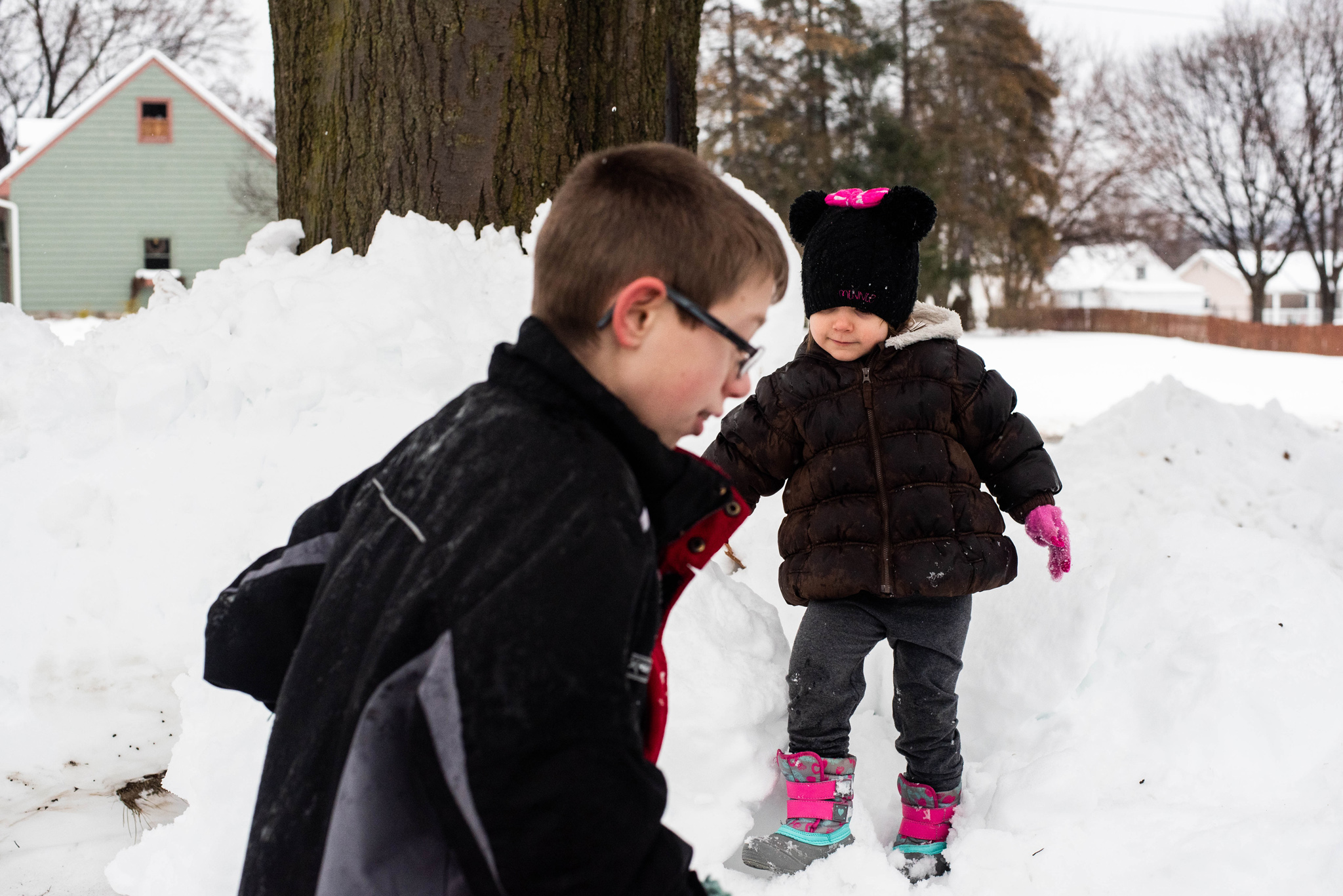
Before the Arctic cold set in and the heavier snow of this weekend’s storm set in we were able to go outside and Little Miss decided she loved snow. She ran up and down the sidewalk with her arms out, declaring “I love the snow!” I’m glad she does because I’m really not a fan of it. First, it’s cold. Second, it’s wet. Third, it’s slippery. All good reasons to not be a fan.
Since we don’t live in the country where we can photograph lovely scenes of trees and ponds covered in a layer (or two) of snow we are left to photos of the kids enjoying the snow with houses, telephone poles, power lines and the occasional snow plow or garbage truck behind them.
Still, I love the photographs of them enjoying the snow. I will deal with the lack of rural snowy images and hope that someday we move somewhere I can photograph a more attractive scene behind my children.
What’s the weather like where you are? And more importantly, do you have a good background to photograph in?
When bloggers and others talk about a social media break let’s be honest, we know they (we) are talking about Facebook. As far as social media goes, Facebook is the biggest time suck for most people. Not only that but Facebook has more information on you than anyone else and their tentacles reach into so many facets of the Internet, disconnecting from them for a while, or all together, is probably a pretty good idea.
You might be thinking to yourself, “I don’t spend that much time on Facebook” and while it may be true that you don’t spend a large, continuous block of time there I have a feeling you spend much more than you think. In the same way someone who wants to lose weight benefits from keeping a food diary, someone who is considering a break from social media should write down each time they log on to Facebook, Instagram, Pinterest or YouTube.
Photo by Lisa R. Howeler (available on Lightstock)
I bet many of you would be shocked, or at least surprised, at how often you check those sites throughout the day. You may check first thing in the morning, at lunch, while waiting in line, while waiting at a doctor’s office, while waiting anywhere you have to wait more than ten seconds, throughout your evening and before falling asleep. I would bet that there are many times you intend to log on to the site only a few moments but before you know it an hour or two or more has passed and your children are wandering to the neighbors to ask if the neighbor will cook them dinner because you’ve been swallowed by the internet.
In December I started a Facebook detox after realizing how addicted I’d become to social media. It was keeping me from enjoying life and accomplishing tasks. It was actually Facebook’s own fault that I left the site for 30-days. They sent me a video featuring various images as a celebration of the fact I had been on Facebook for close to 12 years. Twelve, time sucking, anxiety-inducing, life-wasting years, with some chances for staying connected to faraway friends and family (the only positive I could think of).
The realization of how much time I had wasted staring and scrolling, comparing and crying over things I had read or watched there hit me hard and all I could think was “how much further would I be in life without this stupid site?”
I feel almost embarrassed to admit that the detox was difficult and tested my will-power, showing me how much Facebook and it’s validation-psychology actually had a hold over me. I would have been more embarrassed if I hadn’t known there were thousands more who felt like me based on the fact that an internet search yielded page after page of links either focusing on the author’s own decision to detox or an article showing you how to do your own detox.
I’m not sure why I feel the need to offer yet another blog post offering advice about how to prepare for and succeed with a detox from social media but since all our experiences are unique I’ll offer the plan of action that worked best for me.
Write down how you plan to fill your time while you’re on the break. Maybe I’m the only one that over thinks and overly prepares (at least for some things) but list ideas of what you will do during the free time you’ll have now that you’re not logging on to social media. List things like “read that book I bought two years ago and never read,” or “stain the deck,” or “organize the bedroom closet.” Include things in the list you know you’ve wanted to accomplish but haven’t because you’ve let your brain take a walk around the block while scrolling on your phone.
Make a list of hobbies or interests you have been wanting to explore more. When you take a break from social media you’ll suddenly discover you have more free time, almost too much free time. Now that you have more free time you can explore hobbies you either used to do or always wanted to do. For me, I’ve started to learn more about cooking, delved back into sketching, and am considering archery. I’m kidding about the archery. I have no interest in that. I’m actually focusing on low-impact workouts versus picking up a bow and arrow. You never know where exploring a new hobby will lead you either; maybe even a new career.
Charge up your Kindle, or e-reader, or get a stack of actual, physical books together. Reading is an amazing way to escape from the world and your stress. I highly recommend something in the fiction genre to truly distract you from the real-life drama around us. Right now I’m reading the first in a series about a British aristocrat and her “lady in waiting” who investigate mysteries together. I’m not exactly sure when the stories take place but it seems to be the 20s or 30s. The first book is titled “A Quiet Life in the Country: A Lady Hardcastle Mystery.” by TE Kinsey. (Edited to add: I wouldn’t recommend book two. It is just dragging on and on and on. It’s a bit like being tortured in with David Copperfield in high school at this point. I don’t recommend continuing the series.)
4. Make a list of tasks you haven’t got to that you know you would complete if you put away the distractions of social media. For me this included updating my stock photography portfolios, updating this blog, updating my online photography portfolio, keeping track of what I’m eating, and cleaning my closet out. Guess which ones I still haven’t tackled, even with the social media break?
Photo by Lisa R. Howeler (available on Lightstock)
5. Call friends and ask if they want to actually meet in person. That’s right. People really can still meet in person and have face-to-face conversations. Try it while you’re on your detox and enjoy remembering the old days of actual human interaction. Personally, this has been a bit of a failure for me as my friends are too busy to meet in person right now (maybe they need an intervention for their social media addiction?), but I’ll keep trying. Their life has to slow down at some point, right? Right?!
Seriously, I’m sure we will get together in person soon. And even if you don’t meet up with friends, go out and talk to actual people. Visit a museum, visit a local coffee shop and smile at people – look at the world around you and notice some things you didn’t notice before because your head was down, looking at your phone or device. Yes, as an introvert, this particular advice is hard for me to follow myself, but I’m working on it. One little step at a time, okay? Be patient with me.
6. Find a good documentary to watch and learn more about the world. While I don’t recommend trading one addiction for another, finding a good documentary or Netflix series that teaches you about another part of the world or about those who lead a different life than you is an excellent way to expand your mind. Learning about life somewhere else doesn’t always happen on social media where we mainly associate with people we know or who are interested in the same things we are. I’ve been watching a few of these types of documentaries and two I recommend happen to be related to food.
In Search of Israeli Food is about the food of Israel and it also touches on the different cultures there and the conflicts between the Israeli’s and Palestinians. It follows the journey of Michael Solomonov an award-winning American chef who was born in Israel. He travels to Israel and meets various chefs there and also reflects on his own childhood, which was affected by the death of his brother, killed by Palestinians along the border.
Another is called Theatre of Life and it is about Massimo Bottura, the top chef in the world, who helped open missions in Italy feeding the poor with the waste from restaurants and supermarkets and cooked by world-renowned chefs. It not only shares the story of the chefs but the stories for the people who come to the centers because of their life situations.
Massimo Bottura by Gentleman’s Journal
Some other suggestions on what to do during your break (a few are repeats from above):
Go for a hike or just a walk
Start an exercise program
Take up a hobby
Clean out your closets
Declutter your house
Order and frame all photos stuck on your hard drive
Make a photo book full of all the photos still stuck on your hard drive
Paint a room in your house that you hate the color of
Start volunteering at local nursing homes
Call friends you haven’t talked to in a long time
Visit local museums
take an online class (many universities offer them for free)
So, the bottom line is this: you will be fine if you detox yourself from social media. In fact, you might have more of a life if you put the phone down, shut off the computer and simply walk away from it all for a while, or for good.
We’re still in denial that it’s winter here, even as snow falls outside our window and forecasters warn us that we could wake up to a foot or more tomorrow morning.
The kids and I have severe cabin fever and long for the days we could spend our days in the backyard with Zooma The Wonder Dog in the warm sun. Sunlight isn’t something we see much of these days so if it peeks out from behind the clouds, we either rush outside into it or we sit in the square of it that shines on our floors.
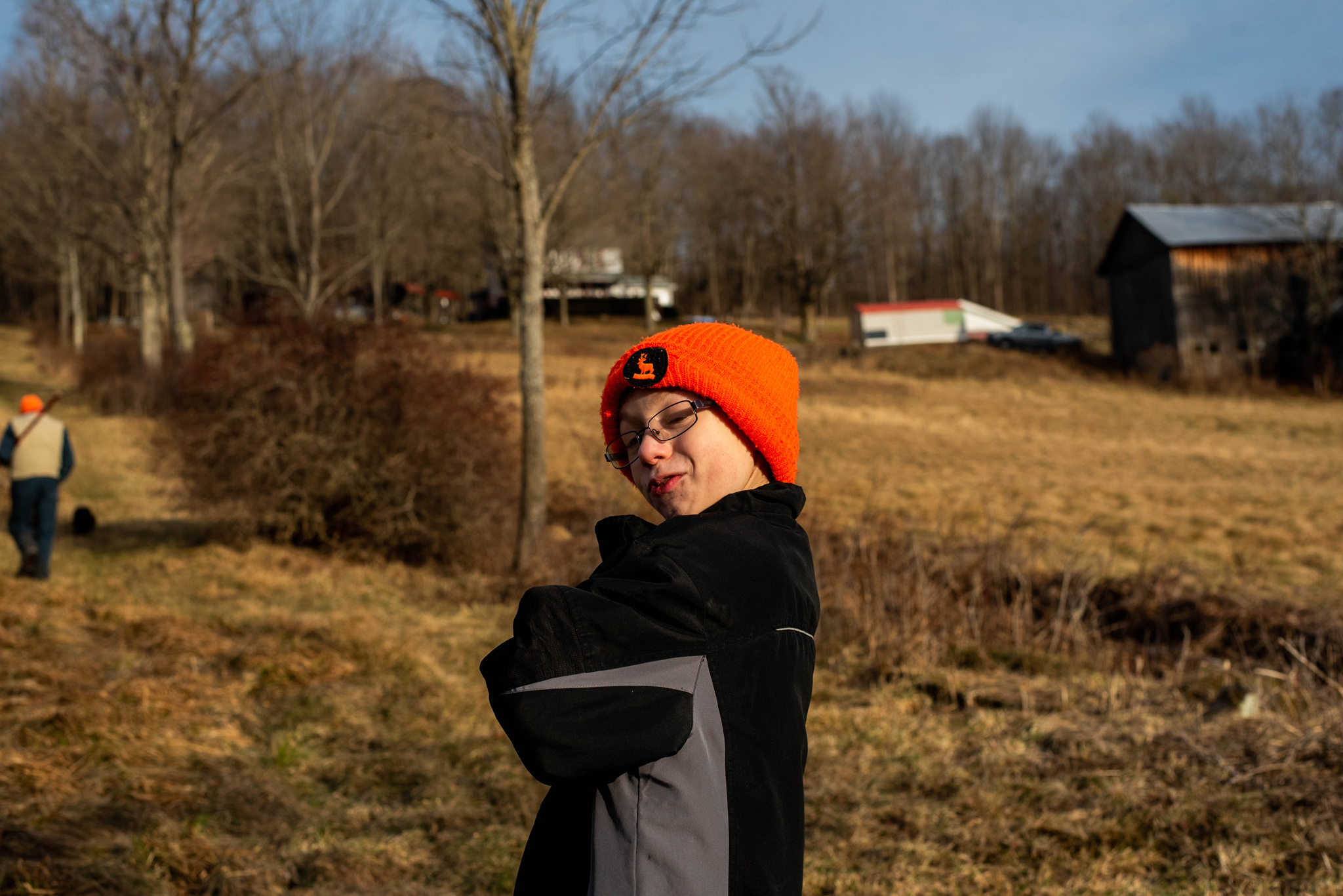
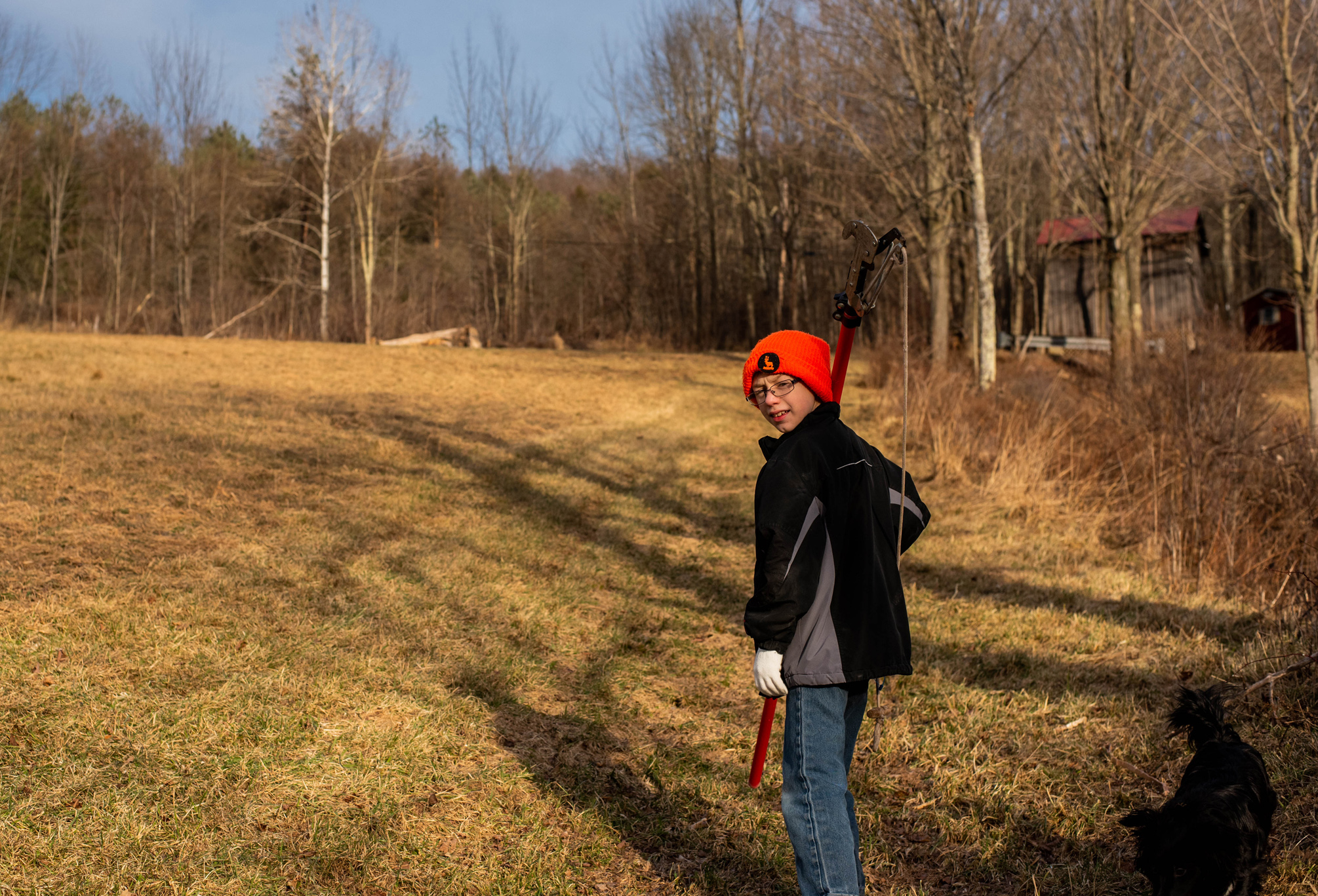
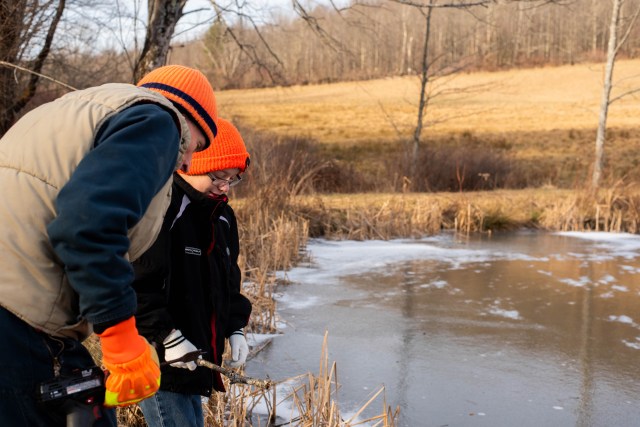
When my dad decided he would take the kids down to see how frozen his pond was last weekend I rushed to get my coat on, even though 1) I didn’t want to go out in the cold and 2) my 4-year old needed a nap. I needed to get outside and photograph something – anything. None of the photographs were exciting but at least we experienced nature – freezing cold, cough-inducing, nose running – nature.
Once at the pond Dad cut a hole in the ice and measured it. Since it was only two and a half inches none of us could go out on it – except for the dog. The youngest didn’t mind since she was still crying, partially from the cold, and because it was clear she desperately needed a nap. I had to carry her both up and down the hill which isn’t as fun now that she’s almost 30 pounds and solid muscle. Once back in the house she fell asleep within a few moments and I decided maybe we’d continue admiring the sun from inside the house, at least until the temperature rises again.


 Follow our circle around by clicking over to Anna Hurley’s blog.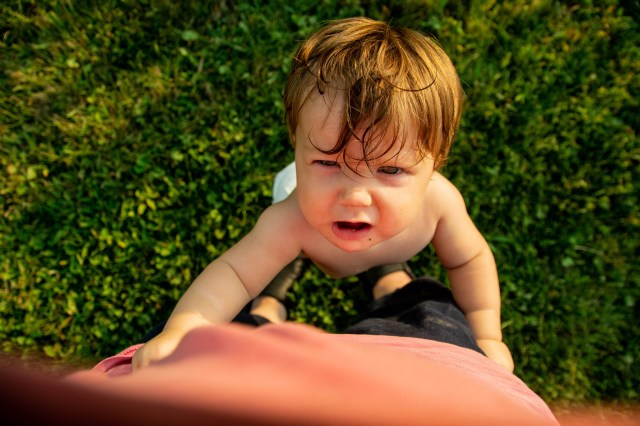
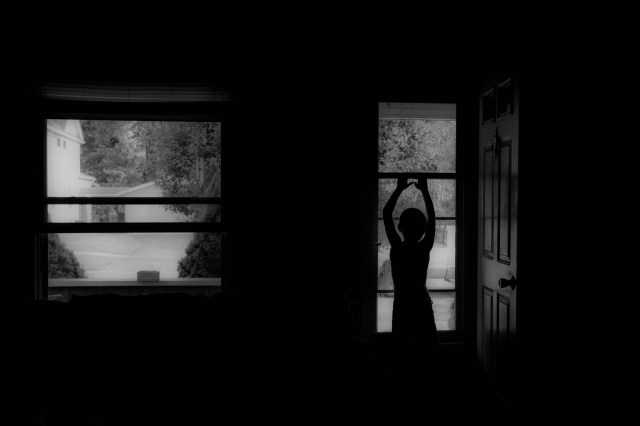
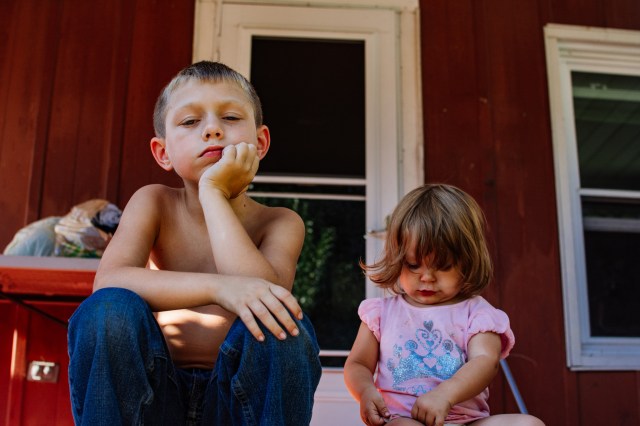
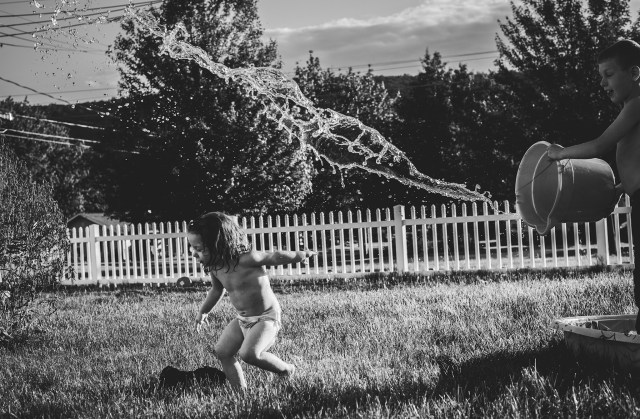
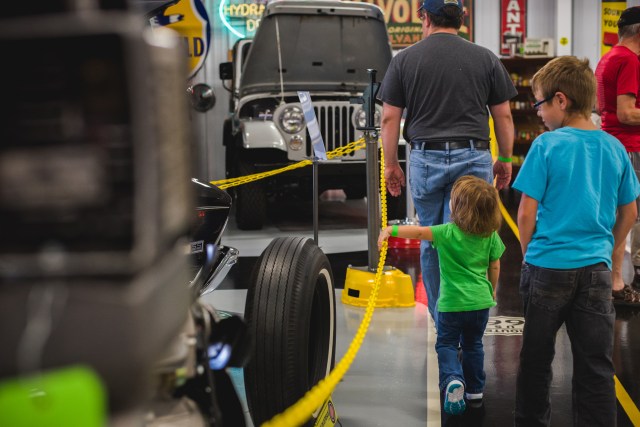 Almost every photograph I take is a desire to capture joy within my life. I rarely take a photo to capture sorrow but if I do it is so I can convey to someone else the heavy emotion of the moment, opening their eyes to the experience of someone else and maybe to try to change the future so similar situations don’t happen again.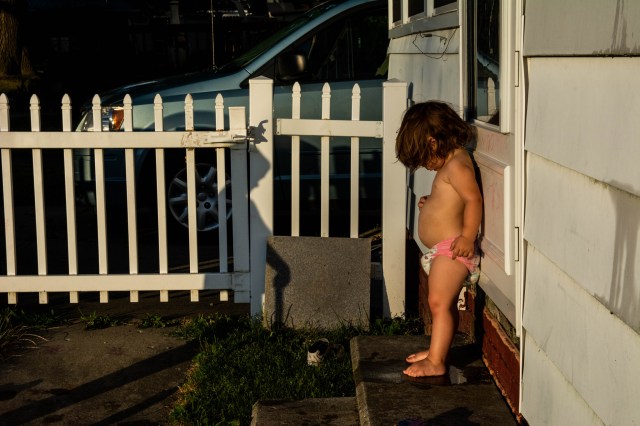














 ading is an amazing way to escape from the world and your stress. I highly recommend something in the fiction genre to truly distract you from the real-life drama around us. Right now I’m reading the first in a series about a British aristocrat and her “lady in waiting” who investigate mysteries together. I’m not exactly sure when the stories take place but it seems to be the 20s or 30s. The first book is titled “A Quiet Life in the Country: A Lady Hardcastle Mystery.” by TE Kinsey. (Edited to add: I wouldn’t recommend book two. It is just dragging on and on and on. It’s a bit like being tortured in with David Copperfield in high school at this point. I don’t recommend continuing the series.)