Weekend Traffic Jam Reboot: Come Link Up With Us!!

Welcome to the Weekend Traffic Jam Reboot where we offer a place for bloggers to link up and get a fresh set of eyes on their posts. We also feature one blog a week, letting our readers know about the blog and providing a link so readers can learn more about them.

I hope that you will look through the links and click on some and find a new blogger or two to follow.

First, I’ll introduce you to our hosts:

Marsha from Marsha in the Middle started blogging in 2021 as an exercise in increasing her neuroplasticity.  Oh, who are we kidding?  Marsha started blogging because she loves clothes, and she loves to talk or, in this case, write!  

Melynda from Scratch Made Food! & DIY Homemade Household  – The name says it all, we homestead in East Texas, with three generations sharing this land. I cook and bake from scratch, between gardening and running after the chickens, and knitting! 

Lisa from Boondock Ramblings shares about the fiction she writes and reads, her faith, homeschooling, photography and more. 

Sue from Women Living Well After 50 started blogging in 2015 and writes about living an active and healthy lifestyle, fashion, book reviews and her podcast and enjoying life as a woman over 50.  She invites you to join her living life in full bloom.


We would love to have additional Co-Hosts to share in the creativity and fun! If you think this would be a good fit for you and you like having fun (come on, who doesn’t!) while still being creative, drop one of us an email and someone will get back with you!

WTJR will be highlighting a different blogger each week! We invite you to stop by their blog, take a look around and say hello! This week we spotlight …

Thistles and Kiwis: A blog about life in Wellington, New Zealand

My highlighted posts this week out of the links from last week:

|| Rearranging My Gallery Wall by Debbie Dabble Blog ||

|| Winter Blues With Ageless Style by Amy’s Creative Pursuits ||

|| Crushed Glass Valentine No Resin by The Apple Street Cottage ||

Thank you so much for joining us for our link-up! Please remember that this is a link-up where you can share posts from the previous week or posts from weeks, months, or years ago. All we ask is that they be “family-friendly”.

You are invited to the Inlinkz link party!

You are invited to the Inlinkz link party!

Click here to enter
https://fresh.inlinkz.com/js/widget/load.js?id=c0efdbe6b4add43dd7ef

Voices from the past: The Fate of a Brother. Letters written during the Civil War by my family members. Part 2

“I have not had a letter from you in a long time so I thought I would write to you and see if you were well and inquire as to how brother Charles is getting along. I have been uneasy for his welfare as our prisoners get very bad treatment at Belle Island and Richmond.”

Letter to William Grant from his brother John G. Grant, Washington DC, Dec. 22, 1863


When some people research the past, they find it interesting but are somewhat disconnected from what happened. They may read something sad and say, “Oh, well, how awful.” They feel down for a bit, and they move on.

When you research your family history, though — reading letters from them, getting to know them through those letters and photos of them — it all becomes a bit more personal. Suddenly you, or shall I say that “I” feel very close to the people I am reading about and about the world they lived in.

More than once I have teared up, choking back a sob, thinking of the suffering my family faced as I’ve read letters, journal entries, or biographies of their lives.

There was history all around me growing up. When I was a child there was a large, old trunk in the closet in my bedroom. I had no idea what it was and used to prop up my stuffed animals on it.

It wouldn’t be until years later I would learn the trunk belonged to my great-great grandfather, John G. Grant, a Civil War vet, and held American flags, and other memorabilia from my great-great grandparents and their family inside. After the war, John became a doctor and before that he was a letter carrier for the Union Army in Richmond after the war. I’m not sure where the bloodletting set and the letter carrying case of John’s was stored but I know they are with my dad now.

John mentioned his trunk in a letter from August 20, 1862, where he also foreshadows his interest in the medical field.

“I should like to have my chart of Frenology (sic). I think I put in my little trunk upstairs, or else it is about the house somewhere. I suppose you know what book I mean. I used to call it my Frenology book. Please get it and send it to me as soon as you get this letter.”

He was stationed at an Army training camp near Germantown, Pa. at the time.

In case you are curious, phrenology is: “the detailed study of the shape and size of the cranium as a supposed indication of character and mental abilities.”

When I was in college, and after my family had moved in with my paternal grandmother, she and I were looking at historical documents and pulled out some old papers from under her bed. We found a large, original poster that appeared to show all the battles John Grant had fought in. It stated that it had been presented to his family sometime after he was discharged from the Army.

Grandma was thrilled and fascinated. Either she’d forgotten or didn’t realize the poster was there. My history-loving aunt, Eleanor, drove down from her farm in Upstate New York, took the poster and had copies made for all of my grandmother’s children, grandchildren and great grandchildren. One is hanging on my wall in our house today. I believe my dad has the original.

When I read the letters written during the Civil War between my great-great-grandfather and his half-brothers I find myself thinking of the history of this time period that I’ve read in textbooks – how it wasn’t history for them but reality.

One of the hardest realities my great-great grandfather and his half-brother, William Grant, had to face would come when they learned that their  brother, Charles, had been taken prisoner by the Confederates shortly after the Battle of Gettysburg.

(This photo is undated and  unlabeled, but we believe it is Charles Grant. It is the only known photo of him. William Grant tried many businesses to make a livelihood, especially after the war started and the economy was suffering. One business he tried was making photo cases. This is most likely one he made).

In my first blog post about these letters I wrote about John and William visiting Charles in the hospital. This would have been 1861. I’m not sure what Charles had that left him in a weakened state, but I do know he would eventually be released from the hospital. I figured out his age to be about  31 at the time he was in the hospital.

I mentioned part of Charles’s letter to John in  an undated letter in my previous post:

If things do not get better before next winter, there will be a great amount of suffering among the working people,” he wrote in that letter. “The factory where I work is running but two and three days in a week and has been for the past two months and the hands are not making more than $10 or $12 a month and that amount will not go far down here.”

“Thousands who one year thought themselves in good circumstances are now as poor as beggars and who has caused all this but the men who are now the leaders of the Rebel forces and fighting against the best government on the face of the earth. They seem determined if they cannot rule this great nation to the interest of negro slavery to ruin it.”

He ends the letter with a little bit of family business:

“You want to know where Uncle William lives. The last I heard from him he lived in Laraneeburgh, Indiana. I sent you two papers within the last two months. I posted one last night when I got your letter. It had been lying in the office for some time as the new postmaster did not know what part of town I lived in and could not send it to me. This will account for me not answering sooner, but I must bring my letter to a close with sending my love and best respects to you and all the folks.

Farewell,

Charles Grant.”

No one in the family has been able to tell me how John, William, and their mother would find out Charles had been taken captive right before the Battle of Gettysburg, but somehow, they knew.

John wrote to William Dec. 22, 1863.

“I have not had a letter from you in a long time so I thought I would write to you and see if you were well and inquire as to how brother Charles is getting along. I have been uneasy for his welfare as our prisoners get very bad treatment at Belle Island and Richmond.”

It was not until 47 years later that William would be told the full story of what happened to his brother and that by the time John wrote that letter, Charles had been dead for at least 18 days.

I’m not sure the full story of how Meville H. Freas of Germantown, Pa. found out that William was looking for more information about Charles. I believe the family story is that it was a letter that William wrote to a newspaper near Germantown toward the end of this life, that clued Melville into the fact William didn’t know what had actually happened to Charles.

Toward the end of his life, well into his 90s, William was looking for a place to be buried and wrote letters to a couple of newspapers talking about his need for a burial plot. Meanwhile, his family in our little town, was willing to give him a place and wrote him letters to that effect. In the end, he was buried in a cemetery near the veterans home he was living at in Erie, Pennsylvania.

William Grant

William and Charles had grown up outside of Germantown and stayed in that area for most of their lives.

William would later learn that Charles had enlisted in the Army in Germantown with Melville Freas, Phillip W. Hammer, George Shingle, and Lewis Vogle.

After spending nine months in Libby Prison, Melville Freas was the only one to return home alive.

January 19, 1910

Comrade Wm. Grant

My dear esteemed friend. A few words about your brother Charles. We were in the same company A of the Bucktails. We fought in the same first days fight in Gettysburg and we were both taken prisoners when leaving Gettysburg as prisoners of war. A Reb Major put us all in line and read to us an order and wanted to parole us, but our government forbid it so we had to go to Richmond and your brother Charles said, ‘I will never live to go back.’

 And he did not.

We were put on Belle Isle on July 24, 1863 and I was with him and we both were moved from Bell Isle sick together. We went into Richmond on November 1, 1863 and put in a tobacco warehouse on the (unreadable) floor. No one came to see what ailed us so I said, “Charley, let us lay down and go to sleep and when I awoke in the morning Charley was dead by the side of me.

What he died of I cannot say. I notified the officers in charge and he was taken away and buried and I could not say where, but on the outskirts of the town. Philip W. Hammer was our drum major. He also was captured in the same fight and died at Richmond, Va. I have seen Mrs. Sallie Hammer several times since his death and talked with her concerning him.

Poor Phil — the last time I seen him he had traded his blue uniform for a Reb uniform and a little something to eat. You see we were ‘a starving to death. These men died as prisoners: Charles Grant, Lewis Vogle, George Shingle, and Philip W. Hammer. I was paroled March 21, 1864.”

He also writes about killing someone’s dog and eating it, but that’s not important to our part of the story.

It’s hard to read or understand Melville’s last sentence but further research from a newspaper article our family had and from articles I found online, shows that Melville built a monument in the Ivy Hill Cemetery in Germantown in honor of his friends, including Charles. First, it was a smaller monument and later he had a statue of himself in full Union uniform placed at his future grave. Those articles also stated that Melville was paroled from the Confederate prison in Andersonville, Ga. And that is possible because the prisoners from Libby were moved to Andersonville in February 1864.

Melville had each of the names of his friends who died inscribed on both stones and each Memorial  Day he would march in full uniform to the cemetery. One article said he even took his children and later grandchildren with him.

From an article in a Philadelphia paper from May 1917 after listing all the Memorial Day (called Decoration Day back then) events that would be going on:

“And finally, as he has done for many years at 5:00am on this Decoration Day, Melville Freas, Civil War veteran and former private of the 150th Pennsylvania Volunteers went to Ivy Hill Cemetery, loaded his rife with blank cartridges and fired a salute under the statute he had carved of himself which sits atop the grave he will one day rest in.”

As I mentioned above, John had visited Charles in 1861 and he was recovering from something doctors called The Grave (if my aunt transcribed that from the old fashioned hand writing correctly) so I believe he was most likely weakened still in 1863 when we was captured. That’s why he told Melville he would not make it back.

I’ve wondered over the years about what Libby Prison would have been like for Union prisoners of war, and I can tell you, after only a little research, it was not a good place to be held prisoner at or to be a guard at. Belle Isle was just as bad. Illnesses like typhoid and lack of food made conditions miserable for both prisoners and guards.

Libby Prison (left) was a three-story brick warehouse at Cary and Canal Street that was taken over by the Confederate government and became Richmond’s most notorious prison, next to Belle Isle (right).

By 1863, the South was losing, especially after Gettysburg, and because of that, people were starving everywhere.

You will recall that in his letter Melville said his government forbade the men from being paroled instead of being taken prisoner. I did some research on this, and it was because once President Abraham Lincoln emancipated the slaves in 1863 it meant that any African Americans, soldiers or otherwise, held by the Southern armies were now free. This infuriated the Confederacy who argued that those African Americans who fought as soldiers for the Union and were captured were runaway slaves and would be sold back into slavery instead of being taken prisoner.

This (rather long…sorry) excerpt from an article on the National Park Service web site under the  section of the Fort Pulaski National Monument explains it fully.

“When the Civil War first broke out in 1861, few expected it to last beyond a few months. As the war dragged on, however, realities had to be faced, among them the question of what to do with prisoners of war. Over the first two years of the war, the prisoner of war experience was fairly limited. Most captured soldiers were held for only a few months before being released. One option for release was for the soldier to be paroled—temporarily released on the condition they remain in a certain area and not return to the war effort. Many officers were also exchanged—traded for an opposing prisoner of equal rank and returned to the war.

Everything changed in 1863. On January 1, 1863, President Abraham Lincoln issued the Emancipation Proclamation. All enslaved peoples held by states in rebellion were now free. The United States also began the enlistment of African American men into the military. This act enraged the Confederacy who accused the United States of “inciting service insurrection.” As the new United States Colored Troops (USCT) began reaching the front lines, the Confederate Congress issued the Retaliatory Act. This act declared that USCT units would not be treated as soldiers. Instead, Black soldiers would be handed over to state authorities where many would be sold into slavery. The white officers of these units, the act declared, were to be treated as inciting a slave rebellion and “shall, if captured, be put to death.”

With this act, the Confederacy officially refused to treat Black soldiers as combatants when captured. In response, the United States called for a cease of all prisoner exchanges until all soldiers were treated equally as prisoners of war. The Confederacy refused, thus beginning a shift in the prisoner-of-war experience. Suddenly, captured soldiers were being held long-term. Both sides had to create a system of large prison camps to house the thousands of prisoners of war.”

I have a feeling that my family, among many others, felt that had it not been for the Confederacy’s refusal to return their black soldiers, Charles, and many Union and Confederate soldiers, might have come home alive.

One letter from John G. was to, I believe, his stepfather, though I’m not sure since no name is mentioned and addresses what should happen to those many in the Union saw as traitors. It is dated Sept. 6, 1864. John was in Germantown, Pa. at the time.

I see the convention at Chicago have nominated Gen. McClellan much to the chagrin of the Copperheads who wanted to nominate (unreadable because of the old handwriting) or Gov. Seamor – so you see by the Democrats split and that will proved to be like it was when Lincoln was elected. I have nothing against McClellan, but do not like the platform which the Chicago convention was formed for him to stand on. Upon that platform the Democrats are willing to shake hands with Jeff Davis (that arched traitor) over the graves of our dead comrades who have fallen by his hands and to form a peace with him on almost any terms and more than this yet to take him back to the home of our good old country and pardon him and give him equal rights with ourselves, which should never happen.

John continued, “Jeff Davis deserves to be hung rather than have our sympathy. Now you will see by this if there is any gentleman about Gen. McClellan or if he cares anything for the thousands of his fellow soldiers who have fallen on every side of him in defense of their beloved country. He certainly will not accept the nomination on such a platform as this, and if he does accept it, on that platform, I am  afraid he will never be elected.

As an aside here, Davis was pardoned in 1868 but McClelland had nothing to do with it because he lost to Abraham Lincoln, who, of course, was assassinated only four months into his second term.

(Abraham Lincoln and Gen. George McClellan)

While researching Melville Freas, I found an article sharing a letter Melville received from a confederate guard at Libby Prison and then Melville’s response. It was an eye-opening letter, adding to the information I’d already learned about Libby Prison and other confederate and Union prisons during that time.

Melville H. Freas, 248 East Haines street, has received a letter from a former Confederate soldier who stood guard over Mr. Freas when he was a prisoner at Richmond, Va., at the time of the Civil War. The letter was inspired by a newspaper article which Mr. Freas wrote recently protesting against the erection of a monument to Wirz, commandant of Andersonville prison. This article was copied in a Richmond newspaper where it caught the eye of H. C. Chappel, of Amelia Court House, Va., and he wrote as follows to Mr. Frees:


“Dear Old Comrade on the Other Side:

I read a short sketch of yourself in the Richmond Times and learned you had been a prisoner on Belle Isle. No doubt I have looked in your face many a time. The battalion I belonged to guarded there from August 1863 to March 1864.

We had hard times there, as well as the prisoners. We ate the same grub, and had to stand the cold without wood to make a fire, and no chance to get away. But we would go to the iron works and warm up.

I guarded at Libby prison early in 1863. There we got the best grub, and more of it, than any time during the war. The prisoners were all officers, and never gave us any trouble.”
Do you remember the guard, all well dressed in deep blue pants and gray jackets, with gray caps? They composed the Twenty-fifth Battalion. We had got acquainted with many of your boys. It was positively against orders to trade with the prisoners, but we did it all the same; and when we got back to camp those that were caught were called out and sent to the guard house and court martialed.

Don’t you remember that dark rainy night when Colonel Dahlgren reached the river above the island? I happened to be on guard that night. Several of your men asked me what that firing was about, and I told them a war lie. I told them it was over in the city of Richmond and that our battalion was sent to the front and we had to stay on guard.

There didn’t seem to be much sickness in the prison camp, as very few were buried on the island. I remember seeing fifty graves at the hospital. They had only two small tents.

I can truthfully say I never ill-treated any prisoner. No doubt some crank or a mean devil would do it but it was against orders from our officers.

Freas did write the man back, sharing a little more of his journey and he was cordial and thanked him for the letter, but I would imagine it must have been hard for there to be forgiveness after the war. Our nation was split apart — shattered beyond recognition.

It’s split apart in many ways now, but I hope that it will never be so split that it will bring fellow countrymen against fellow countrymen or brothers against brothers.

I know that for some of us, this is already happening, but I pray we learn a lesson from our ancestors about how to lick our wounds, heal our hearts, admit our wrongs, or at least recognize them on both sides of issues, and restore our relationships before it is too late.

Top Ten Tuesday: Ten Most Recent Additions to my Book Collection

|| Top Ten Tuesday is hosted by That Artsy Reader Girl. ||

Today’s prompt is to share The Ten Most Recent Additions to My Book Collection (or to your to-read list!)

This one wasn’t too hard for me to do because I had ordered five from Thriftbooks right after Christmas and before that there was a  used book sale at our library and I picked up a few (I promise it was actually just a few this time).

1. The Clue in the Diary (Nancy Drew, Book 7) by Carolyn Keene

2. The Sign of the Twisted Candles (Nancy Drew, Book 9) by Carolyn Keene

3. The Password to Larkspur Lane (Nancy Drew, Book 10) by Carolyn Keene

4. The Littlest Voyageur by Margi Pereus

5. The Thursday Murder Club by Richard Osmond

6. Christy by Catherine Marshall

7. The Scarlet Pimpernel by Baroness Orczy

8. The Mystery of The Flying Express by Franklin W. Dixon (this was an original copy by husband picked up for me at a used bookstore)

9. Summer of Yes by Courtney Walsh

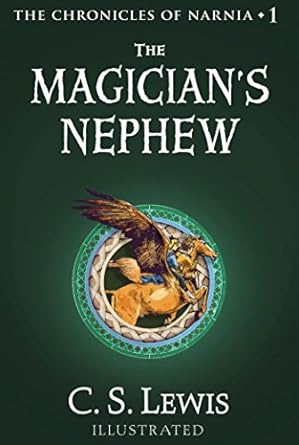
10. The Lord of the Rings: The Two Towers by JRR Tolkien

Have you read any of these? What are your last ten additions to your TBR?

Sunday Bookends: It’s cold. No. Really cold. Reading the same books but planning for others. Crafternoon Again! And some podcasts I want to listen to.

Due to the illness of children or the cold of the northeast I have not left my house in two weeks and though I am a homebody, I must admit it is becoming a little depressing.

And based on the fact I feel like I am starting to get sick and dangerously cold temps are set to hit the area Monday through Wednesday this week, I have a feeling I will be in my house at least another week. At this point I’ve told my parents, who only live seven minutes from us, that I might not see them until after the spring thaw.

Our house is located on a hill, has a steep driveway, and we are down to one car, so that also makes winter travel difficult.

Yesterday I was alone for much of the day because Little Miss was at a friend’s house and The Boy was sick upstairs, while The Husband was at work. This was a strange situation for me because I’m rarely alone. I didn’t know what to do with myself. I eventually decided to work on a blog post (the second part to my Civil War letters posts), start watching Gunga Din, and read a chapter in my Agatha Christie book. I also was very brave and went out into the cold darkness of our backyard to retrieve a couple pieces of wood for our woodstove.

Then it was back inside where I realized I should cook some dinner for me and The Boy.

He’s had a horrible headache and watery eyes and no appetite, but he was finally able to eat a little bit around the time the mom of Little Miss’s friend brought her back home.

Today we are seeing how the weather is since we were supposed to get a snow storm but now it looks like it’s moved further east (I see you Poconos and NJ…good luck!) and I might visit my parents or … again…tell them I’ll see them in the spring thaw.

Monday, Tuesday, and Wednesday are bringing temps where we are expected only to reach about 11 as a high. Lows will be below zero due to windchill and other factors. I asked The Husband to bring some wood from our pile behind the garage into our laundry room so we don’t have to go out into the bitter cold to replenish the supply we have in our living room by the stove.

We do have some heating oil but do our best to use as little of that as we can because of how expensive it has been the last couple of years.

A quick reminder that we are having another Crafternoon Zoom Call next Sunday (the 26th) at 1 p.m. If you are interested in being a part of it, you can email me at lisahoweler@gmail.com or Erin (from Still Life, With Cracker Crumbs) at crackercrumbs@gmail.com.

If you don’t know what that is – it is where we all get together and chat together while doing crafts or other projects. We’d love to have you join us and stave off the gloom that can come with winter sometimes.

With all this cold and being trapped inside a lot you would think I would have plenty of time for reading and I do, but I also have other projects I am working on, so alas, this will not be an exciting section, because I am still reading the same books.

Christy by Catherine Marshall is a super long book and so I am taking breaks and reading A Body in the Library by Agatha Christie (do I really need to type her last name?) for something “lighter”.

I also hope to get back to Bourdain: The Definitive Oral Biography by Laurie Woolever this week.

If you are not aware of what Christy is here is a description:

The train taking nineteen-year-old teacher Christy Huddleston from her home in Asheville, North Carolina, might as well be transporting her to another world. The Smoky Mountain community of Cutter Gap feels suspended in time, trapped by poverty, superstitions, and century-old traditions. But as Christy struggles to find acceptance in her new home, some see her — and her one-room school — as a threat to their way of life. Her faith is challenged and her heart is torn between two strong men with conflicting views about how to care for the families of the Cove. Yearning to make a difference, will Christy’s determination and devotion be enough?

After these books I have a couple of books I want to get to including Frankenstein by Mary Shelly (for English with The Boy) and Miss Morgan’s Book Brigade by Janet Skieslen Charles, but I also want to read a Nancy Drew. Oh my gosh! Why does there have to be so many good books out there to read?!

Little Miss and I are reading The Sign of The Beaver by Elizabeth George Speare for school and listening to Peter Pan by J.M. Barie at night.

The Boy will be starting Frankenstein this week.

The Husband is reading The Rum Diary by Hunter S. Thompson.

(For anyone new, The Husband is just a joke nickname for my husband since he jokingly calls our son “The Boy”.)

This week I’ve watched three old movies I had never seen before — The Prisoner of Zenda, which I wrote about on the blog, The Stranger, and Gunga Din.  I’ll be writing blog posts The Stranger and Gunga Din soon.

I also watched the first episode of season five of All Creatures Great and Small and am so excited that it is back for another season. I can’t wait to see Tristan again.

I watched a few episodes of my favorite YouTuber farmer, Just A Few Acres Farm, while I waited for him to release a new episode.

The Advanced Readers Copies of Gladwynn Grant Shakes the Family Tree have been sent out to my advanced readers. I pushed back the release date to give them some time to read the book and me some time to tie up some loose ends.

It is available for pre-order here:

I am working on a monthly writing update and some movie impression posts for my Substack, which people can subscribe to for free or pay about $3 a month to receive exclusive posts I plan to offer in 2025.

This week on Substack I shared:

|| Classic Movie Impressions: The Ghost and Mrs. Muir ||

This week on this blog I shared:

Podcast I listen to daily:

Our Miss Brooks – rebroadcasts of the old radio show. I listen to these as I go to sleep.

Podcasts I am occasionally listening to because I don’t seem to just put them on since I am doing other stuff:

Little House 50 for 50

Pop Culture Preservation Society

True Drew: A Podcast for All Things Nancy Drew

Podcasts I want to listen to this year:

The Matthew West Podcast

The Life Without School

Lisa Harper’s Back Porch Theology

Now It’s Your Turn

What have you been doing, readin’, watchin’, and listenin’ to this past week? Let me know in the comments!


This post is linked up with The Sunday Post at  Kimba at Caffeinated Reviewer, Stacking the Shelves with Reading Reality, The Sunday Salon with Deb at Readerbuzz, and Book Date: It’s Monday! What are you reading hosted by Kathyrn at The Book Date.

Weekend Traffic Jam Reboot: Come Link Up with Us!

Welcome to the Weekend Traffic Jam Reboot where we offer a place for bloggers to link up and get a fresh set of eyes on their posts. We also feature one blog a week, letting our readers know about the blog and providing a link so readers can learn more about them.

I hope that you will look through the links and click on some and find a new blogger or two to follow.

First, I’ll introduce you to our hosts:

Marsha from Marsha in the Middle started blogging in 2021 as an exercise in increasing her neuroplasticity.  Oh, who are we kidding?  Marsha started blogging because she loves clothes, and she loves to talk or, in this case, write!  

Melynda from Scratch Made Food! & DIY Homemade Household  – The name says it all, we homestead in East Texas, with three generations sharing this land. I cook and bake from scratch, between gardening and running after the chickens, and knitting! 

Lisa from Boondock Ramblings shares about the fiction she writes and reads, her faith, homeschooling, photography and more. 

Sue from Women Living Well After 50 started blogging in 2015 and writes about living an active and healthy lifestyle, fashion, book reviews and her podcast and enjoying life as a woman over 50.  She invites you to join her living life in full bloom.

We would love to have additional Co-Hosts to share in the creativity and fun! If you think this would be a good fit for you and you like having fun (come on, who doesn’t!) while still being creative, drop one of us an email and someone will get back with you!

WTJR will be highlighting a different blogger each week! We invite you to stop by their blog, take a look around and say hello! This week we spotlight …

Your True Self Blog

A little bit about the author:

Hi, my name is Angie. I started this blog because I began to see the infinite possibilities of creating artful clothing combinations out of my own closet.  I’d love to share these endless ideas with you! 

A healthy lifestyle brings lifelong health, beauty and youthful energy. So I strive for that in my choices everyday.  It’s so important that I include it throughout my blog.

I am now over 60 and want to show you how age doesn’t matter when it comes to expressing your free spirit:  the you that always was, is and will be. 

My highlighted posts this week out of the links from last week (I threw in a bonus this week):

|| Thursday Morning Coffee Catch Up by Still Life, With Cracker Crumbs ||

|| The Bookmark Bookstore by Adventures in Weseland ||

|| Snorkel Adventure on Maui by My Slices of Life ||

|| The Ravioli Fight by Cat’s Wire ||

|| Street Style Monochrome Black with Red Coat by Chez Mireille Fashion Travel Mom ||

Thank you so much for joining us for our link-up! Please remember that this is a link-up where you can share posts from the previous week or posts from weeks, months, or years ago. All we ask is that they be “family-friendly”.

You are invited to the Inlinkz link party!

Click here to enter
https://fresh.inlinkz.com/js/widget/load.js?id=c0efdbe6b4add43dd7ef

Sunday Chat: So insanely cold, watching old shows because I’m always behind the times, and shows about farming in the past

It was so cold this past week that our animals had no interest in going outside, which is unusual for the cats who like to go out even if it is snowing or raining.

I’m very glad they stayed inside because I worry about them when they are outside. Yes, we have outside cats. We live in a rural area and allow them to wander during the day and they come in whenever they want or they come in at night because I do not want them out at night with the various critters we have out here. I’ve had people on social media be very rude to me in the past and tell me I’m a horrible pet owner for letting my pets outside so I just thought I’d add a little context. I’m not flinging my animals out the back door into the wilderness.

They absolutely thrive when they can go outside and they stay close to our house and then return, often with a dead mouse to present to us. I sometimes forget that those who don’t live in a more rural area don’t let their pets outside for safety reasons so they misunderstand and think I’m pushing the cats out into danger.

That all being said, they have not wanted to go outside because of the cold lately, so it has been nice to have them want to cuddle and to watch them sleep curled up on the coffee table or sprawled out in front of the lit woodstove.

The oldest cat, Pixel, has been making me a little nervous lately. I don’t know if she feels well, and I’ve found a couple of bumps on her head. She’s been a lot more desperate to sit on me and be petted. Ever since I read that cats purr when they are happy or in pain, I’ve wondered/worried why my cats are purring and hope they aren’t in pain. Hopefully she’s okay. She’s pulled this on me before and bounced right back, so we will see.

I am reading three books at the moment. Christy by Catherine Marshall (with some heavy stuff amidst the inspirational, so I need breaks), Bourdain: The Definitive Oral Biography by Laurie Woolever (with some heavy stuff amidst the inspirational, so I need a break), and A Body in the Library by Agatha Christie (because a nice old fashioned murder always breaks up the heavy stuff. Hee. Hee.).

Little Miss and I are starting The Sign of the Beaver by Elizabeth George Speare for school this week. At night we are listening to a collection of Henry Huggins books by Beverly Cleary and read by Neil Patrick Harris and William Roberts.

The Husband just finished The Quiet American by Graham Greene.

The Boy is getting ready to read Frankenstein by Mary Shelley.

I finished the first season of Only Murders in the Building last night and really liked it. I’m looking forward to the other seasons.

My brother said he got bored with the show after season two, but he gets bored easily so I’m going to keep going. (*wink*)

As evidenced by the fact I am only just watching Only Murders in the Building, I often watch popular shows years after they ended. That’s why I have also started Castle, with Captain Mal — oh, I mean Nathan Fillion.

If you don’t understand that niche joke, I can’t help you — well, I can, but I’m going to make you search it up on your own instead.

Actually, The Husband started it for me last week (he’s watched it before) and now I’m continuing to watch it on my own.

I’m also watching Tudor Monastery Farm and this has me wondering a lot about this show and its spinoffs (Victorian Farm, Edwardian Farm, Wartime Farm)  and how they work. Do these historians really do all these things they record, and do they really stay at these old buildings and houses? Or do they just film a little bit for educational purposes and move on. I guess I will have to step into the rabbit hole and figure this out this week.

I also watched Morning Glory with Katharine Hepburn and Douglas Fairbanks Jr., a couple episodes of Monarch of the Glen, and an episode of No Reservations (with Anthony Bourdain) last week.

I’ve started a Substack for cozy mystery, vintage movies, and book enthusiasts, as well as readers of my books.

For $3 a month you can join in and geek out with me about vintage Nancy Drew, classic movies, classic books, Gladwynn Grant and so much more.

You will be added to my book club Discord, A Good Book, and A Cup of Tea, and receive sneak peeks, exclusive discounts, access to various products, and whatever else comes to mind as I grow my space.

You can join here: https://lisarhoweler.substack.com/7ce3211e


What I shared on the blog last week:

|| How To Start Morning Creative Writing for More Productive Days by Filling the Jars ||

|| His Encouragement 300 by Christian Fiction Girl ||

|| Wordless Wednesday by Southern Patches ||

Now it is your turn! I’d love to hear what you are doing, what you are reading, what you are watching, listening to, etc. Let me know in the comments.


.

This post is linked up with The Sunday Post at  Kimba at Caffeinated Reviewer, Stacking the Shelves with Reading Reality, The Sunday Salon with Deb at Readerbuzz, and Book Date: It’s Monday! What are you reading hosted by Kathyrn at The Book Date.

Classic Movie Impressions/Winter of Fairbanks: Morning Glory (1933)

This winter I am watching movies starring Douglas Fairbanks Jr.

This past week I watched Morning Glory (1933) with him and Katharine Hepburn.

Morning Glory is a somber commentary on Hollywood’s common tendency to send a starlet sky high and then drop her fast, destroying her emotionally, mentally, and sometimes even physically.

Don’t get me the wrong, the movie does its best to wrap up that somberness in a cheerful pill to swallow but, in the end, the message is clear — fame will come and make you happy for a time, but then it will fade and you will be nothing more than what those in the acting world call a “morning glory” — a firework that burns bright and fast and then burns out.

In her third film and her first Oscar-win, Katharine Hepburn portrays a woman who has taken the name Eva Lovelace, left her smalltown in Vermont, and traveled to Hollywood to become a famous actress.

At least she says she’s left a little town in Vermont. We can never be sure with Eva who likes to create stories to tell a story about herself that may or may not be real.

Eva is bubbly, chatty, full of hope and expectations, and determined to become a leading actress in a play. That’s why she camps outside the office of theater owner and producer Louis Easton (Adolphe Menjou) — waiting for the chance to beg him for a chance to kick off her acting career. Douglas Fairbanks Jr. plays Playwright Joseph Sheridan, who is there to both doubt and be beguiled by Eva.

Eva falls for Easton or the idea of him and what he can do for her and… well, I was a bit shocked by what happens between them at one point, though all off screen, of course.

This movie is a bit all over the place at times, very short at about and hour fifteen, and wraps up situations way too easily. I probably wouldn’t watch it again but I did enjoy seeing Katherine in her early days of acting. The moment she slips from the innocent want-to-be actress to the hardcore going-to-be-famous actress while reciting Shakespeare while drunk makes the movie worth watching but I wouldn’t say much else does — not even handsome Douglas.

I think this review I saw online sums it up well:

The movie was based on the play of the same title by Zoe Akins.

The part in the movie was originally written for actress Constance Bennett, who was RKO’s biggest attraction at the time, according to articles online. Much like in the movie, though, Katharine, a newcomer, talked the producers into hiring her. It paid off since she won the Oscar.

According to TCM.com, Katharine’s first movie was A Bill of Divorcement in 1932 and he next film was Christopher Strong, with the screenplay also being written by Akins.

She reportedly did not like Akins or his writing.

“Although Hepburn disliked Zoe Akins personally and had not been happy with Akins’ script for Christopher Strong, she was eager to do Morning Glory as her next film,” the article by  Margarita Landazuri, on TCM reads. “One day while waiting to meet with producer Pandro Berman in his office, she saw the script for Morning Glory on his desk and began reading it. She was instantly enthusiastic, telling Berman, “That’s the most wonderful script ever written for anybody.” Berman told her it was intended for Constance Bennett, but Hepburn demanded it for herself. Akins reportedly had modeled the character of Eva on Tallulah Bankhead (whom Hepburn also disliked), but Hepburn demanded changes so that the character resembled her.”

Landazuri further writes that Fairbanks tried to date Katharine.

“Sherman rehearsed Morning Glory like a play,” she writes. “And shot it in continuity in 18 days, skillfully developing the actors’ characterizations. It paid off; not only was Hepburn’s performance superb, the rest of the cast was excellent also, particularly Smith as Eva’s elderly mentor, and Fairbanks, giving a complex portrayal of the playwright, attracted to Eva but wary of her ambition, and ambitious for his own career. Fairbanks evidently had similar mixed emotions about Hepburn.”

“He tried to date her, but she wasn’t interested. In fact, she was secretly involved with Leland Hayward, although both were married to others at the time. Finally, Hepburn agreed to go out with Fairbanks, but she cut the date short, complaining of a headache. When he took her home, Fairbanks watched as she went inside, then immediately came out again, getting into a car with Hayward.”

There are various reviews of the movie online. Here is an interesting one from The  London Times : “Miss Hepburn admirably mingles intellectual austerity with physical gaucherie…her grip never falters, but those who most admire the perfection of her technique must have wished she could, for a few minutes, be free of the depressing limitation of a second-rate story.”

Of her own performance Hepburn was quoted as saying: “I should have stopped then. I haven’t grown since.”

While Morning Glory was not my favorite, I do agree with other critics that the acting was on point. I’ve never been a huge fan of Katharine Hepburn — something about her voice and style grates on me (I know…drum me right out of the Classic Movie Fan Club) —, but she did star in quite a few very interesting films, including this one.

Have you ever seen this film? What did you think of it?

Up next for my Winter of Fairbanks Jr. is The Prisoner of Zenda.

Here is my complete list of planned watches if you want to join in:

The Power The Press (January 2)

Morning Glory (January 9)

The Prisoner of Zenda (January 16)

Gunga Din (January 23)

The Young At Heart (January 30)

Having Wonderful Time (February 6)

Chase a Crooked Shadow (February 13)

Sinbad The Sailor (February 20)

The Rise of Catherine the Great (February 27)

The Sun Never Sets (March 6)

You can also find my impressions of previous movies in the series, as well as other classic movies here: https://lisahoweler.com/movie-reviews-impressions/

Voices from the past: Civil War Letters From My Family Part I


“Thousands who one year thought themselves in good circumstances are now as poor as beggars and who has caused all this but the men who are now the leaders of the Rebel forces and fighting against the best government on the face of the earth. They seem determined if they cannot rule this great nation to the interest of negro slavery to ruin it.”

Letter from Charles Grant to John G. Grant, 1861


Growing up, I always knew that I had family members who had fought in the Civil War. For most of my life, I only knew about the family members on my paternal side. Last year I also found definitive proof that I had family members who fought on the Confederate side — ancestors from my mom’s family, as she is originally from North Carolina. I knew there was a connection to the Confederacy since we have Confederate money that was passed down and in the possession of my aunt.

My great-great-grandfather – John G. Grant – was one of the family members on my paternal side who fought during the Civil War and continued to serve in the Army well after the war was over. His two half-brothers – William and Charles – were the other two from my paternal side. They had the same father and different mothers, since William and Charles’ mother had died and their father, George, remarried and then had John with John’s mother, Abigail.

(John Grant, my great-great-grandfather is on the left and his brother William Grant is on the right.)

At some point, my aunt learned that someone from our extended family had handwritten letters between John, William, and Charles that were written to each other, their mother, other family members, and friends.

My aunt made copies of these letters on a copier and then transcribed them via a typewriter. I have no idea where the original letters are but I would love to see them one day.

The letters reveal fascinating tidbits about life in the mid-1800s and provide some interesting thoughts from my family of what was happening as the Civil War started, continued, drew to an end, and after it. Sometimes I forget that the Civil War went on for four years, and that other aspects of life continued even as the war raged in other parts of the country. I always seem to think life just ended and a war was fought.

In reality, people were living their everyday lives even as battles were being fought. Also, there weren’t battles being fought 24 hours, seven days a week, 365 days of the year.

Many people were building houses, growing families, expanding West, getting jobs, and experiencing life that wasn’t all about war. The effects of the war were felt strongly even by those who weren’t directly involved with it, of course, as we know from history books and letters between family members like mine.

While John Grants writes about battles and what was going on in the Army training camp near Germantown in some letters, in others he writes about visiting family and how they were doing. These would be family members that his mother and brothers probably hadn’t seen in years because of how difficult travel was at that time. They moved from Germantown (near Philadelphia) to the county I now live in(about a three hour drive) at some point before the war.

In one undated letter, Charles wrote to his brother John about how the war was affecting jobs and manufacturing in Pennsylvania. It is the only letter I have seen from Charles.

Dear Brother:

I received your letter dated July 3 last night and I was glad to hear that you are well. I am as well, as usual. I saw William about two weeks ago. He was well, but like many others, has nothing to do. Many of the machine shops and factories are shut up and the rest are working but two and three days a week, except those that are making supplies for the Army and Navy.

If things do not get better before next winter, there will be a great amount of suffering among the working people. The factory where I work is running but two and three days in a week and has been for the past two months and the hands are not making more than $10 or $12 a month and that amount will not go far down here.”

He then writes about how many of the savings institutions are failing and how he lost $100 he knows he will never get back.

“And so we go,” he continues in the letter. “Thousands who one year thought themselves in good circumstances are now as poor as beggars and who has caused all this but the men who are now the leaders of the Rebel forces and fighting against the best government on the face of the earth. They seem determined if they cannot rule this great nation to the interest of negro slavery to ruin it.”

“Let us hope, however, that they may not feel that they have undertaken a task that they cannot accomplish although they repulsed our forces in one fierce battle by fighting like Indians in bushes and behind earthworks and in greater numbers. It has only taught the North to make greater exertions to subdue them and bring their leaders to punishment.”

His letter continues to talk about the men and women who have enlisted in Conyngham, Pa.

“Most all the three months men have got home again — most of them are stouter and fatter and a good deal blacker than when they went. Many of them have enlisted for three years. I saw Col. Gearey’s regiment march through the city last Saturday on the road to Harpers Ferry. At their head was a Company A from Hazelton. The regiment was armed with the Lee-enfield rifle and the terrible looking sword bayonet about two feet long. May success attend them.”

John then wrote a letter to a friend or family member (the greeting is cut off on the version my aunt copied) and shared about life in the Army training camps near Germantown, Pa. I am not sure which camp it was. I didn’t see a year on the copy of the letter that I have, with the only date offered being November 14, but with a little research based on some information he shared in the beginning of the letter about a recent battle that had lifted the moral of the troops(the capture of Beaufort, South Carolina) , I figured out that it was written in November 1861.

While at the training camp, John (18 at the time if my math is right) was able to visit with family and see the sights — including young women, which he seemed particularly thrilled by.

“All is quiet in camp this evening, except the boys out cutting up as usual,” he writes in the undated letter. “We are not in want of company here because we have enough of our own besides hundreds come here from the city and other places to see us every day.”

He writes that he visits Germantown “pretty near every Sunday” and it appears to be girls he likes to visit there as evidenced by this line: “The girls down here are very good looking and as full of fun as they are nice.”

He decides he shouldn’t share too much about the girls, though, and goes on to write about a visit to Philadelphia to visit his brother William’s shop. I’m gathering William, who we know from family history to have worked several jobs to keep himself employed, was running a shop to support the Army with supplies.

“He has a great many knapsacks and saddle backs to make for the Army,” John wrote. “We started to have a walk about town. We went down Arch Street to the wharf on the Delaware and saw the steam ships coming into the city and then we went to Fifth and Arch to the great Continental Hotel, the greatest building in the Union, it covers a whole square.”

(Note: This hotel was demolished between 1923 and 1924 to make way for a more modern business structure. I can’t even imagine destroying such a beautiful work of art. It was built in 1860.)

John wrote that they then went to the Pennsylvania Hotel, which is where he stayed overnight. I couldn’t find much information about that hotel online but plan to dig around a little bit to see what I can find about it later on.

“The next morning, we went to South Street where we got our breakfast at the Franklin Eating Saloon,” he wrote. “We then, went to the Navy Yard to see the Regular troops and the great big cannons that are there. There are some that I can stick my head in and they look very heavy. They weigh several tons. They are used on ships or at forts they are building. Three very large steam ships are at the Navy Yard. Each of these is to take eight of the large cannons aboard and I think if they get a chance as some of the Rebel’s battery’s they will blow them to the other side of the Jordan.”

“It is a very fine sight to be in a Navy Yard. You can see most everything a going on that you wish to see. Building ships, casting cannons, cannon balls and shells and all kinds of machinery going on that you can think of. After we saw everything that we wished, we left the Navy Yard and went to the Hall of Independence to the place where the Declaration of Independence was declared in 1776. There you can see all the Patriots that was present at the signing of the Declaration of Independence.  They look very near natural. After we saw all the pictures in the room where the Declaration was declared, we went up in the steeple to see the city.

“A body can see from this steeple over in New Jersey, see the city of Camden, which is on the opposite side of the Delaware. After we saw all that, we wished, we then went to Walnut St. Hospital, or Pain Hospital as it is generally called, to see Charles.”

Now, I am gathering that this is my great-great-grandfather’s half-brother Charles. There was a 13-year age gap between John and Charles, so Charles would have been about 31 at this time. There was a 15-year age gap between William and John so John would have been 33.

Both Charles and William would go on to serve in the Union Army and I will share their journeys and fate in a future post, where I will also share what John G. thought about political issues that stemmed from the war.

“He has been there for a month or more to get his health restored,” John wrote in his letter. “He is getting so that he can be up and around but the doctor will not allow him to go outside of the hospital walls yet for a while. The complaint that he has is called the Grave. This was the first time that I saw him in eight years. He did not know me when I first stepped into this room. He said that he wouldn’t have known me if he would have seen me out on the street.”

John ends the letter by saying he must go to drill.

John did write about battles during the war as well, including this story to William in a Dec. 22, 1863 letter:

On the 15th at 5 p.m. 100 of the 58th under the command of Captain T. Blakely left this place marched through swamps and waded creeks so as to avoid the rebel pickets until we reached within four miles of Greenville where we surprised a rebel camp of Calvary capturing 23 prisoners, one captain, one Lieutenant, 35 horses, all their  arms and equipment – all this being done without firing a shot. On our return we captured their pickets at Chicora Bridge, which crosses Swift Creek five miles this side of where we surprised the camp and a half mile farther down the creek where we crossed when going out.”

“After we captured the picket we swam the creek to this side with our horses, while those on foot crossed on the bridge. I got wet all over as my horses, while those on foot crossed on the bridge. I got wet all over as my horse went in head over heels. The creek is very deep and swift. I captured two prisoners, one horse and two carbines but I have to turn them all over to Uncle Sam. After we all got safe on this side of the creek, we joined our cavalry and one section of the 23rd NY Battery who came up that far so as to cooperate with us in case we should have got into trouble.”

“We arrived at Washington at 2 o’clock the same day, making the whole march of over 40 miles in less than 20 hours from the time we left Washington.”

A quick internet search helped fill in some blanks about this particular story. From the site Civil War In the East:

Expedition from Washington to Chicora Creek

Captain Theodore Blakeley led Company B in surprising a Confederate camp and capturing a Captain and sixty men with their horses and equipment, all without loss.


Reading about life when my great-great-grandfather and his brothers were young and what they faced as the nation they lived in was at war with each other is honestly quite surreal.

The fact that they struggled to put food on the table yet also wanted to fight for what they felt was right for their nation and their family is a hard concept to wrap my mind around.

I’m sure there was part of John Grant who didn’t want to fight, yet part of him who also wanted to show his bravery and the love for the country he grew up in. Even young people seemed very old back then. John’s letters speak to me like someone who is much older than 18, but by the age of 18 he would have seen a lot. His father had died when he was only about 2-years-old.

His older brothers were most likely living other places to work. His mother then remarried and had a couple more children who did not live beyond infancy. He most likely had to start work very early to help support his family.

Then there was the war and the opportunity to be paid to be a soldier. It’s all such heavy stuff for someone so young. No wonder he sounds mature beyond his years. He had to be. So many people of that generation had to be. They had little time to be silly or contemplate anything other than how to survive from day to day.

It’s so different from what young people and even older people like me have to face today. Reading about their struggles reminds me how lucky I am to live where and when I do and how that privilege was made possible by the sacrifices they made for me.

Winter of Fairbanks Jr.: The Power of the Press

For the last couple of years, I’ve been taking a season or time period and watching movies with one actor or actress. I kicked it off in 2022 with a Summer of Paul by watching the movies of one of my favorite actors, Paul Newman.

Last spring it was Spring With Cary (Grant that is) and in 2023 it was the Summer of Marilyn.

This winter I’ve chosen Winter with Fairbanks Jr. (Douglas Fairbanks Jr.) because I just watched my first movie with him  — The Rage of Paris — a couple of months ago and thought it would be fun to explore his other movies, which I know I’ve never seen before because before The Rage of Paris I had never even heard of the guy.

I’ve already written about The Rage of Paris, so I kicked off my marathon with the first movie Douglas Fairbanks Jr. had a lead in The Power of The Press (1928). It is a silent movie directed by Frank Capra. This movie is one of the shortest I’ve watched in my life at about 59 minutes long.

I can’t say I’ve ever watched a silent movie all the way through before this one, so this was a new experience for me. I ended up getting very caught up in the story, especially the crazy car chase scene, which had me captivated.

Right before the scene there was an odd clip where one minute Clem is being held at gunpoint and the film glitches and then the man with the gun is tied up, but I was willing to overlook that because of the age of the movie and how challenging editing could be.

I was surprised how much of the story I could follow even without having constant dialogue. The acting by the actors really was well done and I can imagine they would have been very good in a talkie too. Their expressions told me all I needed to know in each scene.

The movie is about a rookie reporter named Clem Rogers (Fairbanks Jr.) who is frustrated with being relegated to the weather desk. He wants a chance to cover a big story but the editor deflects his requests.

This rejection amuses some of the more seasoned reporters who like to mock Clem, trip him, and, quite frankly, bully him. Having been in newspapers for about 15 years, I can confirm that cub or rookie reporters do go through a bit of initiation session from the more experienced reporters. Usually, it is very affectionate and non-violent, luckily.

Clem finally gets his chance to cover a big story when everyone else is out of the office and he’s the only one available to run to the sight of a murder. The murder victim turns out to be the city’s district attorney.

Once on the scene, Clem shows what a rookie he is by losing his press pass and being denied entrance to the scene. Instead, one of the other reporters from the paper shows up and tells Clem to get back to the office because he’ll take it from there.

Clem is depressed and leaves the scene around the back of the building where he sees a woman climbing out of a window from the crime scene.

He tries to chase her down but she’s able to get away. Luckily a man sees Clem chasing her and asks what’s going on. Clem tells him she’s running from the scene of a murder and the man says he’d be shocked if the woman was involved because she’s the daughter of the city mayor.

This leads Clem to run back to the newspaper and tell his editor he has a breaking story — the daughter of the mayor killed the district attorney.

Clearly Clem was never taught to check his sources or even find sources for a story and neither did the editor because the editor runs with it and splashes it all over the front page that the woman is a murderer.

She’s crushed by this and confronts Clem after the paper comes out. For his part, Clem is strutting around the office like a proud peacock because of his big scoop.

The mayor’s daughter — Jane Atwill (Jobyna Ralston) — comes to Clem, though, and is like (summary ahead), “Excuse me?! Why would you tell the world I killed a man! You don’t know anything about me.”

I’ll give Clem some credit because he’s like (more summation), “Oh. Wow. I screwed up. I’m so sorry. I’ll ask my editor to print a retraction.”

Ha. Good luck, buddy. If there is anything an editor hates more than missing a big scoop it is printing retractions. You have to have a very, very good reason to retract a story that big and Clem is going to need to prove somehow that Jane is not guilty.

This launches the pair of them on an investigation to find out who the true killer is.

A total aside here, but I loved how Fairbanks Jr.’s hair looked like Leonardo DiCaprio’s, or many other young men, from the 1990s. In some ways the movie looked modern for that reason – or it looked like they’d cut a modern actor into an old silent film.

I watched this one on Amazon but while researching for this post, I found it for free on YouTube. As far as I know it is the full movie, but you might want to double check.

The information online is a bit conflicting, but a couple different sources say that The Power of the Press was Fairbanks Jr.’s first outright leading role. While he played bigger roles in other movies (including his first movie at the age of 13 in 1923) he had not yet had a lead.

His career really picked up in 1929 after he married actress Joan Crawford. That marriage ended in 1933 and he later married Mary Lee Epling, who he remained married to until she passed away in 1988.

I’ve been enjoying reading about Fairbanks Jr. on Prince of Hollywood (link here), a blog dedicated to him, in case you are interested in learning more about him as well: https://douglasfairbanksjr.wordpress.com/filmography/

Up next in my Winter of Fairbanks Jr. Movie Marathon is:

Morning Glory – staring Fairbanks Jr. and Katherine Hepburn (1933)

Here is my complete list of planned watches if you want to join in:

The Power The Press (January 2)

Morning Glory (January 9)

The Prisoner of Zenda (January 16)

Gunga Din (January 23)

The Young At Heart (January 30)

Having Wonderful Time (February 6)

Chase a Crooked Shadow (February 13)

Sinbad The Sailor (February 20)

The Rise of Catherine the Great (February 27)

The Sun Never Sets (March 6)