The 20 Books of Summer Challenge is back this year with new hosts. This will be my first year participating and I can tell you I will most likely not read 20 books this summer. Much less than that.
So, I have a list of 15 books I plan to choose from, knowing full well I will get distracted a time or two or to read all of them. Count on me not reading all of them or even half. Ha.
For the challenge you can actually choose 10, 15, or 20 books.
The #20BooksofSummer2025 challenge runs from Sunday, June 1st to Sunday, August 31st
The first rule of 20 Books is that there are no real rules, other than signing up for 10, 15 or 20 books and trying to read from your TBR.
Pick your list in advance, or nominate a bookcase to read from, or pick at whim from your TBR.
If you do pick a list, you can change it at any time – swap books in/out.
Don’t get panicked at not reaching your target.
Just enjoy a summer of great reading and make a bit of space on your shelves!
They will alo have monthly summary posts where you can add progress reports and recommendations. The final one at the at the beginning of September will stay open for a while to catch all the last reviews.
If you’re planning to join in please do add your blog / planning post link to the Mr Linky on the hosts blogs, and you can download the logos and bingo card now. You can also use the hashtag #20BooksofSummer2025 on your socials.
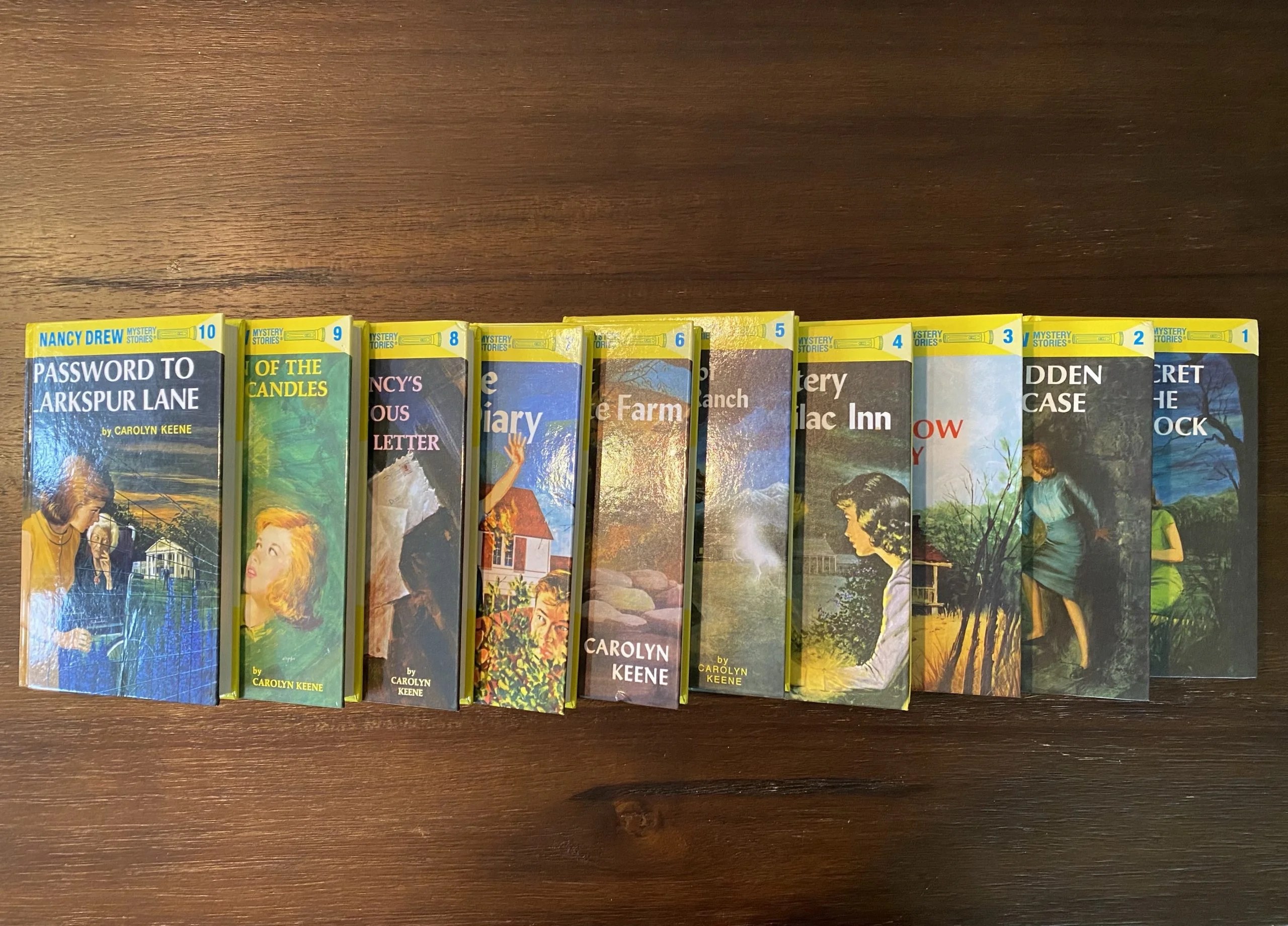
And now my list of 15 books I will be choosing from this summer. These books are a mix of mysteries, romances, thoughtful, fluffy, and all in between. And of course I’ll probably read more Nancy Drew than I have listed here. They’re fast reads.
Summer of Yes by Courtney Walsh
Between Sound and Sea by Amanda Cox
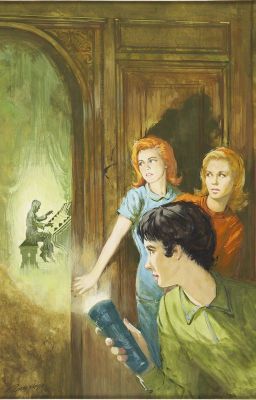
The Clue in the Diary by Carolyn Keene
Roll of Thunder Hear My Cry by Mildred D. Taylor
The Inimitable Jeeves by PG Woodhouse
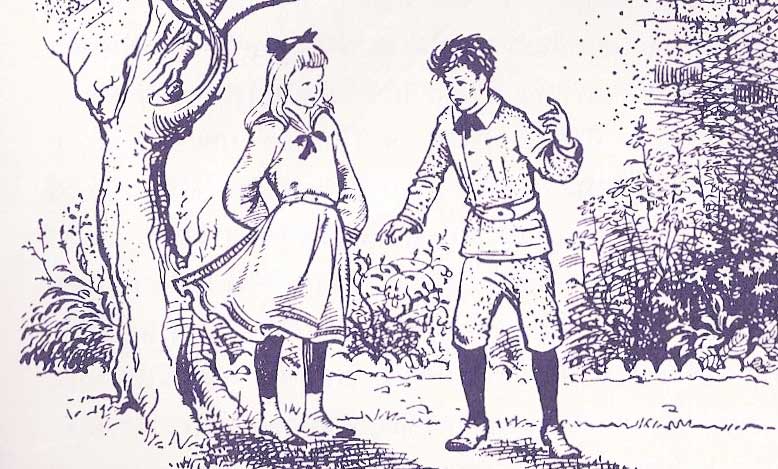
Prince Caspian by C.S. Lewis
Spill the Jackpot by Erle Stanley Gardner
‘Tis Herself by Maureen O’Hara
Death In A Budapest Butterfly by Julia Buckley
The 100-Year-Old Man Who Climbed Out a Window and Disappeared by Jonas Jonassen
But First Murder by Bee Littlefield
The Pale Horse by Agatha Christie
Britt-Marie was Here by Fredrik Backman
A Midnight Dance by Joanna Davidson
The Unlikely Yarn of The Dragon Lady by Sharon J. Mondragon
And bonus…my “take my time” read: Mansfield Park by Jane Austen
I am a mood reader so I will not be reading this list in order and if my mood dictates I have to choose off the list, I certainly will. Reading is a leisure activity for me, and applying too much structure takes the joy out of it for me, but making lists is also fun for me so…this is why I make a list.
Do you have a list of books you like to choose from for each season or do you just grab whatever you feel like reading next?
Title: Peg and Rose Solve A Murder (Senior Sleuths Mysteries)
Author: Laurien Berenson
Date published: August 2022
Pages: 288
Source: Libby/ebook (also available in paperback/hardback wherever books are sold and maybe at your library)
Genre: Cozy Mystery
Description: Rose Donovan looks for the good in everyone. With her sister-in-law, Peg, that sometimes requires a lot of searching. Even a sixty-something former nun like Rose has her limits, and gruff Peg Turnbull sure knows how to push them. But after forty years of bickering, they’re attempting to start over, partnering up to join the local bridge club.
Peg and Rose barely have a chance to celebrate their first win before one of the club’s most accomplished players is killed in his home. As the newest members, the sisters-in-law come under scrutiny and decide to start some digging of their own. Bridge is typically seen as a wholesome pastime, yet this group of senior citizens harbors a wealth of vices, including gambling, cheating, and adultery . . .
By comparison, Peg and Rose’s fractious relationship is starting to feel almost functional. But as their suspect list narrows, they’re unaware that their logic has a dangerous flaw. And they’ll have to hope that their teamwork holds steady when they’re confronted by a killer who’s through with playing games . .
What I liked:
I loved the relationship between Peg and Rose. We know right from the beginning there must be a reason the two don’t get along but is it just personality differences or something more? The layers of that onion are pulled away as we continue the book and as Peg and Rose find themselves tossed into the middle of a murder mystery.
I enjoyed learning about the two women and how different each of their personalities were and why. Peg is very sassy, outspoken and bold while Rose is more demure, soft spoken, and a bit innocent or naïve depending on the situation.
I felt that we learned a bit more about Peg than Rose in this book but that’s totally okay. There will probably be more of a focus on Rose in future books and there was a fair amount in this book as well.
I also really liked ….
That this book was clean. I know there is a lot of debate on what clean means but for me it means there was no graphic sex and no obscenities, or very minor ones. There were a few innuendos but they were fairly tame or they weren’t and I am just too big of a prude to have understood them.
Of note: It did take until the end of Chapter 11 to get to the mystery of this book, but since it was the first in the series I cut it some slack. Usually I hope for a mystery much earlier. Once this mystery occurred, though, the sleuthing took off full force and was fun to watch.
There were also some slow parts, for me anyhow, in the beginning involving Peg’s dog show judging.
I enjoyed learning about how much Peg loves poodles and judging dog shows but I really didn’t need the entire chapter about her showing her one dog. I didn’t need it, or feel the book needed it, but it was still enjoyable to see Peg at work.
Chapter 2 was literally one of the longest chapters I ever read in a book but the rest were much much shorter.
Content warnings:
There is discussion of loss in regards to a spouse and early pregnancy and there is some focus on grief from those losses. There is also mention of adultery.
Whose Body? was my first book by Dorothy Sayers, and I enjoyed it more than I thought I might when I first started it. Ironically, the book was also Dorothy’s debut book, written in 1923.
As I got into the book there were some references to ethnicities that I thought were a bit inappropriate but when I found out that Sayers wrote this series, featuring Sir Peter Whimsy, with satire in mind, I hoped that the references were meant to show the incorrect attitudes of the characters and not show what Sayers really thought about Jews.
One article I read said that her goal was to poke some fun at the upper crust and their attitudes about Jewish people but other articles disagreed. Some literary critics said they weren’t really sure what Sayers thought about Jews but that she did perpetuate quite a few stereotypes while also appearing to paint Jews in a positive light.
Before we get into all that, though, let’s talk a bit about the plot of the book.
Lord Wimsey is a nobleman who has developed an interest in solving murders and mysteries as a hobby. At first, he seems rather stuck up and proper, but as the book continues, there is much more to Peter Wimsey than meets the eye.
Thipps is an architect who finds a body in his bathtub wearing nothing but a pair of glasses. He looks to Lord Wimsey to help him solve this murder before he contacts the police.
Wimsey agrees to privately investigate the matter but still suggests the police be called. An Inspector Sugg shows up and believes the body may belong to famous financier Sir Reuben Levy, who disappeared under mysterious circumstances the night before.
His disappearance is being led by Inspector Charles Parker, who Wimsey knows.
The body in the bath does somewhat resemble Reuben, but not exactly and soon it’s clear the body isn’t his and the two cases probably are not connected. Despite the lack of connection, Wimsey joins Parker in his investigation.
Wimsey’s connections to other wealthy people will help Parker in his investigation, he decides. Together with Wimsey’s manservant Mervyn Bunter, who he just calls Bunter, the three work to find the identity of the one man and to find out if Reuben was, in fact, murdered.
Like any mystery with a lighter flair there are red herrings and complex twists and turns aimed at confusing the reader and delaying the revelation of the true killer
Eventually Wimsey and Parker visit a teaching hospital near Thipps’s flat to see if one of the students had been trying to play a practical joke on Thipps.
Evidence later given at an inquest by Sir Julian Freke, who runs the teaching college, reveals that no bodies were missing from his dissecting room, which leads Wimsey to believe he is on the wrong trail.
I enjoyed the twists and turns of this one and I especially enjoyed Wimsey’s tricks, verbal sparrings with suspects, and how he seemed to mock his own class throughout much of the book.
His character was created by Sayers during a time when she was low on money and prospects. She’d also had a few failed love affairs, according to historians.
Of her creation of Wimsey, Sayers said, “Lord Peter’s large income… I deliberately gave him… After all it cost me nothing and at the time I was particularly hard up and it gave me pleasure to spend his fortune for him. When I was dissatisfied with my single unfurnished room I took a luxurious flat for him in Piccadilly. When my cheap rug got a hole in it, I ordered him an Aubusson carpet. When I had no money to pay my bus fare I presented him with a Daimler double-six, upholstered in a style of sober magnificence, and when I felt dull I let him drive it. I can heartily recommend this inexpensive way of furnishing to all who are discontented with their incomes. It relieves the mind and does no harm to anybody.”.
In their 1989 review of crime novels, the US writers Barzun and Taylor called the book “a stunning first novel that disclosed the advent of a new star in the firmament, and one of the first magnitude. The episode of the bum in the bathtub, the character (and the name) of Sir Julian Freke, the detection, and the possibilities in Peter Wimsey are so many signs of genius about to erupt. Peter alone suffers from fatuousness overdone, a period fault that Sayers soon blotted out”
Going back to the antisemitism that seems to be in this book — and from what I read, other Sayers books: this was prevalent in books written by British crime writers, especially those who came from upper class families. There was a deep-seeded distrust and dislike of Jews among the rich of Britain. We can see this most clearly in Agatha Christie’s novels where, to me, it is clear she wasn’t a big fan of Jewish people and often made them the villains of her novels.
Sayres views of Jews are complex, muddled and confusing, wrote Amy Schwartz of Moment Magazine. Sayers was once in an affair with a Jewish man who broke her heart and worked with many. She didn’t shy away from writing characters who married and had children with Jews, even if they weren’t.
She still used many stereotypes, including that they were greedy, or at least good with money, but did she feel that way about Jews herself? There is a ton of evidence that suggests she didn’t and as one commentor on Schwartz’s article writes: “Isn’t it possible that writers reflect in their fiction the world that they observe, rather than create themselves over and over again? The character is not the author.”
In other words, it is very possible that Sayers was writing the characters and how they thought and believed, not saying she believed the same things.
Despite not being sure what Sayers thought of Jews and being a bit uncomfortable with the comments of some characters about them, I did enjoy the book and Sayers writing style. I enjoyed that she writes more descriptively than Christie and therefore helps the reader feel closer to the characters and more involved with the story.
The complexity of this story was just enough to keep me puzzled until very close to the end and even when I knew who the guilty party was, I thoroughly enjoyed Wimsey’s verbal banter with the “villain.”
Have you ever read this book or any of Sayers books?
*Note: If I review Sayers books in the future, I don’t plan to comment on her views of Jews every time. Many writers portrayed people of various minorities in a negative light throughout the years. It doesn’t make it right, but it happened often. Sometimes the writers believed those things about the minorities but sometimes they were showing the true feelings of the characters they were writing for the sake of the story. It’s impossible to determine what a writer’s actual intentions were in most cases. I hate to throw out entire books simply because I don’t know the actual heart and mind of the authors since they are all dead now. Instead, I will try to focus on the stories as a whole.
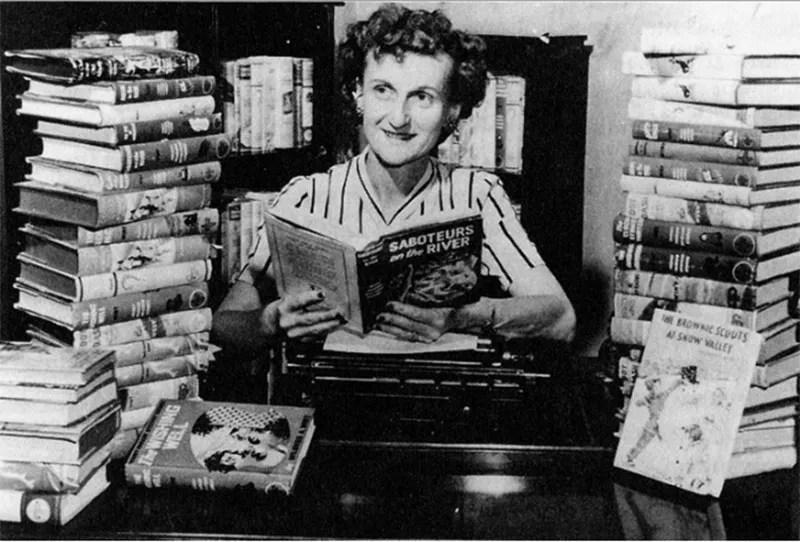
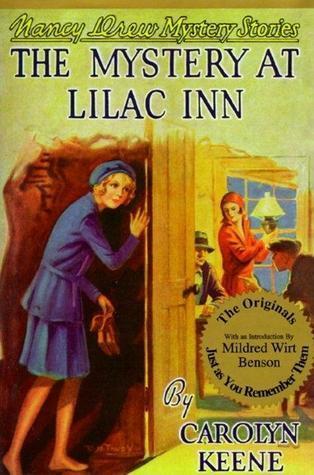
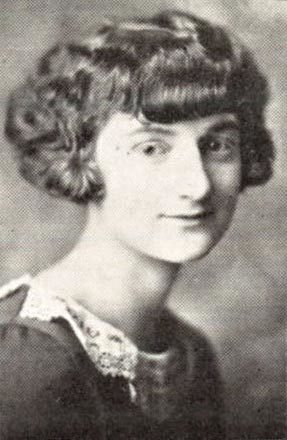
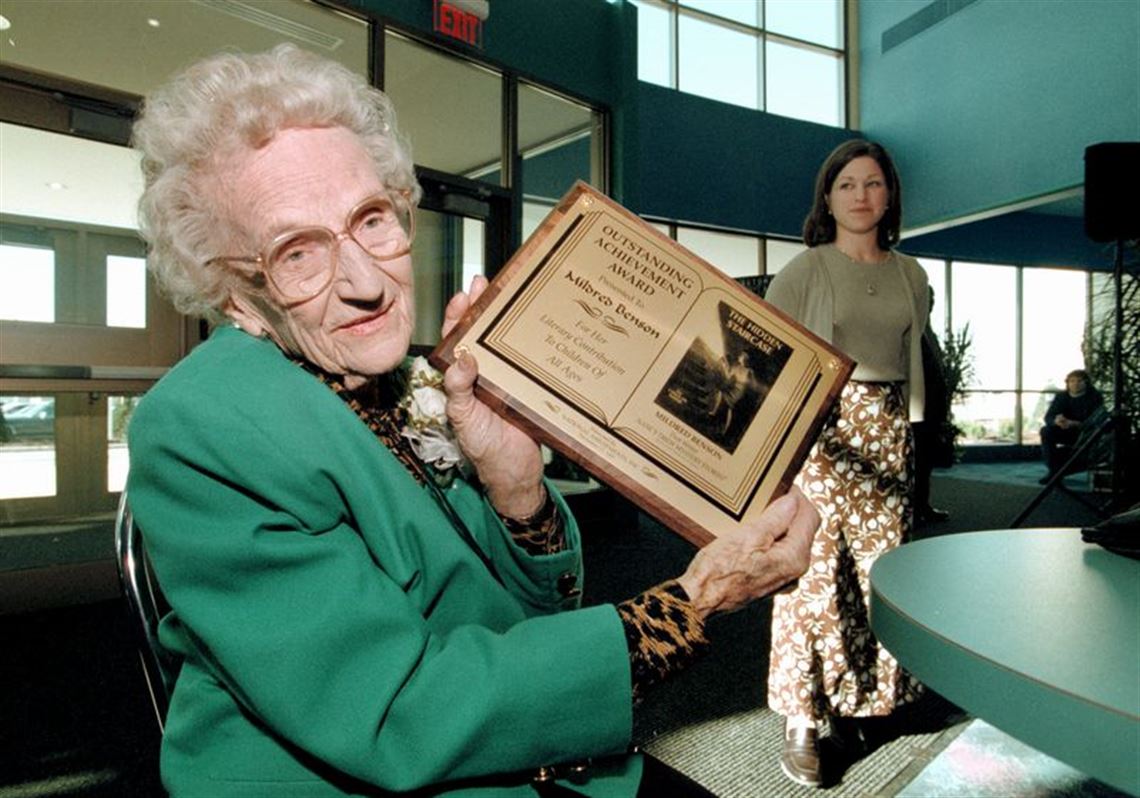
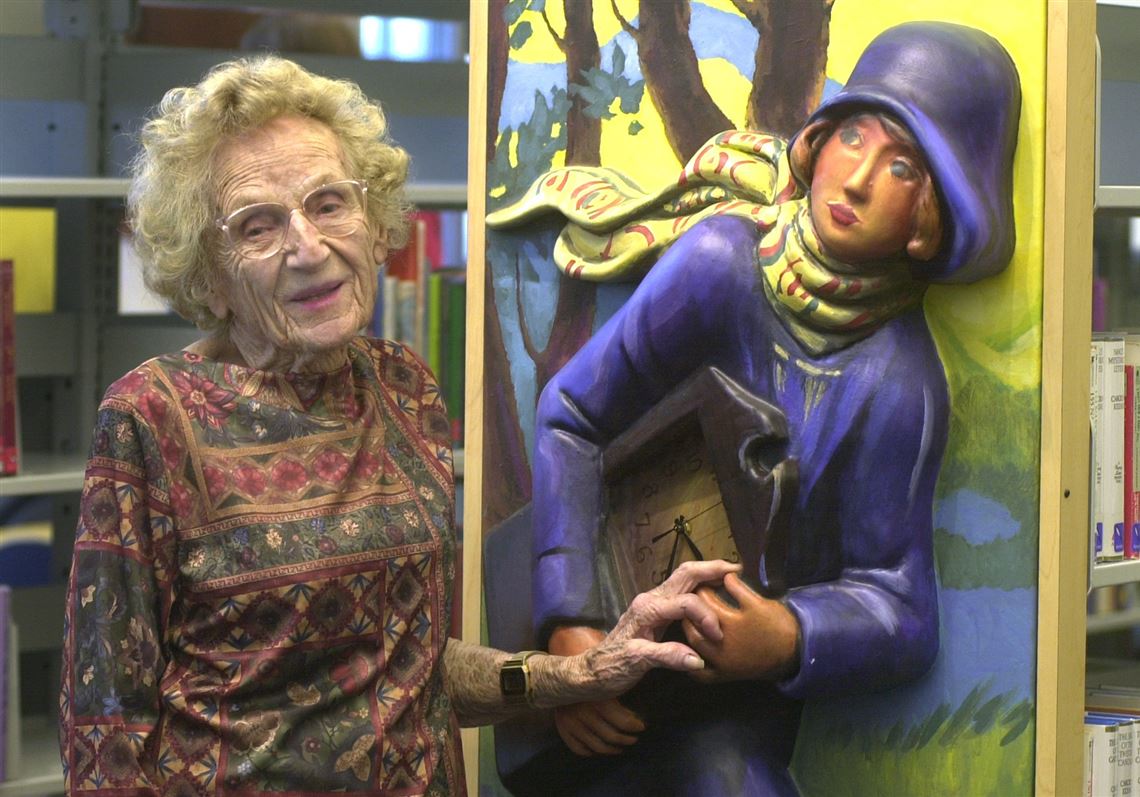
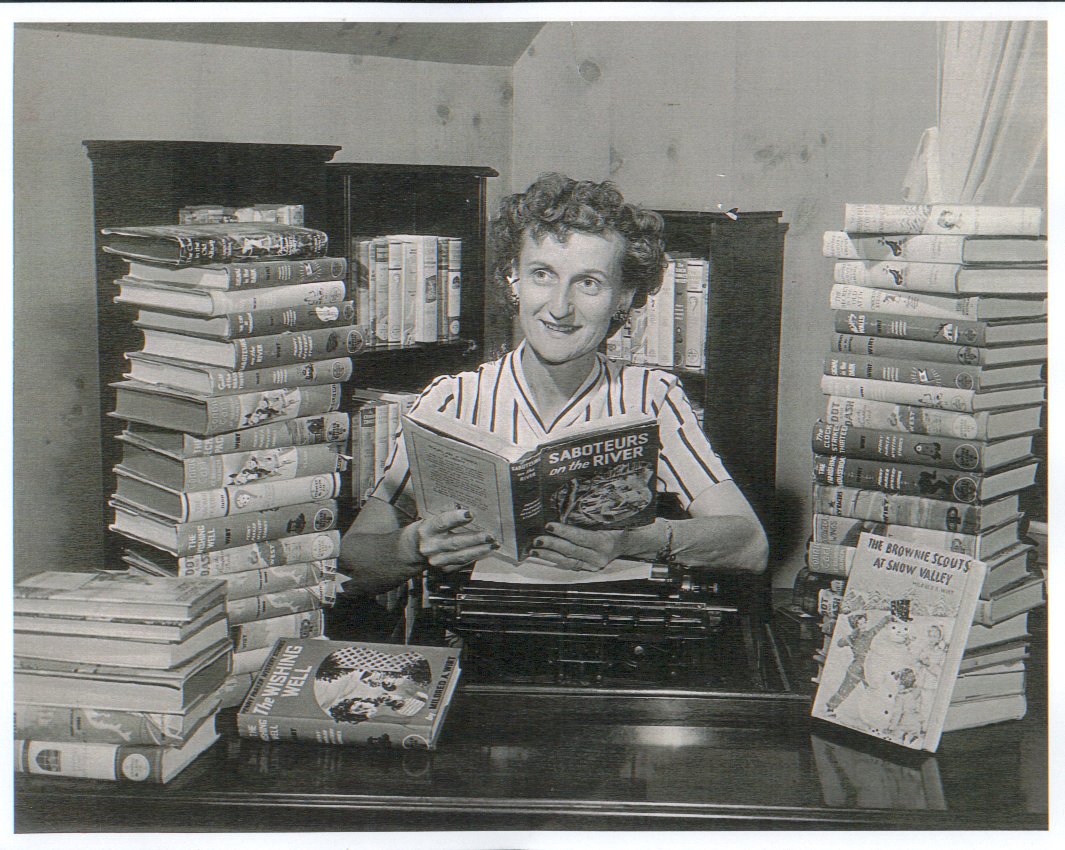
Mildred, or as many called her, Millie, wasn’t an amateur detective, but she was the co-creator of one of the most famous teen amateur sleuths in the United States — Nancy Drew.
For 50 years very few people knew that Millie helped create Nancy Drew.
Until 1980, many readers of Nancy Drew didn’t know that Carolyn Keene, the woman listed as the author of the Nancy Drew books, wasn’t actually a real person. She was a pseudonym for some 28 authors, men and women, who create and wrote the stories for the series.
It was a lawsuit between Grosset & Dunlap, the original publisher of the Nancy Drew books and the Stratemeyer Syndicate, the owner/creators of the stories, that brought Millie into the spotlight.
Really, though, Millie had been somewhat in the spotlight before that. She’d written some 130 books in children’s series under her own name from the 30s to the 50s and was an accomplished journalist and world traveler.
What she hadn’t really talked about a lot was her involvement with the Nancy Drew Mystery series.
She’d signed agreements saying she wouldn’t talk about how she’d written 23 of the first 30 Nancy Drew books. She’d written the books with the direction and input of Edward Stratemeyer, founder of the Stratemeyer Syndicate and the brains behind many juvenile series, including multi-million selling series like Nancy Drew, The Hardy Boys, The Bobbsey Twins, Tom Swift, and Rover Boys.
Millie was born Mildred Augustine in 1905 in Iowa, the daughter of a well-known doctor. She wasn’t treated like other girls at the time who were expected to learn how to sew and keep the house.
Instead, Millie was given freedom to explore her own interests and passions. One of those passions was sports. She felt women should have the same opportunities as men to participate and compete in sports she said in an interview with WTGE Public Media in the mid-1990s
“Girls were discouraged from all sorts of athletics,” Millie said. “And I fought that tooth and nail right from the start because I felt that girls should be able to do the same things that boys did.”
While Millie enjoyed sports, such as swimming and diving, she also loved to write, something her mother encouraged her to continue.
Her father, however, said if she wanted to make money, she should do something else and she admits that he was probably right.
She began selling her stories to church papers, but they only paid a few dollars.
She finally sold a story for a whole $2.50.
“That made me a writer,” Millie said in the interview, while laughing. “So, from then on, I was hooked.”
She attended the University of Iowa after school, majoring in journalism and working on the school newspaper. She also worked with George Gallup, the creator of the Gallup Poll.
After graduating, she landed a job at a newspaper, but at the age of 22, she wanted to see what else she could do and traveled to New York City to look for work.
It was there she wrote to Edward Stratemeyer looking for work. Stratemeyer was releasing a book series for juveniles. They were assembly-line type books where he wrote a paragraph detailing what he wanted in the book, including character names and plots. He would send the information he wanted out to writers he knew, and those writers would write the books under the pen name that Stratemeyer controlled and retained the rights to. The writers signed away their rights to credit for the books to Stratemeyer.
While Stratemeyer didn’t have anything for Millie at the time she contacted him, he reached out to her later and asked if she would write a book for the floundering Ruth Fielding series. She did and from there she began to write books for other series for the company. In the midst of all this she also married Asa Wirt in 1928 while attending graduate school.
Millie was reliable, dependable, and a good writer. When Stratemeyer thought about his Hardy Boys series and how young boys liked the boy detectives and then began to wonder if girls would like a girl detective, he turned to Millie.
Stratemeyer had the basic idea of Nancy Drew, but many literary historians and Nancy Drew fans say it is Millie who flushed her out and made her who she became. Millie created a version of Nancy that Stratemeyer’s daughter, Harriet Stratemeyer Adams, later toned down and changed.
Millie’s version of Nancy was a lot like Millie. She was athletic, adventurous, bold and brash, and never backed down from a challenge. Harriet’s version made her a bit more “perfect” — a rule follower who was polite but still adventurous and who little girls could look up to.
Nancy was what so many girls in the 1930s weren’t allowed to be.
Young girls could live vicariously through her.
Stratemeyer passed away 12 days after the first Nancy Drew book was released. His daughters took over the business after they couldn’t sell it in the difficult economy. Eventually Harriet began taking more control of the Nancy Drew series. Other ghostwriters were working on the series in addition to Millie, who wrote 23 of the first 30 books in the series. In the 1950s Harriet began to rewrite Millie’s original books, changing Nancy’s character, updating some of the material, and, in many ways, stripping away the personality of Nancy that Millie had created.
Millie was working on her own books at that time and had dealt with the illness and death of her first husband and then being a single mother. It was disappointing to see the changes being made but she had other irons in the fire.
In the early 1950s, she was working for the Toledo Times, remarried to the editor of the paper, and being a mother to Margaret Wirt.
She was also writing a character she felt was even more Nancy Drew than Nancy Drew — Penny Parker in the Penny Parker Mysteries.
Penny didn’t see as much success as Nancy, but she didn’t have the mammoth marketing effort that Nancy had, says Millie.
In 1959 Millie was widowed again and afterward she began to live a life a bit more like Nancy Drew — international travel, adventures, independence, learning more about archaeology and even taking flying lessons and eventually earning several flying lessons.
It wasn’t until 1980 when Harriet decided to move the printing of Stratemeyer books from Grosset & Dunlap to Simon and Schuster that more of the public learned about Millie’s role in creating Nancy.
She told WTGE that she could have pushed for her to get credit for the books she’d written. She could have gotten a lawyer and demanded more of the royalties.
She simply didn’t have the desire to put up a fight, though, she said.
“I wrote because I liked to write and I wanted to produce books that girls would enjoy,” Millie said. “And so I didn’t care too much but it got to be … my friends knew I wrote the books and that was sufficient for me. Eventually though it got to be that Mrs. Adams put out publicity to the fact that she was the author and people were reading that.”
One person who was reading all those stories was Millie’s daughter, who asked her own mother if she’d been lying all those years about writing the Nancy Drew books.
Millie hadn’t shared her role in the books with many but when her own daughter started to doubt her, she began to be more open about sharing her role in the creation of the character.
“I thought if my own daughter doubts my integrity, then it’s time I let the truth be known so when people asked me, I stuck my neck out and I told them the truth, which was that I wrote the books.”
Millie was subpoenaed by Grosset & Dunlap during the 1980 when the publisher sued the Stratemeyer Syndicate to keep them from publishing Nancy Drew with anyone else.
They wanted to prove that Harriet Adams didn’t have the right to say who could and could not publish past Nancy Drew books because she had not actually written them. As part of the case, the records that showed Millie had helped developed the series were also subpoenaed.
The truth was finally out there. Millie was the original Carolyn Keene.
Harriet, however, continued to claim she’d written the books right up until her death in 1982 and because the court records were sealed for years, it wasn’t until 1993 when the University of Iowa held a Nancy Drew conference, that Millie really became known as Carolyn Keene.
The conference at the university attracted the attention of literary scholars, collectors, and fans who wanted to know more about the original author and Millie was the main speaker.
Millie, incidentally, was the first woman to earn a master’s degree in journalism from the University of Iowa in 1927.
More fame than Millie imagined hit her after the conference. In some ways, life continued as normal despite the extra attention. She continued to write news and feature stories and her column for the Toledo newspaper. Nancy fans began to contact her, though, asking about her role and for autographs. She was also inducted into the Ohio and then the Iowa Women’s Hall of Fame and her typewriter was enshrined at the Smithsonian.
Millie worked first at the Toledo Times, now defunct, and then at the Toledo Blade right up until the day she died, literally. She was writing her column for the paper, at the age of 96, in the Blade office, when she became ill and was taken to the hospital, where she later passed away.
In the article about her death, the Blade wrote about how her writing impacted young girls and women.
“Her books, Nancy Drew buffs have said, allowed teenage girls and young women to imagine that all things might be possible at a time when females struggled mightily for any sense of equality.”
“Millie’s innovation was to write a teenage character who insisted upon being taken seriously and who by asserting her dignity and autonomy made her the equal of any adult. That allowed little girls to dream what they could be like if they had that much power,” said Ilana Nash, a Nancy Drew authority and doctoral student at Bowling Green State University.
The article continues: “Going to work was a way of life for me and I had no other,” she wrote in a December column upon her pending retirement.
In the column, she explained that her legendary work ethic related to being hired by The Times in her third try during World War II.
“I was told after [the war] ended there would be layoffs, and I would be the first one to go. I took the warning seriously and for years I worked with a shadow over my head, never knowing when the last week would come,” she wrote.
Millie’s column was called, “On the Go With Millie Benson.”
Millie was described in the article about her death as fiercely independent and “always willing to go after a story she was assigned or had set her sights on.”
She almost never took a day off. In fact, the day after she was diagnosed with lung cancer in June, 1997, she was back at her desk working on her next column saying her desk was where she needed to be.
Millie once said in an interview that she never looked back on the books she’d written, “Because the minute I do I’m going into the past, and I never dwell on the past. I think about what I’m doing today and what I’m going to do tomorrow.”
I have had the opportunity to read a couple of books written by Millie, before Harriet got to them, and I have to say I did enjoy them. I didn’t know at the time that other books had been revised, and I had an original copy of Millie’s work, but when I found out, I could see the difference between Millie’s writing and other ghost writers/Harriet.
I am going to be purchasing a couple of books from Millie’s Penny Parker series to see what that series was like as well.
As president of the Nancy Drew Fan Club, Jennifer Fisher is considered a Nancy Drew and Mildred Benson expert. She operates the website nancydrewsleuth.com and donated her Nancy Drew collection several years ago to the Toledo library and now curates items to be added to the collection.
She is currently looking for information on Millie, from letters to manuscripts, to any memorabilia of hers that someone might have.
On her site Jennifer details the life of Millie and talks about the impact her books (130 of them all together, including the Nancy Drew books) made for young women.
Jennifer wrote about Millie in a special section on the site, including detailing the trial where Millie spoke about the conflict that eventually arose between her and Harriet Adams.
“On the stand when shown letters between herself and Harriet regarding criticisms and difficulties, she recalled that this was “a beginning conflict in what is Nancy. My Nancy would not be Mrs. Adams’ Nancy. Mrs. Adams was an entirely different person; she was more cultured and more refined. I was probably a rough and tumble newspaper person who had to earn a living, and I was out in the world. That was my type of Nancy.”
And it is that type of Nancy, and that type of woman, who so many women over the years have been drawn to despite the changes. Even with the changes later made to the books, the heart of Nancy, created by Millie, always remained.
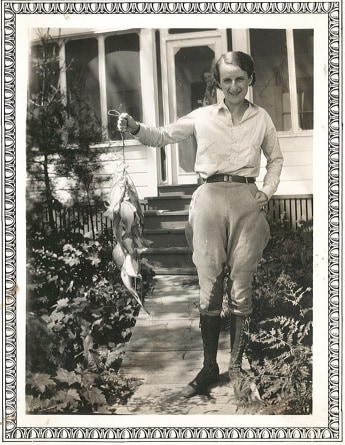
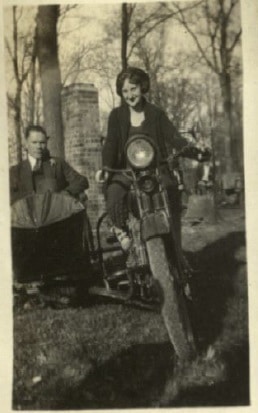
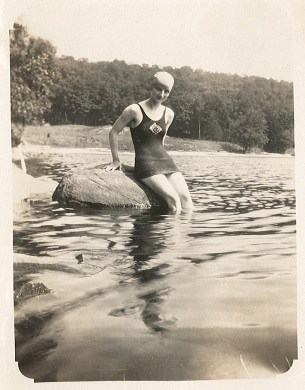
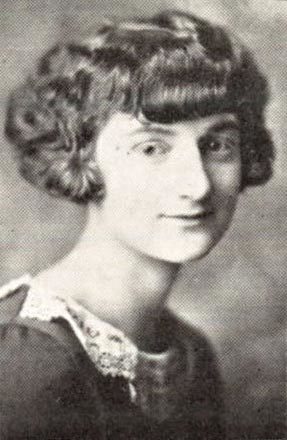
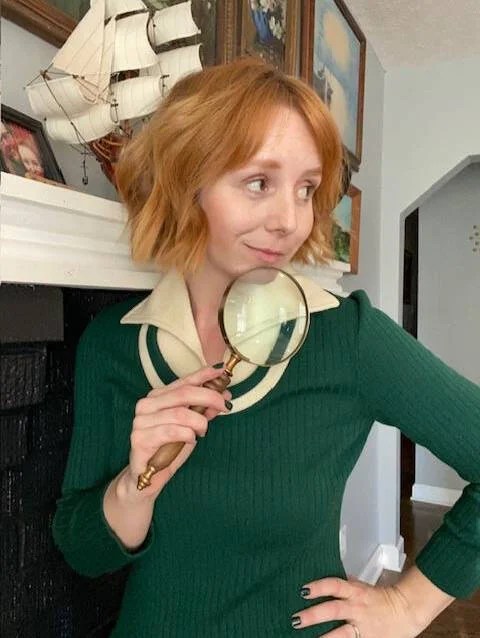
She’s looking pretty good for someone her age, isn’t she?
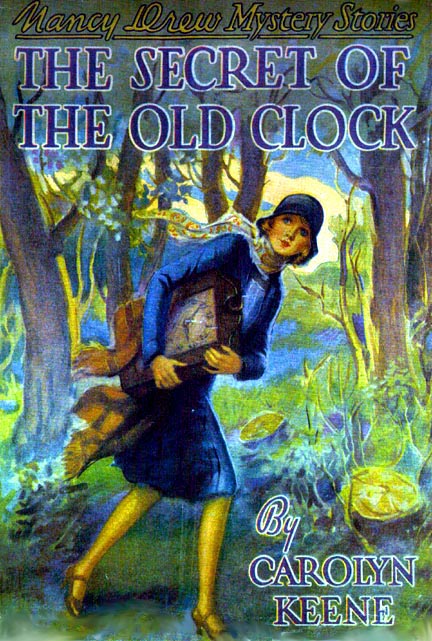
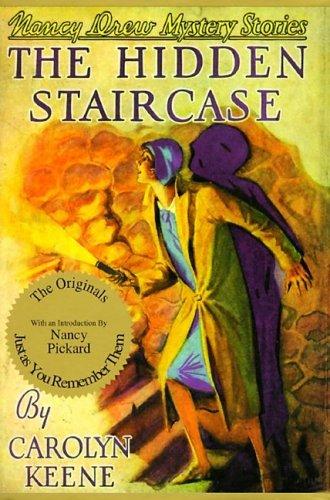
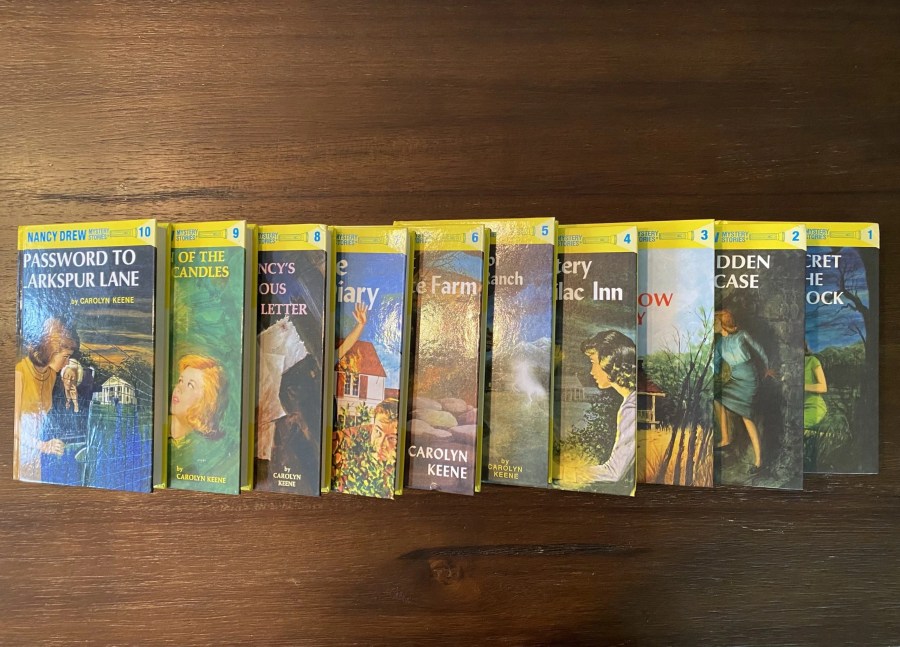
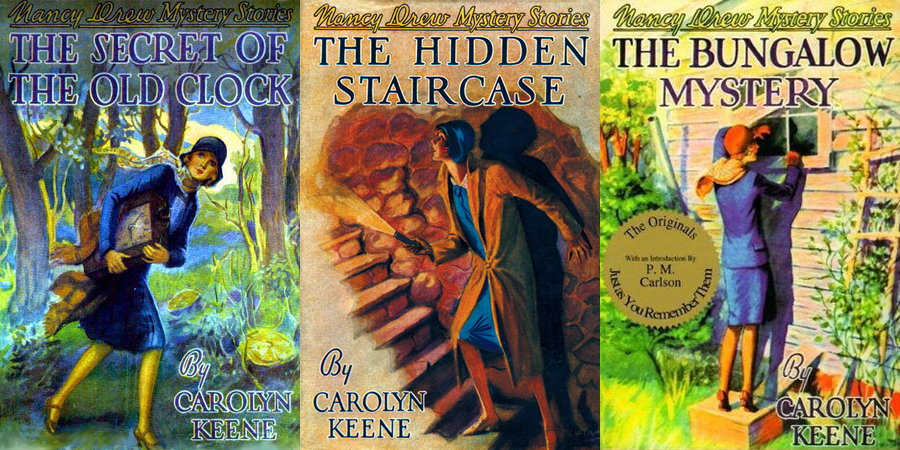
The first Nancy Drew book, The Secret of the Old Clock, was released on April 28, 1930. Two more books, The Hidden Staircase and The Bungalow Mystery. Since then, there have been millions of books published, TV shows and movies produced, spin-off series launched, and culture impacted.
Who would have imagined that children’s stories about a teenage girl sleuth would launch a worldwide phenomenon? I doubt even Nancy’s creator Edward Stratemeyer would have imagined it.
The concept for Nancy Drew was created in the 1920s by Stratemeyer who also created the idea of The Hardy Boys. Well, if it wasn’t Stratemeyer alone who created her, it was a combination of him and those who worked with him at The Stratemeyer Syndicate.
The Syndicate was Stratemeyer’s brainchild, created after he’d already found success writing stories for children, starting when he was a child himself.
According to a 2018 article in The New Yorker, Stratemeyer was born in 1862 in New Jersey. He was the youngest of six children. As a child he spent a lot of time reading the popular rags-to-riches tales of Horatio Alger and William T. Adams (a.k.a. Oliver Optic). In his teens he bought his own printing press and created his own stories. At the age of 26 he sold his first story, “Victor Horton’s Idea” to Golden Days, a popular boys magazine at the time. He was paid $75 for the story and his father, who previously had seen his writing as a waste of time, suggested he write more.
He did write more, under a variety of pen names. Then he became an editor at Good News, another child magazine. Eventually he became a ghost writer for various children’s book authors, wrote many of his own, and turned out ideas for other authors to create characters. Many said he wasn’t a great writer, but he was great at ideas.
As his ideas began to sell books, he decided to form a syndicate or a publishing company which would produce books in an assembly line style. By 1910 his syndicate was producing ten or more juvenile titles with about a dozen different writers. By 1920 tens of millions of books produced by the Stratemeyer Syndicate were circulating with surveys showing that in 1926, ninety-eight percent of children listed at least one Stratemeyer produced book as their favorite.
According to the article in The New Yorker, this is how it worked:
“Stratemeyer would come up with a three-page plot for each book, describing locale, characters, time frame, and a basic story outline. He mailed this to a writer, who, for a fee ranging from fifty dollars to two hundred and fifty dollars, would write the thing up and—slam-bang!—send it back within a month. Stratemeyer checked the manuscripts for discrepancies, made sure that each book had exactly fifty jokes, and cut or expanded as needed. (Each series had a uniform length; the standard was twenty-five chapters.) He replaced the verb “said” with “exclaimed,” “cried,” “chorused,” and so forth, and made sure that cliffhangers punctuated the end of each chapter—usually framed as a question or an exclamation. Each series was published under a pseudonym that Stratemeyer owned. As Fortune later noted, it was good business for children to become attached to a name, but it would be bad business for that name to leave the syndicate with the ghostwriter.”
And this, eventually, would be where the name Carolyn Keene, the “author” of Nancy Drew came from. In reality, there was no Carolyn Keene. There were only a large number of writers who wrote the books the way Edward Stratemeyer, and later his daughter, Harriet, wanted, just like they had all the other titles and series.
Series produced by the Stratemeyer Syndicate included Tom Swift, Bobbsey Twins, Rover Boys, Hardy Boys, Nancy Drew Mysteries, Motor Boys and some 50 others.
Nancy Drew’s first book came out April 28, 1930. Twelve days later, Edward Stratemeyer, who had already published millions of books was dead of pneumonia at the age of 67.
His two daughters were left with the question of what to do with the company. Should they continue it? Sell it?
Eventually, the daughters would take over the business, but Harriet would become the driving force behind the company, including helping to make Nancy Drew a worldwide phenomenon.
Grossett and Dunlap produced the books produced by Stratemeyer and they greenlighted the Nancy Drew series after receiving this memo from him:
“These suggestions are for a new series for girls verging on novels. 224 pages, to retail at fifty cents. I have called this line the “Stella Strong Stories,” but they might also be called “Diana Drew Stories,” “Diana Dare Stories,” “Nan Nelson Stories,” “Nan Drew Stories” or “Helen Hale Stories.” […] Stella Strong, a girl of sixteen, is the daughter of a District Attorney of many years standing. He is a widower and often talks over his affairs with Stella and the girl was present during many interviews her father had with noted detectives and at the solving of many intricate mysteries. Then, quite unexpectedly, Stella plunged into some mysteries of her own and found herself wound up in a series of exciting situations. An up-to-date American girl at her best, bright, clever, resourceful and full of energy.”
One of the first writers of the series was Mildred Wirt Benson (just Mildred Wirt when she wrote the series). In fact, Stratemeyer had her in mind when he conceptualized the series.
She wrote twenty-three out of the first thirty books in the Nancy Drew series.
This would become a source of controversy in 1980 when Harriet tried to claim she had written all of the Nancy Drew books herself under the Carolyn Keene pseudonym. A court case involving Grosset & Dunlap and Simon & Schuster about who owned the rights to produce Nancy Drew books drew Mildred out of the woodwork and made Harriet admit she’d helped to write the books, and at one point rewrite them, but she was not the primary writer for most of the books.
When Harriet rewrote the Nancy Drew books in the 1950s she changed the sleuth’s personality from Benson’s original vision of her being more spunky and assertive than Benson had made her.
Mildred had been working for the Syndicate since 1926 when she had answered an ad at the age of 21. The ad had stated that the publishing house was looking for young writers who could come up with new ideas for juvenile books.
She wrote for other Stratemeyer series, but it was Nancy that would become the breakout success. Not that Mildred told a lot of people about her role in the books, partially because she was not supposed to as part of her agreement with the syndicate, who she worked with the syndicate until the early 1950s when management changes changed her role.
Mildred wrote the first Nancy Drew book at the age of 24.
In an interview with WTGE Public Media in Toledo, Ohio, the city where Mildred eventually settled down, she said she didn’t know when she was writing those first books that Nancy would become as big as she did.
“In fact, I don’t think anyone ever anticipated the success such as Nancy Drew has had,” she said. “But I did know that I was creating something that was an unusual book. I knew from the way I felt as I wrote that I was writing something that would be popular.”
While Harriet took the opportunity in 1973, after her sister’s death, to claim she helped her father create Nancy Drew, the 1980 court case blew that out of the water and Benson was subsequently credited with helping to create Nancy. Harriet was, however, a contributor to changes to the books Mildred wrote (taming Nancy Drew down readers say) and the promotion of them, as well as helping ghost writers write later editions.
Later Benson would name the second book in the original series, The Hidden Staircase, as her favorite book to write. Over the years she agreed to sign Nancy Drew books, but only those she had actually written.
Other titles Benson worked on for the syndicate included Kay Tracey and Dana Girls mysteries. After leaving the syndicate she wrote the Penny Park mystery series, which was about the daughter of a newspaper editor who was trying to become a newspaper reporter herself. She called Penny the favorite character she’d ever created, even over Nancy Drew, because she considered Penny “a better Nancy Drew than Nancy is.”
In 1944 Benson began writing for the Toledo Blade and continued to work there for 58 years, focusing mainly on journalism for the rest of her life. It’s why the Toledo Public Library held a Nancy Drew Convention on Friday to celebrate her 95 years.
Benson was a true Nancy Drew and you can read more about her in my separate post here.
Though Nancy Drew was written during the Great Depression, her books didn’t focus on the struggles of everyday citizens. Instead, Nancy was jetting off on trips, driving nice cars, taking flying lessons, learning new skills, being bold. She loved fashion but she also wasn’t afraid of getting her hands dirty.
She could wear pearls and a dress one evening and wear jeans and sneakers the next.
Nancy Drew books never focused on the macabre. Very few books discussed murders. There was very little description of violence. There was absolutely no sex show or even discussed. Nancy had a boyfriend (Ned Nickerson) but they didn’t even kiss.
In other words, Nancy didn’t drink, didn’t smoke, and didn’t go out with boys who did.
Nancy’s image was very important to Harriet, who wanted Nancy to be someone young women could look up to and strive to be like.
Cara Strickland wrote in a 2018 article for JTSOR Daily, that Nancy’s books were “intended to be safe for children, but also functioned as an escape from the heavy realities of their cultural moment.”
The mysteries in a Nancy Drew book were simple, yet also featured complex elements, such as red herrings and miscommunications.
They were fast-moving, full of minimal descriptions, and void of deep exchanges among the characters. They didn’t make you think much beyond what mystery was unfolding and how it was being solved.
The goal of the books wasn’t to address current events or push agendas. Their goal was simply to show the book’s heroes prevailing over evil and setting the world right again.
Young readers loved this, and now, many adults do as well.
The lack of mention of current events also made sure the books remained timeless.
Yes, the books, especially the earlier ones, are certainly dated. There are aspects that some in today’s world might see as culturally insensitive, old-fashioned, or out of touch.
They still, however, show us a young woman who is brave, curious, driven, and determined to solve mysteries to help other people.
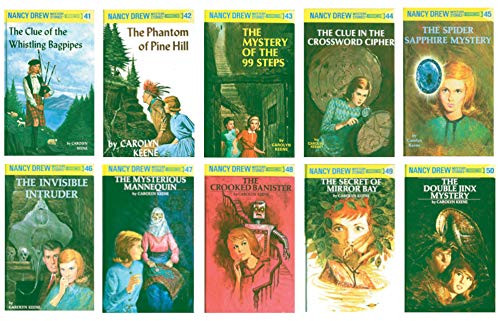
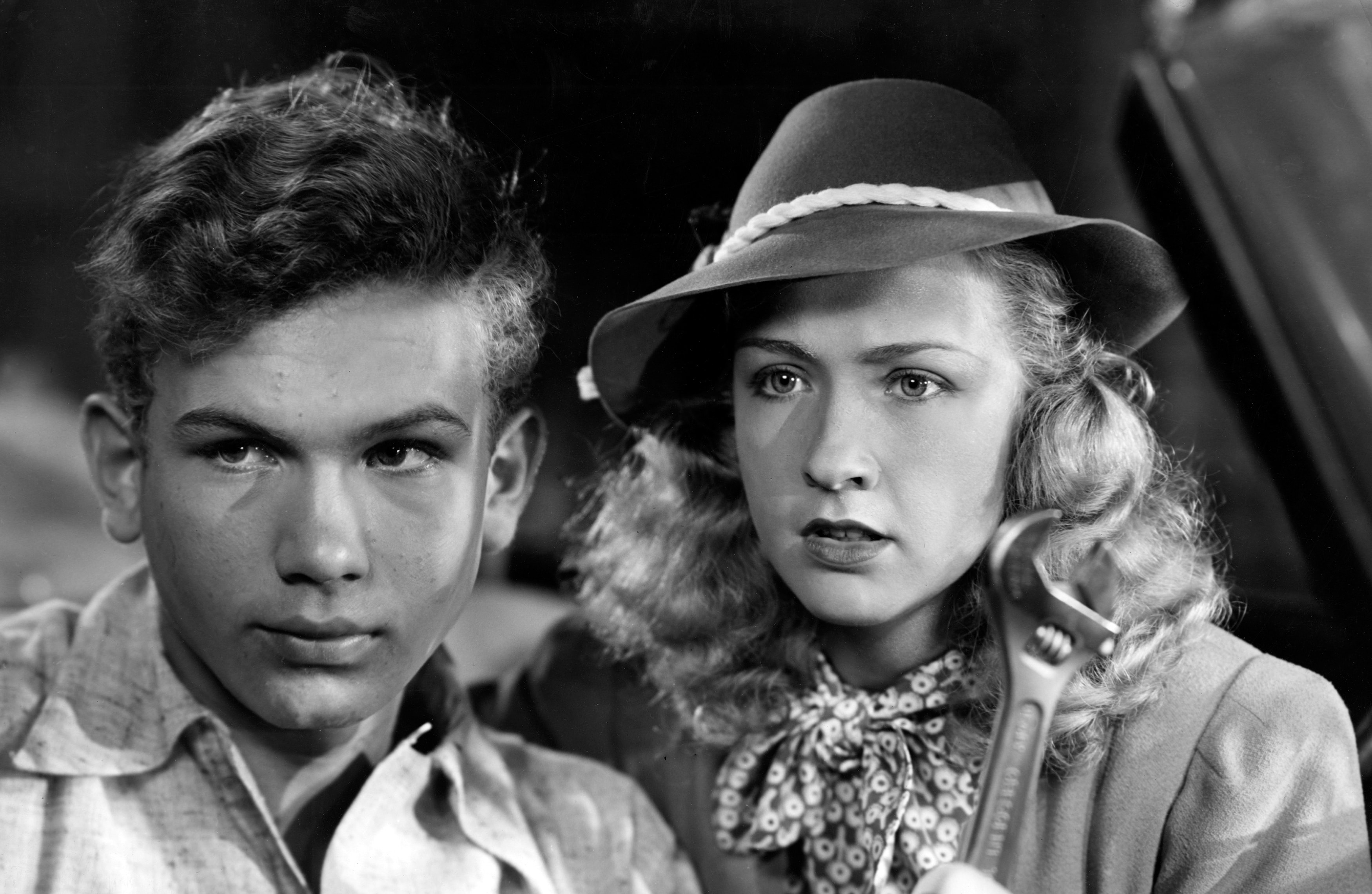
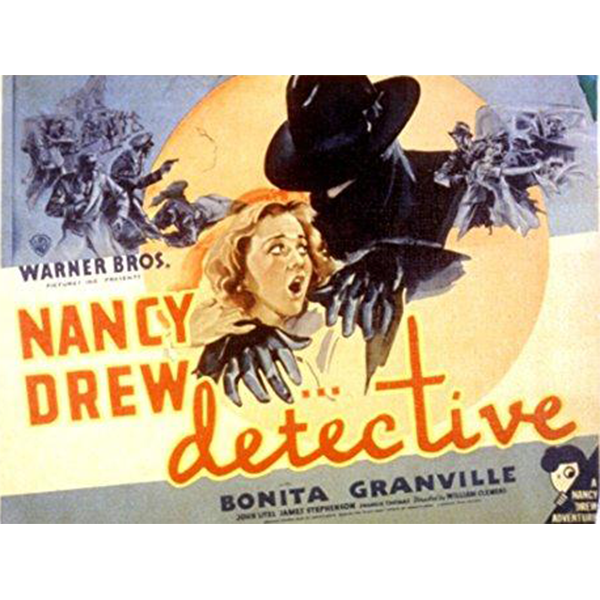
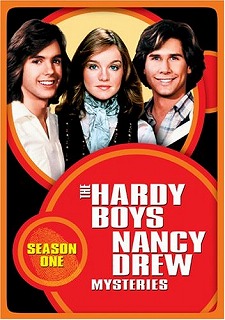
From that first book in 1930 came 600 different titles, including spinoffs and updates. Later came movies (the first appearing in 1938), TV Shows, video games, comic books, podcasts, and, of course, merchandise of all kinds (lunch boxes, t-shirts, bookmarks, socks, etc. etc.).
Nancy Drew was originally published by Grosset & Dunlap, but during the lawsuit filed in 1980, as mentioned above, Simon & Schuster won the rights to publish Nancy Drew books after the first 56 because in 1979, the Syndicate had switched to Simon & Schuster. Grosset & Dunlap retained the publishing rights to the first 56 books and eventually Simon & Schuster purchased the Stratemeyer Syndicate in 1984.
The Nancy Drew Mysteries (original series) ran from 1930 to 2003 and produced 175 different titles. Nancy Drew Girl Detective ran from 2004 to 2012. The Nancy Drew Diaries started in 2013 and continue through today. Many fans of the original, more sanitized versions of Nancy, haven’t appreciated the more modernized version of Nancy. So much so that some of the series were discontinued.
The original Nancy Drew series, without the more modern social aspects the more modern series might have, remains the perfect escape from a world growing increasingly chaotic and frightening. Now, though, it isn’t only younger readers craving that escape. People, mainly women, of all ages, are losing themselves in Nancy Drew mystery books. Whether they are revisiting them from when they were young girls or finding them for the first time, they are filling a void that other books can’t for them.
“I guess I would say that I’m a fan of the Nancy Drew book series because it is a comfort to me,” Avery wrote to me this weekend. “Reading the books now as an adult instantly transports me back to a simpler time, when I was a girl, and Nancy was a constant companion to me, whether at school, on a road trip, or just laying on a blanket in the backyard on a sunny day and reading one of her mysteries. Nancy Drew showed me from a young age that women can be capable, skilled and smart. She modeled all of the best qualities: how to be a good friend, a good daughter and a good detective! And it always struck me as really cool that my mother and grandmother, who got me into the series, read the books before I did and it was something we could share and talk about together.”
On her website, Avery shares: “In Nancy, I saw a young woman who was not only capable, smart and resourceful when she solved mysteries, but a character that shared my strawberry blonde or “titian” hair color. Back in April 2023, my dad and I happened to go to an estate sale where I bought 70+ Nancy Drew books I had never read or seen before–later paperbacks from the 1990’s–and the idea for @TrueDrewPodcast was born!”
Laura Puckett, a reader and mom, also started reading Nancy when she was young.
“My memories of Nancy Drew started when I was quite young,” she writes. “Right after piano lessons my mother would take me to the library, and I would take the direct path to the sgelf with all the yellow book spines. Finding the next mystery that I hadn’t read, I would barely contain my excitement while looking at the cover to see which adventure I’d get to go along with Nancy on. These books accompanied me on road trips, in my hammock, in my bed before sleep, and so many other places. They are a pleasant part of my childhood and helped me fall in love with reading.”
Mystery author Trixie Silvertale started reading Nancy Drew books when she was five or six years old.
“It was very meaningful to read about a female main character. The fact that she was intelligent and broke a few rules, but did the right thing in the end, was a really great role model… Even though I didn’t realize it at the time! I always think of those books fondly.”
Are the stories in a Nancy Drew Mystery earth-shattering or life-changing? Not usually.
Are they hard-hitting and full of globally impactful wisdom? Nope.
Are they full of gritty stories and swoony romantic scenes? Not at all.
And all those reasons are why so many readers still find themselves reaching for them at libraries, bookstores, and thrift shops today. 95 years after they were first introduced.
Today’s prompt is: Ten Unpopular Bookish opinions, but I decided to change the topic up and share a list of top ten literary friendships (for me anyhow) instead because I could only think of one or two unpopular bookish opinions I have.
Lt. Tragg and Perry Mason from the Perry Mason Mystery books by Earle Stanley Gardner.
Are these two really friends? No. They are usually on the opposite side of things or competing for information but there is still a kind of friendship between the two. They play off each other, exchange witty banter, and would probably miss each sparring with each other if one of them was gone. Tragg in the books is much younger than the one depicted on the show from the 1960s, by the way.
2. Sherlock Holmes and John Watson from the Sherlock Holmes books and stories by Sir Arthur Conan Doyle
Of course these two are close friends -solving crimes together with John Watson having to deal with an erratic, drug-addicted, brilliant Sherlock Holmes. John saves Sherlock from danger and himself more than once.
3. Sam and Frodo from The Fellowship of the Ring trilogy by J.R.R. Tolkien
In the movies, it’s Sam that does most of the work for Frodo it seems. I’m only on the second book of the trilogy so I will have to see if the books are the same. Frodo, a hobbit from Hobbiton must carry a magic ring to Mount Doom to throw it in and destroy it to stop evil from taking over Middle Earth. Sam, loyal beyond anything imaginable, sticks close to Frodo’s side, battling Orcs, huge spiders, and many other perils to make sure his friend makes it safely to his destination. I would love to have a friend who is even half as dedicated to me as Sam is to Frodo.
4. Anne Shirley and Diana Barry from Anne of Green Gables by L.M. Montgomery
These two young ladies become fast friends when Anne Shirley is taking in my Marilla and Matthew Cuthbert. Diana lives not far from the Cuthbert farm and she and Anne quickly become “bossom buddies” or “kindred spirits” after meeting. I love their friendship, which survives many ups and downs and challenges.
5. Nancy Drew, Bess Marvin, and George Fayne from The Nancy Drew Mysteries by Carolyn Keene
Teen amateur sleuth Nancy Drew often solves her mysteries with the help of her friends Bess Marvin and George Fayne. Bess and George are cousins. Bess is a bit plump and afraid of everything and George is brash and, honestly, sometimes rude to her cousin Bess.
The interaction between these three are fun and keep the books interesting as readers watch to see what trouble the girls will get into next and whether or not Bess will faint during the investigation.
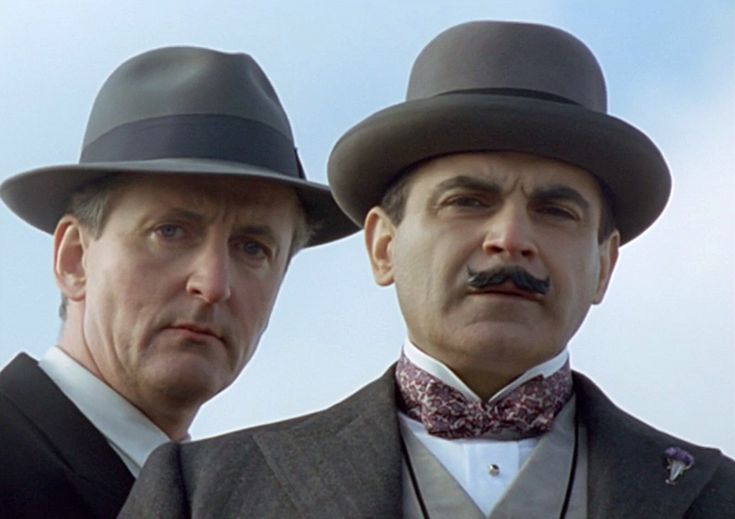
6. Hercule Poirot and Captain Arthur Hastings from the Hercule Poirot Mystery series by Agatha Christie
Some might call Captain Hastings, lackey and friend of infamous private detective Hercule Poirot an idiot since he always seems to stumble into trouble or ask really ridiculous questions but he is a support system for the brash and sometimes blunt Poirot. Hastings’ presence helps to soften the interactions Poirot has with interviewees and others as he conducts his various investigations.
7. Piglet and Winnie the Pooh from the Winnie the Pooh series by A.A. Milne
Oh, who can forget these darling friends. Of course we could add in Eyore and Rooh and Tiger too but Piglet and Winnie are the closest of the group and the most darling. When I think of them I think of a cartoon I once saw of them walking away from our view, hand in hand. Piglet says to Winnie, “Winnie?” Winnie responds, “yes, Piglet?” and Piglet simply responds, “Just checking you are still there.” Or something along those lines. It always makes me weepy.
8. Scout, Jem, and Dill from To Kill A Mockingbird by Harper Lee
This is my favorite book and has been since I was in sixth grade. The friendship between young Scout Finch, her brother Jim Finch, and their friend Dill during the tumultuous summer when their father represents a black man accused of rape in Alabama in the 1930s, is bittersweet, heartwarming, and impactful. This book and their friendship hit me even harder when I reread it as an adult two years ago with my son for his English course.
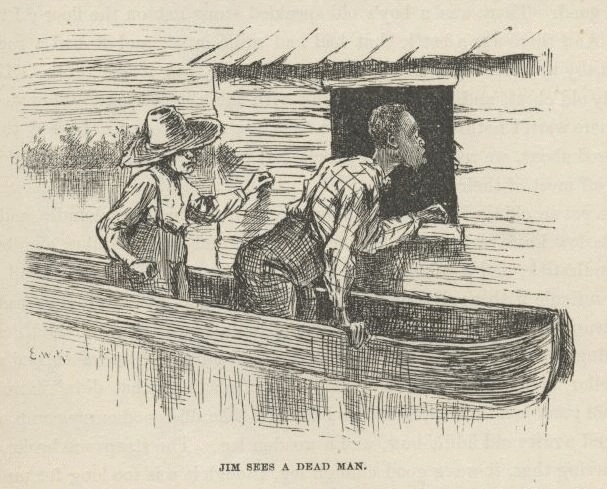
9. Huckleberry Finn and Jim from Huckleberry Finn by Mark Twain
Huckleberry is a young boy whose abusive father disappears and reappears over and over again, pulling Huckleberry from the warm and (sort of) comforting home with Widow Douglass and Miss Watson. When Huckleberry decides to run away from the widow and Miss Watson and his father to have an adventure on the Mississippi River, he meets runaway slave Jim. The two continue on their journey together and form a storm, unlikely, friendship that forces Huckleberry to examine his ideas about slavery and black people.
10. Digory Kirke and Polly Plummer from The Magician’s Nephew by C.S. Lewis
Digory and Polly meet one afternoon, begin to play by hopping across the rafters in the attics of the connecting row houses and it all takes off from there. Polly is pulled through a portal when she touches a ring that belongs to Digory’s evil uncle and Digory has to follow her. Evil queens, talking animals, and much more will await these children who become fast friends thanks the adventure they are thrown into.
Are you familiar with any of these literary friendships and if so, do you have a favorite?
Today’s prompt is: Books I Did Not Finish (DNFed) (feel free to tell us why, but please no spoilers!)
My reasons for not finishing a book are rarely because the book is bad or not worth reading. Most of the time it is completely related to the fact the book and my personality don’t mesh. Also, in some cases I don’t finish a book at one time but go back later and finish it. That’s most likely going to be the case with many of the books here, so if you loved one of these books on my list, know that adding them to a DNF list doesn’t mean I hated them.
A Tale of Two Cities by Charles Dickens
I tried! I tried! I wanted to read a Dickens. It about killed me. It was so wordy! Worse than I expected. I read part of this book in high school and enjoyed it but for some reason I could just not get into it now that I am an adult. I do want to try again someday, however.
2. Frankenstein by Mary Shelley
I don’t know if it is fair to mention this one since it was just a DNF for me and I might go back to it but for now it is a DNF and I’m reading some other books. I wanted to read this with my son for his British Literature class but…it was just so heavy. I couldn’t get into it. I have an audiobook with Dan Stevens and I’m really enjoying his narration so I am going to try to get back into it.
3. Bourdain: The Definitive Oral Biography by Laurie Woolever
I wanted to like this book. I did. It was just so choppy and dull as watch sap harden in the winter. The stories about Anthony could have been interesting but they were all chopped up and some of them were from people who truly didn’t know him that well. I skipped to the end and read a couple quotes from his daughter but for the most part this was just a chopped-up mess of stories. I didn’t get it at all. I have heard there are other, much better biographies out there so I will try them in the future.
4. All the Light We Cannot See by Anthony Doerr
I did not hate this book. I just couldn’t get into the style of writing, the tiny little chapters, and the bouncing back and forth between character in every other chapter.
5. Little Men by Louisa May Alcott
I will go back to this one but it just didn’t pull me in like Little Women did. I am a mood reader so I think I was simply not in the mood for it when I tried to read it.
6. The No. 1 Ladies Detective Agency Alexander McCall Smith
I think this one just didn’t catch me at the right time. I could not get into it at all but I am willing to try again sometime in the future.
7. A Fatal Footnote by Margaret Loudon
I didn’t even make it through five pages of this one. The author kept changing the name of her character and repeating the name over and over. She’d write, “Penelope didn’t know why Millie was looking at her that way but Penn was uncomfortable with it.”
What? Why keep changing her name and in the same sentence or paragraph? She seemed allergic to using pronouns instead of the names she kept using too. It would have been one thing if a character said to her, “Hey, Penn!” instead of Penelope but for the author to be changing it in the prose….it was weird.
8. Anne’s House of Dreams by L.M. Montgomery
This was just not my favorite book of Montgomery’s. It was so sad and depressing to me. I might go back someday and finish it but it was a slog for me. I skipped ahead to the end but really didn’t go back and read the rest so I consider it a DNF.
9. What’s the Worse That Can Happen by Donald Westlake
My husband is a huge Westlake fan and I read one book by him, Call Me A Cab, and liked it but so far I haven’t really been able to get into the rest of his books. I do plan to try this one again at some point.
10. Death At A Scottish Christmas by Lucy Connelly
I know we cozy mystery readers have to suspend belief at times but this one…well, it was a bit too much suspending belief. I couldn’t finish this one at all. I don’t plan to try again.
What books have you not finished? Will you ever go back and try them again?
I don’t often stick to my TBR for any particular season (see my post from yesterday for more info on that) but I like to make the list to remind me of books I’d like to read next. I consider it my “choose from” pile.
I have a list of 14 books I plan to choose from for Spring, but I know that list will change and adapt throughout the next two and a half months.
For today I will list my ten main books and then four “honorable mentions” so to speak.
Village Diary by Miss Read
All Things Wise and Wonderful by James Herriot
The Two Towers by J.R.R. Tolkien
Spill the Jackpot by Erle Stanley Gardner
Emily of New Moon by L.M. Montgomery
Between The Sea and Sound by Amanda Cox
‘Tis Herself by Maureen O’Hara
Sabotage at Cedar Creek by Janice Thompson
Chocolate Chip Cookie Murder by Joanne Fluke
The Littlest Voyageur by Margi Preus
Four others I might choose from this spring include:
I always plan lists for what I will read each “season” of the year but rarely stick to those lists.
I made a list for this winter, but, once again, I strayed from it. I don’t know what I was thinking by making this list. There was no way I was going to read all these books in three months.
My winter TBR included these books:
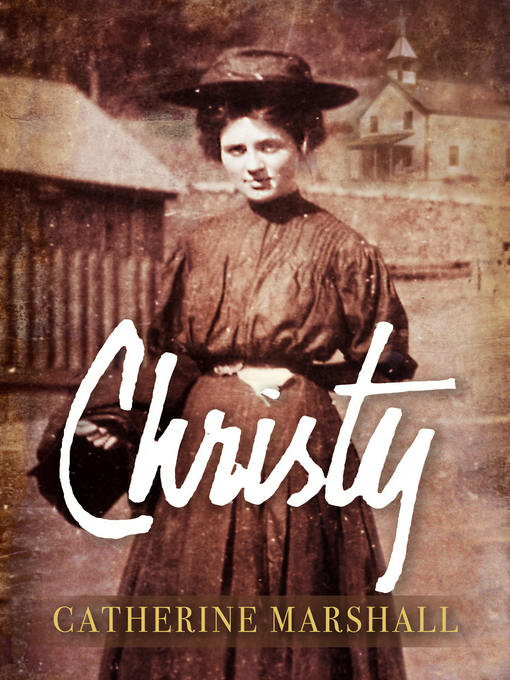
Christy by Catherine Marshall
Little Men by Louisa May Alcott
The Thursday Murder Club by Richard Osman
Tooth and Claw by Craig Johnson
World Travel by Anthony Bourdain
The Christmas Swap by Melody Carlson
A Christmas Quilt by Melody Carlson
The Two Towers by J.R.R. Tolkien
The Scarlet Pimpernel by Baroness Orczy
The Clue in The Diary by Carolyn Keene
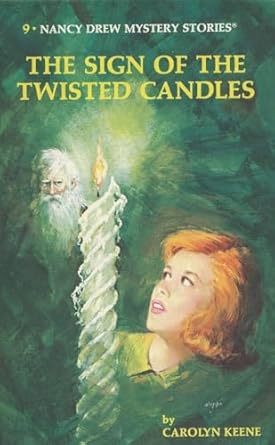
The Sign of the Twisted Candles by Carolyn Keene
Winter Murder by Agatha Christie
The Ghost and Mrs. Muir R.A. Dick
The Hardy Boys: The Mystery of the Flying Express by Franklin W. Dixon
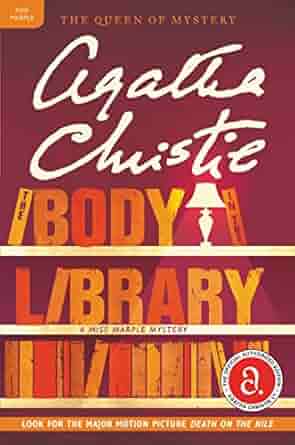
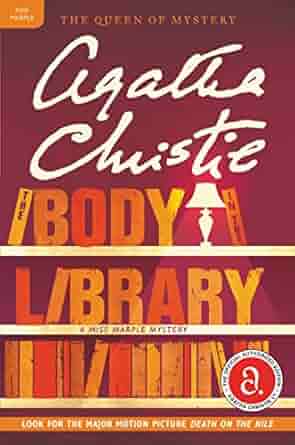
The Body in the Library by Agatha Christie
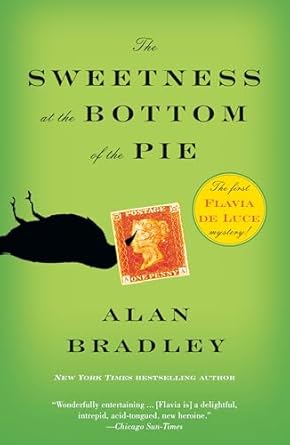
The Sweetness at the Bottom of the Pie by Alan Bradley
The Bobbsey Twins on Blueberry Island by Laura Lee Hope
What I actually read from the list:
Death Comes to Marlow by Robert Thorogood
A Quilt for Christmas by Melody Carlson
The Hound of the Baskerville’s by Sir Arthur Conan Doyle
Tooth and Claw by Craig Johnson
Johnny Tremain by Esther Forbes
The Body in the Library by Agatha Christie
Shepherd’s Abiding by Jan Karon
Christy by Catherine Marshall
The Tuesday Night Club by Agatha Christie
The Answer is No by Fredrik Backman
Every Living Thing by James Herriot
The Sign of the Twisted Candles by Carolyn Keene.
I will have a smaller list I plan to choose from for my spring TBR tomorrow and I have a feeling I won’t read all those books either.