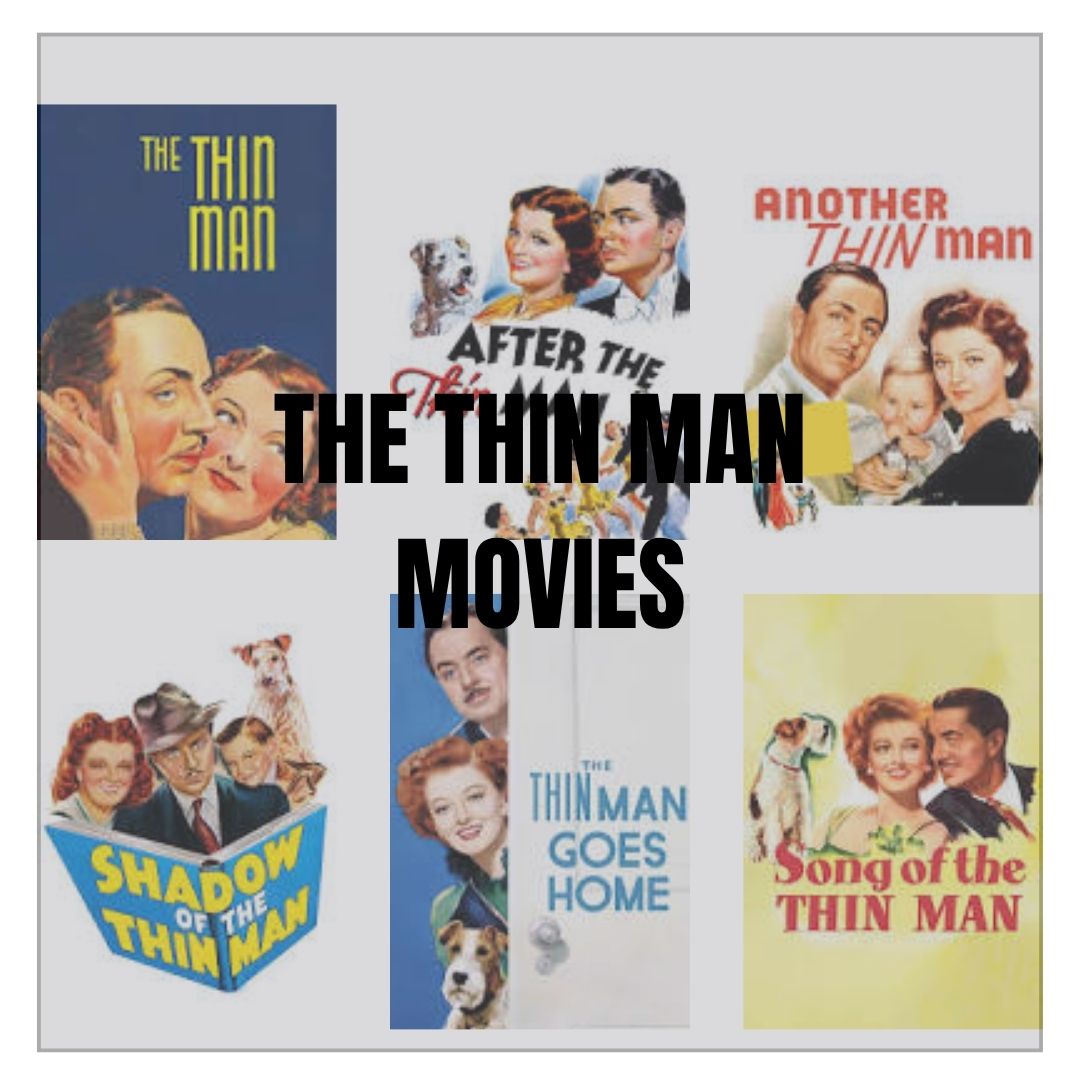
I’ve been watching and writing about what are known as The Thin Man movies with William Powell and Myrna Loy.
I’ve already written about the first two movies, and you can find those recaps/reviews/thoughts here and here.
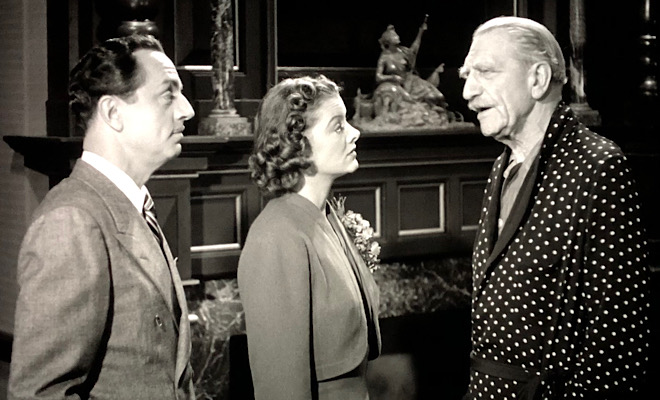
Today I am writing about the third movie in the series, Another Thin Man.
If you have not seen the first two movies, there is a spoiler in this one, just to warn you.
You’ve been warned. Are you ready?
You sure? Time to look away if you don’t want to know….
….
….
…..
Okay. You’ll have to know now if you haven’t already left.
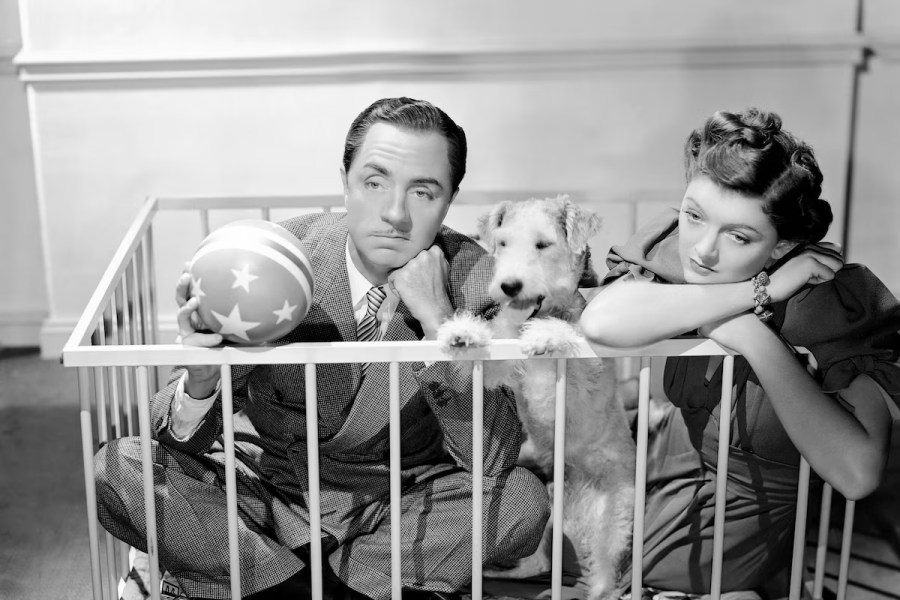
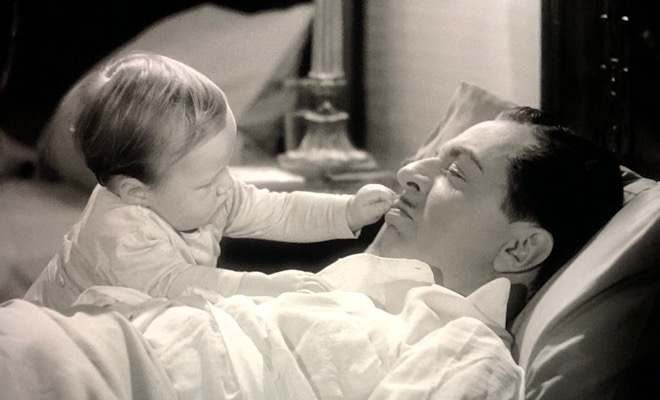
In this movie, we have an addition to our mystery-solving team — Nick Jr.
That’s right. Nick and Nora Charles have had a baby since the last movie and what a cute baby he is.
He isn’t a central part of the somewhat confusing plot of this movie, but he is an adorable addition. You would actually suspect there would be a baby in this one if you saw the end of the last movie when Nora was knitting baby booties.
Somewhat convoluted plots seem to be the norm for The Thin Man movies, but let’s be honest, we aren’t just here for the mystery — we are here for the Nick and Nora banter and one-liners.
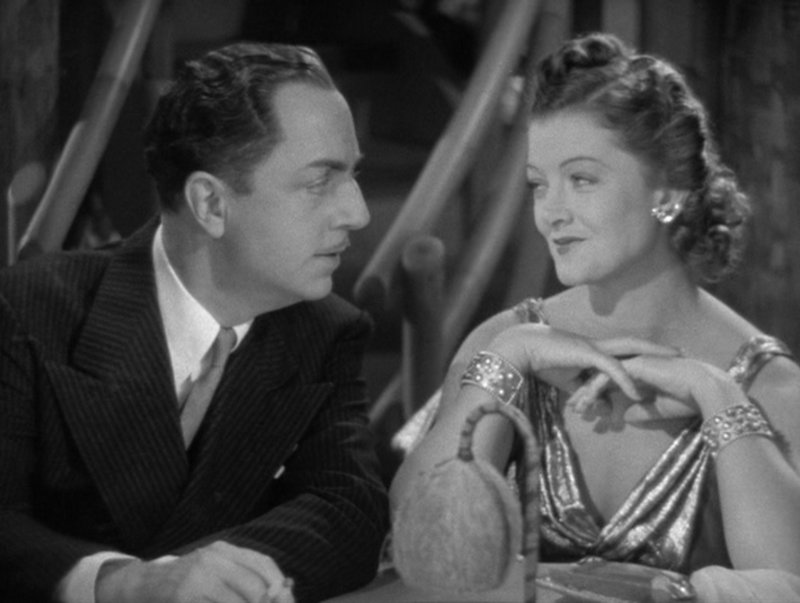
We are here for scenes like one where Nick finds Nora at a night club with men all around her, gently makes his way to her, and says, “Now, Mommy, you know you can’t be out until the doctor says it’s okay for you to leave quarantine.”
That clears the room fast, and the couple is left to compare notes with each other on their investigation.
Let’s go back a bit and give an overview of the movie.
Nick (William Powell) and Nora (Myrna Loy) accept an invitation to visit a family friend who also helps with Nora’s money (she’s an heiress if you remember from the previous movies), Col. Burr MacFay (C. Aubrey Smith – who I have been seeing in a lot of old movies I’ve been watching lately). MacFay is convinced his neighbor, Phil Church, who he worked with before, and is a known criminal, is trying to kill him.
No one else in the family is sure about this but MacFay calls Nick and Nora in the middle of the night practically begging them to help him find out.
While they are there, the dog of MacFay’s daughter is murdered brutally (that was dark) and a knife is thrown at Nick when he tries to talk to Phil Church (Sheldon Leonard).
It was also quite odd that when they were driving in to the estate, Nick saw a stabbed, “dead” body along the road, but when he stopped to investigate the body was gone and the chauffer ran off into the woods.
Skipping ahead, without spoiling too much, I can tell you that MacFay is murdered and right afterward Church disappears.
This leaves Nick and Nora to help the police investigate if Church actually murdered him or if someone else did.
Everyone else involved with the first two movies returned for this one, even the creator of Nick and Nora, noir crime writer Dashiell Hammet, who helped with the screenplay again this time, but was kicked off the last movie for drinking too much.
The two married, Oscar-winning writers who tried to kill the series by writing a baby in — Albert Hackett and Frances Goodrich — even came back, but this was their last movie in the series, which Myrna Loy said negatively affected the last three movies.
“Do you know I never saw them at Metro?” she wrote in her autobiography. “It’s terrible, really, but unless they sent for the writers to get us out of a hole, we seldom saw them on the set….I didn’t meet the Hacketts until I moved to New York in the fifties. We became friends, I’m happy to say, and Albert facetiously explained one day why they didn’t write the last three Thin Man pictures: ‘Finally I just threw up on my typewriter. I couldn’t do it again; I couldn’t write another one.’ Perhaps we all should have concurred; those last three never really touched the previous ones.”
Director Woody VanDyke returned as well.
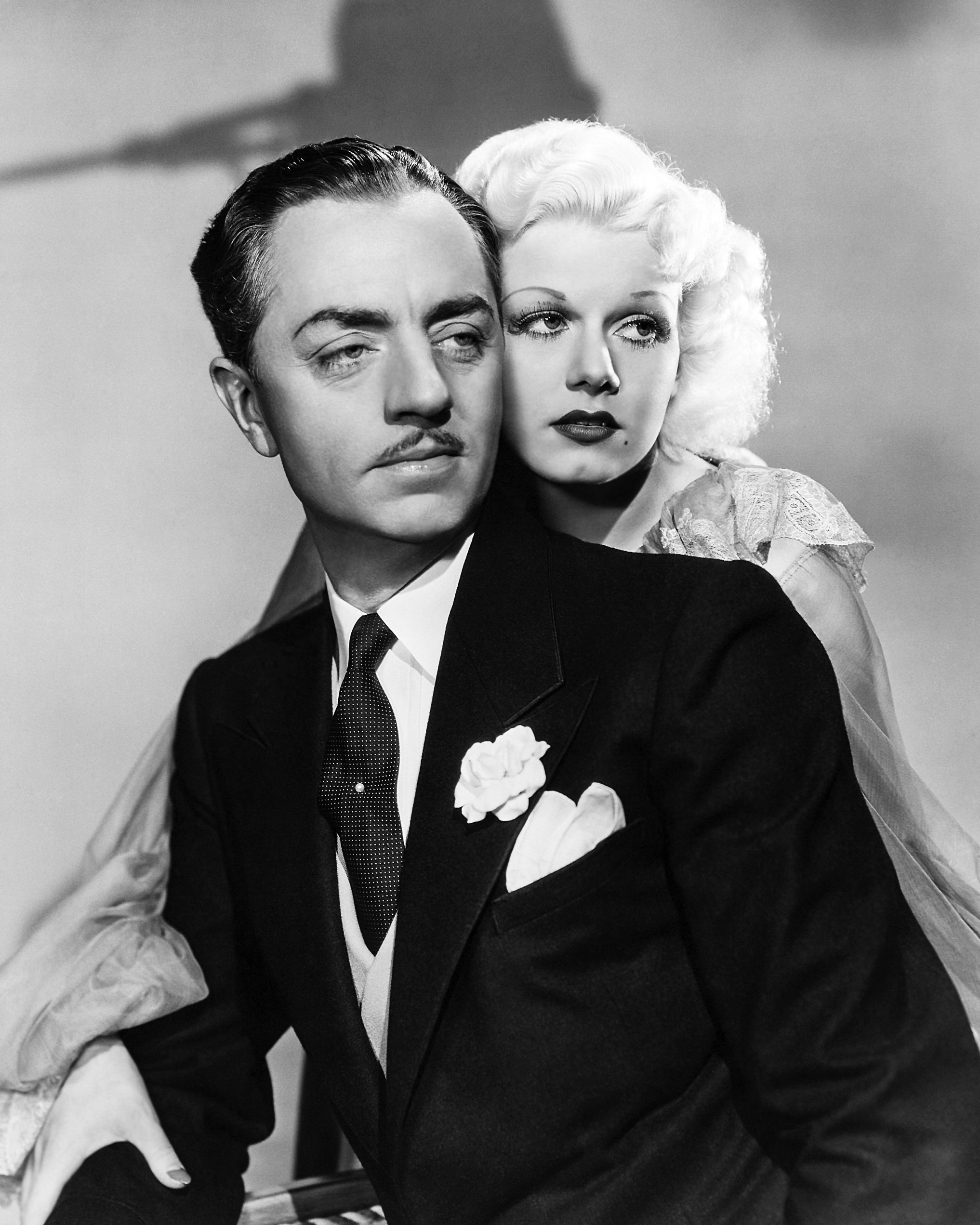
The movie almost wasn’t made, however, due to a health scare with its leading man, William Powell, as well as the sudden, unexpected death of his fiancé, Jean Harlow, right before filming.
William Powell and Jean Harlow
Powell was treated for cancer in 1938. Jean passed away in 1937. It was a more tired and depressed Powell who returned for the movie, even though his cancer treatments were successful. According to TCM.com, the cast and crew did their best to lift his spirits.
“Powell was given a standing ovation by the cast and crew on his first day on the set of Another Thin Man,” an article by Lang Thompson shares. “According to author Charles Francisco in the biography, Gentleman: The William Powell Story, “Powell, looking remarkably fit and tanned, seemed embarrassed by the attention. He held up his hands and the familiar grin began to play at the corners of his mouth as he tried to think of something funny to say. The applause stopped, and Bill found that he couldn’t speak. Myrna Loy rushed over to him and gave him a kiss and a big hug.”
To help with Powell’s recovery, VanDyke, usually known as a no-nonsense guy, cut shooting hours down to six hours a day and let Powell rest whenever he needed.
Powell’s illness kept him from being able to take the role of Maxim de Winter in Hitchock’s Rebecca. The role went to Laurence Olivier instead. Personally, I believe Olivier was a better fit.
Another Thin Man ended up being one of the highest-grossing films of 1939.
Up next in our series will be Shadow of the Thin Man from 1941. We will see if Myrna was right about the last three not being as good as the first three, with Hackett and Goodrich not on board.
You can read my impressions of the other movies I have watched here.
If you enjoy the kind of content on my blog and all that goes into it, you can support my writing for $2.99 a month or a single donation. Learn more here: https://lisahoweler.com/support-my-writing/
This Winter I’ve been watching James Cagney movies.
I’ve switched the movie I was going to write about last week with the one I was going to write this week because I was going to watch the DVD of Angels With Dirty Faces I picked up, but I’ve been waiting for a night to watch it with The Husband, and that hasn’t come.
In the end, I decided to wait to watch that movie with him because he would like to see it as well, and it will be fun to watch together.
Angels with Dirty Faces stars Cagney with Humphrey Bogart, and Bogie is one of my husband’s favorite actors.
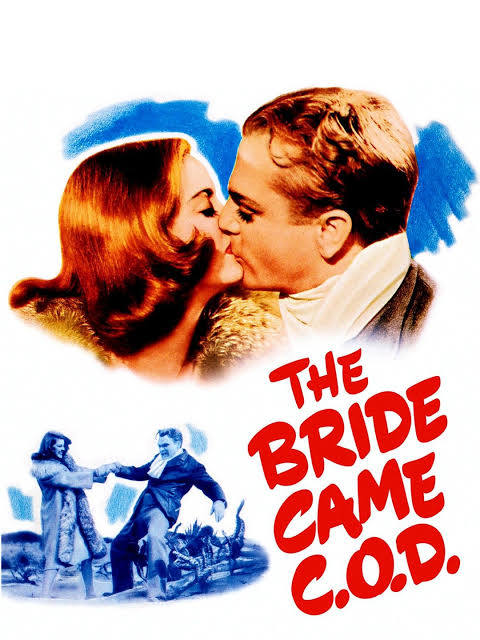
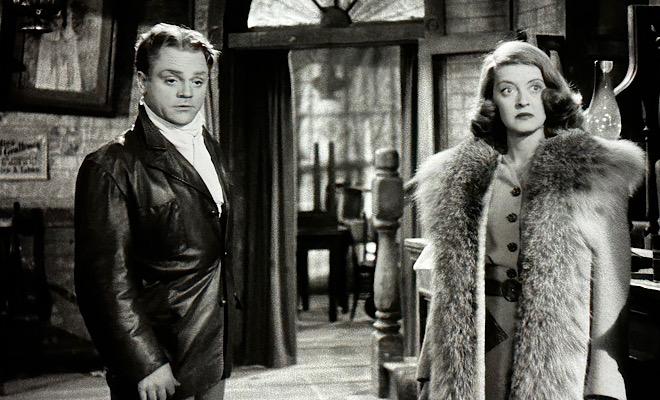
The Bride Came C.O.D. with Cagney and Bette Davis was a perfect substitute for this week, though.
It was a delightfully fun movie, and I needed it this week, so I’m glad I made the trade.
I will be watching this movie again with him soon, though, because it was just too much fun and should be watched with others.
This is a slapstick comedy where Cagney and Davis were both trying their acting talents at something a little different.
First, the premise: Davis is playing Joan Winfield, an heiress who makes impulsive decisions, and her latest impulsive decision is marrying Alan Brice (Jack Carson), a famous singer and band leader. The marriage announcement comes at just the right time for gossip and entertainment broadcaster named Hinkle who needs a big story.
He talks Brice into marrying Joan right away because it will make a great story for his broadcast.
The only issue is that Joan is on the phone with her father when Alan announces his engagement to Joan to the audience at the club and she is trying to work up the courage to tell her father she’s engaged.
Their call is cut short and she never tells him, but Hinkle arranges for her and Alan to go to a small airport to be flown by a private plane to Las Vegas where they can be married.
Steve Collins, a notorious womanizer who pretends he is married with children so he doesn’t get roped into marriage by women who like to date married men, owns the airport and the main plane. He’s never paid for the plane though and the finance company now wants it back. Steve’s handy man, Pee Wee (George Tobias) tells him that Hinkle has arranged for their plane to take a famous couple to Las Vegas and Steve wonders if they will even have a plane to take them in.
Collins tries to think of a way to get the money and has no ideas until Joan’s father, oil tycoon Lucius K. Winfield (Eugene Pallette) calls the airport to try to reach his daughter and Collins strikes up a plan with Winfield to make sure his daughter doesn’t make it to Las Vegas to marry Alan Brice.
If Collins pulls off the delay, meeting Winfield with his daughter in tow in Texas instead, Winfield will pay Collins the money he needs to pay off the plane and keep the airport in business.
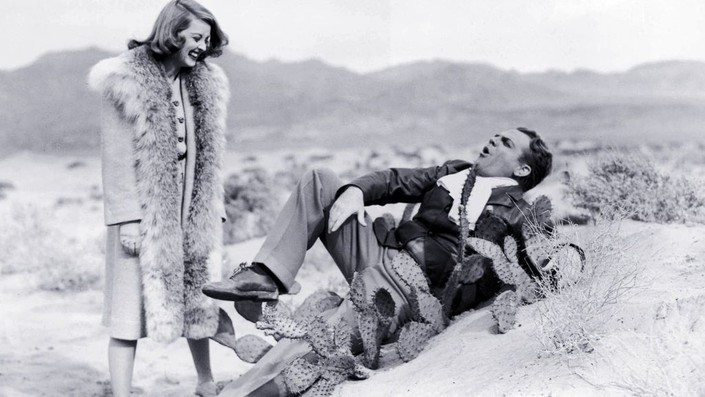
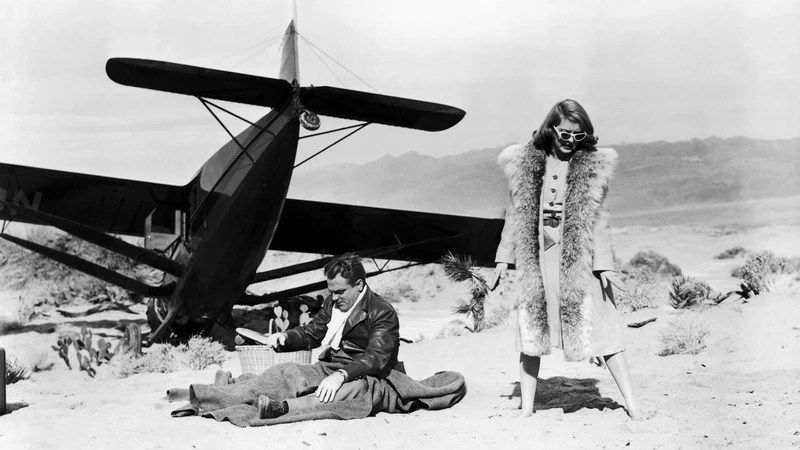
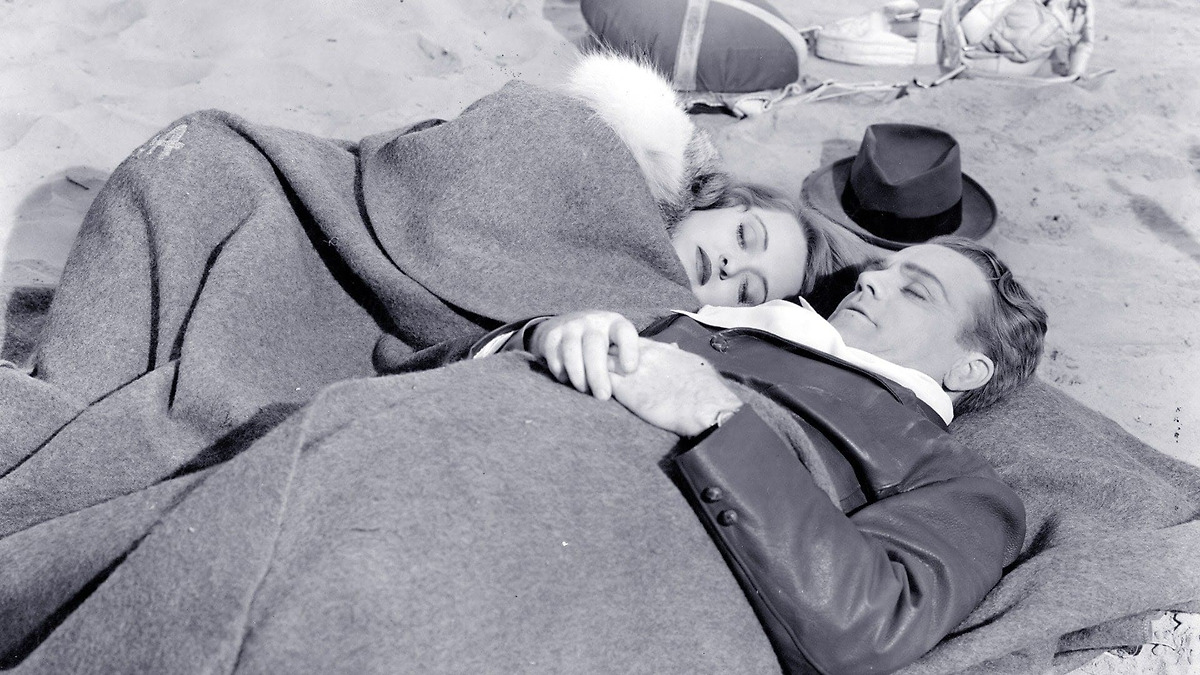
The first task at hand is to get rid of Hinkle and Alan which PeeWee helps Collins with. With them out of the way, Collins jumps in the plane and takes off with Joan, his plan to fly her to Texas. Unfortunately, Joan isn’t too happy with this arrangement and tries to escape, causing the plane to crash in the desert.
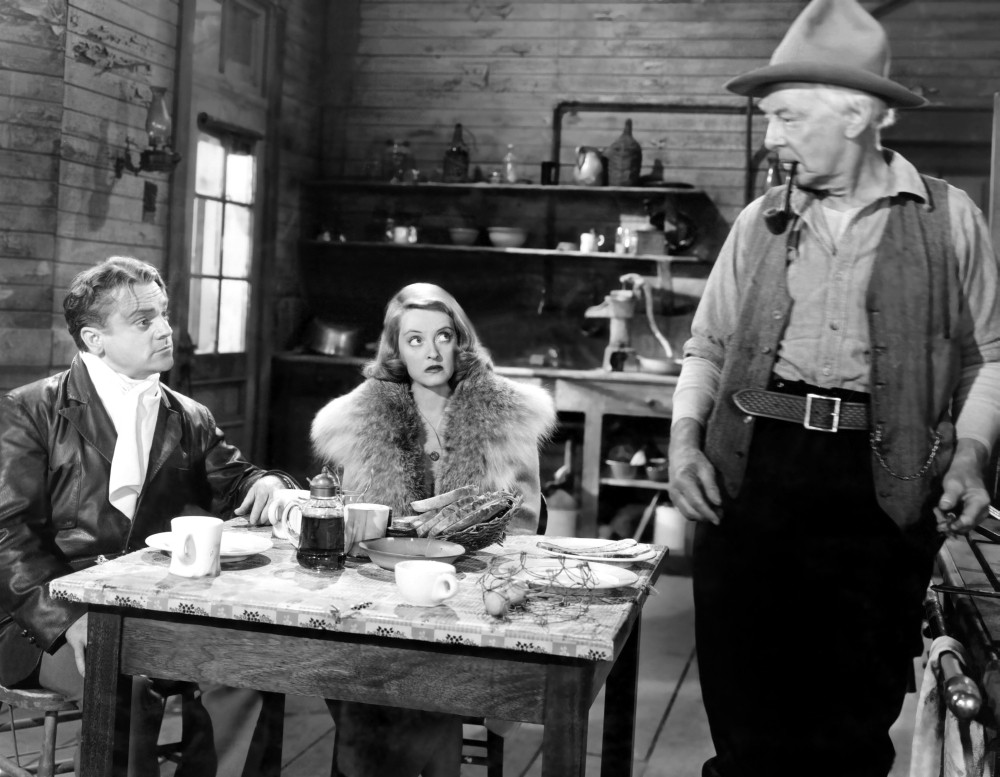
Here we will be introduced to Pop Tolliver (Harry Davenport), who I just loved.
I loved a lot about this movie.
It was very witty and fun, with some great lines.
Bette Davis was supposed to be 23 in the film which I found a little unbelievable but then again, Bette always looked older to me than she was.
She was actually 33 when this movie was made.
According to Frank Miller from TCM (yes, my go-to-source), Cagney made the movie on the heels of Strawberry Blonde because he wanted to break out of gangster roles.
Ann Sheridan, Ginger Rogers, and Rosalind Russell were considered for Davis’s role but when she expressed interest in trying out, Hal Willis, the producer of the movie, went to bat for her.
“In addition, she was eager to re-team with Cagney, who like her had a history of battles with the Warner Bros. management,” Miller wrote. “They had not worked together since 1934, when they teamed for the minor comedy Jimmy the Gent. Some biographers have suggested that the studio was punishing her with the film because of her notorious temperament, while others have suggested she may have wanted to emulate Katharine Hepburn, who had been equally successful in serious and comic roles. Also possible is that she was drawn to the film’s obvious similarities to It Happened One Night (1934), another tale of a runaway heiress saved from a bad marriage by the love of a simple working guy.”
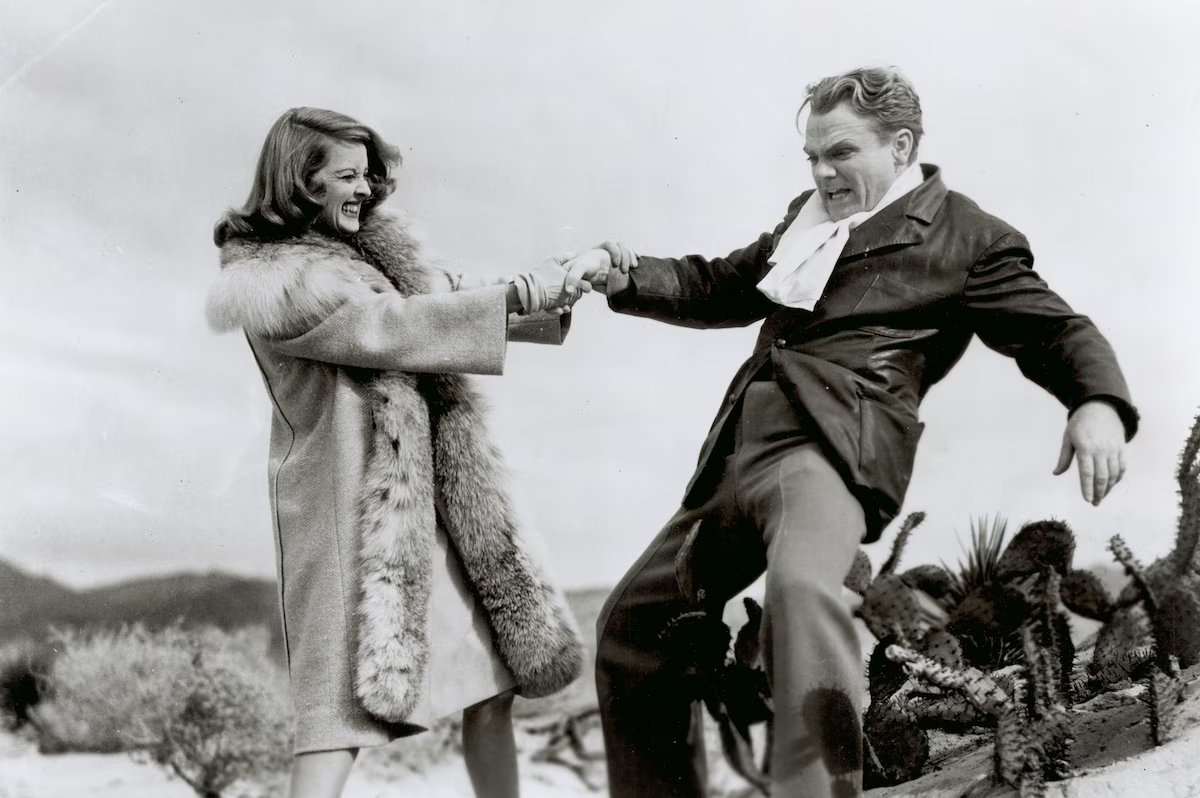
There was a lot of trouble with the movie, including the writing and the fact Cagney wasn’t a fan of the sweltering heat at the shooting location of Death Valley.
Davis also wasn’t happy because while a stunt double was supposed to take the fall into a cactus for her, she had a fall of her own and ended up with 45 cactus quills having to be removed from her behind.
Neither actor was very fond of the movie years down the road and even critics bashed it with one saying, “Okay, Jimmie and Bette. You’ve had your fling. Now go back to work.”
As for me, I found the film a lot of fun and ended up snickering at the silliness and the exchanges between our main characters.
And as I said above, Harry Davenport really added some charm to the film for me.
Have you ever seen this one?
I found it for rent on Amazon Prime but it is also available on HBO Max, Hulu, YouTube, and AppleTV.
Next week I’ll wrap up my Winter of Cagney with Angels With Dirty Faces and two weeks after that I’ll start a bi-weekly movie watch of Bette Davis films.
If you want to catch up on the other Cagney films I’ve watched this winter you can do so here:
If you enjoy the kind of content on my blog and all that goes into it, you can support my writing for $2.99 a month or a single donation. Learn more here: https://lisahoweler.com/support-my-writing/
This past year I watched 84 movies, some long and some short, the majority of them made before 1960.
At the end of this post, I’ll list them all, but for now, here are my favorites from the bunch. I did not include any movies that were rewatches for me in my favorites list, but I did include rewatches in the overall list.
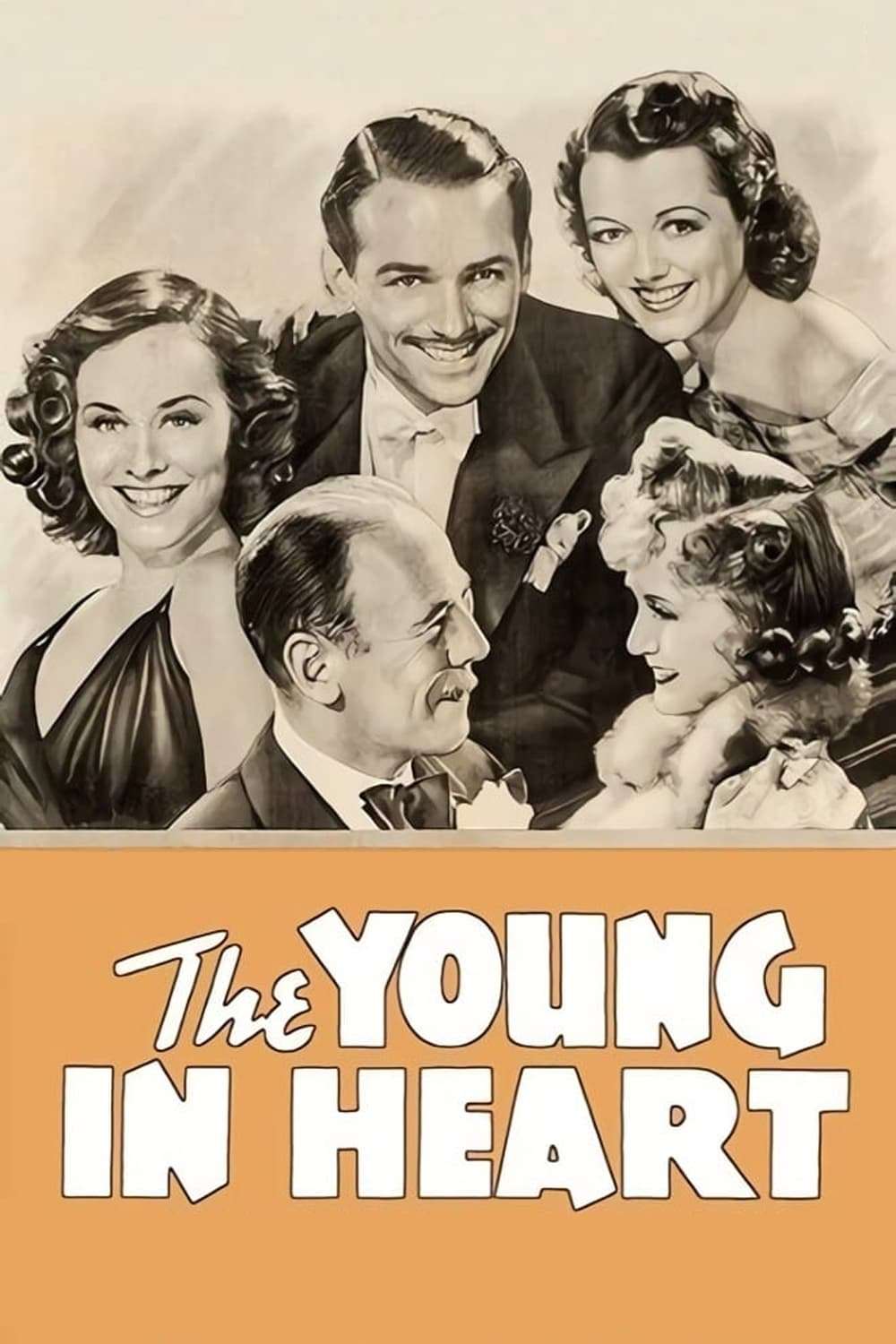
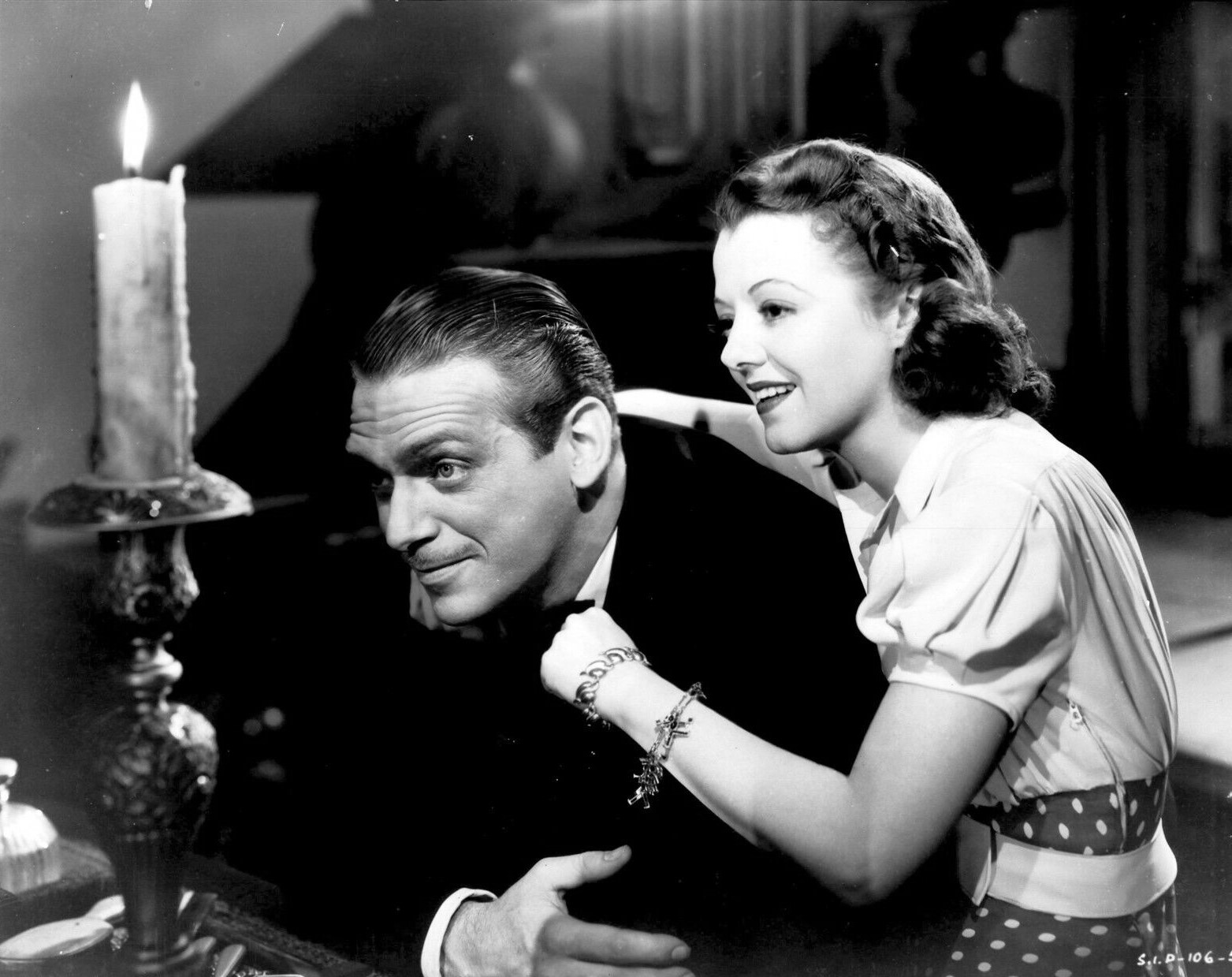
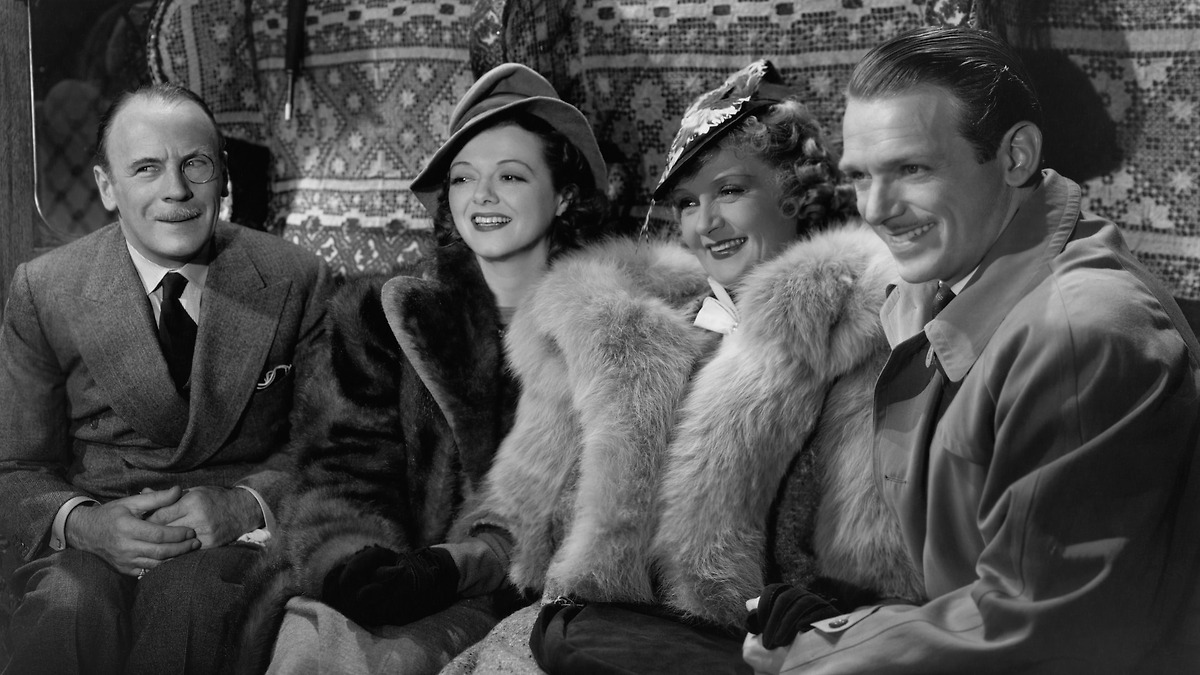
Erin from Still Life, With Cracker Crumbs and I are hosting Comfy, Cozy Cinema again this year and up this week was The Young In Heart.
And, yes, that title is the actual title: The Young IN Heart.
I feel like I cheated a little bit this week because not only have I watched this movie, but I also wrote about it when I watched it for the Winter of Douglas Fairbanks Jr. That means I had an advantage to Erin when it came to writing this week’s post because I am going to quote a lot of my original post.
This is part of what I wrote in that post: “I absolutely loved Douglas in this one. He played a more prominent role than in Gunga Din and was simply … shall I sound completely cheesy? Yes, I shall. He was completely delightful.
At one point, I texted my friend Erin that a drunk Douglas is adorable.”
Yes, I did text Erin this past January to tell her he was adorable. Yes, I am weird.
Before I forget, I found this one for free on YouTube.
So, let’s get to the movie.
The Carlton family, of which Douglas is a part of in this movie, are not a family you would want to know in real life. They are swindlers and grifters. They mooch off and manipulate people to scrape by in life.
We open the movie in the French Riviera with Douglas’s character (Rick) ready to marry a young woman whose father is rich.
Everything falls apart, though, when the police find out about the family and reveal their conniving ways to the family of Rick’s future wife. The family is told to get out of France and end up on a train where they meet a ridiculously sweet woman (Minnie Dupree) who has only recently come into a great sum of money.
Ironically, her last name is Fortune. George-Anne sets out to swindle the woman out of paying for their lunch, but the plan expands as the woman explains she lives alone in a big mansion left to her by a former suitor. She is saying how lovely it would be if all of them came to stay with her when there is a train derailment. Their car tips and at first Rick and George-Anne believe the old woman has died. She’s still breathing so the siblings carry her from the car and George-Anne covers her with her own coat.
We begin to wonder if the family is rotten through and through and are still playing things up as the woman later recovers and invites the family to come live with her.
George-Anne suggests to the family that if Miss Fortune believes they are a respectable family she will be more willing to let them live there and maybe even leave them money when she leaves. To play up this ruse she suggests the men get actual jobs and she and her mother act like caretakers and women who don’t swindle people out of money.
This is all very baffling to the family who has always cheated and stole for a living. When the men decide George-Anne’s plan might work and go to look for jobs, the scenes that follow are some of the most hilarious tongue-in-cheek moments I’ve seen in a movie.
Spinning around in the background of the family’s drama is the romance between George-Anne and Duncan Macrae (Richard Carlson), who she originally considered marrying when she thought he was rich. Duncan learned she was a con-artist along with everyone else and was shattered but still ends up chasing her down on the train back to London to tell her he still loves her.
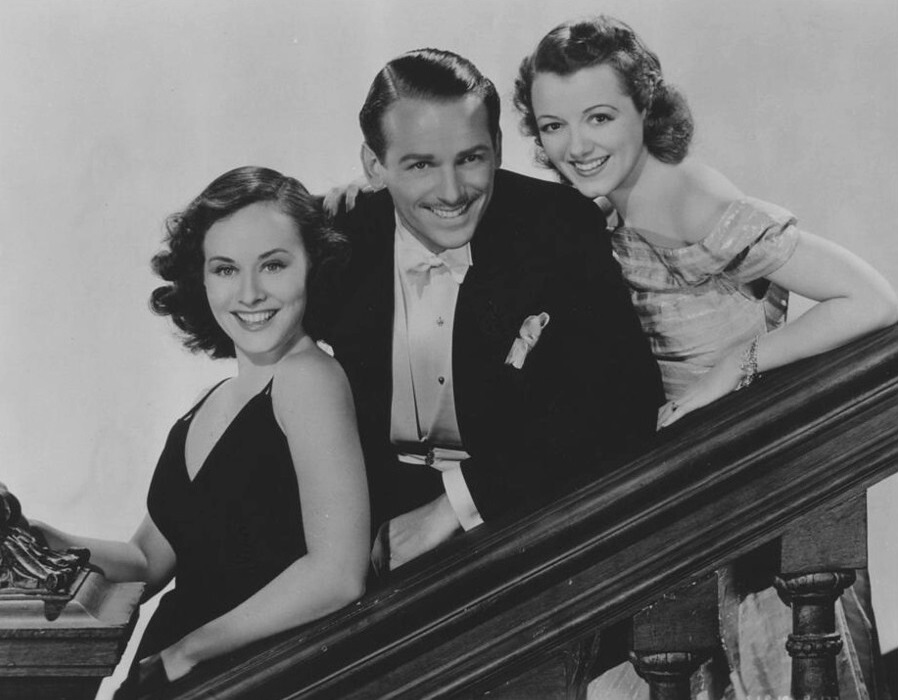
The rest of Rick’s family — father, Col. Anthony “Sahib” Carleton (Roland Young), mother Marmey Carlton (Billie Burke), and daughter George-Anne (Janet Gaynor) — are thrilled with this plan because they know it will also set them all up for a rich life. George Anne might be even more thrilled because then she can marry a poor Scottish man who she’s fallen in love with, and the rest of her family will support her financially.
She tells him to get lost, believing he’s much too good for her and . . . well, you’ll have to see where all that ends up.
Rick is also having his own romance with Leslie Saunders (Paulette Goddard), a secretary and the engineering business he applies at for a job.
This is the second – or shall I say third – movie I’ve watched in recent months with Billie Burke and there is no mistaking that voice if you have seen The Wizard of Oz.
Yes, she is Glenda the Good Witch.
The screenplay for this movie was written by Paul Osborn and adapted by Charles Bennett from the serialized novel, The Gay Banditti by I. A. R. Wylie. That title certainly would have had a different connotation in the modern day, eh?
Anyhow, the novel appeared in parts in The Saturday Evening Post from February 26 to March 26, 1938.
The movie was released in November of the same year. They certainly worked fast back then.
I found it interesting when I read that Broadway actresses Maude Adams and Laurette Taylor screen-tested for the role of Miss Fortune and that the footage is the only audio-visual samples that existed of both of them.
The movie was produced by – can you guess? Because it feels like every movie I write about lately is produced by him.
Yes. David Selznick. The man who produced what is considered one of the biggest movie triumphs in the world — Gone with the Wind.
This movie was one of many he produced leading up to Gone With The Wind. The Prisoner of Zenda, which I wrote about a couple of weeks ago, was another. Goddard was actually rumored to be being considered to play Scarlet O’Hara in Gone With The Wind, which later, of course, went to Vivien Leigh.
While I was watching the part of the movie where Mr. Carleton goes to apply for a job, I was fascinated by the fancy car they showed. It was spinning like a pig on a spit at the front of the building and it was a very modern looking car and a very modern looking set up altogether.
The six-passenger 2-door sedan Flying Wombat featured in that scene was actually the one-of-a-kind prototype Phantom Corsair. The Phantom Corsair concept car was built in 1938 and designed by Rust Heinz of the H. J. Heinz family and Maurice Schwartz of the Bohman & Schwartz coachbuilding company in Pasadena, California.”
I also found it interesting that this was Gaynor’s last movie before retiring while she was at the top of her career. She made one last movie in 1957 called Bernardine.
Like I said above, I loved this movie. It was just what I needed to watch this week with so much sadness going on in the world. There was a lot of humor from all the cast, but Douglas really had me smiling throughout. Not only because he is my latest old Hollywood star crush (watch out Paul Newman!).
Have you seen this one? What did you think of it?
You can read Erin’s impression of the movie on her blog.
Next week we will move into a bit of spooky with Coraline.
The rest of our movie list can be found on this graphic:
I was surprised this past weekend to find a ton of classic movies for free on Tubi so I thought I’d share some of the better classic (before 1970) movies with my blog readers today. I have watched these and really enjoyed them! I’ll have a part two for this one down the road sometime.
Talk of the Town
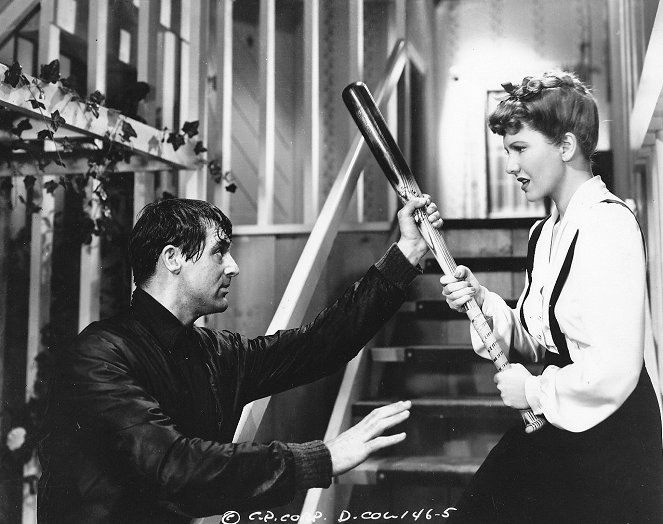
Leopold Dilg (Cary Grant), who was wrongfully convicted of arson, manages to escape from prison. While on the lam, he finds the home of Nora Shelley (Jean Arthur), an old friend from school for whom he harbors a secret affection. Nora believes in Dilg’s innocence and lets him pose as her landscaper; meanwhile, Professor Lightcap (Ronald Colman), a legal expert, has just begun renting a room in Nora’s home. Lightcap, like Dilg, also has eyes for Nora, leading to a series of comic misadventures.
My Man Godfrey
Fifth Avenue socialite Irene Bullock needs a forgotten man to win a scavenger hunt, and no one fits that description more than Godfrey Park, who resides in a dump by the East River. Irene hires Godfrey as a servant for her riotously unhinged family, to the chagrin of her spoiled sister, Cornelia, who tries her best to get Godfrey fired. As Irene falls for her new butler, Godfrey turns the tables and teaches the frivolous Bullocks a lesson or two.
The Philadelphia Story
This classic romantic comedy focuses on Tracy Lord (Katharine Hepburn), a Philadelphia socialite who has split from her husband, C.K. Dexter Haven (Cary Grant), due both to his drinking and to her overly demanding nature. As Tracy prepares to wed the wealthy George Kittredge (John Howard), she crosses paths with both Dexter and prying reporter Macaulay Connor (James Stewart). Unclear about her feelings for all three men, Tracy must decide whom she truly loves.
The Third Man
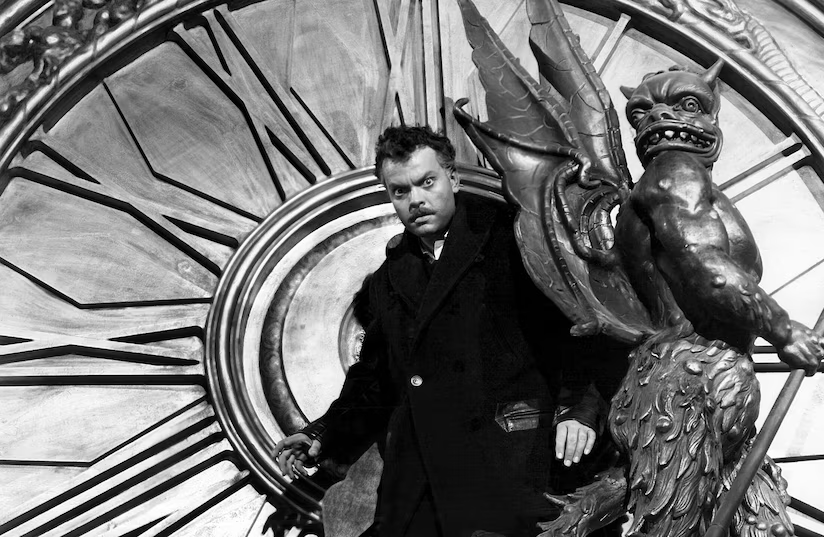
Set in postwar Vienna, Austria, “The Third Man” stars Joseph Cotten as Holly Martins, a writer of pulp Westerns, who arrives penniless as a guest of his childhood chum Harry Lime (Orson Welles), only to find him dead. Martins develops a conspiracy theory after learning of a “third man” present at the time of Harry’s death, running into interference from British officer Maj. Calloway (Trevor Howard) and falling head-over-heels for Harry’s grief-stricken lover, Anna (Alida Valli).
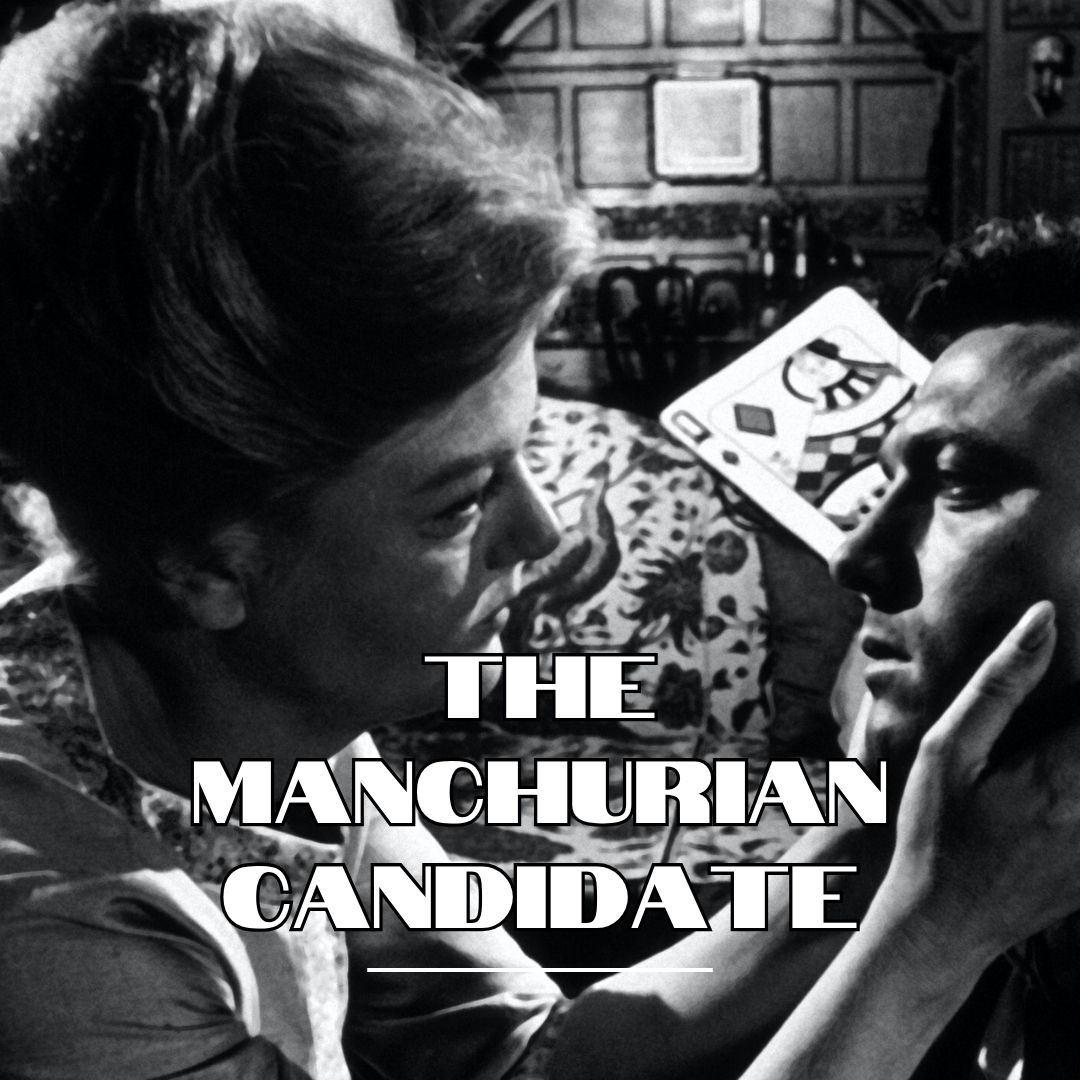
The Manchurian Candidate
Near the end of the Korean War, a platoon of U.S. soldiers is captured by communists and brainwashed. Following the war, the platoon is returned home, and Sergeant Raymond Shaw (Laurence Harvey) is lauded as a hero by the rest of his platoon. However, the platoon commander, Captain Bennett Marco (Frank Sinatra), finds himself plagued by strange nightmares and, together with fellow soldier Allen Melvin (James Edwards), races to uncover a terrible plot.
Merrily We Live
The wealthy Kilbourne family is tired of Mrs. Kilbourne (Billie Burke) hiring ex-convicts as servants. After a servant steals the family’s silver, Mrs. Kilbourne agrees to never hire another drifter for help. But when a rough-looking man named Rawlins (Brian Aherne) arrives at her doorstep, she cannot help but hire him as the new chauffeur. As Rawlins catches the eye of their oldest daughter, Jerry (Constance Bennett), the Kilbournes realize that he may not be the vagrant he claims to be.
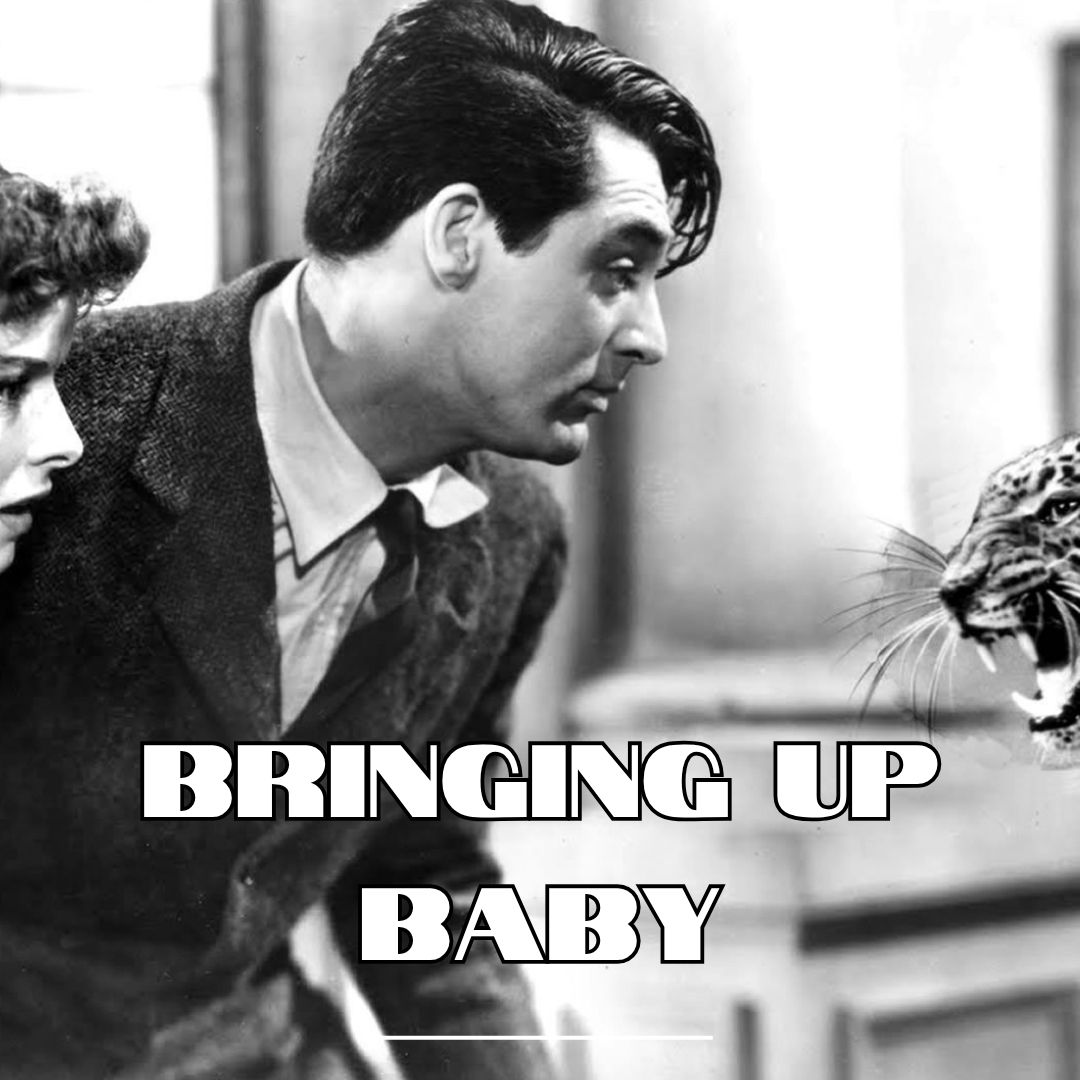
Bringing Up Baby
Harried paleontologist David Huxley (Cary Grant) has to make a good impression on society matron Mrs. Random (May Robson), who is considering donating one million dollars to his museum. On the day before his wedding, Huxley meets Mrs. Random’s high-spirited young niece, Susan Vance (Katharine Hepburn), a madcap adventuress who immediately falls for the straitlaced scientist. The ever-growing chaos — including a missing dinosaur bone and a pet leopard — threatens to swallow him whole.
Without Reservations
Famous author “Kit” Masterson (Claudette Colbert) needs an actor to portray the lead character, a soldier, in the upcoming movie version of her book. While on a train to California, she meets Marine Rusty Thomas (John Wayne) and his friend, Dink (Don DeFore). She begins to imagine the macho Rusty as the lead, and attempts to stay in his company. However, since Rusty did not like her book, Kit must conceal her identity, all the while growing more attracted to her potential actor.
It Happened One Night
In Frank Capra’s acclaimed romantic comedy, spoiled heiress Ellie Andrews (Claudette Colbert) impetuously marries the scheming King Westley, leading her tycoon father (Walter Connolly) to spirit her away on his yacht. After jumping ship, Ellie falls in with cynical newspaper reporter Peter Warne (Clark Gable), who offers to help her reunite with her new husband in exchange for an exclusive story. But during their travels, the reporter finds himself falling for the feisty young heiress.
A Woman of Distinction
Reserved college dean Susan Middlecott (Rosalind Russell) is all business and can’t be bothered with love. However, when Susan meets charming British astronomy professor Alec Stevenson (Ray Milland), it seems that romance could be in the air. Though she resists being paired with Alec, things don’t go as planned — particularly when a publicity agent and even Susan’s amiable father (Edmund Gwenn) get involved. Soon, Susan may just be in love, whether she likes it or not.
This past weekend I watched the movie The Talk of the Town with Cary Grant, Jean Arthur, and Ronald Colman. I found this movie, among many other good ones, free on Tubi. It is also currently free on YouTube.
I had seen it before as a suggested move but ignored it, thinking it was a drama. After watching it, I asked myself, “What took me so long to watch this one?!”
I loved this movie and while I always love Cary Grant, I once again loved Ronald Colman who I first saw in The Prisoner of Zenda earlier this year.
This movie starts with a fire at a factory where a man dies. Cary, portraying Leopold Dilg, is arrested for arson and murder.
Soon he’s breaking out of jail and escaping through the woods on a rainy night. He makes his way in the dark toward a small house while dogs hunt him down. The name of the house is Sweetbrook and there is a woman inside getting it ready — maybe for a guest.
Leopold breaks in the door, startling the woman.
“Miss Shelley,” he says. “Please…let me…” And then he faints and falls down the stairs.
Miss Shelley wakes him up with a bucket full of water and he asks if she can stay at the house, which he knows is a rental. She tells him he can’t stay because she knows he has escaped jail. There is a knock on the door before she can finish explaining and she tells him to run upstairs and hide.
There is a Professor Michael Lightcap at the door and he’s standing in the rain. He reminds her that he’s rented the house out and he’s here to stay. Miss Shelley, whose first name is Nora, panics because Leopold is hiding upstairs and she doesn’t want the professor to find him.
Things will get more complicated as she makes up an excuse to stay in the house overnight to make sure the professor doesn’t find Leopold.
Complications just keep arising as Nora offers to become the professor’s secretary and housekeeper during his stay, a senator arrives to tell Professor Lightcap he’s up for nomination to the United States Supreme Court, and Leopold walks down one morning to argue about the role of the law in society and Nora has to introduce him as the gardener.
This is a non-stop movie full of hilarious mix-ups, near misses, and a love-triangle that won’t be resolved until the very last minute, literally, of the movie.
As I said above, I loved this movie.
It was engaging, funny, witty, and captivating. Mixed in all the lighthearted moments were a few philosophical moments about law and justice.
Jean Arthur was delightful as Nora Shelley, always quickly rescuing the day just at the last moment, taking care of both Leopold and the professor.
Ronald Colman pulled off the staunch, uptight professor well and it was fun to see him “let down his hair” a bit later in the film. He didn’t let down his hair. It’s just a saying, of course.
Cary walked the line between an aggressive rebel and a falsely accused victim, putting his usual romantic charm on the backburner for most of the film and bringing it out in more subtle moments. This was a movie where he wasn’t a pursuing a woman as much as he was his own freedom and justice.
I spent much of the last half of the movie wondering which one of the men Nora was actually falling for and I think she was doing the same thing. She’d gathered affection for both of them but wasn’t sure if either of them had for her.
This movie was nominated for seven Oscars but it was about the same time that America started the war so more “patriotic” movies got the nod that year. Ironically the best picture went to Mrs. Minier, which was set in England, however.
According to TCM, even without the wins, The Talk of the Town “still marked an important moment in the careers of its stars Cary Grant and Ronald Colman.”
For Cary, it was a new movie after not working for a year and he was nominated for an Oscar as well. He didn’t win the Oscar but he did have his name legally changed his name from Archibald Alexander Leach, became an American citizen and married heiress Barbara Hutton.
Colman was 51 at the time and needed a spark to reinvent his career. The Talk of the Town worked and he went on to star in Random Harvest, which earned him another Oscar nomination. He lost that to James Cagney in Yankee Doodle Dandy, but still kept him at a high point in his career. Films such as Kismet (1944) and Champagne for Caesar (1950). He also finally earned his Oscar for portraying the delusional Shakespearean actor in A Double Life (1947).
I found it interesting to read that there was tension between Grant and Colman since both were used to being the lead actor and that tension was written into the script as they aggressively bantered back and forth with each other.
I also was fascinated to learn that two endings were filmed — one with Jean Arthur choosing Cary and the other with Colman. The director allowed the preview audiences to choose who she ended up with.
Trivia:
filming was to begin on January 17, 1942, the day Hollywood learned the sad news of Carole Lombard’s death in a plane crash. Stevens halted work on the set and sent both cast and crew home.
Screenwriter Sidney Buchman (who co-wrote the script with Irwin Shaw) was blacklisted in the 1950s. Consequently, Buchman, one of the men who penned Mr. Smith Goes to Washington (1939), left the U.S. and began working in Fox’s European division. Buchman would remain in France until his death in 1975.
When the professor is unconscious on the floor, Tilney (Rex Ingram) asks Sam if he is a doctor. Ironically, Rex Ingram was himself a trained physician in real life.
Cary Grant and Ronald Colman were both paid at least $100,000 for their work in the film. Jean Arthur, who was in Harry Cohn’s doghouse and just coming off suspension, was only paid $50,000.
Whilst many characters find Leopold Dilg’s penchant for adding an egg to his borscht unique (so much so that it becomes a means of determining his whereabouts), it was not an uncommon practice to add an egg to borscht in Poland and in Mennonite communities in Eastern Europe.
A radio theatre presentation of The Talk of the Town (1942) was broadcast on CBS radio on the Lux Radio Theatre on 5/17/1943 with Cary Grant, Ronald Colman, and Jean Arthur recreating their roles from the movie. It’s a 60-minute adaptation of the movie.
Nora tells the professor that he is, “as whiskered as the Smith Brothers.” This refers to a brand of cough drops with an illustration of the Smith Brothers on the front, both of whom have a beard. First introduced in 1852, they remained the most popular brand for a century.
Memorable quotes:
Well, it’s a form of self-expression. Some people write books. Some people write music. I make speeches on street corners.
– Leopold Dilg
What is the law? It’s a gun pointed at somebody’s head. All depends upon which end of the gun you stand, whether the law is just or not.
– Leopold Dilg
Stop saying “Leopold” like that, tenderly. It sounds funny. You can’t do it with a name like Leopold.
– Leopold Dilg
This is your law and your finest possession – it makes you free men in a free country. Why have you come here to destroy it? If you know what’s good for you, take those weapons home and burn them! And then think… think of this country and of the law that makes it what it is. Think of a world crying for this very law! And maybe you’ll understand why you ought to guard it. – Michael Lightcap
He’s the only honest man I’ve come across in this town in 20 years. Naturally, they want to hang him. – Sam Yates
This summer I am watching Angela Lansbury movies for the Summer of Angela.
Up this week was A Life At Stake, another crime noir “B-movie” and another chance for Angela to show her evil side. Honestly, she’s been evil in a lot of the movies I watched with her throughout this summer, which cracks me up since a lot of people associate her with being sweet in kind from things like Murder She Wrote and Bedknobs and Broomsticks.
This movie was not the best I’ve ever seen plot-wise but the dialogue was actually very well written and the sexual tension was something I didn’t expect for a 1954 movie.
The movie is essentially about a man who is very paranoid and thinks everyone is out to get him. Or, as Google describes it: “After an out of work architect accepts a business proposition from a married woman, he soon begins to suspect her motives, and fear for his life.”
Edward Shaw, portrayed by Keith Andes had a business failing and now he’s been approached by a lawyer with the prospect of a new business.
Edward tells the lawyer he really doesn’t really want to get involved. He keeps a $1000 bill framed on his wall to remind him of his failures and encourage him to try again. I didn’t know there was such a thing as a $1,000 bill by the way.
Anyhow, I digress, the lawyer puts him in contact with Doris Hillman (Angela), wife of Gus Hillman (Douglass Dumbrille). Edward goes to Doris’s home and the housekeeper says he needs to call out before he goes to the pool because Doris has been known to swim in the nude. Edward quips back, “That’s okay. I’ve been known to swim in the nude too.”
Doris isn’t naked but she does tell Edward he should have called out. From their first meeting the flirting begins in earnest. Doris even covers herself with a towel but removes the top of her swim suit underneath it because she says it’s uncomfortable.
Eventually they get to business talks and Doris says Gus wants Edward to run the company, buying up property with money Gus will give him and for Doris to sell the property using her past real estate experience.
Edward is agreeable but feels suspicious about it all, especially when Doris says they will need to take an insurance policy out on him for half a mil. He doesn’t, however, seem to feel suspicious about Doris and later that night at home when he gets a call, he asks his land lady if it is a woman calling. It is clear he’s hopeful Doris will be calling soon and about a lot more than business.
Doris does call another day and asks him to meet her a hotel room. From there he’s laying it on heavy, flirting all over the place, but she lets him know she’s not interested. She’s only interested in business. Edward (sort of a horny jerk if you ask me) leaves but later that night Doris pulls up outside his apartment.
She says something flirty and then before we know it, he’s in the car practically shoving his tongue own her throat.
All is going well with their little liaisons and business dealings until Edward meets Doris’s sister, Madge (Claudia Barrett). Madge thinks he’s just lovely and starts hitting on him. She invites him to dinner in front of Doris and Gus and because he doesn’t want Gus to know about his affair with Doris, he agrees.
During dinner Madge drops a bombshell and says that Gus is Doris’s second husband because her first husband died a few years ago in an accident. What’s weird is that Doris and Gus were in a business with him too and when he died Gus and Doris got the insurance money since they’d taken out a policy on each of them for the business.
Edward is incensed. He had a feeling Doris and Gus were up to something and now he knows what it is. They really do want to kill him and get the money for the insurance policy they took out in his name.
He’s still thinking about this when Doris calls and says she wants to show him something.
He reluctantly agrees and she drives him up on a hill. She shows him some property she says will be great for development but when she goes to park, the brake slips and the car keeps rolling. She gets it in park and says she’s going to go get the property owner because he said he would show them around.
After she leaves, though, with Edward sitting in the passenger side, the car starts to roll toward a bank with a long drop and Edward just barely stops it.
That cinches it for him. Doris and Gus are in on this together and they are going to kill him.
I won’t give away the ending but most of the rest of the 70 minute movie (yes, it’s that short) will be Edward waffling back and forth between suspecting the couple and being in love with Doris while Madge is in love with Edward and knows all about the affair. Later she also knows about Edward’s suspicions.
This is a dark movie and it took the path I thought it might but I did think there might be more of a plot twist toward the end. Actually, there did seem to be a bit of a plot twist based on something said by a character right at the end but I wasn’t sure if I was reading too much into it or not.
I will share that I did read Cat’s review (found on her blog Cat’s Wire) before finishing this post up and I have to agree that I did not really connect with or like the main character.
I don’t think I would have cried much if he had been murdered (okay, so I gave a little away here…..he isn’t murdered). He was very unlikable and rude. He wanted to have his little fling with Doris but also keep her and her husband from killing him. He was sort of ruled by his privates to me and it severely affected his judgment. And though there were some good lines in this one – the writing overall was just not very strong.
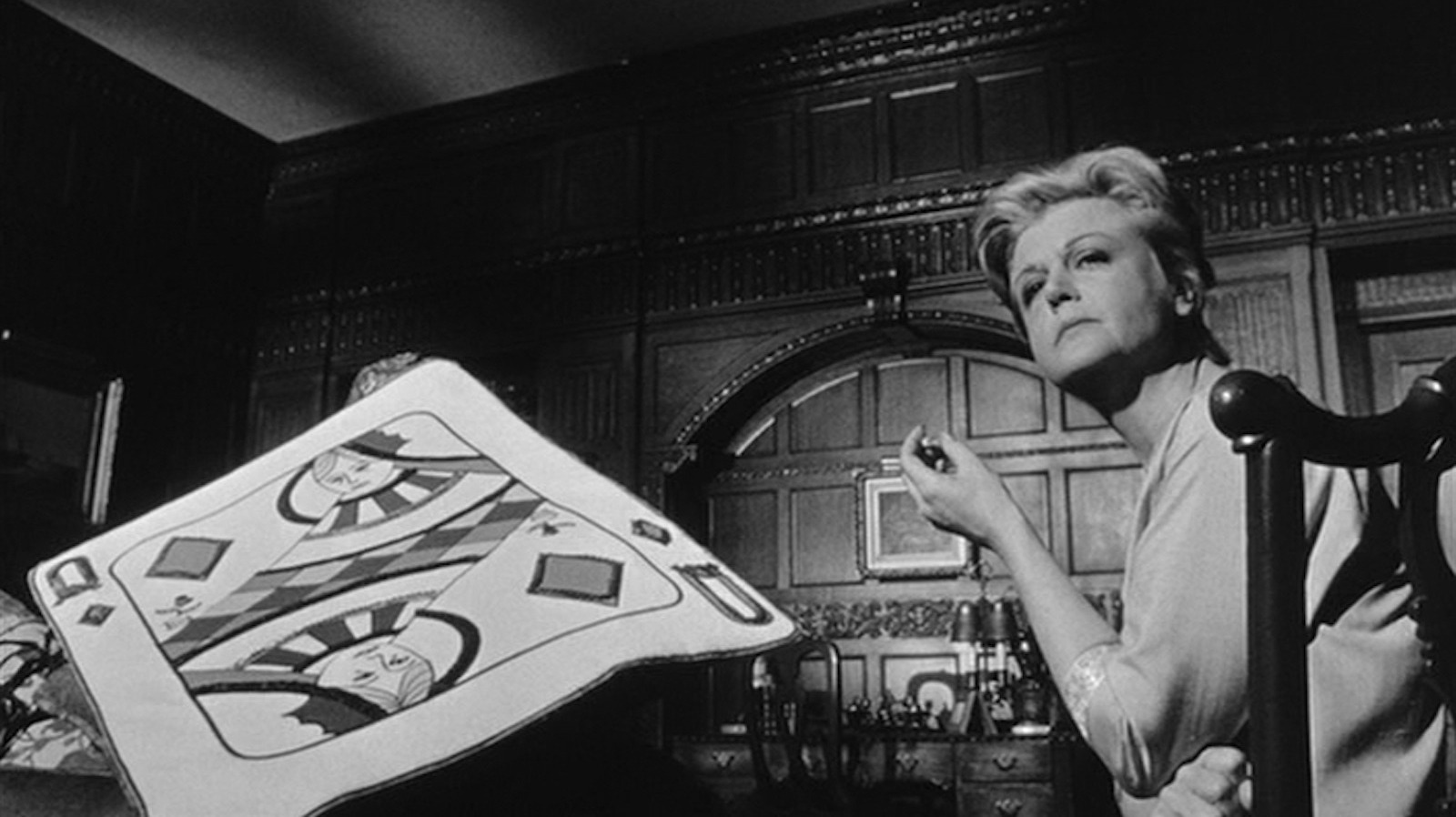
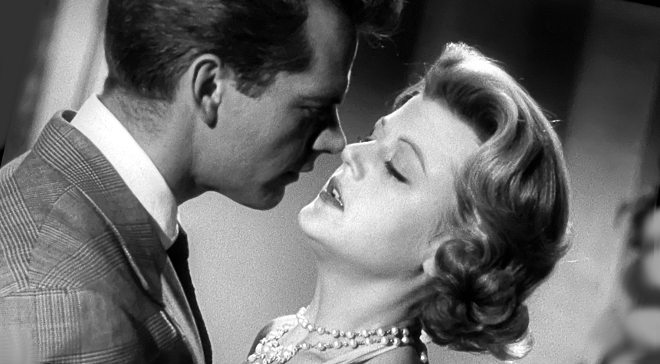
I’m sure this is just motion blur in the image, but all I can think of when I see Angela’s hand in this photo is that episode of Seinfeld when Jerry dates a woman with “man hands.”
I liked Angela’s performance and thought she succeeded once again in pulling off playing someone evil and making it hard for the viewer to figure out if she was really in love with Edward or not.
I listened to an interview with Angela last week when writing about The Picture of Dorian Gray, and she said she made a lot of not-so-great movies over the years. This may be one of them she was referring to.
The movie was directed by Paul Guilfoyle, for those who care about such things. The film was restored in 2021 and resulted in a few noir crime movie buffs blogging about it.
One of those, Michael Barrett from the site Pop Matters, wrote: “You’d have to know me to understand how unlikely it is that I’d never heard of this picture, but the commentary by scholar Jason A. Ney points out that this film is so obscure, it’s not listed in most noir references, despite the presence of a major star. So this might count as more of a rediscovery than restoration.”
About the acting and plot he writes, “The film runs only 76 minutes, but a bunch of stuff happens at a nice clip, sometimes too quickly for us to analyze how much adds up, with some elements more obvious than others. In a sense, everyone is clumsy and transparent, and that feels reasonably credible. The story mixes common sense (e.g., going to the cops and the insurance company) with devious cupidity and lust amongst tawdry, small-minded people.”
Glenn Erickson on Trailers from Hell wrote: “Filmed in 1954, producer Hank McCune’s A Life at Stake is notable for its fairly competent production and a decent if somewhat thrill-challenged screenplay — and the fact that it stars an actress one wouldn’t think would be associated with an 11-day cheapie thriller. The great Angela Lansbury is the odd star out on a list of creatives that reads like a call sheet for ambitious Hollywood underachievers, all thirsting for the right show to get their career in motion.”
I have to agree with Erickson when he writes: “The movie generates some tension but can’t quite convince us that Ed Shaw is as helpless as presented.”
I enjoyed Erickson’s entire review and background so if you would like to know even more about the film and Angela’s role in it, please check it out.
Some facts and trivia:
“The unusual convertible Doris Hillman (Dame Angela Lansbury) drove was a Kaiser Darrin. Only 435 production Darrins and six prototypes were built. Its entry doors slid on tracks into the front fender wells behind the front wheels, which was patented in 1946, had no side windows and a three-position Landau top. The car’s only criticism by enthusiasts was the front grill, which looked like it “wanted to give you a kiss.” (Source: imdb)
This was an independent feature produced by Hank McCune, who briefly starred in his own free-wheeling TV sitcom, The Hank McCune Show. (source: Pop Matters)
McCune created the story and hired people from his television series, including writer Russ Bender and supporting actor Frank Maxwell. (source: Pop Matters)
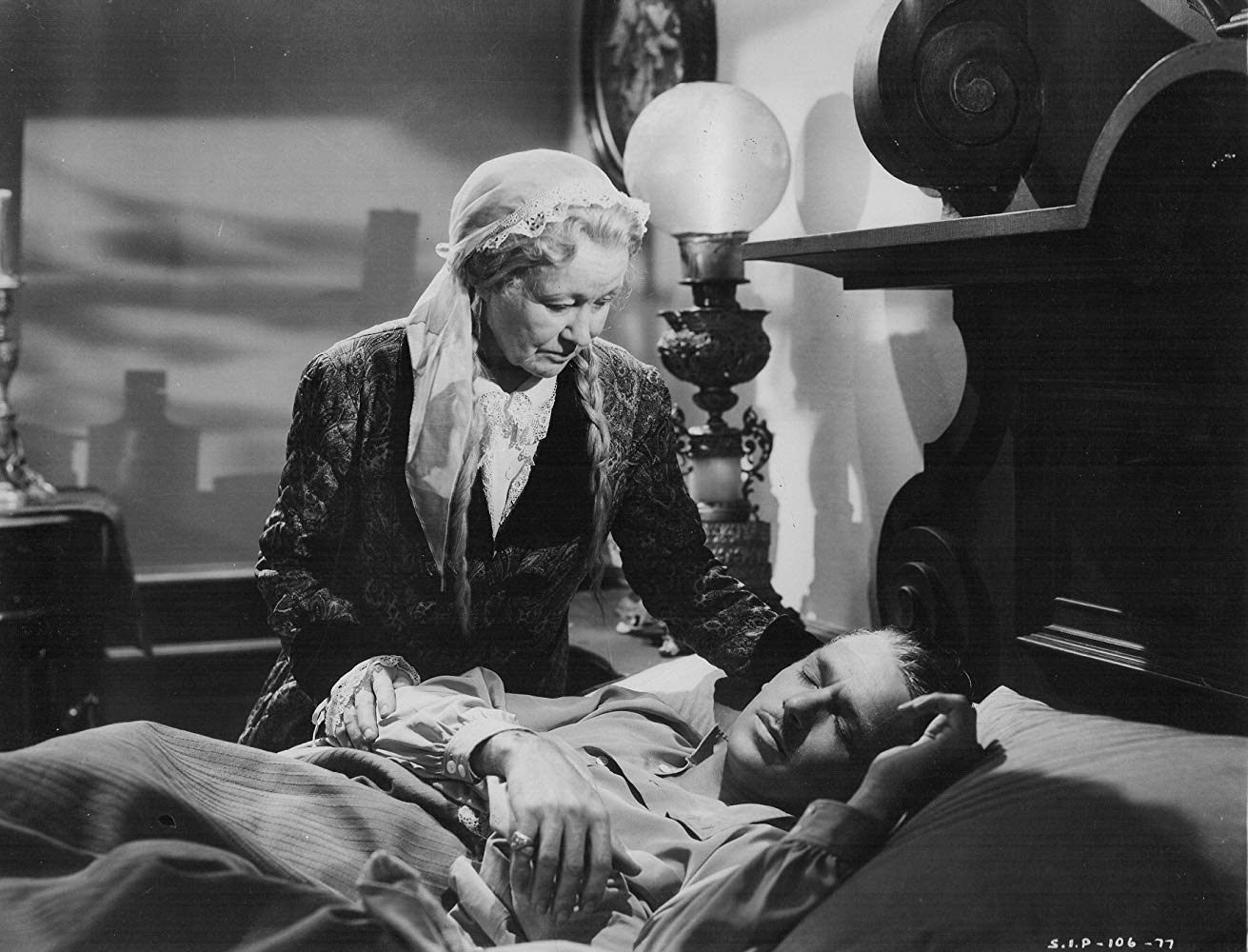
The director’s wife, Kathleen Mulqueen, plays Shaw’s mom-like secretary. (source: Pop Matters)
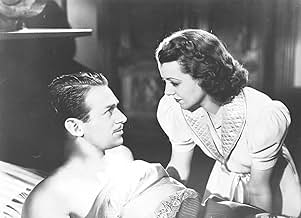
Directly from imbd.com: “In the first scene, Edward Shaw (Keith Andes) roams about his room in the boarding house wearing only form-fitting pajama bottoms and stripped to the waist, giving audiences ample chance to view his impressive musculature from every conceivable angle. In a comic twist, an attorney enters the room, and one of his first lines of dialogue to Edward is “Come now, you’re not the first man to lose his shirt!””
In order to please the Italian music unions, an agreed number of American films had to be re-scored by Italian composers for release in Italy. A bit of irony is that Les Baxter had his original music replaced by Costantino Ferri, Baxter himself would later join AIP and re-score over a dozen movies previously done by Italian composers. (Source: imbd)
When Edward Shaw (Keith Andes) gets into a taxi after leaving his office, in the background, the old Sunset Theatre is seen, which was located on Western Avenue just north of Sunset Boulevard; the double feature shown on the marquee is Da Vinci also Julius Caesar (with Marlon Brando) , which dates the shot as May 1954. The theatre no longer exists. The intersection has been redeveloped.
Left on my Summer of Angela list for August are:
August 22 – I’ve decided to substitute A Long Hot Summer for All Fall Down for a couple reasons — I’ve watched A Long Hot Summer before and it will allow me to admire Paul (Newman) again and I watched a preview for the film and this annoying kid kept calling the main character Barry-Barry and that just seemed super, super annoying. Plus, I’ve heard it is a dark film. I originally wanted to watch it because I’ve never seen a Warren Beatty film (don’t you dare ever remind me of Dick Tracy! Never! Ever! I would like to burn that memory out of my brain with the end of a cigarette! My brother and I walked out of that film and I have never attempted to watch it again and I still have PTSD!). I can always watch another Warren Beatty film instead.
August 29 – Something for Everyone
If you want to read about some of the other movies I watched, you can find them here:
This summer I am watching Angela Lansbury movies. This week — well, last week — I watched Bedknobs and Broomsticks.
First, a movie description:
During the Battle of Britain, Miss Eglantine Price (Angela Lansbury), a cunning witch-in-training, decides to use her supernatural powers to defeat the Nazi menace. She sets out to accomplish this task with the aid of three inventive children who have been evacuated from the London Blitz. Joined by Emelius Brown (David Tomlinson), the head of Miss Price’s witchcraft training correspondence school, the crew uses an enchanted bed to travel into a fantasy land and foil encroaching German troops.
The children come to live with Eglantine Price not because she wants them to, mind you. She is sort of cohersed into it by a lady from the community who ran out of room for the other children who came from London.
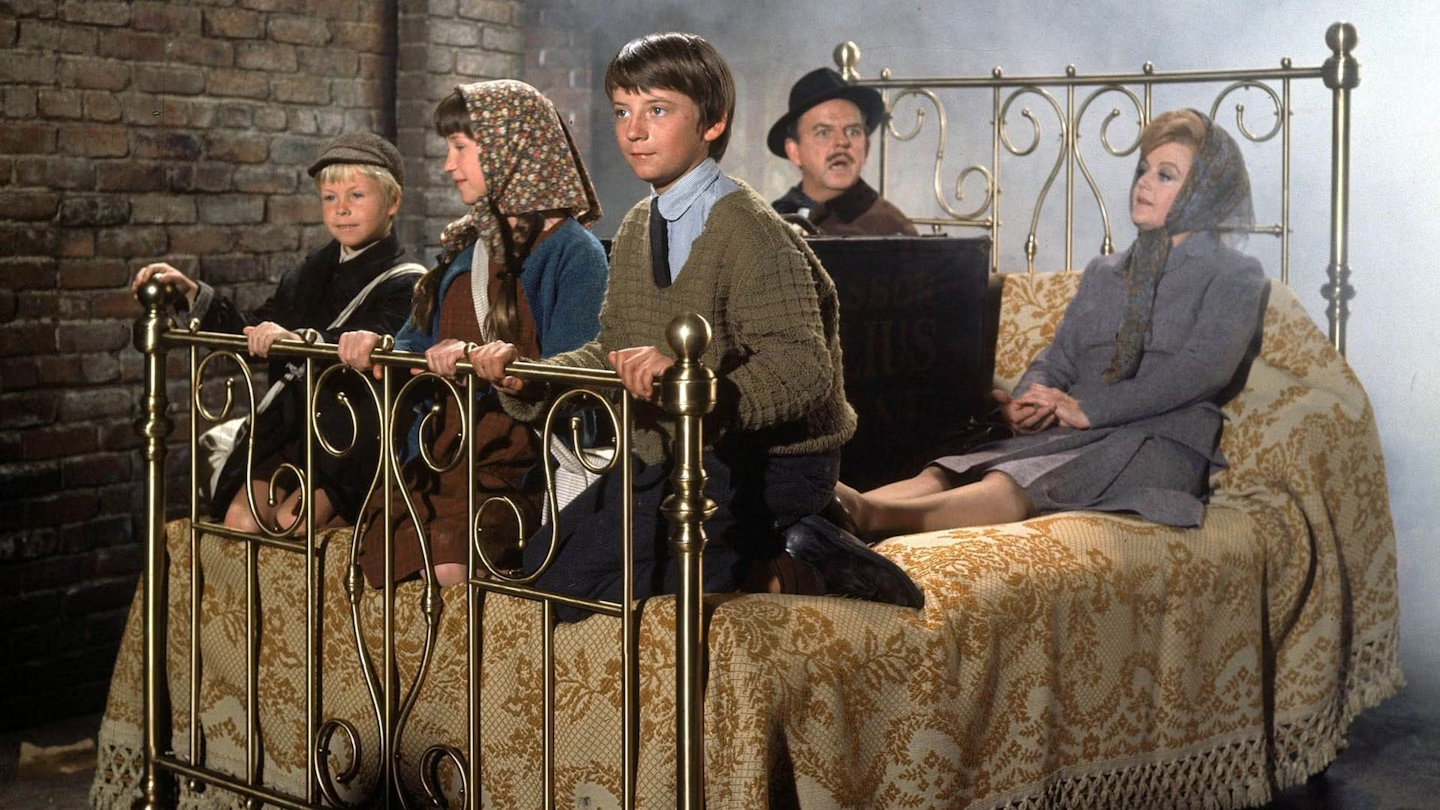
Once there the children decide they are going back to London. Miss Price doesn’t eat normal food (she doesn’t eat any sausages at all!). Miss Price can’t let them go back to London because the city is being bombed but..oddly enough…later in the movie she takes them all back to London via a magical bed. Yes, you read that right. A magical, flying bed.
The movie is based on two novels by Mary Norton, The Magic Bed-Knob (1945) and Bonfires and Broomsticks (1957), about the adventures of an apprentice witch and the three children who come to stay with her to escape the bombing of London during World War II.
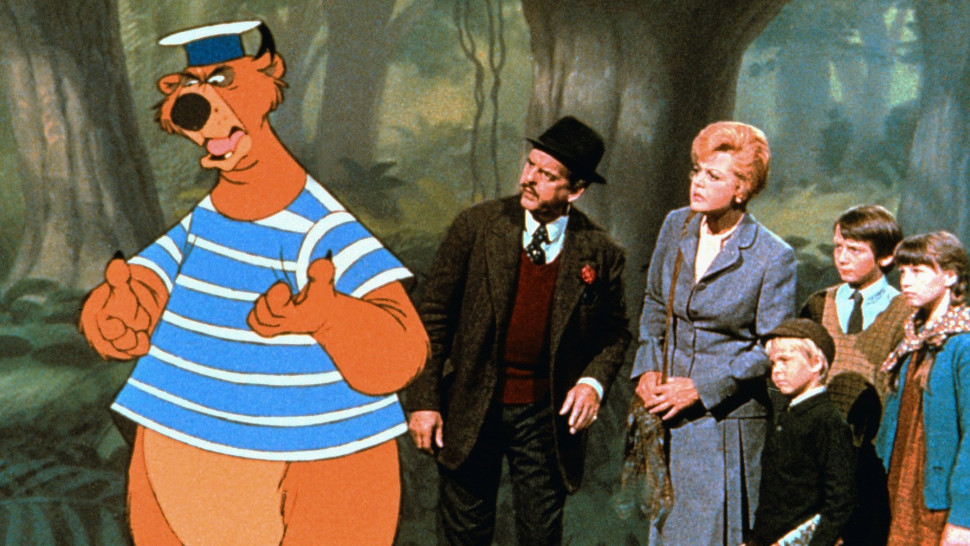
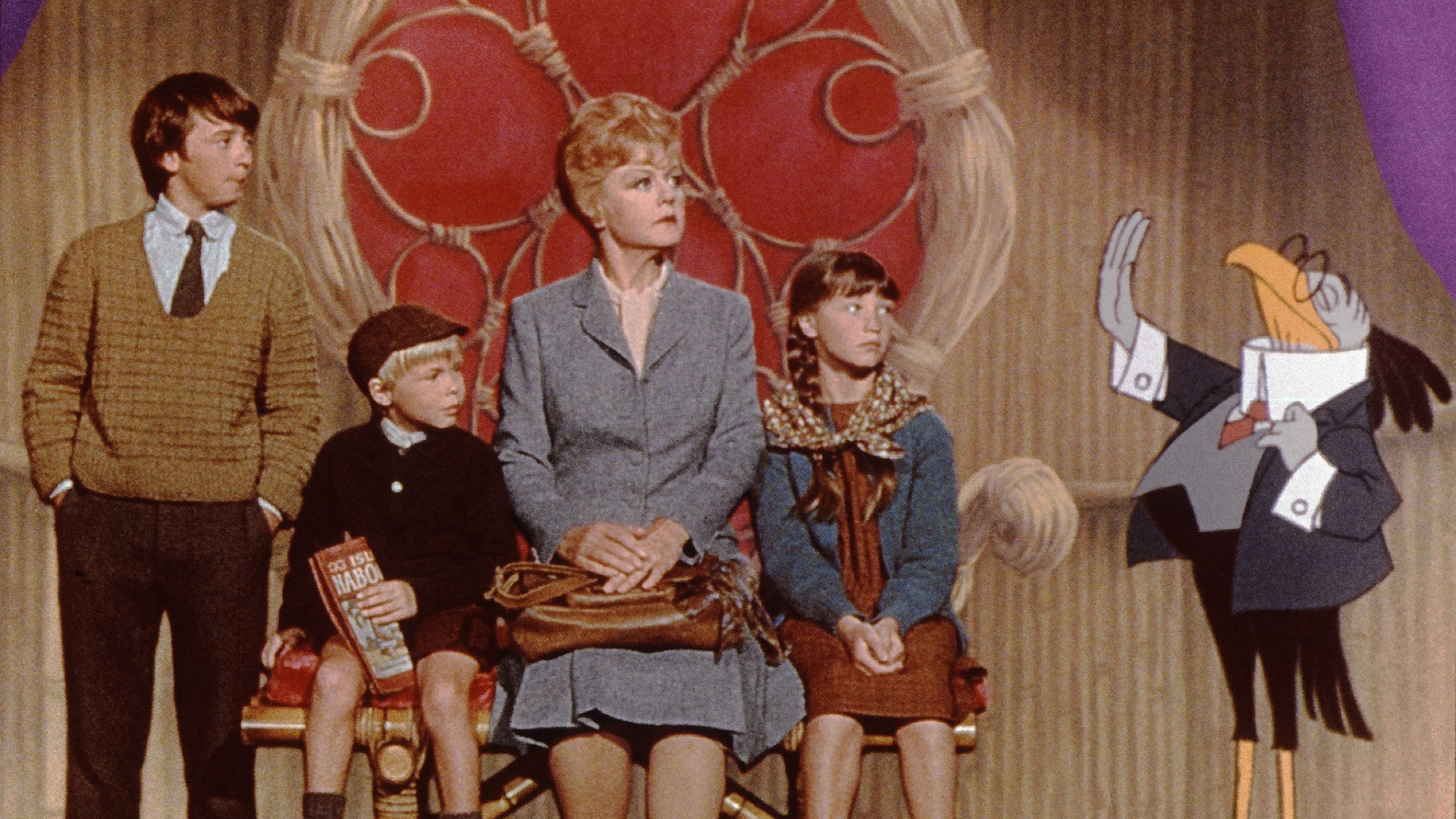
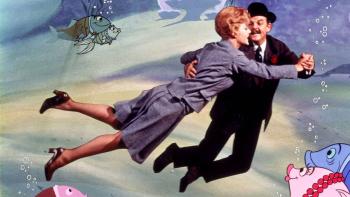
In some parts, the movie mixes live action and animation, similar to Mary Poppins.
Walt Disney (the man, not the company) purchased the rights to the first book the year it was published, but the movie wouldn’t be made until five years after his death, partially because of Mary Poppins. It took Disney years and years to convince P.L. Travers to give the rights to Mary Poppins. Walt wanted to make a movie based on Bedknobs and Broomsticks but decided he’d hold on to that one if he couldn’t get Mary Poppins. Of course, he did get Mary Poppins so Bedknobs was pushed aside for a bit.
Walt said the stories were very similar, so he wanted to wait to make Bedknobs and Broomsticks, a title that combined both book titles, when the frenzy from Mary Poppins had died down a bit. In the end, Walt died before Bedknobs and Broomsticks was developed and released.
Observer.com says this about the movie: “Bedknobs and Broomsticks is just as unhinged as it sounds. The 1960s through the 1980s was a period of decline for Disney, and the internal drama at the studio plus the Mary Poppins-related delays are evident in Bedknobs and Broomsticks, a film that’s all over the place (ironic, as Lansbury called her performance “acting by the numbers;” each scene was storyboarded ahead of time). At first, it strikes the same chord as Chitty Chitty Chitty Bang Bang (1968), but then it veers into West Side Story (1961) territory with extended dance numbers (including dancers in brownface). The scenes where the group travels using Miss Price’s magical bed are bizarrely psychedelic à la the tunnel scene in Willie Wonka and the Chocolate Factory, which premiered the same year. And the arcs featuring a mix of live action and animation, particularly the soccer scene on the cartoon island of Naboombu, feel like precursors to future hits like Space Jam (1996).”
Who is in it:
The movie stars Angela Lansbury and David Tomlinson (the father in Mary Poppins, incidentally) and three wonderful child actors Ian Weighill, Roy Snart, and Cindy O’Callaghan.
Highlights for me:
The children in this movie were absolutely amazing. They were hilarious, quick-witted and delivered their lines perfectly.
In one scene, the oldest boy decides he’s going to blackmail Miss Price into giving them better food (not vegetarian food that she eats) by telling her that the kids know she’s a witch. They know this because when they were trying to sneak out of the house to go back to London, they saw her trying to ride a broom for the first time and falling off into a bush.
“What we have here is an opportunity,” he says when he sees her fall off her broom. “She don’t want us to tell anyone she’s a witch so….”
Oh gosh, the kid is so funny in his delivery. His sister isn’t very pleased with him trying to manipulate Miss Price, by the way, and Miss Price isn’t easily manipulated so it doesn’t really work.
Angela, of course, was very good in this movie. I have to agree with some reviews that said she wasn’t as animated in the movie as she could have been. However, later in life she talked about how technical these types of movies have to be, adding that it is hard to improvise or do anything that breaks too much from the script when the movie is storyboarded so exact for the technical aspects.
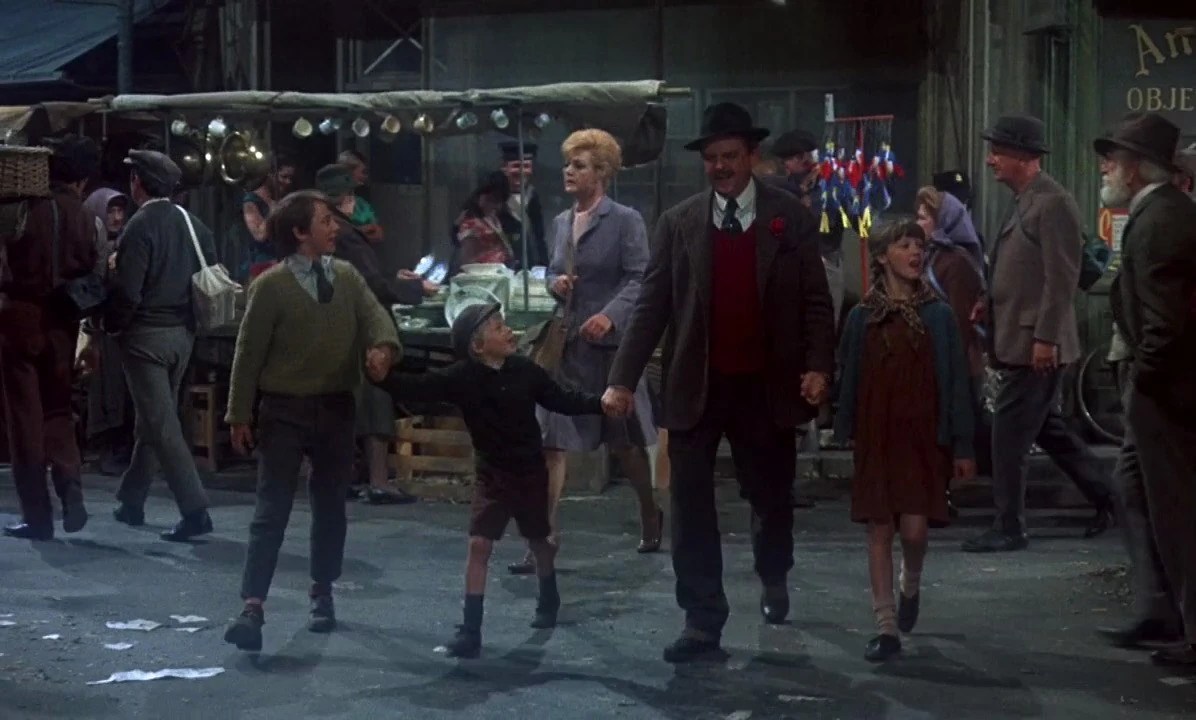
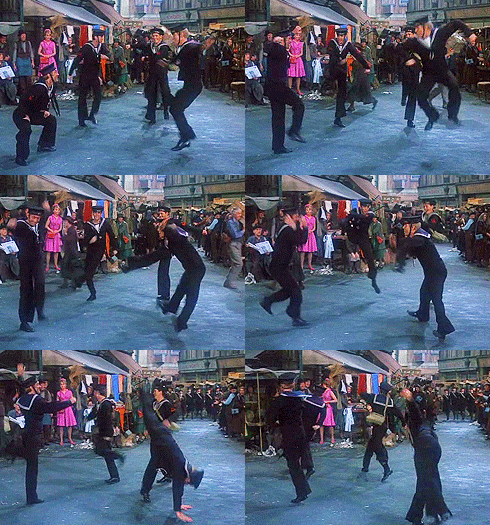
There was one song that sort of made my eyebrows raise: Portobello Road. Mainly because of the women who come up to the professor on Portobello Road and seem to be flirting with him. They are dressed in brightly colored dresses that have a certain “look” to them. These same women are in the background of the song flirting with the soldiers and even get their own break out dance moment. As my mom would say, “Oh. Oh my!”
I’m really surprised they put “those type of women” in the movie, which was, clearly, meant for children. I kept looking for any commentary online about this and did find some, but mainly from bloggers.
“I mean, it wasn’t until this viewing that I worked out that, yes, those are prostitutes attempting to pick up Professor Browne and not just friendly women,” Gillianred on The Solute.com wrote. “Which is . . . not something I expected from a Disney movie. But if you look at what they’re wearing and exactly how they size him up, it seems to me that, yup, they’re wondering if he’s got a few bob in his pocket to spare for a little bit of fun.”
I also enjoyed all the different cultures represented during the Portobello Road song. Soldiers who fought for the British during World War II were shown dancing in their own moments during the song, including Scottish, Indian, and Jamaica. Online there was at least one site that called this scene racist but I guess I didn’t see it that way. I just thought it was nice they were representing the other countries who fought with England.
I also felt that the Jamaican section in particular was very respectful because they were dancing to traditional music, the Jamaican women had the best dresses of anyone else in the dance sequence and everyone around them was clapping and enjoying themselves.
The children were even enjoying watching the dances and weren’t making fun of them, but trying to mimic them and try to dance like the people. To me the sequence is a chance to talk to children about the differences between culture. While the depictions are not completely accurate, to me, they are an attempt to bring awareness to all of those different countries that fought with the British during that time.
Eglantine’s cat looked like it had died – so that was funny to see. It looked like the cat we had, who we loved dearly, but was 19 when she died and looked awful. She looked like an animatronic cat that had gone through a garbage disposal at that point.
What I thought overall:
I liked this movie a lot but I don’t know that I would watch it again and again. Maybe if I had watched it as a child and had a sentimental connection, I would have loved it. Instead, I only liked it.
I almost loved it, maybe that’s a better way to say it. This was a comfy, cozy movie for me, even if it wasn’t my favorite Disney film. Yes, I know comfy and cozy are essentially the same word. Just go with it.
I loved the humor of the children and how they made the movie. I loved the silliness and the absolute detachment from reality it had , something people in the 40s would have really needed. Since the movie was released in 1971 it would have provided some people a happier way to frame that period, which was so dark for the world, but especially British people.
I’m actually glad children back then couldn’t see movies like this or read books like the Narnia Chronicles. They might have thought they were all going to mansion with professors or witches where they would disappear into a magical land via a wardrobe or fly away to adventure on a bed.
Nazis showing up at the end of the film was awkward and I imagine would have been very scary for children who watched it when really young.
Mr. Brown dreaming of Angela in a revealing acrobat outfit was also…er…interesting. Not inappropriate but a bit strange. In a funny way.
And, of course, the ending when — well, have you seen the film? I hate to give it away but I will say that a spell is cast and very exciting things happen to help make sure there is a happy ending.
If I were to boil down my overall opinion of the movie into one sentence I would say that it was a magical adventure for me that allowed me to escape life stresses and that is exactly what I think the makers of this movie wanted to do.
What Angela said about the movie:
I could not find the source for this again, but at some point, I was watching an interview with Angela and she said that what really made the movie was the children. Their acting was so good and, of course, children love to watch movies with other children in them.
In 1998 Disney released an extended version of the movie, adding in deleted scenes and musical numbers. Interviewed by Disney for the project, Angela said only those who acted in the movie knew what was missing all these years, but they were so glad to add those parts back.
“It was my passport to an entire generation of youngsters,” Angela said in the interview for Disney. “Now those children are all grown up and they are showing Bedknobs and Broomsticks to their kids.”
“To fly is everybody’s dream,” she continued in the interview. “And to have that experience of being suspended and moving freely through the air is a lovely feeling.”
Pullies and wires were used to help Angela and the other actors seem to fly but special effects also came into play.
“It has to do with make believe,” Angela said. “We had to understand that we were interacting with an animated creature, so your hand had to be in a certain position for him to put his hand on yours in the final print.”
A bit of trivia or facts:
Julie Andrews was offered the role of Miss Price in the movie but declined. When she made up her mind she did want to do it, it was too late. Angela had been offered the role and had accepted.
The Beautiful Briny was actually written for Mary Poppins, but saved out and filmed for Bedknobs and Broomsticks instead.
The song A Step in the Right Direction was cut from the movie and the footage could never be found to restore it to the restored version of the movie. Disney did, however, clip together some images and present it on the Disney Channel before airing the movie with all the deleted scenes added back in. (https://youtu.be/J-VwRkQGkAw?si=QpQ0jjsfKoP5H9wa
In the establishing shot of the animated soccer game, a bear wearing a Mickey Mouse T-shirt can be spotted in the crowd on the right side of the picture.
There were differences between the books and the movie. For example, in the first book of the series, the warm is not explicitly mentioned and the children are not orphans but are instead sent to spend the summer with their aunt in the country. It’s heard they meet Eglantine Price, who gives them the magic bedknob in exchange for not revealing she is a witch. In the second book, set two years after the first, the children travel back in time to 1666 before the Great Fire of London and that’s where they meet Emelius Jones (not Brown) and bring him back with them to the future.
Another difference between the movie and book is that Eglantine ends up traveling back with him to his time and takes the bed with her, which means the children will not have any more adventures or trips.
From TCM.com: “In an interview filmed for the thirtieth anniversary of the film that was included as added content on the DVD release, Richard M. Sherman and Robert B. Sherman, the brothers who were the film’s composer-lyricists, stated that they were given the task to write songs for Bedknobs and Broomsticks while the studio awaited permission from author P. L. Travers to film Mary Poppins. In an interview reprinted in a modern source, the brothers reported that Disney assured them that he owned another story about magic for which their songs could be used if Mary Poppins was not produced. According to the Shermans, the song “The Beautiful Briny” actually was written for, but never used in, Mary Poppins.”
According to 1971 studio production notes, three blocks of Portobello Road as it looked in 1940 were reproduced on Disney Studio soundstages. Among the props used for this sequence were carts rented from A. Keehn, a company that had a monopoly on them, according to set decorator Emile Kuri, who stated that for over a hundred years the company had collected a shilling a day for each barrow rented by vendors on Portobello Road. (Source TCM.com).
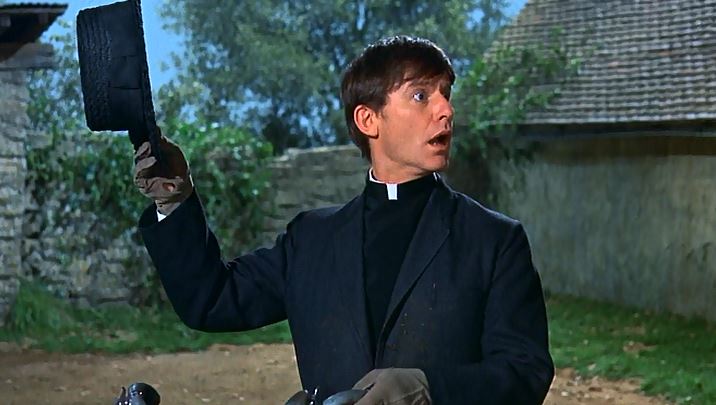
All longer scenes with Roddy McDowall as the local pastor “Mr. Jelk,” were cut from the film and he ended up in only a three-minute clip in the original film.
The New York Times stated in their review that Angela projected a “healthy sensuality” in the movie. (*giggle*)
This was the last Disney movie released while Roy O. Disney was still alive. He died a week after its U.S. premiere.
The armor in the climactic battle with the Nazis was authentic medieval armor, previously used in Camelot (1967) and El Cid (1961). When any item of armor was to be destroyed, exact fiberglass replicas were created and used.
In this movie, the King of Naboombu’s name is Leo. In official merchandise guidebooks, his full name is King Leonidas, after the Spartan King who died at the Battle of Thermopylae in 480 B.C.
This was the last Disney-branded movie to receive an Academy Award until The Little Mermaid (1989). Others received nominations, and two Touchstone Pictures movies, The Color of Money (1986) and Who Framed Roger Rabbit (1988), received awards before that.
For the months of April and May, Erin from Still Life, With Cracker Crumbs and I are watching movies set in Paris and rambling about them on our blog.
This week we watched How to Steal A Million with Audrey Hepburn and Peter O’Toole.
I actually think I watched this movie or part of it at some point over the last 20-some years but I couldn’t remember most of it, other than a few scenes.
The movie is about a con-man, Charles Bonnett (Hugh Griffith), who sells fake recreations of famous artist that he has painted. It isn’t something his daughter approves of so when he loans out a fake “Cellini” Venus statue to a museum in Paris she is horrified and panicked. Her father assures her that because the item is only being loaned out and not purchased, no one will inspect it and actually find out it is a fake. Unfortunately, Charles signs a loan agreement with the museum without reading it and later learns it includes an inspection clause.
On the same night the statuette goes on display, a burglar named Simon Dermott (O’Toole), breaks into their house to try to steal Charle’s recreation of a Van Gogh painting.
Terrified, Nicole sneaks downstairs and grabs a collector gun off the wall to confront whoever is in the house. After some bantering back and forth, and knowing calling the police would lead to an investigation of all her father’s paintings, Nicole agrees to let him go. When she lays the gun down, though, it fires and grazes Simon’s arm.
This leads to an entertaining exchange where he makes her drive him home using his car and then she discovers she has no way to get home. He calls her a taxi, but not before he asks her to wipe his fingerprints off the painting he tried to steal so he won’t get caught.
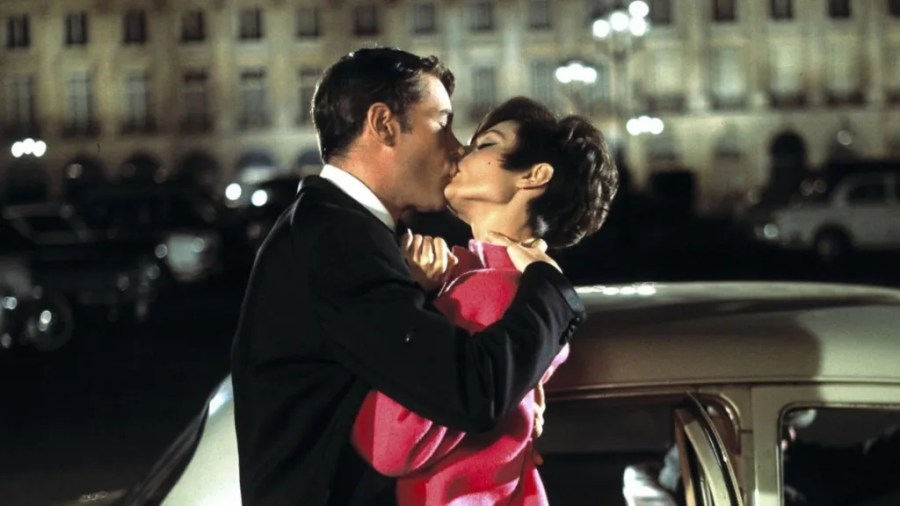
She asks him what else she should do for him. Did he want to kiss her goodnight?
He lets her know that he’d rather like to do that and the bold fellow kisses her passionately right there by the taxi.
Nicole is, of course, a bit enamored with him, especially after that kiss, which is clear when she later tells her father about what happened.
After she and Charles find out about the inspector who will come to look at the statuette at the museum so it can be insured for a million dollars, she worries that the inspection of the item — which her look alike grandmother posed for by the way — will lead to all of her father’s work being exposed as fakes and send him to jail. She tracks Simon down and asks him to help her steal the statuette, even though it is under very heavy security at the museum.
Much jocularity ensues.
Yes, I did just write that sentence.
But, a lot of fun does unfold at this point and the viewer already knows a bit about Simon and that he isn’t what he seems but now we want to know what else we, and Nicole, will find out. As if things couldn’t get any crazier, we also have an American dealer Davis Leland (Eli Wallach) who is trying to buy the statuette and wants to marry Nicole.
I won’t provide any other spoilers in case you haven’t seen this one and want to.
This one was a fun one for me. Lots of funny, quirky moments and beautiful views of Paris. Of course, these actors were all supposed to be in Paris but sounded British, other than Audrey.
Audrey has never been my favorite actress but I enjoyed her more in this one than I thought I would. I thought Peter O’Toole was a delight all around. He was…sigh….dreamy. Those impulsive kisses…whew!
I loved the ins and outs of the movie, the misdirection, etc.
Toward the beginning of the movie, Nicole is reading Hitchcock Magazine which made me wonder if she’d ever been in one of his films. After a quick search online, I learned that the answer is no. However, in her Oscar-winning performance as the princess in the 1953 movie Roman Holiday, Audrey is in bed reading a book about Hitchcock.
My husband says he never wanted Audrey in his movies because he liked actresses with talent. Ouch. It’s clear my husband is not an Audrey fan. He added that Hitchcock had a “type” and Audrey wasn’t it. Most of the actresses in his movies were blond. There you go.
There were rumors when the movie was made that Peter and Audrey had an affair during the filming but those were later squashed by the pair who said while that wasn’t true, it was true they became close friends after the movie.
Some trivia about the movie that I read about during my research:
After Nicole dresses up as a cleaning lady at one point in the movie, Simon Dermott says, “That does it. For one thing, it gives Givenchy a night off.” Hubert de Givenchy was Audrey Hepburn’s costume designer.
When Peter O’Toole first sets off the museum alarm, he says, “Ring out, wild bells.” This is the title of a poem by Alfred Lord Tennyson published in 1850, which was part of his work entitled “In Memoriam”. It was an elegy to his sister’s fiancé, Arthur Henry Hallam, who died at the age of 22.
The film was directed by William Wyler.
Have you ever seen this movie? What did you think of it? If you wrote a blog post about it or choose to do so later, you can link up below anytime from today until May.