It’s time for our Sunday morning chat. On Sundays, I ramble about what’s been going on, whatthe rest of the familyand I have been reading and watching, andwhat I’ve been writing. Some weeks I share what I am listening to.
Today is my mom’s 81st birthday. Sadly, we are probably not going there for dinner because my family is recovering from a summer virus/cold. We are almost all the way over it but we’re making sure we are still not contagious before we go. So, we will celebrate her birthday later this week.
The biggest issue with our illness this week was Little Miss’s cough at night and our being unable to stop it so she, and we, could sleep. We were happy to have some beautiful weather the second half of the week that allowed us to go outside and get some fresh air. During the first part of the week, it was simply too hot to enjoy anything outside.
Fans of Summer have been disappointed this week since we had fall-like temperatures for the last few days but I have been loving it. I would love it even more if Little Miss could kick her cough all the way. I have a feeling that will happen by tomorrow or Tuesday, however.
A couple of quick reminders:
I have a monthly book-related link party if you are interested. You can find the A Good Book and A Cup of Tea link party at the top of my page or here (https://lisahoweler.com/2025/08/02/a-good-book-a-cup-of-tea-monthly-link-party-for-august/) . It is for posts about books that you are reading, have read, book reviews — just anything book-related really. So even posts about book collections, authors etc. etc.
We will be holding another one in August, but I am not sure when yet.
The Crafternoons are events where we gather on Zoom and craft at our respective homes and chat while we work on various projects. We are calling them drop-in crafternoons because you can drop in and out during the time we are on (usually from about 1 to 3 p.m. EST US time). No need to stay the whole time if you can’t. Come late if you want or leave early.
If you want to join in, email Erin at crackcrumblife@gmail.com and she will add you to the mailing list.
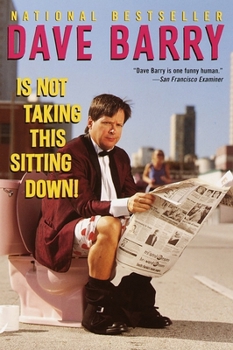
This wasn’t the worst cold/virus/whatever I’ve ever had so I was able to get some reading in, mainly from Dave Barry Isn’t Taking This Sitting Down while I sat up keeping an eye on Little Miss in the middle of the night. I also read quite a bit of The Scarlet Pimpernel by Baroness Orczy.
I didn’t read any of the 100-Year-Old-Man Who Climbed out the Window and Disappeared by Jonas Jonasson this week but I do plan to continue it and finish it. I did read some from Carry On, Jeeves by P.G. Wodehouse and I love it.
Soon I hope to read The Clue of the Broken Blade, a Hardy Boys Mystery, and Password to Larkspur Lane, a Nancy Drew Mystery.
The Boy is listening to Red Tithe by Robbie MacNiven, a Warhammer book.
The Husband is reading something or other but he laid down for a nap because he might be getting the virus next so I will have to ask him later.
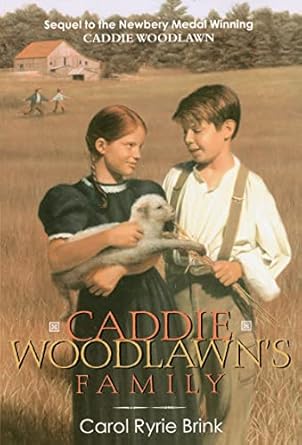
Little Miss and I have not started anything new lately but I hope to finish Magical Melons by Carol Ryrie Brink soon. That title was later changed just to Caddie Woodlawn’s Family. I think that’s a good thing because the first title was .. a little weird in modern times.
Last week I watched The Adventures of Robin Hood with Errol Flynn, a few episodes of Murder She Wrote, an episode of As Time Goes By, a documentary of David Suchet on the Orient Express, and an episode of a new-to-me show called Canal Boat Diaries. I also watched The Court Jester as part of my Summer of Angela series. Next week I will be watching The Picture of Dorian Gray.
What have you been doing, watching, reading, listening to, or writing? Let me know in the comments or leave a blog post link if you also write a weekly update like this.
Welcome to the A Good Book & A Cup of Tea Monthly Link Party for book and reading posts! Each link party will be open for a month.
1. For Bloggers, you can link unlimited posts related to books and reading. These can be posts about what you’re reading, book reviews, books you’ve added to your shelf, reading habits, what you’ve been reading, about trips to bookstore, etc. You get the drift.
2. Link to a specific blog post (URL of a specific post, not your website). Feel free to link up any older posts that may need some love and attention, too.
3. Please visit at least two other bloggers on this list and comment on their posts. Have fun! Interact! Get some book recommendations.
4. Readers can click the blue button below to visit blog posts.
5. If you add a link you are giving me permission to share and link back to your post(s).
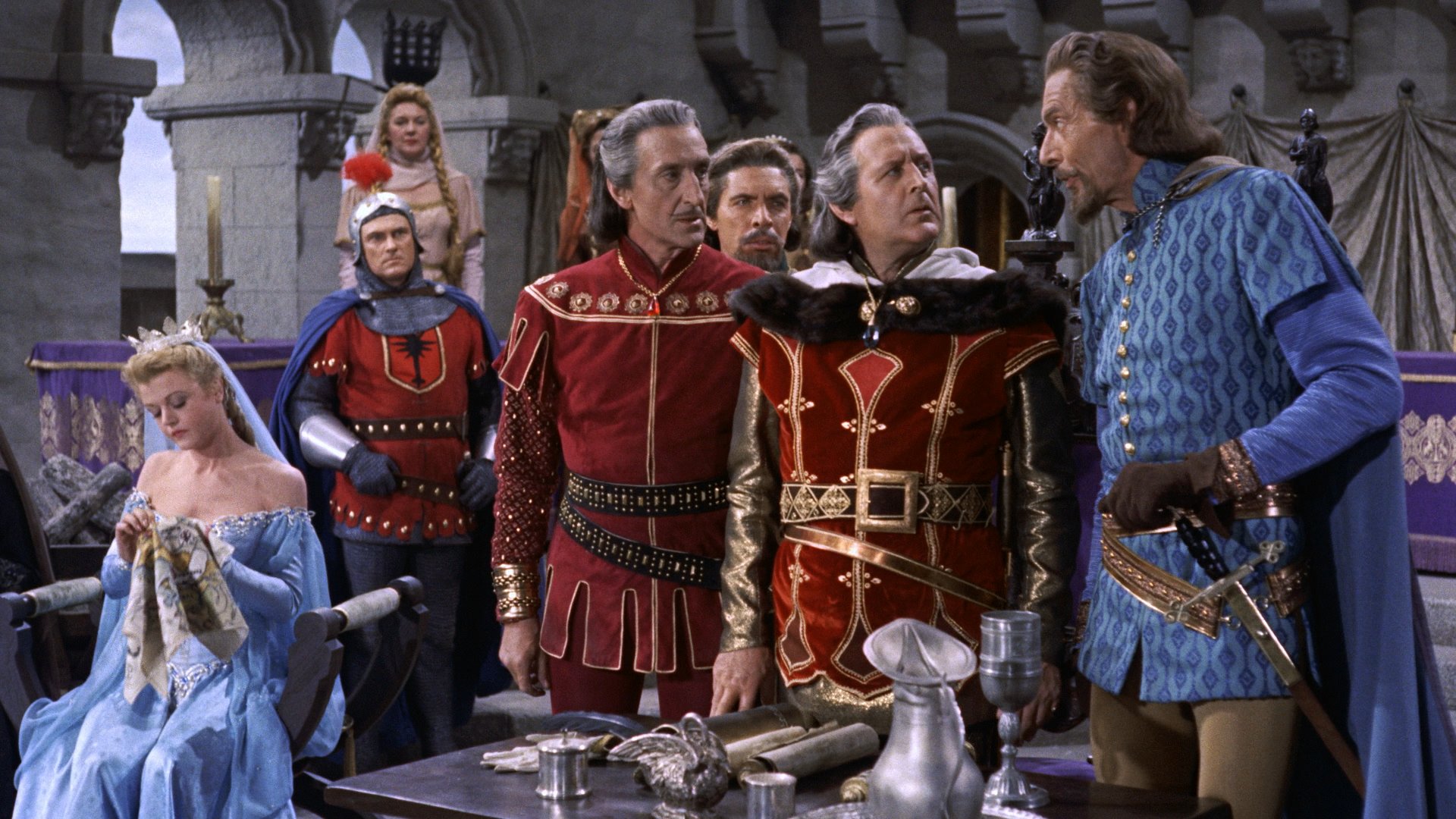
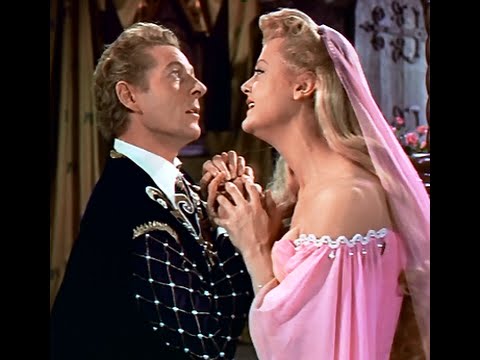
This week I watched The Court Jester (1955) with Angela, Danny Kaye, and Basil Rathbone. It is a musical/comedy.
The main words to describe this movie are silliness, ridiculousness, and peak Danny Kaye moments.
It really fell apart toward the end, I felt, but there were some hilarious moments that made up for it.
First, a bit of the plot with a description from Google:
“Former carnival performer Hubert Hawkins (Danny Kaye) and maid Jean (Glynis Johns) are assigned to protect the infant royal heir from tyrannical King Roderick I (Cecil Parker). While Jean takes the baby to an abbey, Hawkins gains access to the court by impersonating the king’s jester, unaware that the jester is really an assassin hired by scheming Sir Ravenhurst (Basil Rathbone). When Princess Gwendolyn (Angela Lansbury), falls for Hawkins, a witch secretly aids him in becoming a knight.”
This film is just a lot of craziness caused by misunderstandings, misdirection, and generalized oopsies.
We start the movie by learning that an entire royal family was killed so that the current King, King Roderick I, could take the throne. Actually, though, the entire family wasn’t killed, according to rumors anyhow. The rumors say an infant survived and bears upon his bottom a birthmark of a purple pimpernel.
The rumors further say the child is being cared for in the forest by an “elusive, dashing outlaw” known as the black fox. As if to prove these rumors, one of the king’s men is killed as they are riding near the forest and a note attached to the arrow announces that the child is alive and The Black Fox has him.
Not sure why this was being announced because I would think it would be better to keep this all a secret until the child is older and then they bring the child in to overthrow the usurper, but…what do I know?
After the note scene we are taken to the castle where the king’s advisor, Sir Ravenhurst (Rathbone), is stating the rumor about the child being in the care of the black fox is simply a silly story to scare the king. The other advisors say there is something to the rumor and to the power of the black fox. They feel that the king should form an alliance with Griswold of the North because he is strong and has men who can help them fight against The Black Fox.
Ravenhurst is against this and the other advisors say it is because Ravenhurst wants to be the king’s right hand man and have more power.
The king says even if he wanted to form an alliance he doesn’t have anything to offer Griswold to sweeten the deal. The one advisor says that the king does have something he could give Griswold — the hand of his daughter Gwendolyn — our fair Angela — in marriage.
Angela is gorgeous in this movie. She’s super skinny (not that she’s ever been big), tall and elegant.
My son told me recently that young Angela was beautiful and that even “old Angela” in Murder She Wrote wasn’t so bad. I can’t wait to show him her in this film (I watched it on my own) because this will further solidify his feelings.
Gwendolyn says she is not interested in marriage because the castle witch, Griselda, told her that a more dashing man than Griswold would be coming along to sweep her off her feet.
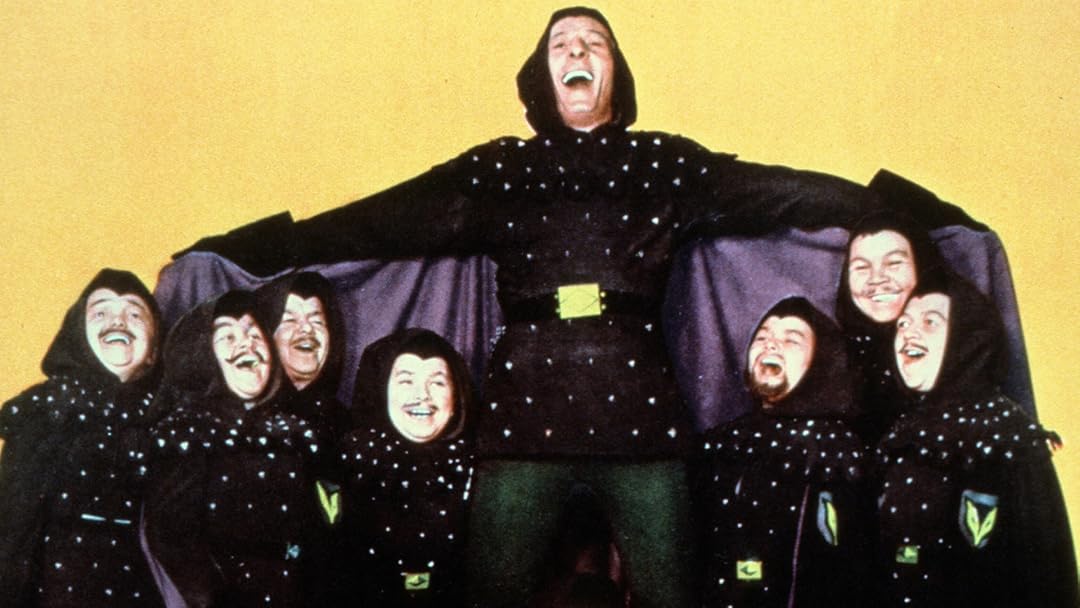
Now the scene switches to the lair of the black fox, where Hubert tells the black fox he has brought a group of midgets with him from the carnival (Hubert’s former job) to fight for The Black Fox. This brings me to one of the weirdest promo photos I’ve ever seen:
I’ll be seeing this one in my nightmares tonight.
It is the job of Danny’s character, Hubert, to care of the baby and he thinks it is a job that should go to a woman. Well! How rude.
But The Black Fox doesn’t agree and tells Hubert he will continue the job.
Hubert is a little more excited about having to take care of the baby when he is charged with traveling with the beautiful Jean to take the child to the abbey for protection.
When I was reading about the actors in this movie, I found out that Glynis Johns (Jean) also played the mother in Disney’s Mary Poppins. The first one, of course.
Anyhow, moving on — The pair stop for the night and that’s when they not only admit their feelings for each other (smoochy, smoochy) but a man stumbles into the small stable they are in and asks to stay with them for the night. He’s on his way to see the king, he says. He is a court jester and his name is Giacomo.
Ah-ha! Hubert and Jean were just talking about how it would be a good thing if they had a spy in the castle who could tell them if the king was coming after The Black Fox. How very fortuitous this unexpected meeting has been.
Giacomo is knocked out and Hubert steals his clothes and his wagon, which is emblazoned, for some weird reason, with Giacomo’s name across the back of it.
So Jean takes off toward the abbey and Hubert takes off toward the castle.
Sadly, Jean is captured by soldiers from the castle who are looking for good looking women for the king. The baby is hidden in a basket and she and the baby are taken to the castle where she manages to hide the baby away from the king and his men.
Meanwhile, Gwendolyn learns that Griselda lied to her about the dashing man and is about to have her killed when Hubert shows up on the road below and Griselda claims that he is the man that Gwendolyn is supposed to marry.
Whew. This plot is starting to get pretty twisted at this point. From here on out, things get pretty crazy with Griselda casting spells and poisoning people left and right. Ravenhurst also thinks that Giacomo (Hubert) is an assassin who is going to take out the three advisors who wanted to create the alliance with Griswold.
Before all is said and done there will be sword fights, a jousting match, fake and real romances, a midget army, and, of course, plenty of musical numbers by Mr. Kaye.
There is also the famous scene between Danny, Glynis Johns, and Mildred Natwick where they discuss which vessel the poison is in.
Here is a clip of it, in case you’ve never seen the movie:
I won’t share too much more in case you want to watch the movie yourself.
The movie was directed by Norman Panama and Melvin Frank.
According to an article on TCM.com, Panama and Frank formed a production company with Kaye called Dena Productions, named after Danny’s daughter, after Kaye’s success in 1947 with the film The Secret Life of Walter Mitty.
The idea behind the production company was to introduce the real Danny to film audiences. He had been acting on Broadway and in smaller productions on stage for years.
The Court Jester was the company’s second movie and proved to be a huge success but not right away. It actually bombed at the box office, despite it’s stellar cast. Years later though it was regarded as one of Danny’s finest films with, according to TCM, “comedy routines that have entered the annals of film history.”
Amazon features trivia and facts through their xray feature when you watch a movie there on a computer or device. I often forget that because I usually watch the movies on my TV but this time I watched part of the movie on my phone and bits of the trivia popped up.
One of them was a story from Danny’s daughter who said that fans often came up to him and recited the entire tongue twister scene for him.
What Angela said about the movie:
Angela had been playing mainly dramatic roles before this movie and was able to have some fun with the role. Part of that fun was watching Danny Kaye work she said in the Kaye bio Nobody’s Fool by Martin Gottfried.
“His use of hands was inspired by commedia dell’arte,” she said. “And in the way he moved, he was absolutely original; he was one off the mold.”
She added, “Danny wasn’t an ensemble player – he was the one around whom everyone danced, and we all dressed to him. We never stopped laughing. There was none of that moodiness he could have elsewhere, that abruptness, ignoring people. If something interested him, sparked him, he came alive. The minute that was over, he was closed for business, which I think is true of many of the great comic performers. They are constantly out to lunch. Where they are, I don’t know.”
Gottfried also wrote an autobiography on Angela and said of her role in the movie: “It allowed her to play not only a princess, but a princess her own age. She was made up to look young and lovely. She got to wear beautiful clothes that showed off her fine, slender figure.”
What I thought overall
This was a ton of fun. As I mentioned above, I wasn’t a huge fan of the ending when things started to fall apart in some ways and just descend into chaotic ridiculousness but that was a minor issue when there were so many other great moments and interactions in the film.
Angela wasn’t in this one a ton but she was in it enough to enjoy her mix of wide-eyed adoration of Danny’s character and her devious ways to get what she wanted. She truly was beautiful in the film as well.
I loved the wordplay and back and forth between the characters. None of the songs really stuck out to me but they were fun.
This is a great film to escape into and forget about your problems with. The bright and colorful outfits alone will distract you from the stresses of your days.
Trivia about the movie:
Basil Rathbone had made many movies where he was the sword-wielding villain so when it came to his role in this film, he was ready. He was 66 at the time, though, having already redefined Sherlock Holmes in 14 films from 1939 to 1946, and wasn’t ready for how quick Danny would be able to move the sword. A body double had to be called in to film some of the fencing scenes because Danny was moving so fast that Basil was almost injured. It was because of his superior fencing skills that no one was injured but he still couldn’t keep up with Danny’s fast, though less accurate, moves.
According to TCM.com. “(Basil’s) talents were carefully observed by Danny: With his quick reflexes and his extraordinary sense of mime, which enabled him to imitate easily anything seen once, Kaye could outfence Rathbone after a few weeks of instruction.” (various sources, including TCM.com.)
During the “Maladjusted Jester” sequence, King Roderick I (Cecil Parker) kicks Hawkins (Danny Kaye) every time he makes a mistake. It took 11 takes, and afterward, Kaye said he had bruises all over his hip. (source IMdB)
The “Now I can shoot and toot” speech during “The Maladjusted Jester” was previously said by Danny Kaye in Up in Arms (1944).
From IMdB: “This was composer Vic Schoen‘s first movie. He was not officially trained in the mechanisms of how music was synchronized to film, so he had to learn on the job. It took him a long time, but he was very proud of his work. Composer Igor Stravinsky listened to his score and later complimented Schoen, saying he had broken all of the rules.”
A U.S. Civil War reenactment group, The American Legion Zouaves of Richard F. Smith Post No. 29, Jackson, Michigan” performed the intricate high speed marching maneuvers during the knighting ceremony. (source, Classic Movie Hub)
Have you ever seen this movie?
What did you think?
Cat from Cat’s Wire shared her thoughts on the movie here..
Here is what is left of my Summer of Angela:
August 1 – The Court Jester
August 8 – The Picture of Dorian Gray
August 15 – A Life At Stake
August 22 – All Fall Down
August 29 – Something for Everyone
If you want to read about some of the other movies I watched you can find them here:
Welcome to the Weekend Traffic Jam Reboot, where we offer a place for bloggers to link up and get a fresh set of eyes on their posts. We also feature one blog a week, letting our readers know about the blog and providing a link so readers can learn more about it.Please feel free to post new blog posts or old ones you want to bring attention to again.
Look for the post to go live about 9:30 PM EST on Thursdays.
My kids and I came down with a virus over the last couple of weeks and it has not been fun but we are luckily on the mend. The worst part of it was the sore throat and earaches for my son and I and for my daughter the worst was the sore throat and then the sinus drainage that made her cough and kept her up all Wednesday night. And by all I mean ALL.
I’ll be glad when this is over!
Now, let’s introduce our hosts for the Weekend Traffic Jam Reboot:
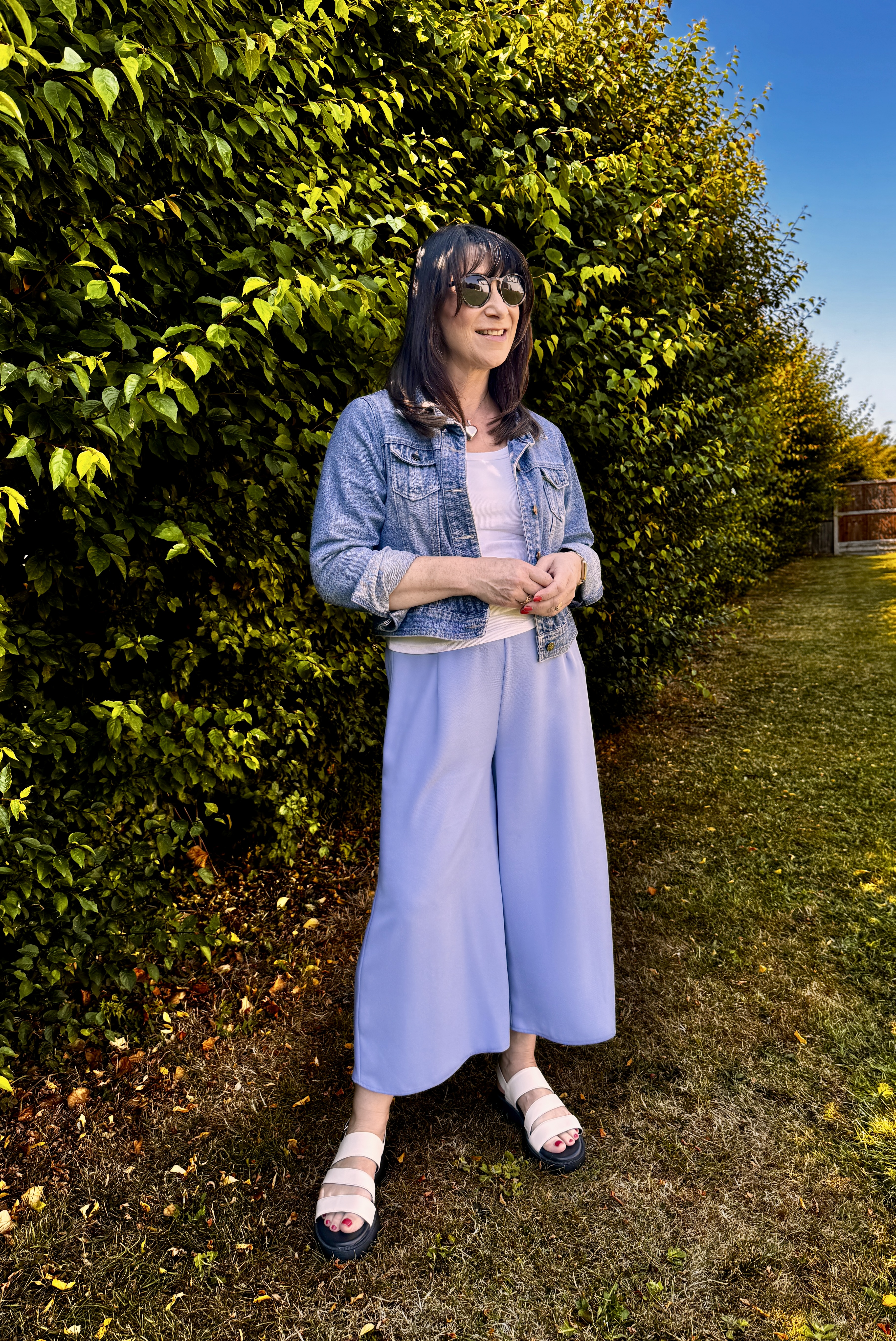
Marsha from Marsha in the Middle started blogging in 2021 as an exercise in increasing her neuroplasticity. Oh, who are we kidding? Marsha started blogging because she loves clothes, and she loves to talk or, in this case, write!
Melynda from Scratch Made Food! & DIY Homemade Household – The name says it all, we homestead in East Texas, with three generations sharing this land. I cook and bake from scratch, between gardening and running after the chickens, and knitting!
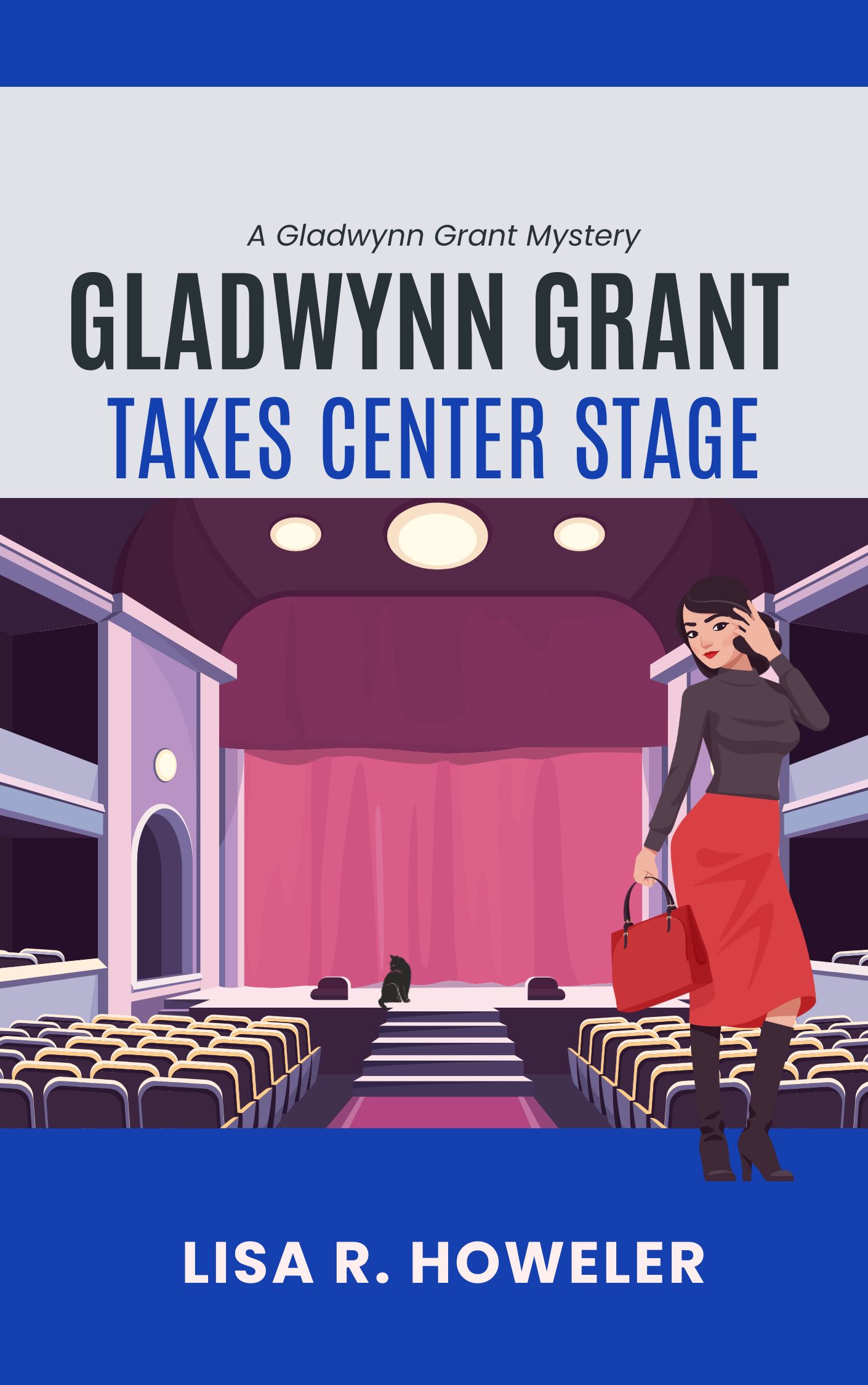
Lisa from Boondock Ramblingsshares about the fiction she writes and reads, her faith, homeschooling, photography and more.
Sue from Women Living Well After 50 started blogging in 2015 and writes about living an active and healthy lifestyle, fashion, book reviews and her podcast and enjoying life as a woman over 50. She invites you to join her living life in full bloom.
We would love to have additional Co-Hosts to share in the creativity and fun! If you think this would be a good fit for you and you like having fun (come on, who doesn’t!) while still being creative, drop one of us an email and someone will get back with you!
WTJR will be highlighting a different blogger each week this year! We invite you to stop by their blog, take a look around and say hello!
A little about Joanne: I’ve been homeschooling since June of 2012 and that’s when I started my blog. I was new to homeschooling and while I jumped in with both feet and lots of enthusiasm I was feeling overwhelmed and over my head– and I was a teacher by profession!
I have my master’s degree in early childhood education and worked in the public school system as both long term & regular substitutes. Within one year of having all three of my kids attending school full time I realized we were all miserable and with the support of my family we turned to homeschooling.
They all had far more confidence in me than I did.
We live in a state with little to no homeschooling laws & guidelines which I found even scarier at the time. I hoped to use my blog as a way to hold myself accountable for what I was teaching and have found it tremendously helpful over the years to look back and see all that we do manage to cover even when I feel like we aren’t doing any schoolwork for long periods of time.
Over time my blog has evolved to showcase more of me; my interests, crafting ideas, recipes and more. I love that homeschooling my children has allowed us all time to peruse so many other interests– That’s why I had to change the name of my blog!
I used to blog over at Our Unschooling Journey but found more and more of my posts had nothing to do with homeschooling. I changed the name of my blog to Slices of Life since that’s what I felt like I was sharing!
Thank you so much for joining us for our link-up each week, Joanne!
And now some posts that were highlights for me this past week:
This week’s prompt is: Beach/Beachy Reads (Share books you’d take to the beach OR books that take place at the beach.)
I don’t know if anyone else would call these books beachy reads, but I do! Because I am weird. Ha!
The Secret of the Amish Diary by Rachael Phillips
(A fun mystery that I consider a quick read.)
The people of Pleasant Creek are delighted to welcome Liz Eckardt to their picturesque country town as she reopens the Olde Mansion Inn bed and breakfast. But a new start and a simpler life aren’t the only reasons Liz is setting down roots in the heart of Indiana’s Amish community. She is quietly embarking on a quest to find answers about her late mother’s secret life growing up Amish.
Becoming the town’s new innkeeper helps Liz ingrain herself among the townsfolk while searching for the truth about her Amish relatives. That is until she finds herself in the middle of the mysterious murder of one of the inn’s guests. Is there a connection between the death of her troublesome lodger and the truth about her long-lost family?
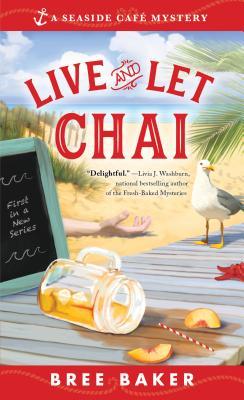
Live and Let Chai by Bree Baker
(Takes black in a tourist beach town so a perfect beach read.)
Trouble is brewing in Everly’s new café. Can she bag the culprit?
Life hasn’t been so sweet for Everly Swan over the past couple of years, but now that she is back in her seaside hometown and the proud owner of a little iced tea shop and café right on the beach, things are finally starting to look up–until a curmudgeonly customer turns up dead on the boardwalk. With one of her hallmark glass tea jars lying right next to him and an autopsy that reports poison in his system, it doesn’t look good for Everly or her brand new business.
As the townspeople of Charm, formerly so welcoming and homey, turn their back on Everly, she fights to dig up clues about who could have had it in for the former town councilman. With a maddeningly handsome detective discouraging her from uncovering leads and a series of anonymous attacks on Everly and her business, it will take everything she’s got to keep this mystery from boiling over.
Gone Away Lake by Elizabeth Enright
(A middle grade read that takes place in summer and has a perfect Summer feel and storyline.)
Summer has a magic all its own.
When Portia sets out for a visit with her cousin Julian, she expects fun and adventure, but of the usual kind: exploring in the woods near Julian’s house, collecting stones and bugs, playing games throughout the long, lazy days.
But this summer is different.
On their first day exploring, Portia and Julian discover an enormous boulder with a mysterious message, a swamp choked with reeds and quicksand, and on the far side of the swamp…a ghost town.
Once upon a time the swamp was a splendid lake, and the fallen houses along its shore an elegant resort community. But though the lake is long gone and the resort faded away, the houses still hold a secret life: two people who have never left Gone-Away…and who can tell the story of what happened there.
Clueless at the Coffee Station by Bee Littlefield
(Just a good mystery and perfect for the beach to me.)
Betti Bryant knows she’s not supposed to be a barista five years after graduating from college, but her life is actually super adorable—except for the part where she has to endure her ex-boyfriend’s musical rendition of their breakup at the coffee shop’s Open Mic Night every Friday.
When an entire local art collection is stolen from the cafe during his performance, Betti sees her chance to persuade her panicked boss to cancel Open Mic Night, at least until the crime is solved. Instead, he announces plans to sell the beloved cafe to a real estate developer, who will demolish it. Betti believes her boss will change his mind once justice is served. So, armed with a list of drink orders from the night of the crime and the sleuthiest outfit she can find at the thrift store, she sets out to investigate the theft herself.
If she fails, she’s promised her sister she’ll accept whatever non-adorable entry-level corporate job she can get, abandoning her ideals about finding her own path in life. The Coffee Station will close forever.
The Fast Lane by Sharon Peterson
(A fun rom-com that involves a road trip, but not a beach. Still a nice, light read.)
He’s the only person who can give me a ride to my brother’s wedding, and he’s also the one man I absolutely CANNOT have feelings for. My brother’s best friend is strictly off limits… Isn’t he?
I should have known my mom would go totally overboard packing for my brother’s big day. But much like my last break-up, I’d been optimistic (in denial) that it would all work out for me. Now, I can’t fit into the car. “Don’t worry,” my brother says, “I asked Theo to give you a ride.”
I flush all over and almost drop my phone. This is a BIG problem.
With his neatly trimmed stubble, fierce protectiveness and an affinity for plaid shirts rivalled only by his love of hiking, I’ve always had a crush on Theo. As a teenager, I’d even declared my feelings in a tragically bad poem. The rejection almost ended our friendship, and I’ll be taking that crippling embarrassment to my grave.
He’s the last person I want to be alone with on a six-day road trip; especially since I swore off men after my last relationship went up in flames. It would be a terrible idea anyway; he only sees me as his best friend’s little sister.
But as we fight over the playlist and are forced to share a night together when his car dies, it’s not distance that makes my heart grow fonder, it’s close proximity. Two thousand miles of flirting has my heart racing in the fast lane. Is it all in my head, or does Theo feel the same?
Will this be our second chance to go the distance, or will everything blow up in my face in the middle of my brother’s wedding?
Murder in An Irish Village by Carlene O’Connor
(This one also doesn’t take place at a beach but it is a fun read with lovable characters and full of mystery.)
In the small village of Kilbane, County Cork, Ireland, Naomi’s Bistro has always been a warm and welcoming spot to visit with neighbors, enjoy some brown bread and tea, and get the local gossip. Nowadays twenty-two-year-old Siobhán O’Sullivan runs the family bistro named for her mother, along with her five siblings, after the death of their parents in a car crash almost a year ago.
It’s been a rough year for the O’Sullivans, but it’s about to get rougher. One morning, as they’re opening the bistro, they discover a man seated at a table, dressed in a suit as if for his own funeral, a pair of hot pink barber scissors protruding from his chest. With the local garda suspecting the O’Sullivans and their business in danger of being shunned—murder tends to spoil the appetite—it’s up to feisty redheaded Siobhán to solve the crime and save her beloved brood.
The Gardener’s Plot by Deborah J. Benoit
(A mystery is always a good beach read in my opinion.)
A woman helps set up a community garden in the Berkshires, only to find a body in one of the plot’s on opening day.
After life threw Maggie Walker a few curveballs, she’s happy to be back in the small, Berkshires town where she spent so much time as a child. Marlowe holds many memories for her, and now it also offers a fresh start. Maggie has always loved gardening, so it’s only natural to sign on to help Violet Bloom set up a community garden.
When opening day arrives, Violet is nowhere to be found, and the gardeners are restless. Things go from bad to worse when Maggie finds a boot buried in one of the plots… and there’s a body attached to it. Suddenly, the police are looking for a killer and they keep asking questions about Violet. Maggie doesn’t believe her friend could do this, and she’s going to dig up the dirt needed to prove it.
The Gardener’s Plot takes readers to the heart of the Berkshires and introduces amateur sleuth Maggie Walker in Deborah J. Benoit’s Minotaur Books/Mystery Writers of America First Crime Novel Award-winning debut.
The Blue Castle by L.M. Montgomery
(I loved this one. It’s a warm, fun, thought-provoking but also humorous book. It’s my favorite by L.M., honestly)
The Blue Castle is a heartwarming and enchanting novel written by LM Montgomery, the author of the beloved Anne of Green Gables series. The novel follows the story of Valancy Stirling, a shy and unmarried woman who has always lived under the thumb of her overbearing family.
When Valancy discovers that she has a serious heart condition and only a year to live, she decides to take control of her life and do all the things she’s always dreamed of but never had the courage to pursue. She starts by falling in love with a charismatic stranger and embarking on a new and exciting adventure. But as Valancy’s life takes unexpected twists and turns, she learns the true meaning of love, courage, and self-discovery. The Blue Castle is a charming and inspiring story about finding happiness and fulfillment in unexpected places and embracing life to the fullest.
By Book or By Crook by Eva Gates
(It’s been a while since I read this one but I remember it being a fast moving and light mystery.)
For ten years Lucy has enjoyed her job poring over rare tomes of literature for the Harvard Library, but she has not enjoyed the demands of her family’s social whorl or her sort-of-engagement to the staid son of her father’s law partner. But when her ten-year relationship implodes, Lucy realizes that the plot of her life is in need of a serious rewrite.
Calling on her aunt Ellen, Lucy hopes that a little fun in the Outer Banks sun—and some confections from her cousin Josie’s bakery—will help clear her head. But her retreat quickly turns into an unexpected opportunity when Aunt Ellen gets her involved in the lighthouse library tucked away on Bodie Island.
Lucy is thrilled to land a librarian job in her favorite place in the world. But when a priceless first edition Jane Austen novel is stolen and the chair of the library board is murdered, Lucy suddenly finds herself ensnared in a real-life mystery—and she’s not so sure there’s going to be a happy ending….
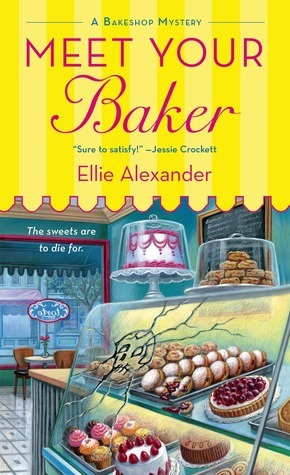
9. Meet Your Baker by Ellie Alexander
(Just a light mystery with a lot of baking.)
Welcome to Torte-a friendly, small-town family bake shop where the treats are so good that, sometimes, it’s criminal…
After graduating from culinary school, Juliet Capshaw returns to her quaint hometown of Ashland, Oregon, to heal a broken heart and help her mom at the family bakery. The Oregon Shakespeare Festival is bringing in lots of tourists looking for some crumpets to go with their heroic couplets. But when one of Torte’s customers turns up dead, there’s much ado about murder…
The victim is Nancy Hudson, the festival’s newest board member. A modern-day Lady Macbeth, Nancy has given more than a few actors and artists enough reasons to kill her…but still. The silver lining? Jules’s high school sweetheart, Thomas, is the investigator on the case. His flirtations are as delicious as ever, and Jules can’t help but want to have her cake and eat it too. But will she have her just desserts? Murder might be bad for business, but love is the sweetest treat of all…
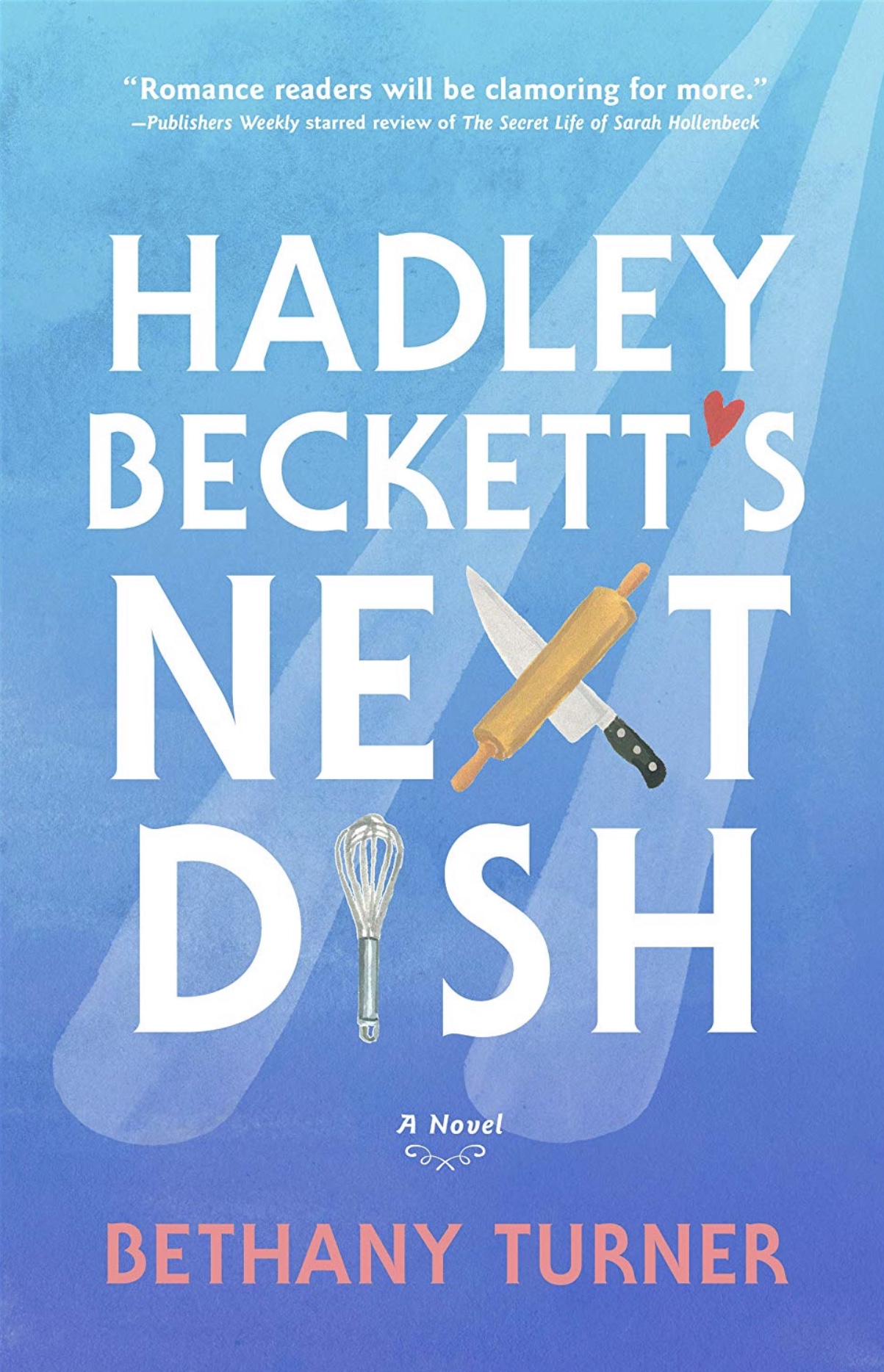
Hadley Beckett’s Next Dish by Bethany Turner
(A fun rom-com with a lot of back and forth witty banter between the two main characters.)
Celebrity chef Maxwell Cavanaugh is known for many things: his multiple Michelin stars, his top-rated Culinary Channel show To the Max, and most of all his horrible temper. Hadley Beckett, host of the Culinary Channel’s other top-rated show, At Home with Hadley, is beloved for her Southern charm and for making her viewers feel like family.
When Max experiences a very public temper tantrum, he’s sent packing to get his life in order. When he returns, career in shambles, his only chance to get back on TV and in the public’s good graces is to work alongside Hadley.
As these polar-opposite celeb chefs begin to peel away the layers of public persona and reputation, they will not only discover the key ingredients for getting along, but also learn the secret recipe for unexpected forgiveness . . . and maybe even love. In the meantime, hide the knives.
Fan-favorite Bethany Turner serves up a heaping helping of humor and romance with this thoroughly modern story centered on cooking, enemies, and second chances.
It’s time for our Sunday morning chat. On Sundays, I ramble about what’s been going on, whatthe rest of the familyand I have been reading and watching, andwhat I’ve been writing. Some weeks I share what I am listening to.
I shared on my blog yesterday about my black bear incident on my back porch. I’ll copy what I wrote here:
This past week was interesting if only for one thing that happened to me — something I knew would happen one day, but luckily it wasn’t as dramatic as I worried it would be.
I don’t have any photos, but it finally happened — I went out to my back door to get my cats in, and there was a black bear on the back porch. A black bear. Yes. Maybe three feet away from me but luckily there was a glass door between us.
I thought I was seeing a reflection on my door or just a shadow, and then the shadow moved! It hopped off the porch and took off across the yard while my cat watched from the other side of the yard, apparently amused by how I gasped, slammed the door shut and locked it (because the bear was clearly going to open it again) and then tried to get Little Miss to come see it by gasping. “Bear. Bear. Little Miss. See. Come.”
It was gone before she got there, sadly.
The Husband and The Boy were both upstairs so I couldn’t call for them.
We are now investing in a ring camera so I can get a better look before any of us step out there from now on.
I did a search on Facebook in a group that focuses on bear sightings in our area to see if anyone had seen our bear and learned that bear sightings are up. One reason they are up is because the state game commission has changed the weigh-in locations for bears when they are hunted. This means hunters aren’t as interested in hunting bears. They have to drive them too far to weigh them. Since the bears aren’t being as hunted as much, there is more of them. More of them means more of them are wandering into backyards and small towns.
Hopefully, we can keep ourselves and the bears safe. In most cases bears leave as soon as they see a person and we’re lucky that black bears aren’t like their grizzly bear cousins who sometimes do attack people (but probably rarely).
A couple of quick reminders:
I have a monthly book-related link party if you are interested. You can find the A Good Book and A Cup of Tea link party at the top of my page or here. It is for posts about books that you are reading, have read, book reviews — just anything book-related.
We will be holding another one in August, but I am not sure when yet.
The Crafternoons are events where we gather on Zoom and craft at our respective homes and chat while we work on various projects. We are calling them drop-in crafternoons because you can drop in and out during the time we are on (usually from about 1 to 3 p.m. EST US time). No need to stay the whole time if you can’t. Come late if you want or leave early.
If you want to join in, email Erin at crackcrumblife@gmail.com and she will add you to the mailing list.
Last week I finished Prince Caspian by C.S. Lewis and A Murder She Wrote Mystery: Killer in the Kitchen by Don Blain.
I am currently reading the 100-Year-Old-Man Who Climbed out the Window and Disappeared by Jonas Jonasson and Carry On, Jeeves by P.G. Wodehouse.
I’m also reading a couple of chapters of Dave Barry Isn’t Taking This Sitting Down by Dave Barry a day.
I also just started The Scarlet Pimpernel by Baroness Orczy.
Soon I hope to read The Clue of the Broken Blade, a Hardy Boys Mystery, and Password to Larkspur Lane, a Nancy Drew Mystery.
This past week I watched several episodes of Murder She Wrote and Scarecrow and Mrs. King. I also watched an episode of The Danny Thomas Show (which I had never seen before).
I enjoyed a movie with John Wayne called Without Reservations and then watched for my Summer of Angela feature.
What have you been doing, watching, reading, listening to, or writing? Let me know in the comments or leave a blog post link if you also write a weekly update like this.
This past week was interesting if only for one thing that happened to me — something I knew would happen one day, but luckily it wasn’t as dramatic as I worried it would be.
I don’t have any photos, but it finally happened — I went out to my back door to get my cats in, and there was a black bear on the back porch. A black bear. Yes. Maybe three feet away from me but luckily there was a glass door between us.
I thought I was seeing a reflection on my door or just a shadow, and then the shadow moved! It hopped off the porch and took off across the yard while my cat watched from the other side of the yard, apparently amused by how I gasped, slammed the door shut and locked it (because the bear was clearly going to open it again) and then tried to get Little Miss to come see it by gasping. “Bear. Bear. Little Miss. See. Come.”
It was gone before she got there, sadly.
The Husband and The Boy were both upstairs so I couldn’t call for them.
(I want to say that the bear was as big as the one on the left, but it was actually probably more like the one on the right.)
We are now investing in a ring camera so I can get a better look before any of us step out there from now on.
I did a search on Facebook in a group that focuses on bear sightings in our area to see if anyone had seen our bear and learned that bear sightings are up. One reason they are up is because the state game commission has changed the weigh-in locations for bears when they are hunted. This means hunters aren’t as interested in hunting bears. They have to drive them too far to weigh them. Since the bears aren’t being as hunted as much, there is more of them. More of them means more of them are wandering into backyards and small towns.
Hopefully, we can keep ourselves and the bears safe. In most cases bears leave as soon as they see a person and we’re lucky that black bears aren’t like their grizzly bear cousins who sometimes do attack people (but probably rarely).
This week we lost three celebrities. I’m not a huge celebrity follower but these three were connected to my childhood. When the second one passed away I told my son there would be a third and on Thursday there was.
First, we lost Malcom-Jamal Warner who used to be on The Cosby Show. He sadly died in a drowning while on vacation and his 8-year-old daughter witnessed it. That made me flat out cry. That poor child. I can’t imagine the trauma she experienced and will experience from here on out. My heart goes out to her and his family.
Credit PEOPLE Magazine.
I have positive memories of Malcom on The Cosby Show. I know a lot of people today want to forget anything that Bill Cosby was involved with because of what he was convicted of but I can’t toss the baby out with the bathwater on that one. That show was part of my formative years and helped shape a view of black people for me that fought against the ideas that many TV shows and books focused on at the time that said that black people were only “former slaves” and “lived in poor neighborhoods” or were “members of gangs.”
The Cosby Show starred (clockwise from top left) Tempestt Bledsoe as Vanessa Huxtable, Malcolm-Jamal Warner as Theodore “Theo” Huxtable, Lisa Bonet as Denise Huxtable, Phylicia Rashad as Clair Huxtable, Keshia Knight Pulliam as Rudy Huxtable, and Bill Cosby as Dr. Heathcliff “Cliff” Huxtable. (Credit AP)
I didn’t even know about these stereotypes until I was much older because my parents never spoke about other races based on stereotypes, and because I watched shows like The Cosby Show. Bill was a doctor and Claire was a lawyer and they lived in a very nice house in the city and their kids were smart, pretty, and fun. That’s all I know about black families before my teen years, when others I met tried to suggest black people were inferior. I knew they weren’t because my parents taught me they weren’t and because I’d seen shows like The Cosby Show. They weren’t any different than me other than the color of their skin and the fact the Huxtables were rich and I wasn’t. I sometimes got a bit jealous of all they had but one thing I had that they had was a loving family.
I absolutely loved that about the show. There was so much love in that family. Unconditional love too.
I know Malcom was an actor but to me, he was part of my family, in some ways, back in the 1980s. It was so hard to hear of his passing, even though I hadn’t kept up with him a lot over the years. He seemed so sweet and nice when I saw interviews with him. It must have been so hard for him and the other actors to lose parts of their past because of what Bill Cosby did. The show was taken off the air and it was as if it was blacklisted in a way because of one man’s actions. Plus, finding out much of your childhood was a lie because the man you worked with was living a double life has to be very traumatic too.
In 2023, he told People magazine, “”Regardless of how some people may feel about the show now, I’m still proud of the legacy and having been a part of such an iconic show that had such a profound impact on — first and foremost, Black culture — but also American culture.”
The second celebrity death was Ozzy Osbourne. I’ve never been a huge Black Sabbath or Ozzy fan, persay, but I did watch The Osbournes off and on when I was younger. Despite all his drug issues and his effort to be “the prince of darkness”, Ozzy was a softy. He cared about people. He loved his family. My heart breaks that he was never able to come to know God and his love for him, as far as I know. There was a lot of trusting in self for him and his family, and that has to be a very hard way to live life. Only God knows his heart, though.
I won’t lie that I cried some looking back on videos of him and his family. I wish they all could have had more time with him.
Thursday afternoon my husband texted me to let me know that the wrestler Hulk Hogan had died. My husband has a lot more of a connection to Hulk Hogan than I do. He grew up watching him when he was a kid. I grew up seeing his toys and gear and even a match or two, but I really didn’t know much about him. I was playing with Barbie and My Little Ponies.
My husband sent me a few matches from his past to watch on YouTube last night to honor him, so I will be doing that today.
He seems like a complex person with faults, but one who a lot of people also cared about despite those faults.
The rest of my week was fairly mundane. Today I am supposed to go to my parents to take Little Miss swimming, and tomorrow we are going clothes shopping for the kids. They truly need new clothes, especially Little Miss who is growing so fast.
Next week we will be starting school a little more, easing into it, but otherwise it is another fairly mundane week planned.
How was your week last week?
This week’s encouraging verse:
“May the Lord answer you in the day of trouble; May the name of the God of Jacob defend you; May He send you help from the sanctuary, And strengthen you out of Zion; May He remember all your offerings, And accept your burnt sacrifice. May He grant you according to your heart’s desire, And fulfill all your purpose. We will rejoice in your salvation, And in the name of our God we will set up our banners! May the Lord fulfill all your petitions.”
Angela Lansbury once said in an interview that one of the more exciting moments of her career was working with Bette Davis in Death on the Nile (1978).
That’s the movie I watched this week for my Summer of Angela feature.
The movie is full of A-list movie stars: Angela, Bette, David Niven, Maggie Smith, Mia Farrow, and, of course, Peter Ustinov as Hercule Poirot.
I’m not a fan of Ustinov as Poirot since David Suchet plays the part so brilliantly, and I can’t see anyone else as Poirot, but the movie is still okay overall. I only added it to my watch list because Angela is in it. I had fun watching her be absolutely over the top as an eccentric romance writer and Maggie Smith be an overall jerk throughout, which is a role that she seemed to always play well.
Mia Farrow was …er…creepy as always.
Let’s talk about the plot a little for those who aren’t familiar with this one from either the book by Agatha Christie or the movie.
The online description:
“On a luxurious cruise on the Nile River, a wealthy heiress, Linnet Ridgeway (Lois Chiles), is murdered. Fortunately, among the passengers are famed Belgian detective Hercule Poirot (Peter Ustinov) and his trusted companion, Colonel Race (David Niven), who immediately begin their investigation. But just as Poirot identifies a motley collection of would-be murderers, several of the suspects also meet their demise, which only deepens the mystery of the killer’s identity.”
Angela portrays an eccentric romance writer named Salome Otterbourne who based a character in one of her books on Linnet. She and Linnet confront each other on the boat and Linnet tells Salome she’s going to sue her for libel. Just about everyone on the boat seems to have an issue with Linnet, which makes me wonder how they all ended up on the boat together. Planned or just coincidence, I don’t know, but they all seem to know each other and Linnet is angry with just about everyone and they are angry with her.
Salome is on the boat with her daughter Rosalie who is embarrassed by her mother’s behavior.
Angela’s character isn’t in the movie as much as other characters, but when she is, she certainly fills the screen with her crazy personality and outfits.
She makes all kinds of semi-suggestive comments about possible couples or what people need to do to feel more relaxed. Some of the characters refer to her books as “lurid.”
At one point, she and her daughter talk about whether or not Poirot would know her from her books. Rosalie says, “Somehow, I don’t think Monsieur Poirot is a very keen reader of romantic novels, Mother.”
Mrs. Otterbourne responds: “Well, of course he is! All Frenchmen are. They’re not afraid of good, strong sex!”
She is such an obnoxious character that after the murder occurs David Niven’s character comments to Poirot: “What a perfectly dreadful woman. Why doesn’t somebody shoot her, I wonder?
Poirot responds, “Perhaps one day, the subscribers of the lending libraries will club together and hire an assassin.”
The film was shot on location in Egypt so many of the experiences the characters had were actually had by the actors and actresses. I think some of the reactions that were filmed when they were climbing on the donkeys and camels were totally adlibbed because they were so authentic and funny.
According to TCM, makers of the film were trying to cash in on the success of the 1974 film Murder on the Orient Express, also based on an Agatha Christie book. That cast was also star-studded with Lauren Bacall, Ingrid Bergman, and Anthony Perkins.
Unfortunately, while Murder on the Orient Express brought in $27.6 million, this movie only grossed $14.5 million in the U.S. and Canada. Despite the lackluster success at the time it was released, many Christie fans see it as one of the better adaptations of the book — at least according to the many comments about it that I read online.
One thing that might have made the movie less of a success was the filming locations.
TCM.com stated this in an article about the movie: “Despite the exotic locale, split between Egypt and London, filming conditions for the movie were less than ideal. Filmed on a little boat called The Carnock, the actors took a speedboat back and forth each day from their hotel in Aswan down river to the shooting location. The Carnock was also apparently too small for all the actors to have their own dressing rooms. One unpleasant incident involved Bette Davis, Olivia Hussey and some Eastern chant records Hussey liked to play early in the morning. After Davis asked Hussey not to play her music, it was reported that the actresses did not speak to each other again while aboard The Carnock. If tensions weren’t high enough, the temperature climbed well above 100 degrees everyday and filming often was halted at noon.”
What Angela said about the movie:
As I mentioned in the beginning of this post, Angela remembers what a delight it was to work with Bette Davis.
“She was a very fascinating woman,” Angela told Studio Canal. “I got to know her quite well on that occasion. She had been a great, great Warner Brothers star and I had been a fan of hers as a child. She was a great deal older than me and I remembered her and all her great roles.”
Angela remembered Bette as being a “special and unique” actress.
“Unique looking and sounding and I was delighted to meet her and work with her.”
Angela also reflected on working with Ustinov who was her ex-brother-in-law.
“My role was such an interesting, farcical character anyways and there was so much comedy involved,” she said. “David Niven and Peter Ustinov and myself and my husband and I, we were all great friends and knew each other from other times.”
As for the conditions, Angela confirmed that they were not very nice at times.
“We were billeted in a hotel in the middle of the Nile,” she said. “To get to it, we had to get on a boat, having to cross water. We all lived in this luxury hotel in the middle of the Nile in Egypt and that was a special and wonderful experience I would say. I mean you couldn’t have been more comfortable. Swimming pools, wonderful food, everything you could possibly want and then we would get 4 or maybe 3 in the morning because of the heat at the time in Egypt. We had to do the shooting before noon. Otherwise, it would be too hot. So, we were dealing with that and also an old riverboat we were working on which was trundling its way down the Nile, pulled by little boats and sometimes under its own steam.”
The boat made so much noise, though, that it was often tugged along by the little boats, she said.
The only dressing room in the bottom of the boat in a four-bed cabin.
“It was a bed up and a bed down, so the fittings had to take place between the two beds,” Angela said. “I remember that Bette would lie down on one bunk and Maggie Smith was on the other and I was on the third. We would take turns being fitted in the ‘well’, in the middle. It was one of those extraordinary circumstances where we forced to not be the stars we were supposed to be.”
The costumes in this movie were amazing and were designed by Anthony Powell, who won an Oscar for his work on the film (the film’s only award). Angela had nothing but praise for him.
“My costumes on that film I thought were absolutely extraordinary and quite original and marvelous,” she said. “They were built in New York City by my friend Barbara Matera and he worked with her and we all worked together and we came up with this extraordinary look but Anthony was at the root of it all.”
I have to agree that her costumes were dazzling and something else. Not sure I’d ever wear them, but they fit her character for sure.
You can see the full interview here:
My thoughts:
I watched this one in pieces because it comes in at a whopping 2 hours and 20 minutes!! I didn’t remember it being that long when I first watched it with my husband, but, thinking back, I seem to remember we watched one half one night and the other half the next night.
While I did enjoy the movie, and watching Angela’s antics when she was on screen, the movie was really too long for my taste. I know they needed to take us down some twists and turns to keep us guessing but two and a half hours? Gah!
Also, what always gets me about these movies is how a bunch of people can die (the number of deaths in this one was excessive if you ask me and I’d like to read the book to see if Agatha wrote that many deaths) and at the end everyone just shrugs it off. I won’t give it away but there was one death in particular that just got waved off as no big deal at the end with the characters smiling and walking away arm in arm. So bizarre and left me wondering if the person they said killed that person wasn’t actually someone else.
In addition to Angela’s performance, I loved the witty and sarcastic banter between Maggie Smith and Bette Davis’ characters.
Maggie’s character, Miss Bowers, was supposed to be Bette’s nurse and companion. Bette portrayed Marie Van Schuyler, a socialite. Maggie was horrible to Bette’s character, though! It was sort of crazy but also hilarious. They had some of the best exchanges.
“Mrs. Van Schuyler: Come on, Bowers, time to go. This place is beginning to resemble a mortuary.
Miss Bowers: Thank God you’ll be in one yourself before too long, you bloody old fossil!
***
Mrs. Van Schuyler: Shut up, Bowers. Just because you’ve got a grudge against her, or rather her father, no need to be uncivil.
Miss Bowers: *Grudge*? Melhuish Ridgeway ruined my family!
Mrs. Van Schuyler: Well, you should be grateful. If he hadn’t, you would have missed out on the pleasure of working for me.
Miss Bowers: I could kill her on that score alone!
Miss Bowers was definitely not a respectful employee, but I think that Mrs. Van Schuyler liked that.
One other observation: This movie seems to feature a lot of scenes of rich people sitting around in drawing rooms, all dressed up with nowhere to go. I’m very confused why they got all dressed up to sit around every night together and then just go to bed. Didn’t any of them own clothes that weren’t fancy? Of course, I’m teasing here because I really did love the outfits for the women. The dresses were all so eye-catching.
Trivia or Facts About the movie:
According to producer Richard Goodwin, Bette Davis brought her own make-up, mirrors, and lights to Egypt. (source IMdB)
Peter Ustinov was David Niven’s personal attendant during World War II. Ustinov was a private and Niven was a Lt. Colonel (various sources)
Location shooting in Egypt consisted of four weeks on the riverboat “S.S. Karnak” and three weeks filming in places such as Luxor, Cairo, Aswan, and Abu Simbel. (various sources)
Ustinov portrayed Poirot five more times. (various sources)
Albert Finney was initially asked to reprise his role as Poirot from Murder on the Orient Express (1974). However, he had found the make-up he had to wear for the first movie very uncomfortable in the hot interior of the train, and on realizing that he would have to undergo the same experience, this time in temperatures exceeding 100 degrees Fahrenheit (38 degrees Celsius), he declined the role. (source IMdB)
Angela Lansbury had never seen the finished film until she attended a 40th Anniversary screening on November 9, 2018. (source IMdB)
Dancer Wayne Sleep, relatively unknown at the time, choreographed the tango scene. He reported in 2018, “I was being paid an hourly rate, which was great as nobody turned up to the rehearsal and I had to go and find David Niven and persuade him to come.” (source IMdB)
Producer John Brabourne said no telephones were available while on-location in Egypt. They had to communicate by telex. . (source IMdB)
Agatha Christie was inspired to write the source novel in 1937, during an Egyptian vacation. The hotel scenes were shot at the Old Cataract Hotel in Aswan, where Christie stayed. The hotel’s front had to be “redressed” to appear more 1930s, and the furniture on the hotel’s terrace was replaced with custom period-authentic pieces. (source IMdB)
Notable quotes:
Jacqueline De Bellefort: Simon was mine and he loved me, then *she* came along and… sometimes, I just want to put this gun right against her head, and ever so gently, pull the trigger. When I hear that sound more and more…
Hercule Poirot: I know how you feel. We all feel like that at times. However, I must warn you, mademoiselle: Do not allow evil into your heart, it will make a home there.
Jacqueline De Bellefort: If love can’t live there, evil will do just as well.
Hercule Poirot: How sad, mademoiselle.
***
Mrs. Van Schuyler: [Remarking on Linnet’s pearls] Oh, they’re beautiful!
Linnet Ridgeway: Thank you.
Mrs. Van Schuyler: And extraordinary, if you know how they’re made. A tiny piece of grit finds it’s way into an oyster, which then becomes a pearl of great price, hanging ’round the neck, of a pretty girl like you.
Linnet Ridgeway: I never thought of it that way.
Mrs. Van Schuyler: Well, you should. the oyster nearly dies!
***
Jim Ferguson (to Rosalie): Karl Marx said that religion was the opium of the people. For your mother, it’s obviously sex.
***
Miss Bowers: I think a shot of morphia will meet the case. I’ve always found it very effective when Mrs Van Schuyler is carrying on.
***
Mrs Otterbourne: I suppose that uncouth young man will appear now and attempt to seduce you. Well, don’t let him succeed without at least the show of a struggle. Remember, the chase is very important.
Rosalie Otterbourne: Oh, mother!
Mrs Otterbourne: I tell you that I, Salome Otterbourne, have succeeded where frail men have faltered. I am a finer sleuth than even the great Hercule Porridge.
Have you seen this one? What did you think?
Here is what is left of my Summer of Angela:
August 1 – The Court Jester
August 8 – The Picture of Dorian Gray
August 15 – A Life At Stake
August 22 – All Fall Down
August 29 – Something for Everyone
If you want to read about some of the other movies I watched you can find them here:
Welcome to the Weekend Traffic Jam Reboot, where we offer a place for bloggers to link up and get a fresh set of eyes on their posts. We also feature one blog a week, letting our readers know about the blog and providing a link so readers can learn more about it.Please feel free to post new blog posts or old ones you want to bring attention to again.
Look for the post to go live about 9:30 PM EST on Thursdays.
This has been an interesting week for me with bear sightings on my back porch! (I’ll write about that in a future post), some cooler temps, choosing homeschool curriculum and .. well…that’s about it! Ha! I said interesting, not exciting!
I hope you have been having a more exciting week!
Now, let’s introduce our hosts for the Weekend Traffic Jam Reboot:
Marsha from Marsha in the Middle started blogging in 2021 as an exercise in increasing her neuroplasticity. Oh, who are we kidding? Marsha started blogging because she loves clothes, and she loves to talk or, in this case, write!
Melynda from Scratch Made Food! & DIY Homemade Household – The name says it all, we homestead in East Texas, with three generations sharing this land. I cook and bake from scratch, between gardening and running after the chickens, and knitting!
Lisa from Boondock Ramblingsshares about the fiction she writes and reads, her faith, homeschooling, photography and more.
Sue from Women Living Well After 50 started blogging in 2015 and writes about living an active and healthy lifestyle, fashion, book reviews and her podcast and enjoying life as a woman over 50. She invites you to join her living life in full bloom.
We would love to have additional Co-Hosts to share in the creativity and fun! If you think this would be a good fit for you and you like having fun (come on, who doesn’t!) while still being creative, drop one of us an email and someone will get back with you!
WTJR will be highlighting a different blogger each week this year! We invite you to stop by their blog, take a look around and say hello!