I read When Hitler Stole Pink Rabbit by Judith Kerr late last year and was swept up in the story, written for middle schoolers but with a message for all ages. The book was heartbreakingly beautiful.


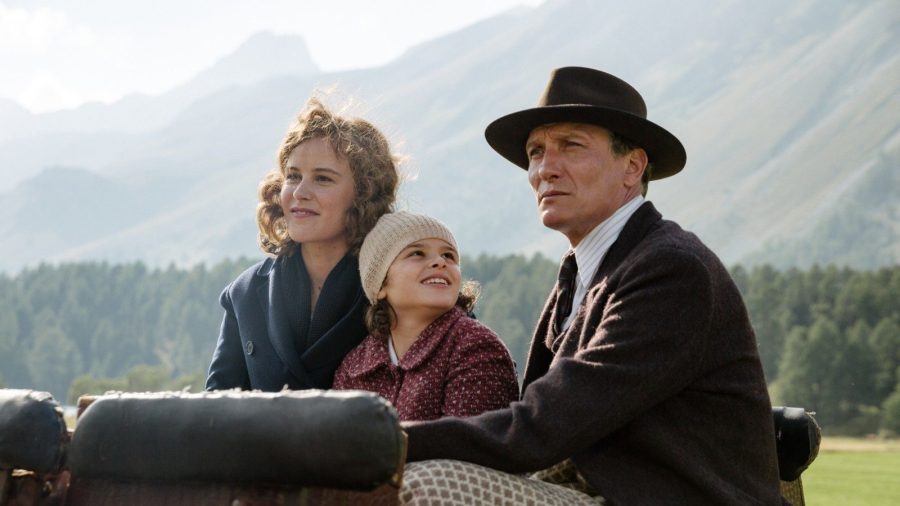
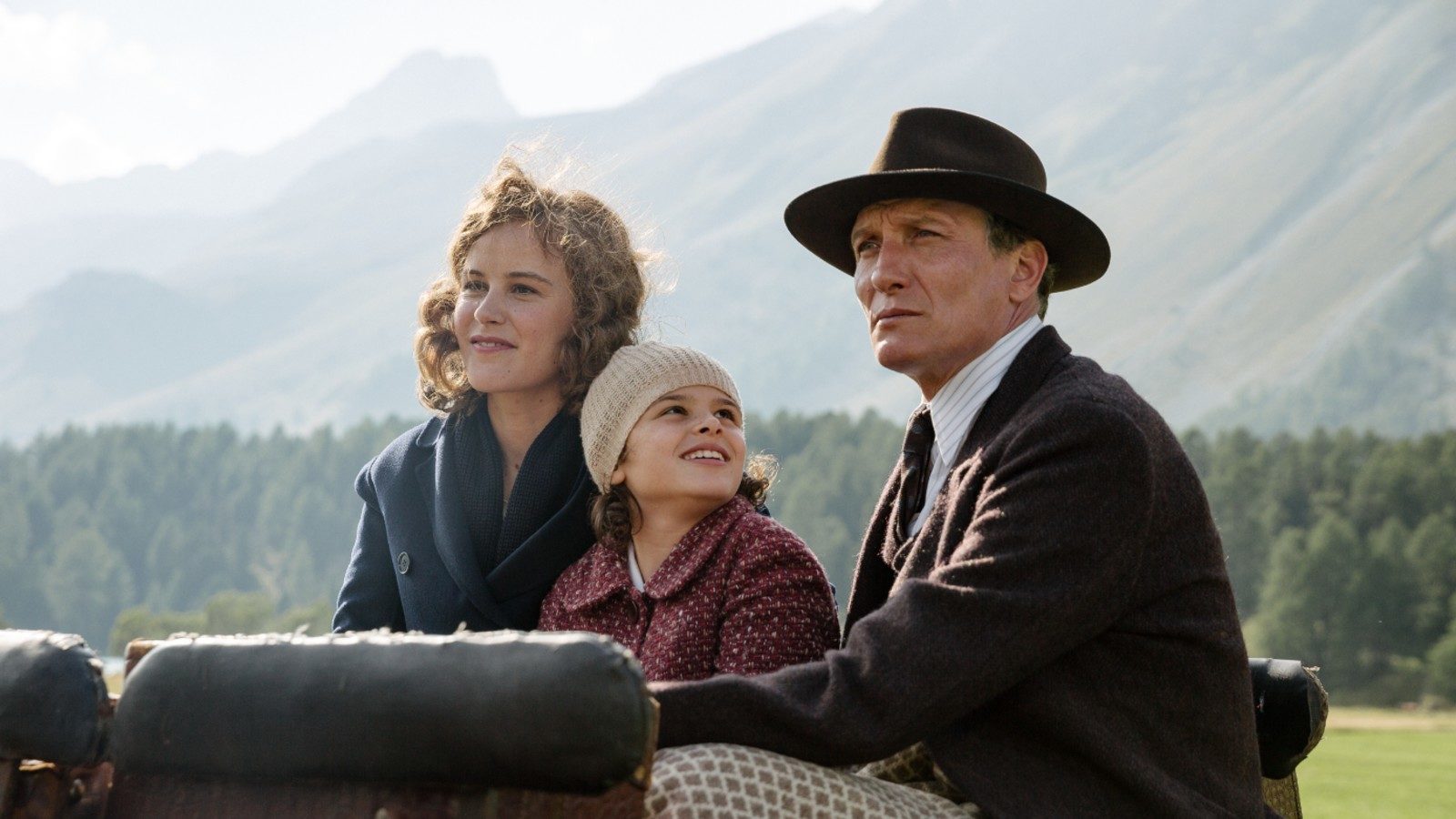
Last week I watched a German movie based on it and it was as breathtakingly beautiful as the book.
So much of the movie was exactly how I pictured it in the book.
Before I continue, I want to mention that the movie is in German so if you don’t speak German you will have to read the subtitles.
When Hitler Stole Pink Rabbit is a semi-autobiographical book based on the facts of Kerr’s life. The main character of the book is Anna Kemper and the story is told her from her point of view.
Her father, like Judith’s, was a newspaper columnist from Berlin who spoke out against Hitler right before Hitler won a majority to take over in Germany. Because he spoke out against Hitler, Arthur Kemper is on the Nazi’s hit list. A member of the police who is not a Nazi warns him that he needs to get out of Germany before Hitler is elected.
Anna’s father escapes to Switzerland and the family joins him even before they know the results of the election because they are warned by their father through their Uncle Julius to do so.
When Hitler Stole Pink Rabbit is the story of the family’s life in Switzerland and then Paris, France. There are other books after this book that tell of their move to London, where they eventually settled. I believe Judith eventually moved to New York City.
The movie begins in Berlin in 1933 and then shifts to Switzerland. I was thrilled to find out that the movie was actually shot on location in Switzerland and then in various places in Germany.
The views when they moved to the country were absolutely beautiful and I didn’t see how they couldn’t have actually been shot in Switzerland.
- The movie filmed scenes in
- Berlin, Germany
- Prague, Czech Republic
- Bodensee, Baden-Württemberg, Germany
- Soglio, Switzerland
- And Munich, Baveria, Germany’
All of the actors are outstanding in this, especially the little girl, Riva Krymalowski, who plays Anna. Her expressions and line delivery are subtly powerful.

The woman who played the mother – was also outstanding in my opinion.
This is a movie that could have been extremely dark, but because the book keeps a lighthearted tone (as light as you can when writing about Nazis chasing people down for their faith or political beliefs) the movie keeps a similar lighthearted tone mixed in with somber themes.
When the children move to Switzerland they have to learn a new language and new customs. They also deal with antisemitism, which becomes more apparent when non-religious Germans come for vacation at the hotel they are staying at but the Germans would not speak to them or let their children play with them because they are Jews who left Germany.

In the book, the children who usually play with Anna and her brother Max don’t play with Anna and Max while the other German children are there because the German children won’t play with them. This was cut out of the movie but in the book they all remain friends after the other German children leave and Anna’s Swedish friend apologizes for abandoning her.
I know everyone thinks Paris is beautiful but I was disappointed when the movie left the gorgeous scenery that Sweden provided. I’m not as thrilled with buildings – even ones in Paris.
What I did love is how free Anna’s mother and father felt in Paris and how they showed their love to each other — finally feeling like they weren’t being hunted down while there.
Like in the book, the children have to learn the languages of the countries they move to and Anna is better at this than her brother Max. She quickly learns and excels at French for example.
While she learns the languages, though, she still struggles with feeling like a refugee. Her father reminds her that Jews have always been refugees and they are no different. He encourages his children to always act respectfully and kind so that people who hear from the Nazis that Jews are awful, selfish people will not those lies aren’t true.
I found it interesting to read that Kerr held her German citizenship until 1941 and then was considered to be “stateless” or not a citizen of anywhere from 1941 to 1947. In 1947 until she died she was a citizen of Britain, where she eventually earned an OBE.
One thing that the movie brought home for me more than the book was the mother’s character, including how hard it was on her to leave Germany, as well as how strong she had to be for her family. I didn’t catch on to this as clearly when I read the book, but she was a musician who wrote operas so when she had to leave her piano behind in Berlin, it was like losing a part of herself.
In the movie there is a scene where they visit a rich family who left Berlin (and who they knew because Anna’s father once wrote a scathing review against the husband) and Anna’s mother is excited to see they have a piano. She has the chance to play it and it lifts her spirits immensely.
I felt like the movie developed her character even more.
The scene between the Kemper family and the richer family also demonstrated to me the huge disparity that developed between classes among the Jewish people during that time. The Kempers lost everything when they fled and were living in poverty. This man was somehow able to keep all of his wealth when they left Germany and ended up living in a wealthy area of Paris with plenty of food and clothes and other items for their children.
In both the book and the movie, Anna talks about how she’s read books where famous people all have difficult trials to overcome before they become famous. She comments to her brother, “Maybe that means I will be famous one day.”

When Hitler Stole Pink Rabbit is part of a three-book series of semi-autobiographical children’s books that Kerr wrote. She also wrote and illustrated 57 books in her lifetime – including The Mog series – and they have sold over 10 million copies worldwide.
When Hitler Stole Pink Rabbit was translated into 20 languages.
In London, where she lived until she died in 2019 at the age of 95, Kerr finally found the home she’d been craving since her family left Germany in 1933.
Discover more from Boondock Ramblings
Subscribe to get the latest posts sent to your email.

Dang! I hate subtitles even though I took four years of German in high school, and my maternal grandmother was a first generation American. In my defense, she never spoke German as long as I can remember. I have downloaded the book and can’t wait to read it, though. Thanks for the beautiful review!
https://marshainthemiddle.com/
LikeLike
Oh I just LOVE when a movie lives up to the book it’s based on! So often I am left disappointed.
LikeLike
This sounds like a beautiful movie! Thanks for reviewing it here
LikeLike