Sunday Bookends: Things I’m already sick of, new house, new books.

For those who are following along, we moved into our new house this past week and though it’s only been a few days we somehow feel almost at home already. Sure, there are some days everything feels a little weird and surreal, maybe even a bit disorienting because the house and the neighborhood are new to us. For the most part, though, we are settling in well. It probably helps that we are 10 minutes from the house I grew up in and the house where my parents live now (which was actually my grandmother’s house when I was growing up.)

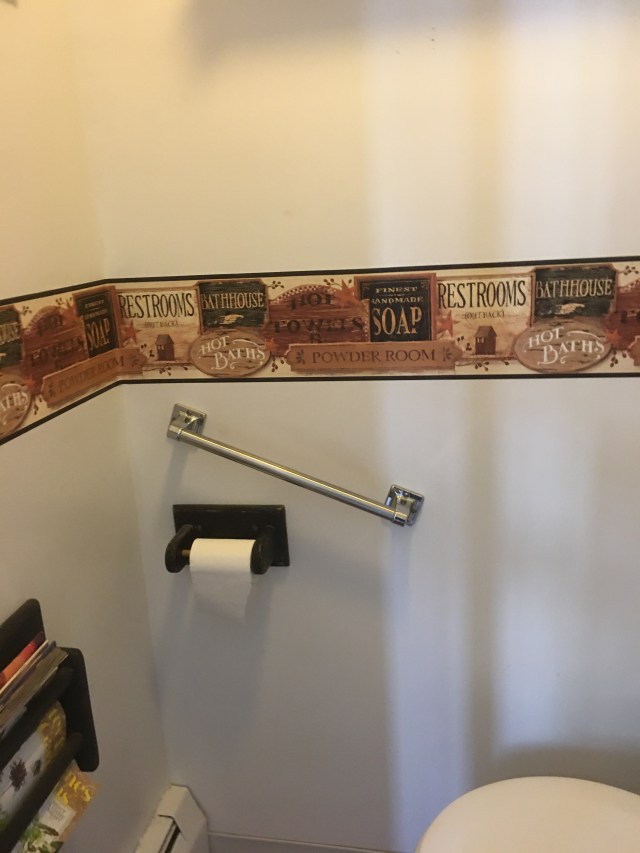
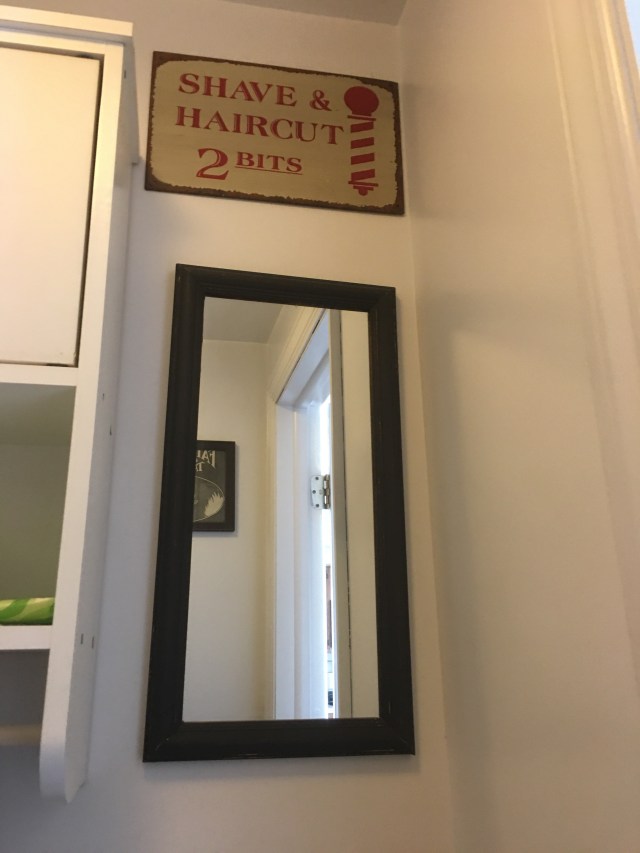
In a lot of ways, this house has features I’ve always wanted in a house, including a tiny bathroom. You know what I mean, right? One of those bathrooms that are so small it’s equally cute and claustrophobic-inducing? Yeah, I have one now. Just one tiny door, one toilet, and a tiny sink and no windows. Cooool. Yeah, I know, I’m weird. I’d take a photo of it for you but .  . . uh, it’s tiny. I did take a photo of the cool wallpaper and decor though. I love how the people who owned this house before decorated.

We also have a gorgeous staircase, which I’ve always wanted, a banister my kids can slide down, large windows with beautiful light in the living and dining rooms, a wide-open kitchen, a front porch we can sit on (complete with a porch swing) and one of the best things is that there is a small space in our backyard for a garden.

Oh, and I now have this fridge that has a digital setting on the outside and on the inside, the light slowly brightens when you open it. Yes. Little things like that excite me. I know. It’s sad.

I’ve had almost no time for reading with unpacking, calling heating oil companies and the propane company and then weeping slightly on Friday when the snow started to fall. Yes! Snow. About three inches of the yucky, cold, white stuff. I was in denial, rocking in a corner when it started. I was also getting yelled at in an email by our mortgage broker because I didn’t give her a positive review in the survey her boss sent me. Yeah. That was fun.

I started About Your Father by Peggy Rowe last week but literally got two pages in before I fell asleep, not because it is boring but because I was so tired that day from all the moving and getting adjusted. I can’t wait to read more of it this upcoming week.

I haven’t been able to work on my books at all with everything going on and just as it started to settle down my computer died. Luckily the stimulus money will help me buy a new one (and luckily my son is letting me use his to write my blog posts until it arrives.) Maybe I will actually get to finish Chapter 3 in Fully Alive next week and hopefully Chapter 4 in The Farmer’s Daughter. Who even knows at this point.

I’ve been posting some on my blog, but I won’t lie: I’m not reading a lot of blogs. Part of the reason for this is there has been no time with the move and all the drama that has gone with it. The other reason is I’m flat out of sick of talking about You Know What and I don’t read many posts where other people are talking about it.

I’m tired of sappy “we’ve got to stay strong” posts (even if I understand and agree) and posts that regurgitate facts that aren’t even facts because the “facts” change every single day. One day it’s “don’t wear masks they don’t help.” Less than a week later: “Wear a mask or you’ll die!” In PA it’s now: “Wear a mask or you’ll go to jail.” So, yeah, that roller coaster has been “fun.”

I’m already sick of the term “social distancing,”, DIY face masks tutorials, Facebook posts lecturing people, blog posts lecturing people, family members lecturing other family members (no, not in my family, don’t worry. This isn’t a veiled comment against my family!) and Americans seeming really, really happy being told what to do and what not to do. I did, however, enjoy this Youtube video that was not your traditional DIY facemask tutorial.


I had to run to the Dollar General yesterday when my husband forgot his wallet. The plan was to meet him outside but he wasn’t outside when I got there so I had to grab a face mask and head on in to find him. It was so apocalyptic in there with people all walking around with masks, glaring at each other. There was one couple without masks, violating the signs on the doors that stated the governor has made it mandatory to wear masks in the store, smirking at everyone else. I wasn’t sure if I should be mad at them or not, since, like I said, the recommendations change every few days.

Plus, I’m tired of being offended and outraged about everything like the rest of the world. In other words, I decided to let them do their own thing and be their own people. I know. I’m awful.  How could I let others live their own lives instead of living it the way I think they should?

Yes, I may have a little bit of sarcasm issues today.

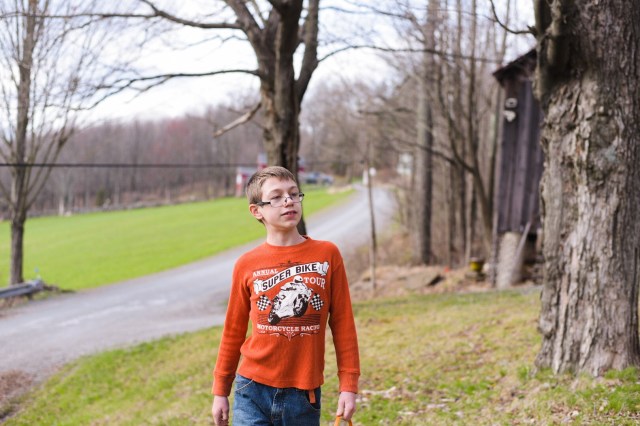
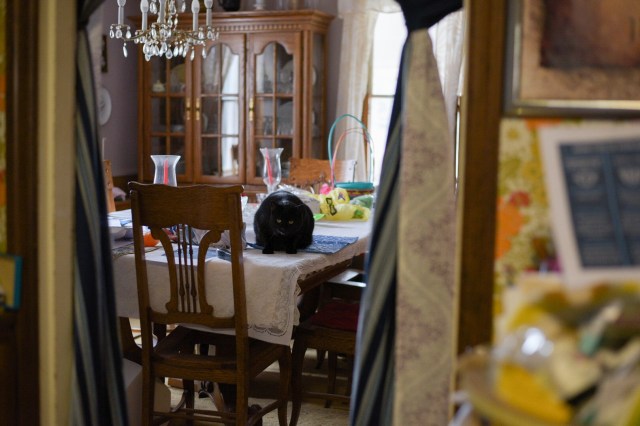
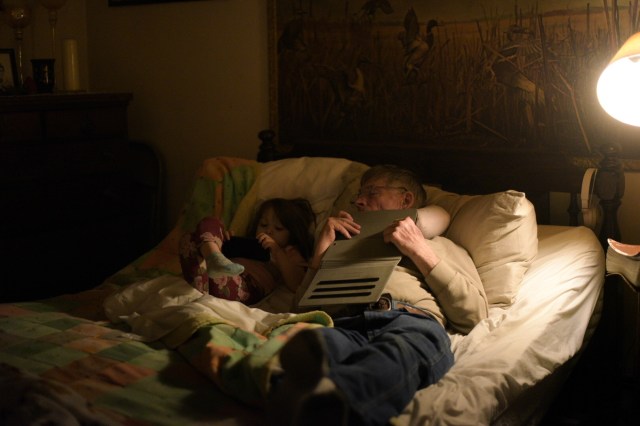
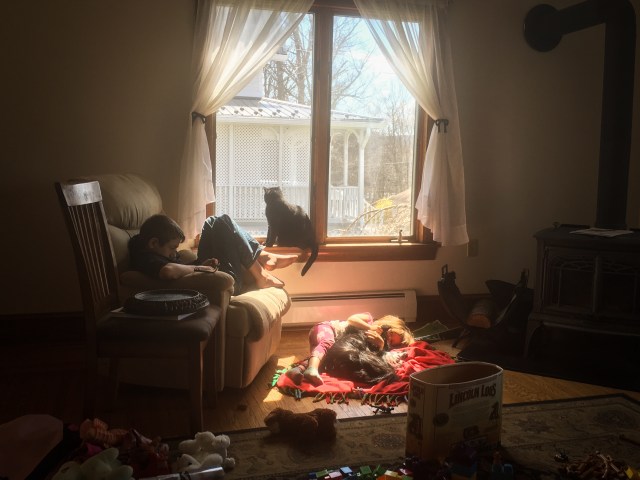
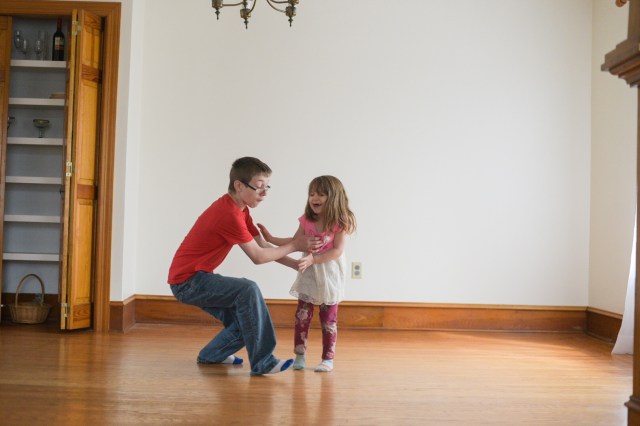
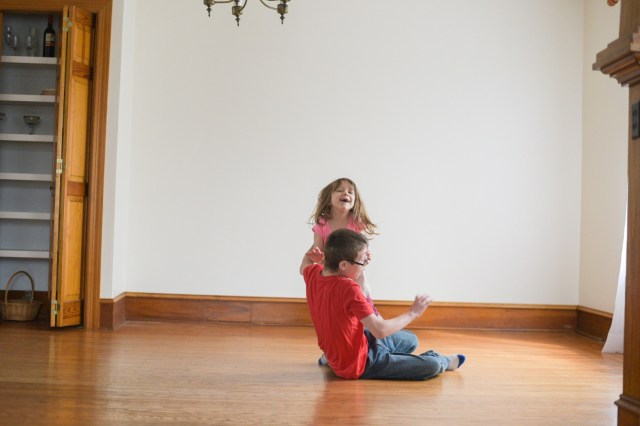
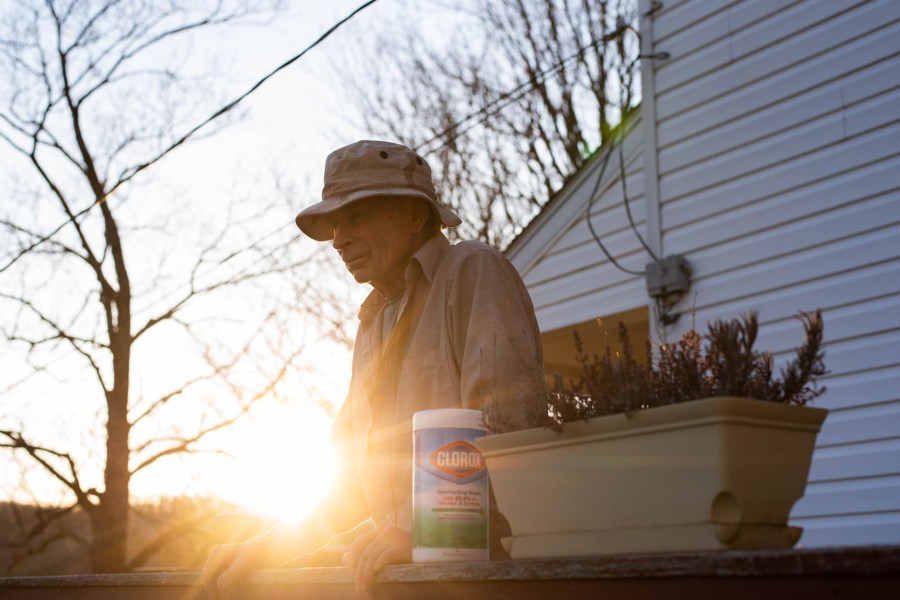
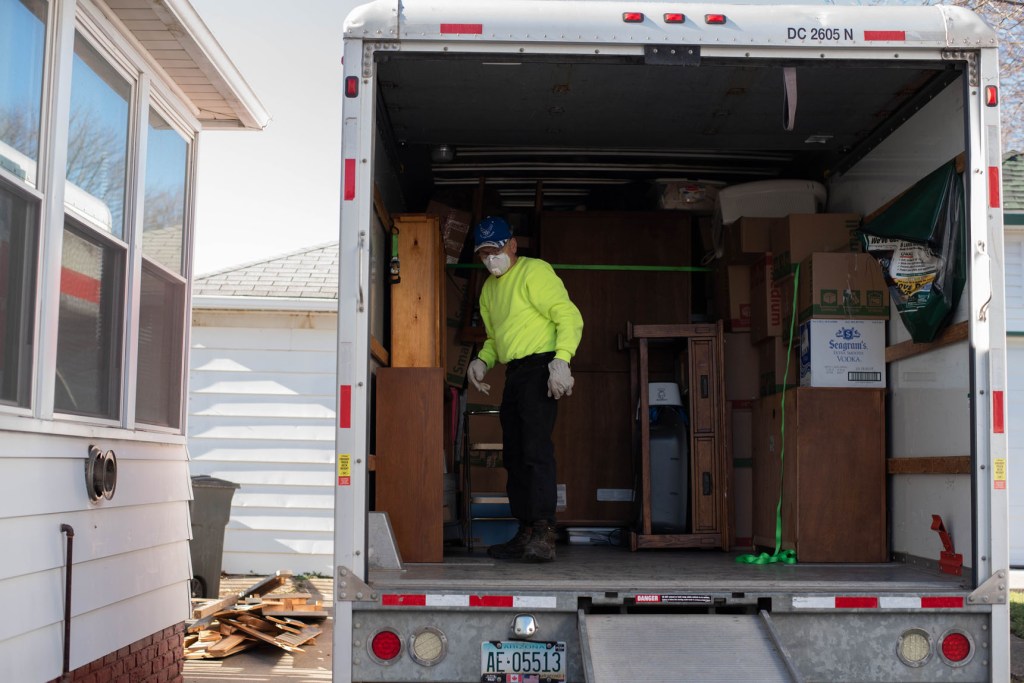
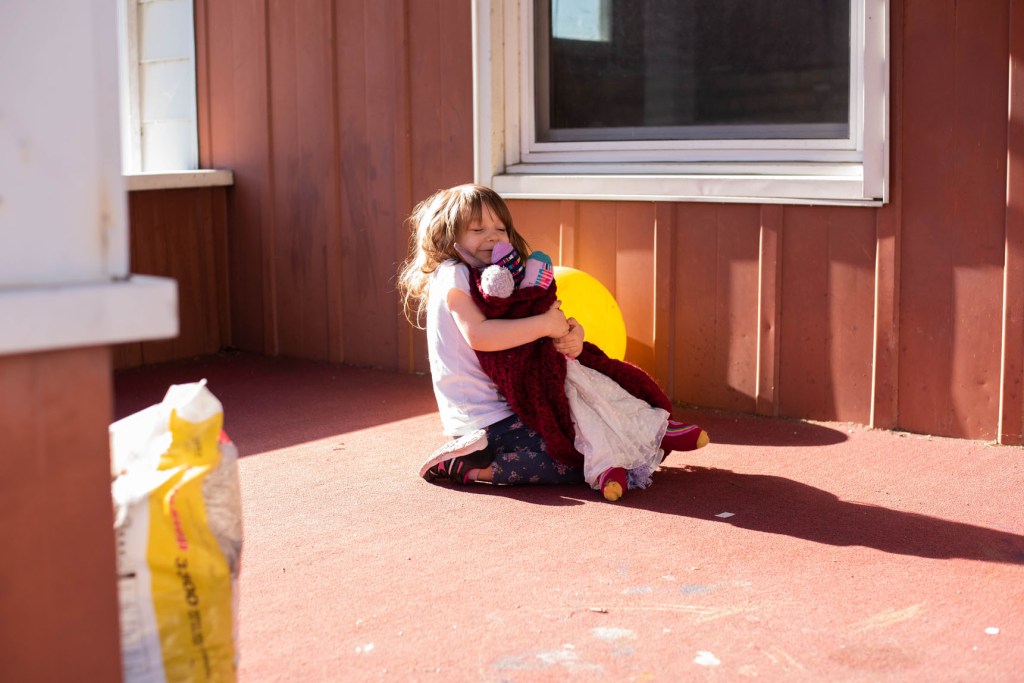
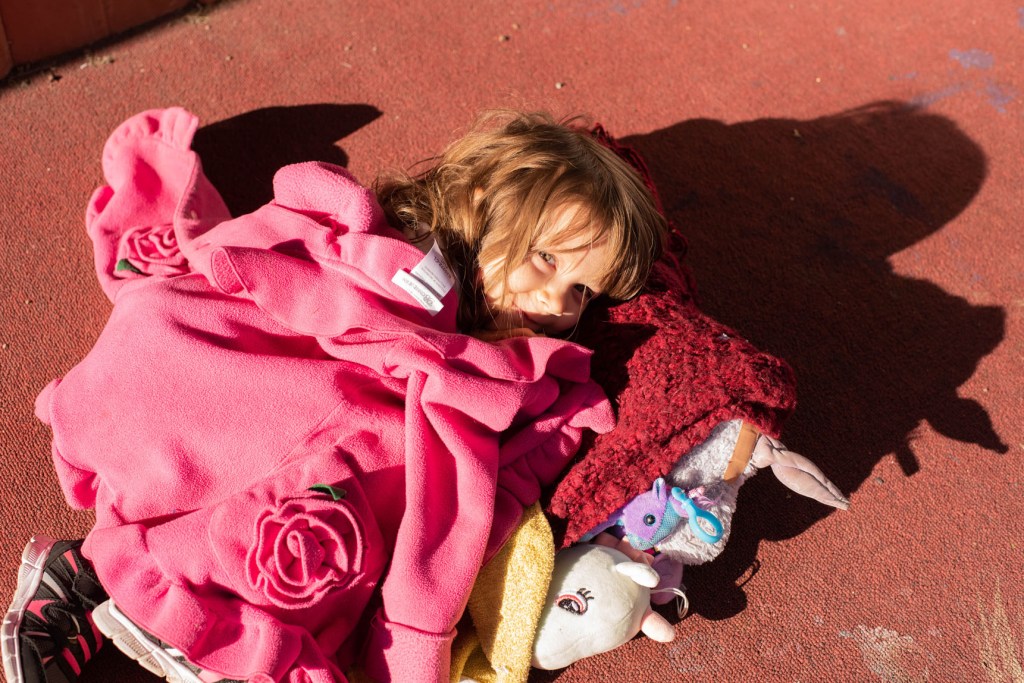
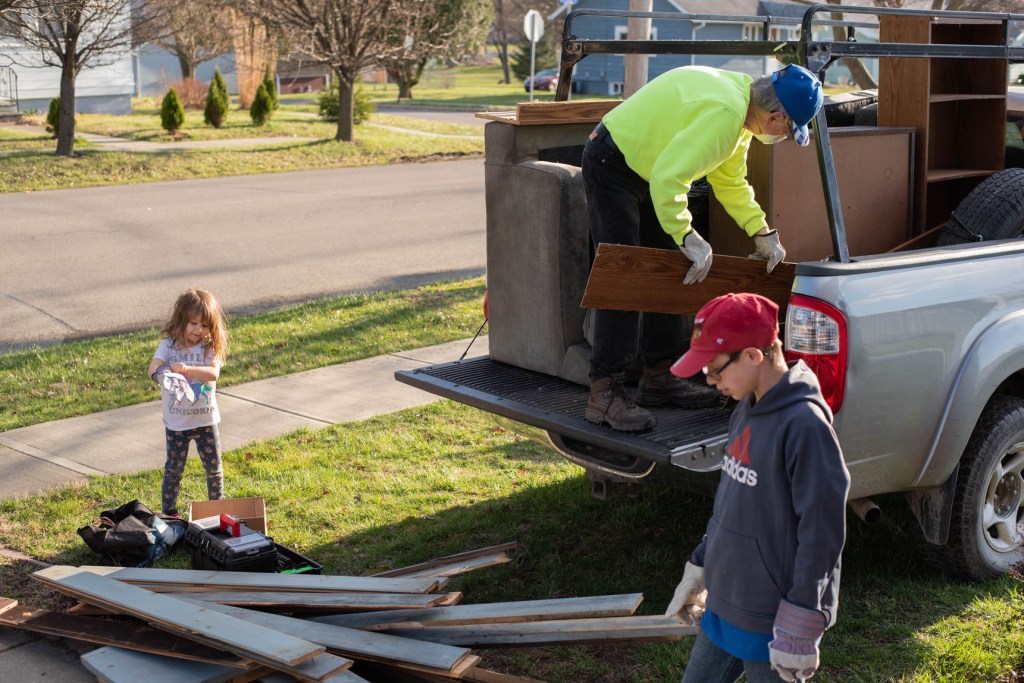
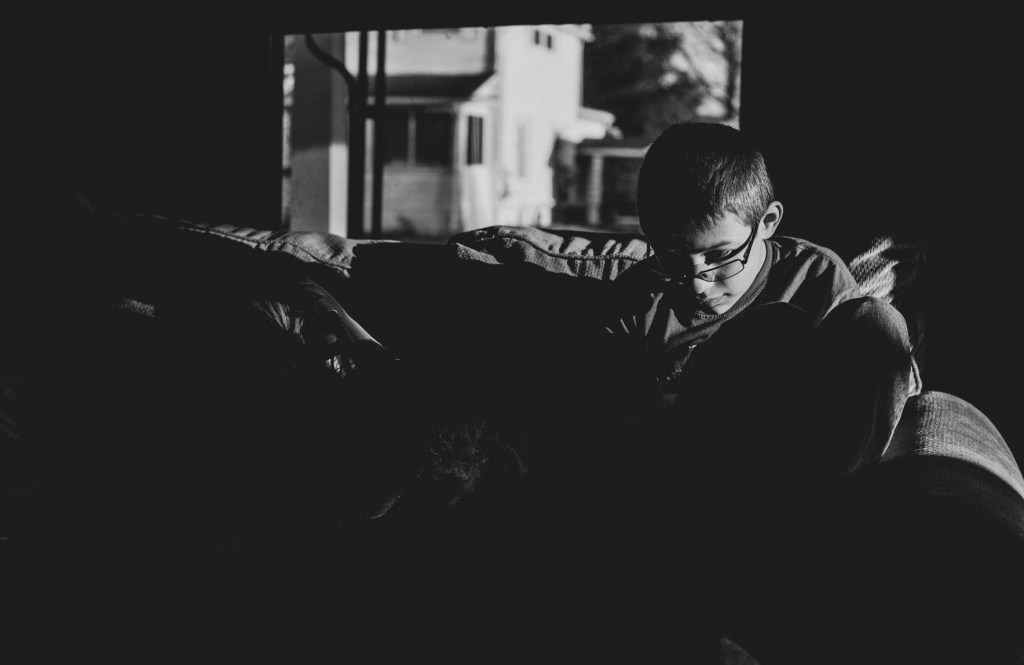
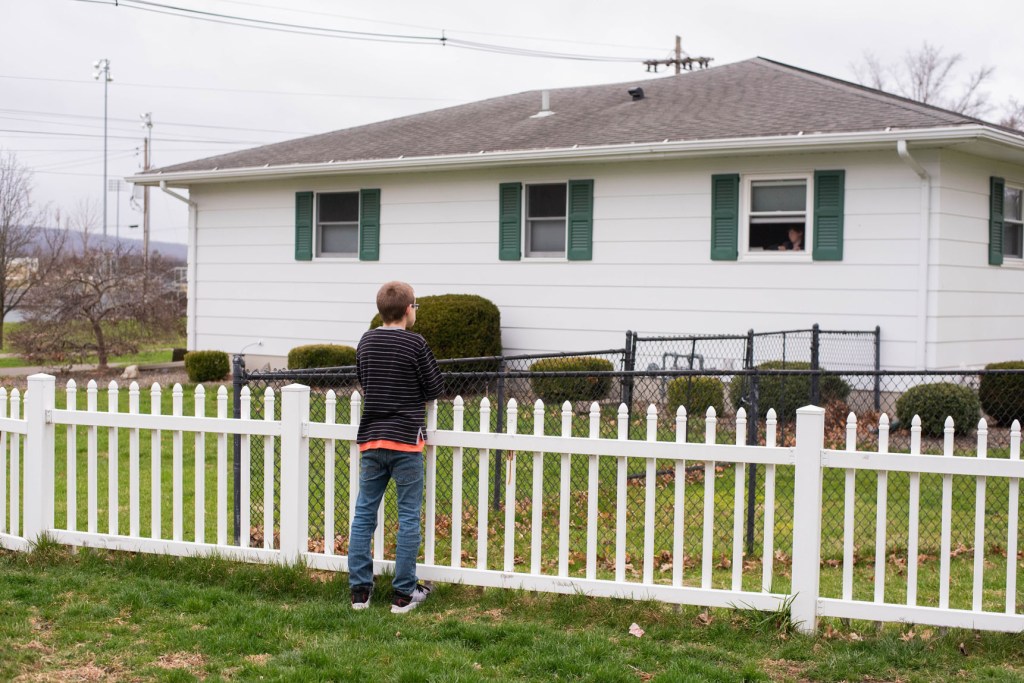
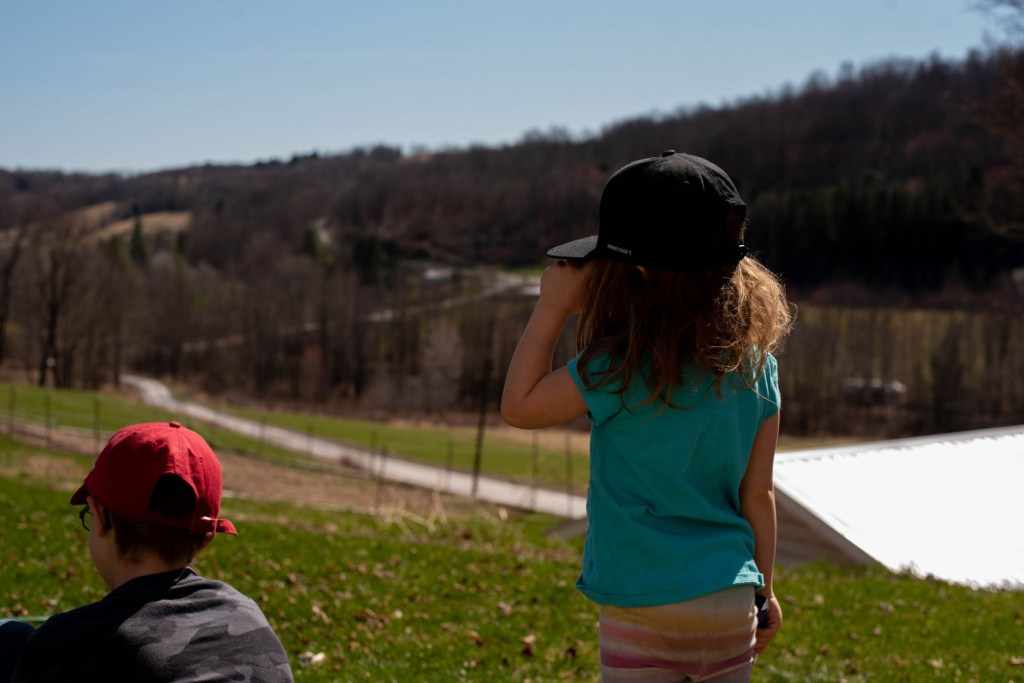
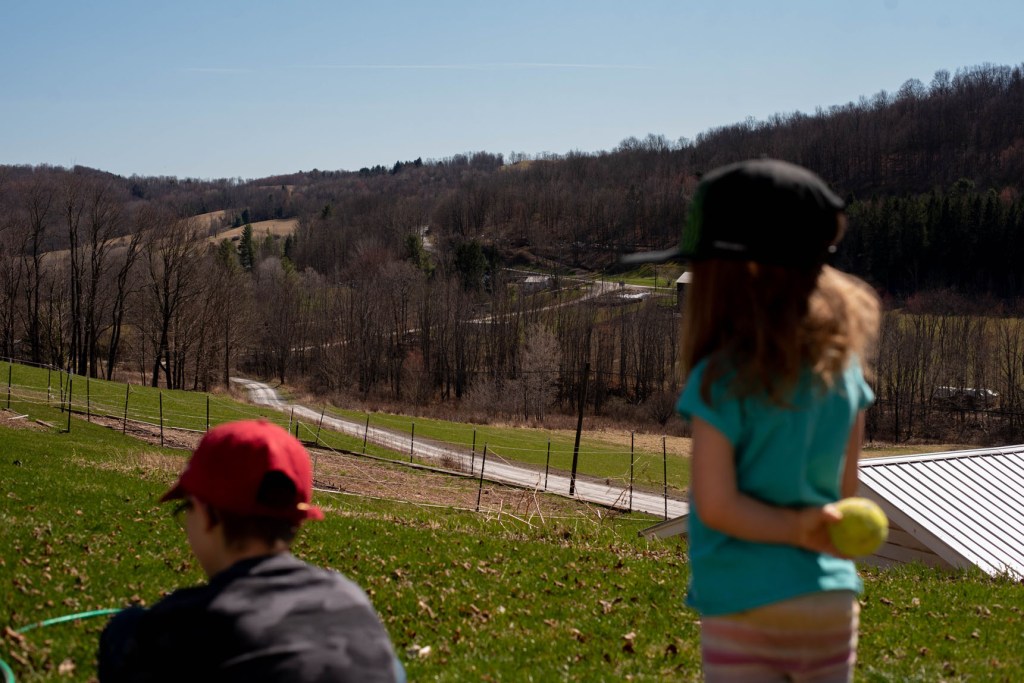
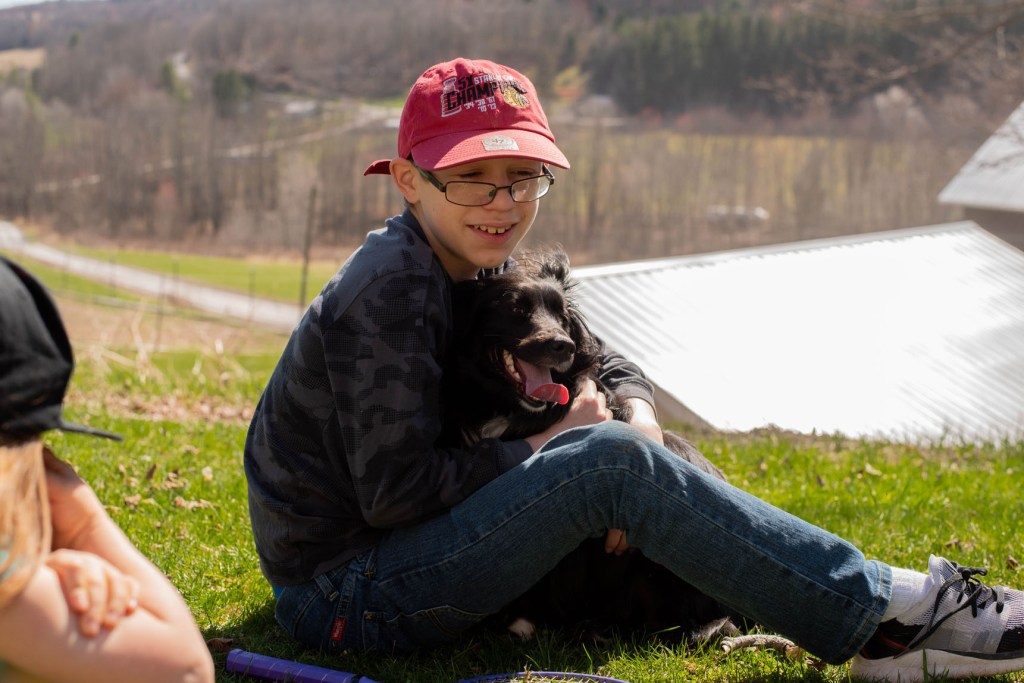
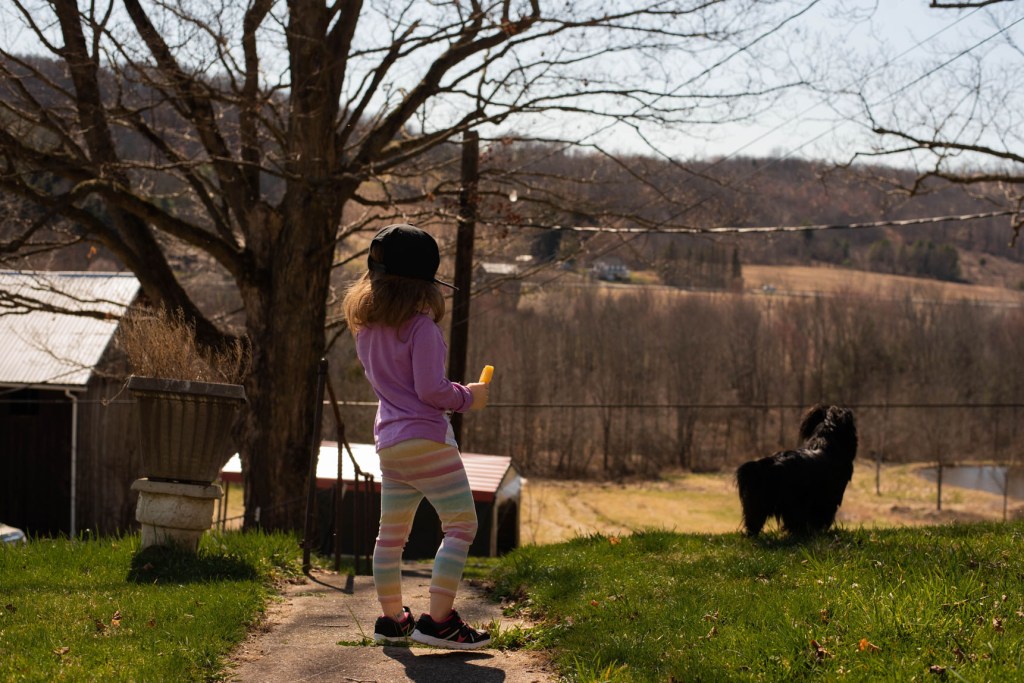
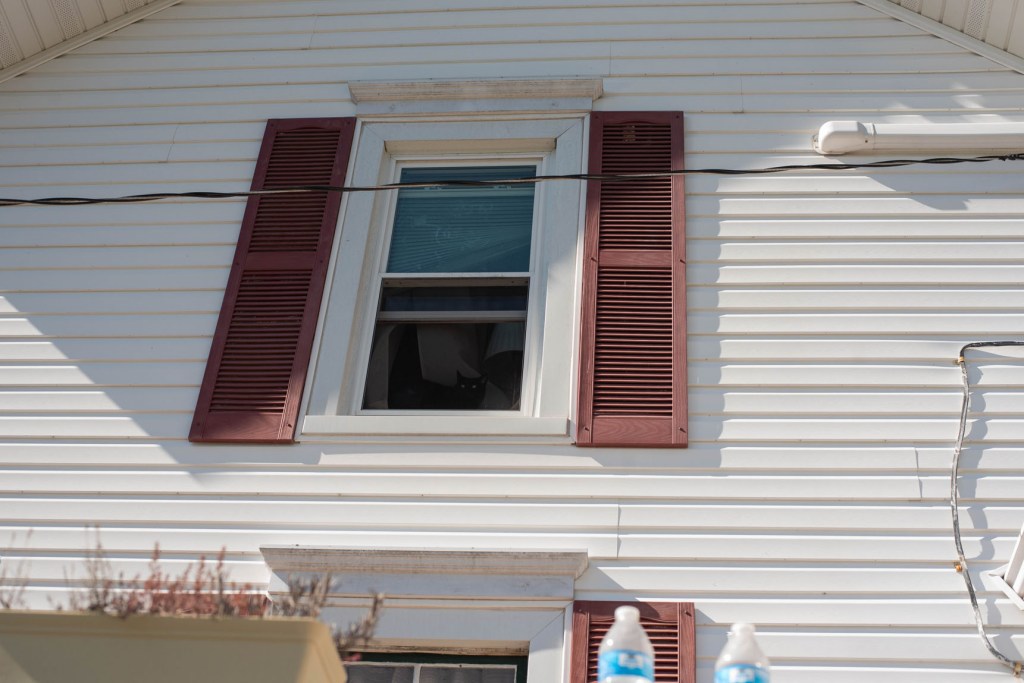
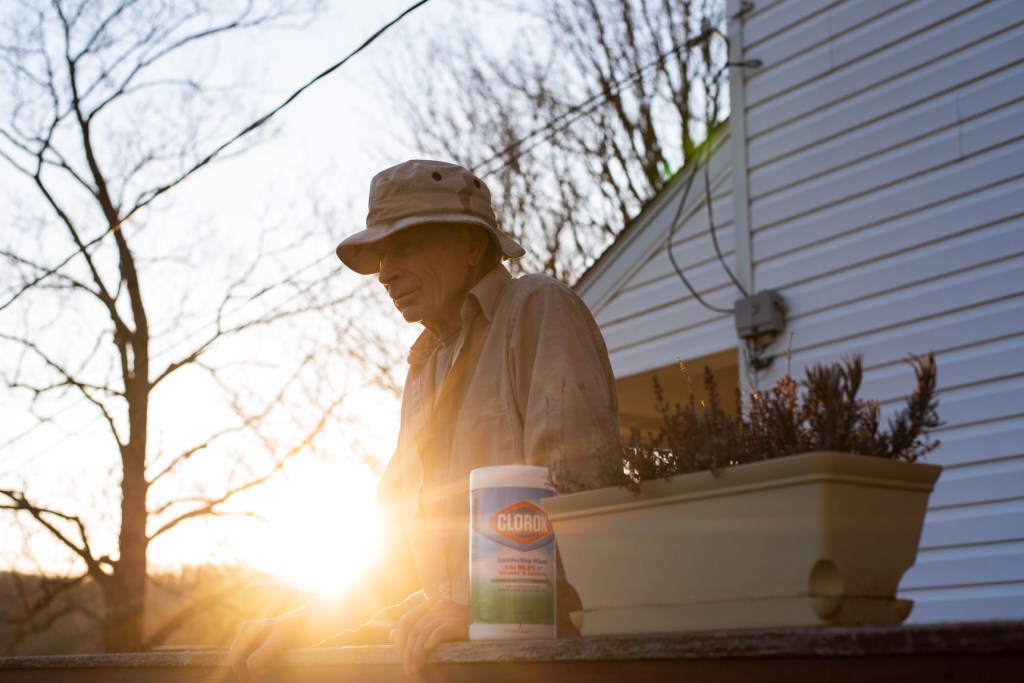
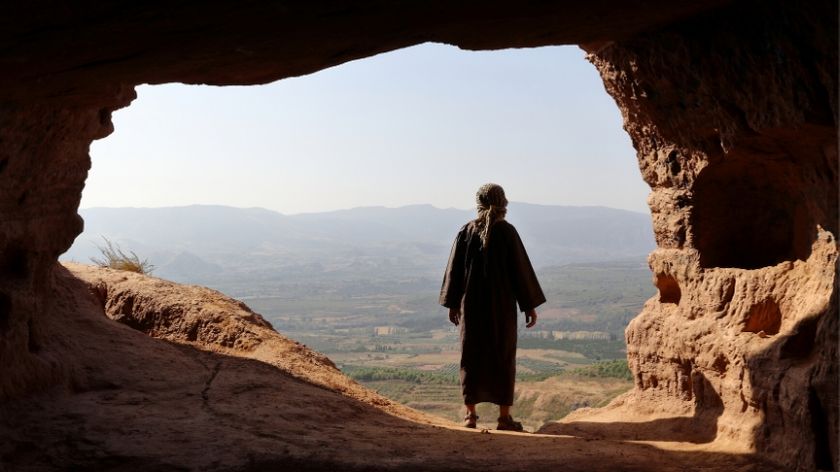
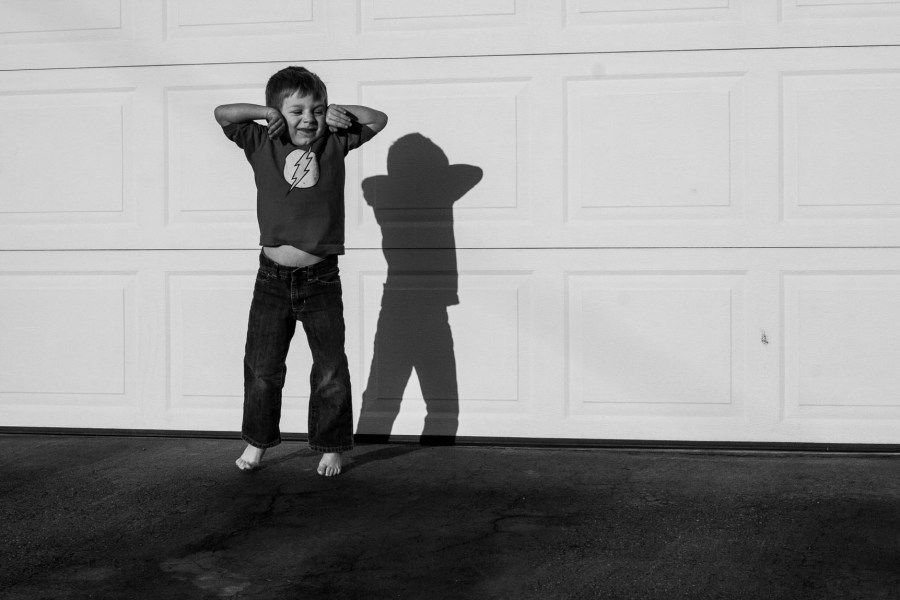
I thought I’d share a few photos I took over the last week or so, some at the new house, some at my parents. I had to pull these off my DSLR using the phone so I’m not sure if the quality will be great, but, eh..whatever.

So what have you all been doing, watching, reading,  and how are you handling life with all this craziness? Let me know in the comments and yes, I will read them, even if they do have to do with You Know What. I’m merely taking a break from that topic, when I can, not boycotting it all together (mainly because there is no actual way to do that!)

Fiction Friday: The Farmer’s Daughter Chapter 3

You may have noticed yesterday that I didn’t have a Fiction Thursday. There are many reasons for this but one of the main reasons is that I looked at the next chapter and realized it wasn’t finished. Since we just moved into our new house this week after a lot of drama, I didn’t have the energy to finish the chapter. I did have Chapter 3 for The Farmer’s Daughter done, however, so I can share a new Fiction Friday. As always, this is a work in progress, which means there could be typos, left out words, and plot holes.

Find the links to the other chapters HERE.


The dirt broke easily in Robert’s hands and filtered through his fingers. It might look dry now, but he knew underneath there was mud from the heavy rains the week before. When weather was this wet it made planting difficult, if not almost impossible. If the corn couldn’t be planted it would mean little to no feed for the cows over the winter, unless more feed was bought from elsewhere, which would add more to the bottom line.

Robert had been working on his family’s farm for more than 45 years, starting at the ripe age of 3. In the last 10 years, the farm had expanded to include farmland once owned by neighbors who had sold family businesses after the decline in milk prices had devastated them financially. Robert, his brother, and his father had offered area farmer’s a fair price and in some cases had even given them jobs in Tanner  Enterprises. The farmers were able to keep their homes and remain in the area, with the Tanners taking over their planting, harvesting, and milking. Robert’s son Jason helped Robert work the main farm and five years ago they’d added Jason’s college roommate Alex on as a farmhand. Then there were more employee additions, cashiers and shelf stockers at the farm store they’d opened three years ago. Now the company employed 30, hard-working, well-trained people, all local residents with families to support.

He stood and stretched, felt a hard pull between his shoulder blades and winced. Farming had been hard on him, there was no denying it. He was 49 but there were days he felt 85. There were no days off for farmers. No downtime, no chance to rest aching muscles. He was on call sun-up to sun-down. If a cow calved in the middle of the night, he was usually there, though sometimes his brother drove down from his own farm to take the night shifts. If one of the pigs went into labor in the middle of the night, he made his bed in the small room by the pig pens, waking up every couple of hours to check on her.

Robert’s elbow cracked as he straightened it and pain shot up through his arm. He wondered if Walter, five years his junior, felt this old too. He must. He had been working as hard and as long as Robert had, both of them growing up on their parents’ farm. Their childhood had been a good one, full of hard work, time together as a family and eating the food they’d grown themselves. They had both learned about what it meant to work for what they wanted and needed in life.

Robert thought about how so much had changed since he and Walt had grown up on the farm, how costs had gone up as profits had gone down.

He had never doubted he’d raise his children the same way he and his brother and sister had been raised and that one day they’d work this same land, instill the same values in their own children. He’d never doubted, until the last few years, that was

As big farms started to take over the market, pushing out the small farms, Robert and Walter had felt the noose tightening. They’d both started to wonder if they would have to let go of their vision of their own children taking over the farming business. Robert couldn’t imagine what he would do with himself if he had to sell out like many of his neighbors had.

“So, Walt, we have to talk about it,” he told his brother one foggy morning before the sun was even fully up.

Walt shoved a wad of chewing tobacco against his gum and lower lip and turned toward his older brother. “About how I have to stop chewing?”

“Well, yeah, that, but we can have that talk later. For now, we need to talk about what the future of this farm is. How much longer can we do this? With barely making a profit, barely staying afloat? How much longer can we support our families?”

Walt spit chew at the barn floor and hooked his thumbs in the belt loops on his jeans.

“I don’t know, big brother,” he said. “I truly don’t. But what are we doing to do if we don’t do this?”

Robert shrugged. He hadn’t known then, and he didn’t know now. He couldn’t imagine working a job where he couldn’t pour his heart and soul into it like he had with farming.

He loved being able to provide food for not only for his family but other families, knowing where that food was coming from and how it was being produced. He worried about the impersonal aspects of corporate farming, the decrease in food quality with the pressure to produce food at a high volume and the possibility of a loss of stewardship of the soil.

Dropping the rest of the dirt to the ground, Robert kicked at the ground with his boot, slid his hands into his jean pockets and looked out over the field. He fought back emotion, trying to ignore mental images of a future that included this land being barren, starving of nutrition and void of hands willing to work it. He closed his eyes against the vision, opened them again, and focused on the sun reflecting off the water pooling around tips of corn that should have been as high as his knee by now.

He wasn’t ready to give in yet, to throw away all that he’d built. He was determined to keep fighting, to keep his family’s small farming business alive as long as he could, to keep food on the table of his employees. He’d keep planting, keep harvesting, keep milking until he absolutely couldn’t anymore. If he pushed through the challenges, helped the land and the family business prosper, maybe it would encourage other farmers to do the same and maybe he’d have a business to pass down to his son.

“I swear, if one more person tells me they drink almond milk I’ll scream,” Jason had said one day, climbing down from the tractor and slamming the door to the cab closed. “It’s not milk. You can’t milk an almond. Milk comes from mammals. It’s false advertising. They should call it almond juice. Plus, who knows what’s in that stuff – it isn’t only almonds, that’s for sure.”

If it hadn’t been for Jason’s passion for farming, along with the brothers’ efforts to keep the business sustainable, Tanner Enterprises would have gone under a few years earlier when the family patriarch, Robert and Walter’s father Ned, had retired and then been struck with a list of health issues. Jason’s decision to bring his friend Alex home and convince Robert to offer Alex a job had been an integral part of the business’ success, as well. Alex’s first year at the farm had been rough; he was often late for milking, distracted on the job and hungover too many mornings. Hard work had been a remedy for much of what ailed Alex Stone, maturing him in a way Robert hadn’t expected. Now Robert considered Alex part of the family and the backbone of the entire farming operation. Without him and Jason to help pull the weight, Robert felt certain he would have had a heart attack years ago, or maybe even given up last year when his father had died.

Robert was proud of how he and Walter had been able to grow the family business his grandfather had started almost 100 years ago with the help of their family and staff, but he was also tired. It hadn’t been easy to keep a small farm running in the black. Now, with an even bigger farming enterprise and so many employees under his care he felt the pressure even more with each year that passed. Diversifying what the farm produced and adding a farm store had increased profits enough to keep food on his, and his employees’, tables, but there were some days Robert wondered when the other shoe was going to drop and his dream of being a farmer would die.

***

No one wanted to be nice anymore and everyone was always staring down at their phones.

That’s how Franny Tanner felt about the world these days and she wasn’t afraid to say it.

When she was young people actually talked to each other, face to face. No, they didn’t always say nice things and they didn’t always get along, but they were a lot more alert and a lot less like braindead zombies; that much she knew.

The feet of the rocker hit the porch hard as Franny pushed her feet down. She felt turned up inside and angry at the world. She knew it wasn’t right but darn it, she was tired of being visited only if the battery on one of those cellphones died and her grandchildren were bored.

“Oh, Mom, there is nothing wrong with them being on their devices from time to time.” Her daughter Hannah had been in a lecturing mood as she unpacked the groceries earlier that day. “They aren’t hurting anyone and some of their games are educational. Just because you didn’t have technology like this when you were younger doesn’t make it bad.”

Hannah closed the refrigerator door.

“Now, I got you that bread you like and some more of that ham you can slice up for your dinner,” she said. “Robert will be over later with some dessert and to fix the buzzing sound in the TV. Is there anything else I can do for you?”

Anything else she could do? Why? So she wouldn’t feel guilty for rarely visiting her own mother and always being too busy to stop and talk awhile?

“No, thank you.”

Franny’s top lip had disappeared against the bottom as Hannah leaned down and kissed her cheek and walked toward the front door.

“Call if you need anything,” Hannah said casually, closing the front door.

“Always nice to be talked at and not to,” Franny mumbled to herself as she rocked.

Franny knew she shouldn’t be so uptight and disgusted with everyone and everything but lately the frustration simply seemed to spill over. It was spilling over even more as she thought about her daughter’s condescending tone. She increased the speed of her rocking.

“Hello, there, Miss Franny.”

The voice of Joe Fields, the new pastor of the local Methodist church startled her. She didn’t like being startled and she jerked her head around and leveled a furious glare at the smiling, red-faced balding man standing on her porch.

“Well, good grief,” she snapped. “I thought you Southerners were supposed to be polite. No one taught you not to scare an old lady?”

If the pastor was surprised by her snappy response, he didn’t show it.

“I’m sorry Miss Franny,” he said cheerfully. “I have been told I have a quiet way about me, and I guess that didn’t work out as a good thing this time.”

He laughed easily. Franny didn’t.

He stopped laughing and cleared his throat.

“Did my daughter send you here to talk me into coming back to church?” Franny snapped.

Joe found himself clearing his throat again. Suddenly he felt like he was 10-years old.

“Well, no, I mean, yes, but that wasn’t exactly what she said – I mean..”

The chair creaked loud as it rocked.

“Or did she send you here to tell me she’s sending me to a nursing home?”

“Oh. I-no-“ the pastor laughed nervously. “That wasn’t something she – I mean, she didn’t ask me about – or that is to say that I don’t know of any such plan –“

“Not sure I’d ever want to go to church with a preacher who can’t seem to figure out how to finish a sentence ,” Franny said tersely.

Joe wasn’t sure if he should laugh or run back to his car and drive away.

“Well, yes – um — anyhow, Miss Franny, I just stopped to tell you that anytime you want to come to church, I’d be glad to send someone to pick you up.”

He spoke quickly before she struck him down with her tongue again.

“I’ll keep you updated,” she said dryly, looking away from him to watch the neighbor’s pick up pass by the house. Henry Sickler waved and Franny lifted her hand in a quick movement and then laid it back on the rocker arm.

“Well, that would be –“

“But don’t hold your breath,” she quipped, still not looking at the young pastor.

Joe cleared his throat again and nodded.

“Well, okay then. Is there anything else I can do for you, Miss Franny?”

“Stop calling me Miss Franny for one. He may be dead but I’m still a Mrs., thank you very much.”

“Of course. I’m so sorry. I meant no disrespect, ma’am. Down South, we just use the term ‘Miss” as a sign of affection or respect.”

Franny felt a twinge of guilt. Maybe she really was being too hard on the young man. He was just trying to be nice, to do what he felt was his calling, or whatever. She decided to throw him a line and hoped he wouldn’t strangle himself with it.

“That’s fine. I’m sure you didn’t mean to be rude.”

She focused her eyes on a bird on the bush next to the porch instead of looking at him.

“If you ever need to talk – you know – about your loss . . .”

Franny snorted and rolled her eyes. Good God he’d just hung himself from the nearest tree with the line she’d thrown.

“I don’t talk about loss,” she snapped. “There is no sense in talking about such things. If that’s all, it’s time for my afternoon nap. You probably have a nursing home or two in town to visit so don’t let me stop you.”

Joe stood slowly.

“Well, yes, uh, I should be going. You’re right.”

He tried to smile, to ignore the internal feeling of disappointment that he wasn’t able to hit a home run on one of his first home visits as the new pastor.

“You have a good day, Miss — I mean Mrs. Tanner,” he said softly and at the risk of being yelled at again he added: “I meant what I said about being here if you ever need to talk.”

Franny nodded curtly without looking at him. She listened to him step off the porch, walk down the sidewalk and to his car.

When the sound of his car faded she tightened her jaw and fought the tears. She would not cry. She’d cried enough tears in the last year since Ned had died. She didn’t need to be reminded of all she had lost that day and she didn’t need to be reminded Ned wasn’t there anymore. Not by her family and certainly not by some upstart pastor from the South.

She picked up her rocking again, sliding her hands along the smooth, curved arm of the chair Ned had built for her. He’d built two chairs; one for him and one for Franny.

“We’ll just rock the rest of our lives away,” he said, the night he’d presented them to her, two nights after he’d told her he wanted to back off farming as often, passing the bulk of the farm operations to his sons.

For a few years they’d been able to do just that. He would come home when he wished, eat lunch and even dose in one of the rocking chairs in the cool breeze of the summer afternoon or inside in the recliner if it was cooler out.

After he passed away last year, it was months before Franny started to sit in her rocking chair again. When alone, she looked at her husband’s empty chair and remembered the warm nights with cold iced tea, the cool nights with hot cocoa and the laughter.

Most of all she remembered the laughter.

She tried her best not to remember the confusion, the days he couldn’t remember what they had laughed about the day before. She pushed the memory of the day he asked her who she was and why he was sitting on the porch with her far to the back of her mind, closing her eyes against tears when it surfaced against her will.

The last three years had been like a very bad dream she couldn’t wake up from. First, the weakness and exhaustion had struck Ned, then a diagnosis of Congestive Heart Failure, and within six months after that diagnosis the confusion settled in. In the beginning, they thought the confusion was from the medication, but she remembered well the day Dr. Lester told her Ned’s medication wasn’t the cause. It was Alzheimer’s and there was no cure, he’d said.

“But, with patience and the right therapy, we can delay the progression,” Dr. Lester said, his hand on hers, trying to reassure her.

The progression hadn’t been delayed, though. The confusion had spread faster than Dr. Lester had expected and combined with a weakened heart, it was more than Ned’s body could bear.

At a time when they should have been enjoying time with their grandchildren, traveling together or simply spending time together rocking on the front porch, Franny was navigating her golden years alone. She wasn’t navigating them well, either. She was floundering; angry and bitter most days, pushing the people who loved her the most away.

And worst of all, she had pushed God away, angry at him for taking Ned before she was ready. She’d believed in and trusted God her whole life, never doubting his love for her, even when she’d had a miscarriage between her first and second son and even on the toughest days at the farm. But this? This cruel loss of her husband not only mentally but then physically too? In some ways Franny felt like this was truly the end of her rope, her naïve belief in a God who loved her. In other ways, though, she wasn’t ready to let go of the trust she had held on to for all these years. More than anything she wanted answers. She wanted God to show her some reason for her pain, for Ned’s suffering.

“You owe me that much, Lord,” she said softly as she rocked.

After all her years of service, all her years of blindly following the teachings of the Christian faith, God her owed her some explanations and he owed them to her soon.

There is a kid on your roof

I wrote a column for my husband’s paper when he ran out of ideas a couple of weeks ago but then they realized they had enough personal columns and didn’t need it after all, so I thought I’d share it here instead. So, this was written about two weeks ago, a little more, when we were closer to all this craziness starting and mainly for a local audience.


Looking at the news today, it definitely can be hard to find something to laugh at, but if you look close you will see there is still joy to be found in the world. Sure, most of us are under quarantine (and in nine months there will either be a large percentage of the population divorced or adding a baby to their families) and some of us, God help us, are in quarantine without toilet paper or alcohol (I’m not sure which is worse, but I’m going with the alcohol for some of you).

There are a lot of scary news reports and crazy press conferences that bombard us throughout the day, and we’ve seen more of our nations leaders than we’ve ever wanted to (no matter if you’re a fan of them or not). Yet, all around us humor is happening and when we look for it and find it, I have a feeling it will help poke into the doom and gloom at least a little bit.

I found a little bit of humor last week when our family finally explored further than our front sidewalk, where we had mainly been venturing to draw on it with sidewalk. Even before we were told not to leave our homes (other than for essential needs), my kids and I were mainly homebound. First, we homeschool and second, we’ve been down to one car while one of our vehicles was undergoing major car surgery (in case you’re wondering, surgery went well, and the car has fully recovered.) and that one car was in the parking lot of my husband’s workplace, while I was 40 minutes away in another town. I should mention that by the time this column is published we will hopefully be packing up the last of our belongings and heading to our new house. (If you caught this post, you’ll know that hasn’t happened yet, but I guess I was hopeful when I wrote this column.)

On a nice sunny day last week and my daughter, who is 5, announced she wanted to go on a bike ride. A bike ride with her means her riding her bike and me walking behind. I didn’t want to go. I wasn’t in the mood. I was depressed. The news was depressing. Moving a house in the middle of all it was even more depressing. The fact we couldn’t delay the move was depressing beyond depressing. Sunlight after several days of clouds? Eh. Not even that was interesting me in going outside. The fact I didn’t want to leave the house was why I finally did.

As we grabbed our jackets my 13-year old son skipped downstairs and asked if it was okay if he sat in the windowsill while he did his homework. I told him it was, thinking he meant inside the window, with the window open but the screen closed.

“Cool,” he said. “Because I did that yesterday and got some strange looks and then I realized I should have probably asked you first.”

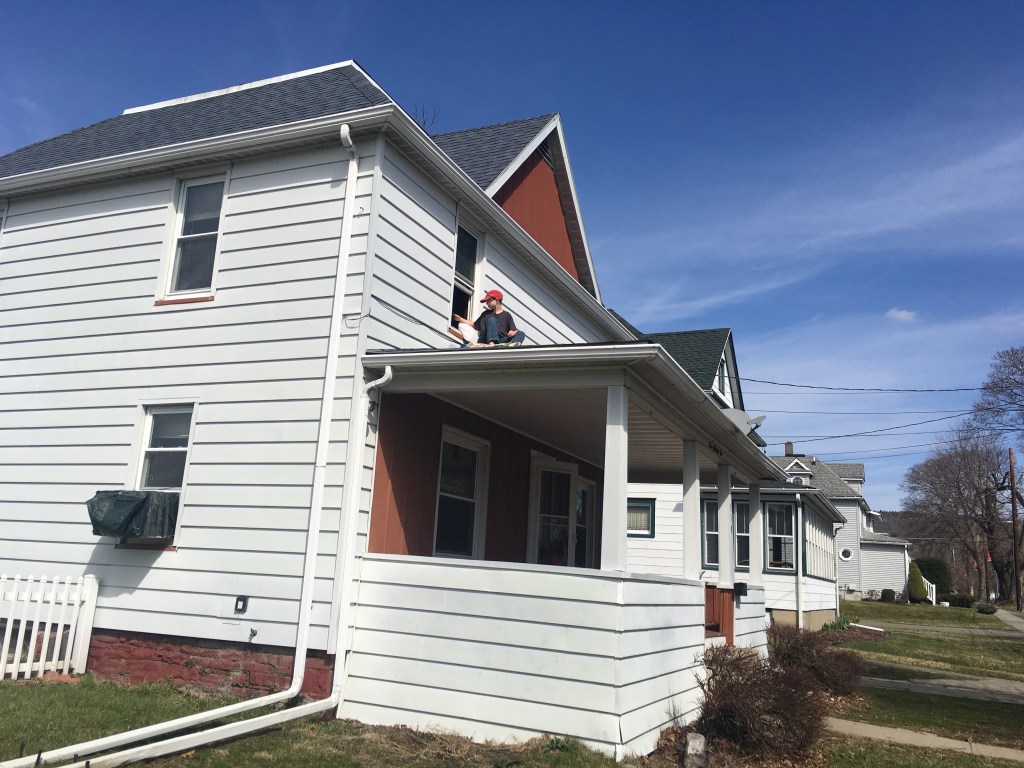
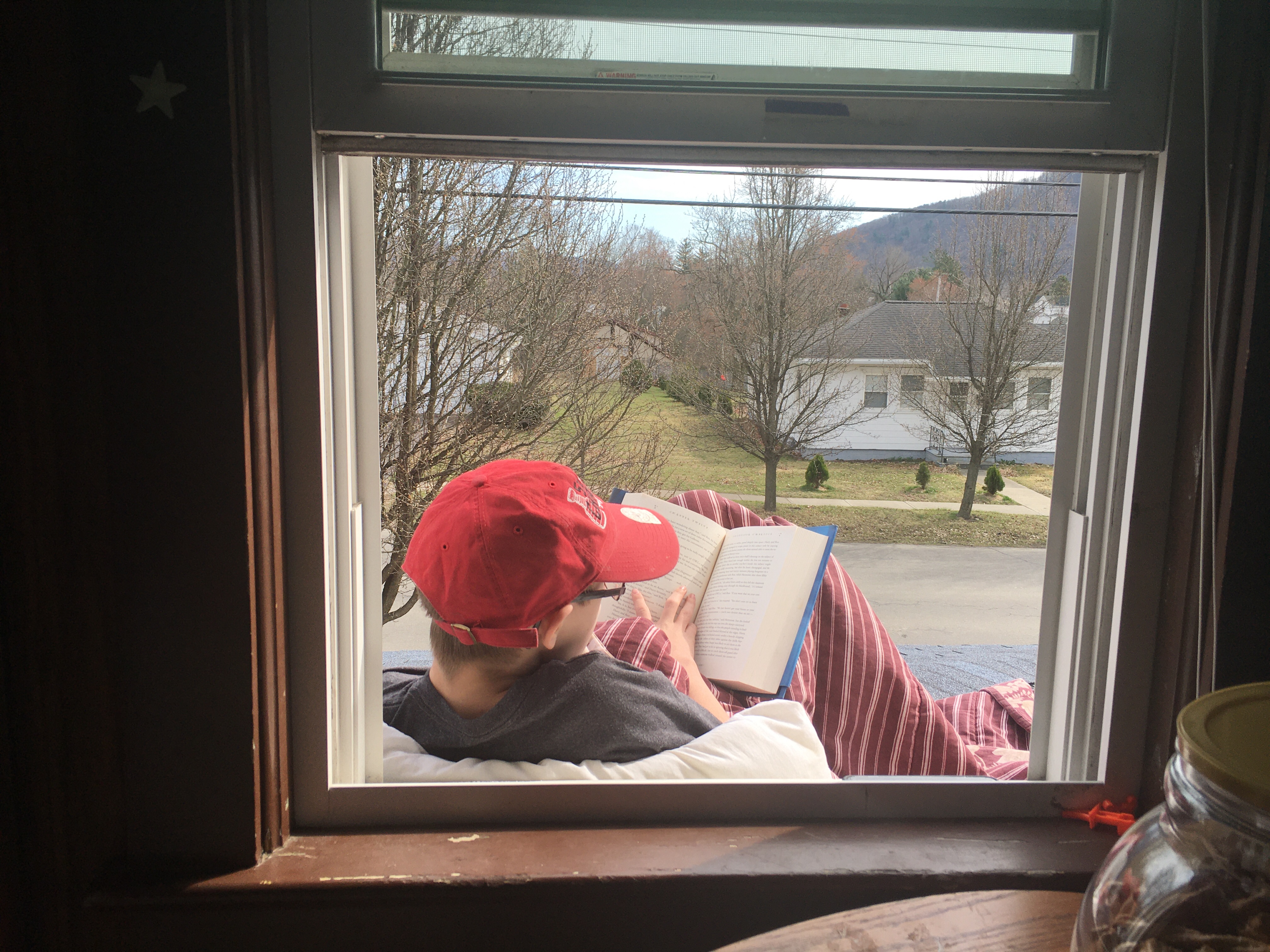
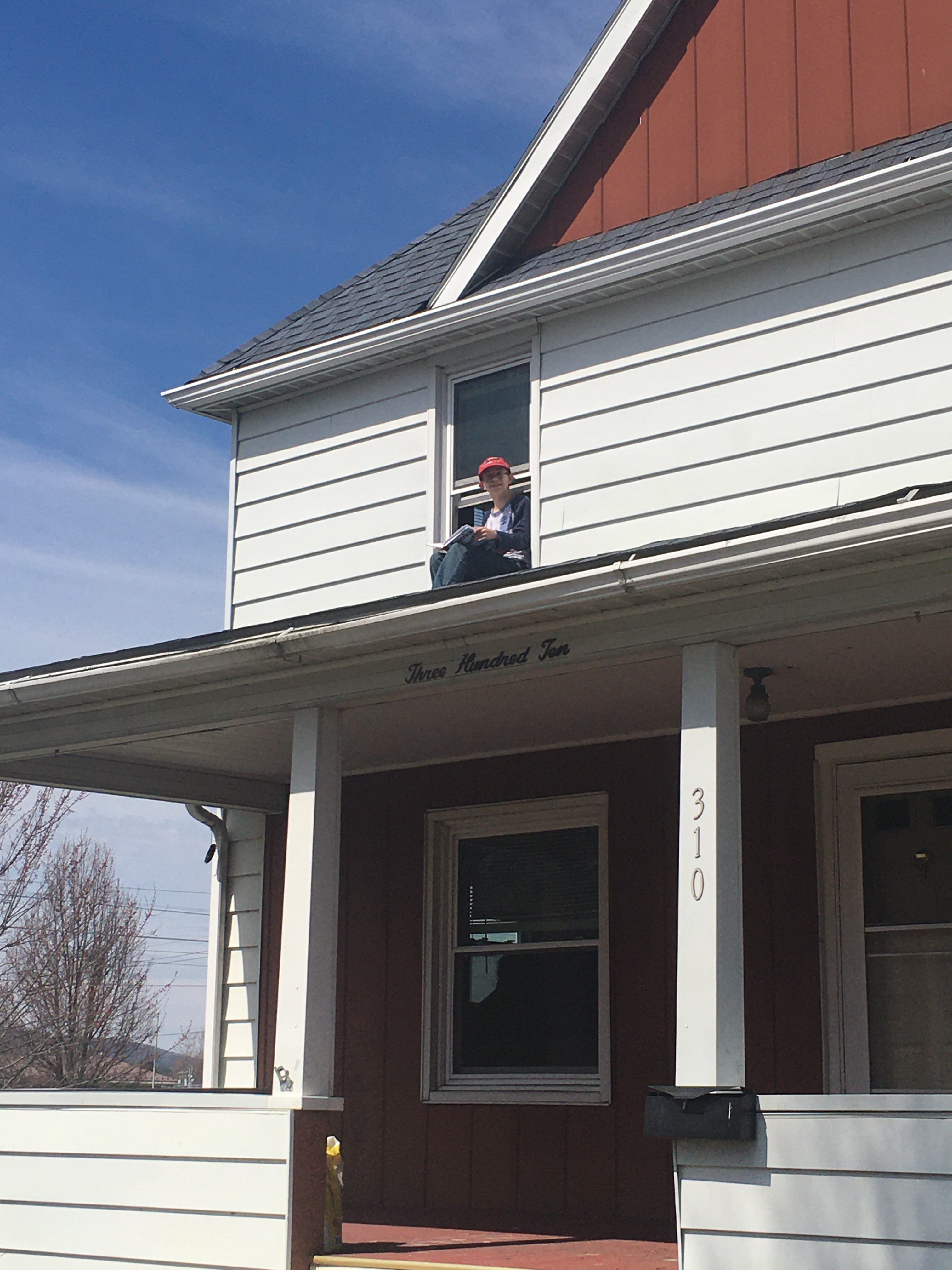
I figured he had received strange looks because the people walking by couldn’t really see what he was doing inside the window, inside the house. Let me reiterate the word “inside” because when I walked outside the house to take the walk with my daughter, I saw my son’s legs sticking out his bedroom window, over the roof of our front porch, with the screen and window all the way up, reading his book. He grinned and waved.

“I thought you meant inside!” I shouted up.

He just grinned again, and I told him to be careful, but knew the roof was flat there and didn’t really see how he could fall off of it. Sometimes my daughter is too much like me because at the corner of the sidewalk near the house she said, “Maybe I should go back and tell Jonathan to make sure he doesn’t fall off that roof.” We kept walking, though, because I had suggested we walk past our neighbor Louise’s house and see if she would like to stand on the porch and watch Grace ride by on her bike.

Louise is a very active older woman normally, but she also has an autoimmune disease that affects her lungs and being quarantined during this outbreak is necessary to be sure she remains healthy. I knew she has been going stir crazy because I text her to ask how she is from time to time.

She was delighted to come out on her porch and wave at us but before we got there we saw a couple walking down the sidewalk toward us and I suddenly realized I wasn’t sure what the protocol for greeting people on the street is in the middle of a pandemic. Should I jump out of the way while screaming: “Don’t get near me!”? Or should we yell “Social distancing!!! Social distancing!!!” while holding our hands out, our index fingers forming the shape of a cross, to remind them to stay away from us? Instead my daughter and I simply calmly stepped to one side and let them pass and they walked in the street to make sure we were all practicing social distancing. They did stop and ask us some questions about when we were moving and wishing us luck in our new home, but we all made sure to lean back away from each other as if we all had bad breath. Or maybe we all really did.

Louise was ready to sit when we arrived and invited us on her porch. I was immediately paranoid about the invitation. On her porch? Could we be six feet apart up there? It turned out that her wicker patio furniture was indeed about six feet apart so there we sat, on a beautiful sunny day, chatting about her recent visit to Florida, the weather, what we all should be eating to stay healthy — anything other than the big, dark cloud of uncertainty hanging over our heads. (It reminds me of Harry Potter and how they say “He who shall not be named” for Voldemort, but instead, it’s “It that shall not be named.”).

While we were chatting, I could hear a woman talking fairly loudly from down the street. I watched her turn the corner and head toward Louise’s, gesturing as she walked with two other women following behind her. At first it looked like a tour with the woman in front being the tour guide, the other two walking behind nodding as they walked, but I couldn’t imagine what landmarks in this part of our town the woman would be showing. Maybe, “Over here you’ll notice the Little League Field and beyond that the high school and the football stadium.”? I mean, they’re nice facilities, but not exactly historical.

Then I focused on how the women were walking in a line like a row of ducks, one after another about six feet apart. The woman in the front kept shouting over her shoulder at the one’s in the back while sharing a story (she wasn’t a tour guide after all) and the other women shouted affirmative responses back. I realized they were taking a walk together while practicing social distancing. I wondered if this would be our new normal – walking around with five feet between us, shouting over shoulders.

There were actually a lot of people out walking that day. Our “neighbors” down the street (we still call them neighbors, even though they live several houses from us) stopped on the corner and the wife took a photo on her phone toward our house while I watched from Louise’s porch. I wondered what that was about, forgetting about my son sitting on the roof of our front porch while reading. The neighbor that had taken the photo walked by where I was sitting and as I greeted her she filled me in on why she had such a smile on her face (though she often has a lovely smile on her face).

Apparently seeing my son on the roof sent her and her husband into a small fit of laughter because years ago their youngest son did the same thing when he was about five, except he didn’t ask for permission. She had run to the grocery store and returned to see her young son sitting on the roof, reading a book. When she asked what he thought he was doing he announced: “I’m just sitting up here reading my book and waiting for you to come home.” My neighbor said when she went inside to help retrieve him, she asked the rest of the family “weren’t you watching him?” They said they had been but apparently not as well as they thought since he’d somehow slipped by them and climbed out on the roof. Luckily all ended well with him and with my son.

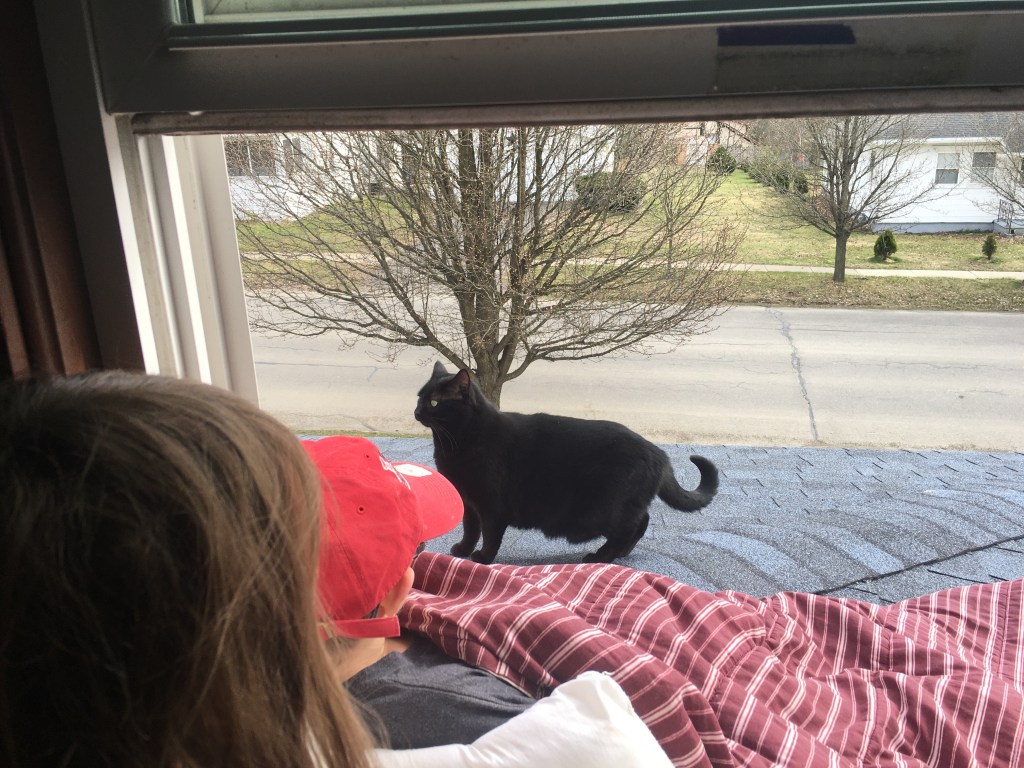
By the time I got back to my house to see what my son was up to, he’d pulled a comforter and two pillows and some snacks out and had made himself pretty comfortable, pushing the boundaries of the permission I had given him to sit in the windowsill. Our cat decided she’d like to see what the roof looked like too so she sauntered through the window later and roamed the roof near my son while people walking by gawked.

“ Is that your cat?” my son said a woman asked him.

It reminded me of that old joke series by Comedian Bill Engvall where people state something obvious and he says to them, “Here’s your sign.” I couldn’t figure out who else the woman would have thought the cat belonged to and I wish my son had told her, “Nope. Not mine. Must be one of the neighbors’ cats climbed up here on our porch roof to wander around it.”

It’s true. It really is hard to find humor when the world seems to be crumbling around us, but when you do find those little gems that make you smile or laugh make sure to hold on to them. You can bring them forward in your mind when everything else you hear is negative and scary.

In case you’re wondering that couple’s son was reading Huckleberry Finn out on the roof. My son was reading Harry Potter.


Sunday Bookends: Still reading the same books (I know. Sad.), crazy Pennsylvania weather and Easter


Today is Easter Sunday! Happy Easter! Or for Christians, happy Resurrection Day! He has risen!

Today marks nine days that my family and I have been living at my parents. Somehow we haven’t gone completely crazy yet, but close a couple of times. My parents are lovely people, but they are . . . also particular about many things. Let’s just put it that way. Anyhow, let me digress from that subject before I get myself in trouble. *wink*

I hesitate to even share what I’ve been reading (which is what I usually do in this post) because, no kidding, it’s the same books I have been reading for probably a month since my brain has been too messed up lately to focus on reading. The house drama coupled with the upside down outside world hasn’t really let my mind calm down too much. On the house front, we are supposed to close on the new house Tuesday. The “old” house has been sold.

We’ll just see how this next week goes because we were told before that we were closing on our new house and didn’t. See how optimistic I’m being? Ha. Ha.

I thought I’d share what the rest of the family is reading instead of what I’m reading (if you want to know what I’m reading just see the last two weeks of Bookends posts. It’s pretty much the same thing.). My 13-year old son is reading Harry Potter: Order of the Phoenix. My daughter is having Paddington At Large read to her by me. My husband is reading: Masquerade For Murder by Max Allen Collins and Micky Spalan.

My mom is reading The Art of Hiding by Amanda Prowse.

My dad is reading Facebook and medical articles and way too many news sites. That’s all I’m saying about that.

One nice thing about living at my parents is that we are far removed from the town life we lived in before. My parents live on a hill somewhat in the middle of nowhere, though there is a major roadway across the hill from them. Their small “village” if you want to call it that, has about 20 some houses scattered around, each with a good distance between the other.

Our dog has a lot of space to run in, which she loves. Our cat has less space because she is an indoor cat and my mom is allergic to her. We’ve had her confined in three rooms upstairs in the house for nine days now but we rotate the rooms and if someone is upstairs we leave the doors open and let her roam in and out of whichever room she wants. She enjoys looking out the window in the one room the most. She has tried more than once to escape downstairs but we chase her up very quickly so my mom doesn’t end up scratching  . . . well, I’ll leave that unsaid.

Luckily Mom’s asthma isn’t bothered by cats, or as far as we know. Because we aren’t definite we are trying to be even more cautious with the cat. We know her allergy isn’t as severe as it could be because we have visited many times and probably have cat hair on us and my mom doesn’t react to that hair. It could be different because Pixel, our cat, is an indoor cat and I hear that indoor cats have different dander.

My kids have also enjoyed having more space to roam. My son was never able to use his BB gun where we lived (he used it when we visited my parents) so he was happy to be able to have the freedom to do that.

The weather since we’ve been here has been typical Pennsylvania weather. One day it was warm with sun, the next cold with the sun, the next rainy and on Thursday we had all of them within a span of a day. First, it was raining and windy with ice balls. Then it was sunny and windy. Then it went dark and we had actual snow squalls that blanketed the hills around us. On Good Friday the wind was back to make it cold again. I don’t think you can see the snow in this photo, but the mist you see is actually snow being blown across the valley my parents’ house looks down out on.

By Saturday it was warm again and my husband and I took a drive to try to find better WiFi to download a movie to my phone for the kids to watch. We had to drive 12 miles away to my alma mater and familiar car/motion sickness hit me part of the way there, reminding me quickly of how I got sick every day on my way to school, 180 days out of the year, for six years. I was thinking that by now – 20 plus years later — I wouldn’t get so sick on that road, but alas I still feel sick, get a headache and want to climb out of the car and clutch the earth after I’ve been in a car weaving down the road on what is called Welles Mountain. If I hadn’t been so sick, I would have taken a photo to show you the road and how curvy it is. The trip wasn’t even that productive since the open WiFi we found still wouldn’t download the movie I wanted. My parents do have WiFi but because of old lines, it sometimes goes in and out and can’t handle large downloads or gaming.

Thanks to that ride to school, most of the people in my school thought I was either stuck up or high because I spent the first half of the school day squinting and trying to keep my breakfast down and the room from spinning.

Anyhow, as for what we have been watching . . . not tons because we don’t have streaming at my parents. They do have DirectTV thankfully so the kids have been able to watch some cartoons. For Easter, we watched a couple of specials on TBN, including Sight and Sounds’ Jesus production (which is still streaming today, Sunday, on the TBN app for those who are interested.). We also watched a special with Chris Tomlin and Max Lucado and another special from Joseph Prince.

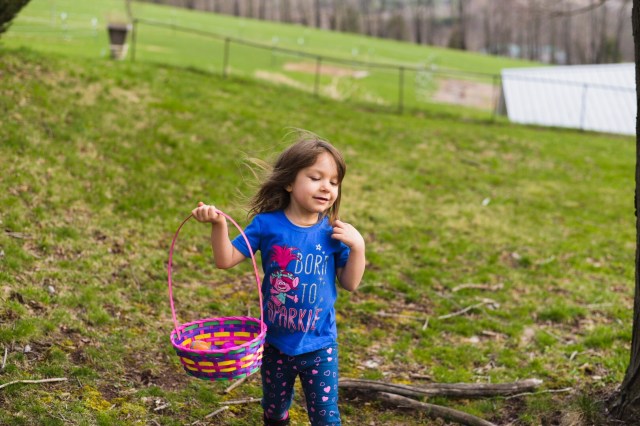
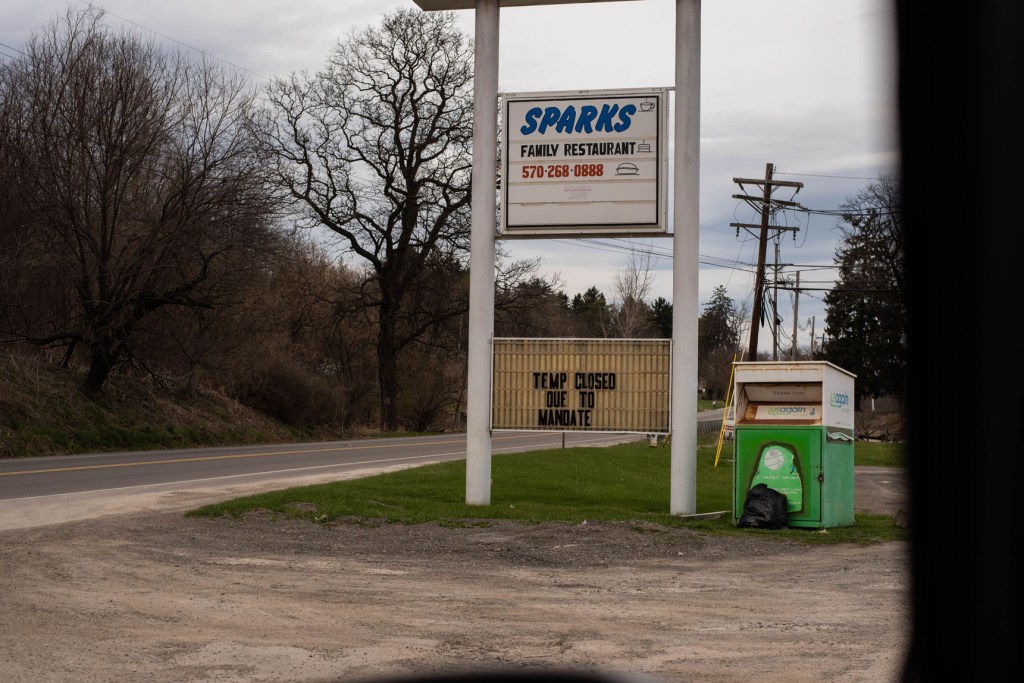
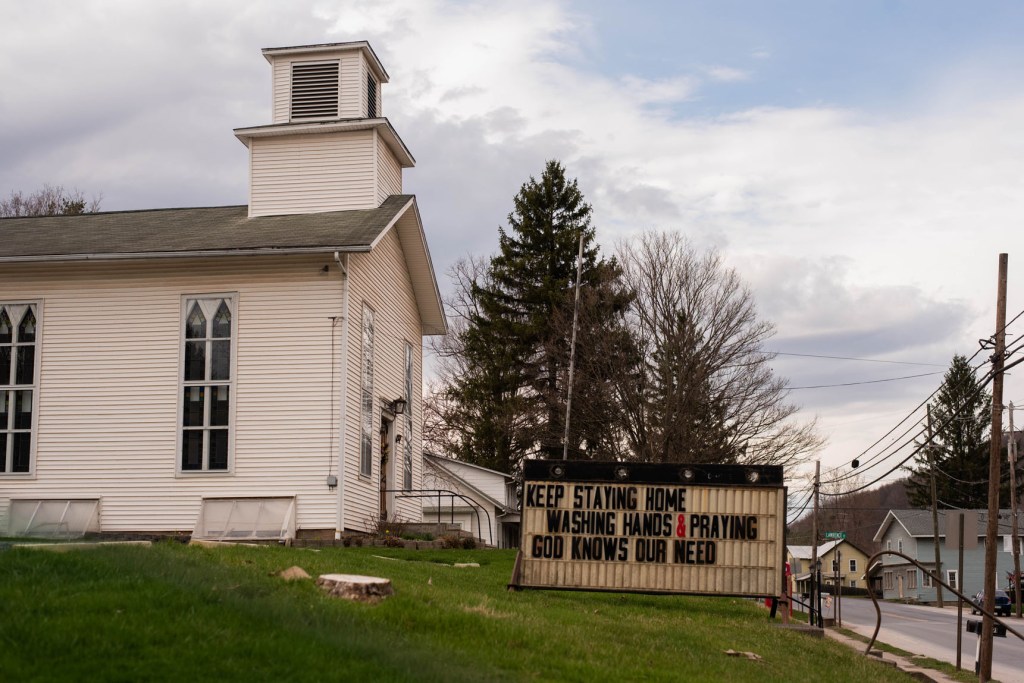
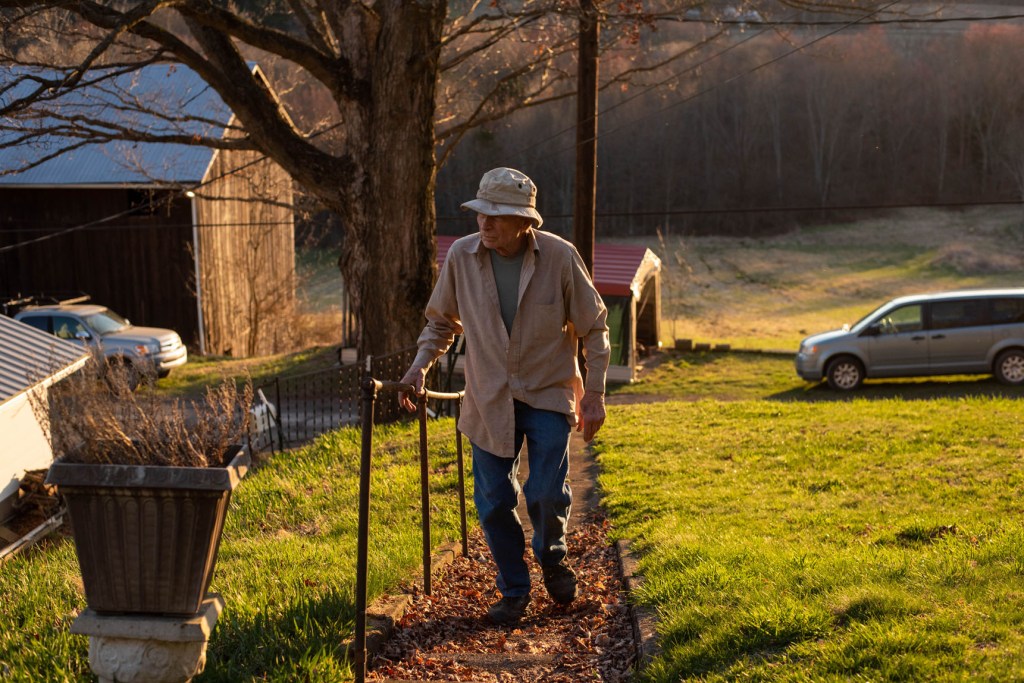
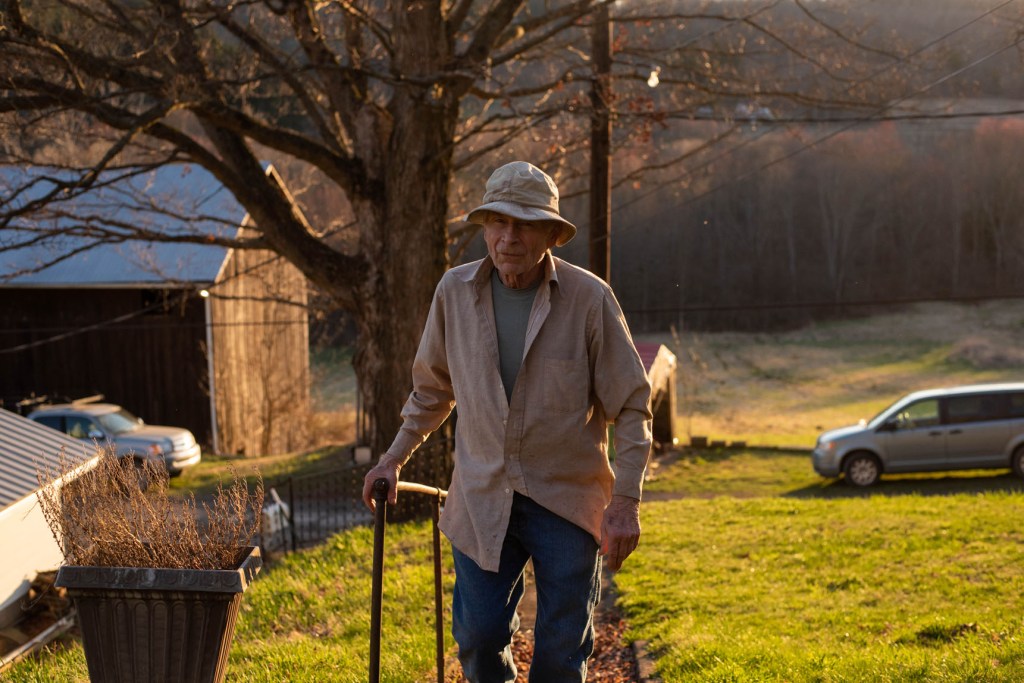
I thought I’d share with you some of our photos from our last days at our house, from scenes around our area right now with “all that is going on,” (There is something I’ll be glad to never type again one day.), and the kids and dog having fun at their grandparents.


So, what have all of you been doing in quarantine? What have you been reading, watching, baking? Let me know in the comments.

I’m also leaving you with one of my favorite Easter songs:


Fiction Friday: The Farmer’s Daughter Chapter 2

Life has been crazy in my neck of the woods, but revising Chapter 2 to share here this week helped distract me a little. Hopefully, it will actually post because my parents’ house (where we are staying for a while) has some pretty awful WiFi. That has been both a blessing and a curse. I’ve been frustrated at times being unable to access things online I’d like to but it’s also been a blessing because I am cut off in many ways from the negative news of the world. I can’t scroll Facebook or even access news sites at certain points in the day and I’m actually liking that.

If you missed Chapter 1, you can find the link HERE.


The Spencer Valley Community Center was the gathering place on Thursday nights for half the town of Spencer, population 3,000. In one conference room, the Spencer Valley Historical Society was meeting to discuss the upcoming history fair and fundraiser. In another room, there was a painting class, ages teen to 90s.

At the end of the hall a dance class was being held in the main gathering area and in a small conference room behind the kitchen, the Spencer Sewing and Knitting Club was holding its weekly gathering for amateurs and experts alike.

Molly was an amateur, which was clear from how she was sucking her index finger after stabbing it the third time in ten minutes while trying to learn to cross-stitch. She wasn’t even sure why she was at the sewing club. She’d never been interested in creating anything with thread and needle. She was usually at the community center for painting or sketching classes. When her friend Liz had invited her to the sewing club meeting she’d agreed, simply to break up the monotony of her evenings at the milking barn.

Molly laid her project down on her lap and rubbed her eyes.

“I haven’t been able to sleep all week,” she said through a yawn. “I don’t know what’s wrong with me.”

Liz Cranmer, Molly’s friend since seventh grade sat across from her in a cushioned wooden chair, her red-blond hair tied back in a neat ponytail.

“It’s all that worrying you do,” Liz said, matter-of-factly. “You have too much cortisol in your system.”

Oh, here we go again, Molly thought, fighting the strong urge to roll her eyes.

Liz was a self-proclaimed natural health expert. She was also a well-known hypochondriac. A half-filled water bottle with ice and freshly cut lemons sat next to her chair, which she sipped throughout the meeting.

“I don’t even know what cortisol is,” Molly said. She immediately regretted admitting her lack of knowledge.

Liz laid her project on her lap and looked up. “That’s what your adrenals make when you’re stressed. It’s a hormone that is produced by your body to try to help you —”

“My what?”

“Adrenals. They’re glands that sit on top of your kidneys.”

“Do they help me pee? Because I’m peeing fine.”

The other women, sitting on couches or chairs in a semi-circle, were starting to giggle.

“Oh boy. Here we go again,” Mildred McGee said with a shake of her head.

“No, they don’t help you pee,” Liz said. “They help regulate your flight or fight response.”

“By making me pee?” Molly asked.

“They aren’t related to peeing,” Liz said impatiently, rolling her eyes. “Anyhow, you need to buy some supplements to regulate your adrenals. Are you tired all day and wide awake at night?”

Molly sipped coffee from a thermos next to her and shook her head. If Liz wasn’t diagnosing herself with unusual ailments she read about in some magazine or online, then she was diagnosing her friends.

Ginny Jefferies, the town’s 50-year-old librarian, sighed. “Oh, Liz. You’ve been reading too many medical sites again. You know you’re a hypochondriac.”

“Well, I didn’t say I had it,” Liz pointed out. “I said Molly did.”

Louise McGroarty smiled and looked over her bifocals at Liz and Molly in amusement as she looped another piece of yarn around her needle.

“I don’t have adrenal issues,” Molly sighed. “I’ve just been thinking too much lately.”

“What have you been thinking about?” Liz asked.

“I don’t know. Life in general, I guess. Like what I want to do with mine besides working on the farm.”

“Molly, honey, you only live once and if you want to see what life is like beyond this town then you should finish that degree you started all those years ago and see where it takes you,” Louise said  as she tied off a piece of thread. “You’re almost 30, kid. It’s beyond time to figure out what you want in life and get on with it.”

“I’m 26, not almost 30,” Molly said.

“26 is the new almost 30,” Jessie Newberry, the mayor’s secretary, said with a grin.

Molly sighed. She had been sighing a lot lately.

“Really though, I like living on the farm,” Molly said. “It’s what I’m used to.”

“What you’re used to isn’t always what is best for you, honey,” Ginny said, pushing a needle through her project.

“Exactly. Besides helping your family, and maybe us wonderful ladies,” Lydia Walmsley smiled as she gestured around the room. “What else is keeping you in this town?

As if on cue, the side door to the community room opened and a quiet hush fell over the women as they looked up from their projects. Molly followed their gazes and watched Alex walking toward her wearing a dirty pair of jeans and a stained white t-shirt. The expressions on the women’s faces made it seem like he was strutting down a catwalk on fashion week in Paris instead of into the community room in his farm clothes.

“Hey,” he said, stopping and standing in front of her, hooking his thumbs through his belt loops. “Your mom wants to know if you can stop by the store on the way home and pick up some more flour and sugar for the rest of the cakes.”

She furrowed her eyebrows and smiled slightly. “You don’t know how to buy flour and sugar?”

“You know I always buy the wrong thing,” Alex said with a grin, pushing his fingers back through his ruffled brown hair.

Molly noticed that almost all the women were watching her and Alex, or more accurately Alex as if Alex was standing shirtless under a waterfall.

“I can pick it up,” she told him. “Now get out of here and go be productive somewhere.”

Alex offered a mock salute. “Sure thing, drill sergeant,” Alex said. He turned to walk away and then looked over his shoulder and smirked. “Have fun sewing and knitting, ladies.”

Liz looked at Molly with one eyebrow raised, her back to Alex.

“We sure will, Alex,” she said. “You have a good day now.”

Alex walked through the doorway, his back to the women. “Oh, I plan to.”

As the door closed firmly behind Alex, Liz smirked.

“And that, my dear ladies, is what is really keeping Molly Tanner in Spencer Valley,” she said as warmth rushed into Molly’s cheeks.

“Ooooh…” several of the women cooed together as Molly rolled her eyes.

“That could not be further from the truth,” she said.

“He’d keep me here,” Maddie Simpson said with a smile. “I’d just follow him around anywhere like I was a lost puppy dog.” The other women laughed in agreement.

Hannah Barks fanned her chest with her hand. “Same here. Oh my, Molly, where have you been hiding him?”

“I haven’t. He’s been working at our farm for the last five years. Of course, unless you live at the local bars or attend a rodeo you’ve probably never met him.”

“Sounds like someone is trying to pretend she’s not interested,” Allie Jenkins said with a smirk.

Molly started to fold her project as she shook her head.

“I’m going to go get those baking supplies for mom to avoid the wrath of Mavis.”

“No matter what you do, you’ll never avoid the wrath of Mavis,” Ginny said with a snort.

The other women laughed and nodded in agreement.

“Isn’t that the truth?” Allie said. “That woman is never happy.”

Liz shoved her project into her bag quickly. “I’ll follow you,” she told Molly.

Outside in the parking lot, the sun was just starting to set. Golden light poured across the small town of Spencer, making it look almost picturesque. Molly always thought that if it hadn’t been for several dilapidated, abandoned buildings along Main Street and the empty shoe factory on the edge of town, her hometown could be mistaken for one of those quaint villages in a Hallmark movie.

Many of the homes were well maintained, fairly new siding, matching shutters, the stereotypical white picket fence surrounding the neatly mowed front and back yards. The homes that were less maintained were where every book and movie always placed them – on the other side of the train tracks and well out of view of most visitors, who usually looked for the small, unique shops on Main Street instead.

The tracks were mainly used to transport cars to and from the railcar repair station. The repair center was the last remnant of the railroad company that once employed the majority of the town, helping to facilitate its growth more than 100 years ago, along with farming and the local medical center. When train transportation became less prominent, its demise was part of what started the town down the slippery slope of its economic decline.

Across from the community center was St. Peter and Paul’s Catholic Church; one of many churches in town. Molly looked up at the building, a tall cross illuminated from behind and adhered to the front of the stone structure, near the middle of the bell tower. In front of it was a statue of Mary and in front of Mary were a bouquet of fresh flowers that someone must have placed there earlier in the day.

The small farming community was host to a variety of small churches, representing a variety of the main Christian denominations. While Molly had always admired the stunning architecture and stained-glass windows of the Catholic Church, her idea of how to approach her faith had led her to what was called a “non-denominational church” thirty minutes away, in the neighboring town of Millsburg. The church hadn’t hitched itself to any one denomination and this was a concept that appealed to Molly.

“So, are you really thinking of leaving the farm?” Liz asked after she had finished chatting with the ladies and met Molly in the parking lot.

“I don’t know,” Molly admitted. “I like helping dad and mom with the farm. I like helping with the cows and at the farm, working at the farm store, and I even like collecting the eggs from those cranky hens.  On some days I can’t really see myself doing anything else, but on other days – I don’t know. I just want something different.”

Liz flipped a strand of hair off her shoulder. “I hear you. Change is good. Why do you think I left my job at the school district? I needed something more exciting than answering phones and scheduling the superintendent’s meetings.”

“You work at a health food store,” Molly said with a laugh. “Is that really more exciting?”

Liz tilted her head and laughed. “Sometimes it is actually. Yes. Last week a woman came in and asked if the crystals we have would help her to realign her shakra. I don’t even know what a shakra is. I just told her it was possible and left off that I had no idea.”

Reaching their cars, Liz unlocked hers and tossed her bag into the passenger seat. She leaned back against the closed door.

“But enough about me, back to you. You’ll have to think about what you want to do beyond the farm, but I know one thing you can do now: come to the gym with me and get in shape and snag that sexy Alex.”

Molly unlocked her own car and shook her head at her friend. “Liz, no. Alex is — well, Alex. And he wouldn’t be interested in me at all anyhow.”

“I highly doubt that’s true and besides, are you interested in him?”

Molly raised her arm and looked at an imaginary watch. “Oh, my. Look at the time. Don’t you have a cat to get home and feed, Liz?”

Liz sighed  as she turned to slid into the front seat. “Go ahead, Molly Tanner. Chase away your best friend who is only trying to help you lose your —”

Molly waved over her shoulder at her friend. “Bye, Liz. Will I see you at the ladies’ group Tuesday?

“I don’t know.” Liz shrugged. “I might have to work. Jane has been out sick this week.”

Jane Wilcox was Liz’s boss and the owner of Nature’s Best Health Food Store. Molly thought that for someone who touted healthy living and eating she sure was sick a lot.

“Well, I hope you can come. We’re studying Esther this week.”

“Again? Oh my gosh, I get it,” Liz said with an eye roll. “Esther was wonderful and we should all be like Esther.”

“There are a lot of good lessons in her story, but, no, we can’t all be like her,” Molly said. “I’m sure she wasn’t perfect. We’re only hearing one story of her life.”

Liz laughed. “I know, like how Facebook and Instagram only show the highlights of someone’s life. I’ll see what I can do. Drive home safe, lady. And for Godsake, don’t let Mavis rope you into manning that bake sale table again.”

Pulling the door closed Molly thought about how Liz felt she needed to change her looks to get the attention of a man. She was probably right, still it was weird thinking about the need to become someone you weren’t simply to be paid attention to by the opposite sex. What happened when the man found out Molly wasn’t who he had thought she was? That would certainly be an awkward transition unless the woman simply pretended to be someone else the rest of her life.

Molly shuddered as she drove, thinking about a woman she had known who was doing exactly that and was probably miserable because of it. Dana Priester always had her hair styled perfectly, her make up just so, her clothes always the latest design, and a smile always plastered on her face. How awful it must be for her to always have to be “on” and never be allowed to let down her hair and simply be herself. Then again, Molly thought with a shrug, maybe stuck up and fake was who Dana really was.

Just as awkward as Liz’s suggestion that she get in shape to catch a man was the man Liz had mentioned. Molly had definitely found her mind wandering more than once to Alex’s handsome appearance but she had never thought about trying to “win him over” or “catch him.” Alex was — well, Alex. He was simply there. Her brother’s best friend, her dad and uncle’s employee, her co-worker, for lack of a better word.

He was attractive, easy to talk to and fun to be around but Molly knew he would never be anything more than those things to her. He was too attractive, too charming, and maybe even too fun for her. There was no way he would ever be interested in someone like her; someone who weighed more than she should, didn’t pay much attention to her feminine side and who he most likely merely thought of as his best friend’s little sister who he worked with at the barn.

Passing the town limits and relaxing as the comforting sight of fields of hay rose up around her, Molly shifted her thoughts from Alex to the ladies’ group and how it had been helping her study the Bible more. She still had a long way to go before she felt as “spiritual” as some of the women in the group, who seemed to trust God in every step of their lives, but she felt more equipped to handle life than she had five years ago when her grandfather was first diagnosed and she had started caring for him.

She knew she should have been praying more about what God wanted for her life too, but she’d prayed she had prayed a lot when her Grandfather’s health had taken a turn for the worse and never heard an answer. Why would God now give her an answer about what steps she should take in her life? And even if he did give her answers, how would he give her answers?

She knew answers from God weren’t like an audible voice from the clouds, but she had been seeking answers about her next step in life for seven years and, yet, here she was, almost 26, and feeling stuck in a deep, boring, frustrating rut. She didn’t know if leaving the farm was what she needed to get out of it, but she knew she needed some kind of change and she needed to make that change sooner rather than later.

Fiction Thursday: Fully Alive Chapter 2

Here we are at Holy Week! I know it seems odd that we will be celebrating Easter this weekend without full church services, but we can worship together at our computers and celebrate that Christ is Risen. I didn’t even think about that I was sharing this Biblical fiction story in the Easter season, but I suppose it is fitting.

If you missed the first chapter of Fully Alive, you can find it HERE.


The busy sounds of people rushing by to complete their daily chores quieted as Jairus pushed the door to the synagogue closed. He leaned against the door and closed his eyes for a moment as he tried to quiet his racing thoughts.

He focused on the words he had said to Josefa the night after the teacher had healed her. Healed her? Brought her back to life?

Is that really what had happened?

Even now it was all too unbelievable to him. He wondered, did he really believe what he had told Josefa? That this man, this Yeshua was the true Messiah that the prophets had spoken of?

Maybe he had been wrong to say so; to tell his daughter this man must be the true savior of his people. He’d spent his whole life studying the scrolls, learning of Moses and Elijah, about the prophesies of the Messiah. Now here he was almost completely convinced the man he had followed in the street, begging for him to come and heal his only daughter was indeed the Messiah. He knew he was being ridiculed behind his back by the other leaders of the synagogue for asking for Yeshua’s help but he couldn’t deny what he had witnessed that day.

He remembered Josefa’s fever and how she’d no longer been able to stand. Myriam, his wife, had soaked a cloth and laid it across Josefa’s forehead, hoping the cool water from the stream would revive her. For days they sat by her cot, holding her hand, Myriam weeping as Josefa moaned and faded in and out of consciousness.

Jairus had paced the room, rubbing his beard. He stopped and looked at his wife kneeled over their daughter. “You know I told you about this teacher, this man they call Yeshua?” Myriam was looking at Josefa, not responding, merely crying. “Myriam, are you listening? He’s been healing people. I saw him heal a man’s hand in the synagogue last week. The leaders were upset because it was the sabbath, but I saw the man’s hand. It was diseased, scarred, withered but Yeshua held it, touched it and the hand was whole again.”

Myriam dabbed her eyes with her shawl as her husband spoke, barely listening as she watched her daughter’s breathing become more and more shallow. Dark circles were now under Josefa’s eyes.

“I will go to him, ask him to come,” Jairus was speaking again. He paced again, rubbing and pulling at the hairs of his beard as he always did when thoughts overwhelmed him.

“Do we now believe in such men who call themselves healers?” Myriam asked softly, her shoulders slumped forward, her body weary from worry.

Josefa’s body shuddered with a convulsion. Myriam gasped and lifted her daughter, holding the girl’s small frame against her chest. Josefa’s breathing was now labored. Jairus saw the panic in his wife’s eyes and felt it rising in himself as well.

“We are losing her! Go! Go to this teacher and ask him to come!” Myriam’s voice filled with fear. “He’s our only hope now!”

Jairus’ heart pounded as he ran from the house, out onto the crowded paths, pushing his way through travelers and locals and animals being led to market. He could see a crowd around a man in front of him. They were all moving one direction, calling out “Yeshua!” Questions were being asked, some voices mocked, some sounded hopeful.

An image of Josefa’s pale frame flashed in Jairus’ mind and he tried to move faster, pushing more people aside. His chest felt tight, his breathing more labored, reminding him of how old he was getting now. Was this man he was trying to reach a heretic as the synagogue leaders and other rabbis said? What if he was crazy like the man who people called John the Baptist, the man who was covered in dirt and smelled? This John the Baptist, Yochanan the Immerser, had spoken of a healer and prophet who would come to save the Jews. Was this Yeshua that man?

Jairus’ foot caught a stone and he felt himself falling. Dirt flew into his face and pebbles cut at his palms. As he pushed himself up he felt tears hot stinging his eyes. He would never reach Yeshua now.

His head still down he saw a pair of sandal clad feet against the dirt.

“Let me help you.”

Jairus looked up as a man with kind eyes and a smile held a hand out to him. He took it and stood slowly.

“Thank you.”

Jairus barely looked at the man, instead searching the crowd to see where Yeshua had gone.

“Do you seek Yeshua?”

“Yes.”

“Come. I’m one of his followers. I will bring you to him.”

Jairus looked at the man, noticed his unkempt beard and slightly frayed clothes. He nodded at him, seeing kindness and concern in his gaze.

The man gently touched the shoulders of those around them and people began to move aside. Ahead of them Jairus saw that Yeshua had paused and turned to the crowd. His eyes focused on Jairus who suddenly felt unsure, uneasy. Jairus dropped his gaze, overwhelmed with worry for his daughter and overwhelmed with the presence of this man who had performed so many miracles. His body felt weak from running, from being awake for so many days watching over his daughter.

His knees give way suddenly and he fell to the ground before Yeshua. Sobs wracked his body as he bowed low, losing control of his emotions.

“Yeshua.”

He gasped out the name.

“Yeshua.”

 A sob choked his words and he thought he wouldn’t be able to finish speaking.

“Yeshua, my little girl is dying. She is my only daughter. Please. Please, come and lay hands on her so that she will be healed and live.”

Tears streamed warm on his face and he shook his head as if to shake them away. He was startled by emotions he usually kept locked inside. A hand touched his head, on the covering he wore there. He sat back on his knees, lifted his face upwards and stared into the eyes of the man he had once seen heal a man’s shriveled hand, an act that had enraged other leaders in the synagogue.  

“Come.” Yeshua’ voice was gentle, yet firm. “Rise and let us go to her.”

Two followers of Yeshua helped Jairus to his feet and Yeshua motioned for Jairus to lead the way to his home. The crowd surged around them as they tried to move forward, moving with them, as if one combined force, following Yeshua. Several moments of chaos followed and Jairus felt a rush of frustration as the crowd pushed between him and Yeshua.

“Yeshua! What does God ask of us?”

“Yeshua, what happens when we die?”

“Yeshua, will I find wealth?”

People pushed against each other; each person wanting to get closer to the man being called a healer and a prophet, each wanting answers to benefit their own life.

Jairus faintly heard Yeshua’ voice over the noise of the crowd.

“Who touched me?”

Jairus tried to push forward in the crowd, looking over his shoulder every few steps to be sure Yeshua was following.

“I felt power go from me,” Yeshua spoke louder to one of his followers. He stopped and turned to look behind him. “Who has touched me?”

The people in the crowd murmured and grew quiet.  Jairus stopped to see why Yeshua wasn’t following him, panic growing in the pit of his stomach.

“Master, there are people all around you and you are asking ‘who touched me?’” one of Yeshua’ disciples scoffed. His tone was incredulous, tinged with annoyance.

Jairus knew this was the man called Kefa, or Peter – a fisherman from Gailee who now followed Yeshua. Many whispered in surprise that Peter, known as brash and abrupt, was following a teacher of God.

 “Somebody touched me,” Yeshua said. “For I perceived power going out from me.”

 His eyes scanned the crowd around him, but no one answered. People looked at each other confused and unsure why Yeshua was concerned. Why did it matter who touched him? Many people had probably touched him, without even meaning to.

 Suddenly a woman’s voice could be heard barely above a whisper.

“It was me.”

Then louder, over the murmurs of the crowd. “It was me.”

“Who is speaking?” another of Yeshua’ disciples asked. “Please, come forward. Answer the teacher.”

The crowd moved aside and a woman, head down, moved toward the front. She dropped to her knees trembling, her head bowed low and covered with a shawl, her clothes tattered and stained. Tears dripped off her face and into the dirt as she clutched her hands before her.

Jairus swallowed hard, shifting in place, anxious. He wanted to grab Yeshua by the arm and drag him forward, back to his house and his daughter, but at the same time he was entranced by the scene unfolding before him. He couldn’t look away.

The woman glanced upwards at Yeshua.

“It was me,” she said softly. “I knew if I could just touch the hem of your garment…”

Her gaze fell again to the ground. She let out a shaky breath. “I heard all that was said about you. About who you are. About what you can do. . . Rabbi, I’ve been bleeding for 12 years. No one will come near me. I am unclean. I’ve been to every doctor, but no one can help me. No one has ever healed me.”

Some in the crowd winced and a few stepped away from her, covering their mouths.

Tears continued to stream down her face.

“I have tried everything. I heard of your miracles and I knew – if I just touched the fringes of your robe – the fringes – that healing would come.

Her fingertips grazed the edge of his robe again. She could barely speak as she sobbed.

“And it did. It did. The healing came the moment my fingertips grazed the tzitziyot of your robe. I felt it. I felt it stop. The pain stopped. It all stopped.” Soft murmurs of awe rippled through the crowd, mingling with her sobs.

Jairus’ heart pounded hard and fast. If this woman was saying that simply touching the hem of the rabbi’s garment was enough to heal her, then he was indeed a powerful man, a messenger of God. If healing flowed from him so easily then there was hope for Josefa.

Yeshua kneeled before the woman, reached out and took her hands in his. He touched her chin and lifted her face up to look at him.

“Daughter, your faith has made you well.”

Yeshua kissed her forehead gently and wiped the tears from her face. He stood and helped her to stand with him.

“Go in peace.”

A sob escaped her lips again and then she smiled and laughed loudly with joy. She kissed Yeshua’ hand as she held it, still laughing. Then she backed slowly away.

“Thank you,” she said, tears of joy now spilling down her face. “Thank you.”

A hush had settled over the crowd. Women dabbed their eyes and men talked quietly to each other, shaking their heads with furrowed eyebrows, trying to make sense of what they had witnessed. Jairus felt a sense of urgency rushing through him, tensing his muscles. He needed Yeshua to hurry. New hope surged within him at what he had seen and he wanted the same for Josefa and his family.  

“Yeshua, my daughter… please …”

Yeshua turned toward him again.

“Of course. Let us go…Lead me to her.”

Jairus felt a hand on his shoulder and turned to see Josiah, standing next to him, his face stained with tears and dirt.

“Master, there is no need to hurry now. Josefa . . .” his voice trailed off and Jairus began to shake his head. “There is no need to bother the teacher now. She’s —”

“No! No!” Jairus wouldn’t let him finish.

He felt bile rushing up into his throat and his hands began to shake. He pressed his hands to his head, as if trying to wake himself from a dream, rocking slightly where he stood.

“Josefa…” he felt the tears hot on his face and he clutched his robe against him as pain seared through his chest. “Oh Adonai. Adonai help me.”

He looked up as Yeshua touched his arm.

“Do not be afraid.” Yeshua’s voice was soft, comforting. “Just keep trusting.”

Yeshua’s eyes were kind but Jairus’ mind was reeling. If only Yeshua had moved faster. If only that woman hadn’t stopped them. Josefa would still be alive and her laughter would still fill their home.

“She’s gone,” he told Yeshua. “We cannot save her now. You can not heal her. If only . . .”

Yeshua looked over Jairus’ shoulder, his gaze moving above the crowd.

“Come. Lead me to your home.”

Jairus did as Yeshua told him but his legs felt as if they were weighted down. Before they even reached the corridor near his home he could hear the wailing and knew the mourning had already begun.

Mourners were outside the home, trying to comfort Myriam, who was clearly in shock as she pulled at her clothes and repeated “No. No. No.”  
Jairus rushed toward his wife, grasped her by the shoulders and pulled her against him. She clutched at his clothes and shoved her face into his chest.

“She’s gone. She’s gone. Oh, Jairus. Our little girl is gone.”

Yeshua pushed forward in the crowd. He laid his hand against Myriam’s back to comfort her.

“There is no need for tears,” he said with a gentle firmness. “The girl is not dead. She is merely sleeping.”

An angry voice shouted over the noise of the crowd.

“She’s dead! You give these people false hope! You are a liar and a fool! Like all who have come before you!”

Other voices joined in agreement.

“You say you can heal but you only bring hallow promises to these people,” a man sneered.

Yeshua stood with his back to the crowd, kneeling down beside Myriam and Jairus who had collapsed together into the dirt by their front door.

“Send these people away and come inside with me,” he instructed. “Peter, James, John, come with me.”

Jairus opened his eyes to the sound of someone moving inside the temple, interrupting his thoughts and memories of that day.

“Jairus? Is that you?”

He recognized the voice of Ezra, another leader in the synagogue.

“Yes, Ezra. Good morning.”

Ezra walked toward him holding scrolls.

“Have you come to help me organize these for the scribes?” his mouth lifted in a wry smile.

“I did not but I am glad to help,” Jairus said returning the smile.

The men laid the scrolls on the table next to a bottle of ink.

“I do not know how so much has become in disarray in here – and outside,” Ezra said.

He looked at is friend and noticed Jairus was pulling at his beard, as he often did when deep in thought.

“Tell me, Jairus. How is Josefa recovering?”

Jairus smiled. “Well. She is well. It is – dare I say it?”

Ezra nodded but his expression grew serious.

“Jairus, I must ask you – I’ve heard many talk of what happened with Josefa. Is it true, what they say? Was she dead before Yeshua arrived?”

Jairus felt his muscles tense. He was unsure what Ezra hoped to learn with his questions. He pondered how to answer, but knew telling the truth might encourage Ezra to help him understand more what had happened.

“Myriam and her hand maiden said there was no breath. She was cold when I entered the home and I felt no heartbeat beneath my hand. Her skin . . .” he felt his breath catch in his throat and he paused to choke back emotion. He shook his head as if to shake the image from his mind. “Her skin was pale, tinged with blue. And… so cold.”

Ezra laid his hand on Jairus arm and squeezed it gently.

“You’ve been through much, my friend,” Ezra said.

He opened a scroll to read its contents, rolled it again and stuck it back in a space in the temple wall.

“What do you believe happened that day?” Ezra asked.

“I don’t know, friend. I truly don’t. All I know is she was gone and when Yeshua came she arose at his bidding. He took her hand and instructed her to rise and live and she did.”

“After all you have seen .. .” Ezra paused in stacking the scrolls and turned to look to Jairus “After meeting this man who calls himself the Son of God – who do you say he is?”

Jairus realized he didn’t know how to answer. He had seen Yeshua do miraculous things and heard of even more. He believed his daughter was still living because Yeshua touched her, but was he truly the son of Jehovah or was he simply a great teacher, so holy Jehovah used him to heal?

He looked Ezra in the eyes, opened his mouth to answer and then closed it again. “Ezra – I wish I could say, but truly, I do not know what to believe about this man.”


Faithfully Thinking: Finding Comfort in funny memories and in God’s promises

As we cleaned out our house last week for our move, I found old journals and photo albums. I paused a couple of times to look at them, but not too often since we didn’t have a lot time before everything needed to be moved out.

 I found a journal from 2008 and the first entry was titled A Weekend of ‘No!’ ‘Stop that’ “Put That Down!” (I didn’t title journal entries very often. I must have been going through a phase.) I thought I’d share a little of the entry from this particular day for any new mothers, or mothers who remember those crazy toddler years. I think I had forgot how crazy my son was a the age of 2.

"Jonathan! Stop that! No! Put that down!"
I've said that so many times this weekend I can't even count. 
Jonathan has been into everything, torn up, everything, knocked things down, spilled things, climbed on thinks and broke things. 
He knocked the Christmas tree over twice; broke another bulb (bringing the grand total over two weeks to six, I think); tried to climb over the back of the recliner twice; tried to hammer the wall once; threw a handful of change in his mouth once; pulled toilet paper off the roll once (dragging it into the living room to wrap around his daddy's feet); grabbed two bulbs and ran under the table with them. And all of this is why he was taken up to bed rather quickly tonight.
Despite all the craziness, Jonathan has been a lot of fun. 

On another day my son was pushing his boundaries:

Jonathan just had his hand on the Wii. I told him 'no, don't touch that." 
He said. "Oh." Then he touched the DVD payer. 
"That?" he asked.
"Yes, you can touch that," I said.
"That?" he asked and touched the RF converter.
"Yes, you can touch that," I said, on to him by now and watching him shoot me a smart-but grin.
"That?" he asked, looking at me and touching the Wii again.
"No," I said.
"That?" he asked, looking at me and touching the receiver for the Direct TV.
It's going to be a long night.

I also found this entry from the next year when I got a weird call from an older friend of ours:

“Lisa, I just had a premonition about you! You’re going to have a girl and you were so happy. I was there. I don’t know why I was there, but I was there and you had a girl. You had a name picked out for her already, but I can’t remember what it was.”

I did not remember this entry at all. And why that stood out for me is that I did have a girl, five years later. I had had her name picked out since I was in college, had never told this woman (that I remember) and this woman was not at the hospital with me when I had her, but she was at my house sitting with my then 8-year old until my dad got up to our house to watch him when I went to the hospital.

We know this woman but we’re not super close to her in that we don’t get together all the time or talk every day or even for months at a time, but for some reason she had asked if she wanted us to stay with our son if I went into labor when my husband wasn’t home.

Finding that last entry came at an important time for me. I’ve been feeling very alone, very lost, very anxious (of course, with all that is going on) and like the future is frighteningly uncertain, but to see that entry, to know that 11-years ago God was using our friend as a messenger to tell me that he had our future happiness on his mind — that he has us and me on his mind — was a balm to my fearful soul.

A few years that entry was made our family faced some extremely big challenges, challenges that were a few inches from destroying our entire family. God kept his promise, though, kept us together, and gave us the girl he promised us we would have, while also giving us the gift of our son (big bonus!).

Sometimes, in the moment, in the every day stresses of life, we don’t see how God has been working or is working now. We don’t always remember the promises he gave us, the hope he instilled in us at times we needed it most.

Keeping a journal to remember what promises have been kept and what promises are still to come might help us to not lose focus on what really matters, but simply looking in the Bible and seeing what promises were kept and realized for other followers of God can encourage us as well.

What promises has God made to you and kept or what promises are you still waiting on? Share in the comments to encourage others as they face dark and uncertain times in their lives.

Sunday Bookends: Books? What are those?

I miss reading to enjoy a story instead of reading only to try to escape life. I’m sure I’m not alone in that. This last week I wanted to escape life a lot — not only because of the stress everyone else in the country is facing but because of the fact our mortgage lender dropped us three days before we were supposed to close on the house we were purchasing. This meant we could not purchase our new house. However, we still had to move out of our current house because it was being purchased.

So we kept packing (we’d already rented the truck) and packed up the house by ourselves in four days (still not done, actually). We headed to my parents, who we were trying to stay away from because of You Know What and had planned only to spend one night with. Now it looks like it could be two weeks or more living at my parents (pray for them) and we aren’t even guaranteed the new loan program we are in will pan out and we will still be able to buy the house we wanted to.

While we would have liked to have delayed everything until the country’s leaders decide if they can tell their butt from a hole in the ground (they can’t, by the way and before someone says I’m a this or that person hater, I’m talking about all of them of all parties. Not picking sides on this one.) we were told we could get sued for not moving out for our buyers so we did. And we moved in the original deadline we were given, not the extended deadline we were told AFTER we rented the truck and started moving. It turns out we could have had almost another week to move because the buyers weren’t even ready to sign (not their fault, but it would have been nice if their rep had told our rep about the delays. Just a little communication would be nice these days.)

To say things are stressful in my life is an understatement right now. I have a teenager who feels lost, displaced and panicked because the home that was once his source of feeling grounded is gone and the new house we thought we were going to make our own is also gone (hopefully not permanently.). My son is separated from friends at the same time all of this is going on and he’s still trying to recover from some hurts inflicted on him by past friends. In two days, I have dealt with four or five panic attacks, two of them being my own. Writing all this almost triggered another one.

Our TV is packed up and my parents have some of the most awful WiFi on the planet so we can’t stream anything. I’m having trouble focusing enough to read, but when I do get a chance to read, I’ll be reading A Light in the Window with Jan Karon and maybe I’ll actually finish True to You by Becky Wade. With everything going on, I had stopped reading it and my mom returned it on Kindle Unlimited again. Mooooom. (Wink).

I started two new stories this week on the blog. I’m not sure I’ll share from both stories each week or not. I had one criticism that the chapter of the second story was too long. I deleted the comment because I keep getting rude comments from this same person. Just a reminder: I’m not forcing anyone to read the fiction I share on my blog or anything on my blog. If you think a chapter is too long, or a story is boring, don’t read it. It’s fairly simple. As simple as scrolling by on Facebook if you don’t like what someone has written.

I shared the first chapter of Fully Alive on Thursday and the first chapter of The Farmer’s Daughter on Friday.

Last week I also shared some photos I’ve taken over the years at our house and some laughs with Alice, the fictional advice columnist from our local weekly hometown newspaper. I also shared some advice I needed for myself about where to find our longterm peace.

I’m very behind on my blog reading, mainly because of the move and all the drama that went with it, partially because of my parents’ WiFi. When their WiFi is working, I’ll be certain to get caught up on some my favorite bloggers (you know who you are).

I hope most of your lives are much calmer and delightful compared to mine this past week, despite all that is going on in the world.

Give me some ideas for books, something to watch (if the WiFi is having a good day here, or if you have something I can watch on cable, which my parents have at least), or let me know what is up with you (even if it is depressing. It’s okay. You don’t have to cheer me up. I’ll figure that out on my own eventually!)


Fiction Friday: The Farmer’s Daughter Chapter 1

I have shared a little of this story in the past, but have been working on it over time and will be working on it again as it goes on. As with other stories, this is mainly unedited so typos and left out words are definitely a possibility.

To find more of this story click HERE.

I also shared part of a novella I am working on yesterday.

A New Beginning will be accessible for a little longer on the blog since I don’t know when I’ll have reliable internet to upload it to Kindle. Quarantined, the short story I wrote, is also available in full at the top of the page.


Chapter 1

“You have got to be kidding me!”

Molly Tanner’s life was stuck in proverbial cow poop in the same way she was standing knee-deep in literal cow poop.

She had imagined so much more for her life but here she was pulling hard on a rope connected to the harness of a Jersey cow, trying to convince the animal to move the 300 yards from the cow pasture to the barn, when she could have been traveling the world or exploring all life had to offer while working an exciting job somewhere exotic.

This battle of the wills, which so far the cow named Cinnamon was winning, had been going on for fifteen minutes and Molly had had enough.

She lowered her head and looked Cinnamon directly in the cow’s right eye. “Listen here, girl, it’s time to get in that barn. I’m tired. It’s been a long day of milking and cleaning out all that mess you and your friends make. And I’m not done yet. I still have to help Mom bake cakes for the church rummage sale next week. You know how much I hate that bake sale, so come on, give me a break, okay?”

Across the field, at the top of the hill, Alex Stone, the Tanner’s farmhand, casually leaned back against the door of the barn, chewing on a piece of sweet grass and watching Molly struggle.

“Whatdya think she’s doing down there?” he asked, nodding in Molly’s direction, arms folded across his chest.

Molly’s brother Jason spoke from inside the barn. “Looks like she’s arguing with Cinnamon again.” He poured a bucket full of slop for the pigs into their trough, then set the bucket down and walked over to stand next to Alex.

“Should we help her?” Alex asked.

“Probably.”

Jason leaned against the door next to Alex and accepted the piece of sweet grass Alex handed him. The men chewed together and continued to watch with amused expressions, neither making a move to help.

If Cinnamon felt any remorse for her actions, she wasn’t showing it. She chewed her cud and turned her head toward the empty field behind her, then swished a fly off her backside with a flick of her tail. Molly groaned and tightened her grip on the rope.

“You are going into that barn for milking,” she hissed through gritted teeth. “I will not be defeated.”

In the same moment Molly pulled, Cinnamon jerked her head back and with that movement ripped the rope from Molly’s hands, sending her staggering, off-balance, to one side before she tripped over a pile of manure and fell, face down in the cow pasture. A scream of frustration gurgled out of Molly as she pushed herself to her hands and knees and sat back in the mud, glaring at the cow.

Well, if this isn’t apropos of where my life has ended up in the last few years, I don’t know what is, she thought bitterly.

Jason shook his head. “Good grief,” he said, tossing the sweet grass to the ground and turning to walk back into the barn. “She’s a mess. You’d better go rescue her.”

Alex grinned, his gaze drifting over the mud clinging to Molly’s figure, glad Jason didn’t know he was admiring the view. “Yeah. I guess you’re right. She is pretty pathetic right now.”

He cupped his hands around his mouth. “Hey!” he shouted. “What’s going on down there? We’re ready to start the milking! You gonna get that cow up here or what?”

Alex’s voice booming across the cow pasture brought a curse word to Molly’s mind, which she immediately felt guilty about. Though it wasn’t the worst curse word she could have said, it wasn’t in her usual verbal repertoire. She’d been used to one annoying older brother her entire life, but five years ago Jason had invited his college roommate Alex to come work on the family farm and now it was like she had two annoying older brothers, always ready to harass her.

She stood, trying to wipe the mud from her clothes, and grabbed the rope again. “If you’re so impatient then you get this stubborn cow moving!” she shouted back up the hill.

She turned and tugged on the rope again, silently pleading for Cinnamon to move.

Boots thumped heavy in the mud behind her as she pulled. Alex reached over her shoulder, taking the rope and Molly watched in disbelief as Cinnamon dutifully dropped her head and walked forward.

“Are you kidding me?! I’ve been trying to get her to move for 20 minutes! What did you do differently?”

Alex looked over his shoulder and smirked. “I guess the ladies just like me.”

“You wish,” Molly grumbled loud enough for him to hear, even though she knew what Alex had said was more than true. She’d watched more than one woman in town follow him down the street like a cow looking for her feed. He certainly wasn’t hard on the eyes, but his obnoxious personality left a lot to be desired.

Mud and manure squished under Molly’s feet and slid off her clothes as she plodded toward the barn, frustration seething through her.

“Molly, why don’t you just head in and get cleaned off?” Robert Tanner said to his daughter as she stumbled through the barn doorway. “You can start helping your mom with those cakes. Alex, Jason and I can finish up the milking.”

“I think I’ll take you up on that offer,” Molly said. “Maybe I can even manage a shower before bed for once.”

Jason’s face scrunched in disgust as he leaned close to Molly and sniffed. “That would definitely be a good thing. You smell like the pigs.”

Molly shot a glare at her brother and turned to walk back toward the house.

“And you smell like the gas that comes out of their behinds!” she shouted over her shoulder.

“Always have to have the last word, don’t you?”

“Yes!”

“Whatever!”

“Whatever back at you!”

“Okay, that’s enough,” Robert said. “Now the last word is mine.”

Walking back toward the house, trying to wipe dirt from her face, but instead only wiping more onto it, Molly paused to look out the fields of the farm. The green of the corn was starting to peek up from the soil and soon they’d be harvesting it, if the rain would ever stop. It would be the third year of harvesting without her grandfather, the first since he’d passed away.

Molly had been sure that by now, eight years after graduating high school, she’d be out on her own, with her own career, her own life. Instead, she was still living on her parents’ farm in rural Pennsylvania, still sleeping in her old room, her mother still cooking her meals and washing her clothes. Working on a farm was all she’d ever known and all she’d ever wanted, at least until a few months ago when she’d started to wonder what else the world might have to offer a 26-year old with no college degree and little knowledge of the world other than how to milk a cow and sell produce at her parent’s small farm store.

She walked into the chicken coop to look for eggs she knew her mom needed for the cakes.

The eggs retrieved, she paused outside the chicken coup and watched the sun begin to slip behind the hills hugging the Tanner’s 250-acre farm. The sunset, a mix of orange with a streak of pink, made the fields of the farm look almost mystical. She knew she’d never get sick of this view, of these sunsets at the end of a long day.

Her mom’s laughter startled her and she turned to see her mom standing in the doorway with her hands on her hips.

“Good grief, what happened to you?” Annie Tanner asked her daughter.

Wearing faded blue jeans anda red and white checkered button up top with her hair pulled back in a ponytail, Annie looked much younger than her actual age of 47.

Molly sighed and looked down at her own mud and manure covered clothes. “Cinnamon happened to me, I guess you would say.”

“Being stubborn again?” Annie asked.

“Of course.”

“Well, are you going to stand there all day or are you going to bring those eggs into the house and head up for a shower?”

Molly sighed. “Sorry. I was just admiring the sunset.”

“It’s beautiful,” Annie agreed. “But I need to get those cakes started. A sunset will wait. Mavis Porter won’t.”

Molly inwardly cringed at the mention of Mavis, the woman who had overseen the Spencer Valley Methodist Church rummage sale for 20-years straight. Mavis had a knack for making anyone feel less than, her thin face pursed into a permanent look of disapproval. Molly hoped she wouldn’t be roped into manning the baked goods table again this year. Mavis seemed to think it was ironic to have the fat girl guarding the cakes and cookies at the annual rummage and bake sale.

“I can’t believe there are any cakes left,” a middle school-aged boy said one year during the bake sale, looking Molly up and down from across the church basement while his friends laughed.

“There were probably even more before she came in,” another boy said, as they all snickered.

She pretended she didn’t hear them as she counted the change in the money box.

Molly handed the basket of eggs to her mother and headed into the house.

Molly wasn’t proud of the weight she’d gained over the years, but no matter what she did she couldn’t seem to get back down to her high school weight. She missed when she was in junior high school, thin and limber and not the butt of little boy’s jokes.

With long, reddish-brown curls that fell to the middle of her back and plenty of curves, she possessed a clearly feminine shape. She was not what some might call grotesquely obese. Still, she wasn’t happy with the extra cushion to her belly, backside, and thighs. She wished she’d never heard the term “saddlebags” beyond what was hooked to the actual saddle of a horse. Drying off in front of the bathroom mirror she kept her eyes downcast, hoping to avoid a full view of what her body had become over the years. She’d heard more than one sermon over the years about God loving her no matter what but there were days she struggled to love herself, at least when it came to her appearance.

Three more cakes were baked and cooling on the dining room table, ready to be added to the six other cakes Molly and Annie has baked the day before, when Molly heard her father’s truck pulling into the driveway of the house.

Her father’s red Ford needed to be replaced. The old truck was Robert Tanner’s pride and joy and a gift from his father when Robert had taken over the majority of the farm operations 20 years ago. Annie kept urging him to invest in a new one, but each time she did he responded with: “It gets me where I need to go and when it won’t no more then I’ll get a new one.”

Molly watched as her dad climbed out of the driver side, more gingerly than he had even a year ago. He’d been up since 4 a.m., overseeing the milking of the cows, the shoveling of the manure, the preparations to mow the field. She knew the last few years had been as physically rough on her dad as it had been emotionally.

Alex, the Tanner’s farmhand, slid out of the passenger side easily and walked toward the house. He wore the same style of faded blue jeans and brown work boots he did every day. A white t-shirt was dirt-stained under a blue button-up, shirt sleeve plaid shirt. His brown hair was ruffled but in a good way, as if it had been styled that way somehow. Molly couldn’t deny Alex’s rugged good looks quickened her pulse, but he was four years older than her, obnoxious and preferred the bar when she preferred solitude with her journal and Bible.

Jason pulled up in his own truck, spitting at the ground as he climbed out. Gross, Molly thought to herself. He is so gross. I don’t even know how Ellie stands him.

 But Jason could also be sweet, at times, cared deeply for her and the rest of his family and was proud to work on the farm and help put food on tables across the country. He lumbered across the yard like an ox and he was as big as one too, at least around the shoulders and neck. It wasn’t all fat either. Jason lifted heavy hay bails and worked hard on the farm every day but he also spent every morning after milking at the gym for a 90-minute hour workout. Molly knew his determination to keep in shape was left over from playing football during high school and college.

His coaches urged him to pursue a professional career and two NFL teams had courted him, but Jason had never wanted a career in football. He’d wanted to come home to the farm, to his cows and his corn and to Ellie, who he’d been dating since his senior year of high school. When he’d graduated college with a degree in agriculture engineering and economics, he did just that — came home and a couple years later he convinced Alex to come with him.

When Alex had first arrived Annie would ask if he’d like to come to dinner. Now Alex came without an invitation because to the Tanners he’d become part of the family. Annie often told him she felt like she had gained another son when he’d moved with Jason into the house she’d grown up in. Her parents had moved out of the house when they had decided to retire from farming and move into a retirement community in town.

“Good day in the fields?” Annie asked after the prayers had been said and the food was on the plates.

“The John Deere finally broke down,” Robert said, breaking a piece off a chicken breast.

“Will John come and look at it?” Annie asked.

Robert nodded toward Jason. “Jason and I can take care of it in the morning after milking. It will make a late start, but I hate to spend the money if I know we can fix it here.”

Jason grinned. “Dad forgets I’m not good with the tractors, just the trucks, but I’ll see what I can do.”

“I have faith in both of you,” Annie said with a smile. She winked at Alex. “And in Alex. He’s learned a thing or two about tractors over the years.”

Alex laughed softly and shook his head. “Just enough to keep my job but not enough to give me too much work because we all know I couldn’t handle that.”

Molly knew that wasn’t true. Jason liked to rib his friend about his laziness and Alex playfully agreed, but Alex was a hard worker and knew almost as much about how to operate the farm as her dad and brother did, even if he had been born a city slicker.

Quiet settled over the dining room. The clanking of forks against plates was soon the only sound. Molly felt the tension in the air like someone wanted to say something but didn’t know how. Her dad finally cleared his throat and she felt apprehension curl in her stomach.

“We got a letter from the co-op today,” he said.

“How bad are the numbers?” Annie asked, spooning more potatoes onto Alex’s plate.

“Worse I’ve seen in five years.” Robert was somber. “It’s going to hurt a lot of farmers. Even with the organic market, I think it may even hurt us. There were also more farms that went out of business this year.”

Molly felt sick at the thought of even more of their friends being forced to sell their farms. She had attended too many auctions last year, hugged too many farmers’ wives, watched too many farm families weep as their lives were sold to the highest bidder. Thinking about driving past even more empty fields that had once been full of corn and hay left a dull ache in her chest.

“I don’t understand how the buyers can keep getting away with this,” Jason said, shaking his head. “It’s like the harder we work, the more we get punished. We make the milk, they raise the prices and barely pass anything on to us.”

Molly pushed her potatoes around her plate as silence settled over the small group. Alex coughed against his hand and took a sip of his tea. He wished he could say something to make it all better for this family who had taken him in as their own, but he knew he couldn’t.

“We just have to give this over to God,” Robert said softly. “It’s all I know how to do anymore. Keep plugging ahead somehow and pray God shows us which direction to take. We’ve got the store, we are offering organic meats and products, something many people seem interested in now. It’s all we can do.”

The small family nodded but they all felt the dread and worry hanging heavy on their shoulders. Each one knew what the other one was thinking: how much longer would they be able to live this dream of owning and running their own family business?

Jason finished his meal first, crumpled his napkin and tossed it onto the plate. “I’m going to head up for a shower. Elsie and I have tickets for a movie tonight.”

Jason had been dating Elsie for three years now. Molly wondered if her brother would ever get the nerve up to ask her to marry him. At the age of 30, neither of them were getting any younger. She could tell he loved Elsie and she knew Elsie adored Jason, though it was hard for her to understand anyone swooning over her obnoxious brother. Sometimes Molly wondered if it was the uncertainty of the farm’s future that held Jason back. Sometimes she wondered if it was that same uncertainty that had left her considering a life outside of farming.

There had to be something better than dragging herself out of bed at 4:30 every morning to milk the cows and collapsing in bed at 9 every night, so overwhelmed with exhaustion she could barely have a life off the farm. There had to be something better than putting all this hard work in and seeing little return, in so many ways, not just profit.

There simply had to be more to life. Molly sighed as she cleared her plate and carried it to the dishwasher, deep in thought, overwhelmed with a sudden determination to find out what more there was to life off the farm.

She didn’t know Alex was watching her from his seat at the table, wondering what thoughts had her so consumed that they had turned her captivating smile into a concerned frown. She also didn’t know this wasn’t the first time he had watched her and wondered what went on inside that beautiful head of hers.