Summer of Angela: The Manchurian Candidate

This summer I am watching movies starring or co-starring Angela Lansbury.

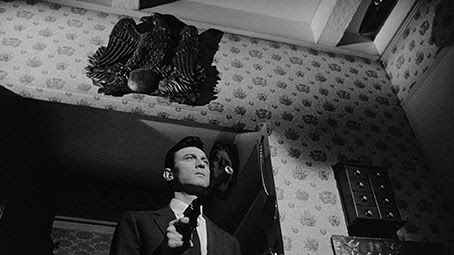
This week I watched The Manchurian Candidate (1962)

 Angela was nominated for an Oscar for best supporting actress for her performance as Eleanor Shaw and, wow, did she deserve that nomination.

First, a description of the movie from Google:

Near the end of the Korean War, a platoon of U.S. soldiers is captured by communists and brainwashed. Following the war, the platoon is returned home, and Sergeant Raymond Shaw (Laurence Harvey) is lauded as a hero by the rest of his platoon. However, the platoon commander, Captain Bennett Marco (Frank Sinatra), finds himself plagued by strange nightmares and, together with fellow soldier Allen Melvin (James Edwards), races to uncover a terrible plot.

Highlights for me:

The opening scenes are completely mental and crazy. Scary too. I don’t want to give too much away in case you’ve never seen this. So I won’t. All I can say is seeing one of the Baldwin sisters from the Waltons ask a man in her sing-song voice if he’s ever killed anyone messed me up just a bit.

An interesting cinematography tactic used a few times in this movie is to make the character closest to the camera blurred out and the person in back in focus. This is something photographers sometimes do, commonly by using the rule of thirds, but it is more common to have the forward subject in focus and the person in back blurred out. I find this director’s decision to film scenes this way very interesting and visually interesting.

Frank Sinatra’s acting is superb in this. I have never seen him in a serious role, so it threw me a bit, but he was so good.

I can’t recall if I have ever seen Laurence Harvey in a movie before, but he was very compelling as Raymond Shaw.

What I thought of Angela:

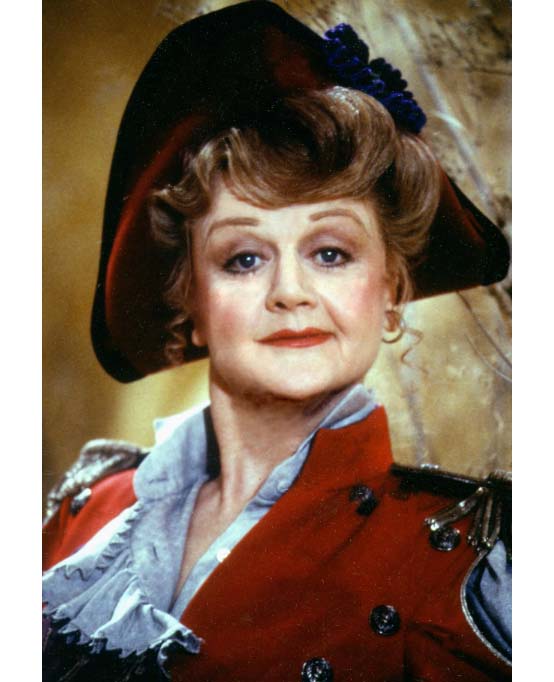
Angela was nominated for an Oscar for best supporting actress for her performance as Eleanor Shaw, the mother of Raymond Shaw.

Nothing about the character in this movie reminds me of the Angela who is in Murder She Wrote. Now, of course the woman played many roles, but I am most familiar with her on Murder She Wrote so I had to prepare myself for seeing someone completely different and that is exactly what I got. Eleanor Shaw is absolutely not Jessica Fletcher.

Eleanor Shaw is vindictive, mean, and hungry for money and power.

“It’s a horrible thing to hate your mother,” Raymond tells Bennett at one point. “I didn’t always hate her. As a child I just sort of disliked her.”

That was before she did something he could not forgive.

Eleanor is completely domineering with her second husband, Raymond’s stepfather, and a senator.

She tells him what to do, when to do it, and how to do it.

“I keep telling you not to think.” She tells him at one point in the movie. “You are very, very great at a great number of things, but thinking isn’t one of them, hon’.”

Eeek.

She gave me chills.

(photo)

Here is a clip of Angela as Eleanor.

What I thought overall:

I was so nervous during this movie. I was nervous they wouldn’t believe Frank’s character about the dreams he was having and that the movie would just keep going on this nightmare path of him trying to prove he wasn’t crazy.

It was just a total mind trip all the way through, and I kept wondering who was a spy or sleeper agent and who wasn’t.

I figured out the ending before it happened and I was certain what one of the final scenes would be but I was still biting my nails.

I was actually very excited when part of the ending I thought would happen did happen. I was a little sad at the part of the ending that I didn’t expect.

The acting in the movie was outstanding across the board. Of course the messaging was a bit too timely for today and that was unnerving.

A bit of trivia:

There was a rumor that this movie was pulled from ever being shown on TV because of how it featured similarities to the assassination of Kennedy and speculation by some that the idea for his assassination came from the movie. Some say that Frank Sinatra locked the movie up in his vault because he controlled the rights to it. Another movie he starred in that involved assassination, Suddenly (1954) also disappeared for years after the Kennedy assassination.

According to an article on TCM.com, “. . . Sinatra’s control only extended to the film’s rights after seven years. There is, however, apparently some truth to the story that after JFK was murdered a year after the picture was released, some exhibitors requested it be given another run to capitalize on the event but that United Artists refused.”

Another disputed theory involved  a financial and legal disagreement between United Artists and Sinatra but that was later said to not be true. Some even said Sinatra simply neglected to keep the movie in distribution. (Guess he was too busy with the mob, etc. *wink*). To this day there isn’t really a definitive answer on why the movie fell out of existence for so many years but I lean toward all of the fall out from Kennedy’s assassination.

“What is certain is that during its “lost years,” the film built up a great reputation,” the TCM article states. “’The movie went from failure to classic without passing through success,” noted its screenwriter, George Axelrod. When it was finally re-released in 1988, it was a big box office hit (as well as a success on its subsequent video/DVD release) and earned even more rave reviews as one of the best pictures of that year.”

I thought it was so odd that Kennedy was given a copy of the film to preview in 1962.

A few more trivia tidbits (some of these may not be totally accurate but I don’t have time to vet each one):

  • Frank Sinatra reputedly had a swimming pool designed with a large painting on the bottom of the Queen of Hearts playing cards  … I won’t say why in case you haven’t seen the movie.
  • Director John Frankenheimer once claimed The Manchurian Candidate didn’t do well financially because the studio chose to promote another Sinatra picture, The Pride and the Passion (1957), but that film had actually been released five years earlier.
  • Frank Sinatra broke the little finger of his right hand on the desk in the fight sequence with Henry Silva. Due to on-going filming commitments, he could not rest or bandage his hand properly, causing the injury to heal incorrectly. It caused him chronic discomfort for the rest of his life.
  • The movie was filmed in only 39 days (!!)
  • According to executive producer Howard W. Koch, the budget was $2.2 million. Of that amount, $1 million went for Frank Sinatra‘s salary, with another $200,000 for Laurence Harvey, leaving only $1 million for everything else.
  • The topic of this movie was considered politically so highly sensitive that it was censored and prohibited just before its theatrical release in many of the former “Iron Curtain” countries, such as Poland, Czechoslovakia, Hungary, Romania, Bulgaria – and even in neutral countries such as Finland and Sweden. The theatrical premiere for most of those countries was held after the collapse of the Soviet Union in 1993.
  • By his own admission, Frank Sinatra‘s best work always came in the first take. Writer, producer, and director John Frankenheimer always liked the idea of using the freshness of a first take – so nearly all of the key scenes featuring Sinatra are first takes, unless a technical problem prevented them from being used.
    (Sources, Imbd and TCM.com).

What Angela said about the movie:

Frank Sinatra actually wanted Lucille Ball for the roll of Eleanor Shaw.

“That would have been fascinating,” Angela said. “You wouldn’t believe that she could be this devil incarnate though.”

As for how she got the part she said, “I think Frankenheimer (the director) just put his foot down.”

“I had just finished working with John on We All Fall Down and he came into the room where we were looping some lines and he slapped this very heavy book on the table and he said to me, ‘There’s your next role.’”

He told her what the book was, who wrote it, who was going to write the screenplay and added, “You’ll be fabulous as the mother.”

Angela was actually only three years older than the man who played her son. Say what??!

To become an older woman she simply acted as she felt the character would act, without worrying about age, she said.

In an interview she said many people asked her what it was like to work with Frank Sinatra and she always tells them she doesn’t know because they didn’t have any scenes together other than a quick one where they were getting their coats on.

It wasn’t until later she learned that Frank Sinatra was an integral part of making sure the movie was made.

“I know that Frank wasn’t the easiest person for John to work with,” she said. “But they seemed to have an alliance. I think Frank understood what a tremendous opportunity it was for him to play this role. He knew that his friend (President) John Kennedy adored the book. Frank talked to JFK about the role and one of his questions oddly enough was ‘who’s playing the mother?’”

Of the suspense of the movie, Angela said, “You really didn’t know who anybody was.”

Of the movie overall she said, “I think we all knew we were in rather racy territory. We were doing something pretty unique and different. This is going to turn a few heads you know.”

“It was out of circulation for many, many years,” she said. “It came back in 1988 as a revelation to be had. The whole generation saw it, who recognized it for what it was and they absolutely took it to their hearts and it became the most important piece of work any of us had ever done. Suddenly John Frankenheimer was recognized, Frank Sinatra was recognized as an actor. I was recognized as an actress who played one of the most evil women in human history. I had a whole new acceptance from an audience who didn’t know who the devil I was. So I have great feelings of fondness for The Manchurian Candidate for that reason.”

Have you seen this movie?

I rented it on Amazon, but it is also streaming on Google Play, Pluto TV, Apple TV and Fandango. Or your local library might have it.

Later this week I will be writing about a totally different movie than The Manchurian Candidate, National Velvet.

Other movies I will be watching for this Summer of Angela are:

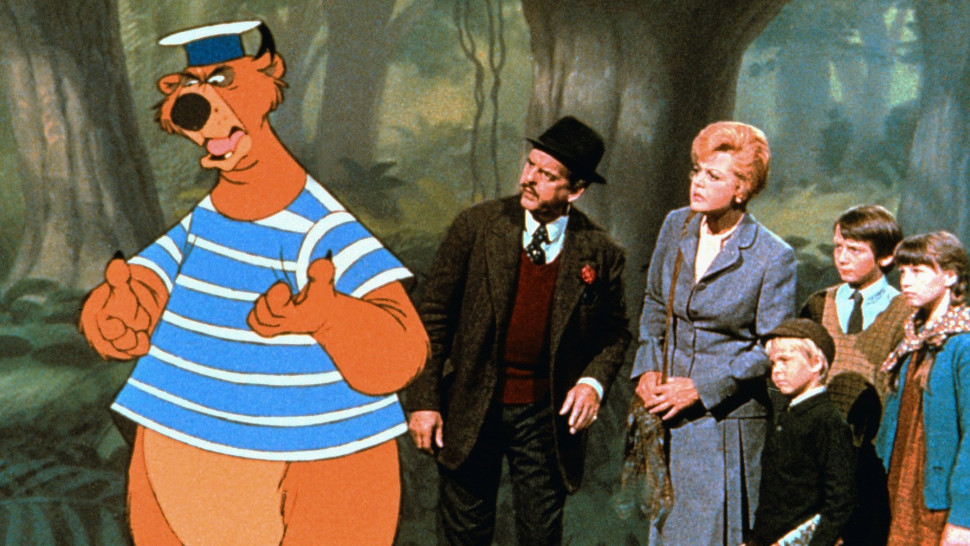
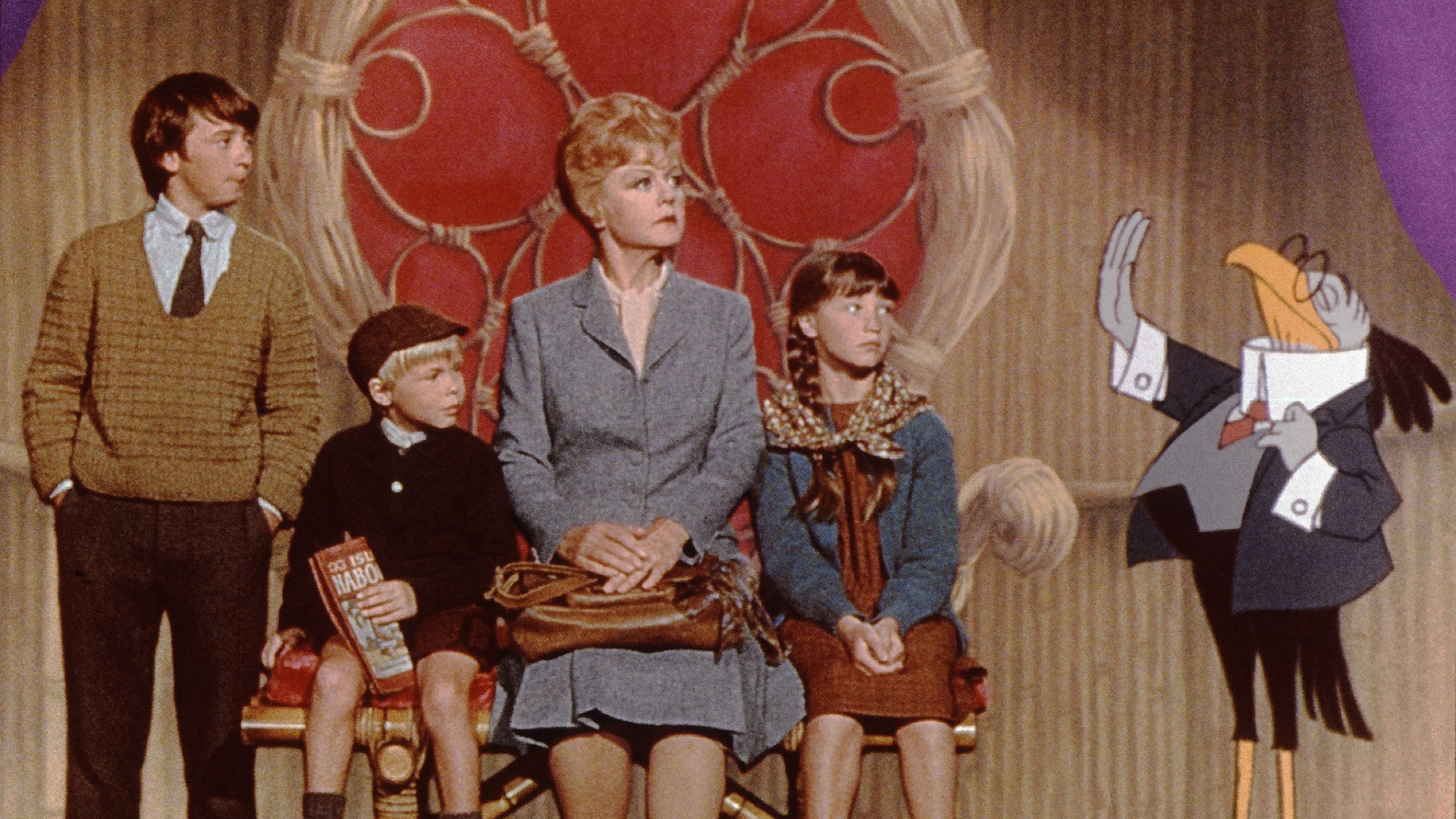
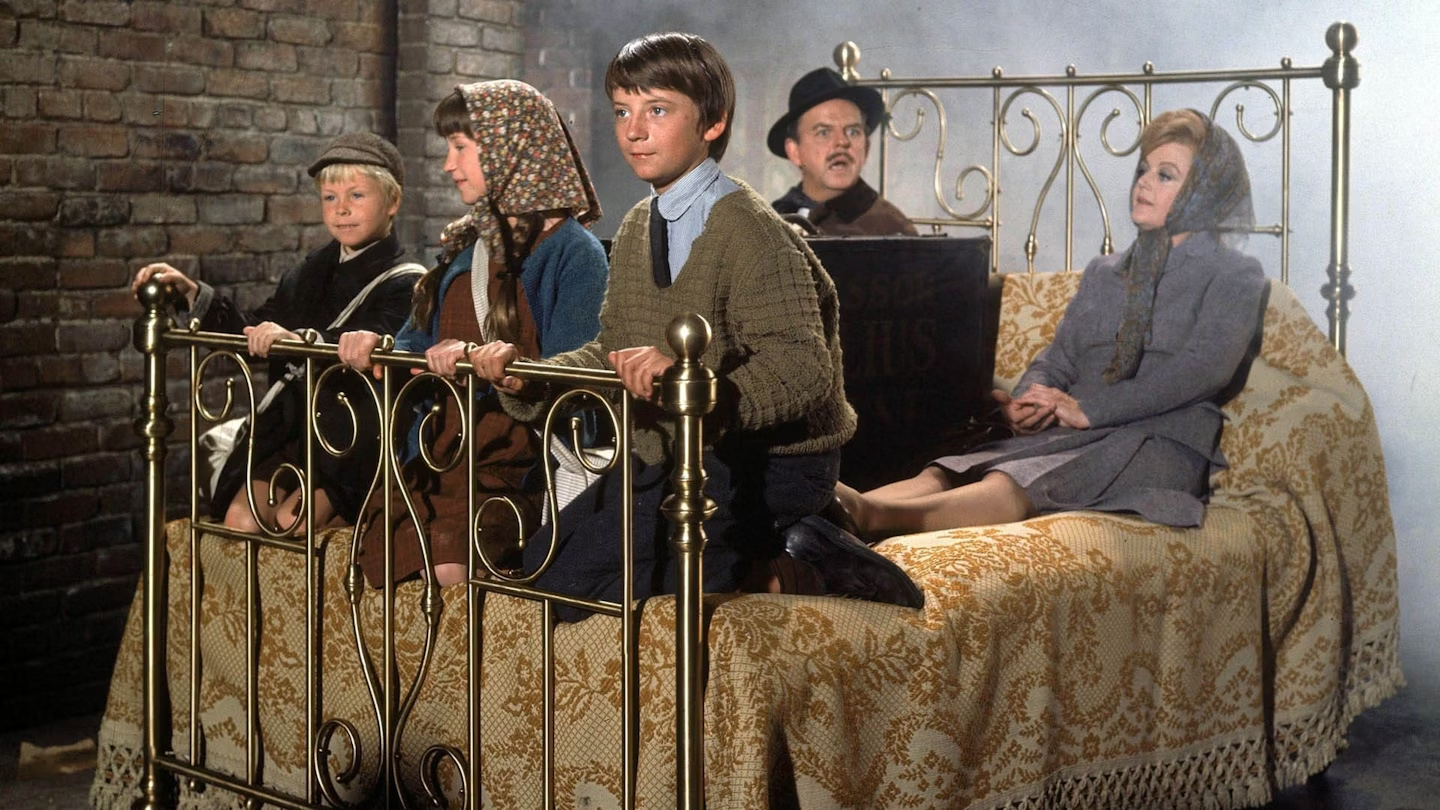
June 27 – Bedknobs & Broomsticks

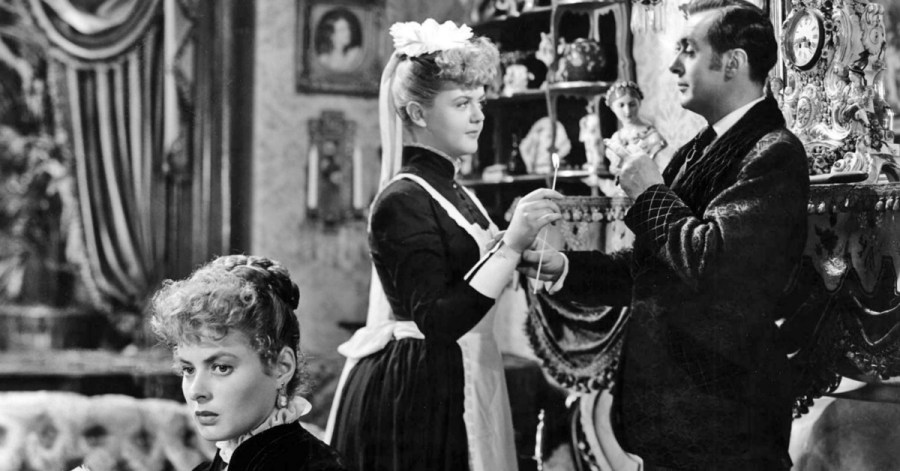
July 4 – Gaslight

July 11 –  The Shell Seekers

July 18 – Murder She Wrote: The Celtic Riddle

July 25 – The Mirror Cracked

August 1 – The Court Jester

The Manchurian Candidate trailer:

____
Additional sources:

Trivia & Fun Facts About THE MANCHURIAN CANDIDATE (TCM) with spoilers!! :https://www.tcm.com/tcmdb/title/19293/the-manchurian-candidate#articles-reviews?articleId=136794

Angela Lansbury talks to Alec Baldwin about The Making of The Manchurian Candidate: https://youtu.be/Sjqs66SoTXQ?si=MeU5SbwFRMBnlRhP

Angela Lansbury looks back at the making of The Manchurian Candidate: https://youtu.be/kLwO-2_GIbM?si=cWQoMwa1ARwzzAX6

Springtime in Paris: Charade

Erin from Still Life, With Cracker Crumbs and I have been watching movies that take place in Paris for the last couple of months.

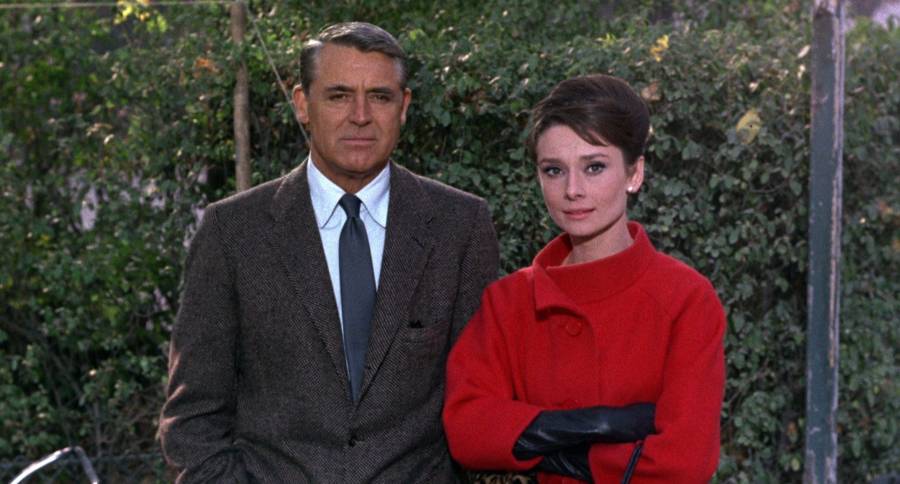
For our last week, we watched Charade with Audrey Hepburn and Cary Grant.

Directed by Stanley Donen this movie was released in 1996 and tells the story of Reggie Lambert (Hepburn) and Peter Joshua (Grant) who meet briefly on vacation in the Alps. When Reggie returns home, she finds that the husband she’d planned to divorce has been murdered, but before he was murdered, he sold the contents of their apartment, including all of her possessions.

A mystery ensues and what follows is a movie that was good but was very confused about which genre it should be in.

When Reggie returns to Paris and her empty apartment, a police officer approaches her and tells her that her husband was found in his pajamas dead by the train tracks and that he was apparently trying to leave Paris quickly.

While Reggie was discussing her husband at the beginning of the movie with a friend, and we learned he was wealthy, we learned very little about him and now it is clear that Reggie also learned very little about him. As the police show her several different passports from different countries with his face on them, she begins to realize she didn’t know the man at all.

Reggie is bewildered later when Peter Joshua shows up to her empty apartment and says he read about the murder in the newspaper and wanted to check on her.

She believes the police think she murdered him.

Peter offers to find her a hotel room until she can find a new job and apartment.

Peter asks what she’s going to do now that her husband has been murdered and she says she’s going to try to get her old job as a translator back.

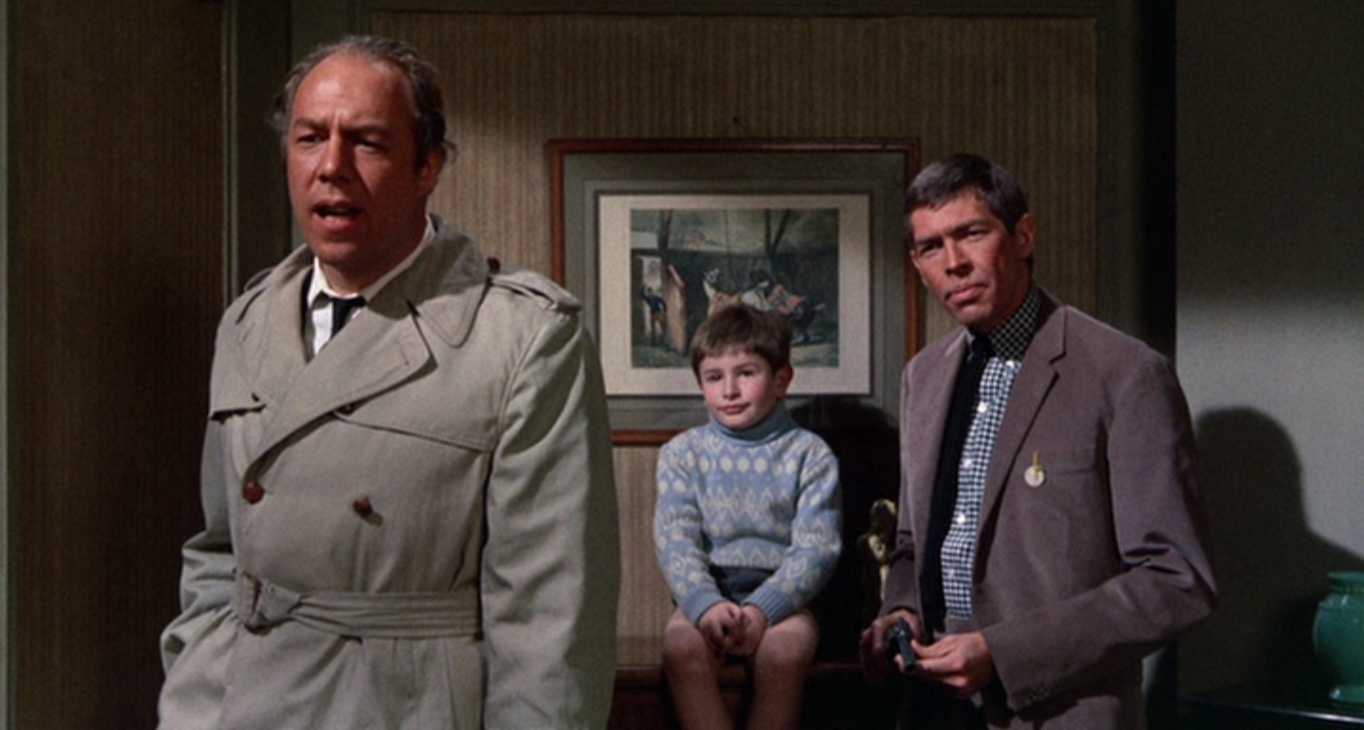
At his funeral, Reggie is even more bewildered, because there aren’t any guests other than her and her friend. Three American men (James Coburn, George Kennedy, and Ned Glass) show up and either spit on him, poke his body, hold a mirror to his nose, to make sure he is dead, or say something inappropriate. James Coburn approaches her and doesn’t offer condolences. He just says, “Charlie had no reason of doing it thatta way. No siree.” and walks away.

Um..okay…poor Reggie is even more bewildered.

A large man then approaches, handing her a letter requesting she visit the American embassy the next day to discuss the death of her husband.

She shows up to meet with Walter Matthau who seems to know her husband. He informs her that her husband was wanted by the CIA and his real name was Charles Voss. He also tells her that her life might be in danger.

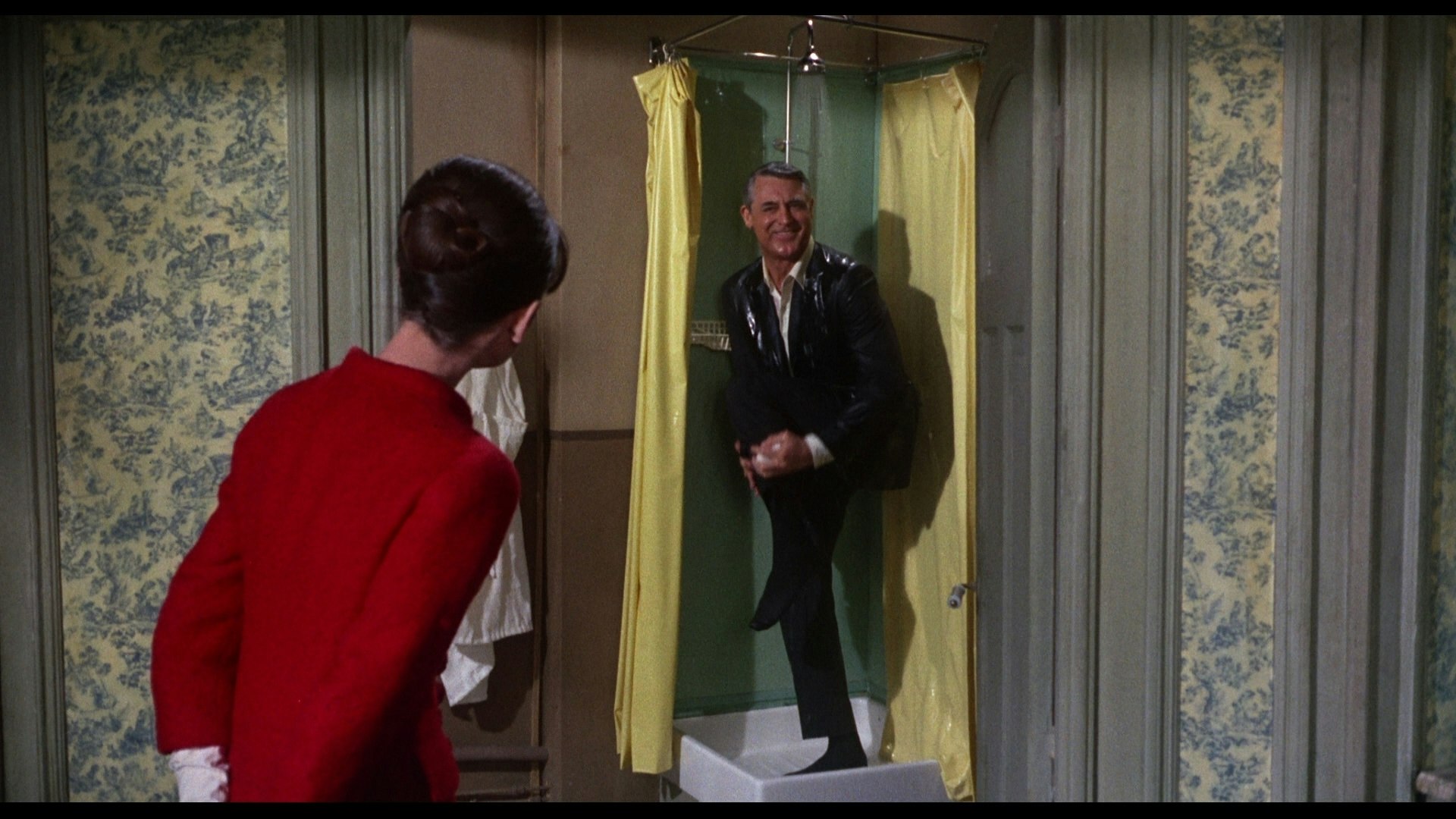
He suggests that she somehow has the money her husband earned from selling all their possessions. That money is the same amount he stole from the United States government during World War II, he says. He instructs Reggie that she needs to find the money and return it to him before the other, dangerous men find her.  Looking for help and someone to talk to, Reggie contacts Peter, who decides one way to help is take her out for a night on the town to cheer her up. What results is a very strange game where people have to pass an apple down a line of people only using their chins and necks.

So..yeah..that was strange and uncomfortable to watch. *laugh* I am not sure how the actors did the scene without totally falling apart in laughter or embarrassment.

It was nice to see Cary’s familiar goofy expressions in this scene. I’ve noticed watching his later movies that he doesn’t loosen up the same way he did when he was younger which is natural, but also hard to watch sometimes.

The game leads Reggie and Peter in some compromising positions where they pause to look at each other for a long time and you can tell in that moment that Peter is thinking about what it would be like to kiss her and vice versa.

It’s all fun and games until all three men track Reggie down at the club and begin to threaten her for the money they think she has.

This movie is categorized as a comedy/thriller which makes it a little hard to figure out at times. I sometimes wondered if I was supposed to laugh or feel dread during certain scenes. There is a terrifying scene where one of the men (Coburn as Tex) keeps lighting matches and dropping them on her lap while she screams and cries and I couldn’t laugh at that scene so I don’t know what the director and writers were going for – maybe that was it — to have the viewer not sure what to think.

When Peter convinces Reggie to tell him what he is going on, he decides he will help her find out why she is being pursued and tells her that he will keep the men from hurting her. Now we viewers have to  decide with Reggie who Peter is and if he is really a good guy or not.

I read that Cary actually didn’t want this role at first because he said he felt like a predator, going after the younger Audrey.

That’s funny since he was in many movies in his older years where he was “going after” younger women and he married a woman much younger than him, but I digress….

Cary turned 59 during filming and it was this movie that made him decide it was time to stop playing the romantic lead. The reviews focusing on the 26 year age difference between him and Audrey was one big driving factor in this decision, he later said.

He was so uncomfortable with the idea of their age gap he asked for the script to be changed so screenwriter Peter Stone made Audrey the aggressor and Cary the man trying to fight her off.

Stone said he wrote things like “Can’t you just think of me as a woman?” and have Cary say, “I’m already about to get into trouble for transporting a minor above the first floor.”

He then says, “Come on, child, let’s go.”

Stone said, “Cary made me change the dynamic of the characters and make Audrey the aggressor. She chased him, and he tried to dissuade her. She pursued him and sat in his lap. She found him irresistible, and ultimately he was worn down by her. I gave him lines like “I’m too old for you, get away from me, little girl.’ And ‘I’m old enough to be your father.’ And in the elevator: ‘I could be in trouble transporting you beyond the first floor. A minor!’ This way Cary couldn’t get in any trouble. What could he do! She was chasing him.”

When I first started the movie, I was afraid I wasn’t going to like this film at all. Cary’s acting was stilted and “off” for me right from the start.

I found some parts of the movie confusing and odd because of its identity crisis, or inability to choose between being a comedy or a thriller, but I don’t want to spoil too much of the movie by commenting on which parts.

What I will say is that it was just weird to that Audrey’s character continued to throw herself at Cary’s character even when she isn’t sure who he really was. And this is just after her husband has been murdered and she is being pursued by people who want money her husband stole.

I enjoyed the action and the movie overall but really would have liked it the movie had picked a lane and stayed in it.

This was Cary’s chance to finally work with Audrey, by the way, after turning down leading roles in at least four movies she’d been in — Roman Holiday (1953), Sabrina (1954) and Love in the Afternoon (1957). He’d turned them all down because of the quarter-century age difference between them, according to TCM.com.

The rumor at the time was that he’d also turned down the role of Henry Higgins in My Fair Lady because he didn’t want to work with Audrey. This wasn’t true, but instead was a decision made out of respect of Rex Harrison who had created the role on Broadway.

The article on TCM.com reads: “In the Barry Paris biography, Donen recalled that “Cary thought he was going to do a picture with Howard Hawks called Man’s Favorite Sport? [so he] said no to Charade. Columbia said get Paul Newman. Newman said yes, but Columbia wouldn’t pay his going rate. Then they said get Warren Beatty and Natalie Wood. So I got them and Columbia decided they couldn’t afford them or the picture. So I sold Charade to Universal. In the meantime, Cary had read Hawks’s script and didn’t like it. So he called me and said he would like to do Charade.”

I want to share another quote from the TCM article because it is such a funny story: “ In Audrey Hepburn: A Biography by Warren G. Harris, the director recalled: “I arranged a dinner at a wonderful Italian restaurant in Paris. Audrey and I arrived first. Cary came in, and Audrey stood up and said, ‘I’m so nervous.’ He said, ‘Why?’ And she said, ‘Meeting you, working with you – I’m so nervous.’ And he said, ‘Don’t be nervous, for goodness’ sake. I’m thrilled to know you. Here, sit down at the table. Put your hands on the table, palms up, put your head down and take a few deep breaths.’ We all sat down, and Audrey put her hands on the table. I had ordered a bottle of red wine. When she put her head down, she hit the bottle, and the wine went all over Cary’s cream-colored suit. Audrey was humiliated. People at other tables were looking, and everybody was buzzing. It was a horrendous moment. Cary was a half hour from his hotel, so he took off his coat and comfortably sat through the whole meal like that.”

Despite that awkward first meeting, the pair apparently hit it off very well, even ad-libbing some of their lines.

Do you ever look up trivia like this for movies when you watch them or am I just the weirdo in the group?

Have you ever seen this one? What did you think of it?

You can read Erin’s thoughts here: https://crackercrumblife.com/2025/05/08/springtime-in-paris-charade/

If you wrote about today’s movie, or any of the movies we watched during this movie event, you can post your links below.

Also, thank you so much for participating and I hope you all had fun taking part! Do you have an idea for a themed movie event? Let us know in the comments!

I hope you will join us for the next one, though I am not sure when we will do it. Erin and I both have a lot going on in our personal lives with family health situations so we might not hold one until autumn. Not sure yet. We will have a meeting of the minds on it at some point.

We are, however, holding Drop In Crafternoons where we meet on Zoom and do crafts of any kind while chatting.

I had planned to try one this weekend but things are a bit up in the air right now with my parents’ health and the fact my whole family came down with a cold/virus and I am waiting to see if I am next, so we are sticking with one on May 24th for now.

You are invited to the Inlinkz link party!

Click here to enter
https://fresh.inlinkz.com/js/widget/load.js?id=c0efdbe6b4add43dd7ef

Sunday Bookends: My 10-year-old’s opinion of the 1982 Annie, some dirt road traveling, and drop in crafternoons continue

It’s time for our Sunday morning chat. On Sundays, I ramble about what’s been going on, what the rest of the family and I have been reading and watchingand what I’ve been writing. Some weeks I share what I am listening to.

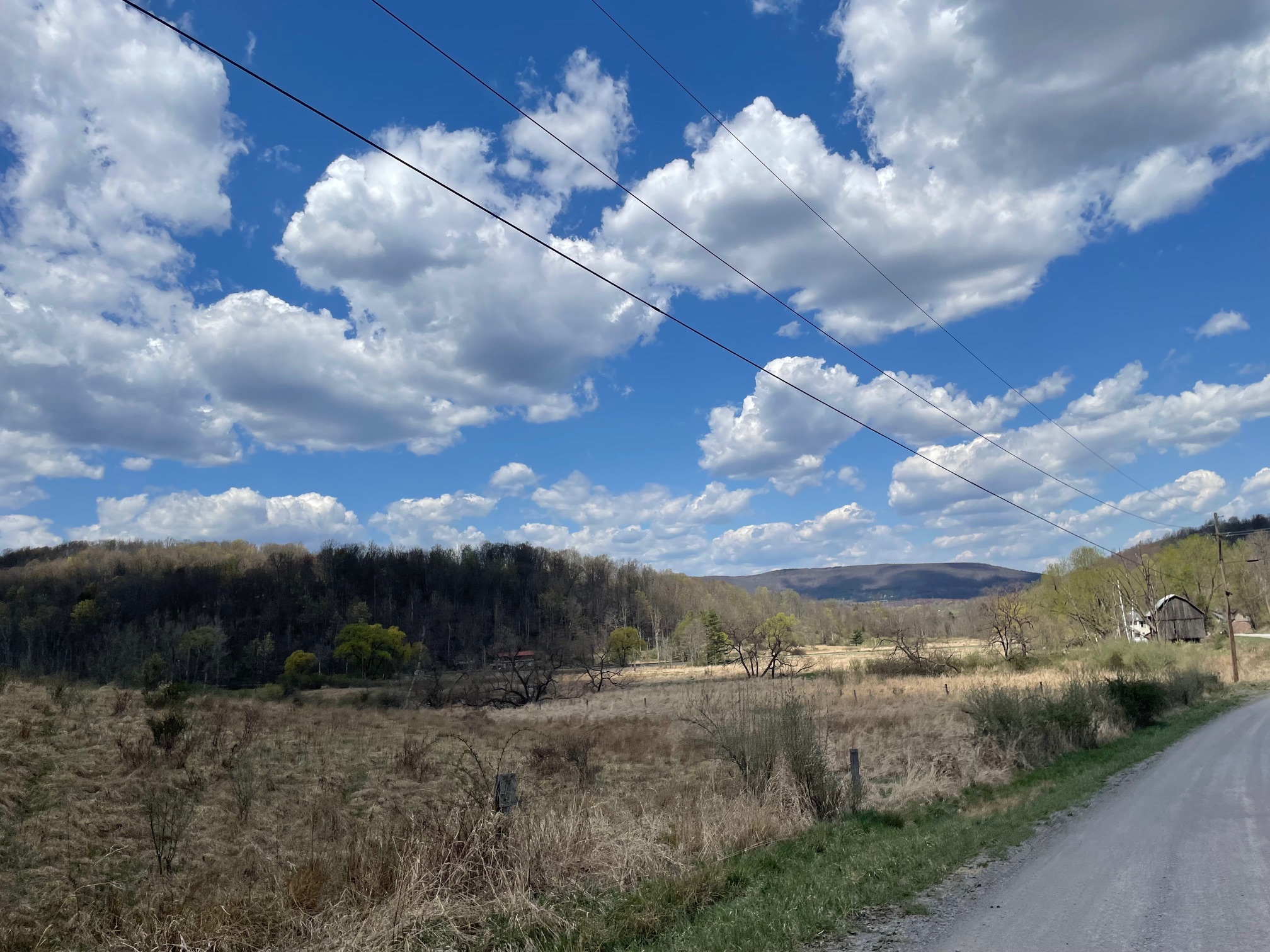
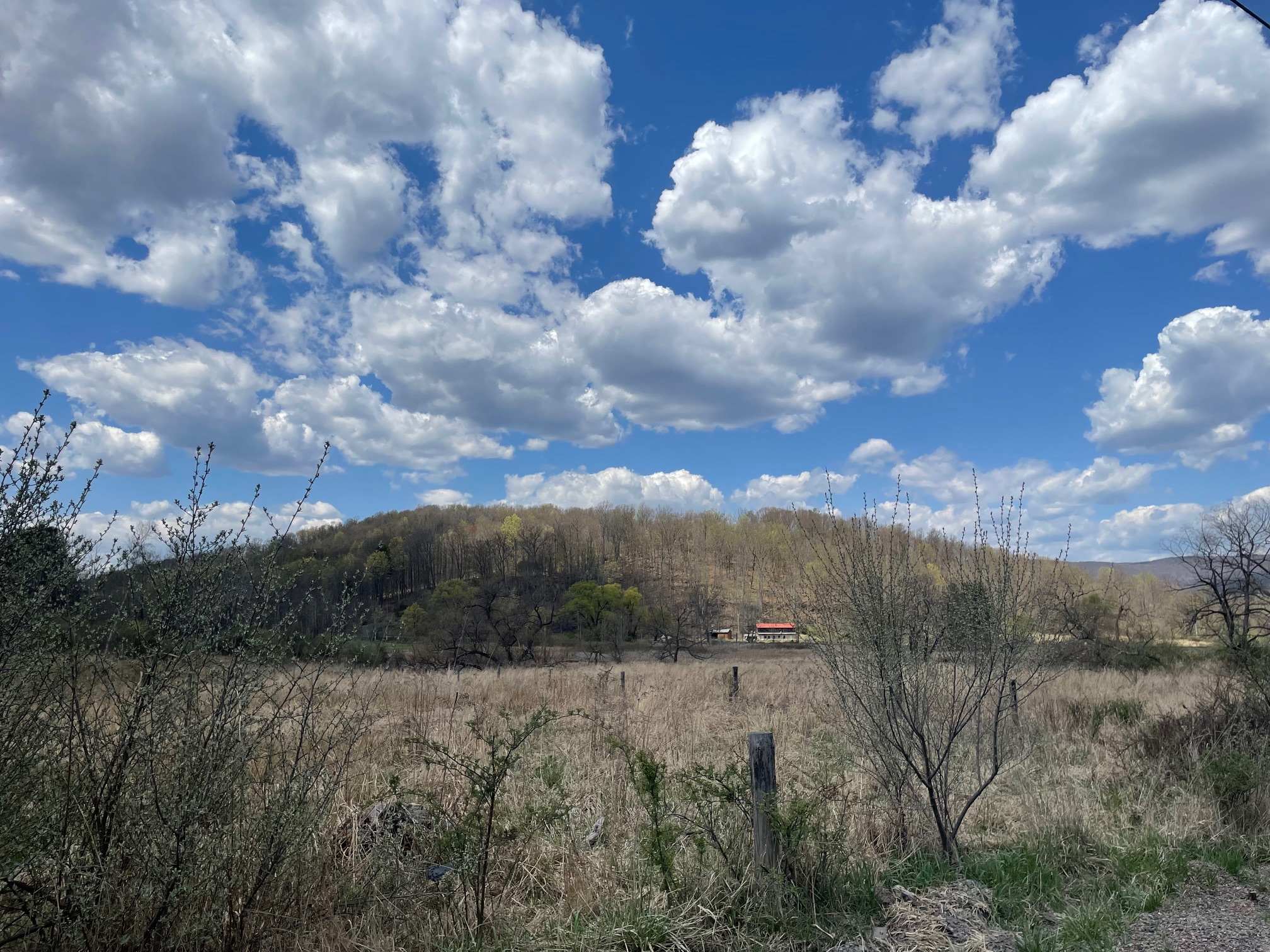
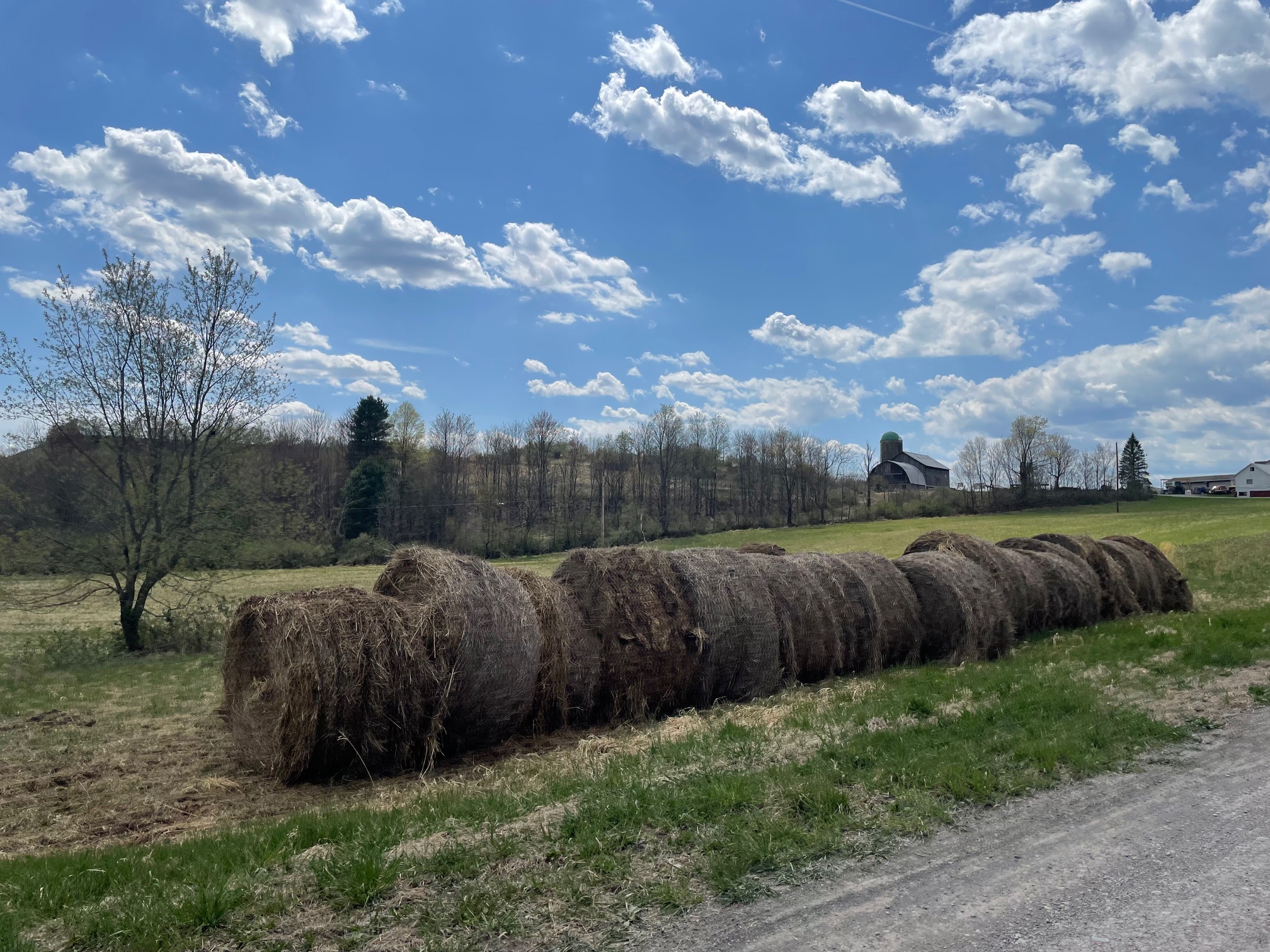
The kids helped some friends of the family clean up their yard last week and while they helped, I took a tour on the dirt roads around the property. It was fun to look at the cows grazing on the hillsides, even though they aren’t fully green yet (the hills, not the cows), watch two young does walk in front of me slowly, admire the amazing sky and clouds that day.

I rambled a little bit more about last week in my post yesterday, if you would like to read it.

On Friday, we drove to pick up groceries. In other words, we didn’t do very much last week.

Yesterday, Erin from Still Life, With Cracker Crumbs and I held our monthly Drop In Crafternoon with a couple of other bloggers. We will be holding another one tentatively on May 10 at 1 p.m. and definitely on May 24 at 1 p.m.

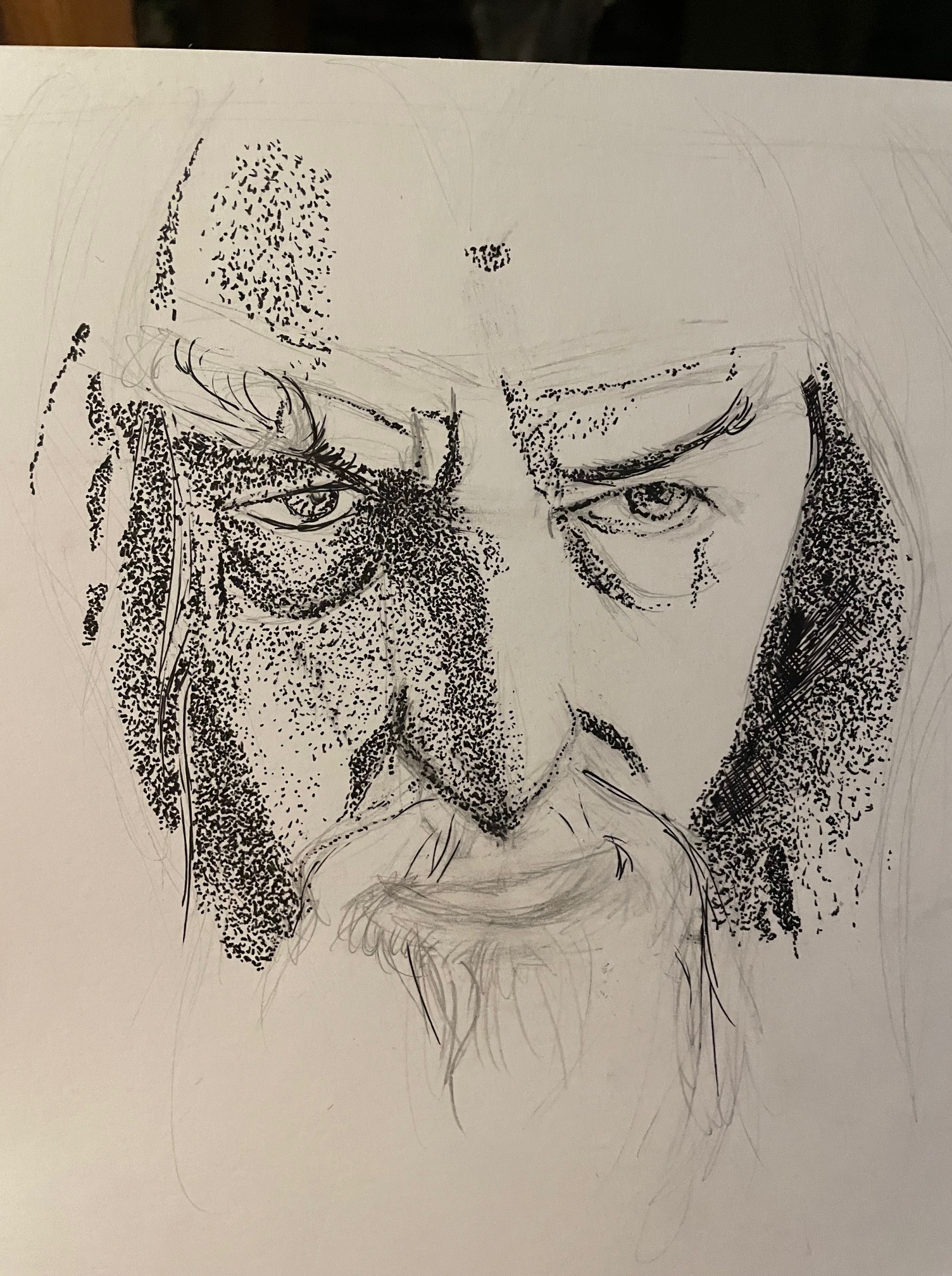
The crafternoons are events where we gather on Zoom and craft at our respective  homes and chat while we work on various projects. There is one woman who creates with beads, another who colors, I sometimes draw or color, and Erin has been embroidering lately. We are calling them drop-in crafternoons because you can drop in and out during the time we are on. No need to stay the whole time if you can’t. Come late if you want or leave early.

Our conversations are usually about light things, including books, but somehow I got us on racism, or maybe Liz did, but usually the conversations aren’t super heavy. You will probably meet our cats, children, husbands, and dogs during the drop in so be warned.

 If you want to just drop in and say hello If you would like to join us shoot Erin an email at crackercrumblife@gmail.com and she’ll add you to our  mailing list.

Uh…nothing

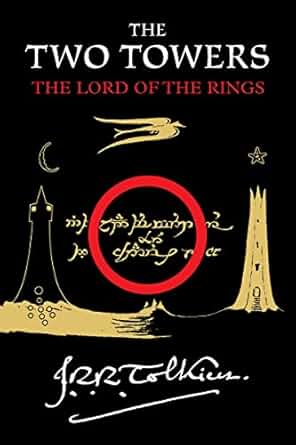
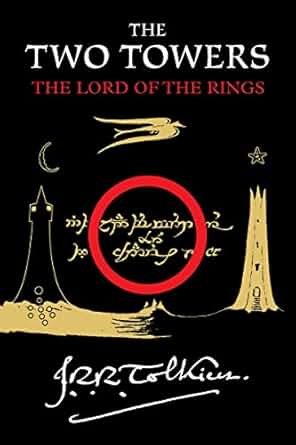
I keep saying I am going to finish The Two Towers by J.R.R. Tolkien the next week, but I am sure I will actually finish it this week.

I have enjoyed it but, oh my, is it long and wordy. I like the wordy at times too, don’t get me wrong, but I just felt like I might never make it to the end. I am only about three chapters away from the end and I do know that it will end on a cliffhanger since each “book” in the series is actually two books of one huge saga of six books altogether so in many ways I still won’t be done. But I will at least be done with this installment.

I am not sure when I will read Return of the King but probably not until fall or winter.

I’ll need a little break from fantasy books for a while I think. I need a few good mysteries and a romance up next, I think.

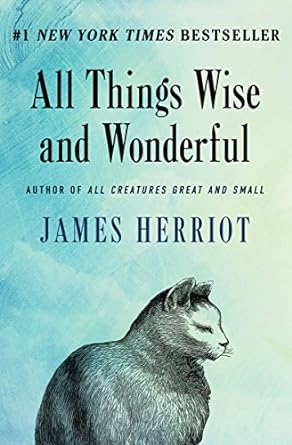
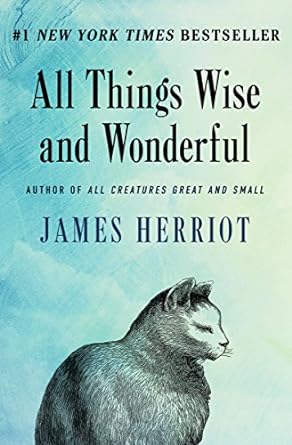
I didn’t read any of the James Herriot book (All Things Wise and Wonderful) this past week, except for last night, but I will be diving into it again this week.

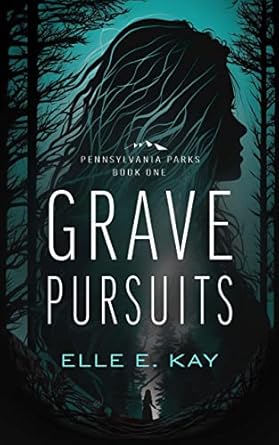
I also started Grave Pursuits (Pennsylvania Parks Book 1) by Elle E. Kay as something quick to read and I am enjoying it so far. Elle is a writer who lives about 90 minutes from me, and she writes about state parks and towns near me. I am looking forward to one she wrote that takes place in the town I live in. I’m curious to see what she writes about our tiny town. I’ll be digging into that one next.

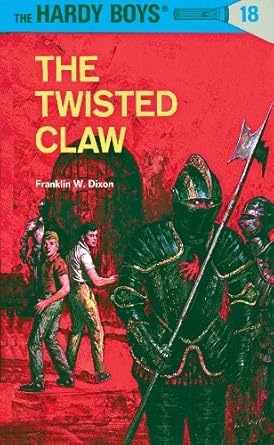
I’m also reading The Hardy Boys The Twisted Claw.

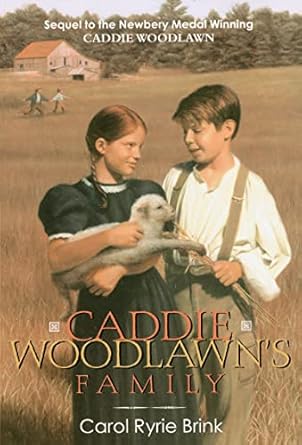
Little Miss and I are reading Magical Melons (also called Caddie Woodlawn’s Family) by Carol Ryrie Brink, a collection of short stories about Caddie Woodlawn.

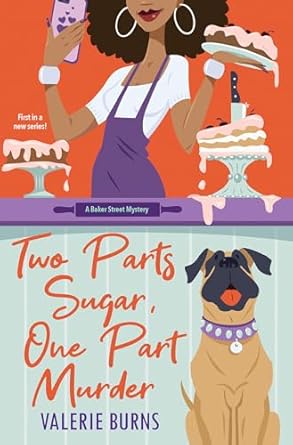
Two Parts Sugar, One Part Murder by Valerie Burns

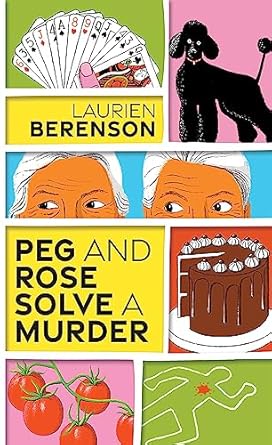
Peg and Rose Solve a Murder by Laurien Berenson

I watched a Hardy Boys from the 1977 show last week and will be writing about it later. I also watched a few episodes of Murder She Wrote from the last season and missed Cabot Cove. She was living in New York City in these episodes.

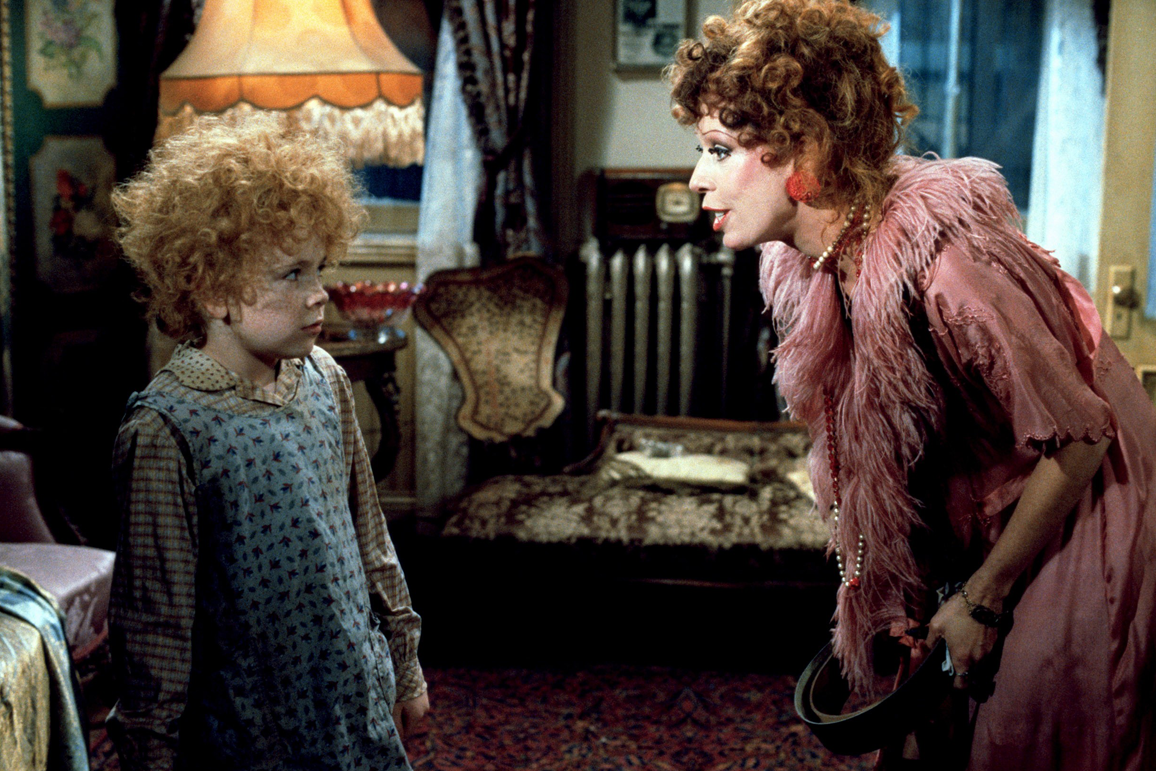
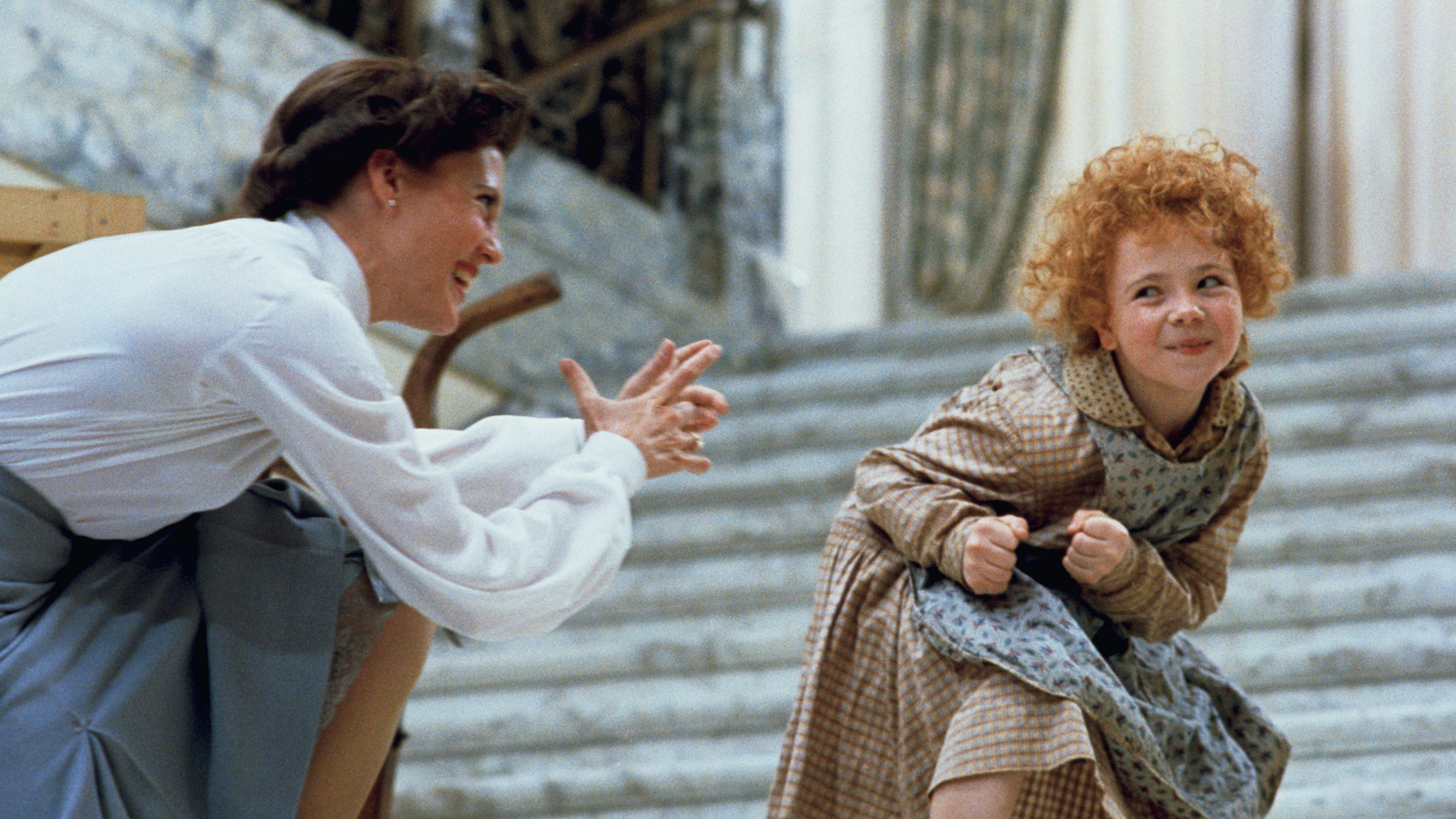
Little Miss decided she wanted to watch the 1982 version of Annie last night (not sure what inspired this, but maybe a meme she saw making fun of it or something). I told The Husband we were watching it while he was at a work event, and he asked if it was because it was Carol Burnett’s birthday. I said I didn’t know it was her birthday, but it was perfect timing.

When we started it, I realized I must have seen the movie as a kid more than I remembered, because I had it practically memorized. I also realized how old I am because a movie about an orphan hits different now that I am older and think about all those children out there who just want a place to call home.

Another realization was how manipulative that little Annie was. Daddy Warbucks is going to send her back to the orphanage? She adopts a sad look and says, “It’s okay. I’ve already had enough fun just in the short time I’ve been here.” Daddy Warbucks isn’t going to go to the movies with them? “Oh. It’s okay. I don’t need to go to a movie. I’ll just practice my backhand. That girl at the orphanage who said she’d been to a movie once is a liar anyhow.”

Of course, I know that’s not really how they were trying to play her. I’m just having a little fun. In all honesty, I was surprised how nostalgic I was watching the movie.

I couldn’t wait to show Little Miss classic songs like “It’s A Hard Knock Life For Us” and “Little Girls.”

Here were some of her quotes during the movie:

“Why are they dancing? She told them to clean. Hey! You’re supposed to be cleaning! Not practicing your flips!”

“Oh. The little orphan’s got hands!”

“No! Don’t fall for that man! He looks like Professor Quirrell but squared up!”

“No! You can’t marry him! It’s like marrying Jeff Bezos! He pretty much is Jeff Bezos!”

That and when Grace comes out in her yellow dress “oh that dress is beautiful! Slay, girl!”

Watching it and all the great songs (Easy Street with Carol, Tim Curry, and Bernadette Peters for one) was a ton of fun and Little Miss didn’t even make too much fun of it so that was a win!

At the end I asked her what she thought.

“It was kind of a strange movie. We went from, ‘oh these children are sort of being abused, but I guess we’re okay with that.’ To ‘Oh my gosh that guy is chasing her and she’s hanging off this bridge and going to die’ to ‘oh, she has a family now. That’s – uh – cool”

I am making some progress on book four in the Gladwynn Grant Mystery series. You can find the other three here.

I don’t have a release date yet but I’m having fun pulling ideas together for the story.

Last week on the blog I shared:

Now It’s Your Turn

What have you been doing, watching, reading, listening to, or writing? Let me know in the comments or leave a blog post link if you also write a weekly update like this.


This post is linked up with The Sunday Post at  Kimba at Caffeinated Reviewer, The Sunday Salon with Deb at Readerbuzz, and Book Date: It’s Monday! What are you reading hosted by Kathyrn at The Book Date.

Sunday Bookends: What is that family doing?

It’s time for our Sunday morning chat. On Sundays, I ramble about what’s been going on, what the rest of the family and I have been reading and watchingand what I’ve been writing. Some weeks I share what I am listening to.

This past week was a fairly relaxed one until yesterday.

Little Miss needed some cheering up, so I suggested that after I picked up a friend of The Boy’s we head up to the town where we used to live to watch The Minecraft movie.

The kids were excited but since I wasn’t really interested in watching the movie, so instead I headed to an Italian Deli and Bakery near the theater after I dropped them off and picked up some cookies and cannoli, headed back to the park across from the theater and sat in my car reading books and eating fudge filled cookies.

Well, I ate one cookie actually and then I ate some string cheese and drank a natural ginger ale. It was nice and relaxing, as the rain fell around me.

One weird thing and funny thing that happened while I was sitting in the car: a car pulled up next to me and parked and then three people got out – they looked to be about the age of a mom, a dad, and maybe a 12-year-old boy. The park has a sidewalk that goes all the way around, and this family started walking on the sidewalk and then walked all the way on the other side of it toward the hospital, which is across the street from the park. They disappeared from my sight, so I went back to my book. About ten minutes later they passed in front of my car again, and I noticed all of them were looking at their phones. The mom said something to the boy, and he laughed, but they kept their eyes on their phones.

Then they started another loop around the park. I thought maybe they were playing something like Pokemon Go (is that still a thing), but they were just walking in a circle, staring at their phones.

They did this four more times, then crossed the street near the gas station, came back again, walked to their car, got in and left.

It was kind of, well, creepy … and funny. I have no idea what was going on, but it felt like some kind of Twilight Zone episode. Part of me wanted to ask them what was going on, but in this day and age, I think it is just better not to know.

For some reason, the movie didn’t start for almost 45 minutes after it was supposed to start so we got home a lot later than I wanted to. Remember when I told you last week that to get anywhere with places like theaters we have to drive 45 minutes north, south, east or west? To get to the theater, we had to drive 45 minutes north and then 45 minutes back home.

I was pretty tired by the end of the day and ready for my blanket and tea.

I didn’t actually have tea when I got home, and the evening wasn’t as relaxed as I wanted but maybe I can find some relaxation tonight instead.

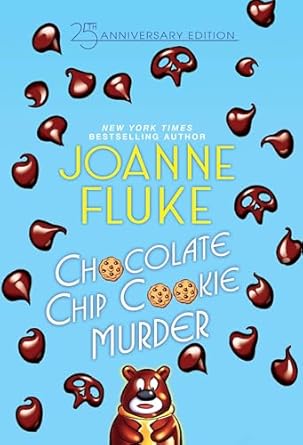
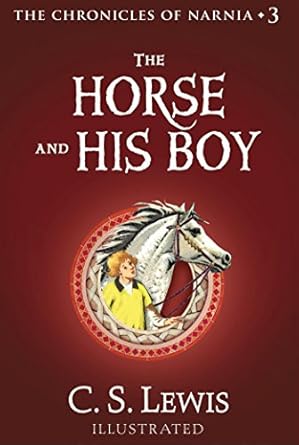
This past week I finished Chocolate Chip Cookie Murder by Joanne Fluke and The Horse and His Boy by C.S. Lewis.

I am still reading The Two Towers by J.R.R. Tolkien and enjoying it.

I am also reading All Things Wise and Wonderful by James Herriot.

Next week I am going to be looking for another mystery but I might step out of my comfort zone and try a Christian regency romance by Joanna Davidson Politano. We will see how that goes.

I forgot to ask The Husband what he is reading before I wrote this. He’s taking a brief nap after a busy morning so I’ll update this later or share next week.

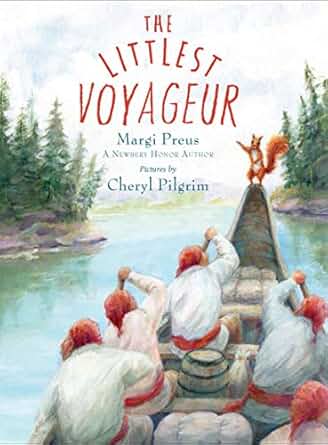
Little Miss and I are going to be finishing up The Littlest Voyageur this week for school and she is finishing up the third Harry Potter book.

I had to step away from Great Canal Journeys. It was becoming too heartbreaking to watch with Pru’s mental and physical health declining.

Pru is the wife of the canal riding team and it’s starting to really wear on me to watch her forget what she’s doing some days. I have elderly parents and them developing dementia is a huge worry for me.

Last week I watched How to Steal A Million as part of the Springtime in Paris feature I am doing with Erin from Still Life, With Cracker Crumbs.

You can still jump in to watch the movies on the list and write about them. We have a link up where you can link to your posts until May 10th. The link and our list of movies and where you can find them can be found at the link at the top of my page.

This week we are watching Paris Blue with Paul Newman (swoon), Joanne Woodward, Sidney Poitier, and Diahann Carroll.

Last week on the blog I shared:

When I am doing dishes during the week, I listen to The Two Towers by J.R.R. Tolkien, and the rest of the week, I read it.

Photos from the week

What have you been doing, watching, reading, listening to, or writing? Let me know in the comments or leave a blog post link if you also write a weekly update like this.


This post is linked up with The Sunday Post at  Kimba at Caffeinated Reviewer, The Sunday Salon with Deb at Readerbuzz, Stacking the Shelves with Reading Reality and Book Date: It’s Monday! What are you reading hosted by Kathyrn at The Book Date.

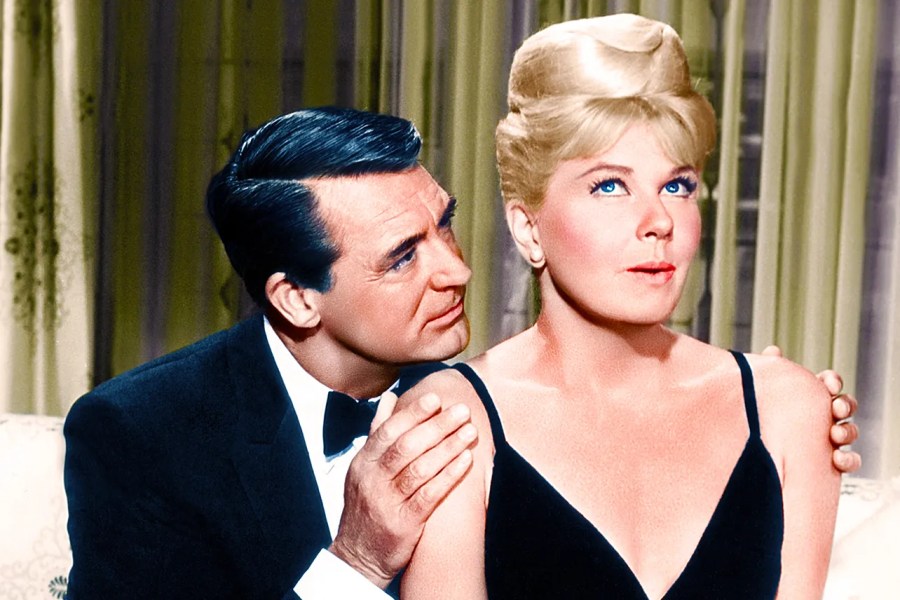
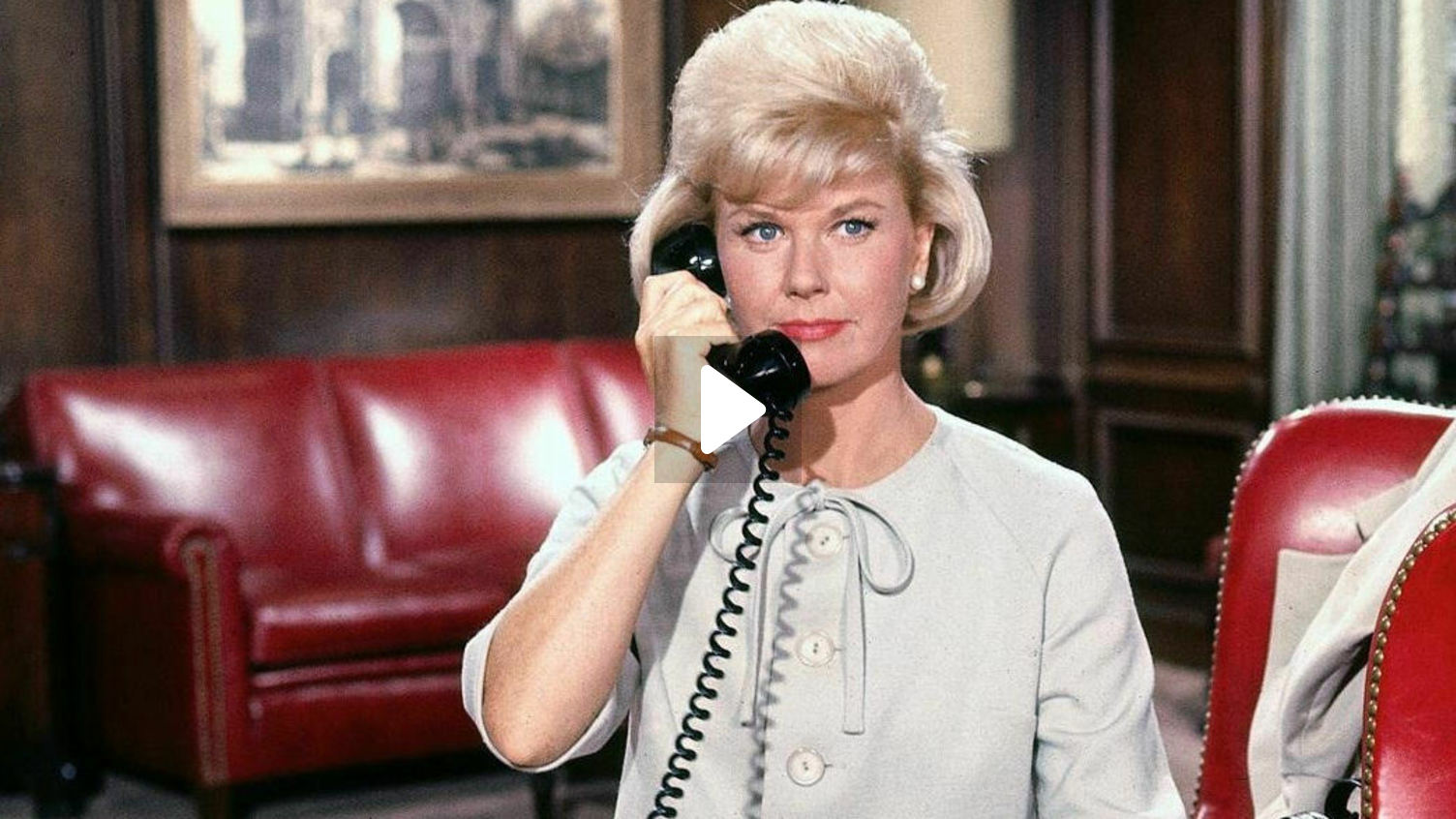
Classic Movie Impressions: That Touch of Mink

I needed something to distract me from every day life last week so I watched That Touch of Mink with Doris Day and Cary Grant. I am very certain I’ve watched either all or part of this movie before but it has been years so I didn’t remember much about it.

This is quite a modern movie for 1962.

Cary Grant is a no nonsense, yet still kind and understanding, businessman and Doris Day is a young woman from a small town living in a big city and trying to find a job.

This movie was meant to be a comedy, so I tried not to be too uptight about how Cary Grant was essentially trying to get into Doris Day’s pants without actually committing to a relationship for the entire movie.

I have to say that I didn’t really like Cary for most of this movie and my husband said it is probably because of the fact Cary really didn’t want to make the movie, according to articles he has read about it. While I didn’t find articles online specifically saying he didn’t like the film, I did find information that Doris Day wrote in her autobiography that Cary was polite and professional on set but that there was really no “give and take” between them.

First a little summary:

This movie takes place in 1962 starts with Doris Day walking down the street and getting splashed by a car that Cary’s character (Philip Shayne) is riding in. He feels bad but he can’t stop because he is on his way to a very important meeting. We find out later that Doris’s character (Cathy Timberlake) is looking for a job and Philip is a shrewd but also generous businessman with a friend, Roger, (played by Gig Young) who is a bit of a leach. Philip does actually feel awful about splashing Cathy and tells Roger he’d love to find the woman and apologize.

Luckily they are looking out the office window not long afterward and see Cathy walking into a diner across the street.

He orders Roger to take her some money to apologize. Roger is hoping the woman will want to tell Phillip off. He’s sick of Phillip getting all the women despite his flippant attitude. Cathy does want to tell Phillip off so Roger takes her to Phillip immediately.

Unfortunately for Roger, Cathy falls for Phillip immediately. Phillip sees this as a chance to sweep another woman off her feet by taking her on trips around the world.

He starts to do just that and Cathy wants him to like her so she goes along with him — flying to Baltimore for a speech he’s giving, then to Philadelphia for a quick dinner. One night he even takes  her to a New York Yankees game, into the dugout where we meet the real Roger Maris, Mickey Mantle, and Yogi Berra.

Soon though, Phillip wants her to go on vacation with him to Bermuda and she’s not sure if she means he wants her to stay in the same room with him or if they will have separate rooms. He definitely wants her to stay in the room with him, which causes her to breakout in a full body rash and skuttles his plans.

She’s a good girl from Sandusky, Ohio after all. Girls from Sandusky don’t go running off with men on vacation and sleep with them unless they have a ring on their finger and have said “I do” to marriage vows.

Cathy returns home disappointed in herself because she didn’t sleep with Phillip but also fairly annoyed at him for thinking she would after they’ve known each other for only a short time.

She wants to break out of her boring girl mold, though, and decides to try again — telling Phillip she’ll go with him again to Bermuda and she will give him what he wants. She doesn’t say exactly that but the viewer gets her drift.

Sadly, things don’t work out this time either but you will have to watch the movie to find out why.

The movie is a series of miscommunications, silly tropes, and goofy interactions. One of those miscommunications is between Roger and his therapist. Roger is sharing the story about Cathy and Phillip but the therapist walks out of the room and only hears part of the story, leading him to believe that Roger is becoming involved with another man, which I thought was a very progressive (for lack of a better word) joke for the early 1960s. That joke carries on throughout the movie with Roger continually trying to update the therapist on Phillip and Cathy but the therapist instead believing that Phillip has been trying to woo Roger instead.

I found it interesting that this movie was one of the last ones where Cary was a leading man.

It was his 69th movie and he was in his 50s. An article on TCM.com states that he must have known his time for playing leading men was waning.

“He made one more picture in which he was the dashing leading man, Charade (1963), opposite Audrey Hepburn,” the article reads. “After that, he appeared as a grizzled old beachcomber in Father Goose (1964), then as a British gentleman who plays Cupid for the young romantic leads in Walk Don’t Run (1966), his last film before retiring from the screen.

The article goes on: “Doris Day’s string of box office hits continued though with somewhat diminishing returns over the next six years in ten more films. After With Six You Get Eggroll (1968), the actress retired from the big screen. Her hit TV sitcom, The Doris Day Show, ran from 1968 to 1973, changing formats and storylines almost very season.”

As for my feelings on the film, I liked it overall but didn’t like the message that women should just go sleep with men they are not married to. The end of the movie would have feminists of today growling in anger but it was most likely what made most every day movie goers happy at the time.

I couldn’t figure out while I watched it if Cary was bored during the movie or if it was how he was playing Phillip Shayne. Maybe he wanted Phillip to have no real personality beyond seeming bored and like he expected women to fall in bed with him. The man didn’t even seem excited by the prospect of sex. He just seemed to expect that it would happen, and he would move on to the next woman.

Years ago, I was reading about Cary and his use of LSD as an attempt to help him with his depression and other mental issues. Many psychiatrists at the time prescribed LSD as part of psychological therapy. It wasn’t yet a recreational drug.

Both Gig Young and Cary used the therapy and as I researched for this film I read that Gig sadly killed his 31-year-old wife and then himself in 1978 when  he was 64. I wonder how much the drug affected his brain at the time and left him worse off than he had been. He was also an alcoholic, though, so that most likely played an even larger role than the LSD. Either way it is sad.

 I also sometimes wonder if the drug was why Cary seemed so blasé and uninterested in his movies during this particular time period.

I don’t think this is a movie I would watch again but it was a fun escape.

I should also  mention the other star of the movie: The Automat.

The Automat was an automatic-type diner where restaurant goers could go in and choose what they wanted by pushing a button on what looked like post office boxes and then could open a door and the food would be slid to them through the tiny hole. I had never seen anything like it before this movie. Cathy’s friend Connie worked at one and delivered the food. That’s where Cathy would go to talk to her. It seemed like a very busy job since Connie and only one or two other co-workers would have to slide the food into the little box for the people to retrieve.

Have you ever seen this movie? What did you think of it?

Winter of Fairbanks: Sinbad the Sailor. Not even my crush on Fairbanks Jr. could get me through this one.

This week for Winter of Fairbanks Jr. I watched Sinbad the Sailor.

Oh my, readers.

I watched this one with a face you make after you’ve taken gross tasting medicine.

Not even my crush on Fairbanks Jr. could get me through this one.

What was I even thinking? I really should have read up on it more or watched a preview first.

Cheesy? Check.

Sort of disrespectful to other cultures? Check.

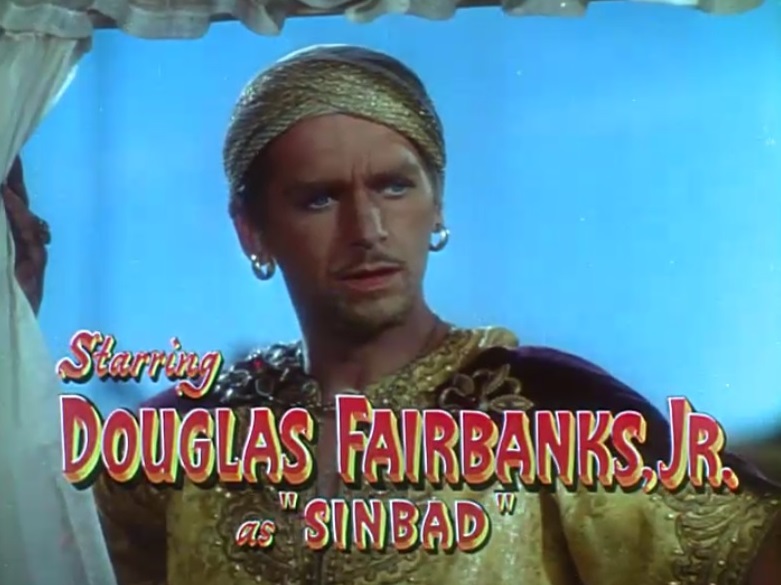
Horrid, garish colors and really bad makeup jobs complete with darkened skin and dark eyeliner? Check.

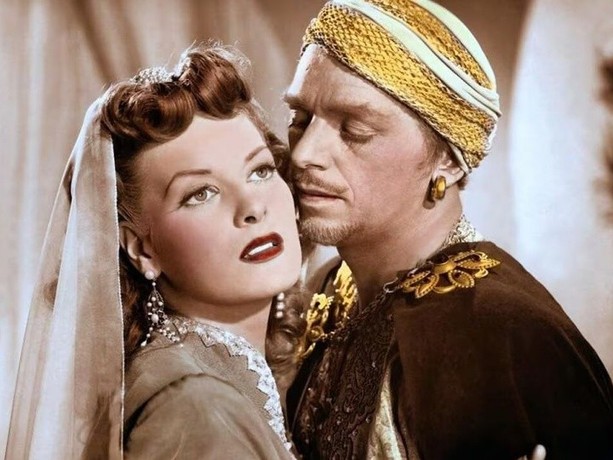
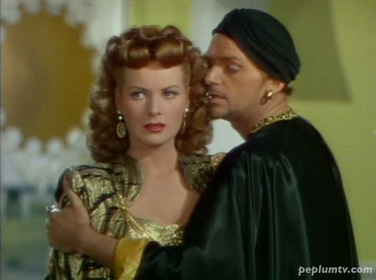
A red-haired Irish woman who is supposed to be a Middle Eastern princess? Check.

There were so many yikes with this one, I just couldn’t wait for it to end. I wasn’t sure if it was supposed to be in the adventure or slapstick comedy genre. I found myself singing “It’s Sinbad the Sailor man” to the tune of Popeye’s theme song throughout much of it.

We’re supposed to believe this American man wearing blue eye shadow and dark eyeliner is a Muslim from Baghdad? Oh be still my horrified heart.

There is nothing like hearing a thick Irish accent say, “I am Shireen, Princess of Baghdad” to really emerse you into a movie about a middle-eastern folklore hero. *facepalm*

That darkened skin? They apparently got bored of using it about 15 minutes in because everyone miraculously appeared white again for a scene or two. No idea what that was about because a few scenes later they were dark again. I think there might have been only two or three actors in this movie who were actually not white. Anthony Quinn was one of them but not even he was middle-eastern since he was born in Mexico.

*I just want to add a clarification here (that wasn’t in here when I originally posted this): I do not mean to imply that the people making this movie or starring in it were racist at all. I just mean that it jarred me out of the story to have them be so clearly pale, American, and Irish, or with horrible makeup. I don’t think any ill-will was meant toward any culture. It was common in the early days of movies just to want to make something fun and not really think about how they might be slighting cultures. I am not excusing that but I also don’t think that movie makers set out to be offensive.

Another thing that always puzzles me about these old movies — couples meeting each other one day and already kissing each other that same day.

What was with that anyhow?

I’ve done my share of ranting about the movie so far so how about a little plot for you as presented by an article on TCM.com:

“Surrounded by friends, charming storyteller and adventurer Sinbad (Douglas Fairbanks, Jr.) regales his audience with a tale of his derring-do in exotic lands. In this particular adventure, his ocean journey with sidekick Abbu (George Tobias) pauses in the remote Daibul where nefarious auctioneers commandeer his ship. A bidding war erupts between rightful owner Sinbad and the feisty Shireen (Maureen O’Hara), resolved only through a bit of Sinbadian sleight of hand.”

“Meanwhile the powerful Emir (Anthony Quinn) notices Sinbad’s attentions towards the headstrong Shireen, who saves the sailor’s life before being captured by the Emir. This time salvation arrives in the form of Eastern sailor Melik (Walter Slezak) who enlists the couple’s aid in tracking down the elusive treasure of Deryabar, located beneath the palace of Alexander the Great. Loyalties and vows shift as the trio races to the treasure with the furious Emir hot on their heels.”

The film was shot in Technicolor so it is way out there with crazy colors from the paint on the ship to Maureen’s gaudy dresses.

TCM says Douglas was “famously ignored by his father as a child” but still wanted to make the movie in honor of his father’s swashbuckling movies. It was the first movie that Douglas Jr. made after returning from voluntarily serving in the United States Navy during World War II.

The writer of the article on TCM, Nathaniel Thompson, did have an “obsession” (as I’m sure many did) with what he called Maureen’s “exquisitely endowed bosom.”

He wrote, “which she was wisely but discreetly at pains to exploit and which I, ever an untiring student of such anatomical addenda, discreetly admired.”

Writing in his autobiography, A Hell of A War, Fairbanks wrote that he knew no one in a lead in the movie was Arab at all.

“After all, I was not exactly a typical Arab any more than Walter Slezak was even remotely (with his taped-up blue eyes) Oriental.”

 And I guess none of them really saw a problem with that. Sigh.

Anyhow…if you want to watch this movie simply to see how much you can cringe in 1 hr and 57 min (I felt like this movie would never end and fast forwarded a couple of times to get there), I would recommend it.

I am hoping my next choice, The Rise of Catherine The Great (1934), is a bit better. It is streaming for free on YouTube. At least in the United States.

After that I am watching  The Sun Never Sets (1939). It is available for free on PBS and I also found it here: https://archive.org/details/sun.-never.-sets.-1939

You can find my impressions of previous movies in the series, as well as other classic movies here: https://lisahoweler.com/movie-reviews-impressions/

Classic Movie Impressions: Winter of Fairbanks Jr., Angels Over Broadway

This winter I am watching movies starring Douglas Fairbanks Jr.

I had to switch movies for this week’s Winter of Fairbanks Jr. because I couldn’t find Chase a Crooked Shadow. Instead I chose Angels Over Broadway, which I found on YouTube.

It was a simple movie with a very sweet ending. It definitely had some plot holes and some vague back stories and some not great reviews online but I found it endearing.

Douglas (remember we are on a first-name basis now) plays a down-on-his-luck con man named Bill O’Brien who thinks he has found his way to fortune when he sees a man named Charles Engle (John Qualen) blowing cash left and right at a night club.

The issue is that Engle really isn’t loaded at all. He stole $3,000 from his business partner to make his wife happy and then his wife took the money to leave with another man.

Engle’s been confronted by his business partner and is ready to kill himself. Now he is spending one last night on the town before he ends it all.

Rita Hayworth is a lounge singer named Nina Barona who spots Engle and wonders if he might be a producer or director who can help her become famous.

O’Brien sees her and wonders if she might be someone that he can pull into one of his schemes. Also, you can tell he likes the look of her, if you know what I mean. *wink* *wink*

So, yes, we have a group of scammers ready to scam each other. O’Brien sees in Engle a quick buck because he’s going to talk him into going to an illegal poker game and throwing away some of his money and then getting a cut of whatever is taken from him. O’Brien’s main source of income is leading rich men to notorious gangster Dutch Enright (Ralph Theodore). Dutch then cheats them out of a fortune and gives Bill a cut of the profits for luring them in.

Thomas Mitchell portrays playwright Gene Gibbons (Thomas Mitchell….also known as Uncle Billy in It’s A Wonderful Life) whose last play fell on its face.

He’s intoxicated and handed the wrong coat when he goes to collect his. Its Engle’s coat and in the pocket is the suicide letter Engle has written for his partner and estranged wife to find after his death.

Gibbons reads the letter and asks who it belongs to. He doesn’t like the idea of someone killing themselves and tracks Engle down to try to talk him out of it.

Gibbons reveals himself to Engle to be a womanizer, adulterer, and a failure at success. He tells Engle he doesn’t want him to miss out on all the beautiful things in life so he decides to  help Engle get the $3,000 back. His plan to do that fails so in walks O’Brien, who learns Engle doesn’t actually have any money. Nina thinks this is hilarious and blurts out the scheme O’Brien tried to pull her into.

O’Brien is a bit ticked at her move to blather about the plan but Gibbons believes they can still pull the plan off by pretending Engle is rich.

Scam a gangster? Eek. O’Brien doesn’t like the idea but if Engle can win more than $3,000 in the game then O’Brien can take whatever is left.

The bulk of the movie is watching three people try to play each other or others to benefit themselves and then later having to decide if this is the person they really want to be.

Douglas is a bit of a jerk and a softy in this one. He does,  however, rescue Nina from a predatory man when she tries to use the man to get to an opportunity to make her famous. He also shows he’s not all about himself later in the movie.

I wasn’t sure what to make of his thick New York City accent in this one. All I know is that I kept talking like him for the rest of the night, including asking my kids, “Eh, you ready for dinner or what? You need me to wait to get dinner on the plates or do ya’ wants me to bring it to  you while it’s still warm?”

My children didn’t find any of this amusing, by the way.

Hayworth got the role after Jean Arthur turned it down and it was her first “A” list film. As we all know, she flew to fame after this by becoming a heartthrob of the 1940s and a pin-up girl during World War II.

Before this movie she was in 35 different movies starting in 1926, but in most of those movies she portrayed secondary characters.

Angels Over Broadway was directed by Ben Hecht and co-produced by Douglas, who convinced Harry Cohn, head of Columbia Pictures, to finance the rest.

“Cohn couldn’t figure out what the picture was about but neither could we,” Fairbanks was later quoted as saying about the film.

Samantha Richards from Musings of A Classic Film Addict writes on her blog, “The plot and theme are clear to audiences today, as the screenplay, which earned iconic screenwriter Ben Hecht an Academy Award nomination for Best Original Screenplay for 1940, has since been regarded as far ahead of its time by critics. I find it difficult to understand why this film isn’t universally recognized that way that I see it: as a strong and riveting drama that blends the realism of New York City life, with a touch of fantasy and the idealism that maybe good guys can sometimes win in the end. To answer my own question, Rita Hayworth is miles apart from the calculated femme fatale image that she would later be known for, with a mousey voice and a doe-eyed look that would make even diehard fans of hers puzzled.”

Richardson continues, “Each performance in Angels Over Broadway (1940) is spot on and impeccably cast, made up of wildly underappreciated actors like Douglas Fairbanks, Jr. and Thomas Mitchell, both of whom rank highly in my book. Jean Arthur could never have portrayed a role like Nina Barona, but I also doubt that even Rita herself could have pulled this part off after being transformed by the Hollywood machine after this film’s release.”

I feel Douglas was very good in this, but in some ways Mitchell stole the show as the intoxicated, and later repentant and sober, Gibbons. He seems to play drunk fellows well. I hope that wasn’t because he knew a lot about it in real life.

It did hit me as I was watching the movie that Douglas always has a small mustache, no matter what movie he is in — other than one of his first movies, The Power of the Press.

There isn’t a ton of information about this movie online, so you won’t have to read through paragraphs of history, behind the scenes stories, or trivia today.

I do have a couple tidbits of trivia I read on Imdb, including:

“The tagline on the original movie poster – “A HECTIC ROMANCE TO BLOW THE FUSES OUT ALONG MAZDA LANE” – refers to the Broadway theater district in New York City as “Mazda Lane.” Mazda was a brand of light bulbs common in the first half of the 20th century, with a name referencing an ancient Persian god of light and good. Broadway was and is known for its brightly lit marquees, and had many nicknames in its heyday.”

And:

“The working title for this film was Before I Die.”

So, there is one line from Douglas in this movie that made me swoon a bit. I’ve gone to the trouble of clipping it for you to share here and it was a bit of an ordeal to do so I hope you appreciate it. *wink* Let me know if you figure out what the line is.


I would guess that many of you have not seen this movie but if you have, what did you think?

I found this for free one on YouTube, by the way.

Up next for me in my Winter of Fairbanks Jr. marathon is Sinbad The Sailor (1947) and I did make sure this one is streaming somewhere.

After that I am watching The Rise of Catherine the Great and writing about it February 27. It is also streaming.

My last pick, The Sun Never Sets, 1939, is available for free on PBS and I also found it here: https://archive.org/details/sun.-never.-sets.-1939

You can find my impressions of previous movies in the series, as well as other classic movies here: https://lisahoweler.com/movie-reviews-impressions/

Winter of Fairbanks Jr.: The Exile (1947)

This winter I am watching movies starring Douglas Fairbanks Jr.

I had planned to watch Having Wonderful Time, this week but I couldn’t find it streaming anywhere. Instead, I watched The Exile from 1947 after I found it streaming on YouTube. It wasn’t great quality, but it was good enough that I could make out what was going on.

The movie tells the story of King Charles of England who was exiled to Holland in 1690 by Oliver Cromwell and The Roundheads. Douglas plays King Charle who stayed in Holland for years with a small band of supporters. Cromwell and The Roundheads find out where he is and his advisor, chief advisor, Sir Edward Hyde (Nigel Bruce), suggests he hide out somewhere where he can get information but where Cromwell’s assassins can’t get to him.

Charles decides to hide out on the small farm of a flower girl he met in the market square.

The flower girl, Katie, is played by Rita Corday, who was billed as Paule Croset in later films (I have no idea why but I suppose I will have to look that up one day. There wasn’t a lot of information about her online.)

Charles begins to help on the farm and the two fall in love. While working there a man arrives who says he is King Charles, which of course Douglas’s character knows is untrue, but he lets him continue the ruse as he stays at the inn on the farm.

The next visitor to arrive at the farm is Countess Anabella de Courteuil (María Montez), an old lover of Charles’s and an emissary from King Louis of France. This totally threw me off because I can not figure out how she found the king. Like did everyone know where this dude was hiding out?

Anyhoooo…Anabella gives Charles a music box from the king of France, talks to him while sitting naked in a enclosed bathtub  or sauna that looked like a spaceship to me, and sort of suggests they renew their past relationship.

The promo photos for this film were a bit crazy.

Charles, however, is focused on the music box because he wants to sell it and give the money to Katie to pay off her abusive cousin so she can own the farm and inn free and clear. Annabelle overhears his plan, which will come in handy later when Katie thinks Charles loves Annabell instead. Charles is also discovered by one of Cromwell’s men and ….

And……well, I will leave you to find out the rest if you watch the movie.  

I will tell you that there is at least one intense sword fight scene, which I think was always required in these type of adventure films. I do have to say, though, that it always cracks me up how these movies and books portray these kings as swashbuckling heroes who can wield swords and charm the pants (literally) off any woman.

In reality, they were probably overweight, out of shape, pampered and had no idea how to fight their way out of a paper bag, let alone fight against attackers or would-be-kidnappers.

Maria Montez is a secondary character in the movie and only appears in it about 15 minutes but she received top  billing because she had in her contracts with Universal that she would receive top billing no matter what movie she was in.

The film is based on the 1926 novel His Majesty, the King: A Romantic Love Chase of the Seventeenth Century by Cosmo Hamilton, which Douglas bought the rights to so he could make a movie similar to the movies his father, Douglas Fairbanks, used to make. His father’s movies were classic swashbuckler films and Douglas Jr. said he wanted this film to honor his father’s memory. He also planned to produce two other similar films but those other movies were never made.

“When people ask me if I’m following in my father’s footsteps, I tell them his footsteps were so light they didn’t leave a trace”, Douglas said when he announced in 1946 he would be producing and starring in the film. “The proof of it is that his pictures were so carefully tailored to him that no remakes by others have ever been entirely successful. Still I find myself drifting back to the kind of roles he played – by public demand, as it were… However my stunting is more of a piece de resistance than the thing itself, if you get what I mean. Now that I have my own company I’ll probably go in for the swashbuckling type of thing. I’m not necessarily wedded to it; our stories will be of varied dramatic content, but I find that I can whip up more enthusiasm for those of a romantic and slightly fantastic nature, like The Exile.”

Douglas purchased the rights to the book in 1941 but then went off to fight in World War II, where he became a very decorated soldier. This, of course, delayed the movie being made.

This movie was made under Douglas’s own production company, the Fairbanks Company.

It was directed by Max Ophuls and was his first Hollywood film. He was set to direct Vendetta with Howard Hughes but the two didn’t get along.

The original plan was to make the movie in technicolor, which would have been beautiful, but Douglas ran out of money for the production, and it was shot in black and white instead.

Overall, I enjoyed the film but it wasn’t as captivating as The Prisoner of Zenda or as engaging as The Young In Heart.

Have you ever seen this one? If so, what did you think?

Up next for me in my marathon of Douglas Fairbanks Jr. movies is Chase a Crooked Shadow.

After that I will be watching (in parentheses are the dates I’ll write about them):

Sinbad The Sailor (February 20)

The Rise of Catherine the Great (February 27)

The Sun Never Sets (March 6)

You can find my impressions of previous movies in the series, as well as other classic movies here: https://lisahoweler.com/movie-reviews-impressions/

Classic Movie Impressions: The Prisoner of Zenda

The Prisoner of Zenda (1937) is a cinematic spectacle. Grand halls, sweeping ballrooms, wildly decorated courtyards, and captivating costumes.

I absolutely loved it and am so glad I stumbled on to Douglas Fairbanks Jr. and decided to do a marathon of his movies to learn more about him so that I could discover this movie.

Douglas Fairbanks Jr.  is not the leading man in this one but he steals the show in every scene he is in. He is deliciously evil.

The leading man, Ronald Colman, is absolutely amazing as well, especially since he is playing two parts in this one. He is so amazing I feel another marathon coming on but of his movies.

An article on TCM.com agrees with me about this version (Okay, I agree with the article).

“ . . . of all the dramatized versions of Anthony Hope’s 1894 tale of adventure, love and honor, the 1937 black-and-white movie version, produced by David O. Selznick for his Selznick International Pictures stands as the definitive adaptation.”

It is easy to see why this movie is called by critics one of the best “Swashbuckler” movies of all time. I say that since this is one of the original Swashbuckler movies without it we wouldn’t have Pirates of the Caribbean, The Princess Bride, and other more modern adventure movies.

 And without the 1894 novel — The Prisoner of Zenda: Being the History of Three Months in the Life of an English Gentleman by Anthony Hope — we wouldn’t have had the movie at all.  Anthony Hope Hawkins was a part-time lawyer who wrote the book in one month from what I read.  

The novel sold more than 30,000 copies in Britain and the U.S. and helped to establish the adventure genre that would later be explored even more by authors such as Sir Arthur Conan Doyle and H. Rider Haggard. The book, according to an article to TCM, has never gone out of print and has continued to sell thousands of copies each year.

The movie is the most referenced Swashbuckler film, TCM further states, which is probably why it was remade at least seven (!!) more times over the years, including one only about 15 years after the 1937 version, which was not the first. There were actually two silent movies of the book made before this version.

The 1952 version was shot frame for frame, according to articles I read online. I think I might watch the one released in 1952 later on and then compare the two, but I highly doubt that the 1952 movie or any of the others (including two made-for-TV movies and three television shows) will top the 1937 one, especially when it comes to Douglas’s performance. Yes, Doug and I are on a first-name basis now. I feel that we are getting to know each other enough now that we can dispatch with the formalities.

When I first saw Douglas in The Rage of Paris, I immediately thought how much he reminded me of Cary Elwes in The Princess Bride – his smile, his delivery, his expressions.

In this movie that similarity came even more into focus and especially during an amazingly well-choreographed and filmed fencing scene between him and Colman.

The two enjoyed a sparring of words while sparring with their swords, reminding me of the scene between Elwes and Mandy Patinkin on the Cliffs of Insanity in The Princess Bride. Perhaps Golding was influenced by the movie? I don’t know but if I research any more for this post, I’ll never publish it.

Let’s finally get to the plot of the movie. Finally…I know!

We have an Englishman named Rudolf Rassendyll (Colman) who has gone to a small country located somewhere between Vienna and Bucharest (not named in the film, but in the book it was called Ruritania). He has gone there for a fishing expedition at the same time the king of the country is being coronated. Zenda is a small area in this unnamed country where there is good fishing and boar hunting and where the king, Rudolph V (also portrayed by Colman), has a hunting preserve and cabin. RudolfV and his advisors Col. Zapt (C. Aubrey Smith) and Captain Fritz von Tarlenheim (David Niven, who I recognized immediately from other movies I’ve seen him in) run into Rassendyll in the woods and realize how much the two look alike.

I’m a little confused by the scene where Rassendyll tells the king they look alike because of their ancestors  — the king’s great-great-great grandfather and Rassendyll’s great-great-great grandmother — most likely had an illicit affair. In the beginning of the film, he acts like he’s coming to the country to hunt and knows nothing about the king or how much he looks like him but five minutes later in the film he’s telling the king he knows he looks like him and why. This is probably something that is explained better in the book.

All I can say is thankfully they both have the same British accent even though the King is from a kingdom in Eastern Europe, or they wouldn’t be able to understand each other.  Har. Har.

Minor complaint. Let us move on.

This news from Rassendyll about their probable relationship cracks the king up and he invites Rassendyll back to his hunting cabin where they get completely roaring drunk and Rudolftalks about his coronation scheduled for the next day and his half-brother Duke Michael, who hates him. He also speaks of his cousin Princess Flavia (Madeleine Carroll) who he will wed shortly after the coronation. After everyone else is unconscious from drinking too much, Rudolfdecides to drink a bottle of wine gifted to him by Michael.

 Uh-oh. Bad idea.

When Rassendyll wakes up the King is unconscious on the floor, drugged. The king’s advisor says the king isn’t dead, but he won’t be in any shape to be coronated that which means that Michael could be crowned instead. A plan is hatched to have Rassendyll pose as the king only for the coronation and then to be smuggled out of the country and sent back home.

Of course, we have foreshadowing here that tells us that all will not go as planned and, indeed, it does not.

Douglas portrays Robert of Hentzau, the henchman (for lack of a better word) of Duke Michael, the king’s brother who wants to take over the throne.

He shows up for the first time with a crooked, mischievous smile, like in many of his movies, and lets us know immediately he is the comic relief and a completely swarmy cad. A very attractive cad, though, I must say.

Let’s put it this way —Hentzau is all frat boy, and I could not stop watching him when he was on screen.

There was a lot about this movie I could not stop watching — the acting, the scenery, and the exquisitely detailed and breathtaking costumes designed by Ernest Dryden.

The Prisoner of Zenda was originally going to be released by MGM, but was bought by Selznick for his own studio, right around the same time he was working on Gone With The Wind (1939).

If MGM had produced it, they were going to use it as a vessel for more money makers from power team William Powel and Myrna Loy of the Thin Man movies. A musical was also a possibility. That all went out the window when Selznick bought it.

“Zenda was already a proven commodity in print, on the stage and in previous film versions,” writes Roger Fristoe for TCM.com. “And the recent abdication of England’s Edward VIII led Selznick to think that a story of kings and coronations would be timely.”

John Cromwell, a former actor who had previously only directed romantic dramas, was chosen to direct, which some questioned.

Selznick explained the decision had to do with Cromwell’s experience with European audiences.

“In doing a picture like The Prisoner of Zenda, which is aimed at least fifty percent toward a foreign market,” he wrote in a memo. “It becomes important to get a director who at least has the judgment and taste to respect the sensibilities of audiences which are sensitive, particularly in England, about the behavior of royalty.”

Cromwell had a lot of complaints about the cast, though, including Niven and Douglas, who he called lazy and overindulged. He even dismissed Niven at one point because he didn’t find his humor humorous. Ha. But Selznick overruled him and brought Niven back, saying he was bringing life to an otherwise dull role.

 James Wong Howe was the cinematographer for the movie and his work was amazing, in my humble opinion. The various angles, the lighting, all of it.

Look at this fencing scene..the shadows on the walls..

The cinematography, great acting, and astounding costume and set design made this movie overwhelmingly enchanting.

There are a couple of scenes where Colman is filmed talking to himself and I was really interested to know how that was done before the days of digital special effects. Luckily the TCM article explained that for me.

“The special effects created by Howe included a subtle and convincing scene where Colman appears to shake hands with himself. A 3 X 4′ optical glass was placed in front of the camera, and Colman exchanged the handshake with a double, whose head and shoulders were subsequently matted out with masking tape on the glass. The scene was re-photographed with Colman in a different costume and everything matted out except his head and shoulders. When the images were combined, the effect was complete and quite realistic.”

Because I loved Douglas as Hentzau so much, I thought I’d close this post by sharing some quotes that show how delightfully jerky he is in the movie:

“I don’t like women who lie to me. They don’t usually do it, as a matter of fact. I usually do them to them.”

“Someone once called fidelity a fading woman’s greatest defense and a charming woman’s greatest hypocrisy. And you’re very charming. And Michael’s very busy and likely to be more so.”

[during his sword fight with Rupert, Rudolf Rassendyll “retreats” towards the drawbridge’s controls]: “You’d be a sensation in a circus. I can’t understand it. Where did you learn such roller skating?”

To Rassendyll: “Why don’t you let me kill you quietly?”

Rassendyll: Oh, a little noise adds a touch of cheer. You notice I’m getting closer to the drawbridge rope?

Henztau: You’re so fond of rope, it’s a pity to finish you off with steel. What did they teach you on the playing fields of Eton? Puss in the corner?

Rassendyll: Oh, chiefly not throwing knives at other people’s backs. (A reference to a previous scene).

Have you ever seen this version or any version of The Prisoner of Zenda?

What was your impression of it?

Up next in my series will be Gunga Din, one of his more famous movies, from what I’ve read.

The rest of the movies I will be watching include:

The Young At Heart (January 30)

Having Wonderful Time (February 6)

Chase a Crooked Shadow (February 13)

Sinbad The Sailor (February 20)

The Rise of Catherine the Great (February 27)

The Sun Never Sets (March 6)

You can also find my impressions of previous movies in the series, as well as other classic movies here: https://lisahoweler.com/movie-reviews-impressions/