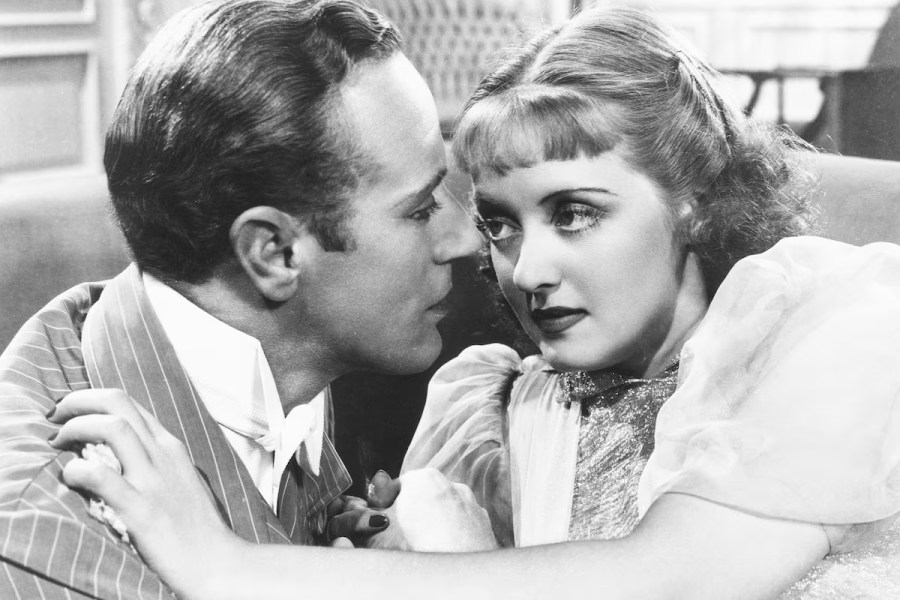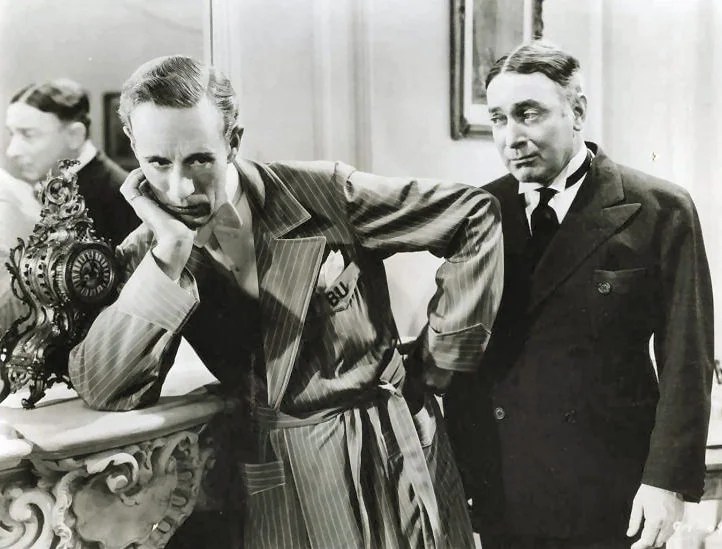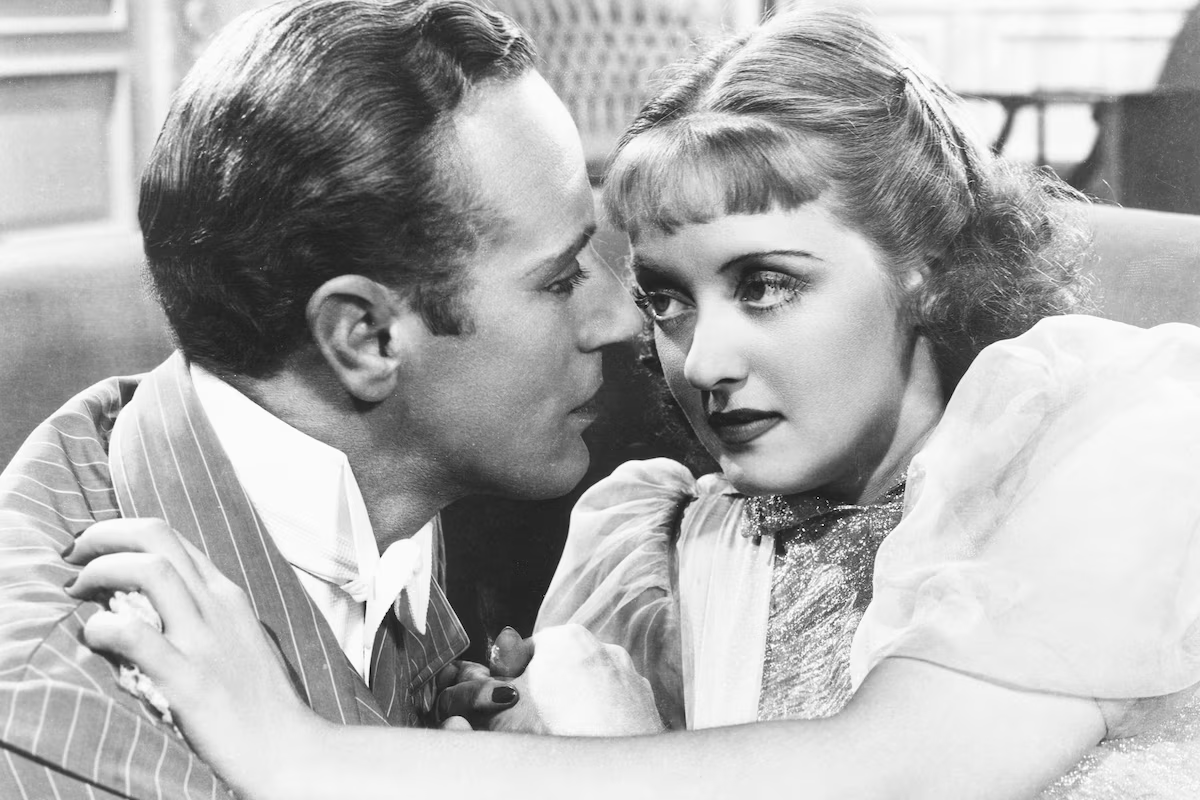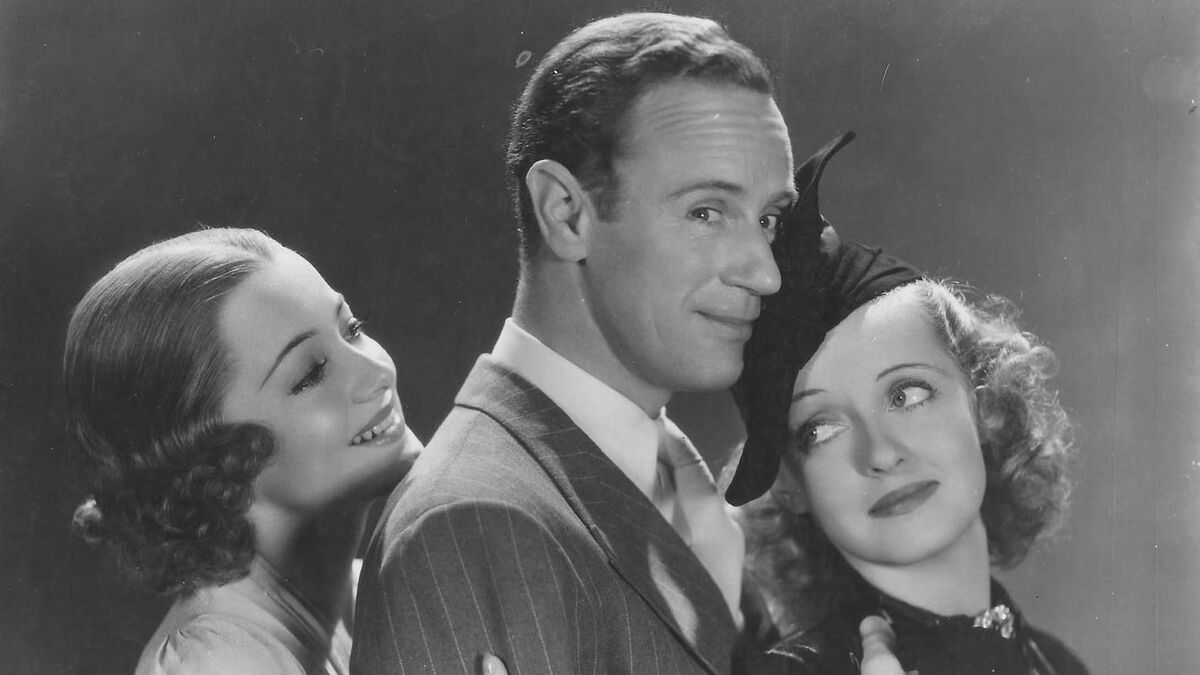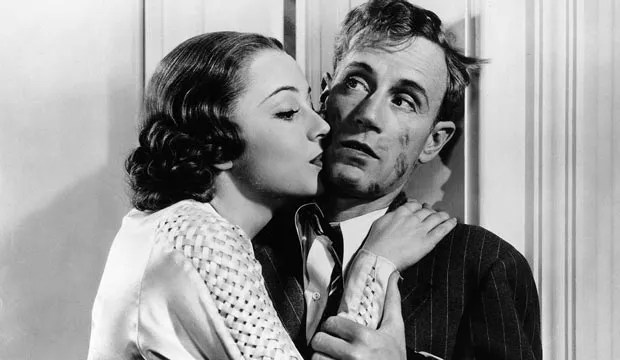
I have been watching Bette Davis movies for the last couple of months and today I am writing about the final one in the list I made for myself for this feature — The Petrified Forest.
It took all those Bette Davis movies all those online lists said were “must watches” to get to one I liked the most (other than Jezebel).
I know why they suggested the others — they highlight Bette’s talents more than this one does. She was the star in most of the other movies I watched, while in this one it was Humphrey Bogart and Leslie Howard who were the stars — well, actually Leslie Howard was the big star at that time.
Dialogue-wise, though, I preferred this movie over them all (except for Jezebel).
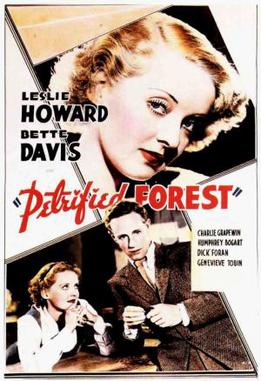
This movie is based on a hit Broadway play of the same name written by Robert Sherwood.
First, let’s give you a description of the movie from Google: “In this film adaptation of the Robert E. Sherwood play, a drifter, a waitress and a notorious gangster cross paths in the Petrified Forest region of Arizona. Alan Squire (Leslie Howard), a destitute writer, goes into the diner where Gabrielle Maple (Bette Davis) works. Gabrielle dreams of studying art, and she and Alan connect as they talk about Europe, and she tells him her ambition. But gangster Duke Mantee (Humphrey Bogart) shows up and takes the customers hostage.”
I read before that there was some friction between Bette and Leslie during filming, (their second together after Of Human Bondage) but I thought that the chemistry between them worked very well here, maybe because Leslie was so good in this one.
Gabrielle works as a waitress at her father’s diner in the desert. Employee, beefy former football player, Boze Hertzlinger (Dick Foran) is smitten with her but is very pushy and borders on an aggressor who forces a kiss onto her at the same moment Alan wanders on scene after crossing the desert.
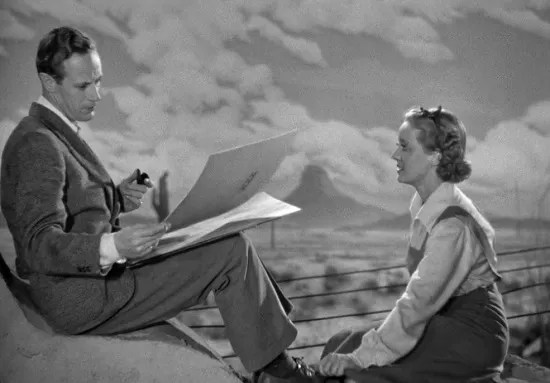
She’s not really interested in Boze and when she starts talking to Alan, she realizes there are much better fish in the sea. She talks to him about the poetry she is reading, her paintings, and just life in general.
“The problem with me Gabrielle, is that I belong to a vanishing race,” he tells her. “I’m one of the intellectuals. Brains without purpose. Noise without sound. Faith without substance.”
Gabrielle’s father has gone to a meeting of the something or other reenactment guard before Alan arrives. Her grandfather has been rambling on about Duke Mantee being on the loose to anyone who will listen.
With all this foreshadowing, we viewers, of course, start to assume we will see Duke at some point.
That will come after Alan bids farewell to Gabrielle with a quick kiss and Mr. and Mrs. Chisholm arrive in their fancy car looking for directions and a drink. Their black chauffeur is driving them. His race will come into play later in the movie so I did not mention it for no reason.
Alan decides he’s going to leave, much to Gabrielle’s disappointment so she arranges for him to travel with the Chisholms.
The Chisholms and Alan don’t get too far, though, before they find a group of men broken down on the road who wave them down. As soon as they pull over, Duke raises a gun and orders them out so he can take their car. It’s here we learn the couple isn’t exactly having a great marriage journey, especially when Mr. Chisholm does nothing to stand up for his wife and she calls him out as soon as Duke and his men leave.
Mr. Chisholm says he didn’t stand up to him because that was Duke Mantee, the gangster they heard about on the radio who was responsible for killing a bunch of people.
Alan hears Duke’s name, which he knows about because of Gabrielle’s chatty grandfather, and worries he’s headed toward Gabrielle, so he starts walking back to the café.
This is not a high-action film until the end. The movie takes place mainly in one place, and while Bogart plays a gangster, this movie is more cerebral than active.
Almost the entire film was filmed on a soundstage in Hollywood, but I didn’t even think about it because the dialogue and the performances were the main stars, in my opinion.
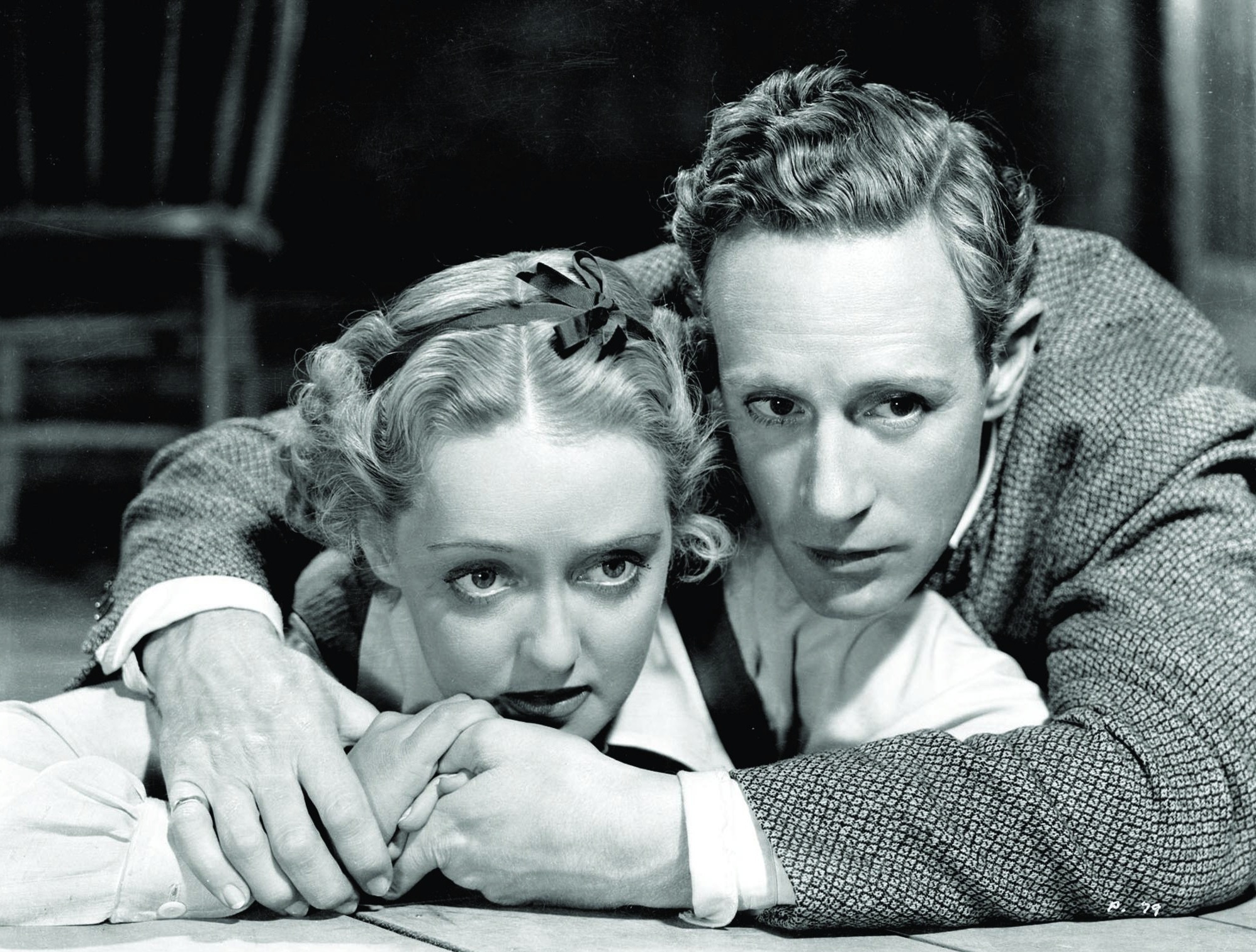
While Jeremy Arnold, a writer for TCM, believed the dialogue was a bit “stagy” but writes that, “unlike other films for which such qualities are the kiss of death, The Petrified Forest is vital and engaging, partly due to the strength of the play itself and partly due to its first-rate performances. All the actors underplay their roles quite effectively. (Even Bette Davis, as the The New York Times reviewer noted: “Davis demonstrates that she does not have to be hysterical to give a grand portrayal.”)”
Earlier, I mentioned that the race of the chauffeur, Joseph, would come into play in the movie and it does when Slim, Duke’s black member shows up. He is one of the gang, not a servant, as he points out to Joseph when he offers him a drink, and the chauffeur asks permission from Mr. Chisholm first.
“Listen to him,” Slim mocks. “Is it alright, Mr. Chisholm? Ain’t you hear about the big liberation? Come on, take your drink, Weasel.”
This was Bogart’s breakout movie, and he had Howard to thank for it.
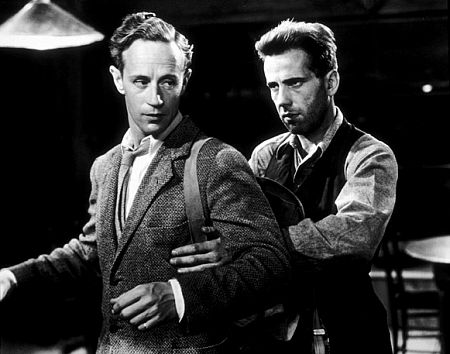
When the studio said Bogart wasn’t good enough for the role, especially since he hadn’t been a big hit at all yet, and probably never would, Howard said if they wouldn’t hire Bogart, then he was out too.
Bogart, according to author Eric Lax, knew who had given him his first chance and as a tribute named his second daughter with Lauren Bacall, Leslie, after Howard.
It helped Bogart that he looked a lot like John Dillinger because the play’s author based the character Duke Mantee on Dillinger, who was wanted by police in 1936. Bogart reportedly studied film footage of Dillinger to perfect his mannerisms and when moviegoers found out he was doing a Dillinger impression, they flocked to the movie to see Bogart’s version.
There are some great quotes in this one, thanks to the writer of the play and screenwriters Charles Kenyon and Delmer Daves, who adapted it.
Alan Squier: Tell us, Duke, what kind of a life have you had?
Duke Mantee: What do you think? I spent most of my time since I grew up in jail. And it looks like I’ll spend the rest of my life dead.
***
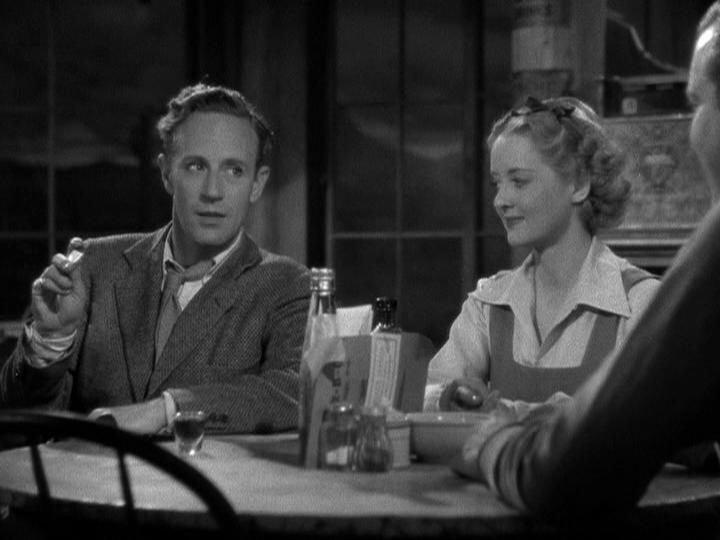
Gabrielle Maple: Petrified forest is a lot of dead trees in the desert that have turned to stone. Here’s a good specimen.
Alan Squier: So that was once a tree? Hmmm. Petrified forest, eh? Suitable haven for me. Well, perhaps that’s what I’m destined to become, an interesting fossil for future study.
***
Alan Squier: I’ve never kidded anybody, outside of myself.
***
Bette asks Leslie at one point, “What are you looking for?”
He ponders this question and says, “I don’t know. I suppose I was looking for something to believe in. Something worth living for, worth dying for.”
***
Mrs. Chisholm: I was married to this pillar of the mortgage loan and trust. He took my soul and stenciled it on a card and filed. And that’s where I’ve been ever since, in an odd metal cabinet.
***
Duke to Alan: “You can talk sitting down. I heard you doing it.”
Alan Squier: ‘The Hollow Men’… refers to the intellectuals who thought they’d conquered nature. They damned it up and used its waters to irrigate the wastelands. They built streamlined monstrosities to penetrate its resistance. They wrapped it up in cellophane and sold it in drugstores. They were so certain they had it subdued. And, now- ? Do you realize what it is that’s causing world chaos? Well, I’m probably the only living man who can tell you. It’s nature hitting back. She’s fighting with new instruments called neuroses. She’s deliberately afflicting mankind with the jitters. Nature’s proving that she can’t be beaten, not by the likes of us. She’s taking the world away from the intellectuals and giving it back to the apes.
***
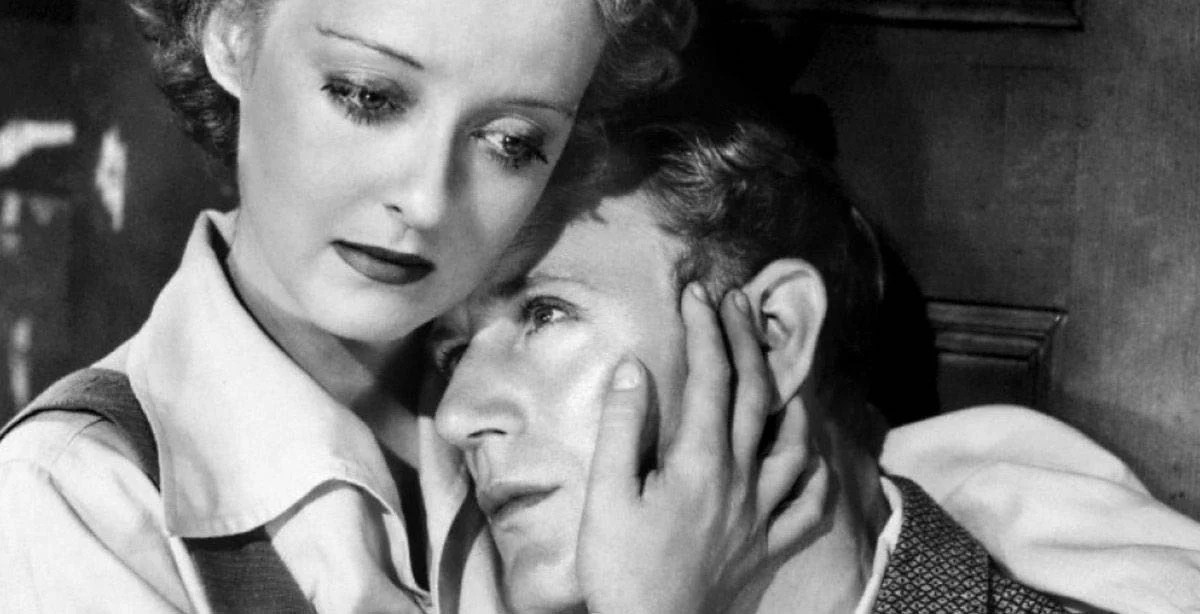
Alan Squier: You better come with me, Duke. I’m planning to buried in the Petrified Forest. I’ve formed a theory about that that would interest you. It’s the graveyard of the civilization that’s shot from under us. The world of outmoded ideas. They’re all so many dead stumps in the desert. That’s where I belong. And so do you, Duke. For you’re the last great apostle of rugged individualism.
I’m taking a break from an actor-themed movie marathon for the rest of the summer, but in the fall I’ll be watching Jimmy Stewart movies.
This summer, I will be finishing up my rewatches and blog posts about The Thin Man movies and also writing about some other old movies I’ve watched or will be watching.
Thank you for coming along on this Bette Davis marathon with me.
If you would like to read about the other movies I watched this spring, you can find the list here:
Sources and additional resources:
https://www.tcm.com/articles/31568/the-petrified-forest
https://www.imdb.com/title/tt0028096/quotes
If you want to find clips and thoughts about vintage movies and TV, you can visit me on Instagram on my Nostalgically Thinking Account (https://www.instagram.com/nostalgically_thinking/) or on my YouTube account Nostalgically and Bookishly Thinking here: https://www.youtube.com/@nostaglicandbookish
You can also find me on Instagram and YouTube and Facebook.
Notice: This post may contain affiiate links. If you purchase the product from these links I will receive a small compensation at no extra charge to you.