This Winter I’ve been watching James Cagney movies.
I’ve switched the movie I was going to write about last week with the one I was going to write this week because I was going to watch the DVD of Angels With Dirty Faces I picked up, but I’ve been waiting for a night to watch it with The Husband, and that hasn’t come.
In the end, I decided to wait to watch that movie with him because he would like to see it as well, and it will be fun to watch together.
Angels with Dirty Faces stars Cagney with Humphrey Bogart, and Bogie is one of my husband’s favorite actors.
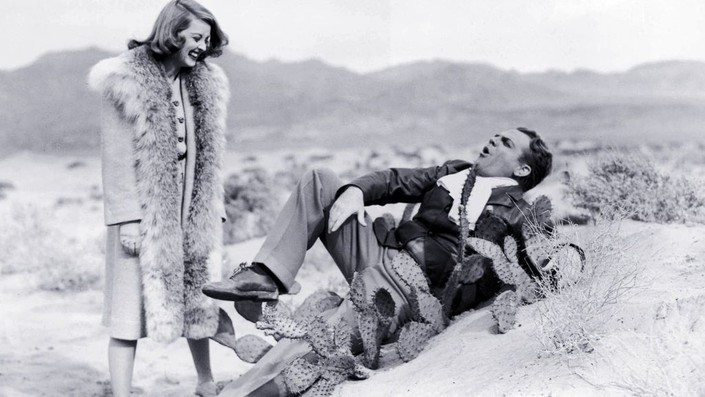
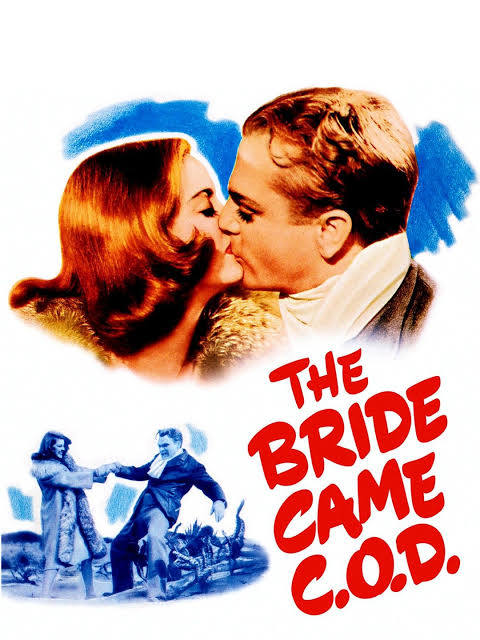
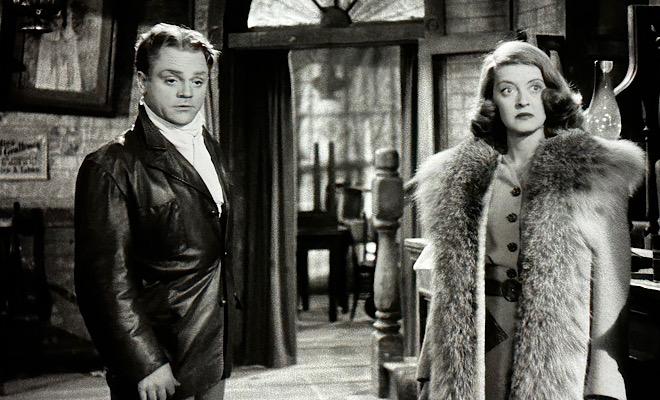
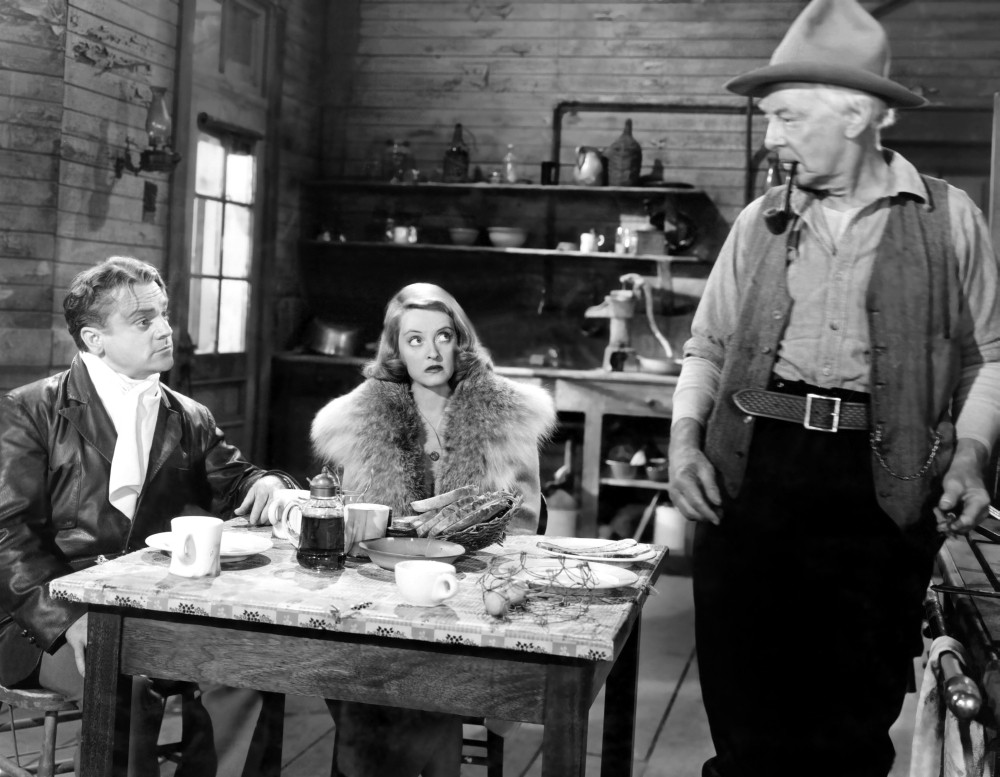
The Bride Came C.O.D. with Cagney and Bette Davis was a perfect substitute for this week, though.
It was a delightfully fun movie, and I needed it this week, so I’m glad I made the trade.
I will be watching this movie again with him soon, though, because it was just too much fun and should be watched with others.
This is a slapstick comedy where Cagney and Davis were both trying their acting talents at something a little different.
First, the premise: Davis is playing Joan Winfield, an heiress who makes impulsive decisions, and her latest impulsive decision is marrying Alan Brice (Jack Carson), a famous singer and band leader. The marriage announcement comes at just the right time for gossip and entertainment broadcaster named Hinkle who needs a big story.
He talks Brice into marrying Joan right away because it will make a great story for his broadcast.
The only issue is that Joan is on the phone with her father when Alan announces his engagement to Joan to the audience at the club and she is trying to work up the courage to tell her father she’s engaged.
Their call is cut short and she never tells him, but Hinkle arranges for her and Alan to go to a small airport to be flown by a private plane to Las Vegas where they can be married.
Steve Collins, a notorious womanizer who pretends he is married with children so he doesn’t get roped into marriage by women who like to date married men, owns the airport and the main plane. He’s never paid for the plane though and the finance company now wants it back. Steve’s handy man, Pee Wee (George Tobias) tells him that Hinkle has arranged for their plane to take a famous couple to Las Vegas and Steve wonders if they will even have a plane to take them in.
Collins tries to think of a way to get the money and has no ideas until Joan’s father, oil tycoon Lucius K. Winfield (Eugene Pallette) calls the airport to try to reach his daughter and Collins strikes up a plan with Winfield to make sure his daughter doesn’t make it to Las Vegas to marry Alan Brice.
If Collins pulls off the delay, meeting Winfield with his daughter in tow in Texas instead, Winfield will pay Collins the money he needs to pay off the plane and keep the airport in business.
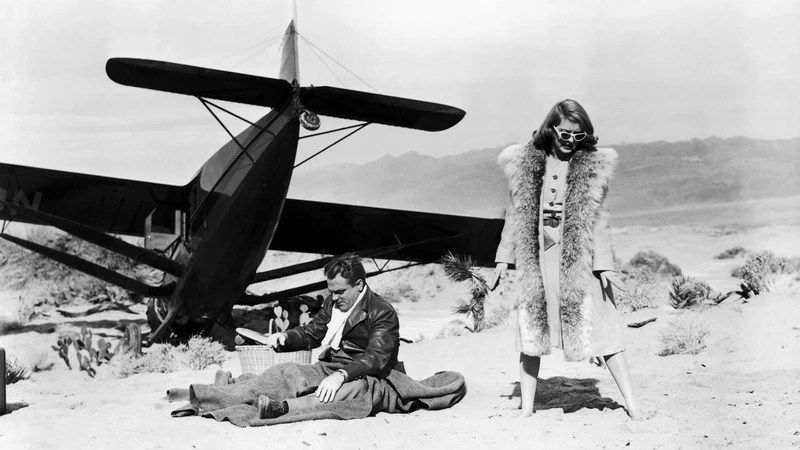
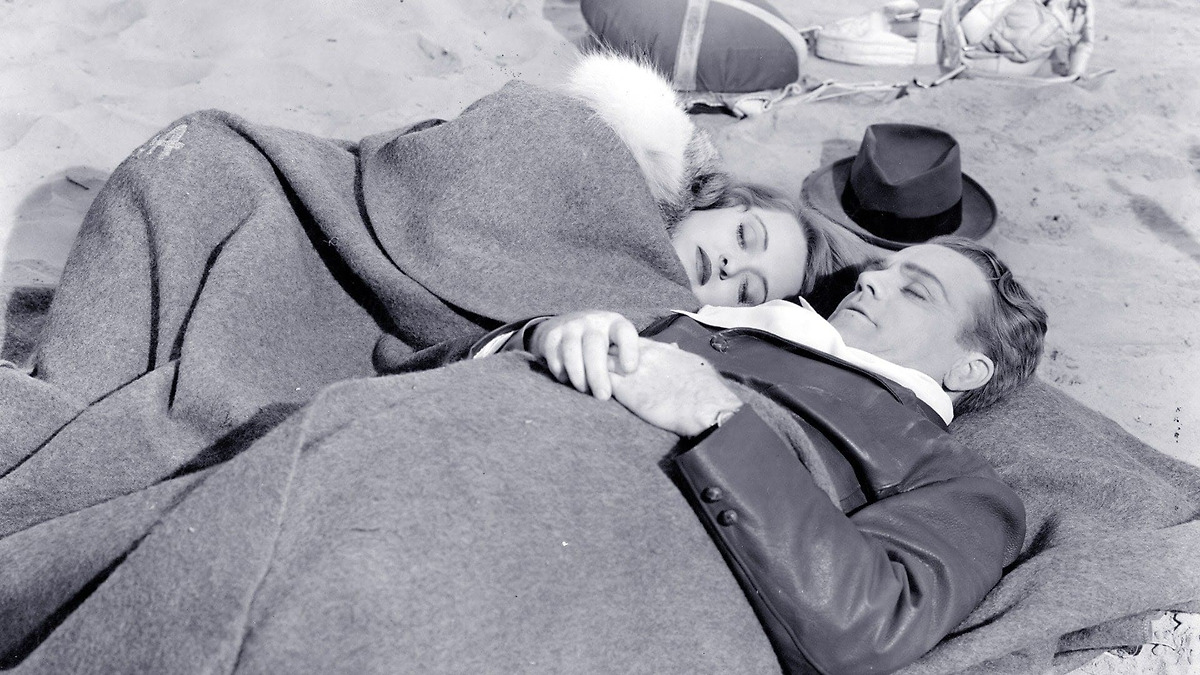
The first task at hand is to get rid of Hinkle and Alan which PeeWee helps Collins with. With them out of the way, Collins jumps in the plane and takes off with Joan, his plan to fly her to Texas. Unfortunately, Joan isn’t too happy with this arrangement and tries to escape, causing the plane to crash in the desert.
Here we will be introduced to Pop Tolliver (Harry Davenport), who I just loved.
I loved a lot about this movie.
It was very witty and fun, with some great lines.
Bette Davis was supposed to be 23 in the film which I found a little unbelievable but then again, Bette always looked older to me than she was.
She was actually 33 when this movie was made.
According to Frank Miller from TCM (yes, my go-to-source), Cagney made the movie on the heels of Strawberry Blonde because he wanted to break out of gangster roles.
Ann Sheridan, Ginger Rogers, and Rosalind Russell were considered for Davis’s role but when she expressed interest in trying out, Hal Willis, the producer of the movie, went to bat for her.
“In addition, she was eager to re-team with Cagney, who like her had a history of battles with the Warner Bros. management,” Miller wrote. “They had not worked together since 1934, when they teamed for the minor comedy Jimmy the Gent. Some biographers have suggested that the studio was punishing her with the film because of her notorious temperament, while others have suggested she may have wanted to emulate Katharine Hepburn, who had been equally successful in serious and comic roles. Also possible is that she was drawn to the film’s obvious similarities to It Happened One Night (1934), another tale of a runaway heiress saved from a bad marriage by the love of a simple working guy.”
There was a lot of trouble with the movie, including the writing and the fact Cagney wasn’t a fan of the sweltering heat at the shooting location of Death Valley.
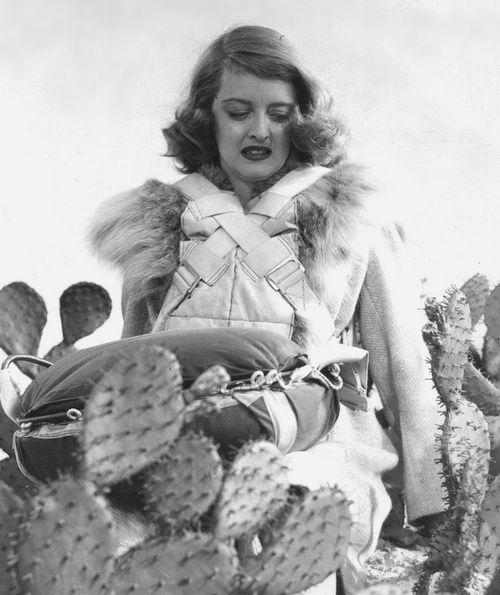
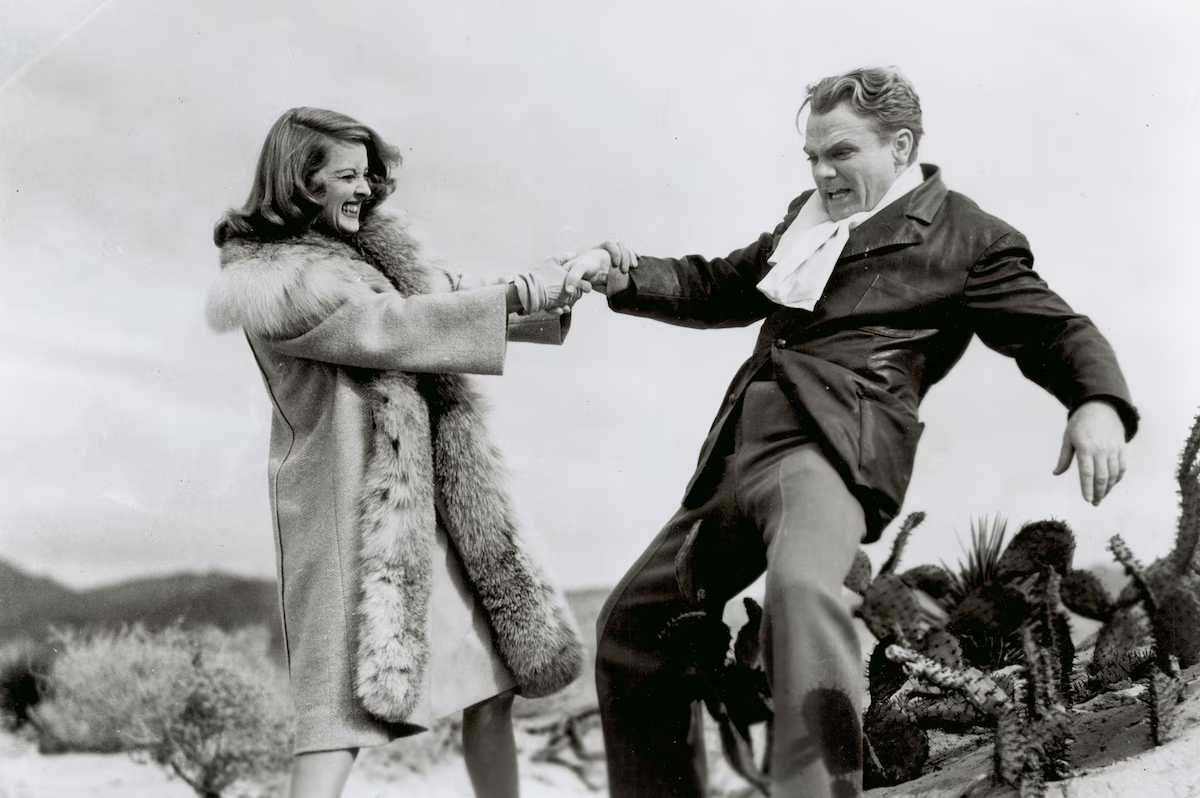
Davis also wasn’t happy because while a stunt double was supposed to take the fall into a cactus for her, she had a fall of her own and ended up with 45 cactus quills having to be removed from her behind.
Neither actor was very fond of the movie years down the road and even critics bashed it with one saying, “Okay, Jimmie and Bette. You’ve had your fling. Now go back to work.”
As for me, I found the film a lot of fun and ended up snickering at the silliness and the exchanges between our main characters.
And as I said above, Harry Davenport really added some charm to the film for me.
Have you ever seen this one?
I found it for rent on Amazon Prime but it is also available on HBO Max, Hulu, YouTube, and AppleTV.
Next week I’ll wrap up my Winter of Cagney with Angels With Dirty Faces and two weeks after that I’ll start a bi-weekly movie watch of Bette Davis films.
If you want to catch up on the other Cagney films I’ve watched this winter you can do so here:
If you enjoy the kind of content on my blog and all that goes into it, you can support my writing for $2.99 a month or a single donation. Learn more here: https://lisahoweler.com/support-my-writing/
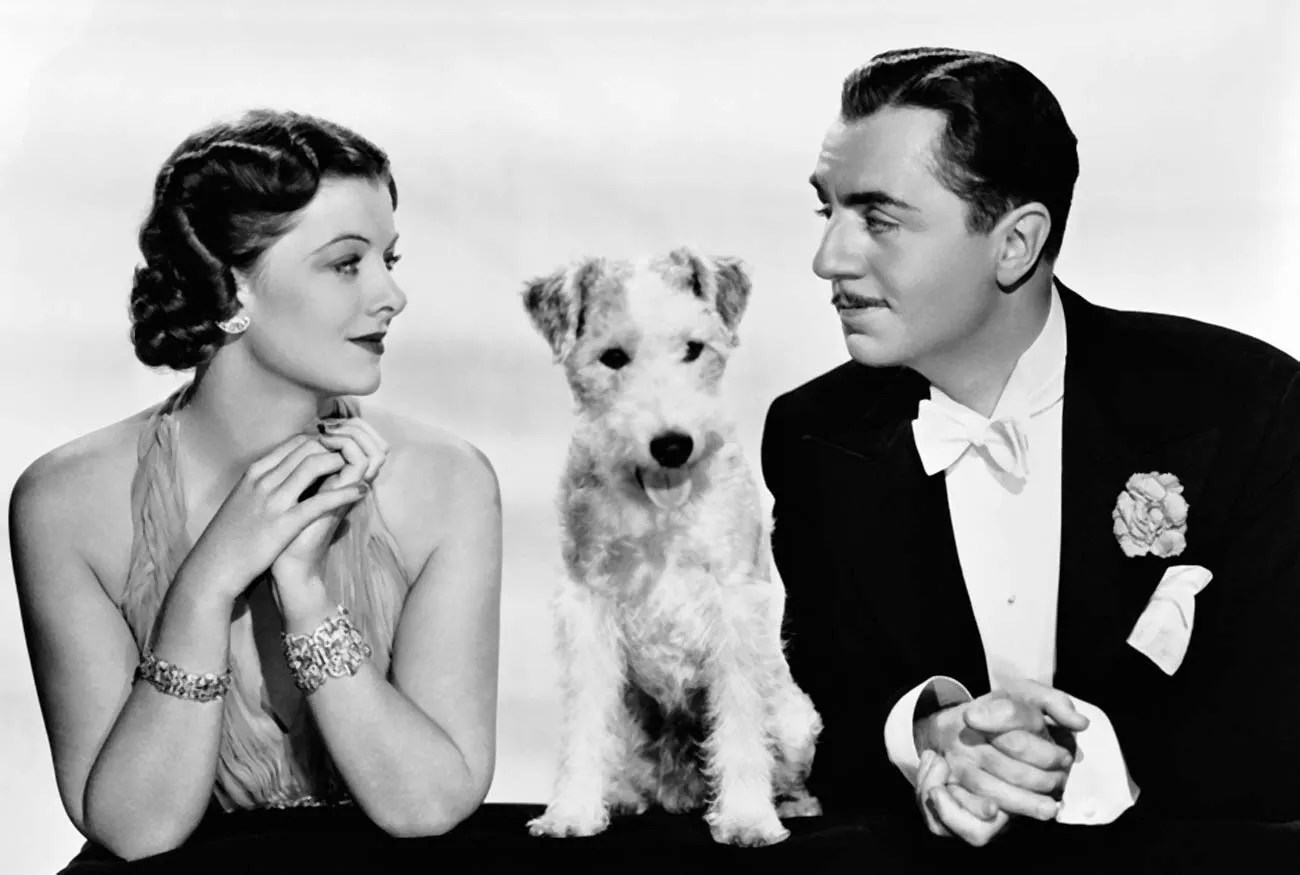
For the next month or so I will be sharing posts here and there about The Thin Man movies with William Powell and Myrna Loy.
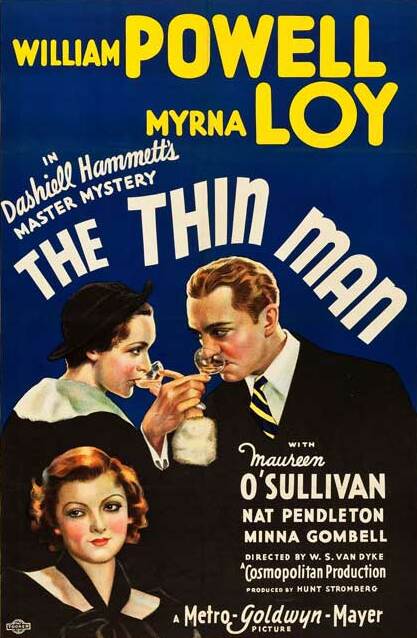
The series is my favorite movie series of all time. The six movies kick off with The Thin Man (1934).
The Thin Man will be 91 years old this year and, to me and many others, it still holds up.
This cozy mystery masterpiece has hit the Top 100 movies list from a variety of film organizations and critics over the years and for good reason. My family owns the DVD set of all six movies so we can watch any of the movies any time we want.
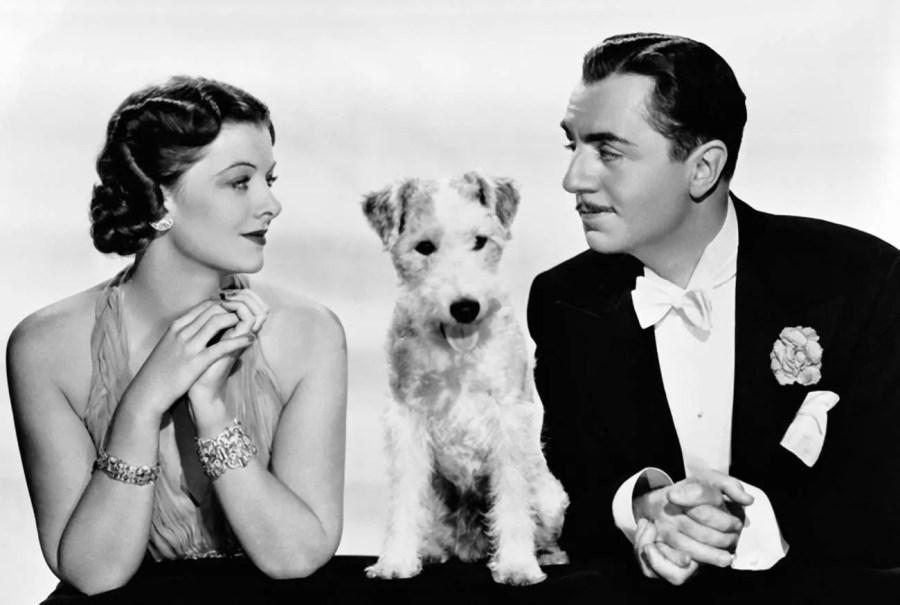
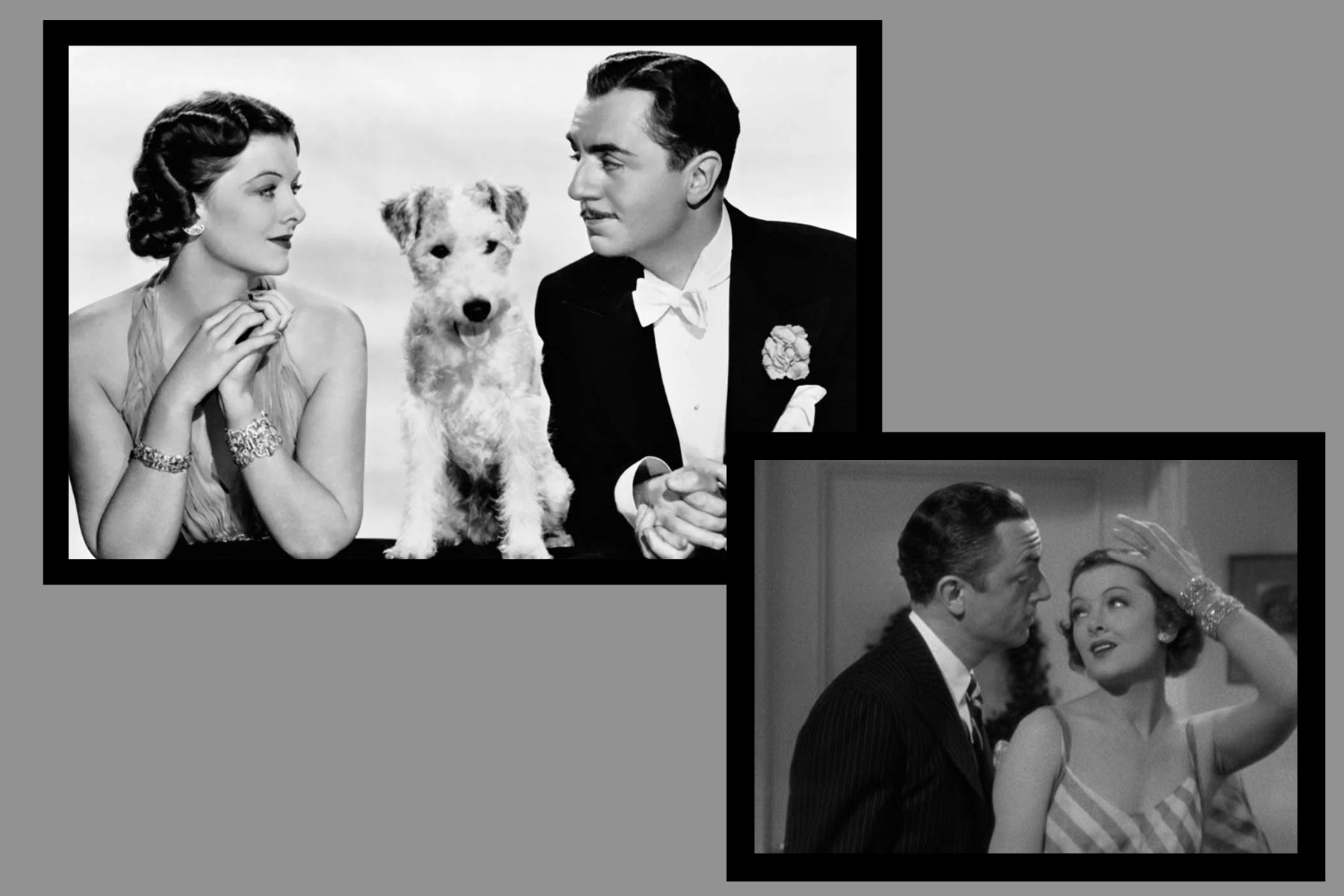
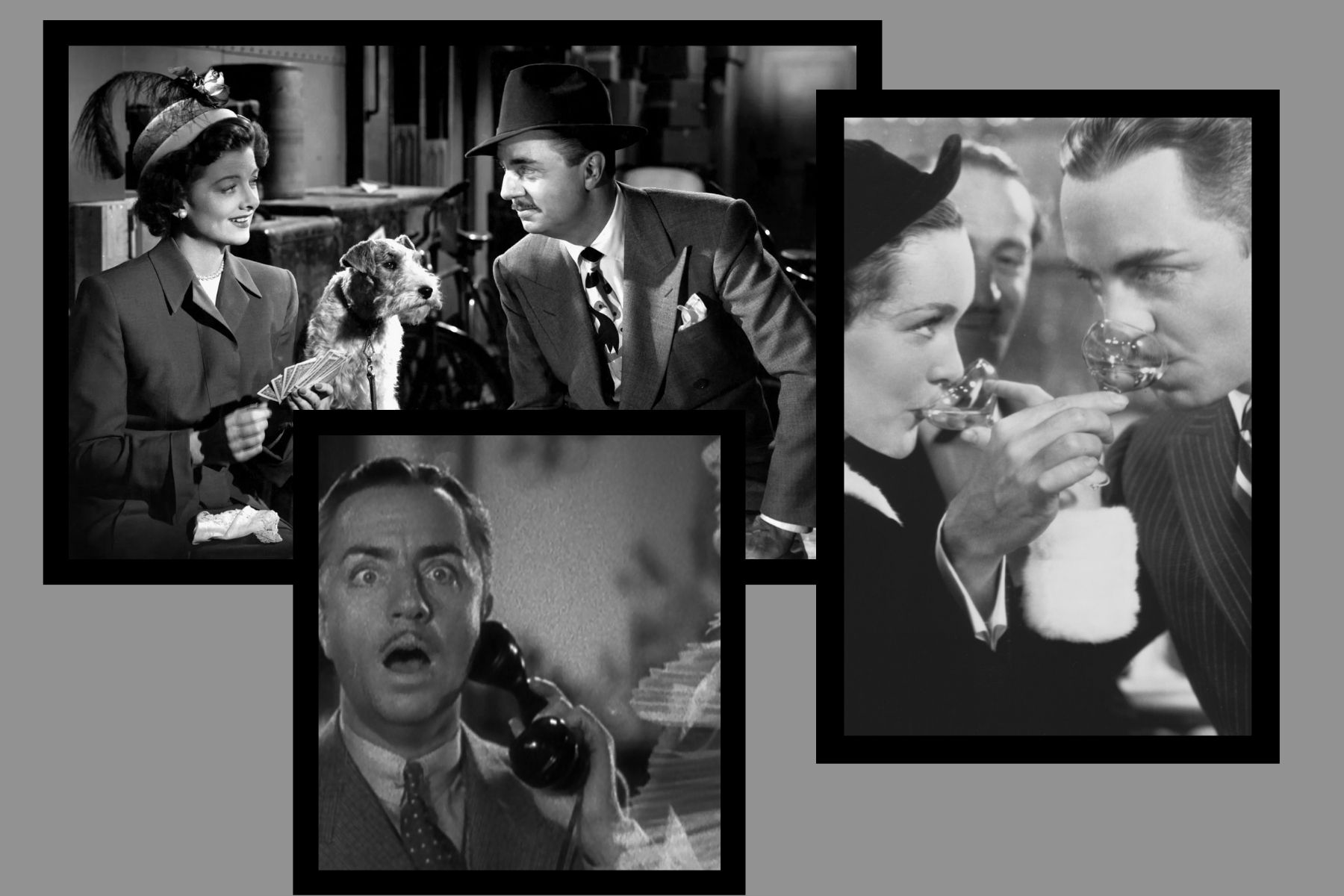
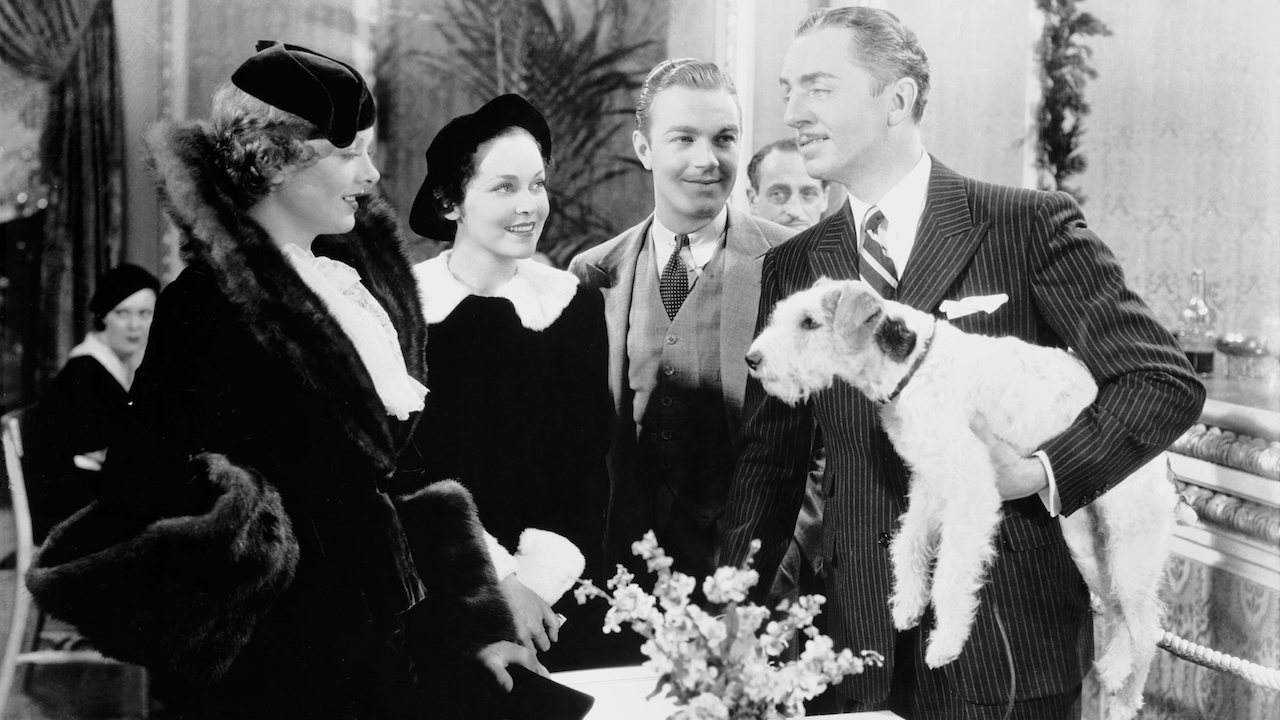
If you haven’t seen this movie or the five sequels involving witty, often intoxicated, private detective, Nick Charles (William Powell), and his equally witty and mouthy wife, Nora Charles (Myrna Loy), then you’re missing out.
Each of the six movies is full of mystery, zaniness, misunderstandings, mishaps, and hilarious interactions between Nick and Nora and everyone else. Oh and a crime or two is mixed in too.
The crimes themselves, and how they were committed, are a bit dark at times, but never graphic or gruesome and the darkness is always overshadowed by the Charles’ antics.
The pairing of Powell and Loy was the ticket for success in the 1930s as they were in a number of movies together and are still considered one of the best movie couples of all time.
Their first film was Manhattan Melodrama (1934) and directed by the same director of The Thin Man, W.S. “Woody” Van Dyke.
The Thin Man is based on a book by Dashiell Hammet and as the movie starts, we find Nick has retired from being a Private Investigator in New York City to help oversee Nora’s wealth as an heiress in San Francisco. This leaves Nick with a lot of time on his hand to go drinking, goof off and do some general carousing, though never with women because he is completely and utterly devoted to Nora.
Nora would like him to get back to work, though, so when they go back to New York for a visit and Nick’s former client, Clyde Wynant (who is later described as simply a thin man — hence the name of the book/movie), goes missing. His daughter Dorothy comes to Nick for help, Nora gently, and later not-so-gently, suggests he help.
What makes this movie such a fun one that might bring an occasional gasp from viewers is that it is a pre-Hays Code movie. That means it was filmed before a bunch of rules went into affect about what can and cannot be shown or said in movies. That’s why there were a couple comments from some of the characters in this that had me gasping and then laughing.
For example:
Nick: I’m a hero. I was shot twice in the Tribune.
Nora: I read where you were shot 5 times in the tabloids.
Nick: It’s not true. He didn’t come anywhere near my tabloids.
Before I forget, what makes these movies even more fun is the addition of Asta, the couple’s wife-fox terrier, who also acted in Bringing Up Baby with Cary Grant and Katherine Hepburn and The Awful Truth with Irene Dunn and Cary. He’s a fun addition who always adds to a scene. At one point Nick tells a criminal, (Summarizing here): Stay right there or my dog will get you. He’s vicious.”
All the while Asta is finding a place to hide under a table.
Asta’s real name was Skippy, by the way, and there are some fun stories about him, but I will share more about Asta/Skippy in future posts about the series.
So back in the beginning of the movie, before we even see Nick and Nora, Dorothy Wynant goes to her inventor father to tell him she’s getting married.
During that conversation we learn that Clyde cheated on Dorothy’s mother years ago with his secretary and they are now divorced. Later we will see that divorce really wasn’t such a bad thing because the ex-wife is absolutely batty.
Anyhow, shortly after Dorothy told her father she was getting married, we learn that Clyde Wynant’s former secretary and mistress, Julia Wolf, has stolen $50,000 worth of bonds from his safe. Those were going to go to Dorothy for her wedding gift. Clyde immediately suspects Julia, goes to her apartment, and finds her with a man named Joe Morelli.
Julia confesses she took the bonds, but she can’t give them back. She already spent $25,000 of them.
Clyde isn’t a very nice man and tells her she better get the $25,000 back or she’ll pay. He then leaves for a business trip and presumably never returns because three months later, Nick is out at a bar back in NYC for a visit when he runs into Dorothy who tells him her father is missing. She asks if Nick will help find him but Nick brushes her off by saying he’s sure her father will show up.
Things change later while Nick and Nora are throwing a party and Dorothy shows up to say Julia has been murdered and she truly feels her father is in danger. Now Nora pushes Nick to help out.
“You know, that sounds like an interesting case,” she says to Nick. “Why don’t you take it?”
Nick chuckles. “I haven’t the time. I’m much too busy seeing that you don’t lose any of the money I married you for.”
The really quirky and memorable characters show up when Dorothy goes to visit her mother, Mimi, who — like I said above — is crazy, but also is married to a loser, jobless husband named Chris. Living with her mother is her Mama’s Boy macabre-obsessed brother Gilbert.
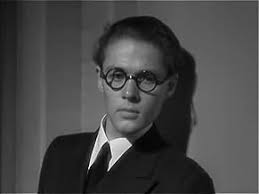
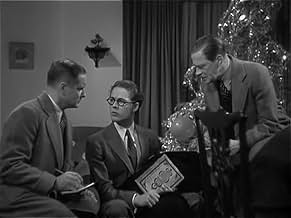
Gilbert is a bit of a nerd who walks around with a book and shows everyone how smart he is by using very big words and even bigger theories about things. He’s also a smart mouth.
At one point, he asks one of the cops: “Could I come down and see the body? I’ve never seen a dead body.”
The cop asks why he’d want to, and he says, “Well, I’ve been studying psychopathic criminology and I have a theory. Perhaps this was the work of a sadist or a paranoiac. If I saw it, I might be able to tell.”
Dorothy’s mother, Mimi, is self-focused and selfish and though she was cheated on and might have been a victim in any other movie, she’s a total mess in this movie. Her biggest worry is losing access to her ex-husband’s money, which she has been able to hold on to through alimony. When Julia is murdered, she sees an opportunity to get even more of her ex-husband’s money.
Going back to Nick and Nora … What makes them so memorable, beyond their amazing banter, is how they show that adventure, sex, and adoration doesn’t end after the wedding bells ring. I love how affectionate and playful they are throughout the series.
The writing for them is absolutely outstanding, which is probably because the screenwriters (Frances Goodrich and Albert Hackett) were told to focus less on Hammet’s story and more on the banter between the couple.
Some of my favorite exchanges:
Nora Charles: How many drinks have you had?
Nick Charles: This will make six Martinis.
Nora Charles: [to the waiter] All right. Will you bring me five more Martinis, Leo? Line them right up here.
——————
Nick Charles: Oh, it’s all right, Joe. It’s all right. It’s my dog. And, uh, my wife.
Nora Charles: Well you might have mentioned me first on the billing.
______________
Lieutenant John Guild: You got a pistol permit?
Nick Charles: No.
Lieutenant John Guild: Ever heard of the Sullivan Act?
Nora Charles: Oh, that’s all right, we’re married.
______________
Nora Charles: Pretty girl (about Dorothy Wynant)
Nick Charles: Yes. She’s a very nice type.
Nora Charles: You got types?
Nick Charles: Only you, darling. Lanky brunettes with wicked jaws.
_______________
Nora Charles: All right! Go ahead! Go on! See if I care! But I think it’s a dirty trick to bring me all the way to New York just to make a widow of me.
Nick Charles: You wouldn’t be a widow long.
Nora Charles: You bet I wouldn’t!
Nick Charles: Not with all your money…
According to information online, Hammett based Nick and Nora’s banter upon his rocky on-again, off-again relationship with playwright Lillian Hellman and the book itself on his experience as a union-busting Pinkerton.
MGM tried to prevent Myrna Loy from being cast in The Thin Man by telling director Van Dyke that he could have her “only if she was finished in three weeks to begin shooting Stamboul Quest (1934),” according to TCM. Van Dyke not only completed Loy’s scenes but all of the production somewhere between 12 and 18 days.
“Known as “One-Take Woody,” Van Dyke often did not bother with cover shots if he felt the scene was right on the first take, reasoning that actors “lose their fire” if they have to do something over and over,” Rob Nixon wrote for TCM. “It was a lot of pressure on the actors, who often had to learn new lines and business immediately before shooting, without the luxury of retakes, but Loy credited much of the appeal of The Thin Man to Van Dyke’s pacing and spontaneity.”
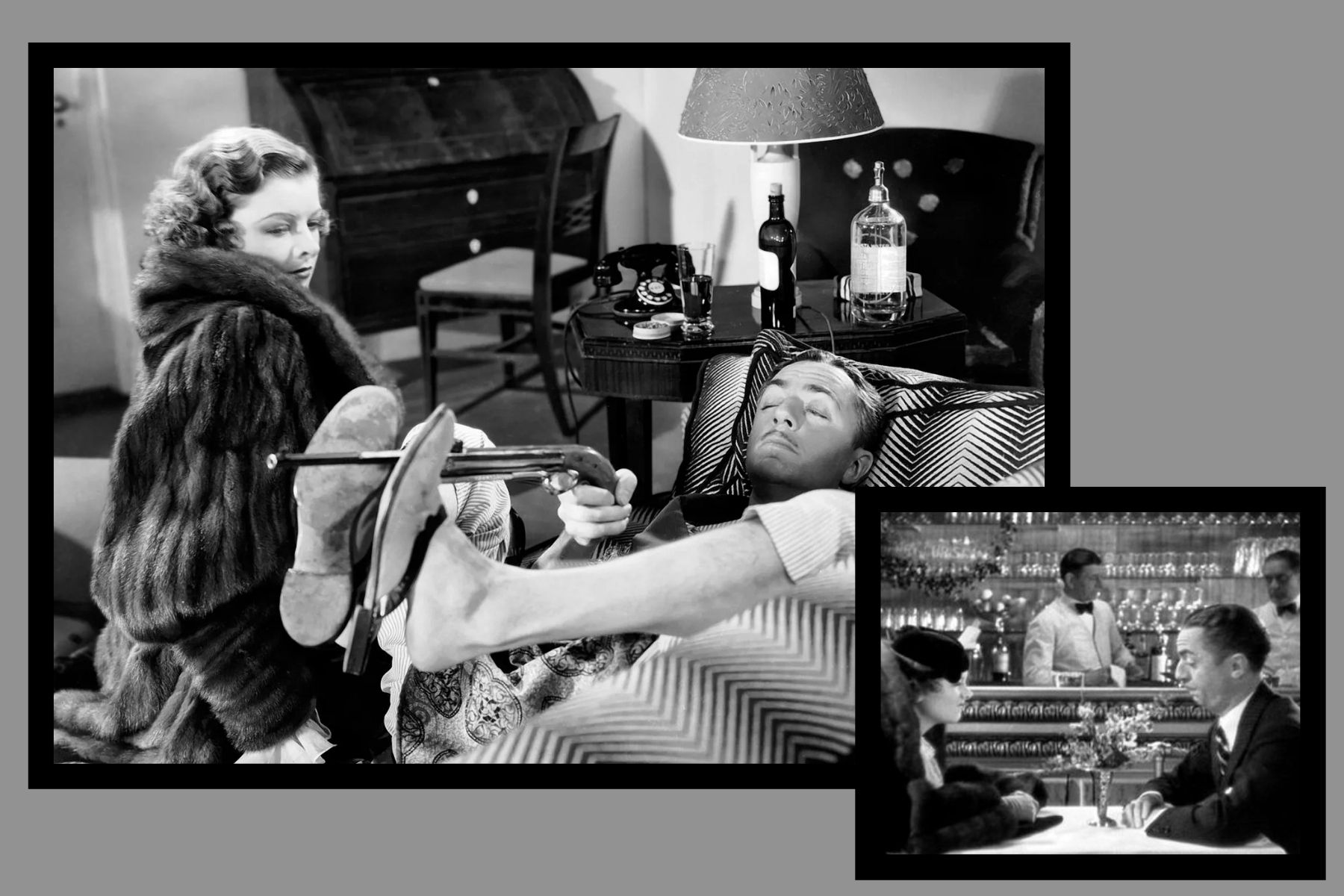
It was Van Dyke, with that whole desire of his to create natural reactions, who worked out Loy’s classic entrance into the bar and restaurant at the beginning of the movie — all her packages spilling on to the floor as Asta pulls her down the hall toward Powell.
Loy was told about the scene right before they shot it.
Van Dyke took a similar approach with Powell by telling him to take the cocktail shaker, go behind the bar, and walk through one of the early scenes while the crew checked lights and sound.
Powell did so and ad-libbed some comments to the crew as he worked out the scene. Before he knew it VanDyke yelled “That’s it! Print it!”
The director had had the cameras rolling the whole time.
He liked his actors as relaxed and natural as possible which is why a scene of Nick shooting the ornaments off the tree was added into the movie because “Powell playfully picked up an air gun and started shooting ornaments that the art department was putting up.”
I couldn’t find quotes from Powell about working with Van Dyke but there are quotes about working with Powell because he loved working with her.
“When we did a scene together, we forgot about technique, camera angles, and microphones. We weren’t acting. We were just two people in perfect harmony,” he said. “Myrna, unlike some actresses who think only of themselves, has the happy faculty of being able to listen while the other fellow says his lines. She has the give and take of acting that brings out the best.”
You can find plenty of opinions and articles about this movie online, most of them positive.
The Blonde at the Film wrote on her blog in 2014, “The Thin Man (1934) is a truly delightful mystery-comedy chock full of snappy dialogue, fantastic stars, art deco sets, magnificent costumes, enough mystery to make it suspenseful, and enough alcohol to give you a sympathy hangover.”
Christopher Orr wrote for The Atlantic: “As Nick and Nora, Powell and Loy subverted the classic detective film with comic aplomb and presented an impressively modern vision of marriage as an association of equals. They were also cinema’s most glamorous dipsomaniacs, a reminder of a bygone era when Hollywood could still imagine that charm, taste, and good humor might go hand-in-hand with the copious consumption of distilled spirits.”
His opinion of the mysteries in this movie and the others is fairly accurate, even though not altogether positive: “The mysteries themselves tend to be somewhat disappointing–needlessly convoluted, with solutions that often hinge on a last minute revelation or “clue” of dubious import (for example, whether or not someone announced themselves before opening a door). Rather, the chief pleasure of the films is in spending time with Nick and Nora as they tease, cajole, and romance their way toward the conclusion.”
Film critic Roger Ebert wrote of The Thin Man, “William Powell is to dialogue as Fred Astaire is to dance. His delivery is so droll and insinuating, so knowing and innocent at the same time, that it hardly matters what he’s saying.”
He continued: “Powell plays the character with a lyrical alcoholic slur that waxes and wanes but never topples either way into inebriation or sobriety. The drinks are the lubricant for dialogue of elegant wit and wicked timing, used by a character who is decadent on the surface but fundamentally brave and brilliant.”
Have you seen The Thin Man? What did you think of it?
Up next (at some point) I will be writing about the next movie in the series, After The Thin Man.