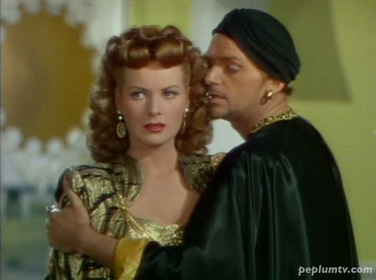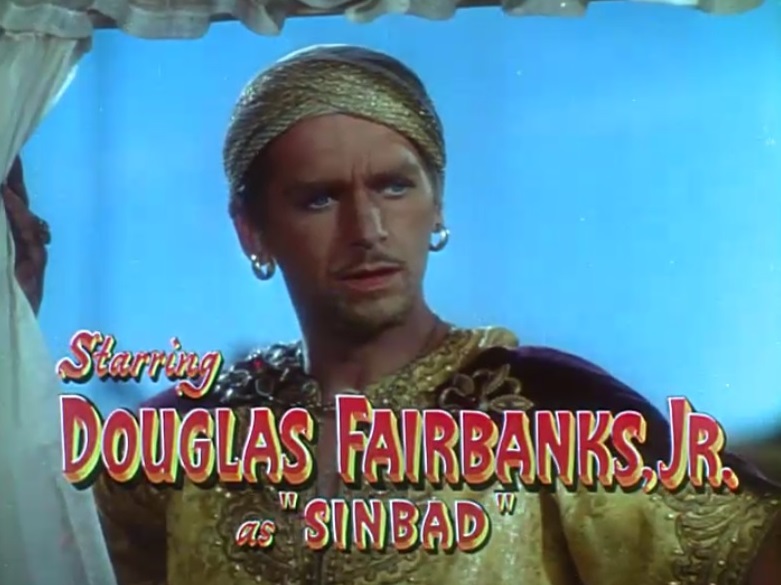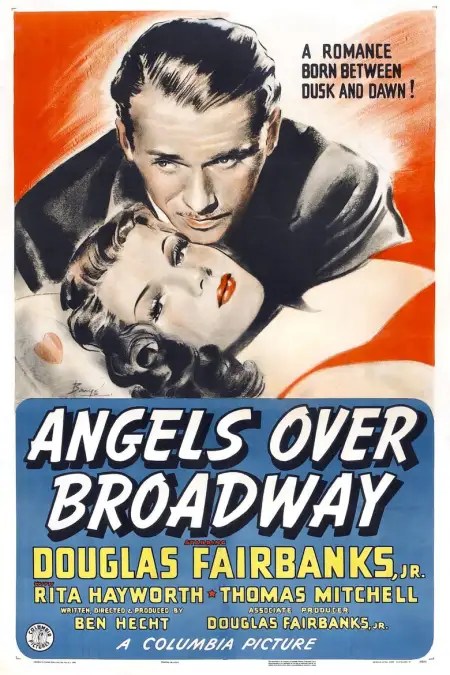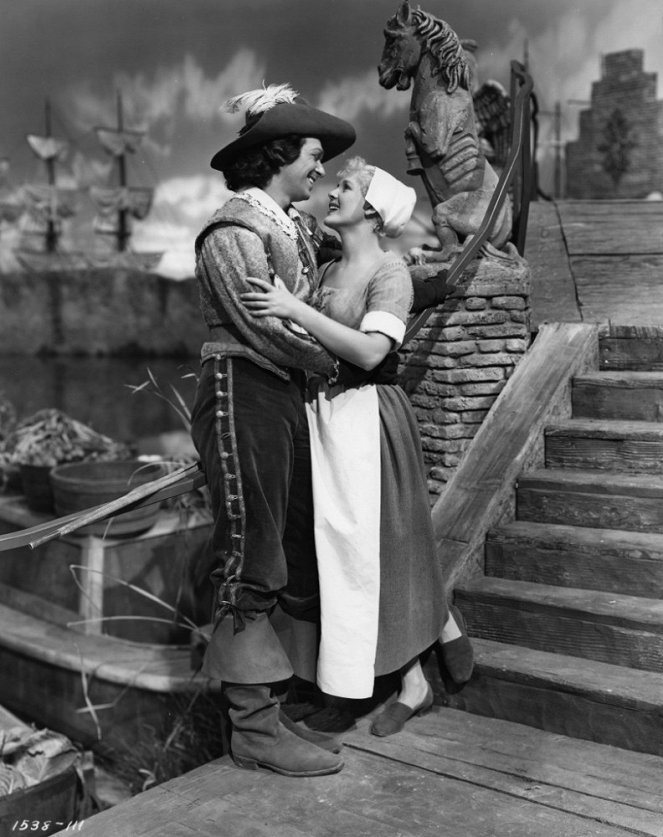
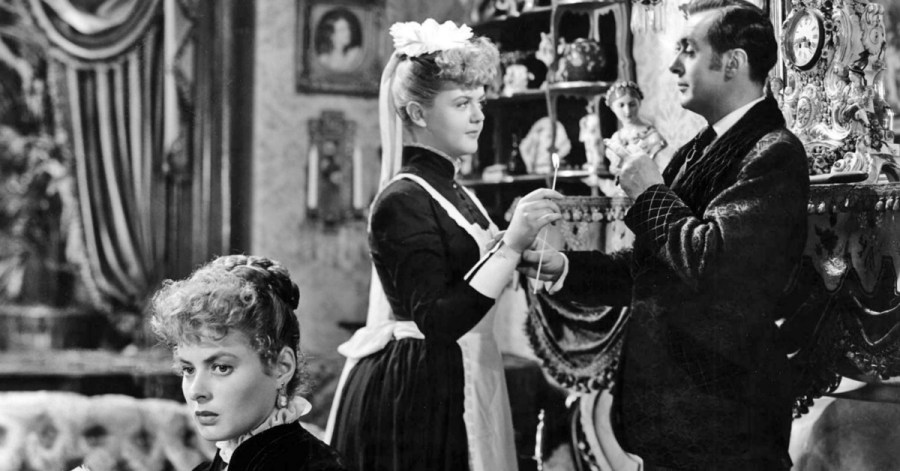
Winter of Douglas Fairbanks Jr.: The Young In Heart

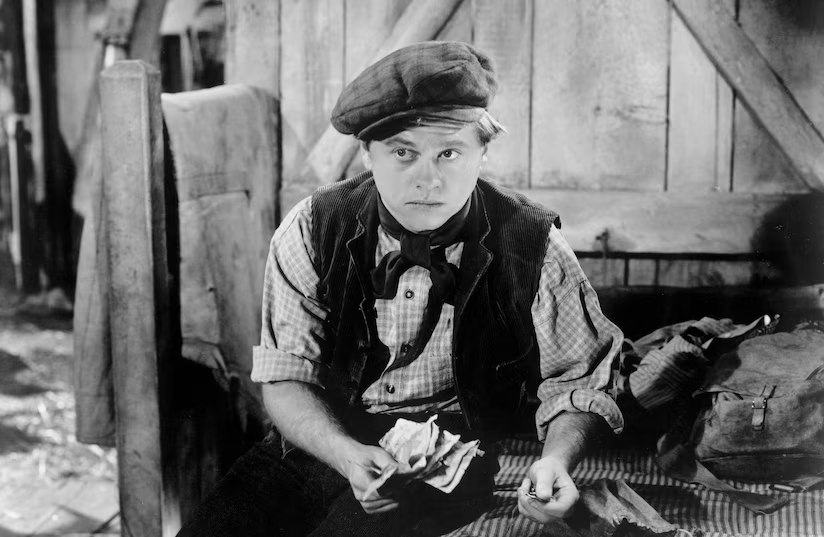
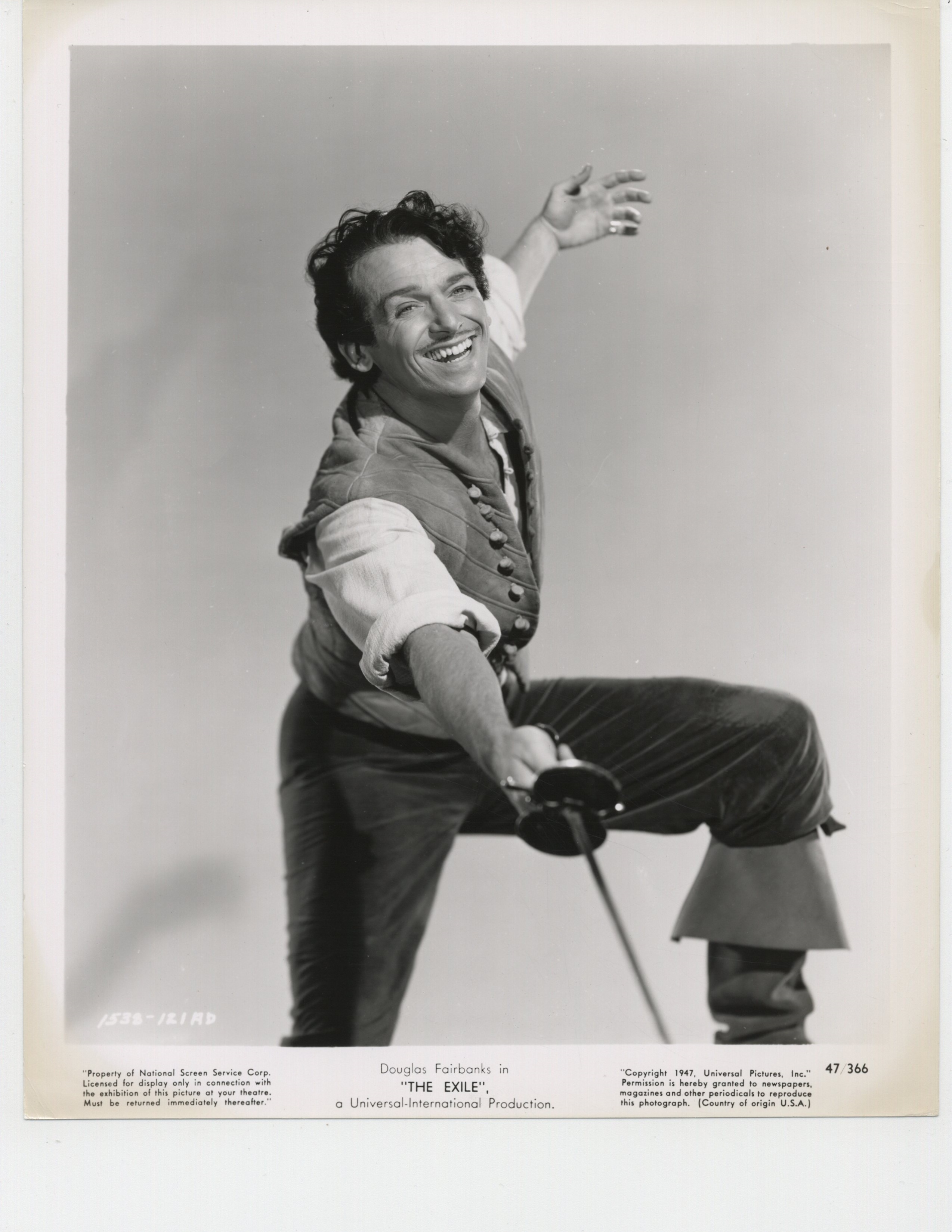
This winter I am watching Douglas Fairbanks Jr. movies for fun and this week I watched The Young in Heart. It was such a refreshing change after the disaster I felt Gunga Din was last week.


This movie was full of hilarious moments, charming characters, sweet transformations, and hopeful overtones.

I absolutely loved Douglas in this one. He played a more prominent role that in Gunga Din and was simply … shall I sound completely cheesy? Yes, I shall. He was completely delightful.

At one point I texted my friend Erin that a drunk Douglas is adorable.

You’ll have to watch the movie to know what I mean. I found this one for free on YouTube.

The Carlton family, of which Douglas is a part of in this movie, are not people you would want to know in real life. They are swindlers and grifters. They mooch off and manipulate people to scrape by in life.

We open the movie in the French Riveria with Douglas’s character (Rick) ready to marry a young woman whose father is rich.

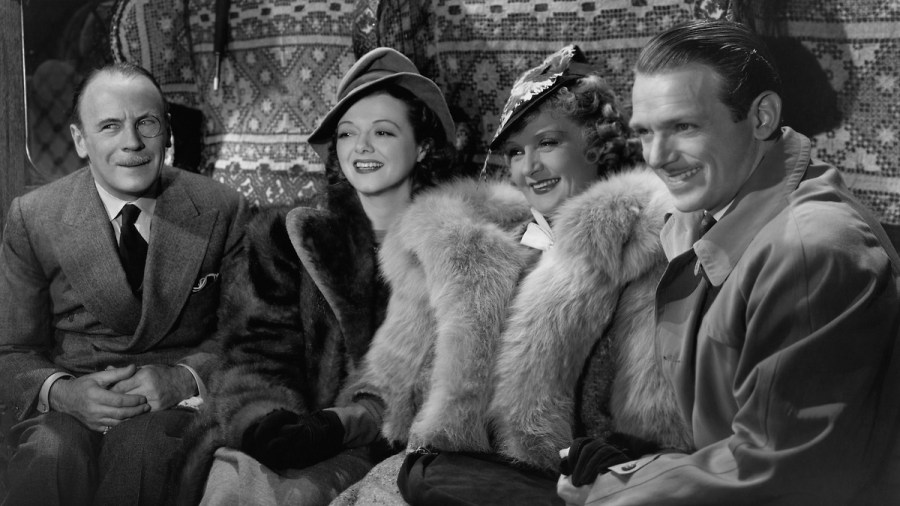
The rest of Rick’s family — father Col. Anthony “Sahib” Carleton (Roland Young), mother Marmey Carlton (Billie Burke), and daughter George-Anne (Janet Gaynor) — are thrilled with this plan because they know it will also set them all up for a rich life. George Anne might be even more thrilled because then she can marry a poor Scottish man who she’s fallen in love with, and the rest of her family will support her financially.

Everything falls apart, though, when the police find out about the family and reveal their conniving ways to the family of Rick’s future wife. The family is told to get out of France and end up on a train where they meet a ridiculously sweet woman (Minnie Dupree) who has only recently come into a great sum of money.

Ironically, her last name is Fortune. George-Anne sets out to swindle the woman out of paying for their lunch but the plan expands as the woman explains she lives alone in a big mansion left to her by a former suitor. She is saying how lovely it would be if all of them came to stay with her when there is a train derailment. Their car tips and at first Rick and George-Anne believe the old woman has died. She’s still breathing so the siblings carry her from the car and George-Anne covers her with her own coat.

We begin to wonder if the family is rotten through and through and are still playing things up as the woman later recovers and invites the family to come live with her.

They take her up on the offer and an odd friendship begins to form between them all. Soon George-Anne begins to feel guilty about what they are doing so she suggests to the family that if Miss Fortune believes they are a respectable family she will be more willing to let them live there and maybe even leave them money when she leaves. To play up this ruse she suggests the men get actual jobs and she and her mother act like caretakers and women who don’t swindle people out of money.

This is all very baffling to the family, which has always cheated and stolen for a living. When the men decide George-Anne’s plan might work and go to look for jobs, the scenes that follow are some of the most hilarious tongue-in-cheek moments I’ve seen in a movie.

Spinning around in the background of the family’s drama is the romance between George-Anne and Duncan Macrae (Richard Carlson), who she originally considered marrying when she thought he was rich. Duncan learned she was a con-artist along with everyone else and was shattered but still ends up chasing her down on the train back to London to tell her he still loves her.

She tells him to get lost, believing he’s much too good for her and . . . well, you’ll have to see where all that ends up.

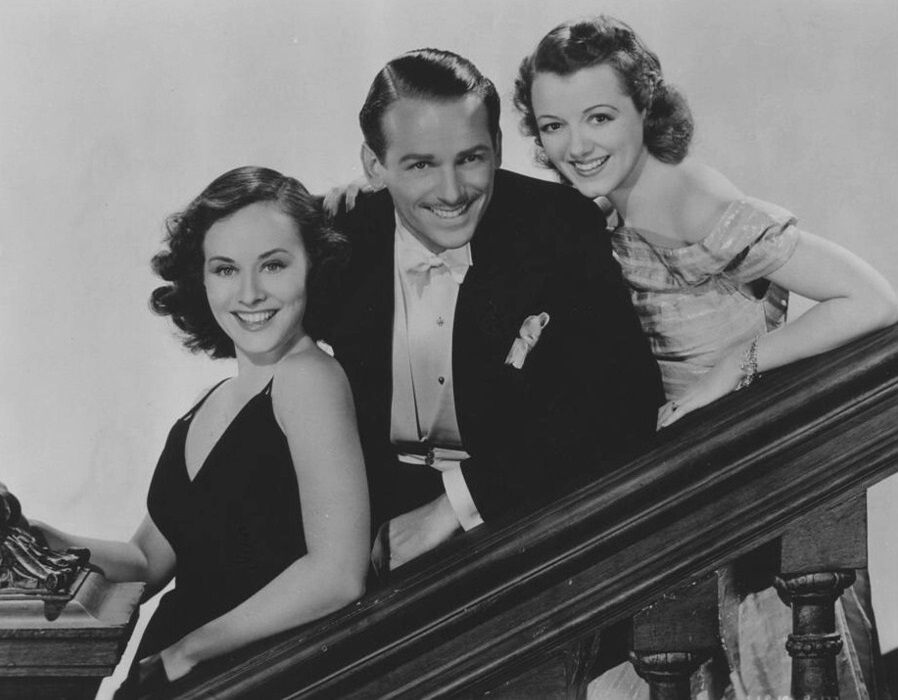
Rick is also having his own romance with Leslie Saunders (Paulette Goddard), a secretary and the engineering business  he applies at for a job.

This is the second – or shall I say third – movie I’ve watched in recent months with Billie Burke and there is no mistaking that voice if  you have seen The Wizard of Oz.

Yes, she is Glenda the Good Witch.

The screenplay for this movie was written by Paul Osborn and adapted by Charles Bennett from the serialized novel, The Gay Banditti by I. A. R. Wylie. That title certainly would have had a different connotation in the modern day, eh?

Anyhow, the novel appeared in parts in The Saturday Evening Post from February 26 to March 26, 1938.

The movie released in November of the same year. They certainly worked fast back then.

I found it interesting when I read that Broadway actresses Maude Adams and Laurette Taylor screen-tested for the role of Miss Fortune and that the footage is the only audio-visual samples that existed of both of them.

The movie was produced by – can you guess? Because it feels like every movie I write about lately is produced by him.

Yes. David Selznick. The man who produced what is considered one of the biggest movie triumps in the world — Gone with the Wind.

This movie was one of many he produced leading up to Gone With The Wind. The Prisoner of Zenda, which I wrote about a couple of weeks ago, was another. Goddard was actually rumored to be being considered to play Scarlet O’Hara in Gone With The Wind, which later, of course, went to Vivien Leigh.

While I was watching the part of the movie where Mr. Carleton goes to apply for a job, I was fascinated by the fancy car they showed. It was spinning like a pig on a spit at the front of the building and it was a very modern looking car and a very modern looking set up altogether.

According to Ultimate Car Page and Wikipedia,

The six-passenger 2-door sedan Flying Wombat featured in that scene was actually the one-of-a-kind prototype Phantom Corsair. The Phantom Corsair concept car was built in 1938 and designed by Rust Heinz of the H. J. Heinz family and Maurice Schwartz of the Bohman & Schwartz coachbuilding company in Pasadena, California.”

I also found it interesting that this was Gaynor’s last movie before retiring while she was at the top of her career. She made one last movie in 1957 called Bernardine.

Like I said above, I loved this movie. It was just what I needed to watch this week with so much sadness going on in the world. There was a lot of humor from all the cast but Douglas really had me smiling throughout. Not only because he is my latest old Hollywood star crush (watch out Paul Newman!).

Have you seen this one? What did you think of it?

Up next for my Winter of Fairbanks Jr. is: Having Wonderful Time (February 6)

The rest of the movies I will be watching include:

Chase a Crooked Shadow (February 13)

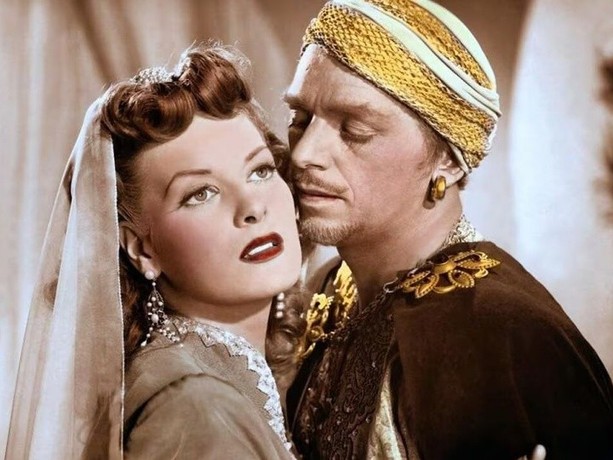
Sinbad The Sailor (February 20)

The Rise of Catherine the Great (February 27)

The Sun Never Sets (March 6)

You can also find my impressions of previous movies in the series, as well as other classic movies here: https://lisahoweler.com/movie-reviews-impressions/

Thanks to Cat from Cat’s Wire watching along with me this week. She wrote about her impressions of the movie here: https://catswire.blogspot.com/2025/01/the-young-in-heart.html

Classic Movie Impressions (Winter of Douglas Fairbanks Jr.): Gunga Din

Up this week for the Winter of Douglas Fairbanks Jr. is Gunga Din (1939), said to be one of his most famous movies.

I am going to let you know right up front that I rarely hate classic movies that I watch, but I pretty much hated this movie. This movie was a train wreck for me from beginning to end. Possibly a bit of a racist train wreck at that. It had a severe identity crisis — it wasn’t sure if it was a comedy or a drama.

For me this movie was Gunga Do..n’t.

When I first started it I thought, “Two of my favorite actors. Cary Grant and Douglas Fairbanks, Jr! Be still my heart!!!”

As I continued it, I thought things like:

 “Are these guys supposed to be British?”

“What accent is that? Is he trying to do an accent? Why is he trying to do an accent?”

“Why didn’t they let the Irish actor just have an Irish accent? His British accent is horrible.”

“Douglas looks bored out of his mind and like he wishes he could get out of his contract.”

“Is that a white man painted brown to look Indian? And that one too? And that one? And…

First a snippet of the synopsis of the movie from TCM.com:

In an encampment of Her Majesty’s Lancers in Colonial India, the commanding officer (Montagu Love) is distressed by the cutoff of communications from an outpost ten miles distant. He wants three of his most dependable sergeants to embark on an investigative mission; however, the trio must first be pulled away from a bar brawl to receive their orders. The comrades in arms include the calculating Cutter (Cary Grant), ever dreaming of finding a cache of riches; the grizzled veteran MacChesney (Victor McLaglen); and the gentlemanly Ballantine (Douglas Fairbanks, Jr.), whose sole focus is his imminent discharge and marriage to his fiancée (Joan Fontaine), much to the chagrin of his comrades.

Among the troops taken on the mission is the humble bhisti Gunga Din (Sam Jaffe), for whom life would hold no greater honor than to serve as regular Army. They arrive at the outpost to find the streets empty; the soldiers’ rousting of the homes turns up one small cluster of ostensible survivors.

Cutter’s drunken fixation with a legendary golden temple leads to a one-sided slugfest with MacChesney, a stint in the brig, and an audacious escape courtesy of Din and MacChesney’s beloved pet elephant. In their flight, Cutter and Din discover the mythical temple which, as they unfortunately learn too late, is also the gathering place of a criminal sect devoted to the Hindustani goddess of destruction Kali. Cutter offers himself to the cult to buy Din time to escape, and the quest for his rescue drives Gunga Din to its rousing conclusion.”

I don’t know what to say about this movie. I really don’t. It was a mix between a comedy and drama with a lot of racist undertones against the Indian people who Great Britain took over for no reason other than greed and power.

Then at the end they acted like these three idiots were heroes, when half of the people who died wouldn’t have if Cary’s character hadn’t been looking for gold.

To me it was a great big statement on imperialism and while the movie was trying o portray British patriotism I found it fairy sickening to watch them gun down Indians whose land it was in the first place.

And the music playing throughout this movie tried to make it seem like it was a goofy romp, even while the footage before our eyes tried to play it off as a serious epic. I was so thoroughly confused.

Also, Douglas Fairbanks Jr. looked so bored in much of this movie. It was like he was trying to figure out what was going on with the rest of us.

The movie was overbudget and took longer to film than promised, according to an article on TCM.com.

“Filming began in June of 1938 and was set to last for 64 days. Due to the working methods of director Stevens and to a studio anxious to produce its most prestigious picture to date, Gunga Din would ultimately go over budget, miss its release date of Christmas, 1938, and the shooting schedule would stretch well beyond the allotted 64 days to a total of 104 days.”

The movie was shot in the deserts of Lone Pine, California, and temperatures of up to 115 degrees took a toll on the cast and crew.

A number of scenes that involved journalist and poet Rudyard Kipling — who wrote the poem and short stories that the movie was based on — were cut at the request of his widow who knew that at that time audiences would have been shocked and laughed at the idea of a journalist being embedded with the army. This is something modern audiences wouldn’t even blink an eye at today.

I found it interesting that author William Faulkner worked on the original screenplay for $750 a week. I guess I always thought of him as more highbrow than writing screenplays for movies. In the end it wasn’t his screenplay that was used, but instead one by  Charles MacArthur and Ben Hecht.

The expenses paid out for the movie was one reason the movie ended up costing the most of any movie that the RKO Studio had made so far at $1.9 million. Of course it wasn’t the most expensive movie released that year. That went to Gone With The Wind produced by David Selznick’s Selznick International Pictures and Metro-Goldwyn-Mayer with $3.8 million.

Gunga Din only brought in $2.8 million but was re-released in 1941 and again in the 50s and gained back even more of it’s production costs over the years.

While I thought Douglas looked bored in this movie, he looked back on it with fondness, even though a biography on Cary reports that the veteran actor stole a scene from Douglas so Cary would look better.

From TCM.com: “In his biography Cary Grant: A Touch of Elegance, Warren G. Harris relates a story from the set in which “…Grant deliberately cheated Douglas Fairbanks, Jr., out of one of the most memorable moments in the picture. In a rooftop scene, Fairbanks had to wrestle with a native, pick him up and hurl him into the street below. Grant coveted the bit himself, so he told his co-star, ‘Doug, you really shouldn’t do this. It looks like you’ve killed the guy. It wouldn’t help your image. And you know your father would never have done such a thing on the screen.'” The ruse worked, and when Stevens asked for a volunteer for the shot, Grant jumped at the chance.”

This didn’t stop Douglas from still admiring Cary though because he later told another biographer writing about Cary: “ . . . .the most generous player I’ve ever worked with. He wasn’t just taking his salary. He was concerned that the picture be a good picture. He thought that what was good for the picture was good for him, and he was right. He was very shrewd that way. He was a master technician, which many people don’t realize, meticulous and conscious of every move. It might have looked impetuous or impulsive, but it wasn’t. It was all carefully planned. Cary was a very sharp and intelligent actor who worked out everything ahead. I called him Sarge or Sergeant Cutter, and he called me Ballantine right to the end of his life.”

There are other reviews online bothered by the racist undertones of the movie and just the confusing antics of the three main characters.

“I can see how the film would be epic at the time,” writes the author of Opus.ing.com. “But in this day and age, where epics are tossed off every six months or so, it’s hard to look past the film’s dated-ness and timely flaws. Not an unenjoyable film, but if you’re looking for a “classic” epic, you may wish to look elsewhere — and if you’re looking for an honest, unromantic view of British imperialism, you’ll definitely want to look elsewhere.”

This author also noticed Cary’s accent issues: “Far too much time is spent on the hijinks of the three officers, played by Victor McLaglen, Douglas Fairbanks Jr., and Cary Grant (whose accent seems to change with every scene), such that the titular character, an Indian bugler who wants more than anything to prove himself a soldier, easily becomes overshadowed.”

When I describe Cary’s accent issue, think Kevin Costner in Robin Hood: Prince of Thieves.

Yeah.

That bad.

TCM admits that there have always been issues with the movie regarding it’s political correctness (for lack of a better term). The film was even banned in India.

“But as a pure adventurous lark,” writes TCM’s Jay Steinberg. “Gunga Din holds up as well now as then, and retains its place amongst the top films of 1939, Hollywood’s greatest year.”

If he thinks so….I will just agree to disagree.

Have you ever seen this one? What did you think of it?

Up next for my Winter of Fairbanks Jr. is: The Young At Heart 

The rest of the movies I will be watching include:

Having Wonderful Time (February 6)

Chase a Crooked Shadow (February 13)

Sinbad The Sailor (February 20)

The Rise of Catherine the Great (February 27)

The Sun Never Sets (March 6)

You can also find my impressions of previous movies in the series, as well as other classic movies here: https://lisahoweler.com/movie-reviews-impressions/

I loved this history-filled post about the movie by Cat’s Wire.

Winter of Fairbanks Jr.: The Power of the Press

For the last couple of years, I’ve been taking a season or time period and watching movies with one actor or actress. I kicked it off in 2022 with a Summer of Paul by watching the movies of one of my favorite actors, Paul Newman.

Last spring it was Spring With Cary (Grant that is) and in 2023 it was the Summer of Marilyn.

This winter I’ve chosen Winter with Fairbanks Jr. (Douglas Fairbanks Jr.) because I just watched my first movie with him  — The Rage of Paris — a couple of months ago and thought it would be fun to explore his other movies, which I know I’ve never seen before because before The Rage of Paris I had never even heard of the guy.

I’ve already written about The Rage of Paris, so I kicked off my marathon with the first movie Douglas Fairbanks Jr. had a lead in The Power of The Press (1928). It is a silent movie directed by Frank Capra. This movie is one of the shortest I’ve watched in my life at about 59 minutes long.

I can’t say I’ve ever watched a silent movie all the way through before this one, so this was a new experience for me. I ended up getting very caught up in the story, especially the crazy car chase scene, which had me captivated.

Right before the scene there was an odd clip where one minute Clem is being held at gunpoint and the film glitches and then the man with the gun is tied up, but I was willing to overlook that because of the age of the movie and how challenging editing could be.

I was surprised how much of the story I could follow even without having constant dialogue. The acting by the actors really was well done and I can imagine they would have been very good in a talkie too. Their expressions told me all I needed to know in each scene.

The movie is about a rookie reporter named Clem Rogers (Fairbanks Jr.) who is frustrated with being relegated to the weather desk. He wants a chance to cover a big story but the editor deflects his requests.

This rejection amuses some of the more seasoned reporters who like to mock Clem, trip him, and, quite frankly, bully him. Having been in newspapers for about 15 years, I can confirm that cub or rookie reporters do go through a bit of initiation session from the more experienced reporters. Usually, it is very affectionate and non-violent, luckily.

Clem finally gets his chance to cover a big story when everyone else is out of the office and he’s the only one available to run to the sight of a murder. The murder victim turns out to be the city’s district attorney.

Once on the scene, Clem shows what a rookie he is by losing his press pass and being denied entrance to the scene. Instead, one of the other reporters from the paper shows up and tells Clem to get back to the office because he’ll take it from there.

Clem is depressed and leaves the scene around the back of the building where he sees a woman climbing out of a window from the crime scene.

He tries to chase her down but she’s able to get away. Luckily a man sees Clem chasing her and asks what’s going on. Clem tells him she’s running from the scene of a murder and the man says he’d be shocked if the woman was involved because she’s the daughter of the city mayor.

This leads Clem to run back to the newspaper and tell his editor he has a breaking story — the daughter of the mayor killed the district attorney.

Clearly Clem was never taught to check his sources or even find sources for a story and neither did the editor because the editor runs with it and splashes it all over the front page that the woman is a murderer.

She’s crushed by this and confronts Clem after the paper comes out. For his part, Clem is strutting around the office like a proud peacock because of his big scoop.

The mayor’s daughter — Jane Atwill (Jobyna Ralston) — comes to Clem, though, and is like (summary ahead), “Excuse me?! Why would you tell the world I killed a man! You don’t know anything about me.”

I’ll give Clem some credit because he’s like (more summation), “Oh. Wow. I screwed up. I’m so sorry. I’ll ask my editor to print a retraction.”

Ha. Good luck, buddy. If there is anything an editor hates more than missing a big scoop it is printing retractions. You have to have a very, very good reason to retract a story that big and Clem is going to need to prove somehow that Jane is not guilty.

This launches the pair of them on an investigation to find out who the true killer is.

A total aside here, but I loved how Fairbanks Jr.’s hair looked like Leonardo DiCaprio’s, or many other young men, from the 1990s. In some ways the movie looked modern for that reason – or it looked like they’d cut a modern actor into an old silent film.

I watched this one on Amazon but while researching for this post, I found it for free on YouTube. As far as I know it is the full movie, but you might want to double check.

The information online is a bit conflicting, but a couple different sources say that The Power of the Press was Fairbanks Jr.’s first outright leading role. While he played bigger roles in other movies (including his first movie at the age of 13 in 1923) he had not yet had a lead.

His career really picked up in 1929 after he married actress Joan Crawford. That marriage ended in 1933 and he later married Mary Lee Epling, who he remained married to until she passed away in 1988.

I’ve been enjoying reading about Fairbanks Jr. on Prince of Hollywood (link here), a blog dedicated to him, in case you are interested in learning more about him as well: https://douglasfairbanksjr.wordpress.com/filmography/

Up next in my Winter of Fairbanks Jr. Movie Marathon is:

Morning Glory – staring Fairbanks Jr. and Katherine Hepburn (1933)

Here is my complete list of planned watches if you want to join in:

The Power The Press (January 2)

Morning Glory (January 9)

The Prisoner of Zenda (January 16)

Gunga Din (January 23)

The Young At Heart (January 30)

Having Wonderful Time (February 6)

Chase a Crooked Shadow (February 13)

Sinbad The Sailor (February 20)

The Rise of Catherine the Great (February 27)

The Sun Never Sets (March 6)

Sunday Bookends: The many injuries of Little Miss, fun and light mysteries, and watching classic movies

It’s time for our Sunday morning chat. On Sundays, I ramble about what’s been going on, what the rest of the family and I have been reading and watching, and what I’ve been writing. Some weeks I share what I am listening to.

This week I’m joining up with Kimba at Caffeinated Reviewer, Deb at Readerbuzz, and Kathyrn at The Book Date.


What’s Been Occurring

Today I sit here as a parent amazed I didn’t spend most of yesterday in the emergency room after my 10-year-old daughter took fall after fall while riding scooters and playing with her friend.

The first one I saw (more may have happened before) was her coming off a steep hill, full speed, on the scooter, hitting the side along the road, and flying off the scooter, meeting the ground with her face. I actually didn’t fully see that one. I was recording the ride and saw the aftermath of her holding her wrist and saying, “That’s it. I’m done.”

She wasn’t done though and an hour or so later she and her friend were back at it and this time she swerved to avoid our cat and ended up on her knees on the pavement.

That incident was after she’d been rocking back and forth on a stool she was sitting on to eat her supper and the stool tipped and she landed on her arms on the legs of it. That time I was certain she’d broken her arm because a long red mark spread up her skin.

“This is it,” I said to myself and then did the mental gymnastics of how I would drive my husband’s big, ridiculous truck up to the ER since he’d taken the car to work, and tell the mom of Little Miss’s friend to meet us there, while explaining it wasn’t her kid this time. Her kids have a history of breaking bones. Her one son broke both his arms in the span of a month.

“I’m okay,” Little Miss said after a few minutes of rubbing the arm.

And back she went to eating her supper.

Later they rode the scooters, she skinned her knee, and when it got so cold we were all shivering and so dark I worried any cars coming up our street would run over them we went inside where she promptly tripped over the dog and almost fell into the coffee table and then turned on a lap and while walking away from it it fell and almost hit her in the head.

At that point, I felt like we should invest in bubble wrap and wrap it around her several times.

She was so tired last night she fell asleep in the middle of reading Harry Potter which was nice because usually I have to argue with her and tell her to put her book down and go to bed.

Zooma The Wonder Dog was also exhausted after having a long walk earlier in the day with The Husband, chasing the girls up and down the street, barking crazily at our neighbors, and almost getting run over by The Husband while he was backing out of the drive to head to work.

Today Little Miss is limping and sore. Luckily, she doesn’t have to do anything or go anywhere.

We are staying home as a family since The Husband actually has a day he doesn’t have to go anywhere.

Next week we have to go somewhere at least once place every day and The Husband has meetings or play rehearsals every single night. On Monday we have an appointment at the vet for our dog. On Tuesday we have art class. On Wednesday night Little Miss has Kid’s Club at a local church. On Thursday – oh, wait. I think we don’t have to go anywhere on Thursday. On Friday we have art class again and grocery pick up, or I might pick the groceries up on Saturday to avoid as much running since I did the art class and pick up this past Friday and it made it a very long day.

By the way, if you are new here, I call my husband The Husband for the sake of the blog as a joke. I nicknamed my son The Boy for the blog because The Husband jokingly calls him that sometimes so then I thought I’d call my husband The Husband to be funny. He does have a real name, of course, and since my name is the domain of this blog, anyone could find it out if they truly cared to know. And everyone who knows us knows his name and that I don’t walk around calling out, “The Husband, where are you?”

What I/we’ve been Reading

I’m juggling three good books and finding it hard to switch between them because I am liking each of them.

The Marlow Murder Club by Robert Thorogood

The Maestro’s Missing Melody by Amy Walsh

Grime Doesn’t Pay by Jay Larkin

 Two of them are mystery books – one involves murder, the other doesn’t (or at least not yet). The Maestro’s Missing Melody does have a mystery in it but isn’t hard hitting or a strict mystery book.

I’ve decided to share a description for each in case you are interested:

The Marlow Murder Club:

Judith Potts is 77 years old and blissfully happy. She lives on her own in a faded mansion just outside Marlow, there’s no man in her life to tell her what to do or how much whisky to drink, and to keep herself busy she sets crosswords for The Times newspaper.

One evening, while out swimming in the Thames, Judith witnesses a brutal murder. The local police don’t believe her story, so she decides to investigate for herself and is soon joined in her quest by Suzie, a salt-of-the-earth dog-walker, and Becks, the prim and proper wife of the local vicar.

Together, they are the Marlow Murder Club.

When another body turns up, they realize they have a real-life serial killer on their hands. And the puzzle they set out to solve has become a trap from which they might never escape….

The Maestro’s Missing Melody (this is part of a series but there is no reason to read them in order. I’ve read two so far and they are not connected in any major way):

For aspiring musician and college student McKay Moonlight, winning a summer internship with Scottish master fiddler Huntley Milne was a dream come true. When a last-minute change moved the internship program from the Scottish Highlands of her ancestors to a village she’d never heard of along the River Deben, McKay was determined to make the best of it. However, she didn’t expect to make such a terrible first impression on her summer mentor.

Hosting a bunch of college students was the last thing Maestro Huntley Milne needed. He was already up to his ears in problems, with Aunt BeeBee being placed in a care home, resulting in him having emergency custody of his tween nephew and niece. Then he met McKay Moonlight, and the chaos really began.

Grime Doesn’t Pay:

Fired from her boring office position, Jenny lands her dream job at Aunt Audrey’s Angels cleaning agency, where she pursues her twin passions of cleaning houses and solving mysteries.
Inquisitive, resourceful and persistent, the cleaner-turned-sleuth stumbles across mysteries wherever she works, including theft, extortion and fraud. Along the way, she enlists the help of a police detective, a private investigator and an attractive lawyer.
When Jenny herself is framed for a jewelry heist, she needs all her courage and tenacity to outsmart the criminals and reveal the truth.


I didn’t finish anything this week. I’ve just been reading along. A couple of weeks ago I finished one called The Case of The Innocent Husband, but I don’t think I mentioned that here. It was pretty good.Up

I have a tentative November TBR list that includes finishing the books I am currently reading and then adding The Secret of the Wooden Lady (A Nancy Drew Mystery), The Hound of the Baskervilles by Sir Arthur Conan Doyle, Miracle in a Dry Season by Sarah Loudin Thomas, and Christy by Catherine Marshall.

Will I get through all these? Eh, probably not but at least The Hound of the Baskervilles, which I am reading with The Boy for our British Literature class.

This week Little Miss has been reading Harry Potter, The Sorcerer’s Stone. The Husband is reading a book by Michael Connelly that I forgot the name of. The Boy is going to be starting The Hound of the Baskervilles with me this week.

What We watched/are Watching

This past week I watched Dracula for the Comfy, Cozy Cinema and wrote about it on the blog. Up next for Comfy, Cozy Cinema was supposed to be Skylark. Big problem. It has been removed from all streaming services when I thought it was still there! Oops! That was my mistake. So Erin and I decided to watch Bringing Up Baby with Cary Grant and Katherine Hepburn, which I have watched a couple of times and enjoyed. My dad is not a movie watcher but even he sat and watched this one and laughed so hard during it. This one is streaming on various services.

I’ll put up a post later today or tomorrow to let people know we’ve had to switch movies.

The other day I watched a movie called The Rage of Paris. I don’t know if the name matched the movie, but it was so funny and just fun to watch. It was made in 1938 but it really held up great.

I also watched a movie of Detective Kitty O’Day. That one was interesting and only about an hour long. It was released in 1941.


What I’m Writing

I will be finishing up Gladwynn Grant Shakes the Family tree this week and I am so excited! It has been a loooong haul on this one but it has also been a ton of fun. I’m already brainstorming ideas for book four.

This week on the blog I shared:

What I’m Listening to

I am not listening to much of anything right now but I want to finish the audiobook of Ever Faithful soon!

Recent Blog Posts I Enjoyed

Hello November by Still Life With Cracker Crumbs

Look Back, There is Hope by Becoming His Tapestry

Autumn Ballet by Mama’s Empty Nest

Ten Ways My Reading Habits Have Changed Over Time by Carla’s Book Crush

Now it’s your turn. What have you been doing, watching, reading, listening to or writing? Let me know in the comments or leave a blog post link if you also write a weekly update like this.

Comfy, Cozy Cinema: Blithe Spirit (1945)


Erin from Still Life, With Cracker Crumbs and I are watching Comfy, Cozy movies this September and October and this week we watched the 1945 version of Blithe Spirit.


This is a movie my husband and I had started a few months ago and didn’t finish up because we got interrupted and distracted by life, so when Erin suggested it for our Comfy, Cozy Cinema, I was all for it.

After watching it, I can share that this was not one of my favorite movies overall but there were parts I enjoyed and performances I found very well done. I also found the dialogue brilliant.

Before I go into my impressions, here is a little online summary of the movie, which is based on a play by Noel Coward:

“Skeptical novelist Charles Condomine (Rex Harrison) invites self-proclaimed medium Madame Arcati (Margaret Rutherford) to his home for a séance, hoping to gather material for a new book. When the hapless psychic accidentally summons the spirit of Condomine’s late wife, Elvira (Kay Hammond), his home and life are quickly turned into a shambles as his wife’s ghost torments both himself and his new bride, Ruth (Constance Cummings). David Lean directed this adaptation of Noel Coward’s hit play.”

I am going to get this out of the way now – I could have completely done without Rex Harrison in this movie. I hated his character. In fact, none of the characters were likable to me, but, as Erin pointed out to me after I watched it, that’s really the point of the play/movie – hence the title.

After double-checking the definition of “blithe” it made even more sense.

Blithe: showing a casual and cheerful indifference considered to be callous or improper.

That is exactly how every character in this movie acted.

While watching this movie, I also started to wonder if Rex Harrison is only capable of playing, arrogant, tone-deaf, rude, and bullheaded characters.

After watching him in Dr. Doolittle and My Fair Lady and now this – I can’t help thinking his range of an actor didn’t go much beyond these typecasts. I’m teasing a bit here because I have not seen every Rex Harrison movie. If you know of one where he isn’t a total jerk, let me know in the comments.

During the whole film, I wanted to throat-punch Rex’s character. Repeatedly.

I mean, it could be a hormone issue (I am at that age) or Rex Harrison might really have just been that annoying of a human being in this movie.

I know he’s playing parts in his movies, but he did it so well that I imagine there must be some of himself in there. I’ll have to research that at some point.

What I did like about this movie was Margaret Rutherford and it is fitting that this is the movie where she became known nation-wide in the UK after already having established herself on the stage and on television.

I first heard her name when I was researching actresses who had played Miss Marple in the past. Her first film debut was in 1936 but it was this performance – as Madam Arcati – that is considered her breakout performance. There are two reasons she might have done so well as the character – she had already portrayed Madam Arcati in the stage version of Blithe Spirit and Coward actually wrote the part with her in mind.

According to Wikipedia, theatre critic Kenneth Tynan once said of her performances on stage: “The unique thing about Margaret Rutherford is that she can act with her chin alone.”

She received rave reviews of her performance on the stage and the movies – from both critics and audiences.

After watching this movie I can see why – she played the part of being a batty old lady very well and if you delve into her sad history and upbringing, you would see why. That’s another tale for another blog post, but I’ll leave the link to her Wikipedia page here:

https://en.wikipedia.org/wiki/Margaret_Rutherford

Be warned there is some sadness about her life in that article, but also some joy and a great deal of success for her.

Even if this wasn’t a favorite movie of mine, I did not hate it. There were many humorous and witty moments in this movie and overall the acting was very good. I think in the end it simply wasn’t what I had expected – mainly because I had never seen the play.

One of the funny quotes from the movie was one that was removed from the U.S. versions by censors when it first released.

During an argument with Ruth, Charles tells her, “If you’re trying to compile an inventory of my sex life, I feel it only fair to warn you that you’ve omitted several episodes. I shall consult my diary and give you a complete list after lunch.” 

As I read what other viewers thought about the movie online I saw that most enjoyed the movie immensely but a few wrote that they found that the movie felt flat because they were comparing it to the stage version. In the stage version there was more of a chance for the actors to bounce of the audience and for the audience to respond with laughter, one reviewer said. In the movie version some felt the jokes and humor just fell flat.

I spent much of the movie not finding the humor very funny because I was so horrified how Harrison didn’t seem upset by any of the events that happened. Again, though, I needed to go back to that definition of blithe when I decided to rewatch some scenes before writing this post. After that I found some of the humor a little funnier and recognized it as being more tongue-in-cheek in some places.

Some viewers might sense the lack of humor in some places because the director, David Lean, apparently did not do a good job translating the play to film, at least according to Coward, who had worked with Lean on one of his previous plays being transferred to film, and enjoyed that experience.

Coward, in fact, informed Lean, after he saw a rough cut of the film, that Lean  had “screwed up” (but used a much more colorful term) the best thing he’d ever written.

Harrison later commented on Dean: ““When you’re on a comedy like Blithe Spirit, it is awfully hard working for a director who has no sense of humor.”

According to Wikipedia Harrison wrote in his memoirs:

“Blithe Spirit was not a play I liked, and I certainly didn’t think much of the film we made of it. David Lean directed it, but the shooting was unimaginative and flat, a filmed stage play. He didn’t direct me too well, either – he hasn’t a great sense of humour…..Lean did something to me on that film which I shall never forget, and which was unforgivable in any circumstances. I was trying to make one of those difficult Noel Coward scenes work… when David said: “I don’t think that’s very funny.” And he turned round to the cameraman, Ronnie Neame, and said: “Did you think that was funny, Ronnie?” Ronnie said: “Oh, no, I didn’t think it was funny.” So what do you do next, if it isn’t funny?””

The play, by the way, was written in six days at a seaside resort, where Coward had gone to escape the Blitz, according to Criterion.com.

Geoffry O’Brien writes in the article on Criterion: “..Blithe Spirit brought superficiality to another level of ambition: what audacity to write a comedy about death in the midst of bombing that would claim tens of thousands of civilian lives, a comedy in which the memory of a lost love became material for a punch line and mortality served as simply a piquant sauce for the same sexual dilemmas that were the staple of Coward’s brand of drawing room comedy. Blithe Spirit may be defined as a very British sort of resistance literature, encouraging resistance to encroaching catastrophe by blithely ignoring it.”

If you would like to read more about O’Brien’s thoughts (even he touched on how much better it is to see the play either before you see the movie or instead), you can find his very interesting (and full of big words) article here:

https://www.criterion.com/current/posts/2221-blithe-spirit-present-magic

I have to agree with O’Brien that the ending of the film is much more satisfying than the ending of the play, but I won’t share what I mean about that here in case you haven’t seen it yet.

I watched this one on Amazon Prime, where it was free with a subscription. It is also free right now on YouTube.

Read Erin’s impressions of the movie here: https://crackercrumblife.com/2024/10/10/comfy-cozy-cinema-blithe-spirit-1945/

Up next in our Comfy, Cozy Cinema is Alfred Hitchcock’s Rear Window. I’ve seen this one before but it’s been a few years so I am looking forward to watching it again and am glad that Erin suggested it.

Feel free to link up your own impressions of the movies at our link-ups. The links close at the end of the week but feel free to leave your blog post on future link-ups, even if it is for another movie.

Here is the rest of the schedule:

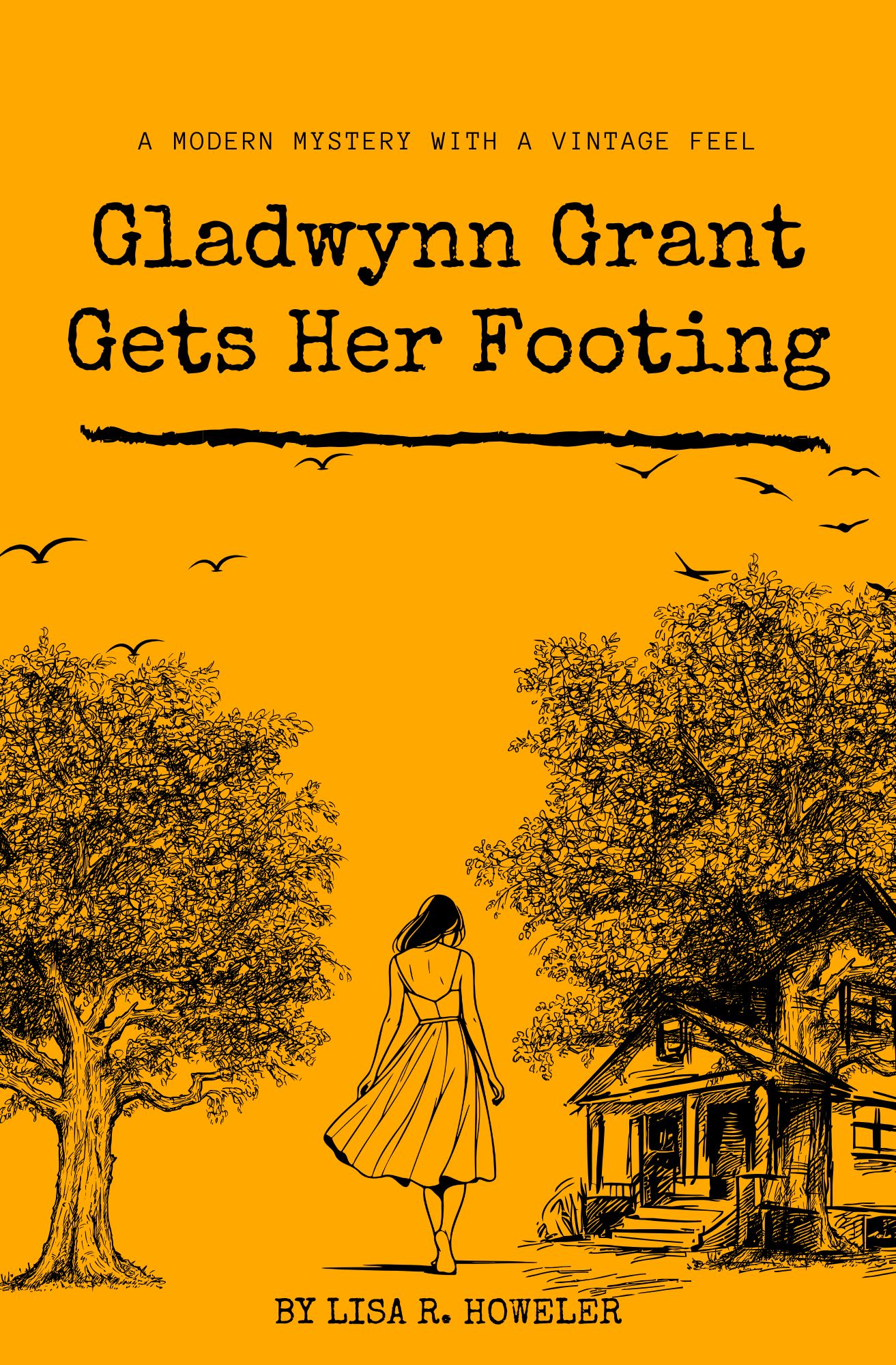
Also, don’t forget our Comfy, Cozy Care Package giveaway is still open until Oct. 15. We are giving away some things to make your autumn even cozier. The gifts include my book (Gladwynn Grant Gets Her Footing), Erin’s poetry compilation book, stickers, a journal, an autumn-themed mug, pumpkin-shaped chocolates, a book light, a blanket, and boxes of tea. We also hope to throw a few extras in to the winners!


You can enter anytime between today and October 15th, and the winner will be announced on our blogs on Thursday, October 17th. Please enter via Rafflecopter and it is only open to those 18 or older living in the US.” You can enter here: https://www.rafflecopter.com/rafl/display/3614a4fa2/?

You are invited to the Inlinkz link party!

<a

Comfy, Cozy Christmas Movie Impressions: Holiday Affair

Welcome to another post where I share my thoughts about a Christmas movie I recently watched.

(This post is part of the Comfy, Cozy Feature with Erin from Still Life, With Cracker Crumbs. Read more about it and join up to the linky here. )

This movie stars Janet Leigh, Robert Mitchum, and Wendell Corey. Note: I will not be including large spoilers in this post.

Leigh plays Connie Ennis, a widower, whose husband died in World War II. She has a 6-year-old son, Timmy played by Gordon Gerbert , (ironically I worked with a man named Tim Ennis and my husband still works with him). She is dating a man named Carl (Wendell Corey) who is predictable and safe. You know, the ole’ boring boyfriend versus the dashing and bold potential boyfriend trope.

Mitchum plays Steve Mason, whom Connie meets at a department store when she’s there as a comparison shopper for another store. Steve pegs her in her role right away but doesn’t turn her in because she tells him she’s a single mom and her son’s only support.

That move gets him fired and one would think that means he is out of Connie’s life. On the contrary, they continue to have interactions when Connie goes to apologize to him and then he ends up helping her out on her next shopping trip.

That encounter leads to Steve meeting Timmy, who is enamored with Steve – much more so than Carl, who he knows wants to marry his mother.

Timmy acts out with Carl and is sent to his room and this leads to a heart-to-heart with Steve who learns Timmy wants a train for Christmas.

Steve makes this happen and yet another interaction occurs between him and Connie.

There is a lot of back and forth in this film and more than one interaction between Connie and Steve when she walks away from him angry and he just watches her walk away with a smug grin.

Steve knows he gets under Connie’s skin and he knows there is a spark between them. Connie, though, isn’t willing to admit that she could have a passion for any man other than her late husband. She doesn’t really have passion for Carl.

Part of the time I felt like both Carl and Steve wanted Connie to just get over her dead husband already and that annoyed me. Both men seemed threatened by a dead man.

Since Timmy is six, it’s probably been about five or six years since Guy, Connie’s first husband, has been dead. That is a fairly long time but I didn’t think it was fair of either man to want Connie to just forget her late husband.

Then I realized that it wasn’t that the men wanted her to forget Guy – they wanted her to be able to remember the good times of her marriage with him while not being afraid to find happiness in the future. In fact, one of them says this explicitly but I missed it so I went back and watched their interaction again.

I felt much better about the intent of the men after that and could agree with others who called it a clever and touching film, even if there were a few times I thought Steve Mason should be smacked. Ha!

This is a movie with a definite love triangle, of course, and you’ll have to watch to see how all that works out. Some of the movie is predictable but some of it isn’t. There are plenty of surprises to make this movie a unique and non-traditional Christmas watch.

There are some great lines like when Steve says to Connie at one point: “I don’t think I should stay around – I might fall in love with you.”

I also loved Connie’s in-laws. They were one of the cutest elderly couples I’ve seen in a film with all their witty banter. Mr. Ennis had a cute quote: “Mother, I’ve been married to you 35 years. You boss me, you heckle me, you hide my things and pretend I’ve lost them just so I have to depend on you. You’ve spent 35 years trying to make me admit that I couldn’t possibly get along without you; and you’re right. I couldn’t. What’s more, I wouldn’t want to. Every one of those years was good, even the bad ones because you were with me. And so I drink to your health and all the wonderful years to come.”

I also liked:

  • Steve Mason: You see, if you aim higher than your mark, then you’ve got a better chance of hitting the mark.
  • Connie Ennis: But he shouldn’t feel that he’ll always get everything he wants.
  • Steve Mason: Well, not always, no, but every now and then, so that he’ll know that these things can happen.
  • Landlady: It’s the last room at the end of the hall.
  • Connie Ennis: Oh, thank you.
  • Landlady: And leave the door open.
  • Steve Mason: [Connie rings door bell] Come in.
  • [Connie opens door and enters]
  • Steve Mason: Well, you found the place. You know, very few people come here to eat anymore. Too much atmosphere. We’ve been thinking of closing down the joint to redecorate.
  • [Closes door]
  • Connie Ennis: Uh, the landlady said to keep the door open.
  • Steve Mason: Let’s worry her, huh?
  • [Closes Murphy bed closet]
  • Steve Mason: But let’s not worry you.

According to an article on Turner Classic Movies, Holiday Affair was a box office flop that became a hit through repeated television airings, much like It’s A Wonderful Life.

It’s A Wonderful Life became the bigger classic, of course.

Mitchum’s casting was seen as a little odd at the time considering he’d just come off an arrest and prison sentence for pot possession. RKO’s owner and tycoon Howard Hughes had faith in him, though, and pushed for his casting to be kept.

According to TCM, “In fact, just before filming started on Holiday Affair, RKO paid $400,000 to acquire sole ownership of Mitchum’s contract from independent producer David O. Selznick, who had shared the contract with RKO.”

Mitchum may have had a bad boy reputation, but according to articles about the making of the movie, he was a dedicated actor and a practical joker. He made a point of using his jokes for a purpose, like when he and Corey both put their hands on Leigh’s knee in a scene to get her to make a certain face that was perfect for the final cut.

Mitchum also kissed her for real during the kiss scene to throw her off and that move also made for a realistic shocked reaction.

Leigh wasn’t as comfortable with Hughes, though, according to TCM.

“Leigh wasn’t as happy about her relationship with Hughes, who had arranged to borrow her from MGM for a series of pictures starting with Holiday Affair,” the article reads. “But that didn’t prevent a very strange encounter when he summoned her for a private meeting toward the end of production. Hughes presented her with a private eye’s report on her activities, claiming her current boyfriend, Arthur Loew, Jr., had ordered the investigation out of jealousy. Leigh saw through the ruse at once – all of the people she was linked to in the report were members of Loew’s family. Clearly Hughes had ordered the investigation himself. She informed him that their future meetings would be strictly business if he wanted her to keep making films at RKO.”

I found this movie free on Tubi and also on Max. It is available to rent on other streaming services, including Amazon Prime and AppleTV. If you know of anywhere else it is streaming, please let me know.

Have you seen this movie?

What did you think about it?

Comfy, Cozy Cinema: Rebecca (1940)

For the rest of October and all of November, Erin from Still Life, With Cracker Crumbs and I will be watching cozy or comfy movies and some of them will have a little mystery, creepiness, or adventure added in.

This week we watched Alfred Hitchcock’s Rebecca from 1940 and, no, the movie isn’t comfy or cozy so we should have called this feature Comfy, Cozy, and Creepy. Regardless of what the feature is called, Rebecca is a bit of a creepy movie. Technically it is called a gothic psychodrama.

Whatever it is called — it has an eerie air about it all the way through.

The story follows a woman (Joan Fontaine) who falls in love with Maximillian (Maxim) de Winter (Lauren Olivier), a brooding widower. Despite being told by her companion, Mrs. Van Hopper that Maxim is still obsessed with his dead wife Rebecca, this woman pursues a relationship with Maxim. The woman is also never named, apparently, that’s how unimportant she is to Maxim, I suppose. She’s simply ever called “the second Mrs. De Winter.” I find that odd, but anyhoo…

There are a lot of red flags when she is dating Maxim at first. Like his outbursts for one.

And the fact that Mrs. de Winter number two is completely obsessed with the man. Like desperately obsessed. Plus his proposal is a bit crazy. “I’m asking you to marry me, you fool.”

And that is only a short time after they meet. Insert wide-eyed face here. Can we say yikes?

Mrs. de Winter number two and Maxim get married very quickly and move to Maxim’s mansion, Manderley (because all rich people name their mansions and estates and I find that weird). Things start to get really creepy at the mansion because Maxim is even more broody there, but also because his housekeeper, Mrs. Danvers, is a real ghoul of a woman. Mrs. Danvers was a confidant of the first Mrs. de Winter, which she likes to tell the second Mrs. de Winter a lot. Mrs. Danvers has even kept Rebecca’s room like she had it before she died.

As the story continues, it is clear that the first Mrs. de Winters died under suspicious circumstances, even though Maxim told everyone she died by suicide.

Mrs. de Winter number two tries to cheer her new husband up by holding a house party but ends up wearing a dress Rebecca used to wear, which freaks Maxim all out. Of course, Mrs. Danvers told her to wear the dress.

It’s clear throughout this movie that Maxim needed some therapy after his first wife’s death but it will become even clearer that he needed that therapy for a reason other than her supposed suicide after a storm washes a boat ashore and –

Well, you will have to watch the movie to find out why.

Olivier is perfect in this movie as Maxim. He’s handsome, brooding, mysterious, and a bit jerky all at the same time. He reminds me of Cary Elwes in The Princess Bride, or Elwes reminds me of him actually since Elwes came afterward – you know what I mean.

Maxim is clearly in love with Mrs. de Winter number two (despite the fact she doesn’t have an identity apart from being his wife since her name is never used) but he can’t fully love her because of his past experience with wife number one.

This movie, by the way, is yet another adaptation of a book. Rebecca was originally written by Daphne du Maurier and producer David Selznick told Hitchcock he wanted the story of the movie to follow du Maurier’s story.

According to the American Cinematographers site, ” Kay Brown, East Coast story editor for Selznick, sent a synopsis to her boss with the highest recommendation (after reading the book). After consulting with his resident story editor, Val Lewton, the producer acquired the film rights to du Maurier’s book for a hefty $50,000.”

There was one huge difference between the book and the movie and it had to do with Hollywood codes and the ending, but I’ll leave you to figure that out on your own in case you have never seen the movie because it is a spoiler.

I did find it interesting to read during my research that du Maurier did not want Hitchcock to write the screenplay for this movie because she hated his adaption of Jamaica Inn, released in 1939. She said it reflected his cavalier attitude toward the original source material.

In the end, du Maurier didn’t have to worry because Selznick made Hitchcock keep the movie very close to the source material. It is interesting that the screenplay was written by Joan Harrison and Robert E. Sherwood and not Hitchcock.

Hitchcock told a magazine in 1938 that he planned to make the movie like he would a horror film.

Selznick and Hitchcock on the set of Rebecca,

“This is really a new departure for me,” he said in the November 5, 1938 edition of Film Weekly. “I shall treat this more or less as a horror film, building up my violent situations from incidents such as one in which the young wife innocently appears at the annual fancy-dress ball given by her husband in a frock identical to the one worn by his first wife a year previously.” (source American Cinematographer site: https://theasc.com/articles/du-maurier-selznick-hitchcock-rebecca). 

This was Hitchcock’s first time working with Selznick and it is clear that in some ways he didn’t like working with him since at the end of the movie Selznick wanted a large plume of smoke to form an “R” (having to do with the plot) but since Selznick was so busy with finishing Gone With the Wind, Hitchcock had the R on the pillow instead. Hitchcock also edited the film in-camera, which means he only shot the scenes he wanted in the final film. The idea behind this was to keep Selznick from being able to cut or rearrange things.

Selznick did, however, find a way to re-edit the film and add his own touches to it, including adding some of the music. As always in Hitchcock’s films, this movie included many incredible cinematography moments, including a reflection in a pool of water of couples dancing in one scene.

The film was nominated for nine Oscars and won for best picture and (no surprise) cinematography in 1940, but surpisingly no awards were given to the actors or the director.

According to one article I read, Selznick always lived in the shadow of Gone with the Wind, never feeling like anything he did afterward measured up to it. Rebecca was the only movie he felt came close to Gone With The Wind.

I also found it sad and interesting that the filming for the movie began on September 8, which was only five days after England declared war and eight days after the German Army invaded Poland.

They budgeted the production for 36 days, but in two weeks the company was five days behind schedule, partially because the cast and staff were so worried about the safety of friends and family.

I have a lot of positives about this movie, but one thing I didn’t like was the constant score in the background. I really found the constant playing of music in the background to be irritating. The movie could have been, and was, suspenseful without it.

Have you ever seen Rebecca? What did you think of it?
If you haven’t watched it, you can currently find it for free on YouTube:

To read Erin’s impression of the movie, visit her blog here: https://crackercrumblife.com/

If you wrote a blog post about the movie you can share it in our link up.

Coming up in our Comfy, Cozy feature:

Little Women (November 2)

Tea with The Dames (November 9)

A break for Thanksgiving

And

Sense and Sensibility (November 30th)

You are invited to the Inlinkz link party!

Click here to enter
https://fresh.inlinkz.com/js/widget/load.js?id=c0efdbe6b4add43dd7ef

Comfy, Cozy Cinema: The Lady Vanishes

For the rest of October and all of November, Erin from Still Life, With Cracker Crumbs and I will be watching cozy or comfy movies and some of them will have a little mystery or adventure added in.

This week we watched the 1938 Alfred Hitchcock Film The Lady Vanishes. This was my second time watching it but I honestly had forgotten half of it so I was glad Erin suggested it.

I needed the distraction watching it provided this week. I know. I say this every time I write about the movie we are watching, but I need a lot of distractions these days and this week especially.

The movie begins in the fictional country of Bandrika where Iris Henderson (Margaret Lockwood) is vacationing with friends before she goes home to the United States to get married.

She is staying at a hotel with her friends and others, most of whom got stranded when an avalanche wiped out the train tracks. She interacts with the musician — Gilbert Redman (Michael Redgrave) — after he wakes her up with his loud music when she’s trying to get enough sleep for her trip the next day. Because she complains, the manager of the hotel kicks Gilbert out of his room. He makes a very nervy move and walks into her room uninvited and tells her he is going to stay and tell everyone she invited him in unless she calls the manager and tells him to put him back in his room.

There are so very funny quips in this movie and one of them is after Iris calls the manager back to get Gilbert out of her room.

“For the record, I think you are the most contemptible man I have ever met!” she yells at the door as he leaves.

He looks around the door and says in a soft voice. “Confidentially, I think you’re a bit of a stinker too.”

Earlier in the movie the manager tells two British men who are trying to return to Britain for a test match of Cricket in Manchester that he doesn’t have a room for them but they can stay in the maid’s room. There are a couple of funny scenes with the maid trying to change in front of them and them trying to tell her she can’t but her not understanding because her English isn’t very good.

There is actually a lot of humor in this movie, which isn’t always the case in an Alfred Hitchcock movie.

The two British men need some food so they head to the dining room, but are told by the waiter that there is no more food because there have been so many unexpected people staying there due to the avalanche. They can’t understand him because he doesn’t speak English so a woman named Miss Froy translates for them.

They chat with her for a while and she tells them how much she loves looking at the mountains in this country and how she’s been a nanny there for six years and is going home to England the next day.

Miss Froy also speaks to Iris when they both try to figure out where the music is coming from. That’s right before Iris has Gilbert removed from his room.

The movie seems to be all fun and games until someone strangles the musician Miss Froy enjoys listening to. She doesn’t know the man has been murdered, of course. She just thinks the music has stopped.

She also seems clueless the next day at the train station when someone tries to kill her by pushing a large concrete flower box out of the window. Instead of hitting her, though, it hits Iris in the head, which leaves Iris dazed – a perfect setup for a train ride that gets really weird when Miss Froy eventually disappears.  

Iris clearly has a concussion but Miss Froy seems to think putting perfume on a hankie and handing it to Iris to put on her head will help. Was that ever a thing for head injuries? I have no idea but it seemed weird. Anyhow, Iris falls asleep and when she wakes up Miss Froy is there and they walk to the dining car and have tea.

After they have tea, Miss Froy tells Iris to rest again. She does and when she wakes up Miss Froy is gone and when she asks the other couple in the car where she went, they tell her they never saw an older British woman and imply Iris is insane.

Implying Iris is insane is the plot for the next 20 minutes of the movie as everyone begins to say they never saw Miss Froy. We learn everyone has a various reason for saying they never saw the woman.

The British Cricket enthusiasts don’t want to be delayed any longer. They have a cricket match to get to. Another couple doesn’t want any attention brought to them because they are cheating on their spouses.

This movie is a master class in gaslighting.

If you don’t know what gaslighting is, it is saying something that happened isn’t what really happened or that the reason you think it happened isn’t the reason it happened. It’s also when a person tries to distract them from what they are concerned about by saying there is another issue altogether. Like if a woman catches her husband cheating and she confronts him, he might say, “You’re so bitter and mean all of the time. I don’t even know what is wrong with you,” to try to convince the woman she imagined it all and the real issue is that she’s mean and bitter. The goal is to make the person feel like they are crazy for being concerned or accusing someone of something.

When everyone starts lying, Iris is about to lose her mind and the only one who will listen to her is Gilbert – the musician she clashed with at the hotel.

Eventually, after seeing a wrapper for a certain tea (you’ll have to watch the movie to see what this means), Gilbert starts to believe Iris that the woman really was there and they begin to look for her together. They both feel something criminal is going on and eventually, it is implied that this crime is related to spying on another country.

Though the plot and issue is a serious one, there is humor involved. For example, humor is employed often in a fight scene between Gilbert and a man who is determined to take evidence of Miss Froy’s existence away from Gilbert and Iris.  Not only do animals in the freight car of the train watch the fight going on, but the fight also continues into a magic box placed there by the cheating man, who they learn is a musician.

There seemed to be quite a few subtle slams in this movie against the British who just can’t imagine anything bad is happening on the train and gets upset when anything interrupts their tea time, but I think Hitchcock did that a lot.

The movie is based on a book called The Wheel Spins by Ethel Lina White, but apparently deviated heavily from the plot of the novel. Actually, after reading the plot of the novel, I really want to read it because it sounds very good.

The British cricket enthusiasts were not in the book at all and were added to the movie.

The book was written in 1936 and the movie was released in 1938. The novel and movie’s plot clearly references the events leading up to the start of World War II.

Michael Redgrave was known for his work on the stage and almost didn’t agree to take part in the movie but in the end, his decision to take the park when Hitchcock offered it paid off for him because it made him an international star.

He and Hitchcock never worked together again, however, because Redgrave wanted more rehearsals and Hitchcock wanted more spontaneity.

The movie was a hit in the UK and the U.S. when it was released according to information online.

Geoffrey O’Brien from The Criterion (a movie review site) states: The Lady Vanishes (1938) is the film that best exemplifies Alfred Htchcock’s often-asserted desire to offer audiences not a slice of life but a slice of cake. Even Claude Chabrol and Eric Rohmer, in their pioneering study of Hitchcock, for once abandoned the search for hidden meanings and—though rating it “an excellent English film, an excellent Hitchcock film”—decided it was one that “requires little commentary,” while François Truffaut declared that every time he tried to study the film’s trick shots and camera movements, he became too absorbed in the plot to notice them. Perhaps they were disarmed by pleasure . .”

O’Brien points out that the screenwriters of the film, Sidney Gilliat and Frank Launder, were the ones who really added the rich wit that made the film a joy rather than an ominous mystery.

This film was filmed in England and at that time they didn’t have a large budget, which is why much of the movie was filmed in only two places – the hotel and a 90-foot-long train car or two. This constraint would have limited most movie makers, but not Hitchcock, who was still able to line up amazing, eye-catching shots, including one that I noticed with the camera focused squarely on two glasses where a drug has been placed all while a tense conversation is going on in the background.

The whole time there is this tension for the viewer, who knows that those glasses have a drug in them and leaves the viewer with a desperate desire to cry out for the characters not to drink the tainted wine.

I really liked what O’Brien said about the performance of Dame May Whitty and agreed: Since in a moment she is going to vanish, Miss Froy must for a moment dominate everything, and Whitty achieves just that, and even more: she makes us feel an affection for Miss Froy deep enough that her disappearance will seem an unspeakable affront, an assault on Englishness itself in its least threatening form.

If you want to read more of O’Brien’s view of the film you can find it HERE.
If you want to catch up with Erin’s thoughts on the movie, click here: https://crackercrumblife.com/2023/10/12/comfy-cozy-cinema-the-lady-vanishes/

If you want to join in on the review yourself feel free to add your link below.

Next week we are watching Strangers on a Train and will write about it on October 19.

After that we are watching:

Rebecca (Oct. 26)

Little Women (November 2)

Tea with The Dames (November 9)

A break for Thanksgiving

And

Sense and Sensibility (November 30th)

You are invited to the Inlinkz link party!

Click here to enter
https://fresh.inlinkz.com/js/widget/load.js?id=c0efdbe6b4add43dd7ef

Sunday Bookends: Mystery books, a planned autumn reading list, and still writing book two in the Gladwynn Grant Mystery series


It’s time for our Sunday morning chat. On Sundays, I ramble about what’s been going on, what the rest of the family and I have been reading and watching, and what I’ve been writing. Some weeks I share what I am listening to.

This week I’m joining up with Kimba at Caffeinated Reviewer and Kathyrn at The Book Date.


What I/we’ve been Reading

I finished All That Really Matters by Nicole Deese Friday. Finally. No, the book is not bad. It is very good, in fact. I just kept putting it aside so I could finish books for other authors or library books.

I’m going to try to not add any more library books to my TBR list right now . . . other than the one I just added: A Most Agreeable Murder by Julia Seales. Ahem.

I started it last night and we will see if I like it. So far I do. The last Regency cozy mystery I picked up from Libby I did NOT enjoy. Hopefully, this one will be better the whole way through this time.

I’ve also started another cozy mystery for a book tour: A New Leash on Life by Kathleen Y’Barbo. It comes out on October 1. I was going to read it slowly since I don’t have to review it until October 30th but I was hooked right away and have been enjoying it. I read another of her books in this series and I did enjoy it but I did not enjoy the ending. It sort of fell apart so I am hoping this one doesn’t. This book is different because it is somewhat like a romance with it being from two points of view – one from the woman and the other from the man – but it is also a mystery.

I am not a huge fan of those types of switches in books when it is first person but it’s not so bad in this book. After writing two or more POVs in all of my books in the Spencer Valley Chronicles, I have now decided I am not a huge fan of more than two of POVs and I really don’t like the back-and-forth POVs in romances as much anymore. I don’t know if I will ever write two POVs again or not, but I definitely don’t plan to write more than two POVs in one book.

Anyhow, back to the books I’m planning to read after the two I just mentioned.

For fall I have a stack of books I’d love to get through:

  • Trouble Shooter by Louise L’Amour
  • The Cat Who Blew The Whistle by Lilian Jackson Braun
    The Cat Who Talked Turkey by Lilian Jackson Braun
    A Case of Bad Taste by Lori Copeland
    Sydney Chambers and the Perils of the Night by Jamie Runcie
    Little Women by Louisa May Alcott

I’d also like to add a Longmire book to that list because I don’t think I’ve read any Longmire this year so far.

The Boy and I are reading Red Badge of Courage for school so I’ll have to add that to my planned reading list too.

Little Miss and I are reading Gone Away Lake for school and sometimes we are reading it at night too. We are really enjoying it and I’m so glad that Erin from Still Life, With Cracker Crumbs sent it to us!

What’s Been Occurring

I wrote a bit about what’s been going on in my post yesterday. You can catch up there but the bottom line is: fleas, sick animals recovering, fall weather, and homeschool. There. You’re caught up. *wink*

Photos from Last Week

I didn’t take a ton of photos last week but here are a few and a few from my parents’ anniversary party last week.

What We watched/are Watching

Last week I watched two movies with Erin from Still Life, With Cracker Crumbs for our Comfy, Cozy Cinema: Fantastic Mr. Fox and The Secret World of Arrietty.

The Husband and I watched Song of the Thin Man yesterday after he cooked me dinner for my birthday. My birthday isn’t until Tuesday but he has to attend a meeting that night. It was the last movie in the Thin Man series with William Powell and Myrna Loy.

We also watched a few episodes of Newhart this week.

 By myself I watched part of a documentary about what the Victorian royals wore.

My brother also sent these hilarious videos of real letters being read by celebrities. I was warned that some of them are crude so to be careful.

What I’m Writing

I am working on Gladwynn Grant Takes Center Stage for a November release and, in case you don’t know, Gladwynn Grant Gets Her Footing, the first book, is out already on Amazon and Kindle Unlimited. It will leave Kindle Unlimited on October 8 as I hope to be able to offer it on additional sites for sale. This a cozy mystery series and I really am having fun writing it, even though this week I was almost in tears trying to decide who my murderer is because I didn’t like who I had originally decided it to be.

Yes, I am writing other blog posts but, no, I haven’t finished them because I keep getting distracted by life. Sigh.

What I’m Listening To

This past week we took some time to turn off the TV (where cartoons are mainly played) and listen to some music, including Frank Sinatra and Tim McGraw. I know. What a mix right?!

Now it’s your turn

Now it’s your turn. What have you been doing, watching, reading, listening to or writing? Let me know in the comments or leave a blog post link if you also write a weekly update like this.