James Cagney: One of the most versatile actors of the Golden Age

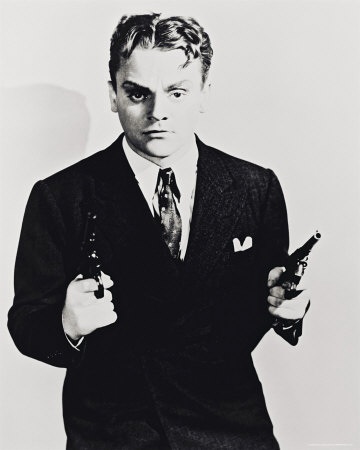
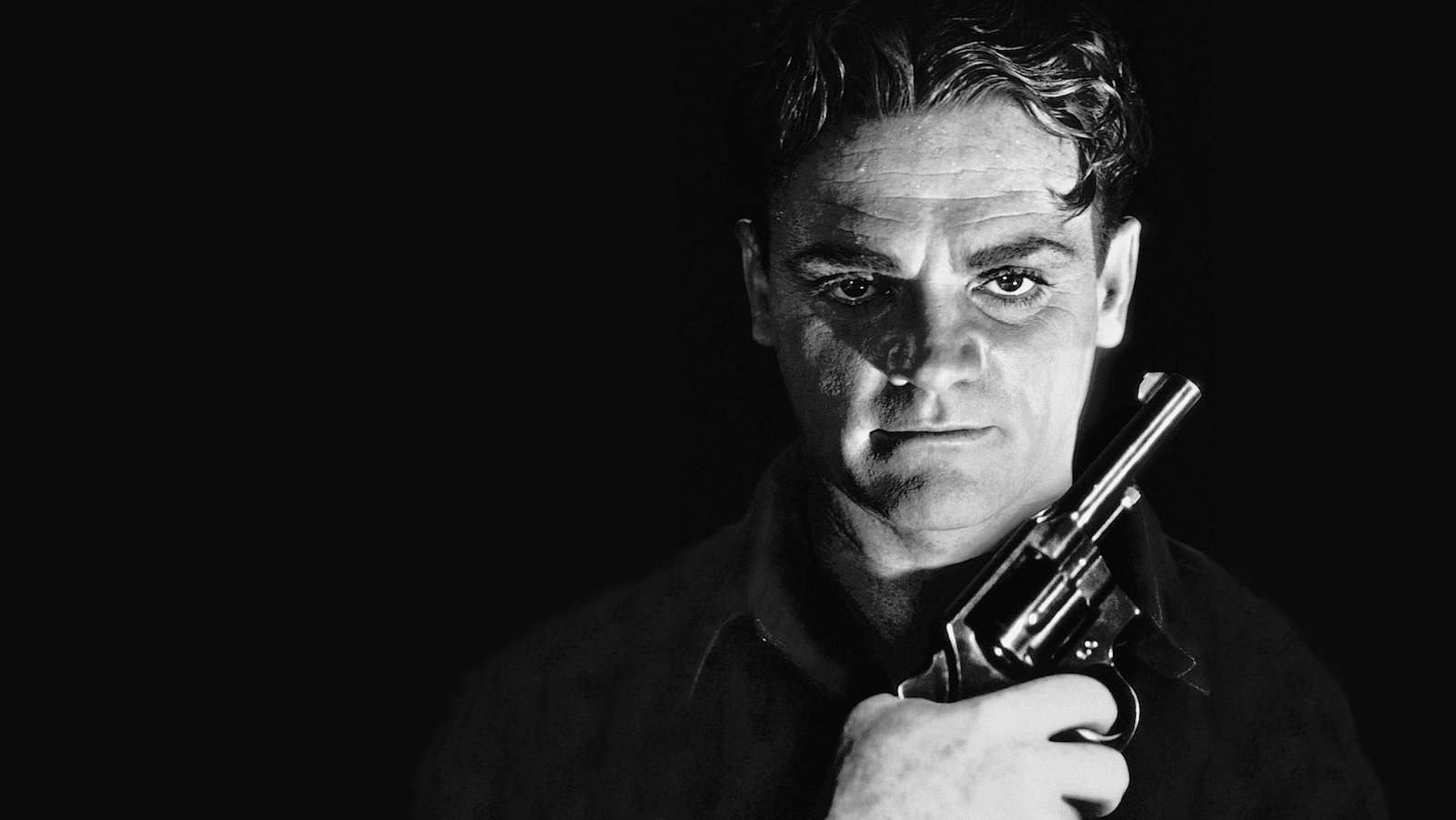
When people think of the actor James Cagney, many might think of his roles as gangsters, bad guys, and double-crossers. He was much more than that, though, in his acting roles and in his life.

This month I am watching James Cagney movies as part of my Winter of Cagney movie event.

To kick it off, I thought it might be good to share a little about the actor’s life.

Cagney was born to an Irish bartender father (James Francis Cagney) in the rough lower east side of New York City. His father, who Cagney says was an alcoholic, was also an accomplished boxer and at the age of 14 Cagney followed his footsteps and became one of Yorkville’s best fighters. James’ mother was Carolyn Elizabeth Cagney (my mom’s name is ironically Carolyn Elizabeth..but not Cagney).

“My childhood was surrounded by trouble, illness, and my dad’s alcoholism,” Cagney wrote in his autobiography, Cagney on Cagney. “But as I said, we just didn’t have the time to be impressed by all those misfortunes. I have an idea that the Irish possess a built-in don’t-give-a-damn that helps them through all the stress.”

While in high school, Cagney worked wrapping packages at Wanamaker’s Department Store, for $16 a week. His introduction into entertainment came when a fellow employee at Wanamaker’s told him a vaudeville troupe paid its players $35 a week. When Cagney auditioned, he told them he could sing and dance. He couldn’t do either, but he still had a successful audition. It was while working in Vaudeville that he met Frances Willard. They married in 1922 and remained married until his death 64 years later. She lived until 1994.

Cagney’s big break on the stage came in 1929 when he acted opposite Joan Blondell in Penny Arcade.

His big screen debut came in 1930 with Sinner’s Holiday, and he made four more films that year. Public Enemy (1931) and Taxi (1931) are two movies where the world was introduced to him as a gangster.

Growing up, I heard a lot of impressions of Cagney and those always claimed he said, “You dirty rat….” Or “All right, you guys.”

For the record, according to the Encyclopedia Britannica website, Cagney never actually said the words “You dirty rat,” or “All right, you guys” in any of his movies. Wow. Talk about a disappointing revelation there. Ha!

He did, however, say, “Come out here and take it, you dirty yellow-bellied rat or I’ll give it to you through the door,” in the 1931 movieTaxi.

According to The Kennedy Center website (he was honored there in 1980), “The unforgettable ‘fruit facial’ scene, in which he rams a grapefruit into Mae Clarke’s nose is exemplary of Cagney’s spontaneity, for the script called for him to slap Clarke with an omelet.”

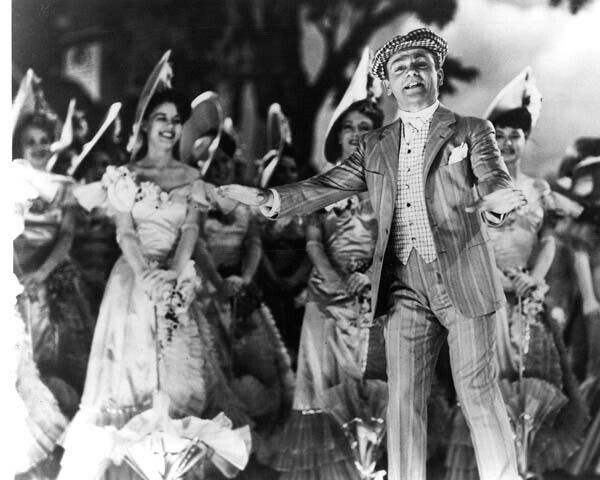
Eventually, though, Cagney would tire of “packing guns and beating up women,” as he said in his autobiography, and after a string of movies where he played a gangster type figure, he did try some different roles, including the one he won an Oscar for — playing George M. Cohan in Yankee Doodle Dandy.

“No matter the genre of the film he was in, James Cagney always brought unique, riveting energy to the screen,” writes Jeremy Arnold for TCM.com. “Known best for his tough-guy and gangster roles, a persona cemented by his fourth picture, The Public Enemy (1931), Cagney had actually started his showbiz career in 1920s vaudeville as a song and dance man, and to the end of his life he thought of himself primarily as a hoofer. Hollywood didn’t give him a chance to show off those talents until his fourteenth film, Footlight Parade (1933), and even after that movie’s success, Cagney went on to make surprisingly few musicals.”

In 1934 and 1940, Cagney was accused of being a communist sympathizer and many say this is why he took the part in Yankee Doodle Dandy  — to attempt to clear his name and show that he really was a true patriot. His brother, in fact, urged him to take the part for that very reason.

Information online from various sources also suggests Cagney once had a hit on him by the mafia for work he did against the Chicago Outfit and the Mafia because they were extorting money from Hollywood studios by threatening to strikes by a mob-controlled labor union.

Cagney once shared that a hitman was sent and a heavy light was dropped on his head but it didn’t kill him, and the hit was eventually dropped when actor George Raft made a call to have the contract canceled. Raft was an American actor who played mobsters in movies and was (apparently) connected to the mob as well.

Some of Cagney’s most famous movies, besides the ones already mentioned, include:

White Heat (1949), Come Fill the Cup (1951), Love Me or Leave Me (1955), Mister Roberts (1955), and Man of a Thousand Faces (1957).

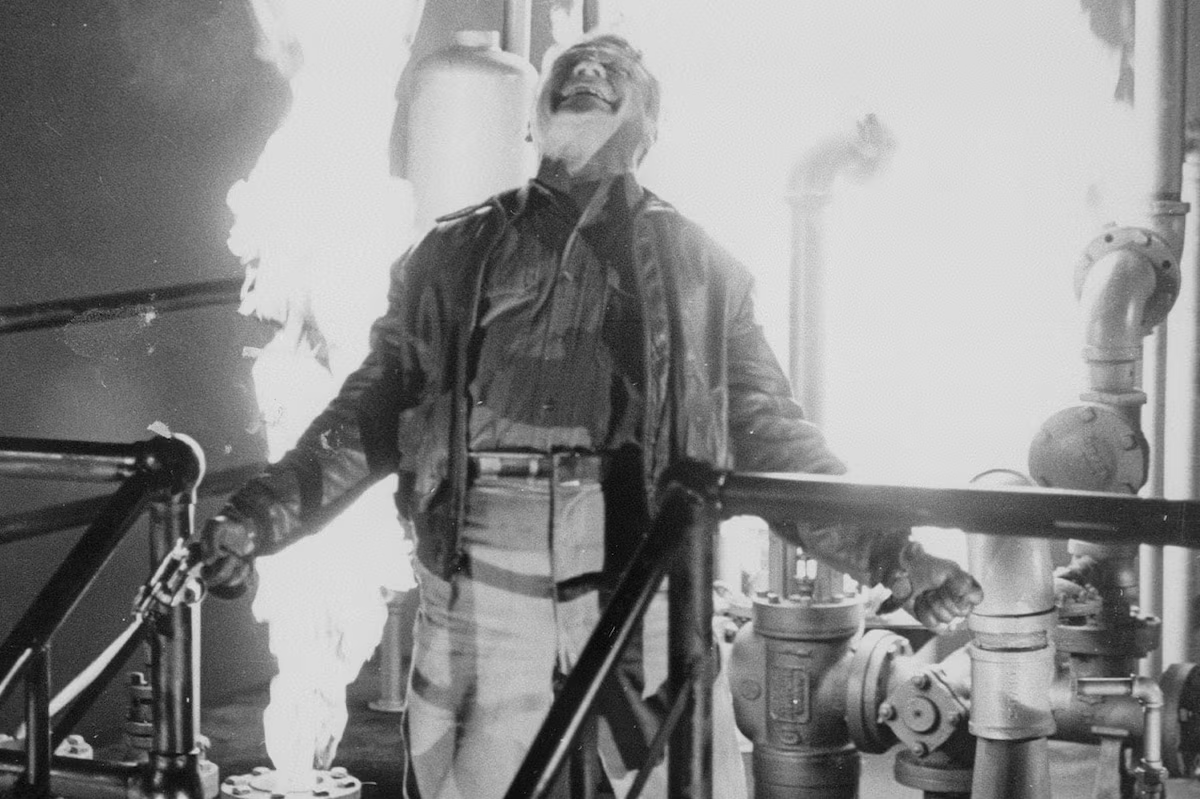
White Heat is one film that Cagney enthusiasts say you have to watch (and I will be). One reason is for the scene where Cagney breaks down after finding out his mother has been killed. The scene was shot with 300 extras in a prison cafeteria and none of the men knew what Cagney was going to do. Many of the men in the scene actually thought he had lost his mind which is why their reactions in the background are so real.

“I didn’t have to psych myself up for the scene in which I go berserk on learning of my mother’s death,” he wrote in his autobiography Cagney by Cagney. “You don’t psych yourself up for those things. You do them. I knew what deranged people sounded like. As a youngster I had visited Ward’s Island. A pal’s uncle was in the hospital for the insane. My God, what an education that was. The shrieks. The screams of those people under restraint. I remembered those cries. I saw that they fit the scene. I called on my memory to do as required. No need to ‘psych up.’”

White Heat is also where Cagney uttered one of his most famous lines, “On top of the world, Ma!”

After playing the manic Coca-Cola executive in Billy Wilder’s One Two Three in 1961, Cagney retired from acting and moved to an 800-acre farm in Dutchess County, NY with his wife where he relaxed, read, played tennis, raised horses, swam, and wrote some poetry.

It was on that farm where he died on Easter Sunday, 1986, of a heart attack at the age of 86.

I was saddened to read from a couple of sources that he did have adopted children, but the relationships with them fell apart, and his adopted son died of a heart attack when Cagney was 84, without them really speaking to each other for years..

Many actors and famous people have commented on Cagney, his acting, his movies, and his life in general.

One of those actors was George C. Scott who never worked with him but met him toward the end of Cagney’s life and borrowed a quote about General Robert E. Lee that Scott said fit Cagney as well: “What he seemed he was, a wholly human gentleman. The essential elements of whose positive character were two and only two — simplicity and spirituality.”

Scott said he was “perfectly himself” and “he was what he seemed to be.”

I will be watching the following movies for my Winter of Cagney:

 Yankee Doodle Dandy

The Man of A Thousand Faces

Taxi

The Strawberry Blonde

Mister Roberts

Angels With Dirty Faces

Public Enemy

Love Me or Leave Me

White Heat

Bonus: The Seven Little Foys

What Cagney movies have you watched?


Sources:

https://en.wikipedia.org/wiki/James_Cagney

https://www.kennedy-center.org/artists/c/ca-cn/james-cagney/

https://www.tcm.com/articles/021761/wb100-james-cagney

https://www.britannica.com/biography/James-Cagney


If you want to find clips and thoughts about vintage movies and TV, you can visit me on Instagram on my Nostalgically Thinking Account https://www.instagram.com/nostalgically_thinking/ or on my YouTube account Nostalgically and Bookishly Thinking here: https://www.youtube.com/@nostaglicandbookish
Summer of Angela: Gaslight (1944)

This summer I am watching Angela Lansbury movies for the Summer of Angela.

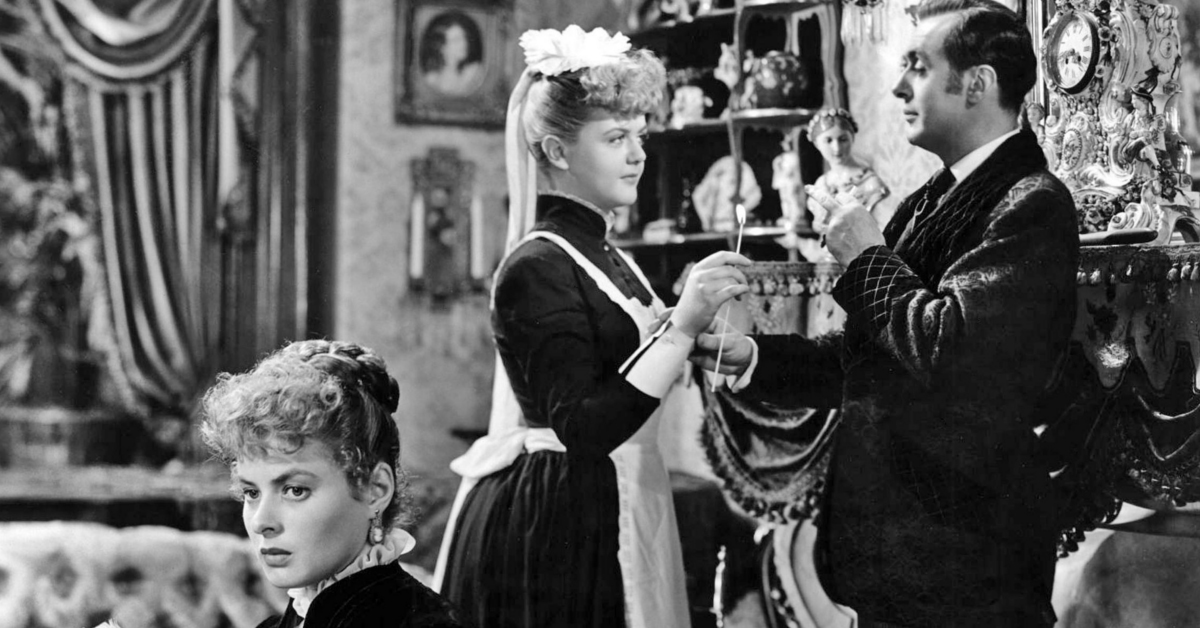
This week I watched Gaslight (1944), which was Angela’s first movie and also her first nomination for an Academy Award. I think I stated before that she won the Oscar, but she didn’t. Whoops!

She was 18 years old when she portrayed Nancy, the odd, boisterous and flirty housemaid of Ingrid Bergman’s character.

After I watched it, I knew this movie was going to be hard for me to write about without giving tons of spoilers and without expressing my strong desire for one particular character to die, or at least suffer greatly by the end of the film, but I am going to try not to in case any of you who haven’t watched it want to watch it later.

Ahem.

Sorry for being so blunt about wanting a character to die or suffer, but…. it is true.

This movie is about a woman who is made to believe she is insane.

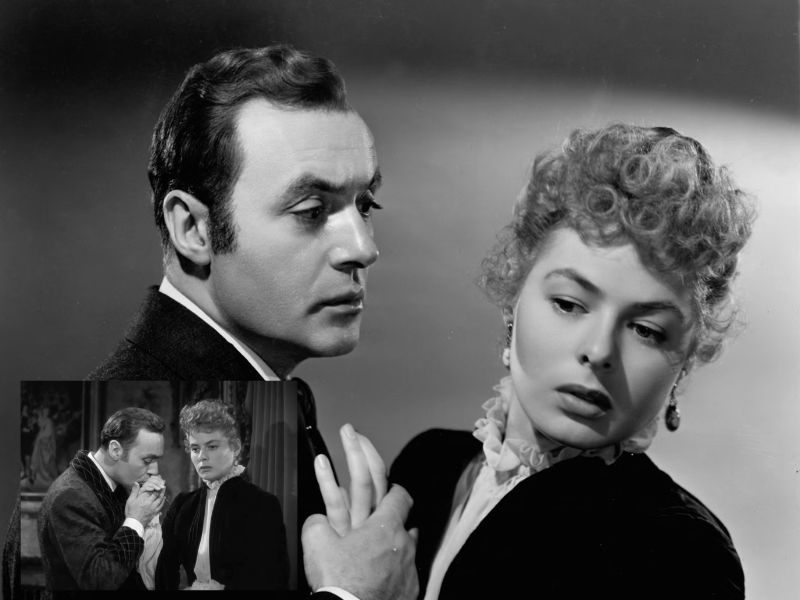
That’s pretty much the description. Here is a little more from Google, though: “After the death of her famous opera-singing aunt, Paula (Ingrid Bergman) is sent to study in Italy to become a great opera singer as well. While there, she falls in love with the charming Gregory Anton (Charles Boyer). The two return to London, and Paula begins to notice strange goings-on: missing pictures, strange footsteps in the night and gaslights that dim without being touched. As she fights to retain her sanity, her new husband’s intentions come into question.”

It stars Ingrid Bergman as Paula Alquist, Charles Boyer as Gregory Anton, Angela Lansbury as Nancy Oliver, and Joseph Cotten as Brian Cameron. 

When I asked my 80-year-old mom if she wanted to watch the movie with me this week, she said, “No! Oh no!” and looked horrified.

That didn’t make me feel excited to watch it until she explained it wasn’t a bad movie, just somewhat dark and creepy. I told her that her response reminded me of how she might react if I asked her if she wanted to watch The Birds with me. The Birds is my mom’s least favorite movie.

When I was a child, she once came rushing into the house from mowing the lawn.

“The birds!” she cried waving her arms over her head, brushing at her hair. “The birds! They were swooping! Swooping down at me like in that movie! Swarming me! The Birds!! The Biiiiirds!”

Needless to say, that was not a movie I ever watched with her and won’t ask her to watch again.

Anyhow, Gaslight is based on a UK version of the movie, which was based on a play called Gas Light (two words). As far as I know, the American version is considered the better version since it was nominated for seven Oscars, winning two, including one for best actress for Ingrid.

Joseph Cotten portrays a police inspector, whose interest in an decade-old murder case is piqued when he sees a woman who looks like the victim. It turns out the woman is the niece of the murdered woman.

Cameron wants to know more about what is going on and why the niece never leaves the house, or if she does it is for a very short time and never without her husband. He finally gets his chance when Paula stands up to the controlling Gregory and tells him she wants to leave the house for an event they were invited to by a woman she knew as a child.

Throughout the movie her husband has been accusing her of stealing or moving things, suggesting she doesn’t remember when she does the these things and hinting, more than once, that she might be insane. Even at the event she finally is able to go to he accuses her of stealing his watch, which leads her to having a near mental breakdown in public.

As the movie goes on, we begin to wonder who is actually crazy, but we do know that her husband seems pretty horrid and abusive. We also know that one reason Paula thinks she is crazy is because she notices the brightness of the gaslights decreasing and increasing throughout the evening, something no one else in the house seems to notice.

I don’t want to give too much away, but this movie did have me on edge throughout the entirety. I felt such anxiety for Ingrid’s character and a lot of anger toward her husband, though I wasn’t sure what was really going on.

Angela’s character was evil and selfish. That’s the only way I know how to describe her. She definitely was brilliant in her role because she made me so uncomfortable. If I could describe her even more succinctly, I would say “what a trashy little tart.”

What Angela said about the movie:

Angela was 17 when she auditioned for the movie.

“As far as I was concerned, I was very consciousness at the age,” Angela said in an interview with the SAG-AFRTA Foundation. “So I went about learning my lines and listening to George Cukor direction and he directed the test . . .I did it with an actor called Hugh Marlow who played the part of Charles Boyer’s role (for the test) and we did a very extensive test.  I’m glad we did. Cukor took great care because I think he really wanted me although the first decision was that I wouldn’t play it, you know, I was too young. But I signed a contract anyhow because Albie Mayer saw my test when he came back from a trip back east to see his horses … and he saw my test and said ‘sign that girl.’”

Angela said she had a lot of interaction with L.B. Mayer, who ran Metro-Golden-Mayer (MGM) studios and that she was very fond of him. Not only did he sign her but also her mother and wanted to sign her twin brothers, but they decided not to let the twin sign. Instead, they later became writers for the movie and television industry.

After being nominated for Oscars for both Gaslight (1944) and The Picture of Dorian Gray (1945), Angela says she was never considered a starlet, always an actress. That made her job a little easier.

Angela said that she was glad in many ways that she didn’t win the Oscars she was nominated for because in her view many people who win Oscars second guess what their next steps will be. They often overthink what roles they need to take next because they are always thinking about being as good as an Oscar winning role, she said. She thinks that for her she didn’t have that pressure. She just went with whatever she wanted to do next, though she was a little disappointed that MGM didn’t have anything lined up for her so she could use the momentum of the success from her first two movies.

She went on with laughter in the interview saying that she was nominated for her first two movies and “it all went downhill from there.”

Angela was  nominated again, however, for The Manchurian Candidate in 1963 where she played the role of a mother to an actor who was only three years younger than her. She told the interviewer that she felt the fact she was given roles where she was playing older women showed her that she was always a character actor.

In a 2000 interview with NPR’s Fresh Air, Angela recalled how the audition for Gaslight really came about.

“Well, I was introduced to the studio, which was MGM, by a young man who was being considered for the role of Dorian Gray. His name was Michael Dyne. And he arranged that the casting director would see me, this young English girl, who at that time was – I think I was 17. And I went to the studio with my mother and was interviewed for the part of Sibyl Vane in “Dorian Gray.” And the head of casting, a man called Billy Grady, came into the room while I was sitting there. He said, sort of whispered in the ear of Mr. Ballerino, the man I was seeing, you know, you should suggest that this young lady meets George Cukor, who’s trying to cast the role of the maid in “Gaslight.” And so right then and there, I was whipped off to meet George Cukor. And so, well, the rest, as they say, is history.”

The interviewer asked Angela if she was aware of some of the darker elements of the film, or was she a little naïve because she was so young at the time.

“I can’t honestly say, except by my on-set demeanor,” she responded. “I think my on-set demeanor was a very, very careful, covered, rather shy attitude about what I was doing. And when I say that, I don’t mean that I was aware of that, but I know from my own uncertainty about my personal – you see; I’ve always been a very private person. When it comes to the work, I’m on solid ground. When it comes to the – Angela Lansbury the young woman, I was on very uncertain ground.”

She continued: “So, I had to marry those two rather carefully. And that’s why, as I say, I always felt that I had to, shall we say, tread rather warily from a personal point of view. Just listen and hear and do what I was told and asked to do. I could discuss it, but I – in most instances, I was pretty quick to pick up directorial indications from somebody like George Cukor because he was extremely clear and funny and helpful. And what he said I understood. So you could say I was fortunate in that I could understand what he wanted and then deliver it. This is what I do, and this is what I always maintained throughout my career – was that I had that ability to take direction and also to understand what the – what was required of the character.”

Angela turned 18 on the set and had this to say about that time: “Oh, it was required that there was a social worker with me until my 18th birthday, which I celebrated on the set of “Gaslight,” actually. And I always remember it because Ingrid and Charles and George Cukor were so wonderfully kind. And Ingrid gave me lovely bottles of Strategy, which was a lovely, smelly cologne, which – I’d never had anything as lovely as that – and powder, you know, sort of talcum powder and things that, you know, set. I always remember that. It’s interesting, the things you do remember.”

This part made me laugh so I had to include it: “And we celebrated. And I was able to take a cigarette out of a packet in my purse and smoke it, which I hadn’t been able to let on, that I had been smoking from the time I was, really, about 14 years old. I say that without any sense of pride at all. And I stopped smoking 30 years ago. But nevertheless – I don’t know if you remember, but I do smoke a rather long Cigarettello in the movie. And that was part of the business in the movie of “Gaslight.” But they only let me puff it. And I wasn’t allowed to inhale, as Mr. Clinton would say.”

As Mr. Clinton might say. Wahahaha! I remember that interview with him. He didn’t inhale and he didn’t have sexual relations with that woman…well, we all know how that second one went.

Anyhow,

You can read and listen to the full interview with Angela here https://www.npr.org/2022/05/27/1101435407/angela-lansbury-looks-back-on-her-great-performances-on-stage-and-screen

 It was fascinating to me.

A bit of trivia or facts:

  • According to TCM.com: “MGM head Louis B. Mayer, determined to eliminate the competition for what was expected to be one of the studio’s biggest hits of the year, ordered all prints of the 1939 British version purchased and destroyed. Prints, however, did survive, and the film turned up again in the 1950s, often under the title of the original 1938 stage production, Angel Street.”
  • MGM tried to sue Jack Benny in the 50s because he presented a spoof of the movie called Autolight. Benny played Charles Boyer’s character and Barbara Stanwyck performed as Bergman. The comedians lawyers argued the skit was in the realm of parody and therefore not a copyright violation and the suit was dropped.
  • Ingrid Bergman was filming The Bells of St. Mary’s when she won her Oscar for Gaslight. The star of the film, Bing Crosby, and the director, Leo McCarey, had previously won Oscars. In her acceptance speech Ingrid quipped: “I am particularly glad to get the Oscar this time because I’m working on a picture at the moment with Mr. Crosby and Mr. McCarey and I’m afraid if I went on the set tomorrow without an award, neither of them would speak to me.”
  • From TCM: “In the big confrontation scene between the chambermaid and the lady of the house, Lansbury was required to light a cigarette in defiance of her mistress’s orders. But because she was only 17, the social worker and teacher assigned to her would not allow her to smoke until she was a year older. When her 18th birthday arrived, Bergman and the cast threw her a party on the set, and the scene was done shortly after.”
  • Director George Cukor suggested that Ingrid Bergman study the patients at a mental hospital to learn about nervous breakdowns. She did, focusing on one woman in particular, whose habits and physical quirks became part of the character. (source IMdB)
  • The first time Ingrid Bergman encountered Charles Boyer was the day they shot the scene where they meet at a train station and kiss passionately. Boyer was the same height as Bergman, and in order for him to seem taller, he had to stand on a box, which she kept inadvertently kicking as she ran into the scene. Boyer also wore shoes and boots with two-inch heels throughout the movie. (source IMdB)
  • Charles Boyer‘s wife, Pat Paterson, was pregnant with what would be the couple’s only child. Boyer and Paterson had been trying to have a baby for many years, and Boyer was exceptionally nervous while making Gaslight. He rushed between takes to call and check on his wife’s health as the expected birth date grew nearer. The baby was expected to come after Boyer had finished working on this movie, but he arrived early. Boyer broke down in tears when he was notified, and he informed the rest of the cast and crew of his son’s birth. Production was halted for the day and the cast and crew opened up bottles of champagne to celebrate the birth. (source IMdB)
  • Angela had been working at Bullocks Department Store in L.A. before getting the part in Gaslight. When she told her boss that she was leaving, he offered to match the pay at her new job, expecting it to be in the region of her Bullocks salary of the equivalent of twenty-seven dollars a week. He was shocked to find out she’d be earning $500 a week. (source IMdB)

Cat from Cat’s Wire also watched the movie this week and you can read her thoughts here. She compared the British and American movie versions and a German televised version of the original play. I absolutely loved how she compared these three!

Here is my full schedule of movies I am watching for the Summer of Angela:

Blue Hawaii

The Manchurian Candidate

National Velvet

Bedknobs and Broomsticks

July 11 –  The Shell Seekers

July 18 – Murder She Wrote: The Celtic Riddle

July 25 – The Mirror Cracked

August 1 – The Court Jester

August 8 The Picture of Dorian Gray

August 15 – A Life At Stake

August 22 – All Fall Down

August 29 – Something for Everyone

Additional resources:

Angela Lansbury Looks Back on Her Great Performances on Stage and Screen:

https://www.npr.org/2022/05/27/1101435407/angela-lansbury-looks-back-on-her-great-performances-on-stage-and-screen

Gaslight Review: The Hollywood Reporter: https://www.hollywoodreporter.com/movies/movie-news/gaslight-review-1944-movie-999932/

From TCM: https://www.tcm.com/tcmdb/title/166/gaslight#articles-reviews?articleId=29976

The Essentials (Gaslight): https://www.tcm.com/tcmdb/title/166/gaslight#articles-reviews?articleId=89327

In the Good Old Days of Classic Hollywood, Gaslight: https://crystalkalyana.wordpress.com/2015/10/04/gaslight-1944/


Lisa R. Howeler is a blogger, homeschool mom, and writes cozy mysteries.

You can find her Gladwynn Grant Mystery series HERE.

You can also find her on Instagram and YouTube.

Summer of Angela: The Manchurian Candidate

This summer I am watching movies starring or co-starring Angela Lansbury.

This week I watched The Manchurian Candidate (1962)

 Angela was nominated for an Oscar for best supporting actress for her performance as Eleanor Shaw and, wow, did she deserve that nomination.

First, a description of the movie from Google:

Near the end of the Korean War, a platoon of U.S. soldiers is captured by communists and brainwashed. Following the war, the platoon is returned home, and Sergeant Raymond Shaw (Laurence Harvey) is lauded as a hero by the rest of his platoon. However, the platoon commander, Captain Bennett Marco (Frank Sinatra), finds himself plagued by strange nightmares and, together with fellow soldier Allen Melvin (James Edwards), races to uncover a terrible plot.

Highlights for me:

The opening scenes are completely mental and crazy. Scary too. I don’t want to give too much away in case you’ve never seen this. So I won’t. All I can say is seeing one of the Baldwin sisters from the Waltons ask a man in her sing-song voice if he’s ever killed anyone messed me up just a bit.

An interesting cinematography tactic used a few times in this movie is to make the character closest to the camera blurred out and the person in back in focus. This is something photographers sometimes do, commonly by using the rule of thirds, but it is more common to have the forward subject in focus and the person in back blurred out. I find this director’s decision to film scenes this way very interesting and visually interesting.

Frank Sinatra’s acting is superb in this. I have never seen him in a serious role, so it threw me a bit, but he was so good.

I can’t recall if I have ever seen Laurence Harvey in a movie before, but he was very compelling as Raymond Shaw.

What I thought of Angela:

Angela was nominated for an Oscar for best supporting actress for her performance as Eleanor Shaw, the mother of Raymond Shaw.

Nothing about the character in this movie reminds me of the Angela who is in Murder She Wrote. Now, of course the woman played many roles, but I am most familiar with her on Murder She Wrote so I had to prepare myself for seeing someone completely different and that is exactly what I got. Eleanor Shaw is absolutely not Jessica Fletcher.

Eleanor Shaw is vindictive, mean, and hungry for money and power.

“It’s a horrible thing to hate your mother,” Raymond tells Bennett at one point. “I didn’t always hate her. As a child I just sort of disliked her.”

That was before she did something he could not forgive.

Eleanor is completely domineering with her second husband, Raymond’s stepfather, and a senator.

She tells him what to do, when to do it, and how to do it.

“I keep telling you not to think.” She tells him at one point in the movie. “You are very, very great at a great number of things, but thinking isn’t one of them, hon’.”

Eeek.

She gave me chills.

(photo)

Here is a clip of Angela as Eleanor.

What I thought overall:

I was so nervous during this movie. I was nervous they wouldn’t believe Frank’s character about the dreams he was having and that the movie would just keep going on this nightmare path of him trying to prove he wasn’t crazy.

It was just a total mind trip all the way through, and I kept wondering who was a spy or sleeper agent and who wasn’t.

I figured out the ending before it happened and I was certain what one of the final scenes would be but I was still biting my nails.

I was actually very excited when part of the ending I thought would happen did happen. I was a little sad at the part of the ending that I didn’t expect.

The acting in the movie was outstanding across the board. Of course the messaging was a bit too timely for today and that was unnerving.

A bit of trivia:

There was a rumor that this movie was pulled from ever being shown on TV because of how it featured similarities to the assassination of Kennedy and speculation by some that the idea for his assassination came from the movie. Some say that Frank Sinatra locked the movie up in his vault because he controlled the rights to it. Another movie he starred in that involved assassination, Suddenly (1954) also disappeared for years after the Kennedy assassination.

According to an article on TCM.com, “. . . Sinatra’s control only extended to the film’s rights after seven years. There is, however, apparently some truth to the story that after JFK was murdered a year after the picture was released, some exhibitors requested it be given another run to capitalize on the event but that United Artists refused.”

Another disputed theory involved  a financial and legal disagreement between United Artists and Sinatra but that was later said to not be true. Some even said Sinatra simply neglected to keep the movie in distribution. (Guess he was too busy with the mob, etc. *wink*). To this day there isn’t really a definitive answer on why the movie fell out of existence for so many years but I lean toward all of the fall out from Kennedy’s assassination.

“What is certain is that during its “lost years,” the film built up a great reputation,” the TCM article states. “’The movie went from failure to classic without passing through success,” noted its screenwriter, George Axelrod. When it was finally re-released in 1988, it was a big box office hit (as well as a success on its subsequent video/DVD release) and earned even more rave reviews as one of the best pictures of that year.”

I thought it was so odd that Kennedy was given a copy of the film to preview in 1962.

A few more trivia tidbits (some of these may not be totally accurate but I don’t have time to vet each one):

  • Frank Sinatra reputedly had a swimming pool designed with a large painting on the bottom of the Queen of Hearts playing cards  … I won’t say why in case you haven’t seen the movie.
  • Director John Frankenheimer once claimed The Manchurian Candidate didn’t do well financially because the studio chose to promote another Sinatra picture, The Pride and the Passion (1957), but that film had actually been released five years earlier.
  • Frank Sinatra broke the little finger of his right hand on the desk in the fight sequence with Henry Silva. Due to on-going filming commitments, he could not rest or bandage his hand properly, causing the injury to heal incorrectly. It caused him chronic discomfort for the rest of his life.
  • The movie was filmed in only 39 days (!!)
  • According to executive producer Howard W. Koch, the budget was $2.2 million. Of that amount, $1 million went for Frank Sinatra‘s salary, with another $200,000 for Laurence Harvey, leaving only $1 million for everything else.
  • The topic of this movie was considered politically so highly sensitive that it was censored and prohibited just before its theatrical release in many of the former “Iron Curtain” countries, such as Poland, Czechoslovakia, Hungary, Romania, Bulgaria – and even in neutral countries such as Finland and Sweden. The theatrical premiere for most of those countries was held after the collapse of the Soviet Union in 1993.
  • By his own admission, Frank Sinatra‘s best work always came in the first take. Writer, producer, and director John Frankenheimer always liked the idea of using the freshness of a first take – so nearly all of the key scenes featuring Sinatra are first takes, unless a technical problem prevented them from being used.
    (Sources, Imbd and TCM.com).

What Angela said about the movie:

Frank Sinatra actually wanted Lucille Ball for the roll of Eleanor Shaw.

“That would have been fascinating,” Angela said. “You wouldn’t believe that she could be this devil incarnate though.”

As for how she got the part she said, “I think Frankenheimer (the director) just put his foot down.”

“I had just finished working with John on We All Fall Down and he came into the room where we were looping some lines and he slapped this very heavy book on the table and he said to me, ‘There’s your next role.’”

He told her what the book was, who wrote it, who was going to write the screenplay and added, “You’ll be fabulous as the mother.”

Angela was actually only three years older than the man who played her son. Say what??!

To become an older woman she simply acted as she felt the character would act, without worrying about age, she said.

In an interview she said many people asked her what it was like to work with Frank Sinatra and she always tells them she doesn’t know because they didn’t have any scenes together other than a quick one where they were getting their coats on.

It wasn’t until later she learned that Frank Sinatra was an integral part of making sure the movie was made.

“I know that Frank wasn’t the easiest person for John to work with,” she said. “But they seemed to have an alliance. I think Frank understood what a tremendous opportunity it was for him to play this role. He knew that his friend (President) John Kennedy adored the book. Frank talked to JFK about the role and one of his questions oddly enough was ‘who’s playing the mother?’”

Of the suspense of the movie, Angela said, “You really didn’t know who anybody was.”

Of the movie overall she said, “I think we all knew we were in rather racy territory. We were doing something pretty unique and different. This is going to turn a few heads you know.”

“It was out of circulation for many, many years,” she said. “It came back in 1988 as a revelation to be had. The whole generation saw it, who recognized it for what it was and they absolutely took it to their hearts and it became the most important piece of work any of us had ever done. Suddenly John Frankenheimer was recognized, Frank Sinatra was recognized as an actor. I was recognized as an actress who played one of the most evil women in human history. I had a whole new acceptance from an audience who didn’t know who the devil I was. So I have great feelings of fondness for The Manchurian Candidate for that reason.”

Have you seen this movie?

I rented it on Amazon, but it is also streaming on Google Play, Pluto TV, Apple TV and Fandango. Or your local library might have it.

Later this week I will be writing about a totally different movie than The Manchurian Candidate, National Velvet.

Other movies I will be watching for this Summer of Angela are:

June 27 – Bedknobs & Broomsticks

July 4 – Gaslight

July 11 –  The Shell Seekers

July 18 – Murder She Wrote: The Celtic Riddle

July 25 – The Mirror Cracked

August 1 – The Court Jester

The Manchurian Candidate trailer:

____
Additional sources:

Trivia & Fun Facts About THE MANCHURIAN CANDIDATE (TCM) with spoilers!! :https://www.tcm.com/tcmdb/title/19293/the-manchurian-candidate#articles-reviews?articleId=136794

Angela Lansbury talks to Alec Baldwin about The Making of The Manchurian Candidate: https://youtu.be/Sjqs66SoTXQ?si=MeU5SbwFRMBnlRhP

Angela Lansbury looks back at the making of The Manchurian Candidate: https://youtu.be/kLwO-2_GIbM?si=cWQoMwa1ARwzzAX6

Classic Movie Impressions: That Touch of Mink

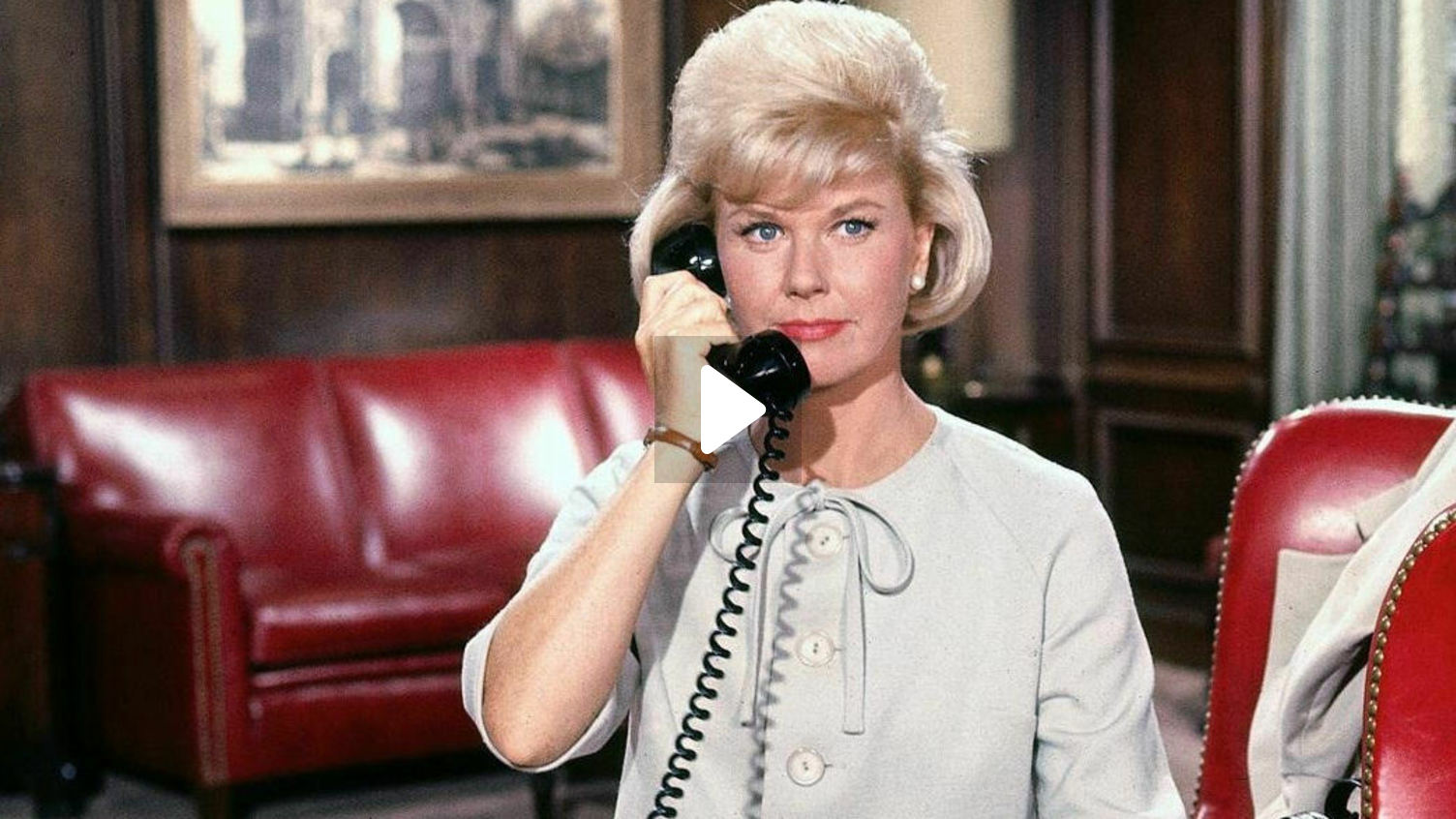
I needed something to distract me from every day life last week so I watched That Touch of Mink with Doris Day and Cary Grant. I am very certain I’ve watched either all or part of this movie before but it has been years so I didn’t remember much about it.

This is quite a modern movie for 1962.

Cary Grant is a no nonsense, yet still kind and understanding, businessman and Doris Day is a young woman from a small town living in a big city and trying to find a job.

This movie was meant to be a comedy, so I tried not to be too uptight about how Cary Grant was essentially trying to get into Doris Day’s pants without actually committing to a relationship for the entire movie.

I have to say that I didn’t really like Cary for most of this movie and my husband said it is probably because of the fact Cary really didn’t want to make the movie, according to articles he has read about it. While I didn’t find articles online specifically saying he didn’t like the film, I did find information that Doris Day wrote in her autobiography that Cary was polite and professional on set but that there was really no “give and take” between them.

First a little summary:

This movie takes place in 1962 starts with Doris Day walking down the street and getting splashed by a car that Cary’s character (Philip Shayne) is riding in. He feels bad but he can’t stop because he is on his way to a very important meeting. We find out later that Doris’s character (Cathy Timberlake) is looking for a job and Philip is a shrewd but also generous businessman with a friend, Roger, (played by Gig Young) who is a bit of a leach. Philip does actually feel awful about splashing Cathy and tells Roger he’d love to find the woman and apologize.

Luckily they are looking out the office window not long afterward and see Cathy walking into a diner across the street.

He orders Roger to take her some money to apologize. Roger is hoping the woman will want to tell Phillip off. He’s sick of Phillip getting all the women despite his flippant attitude. Cathy does want to tell Phillip off so Roger takes her to Phillip immediately.

Unfortunately for Roger, Cathy falls for Phillip immediately. Phillip sees this as a chance to sweep another woman off her feet by taking her on trips around the world.

He starts to do just that and Cathy wants him to like her so she goes along with him — flying to Baltimore for a speech he’s giving, then to Philadelphia for a quick dinner. One night he even takes  her to a New York Yankees game, into the dugout where we meet the real Roger Maris, Mickey Mantle, and Yogi Berra.

Soon though, Phillip wants her to go on vacation with him to Bermuda and she’s not sure if she means he wants her to stay in the same room with him or if they will have separate rooms. He definitely wants her to stay in the room with him, which causes her to breakout in a full body rash and skuttles his plans.

She’s a good girl from Sandusky, Ohio after all. Girls from Sandusky don’t go running off with men on vacation and sleep with them unless they have a ring on their finger and have said “I do” to marriage vows.

Cathy returns home disappointed in herself because she didn’t sleep with Phillip but also fairly annoyed at him for thinking she would after they’ve known each other for only a short time.

She wants to break out of her boring girl mold, though, and decides to try again — telling Phillip she’ll go with him again to Bermuda and she will give him what he wants. She doesn’t say exactly that but the viewer gets her drift.

Sadly, things don’t work out this time either but you will have to watch the movie to find out why.

The movie is a series of miscommunications, silly tropes, and goofy interactions. One of those miscommunications is between Roger and his therapist. Roger is sharing the story about Cathy and Phillip but the therapist walks out of the room and only hears part of the story, leading him to believe that Roger is becoming involved with another man, which I thought was a very progressive (for lack of a better word) joke for the early 1960s. That joke carries on throughout the movie with Roger continually trying to update the therapist on Phillip and Cathy but the therapist instead believing that Phillip has been trying to woo Roger instead.

I found it interesting that this movie was one of the last ones where Cary was a leading man.

It was his 69th movie and he was in his 50s. An article on TCM.com states that he must have known his time for playing leading men was waning.

“He made one more picture in which he was the dashing leading man, Charade (1963), opposite Audrey Hepburn,” the article reads. “After that, he appeared as a grizzled old beachcomber in Father Goose (1964), then as a British gentleman who plays Cupid for the young romantic leads in Walk Don’t Run (1966), his last film before retiring from the screen.

The article goes on: “Doris Day’s string of box office hits continued though with somewhat diminishing returns over the next six years in ten more films. After With Six You Get Eggroll (1968), the actress retired from the big screen. Her hit TV sitcom, The Doris Day Show, ran from 1968 to 1973, changing formats and storylines almost very season.”

As for my feelings on the film, I liked it overall but didn’t like the message that women should just go sleep with men they are not married to. The end of the movie would have feminists of today growling in anger but it was most likely what made most every day movie goers happy at the time.

I couldn’t figure out while I watched it if Cary was bored during the movie or if it was how he was playing Phillip Shayne. Maybe he wanted Phillip to have no real personality beyond seeming bored and like he expected women to fall in bed with him. The man didn’t even seem excited by the prospect of sex. He just seemed to expect that it would happen, and he would move on to the next woman.

Years ago, I was reading about Cary and his use of LSD as an attempt to help him with his depression and other mental issues. Many psychiatrists at the time prescribed LSD as part of psychological therapy. It wasn’t yet a recreational drug.

Both Gig Young and Cary used the therapy and as I researched for this film I read that Gig sadly killed his 31-year-old wife and then himself in 1978 when  he was 64. I wonder how much the drug affected his brain at the time and left him worse off than he had been. He was also an alcoholic, though, so that most likely played an even larger role than the LSD. Either way it is sad.

 I also sometimes wonder if the drug was why Cary seemed so blasé and uninterested in his movies during this particular time period.

I don’t think this is a movie I would watch again but it was a fun escape.

I should also  mention the other star of the movie: The Automat.

The Automat was an automatic-type diner where restaurant goers could go in and choose what they wanted by pushing a button on what looked like post office boxes and then could open a door and the food would be slid to them through the tiny hole. I had never seen anything like it before this movie. Cathy’s friend Connie worked at one and delivered the food. That’s where Cathy would go to talk to her. It seemed like a very busy job since Connie and only one or two other co-workers would have to slide the food into the little box for the people to retrieve.

Have you ever seen this movie? What did you think of it?