Voices from the past: Civil War Letters From My Family Part I


“Thousands who one year thought themselves in good circumstances are now as poor as beggars and who has caused all this but the men who are now the leaders of the Rebel forces and fighting against the best government on the face of the earth. They seem determined if they cannot rule this great nation to the interest of negro slavery to ruin it.”

Letter from Charles Grant to John G. Grant, 1861


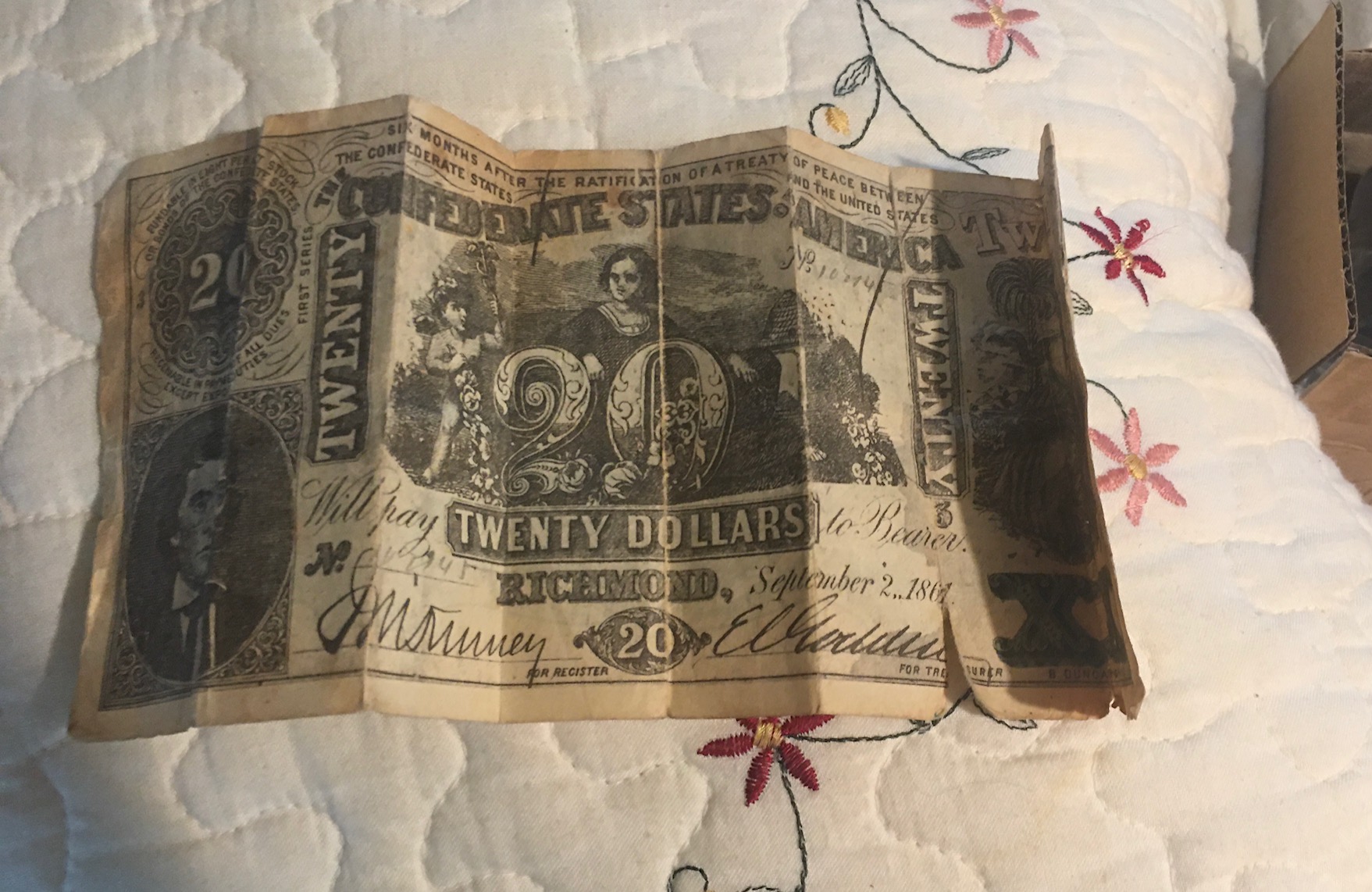
Growing up, I always knew that I had family members who had fought in the Civil War. For most of my life, I only knew about the family members on my paternal side. Last year I also found definitive proof that I had family members who fought on the Confederate side — ancestors from my mom’s family, as she is originally from North Carolina. I knew there was a connection to the Confederacy since we have Confederate money that was passed down and in the possession of my aunt.
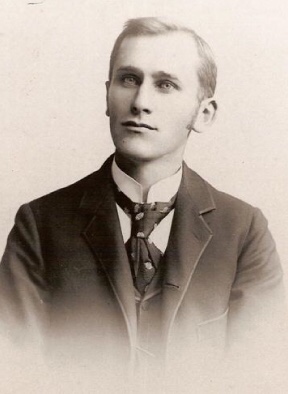
My great-great-grandfather – John G. Grant – was one of the family members on my paternal side who fought during the Civil War and continued to serve in the Army well after the war was over. His two half-brothers – William and Charles – were the other two from my paternal side. They had the same father and different mothers, since William and Charles’ mother had died and their father, George, remarried and then had John with John’s mother, Abigail.
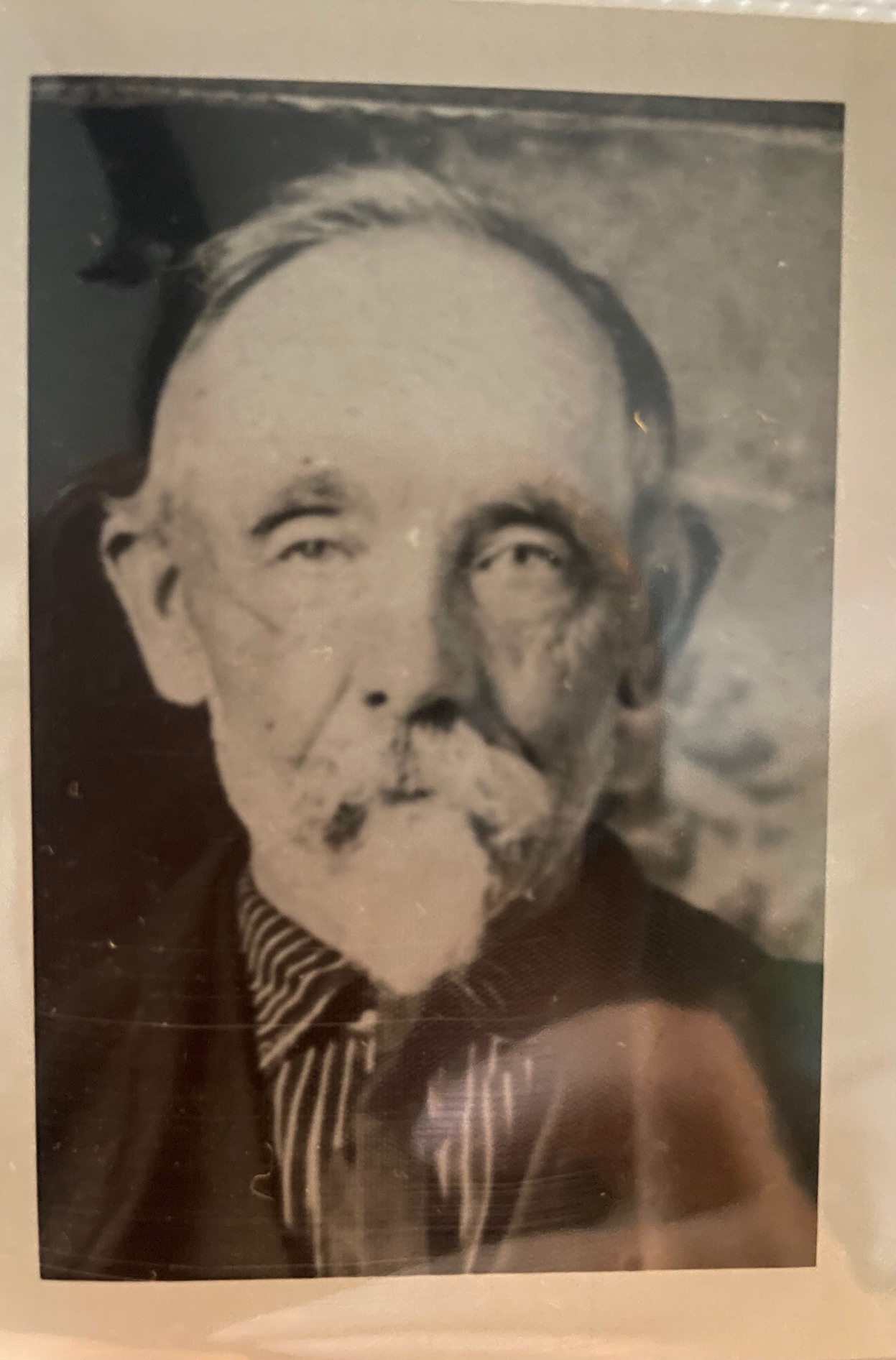
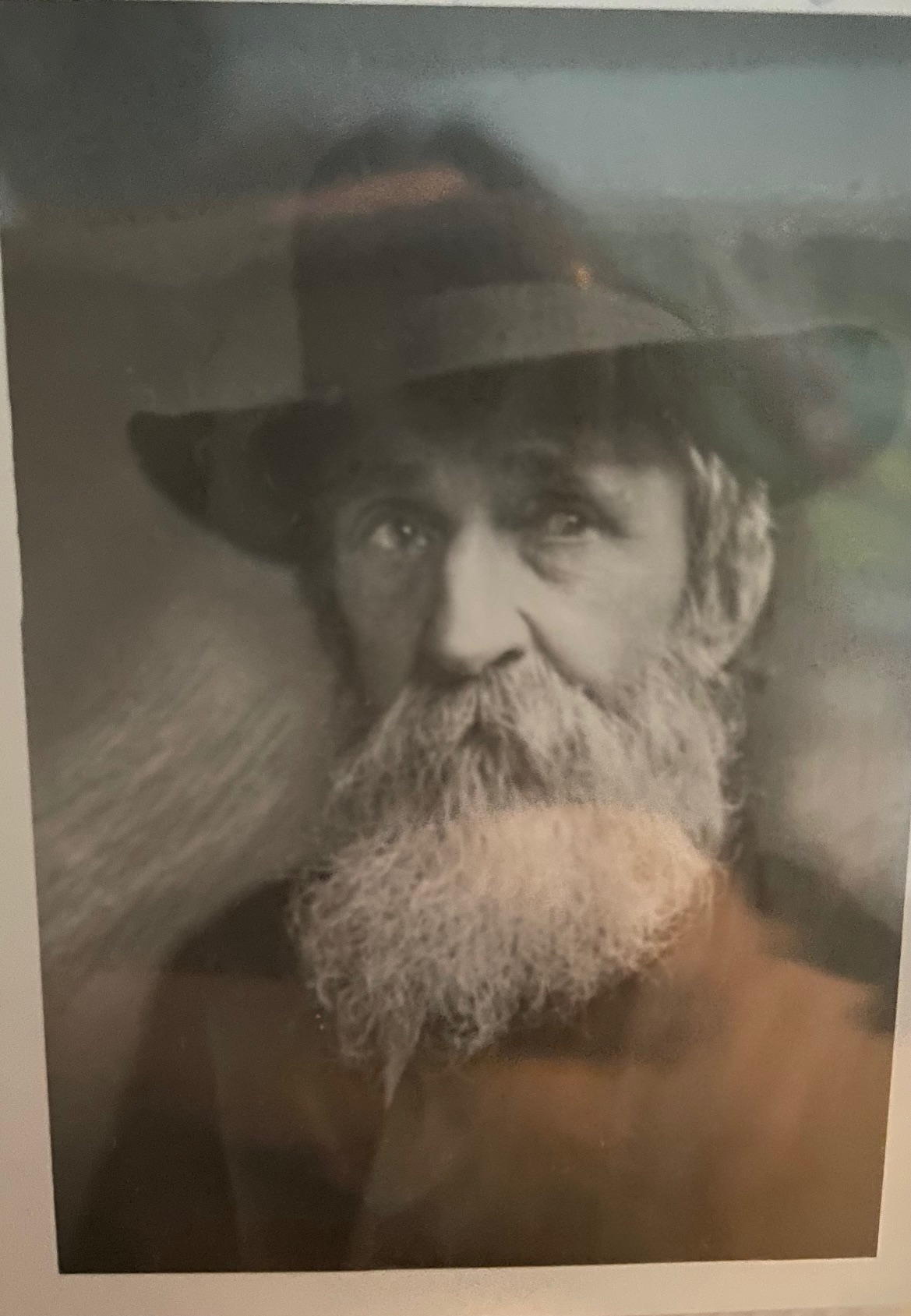
(John Grant, my great-great-grandfather is on the left and his brother William Grant is on the right.)

At some point, my aunt learned that someone from our extended family had handwritten letters between John, William, and Charles that were written to each other, their mother, other family members, and friends.

My aunt made copies of these letters on a copier and then transcribed them via a typewriter. I have no idea where the original letters are but I would love to see them one day.

The letters reveal fascinating tidbits about life in the mid-1800s and provide some interesting thoughts from my family of what was happening as the Civil War started, continued, drew to an end, and after it. Sometimes I forget that the Civil War went on for four years, and that other aspects of life continued even as the war raged in other parts of the country. I always seem to think life just ended and a war was fought.

In reality, people were living their everyday lives even as battles were being fought. Also, there weren’t battles being fought 24 hours, seven days a week, 365 days of the year.

Many people were building houses, growing families, expanding West, getting jobs, and experiencing life that wasn’t all about war. The effects of the war were felt strongly even by those who weren’t directly involved with it, of course, as we know from history books and letters between family members like mine.

While John Grants writes about battles and what was going on in the Army training camp near Germantown in some letters, in others he writes about visiting family and how they were doing. These would be family members that his mother and brothers probably hadn’t seen in years because of how difficult travel was at that time. They moved from Germantown (near Philadelphia) to the county I now live in(about a three hour drive) at some point before the war.

In one undated letter, Charles wrote to his brother John about how the war was affecting jobs and manufacturing in Pennsylvania. It is the only letter I have seen from Charles.

Dear Brother:

I received your letter dated July 3 last night and I was glad to hear that you are well. I am as well, as usual. I saw William about two weeks ago. He was well, but like many others, has nothing to do. Many of the machine shops and factories are shut up and the rest are working but two and three days a week, except those that are making supplies for the Army and Navy.

If things do not get better before next winter, there will be a great amount of suffering among the working people. The factory where I work is running but two and three days in a week and has been for the past two months and the hands are not making more than $10 or $12 a month and that amount will not go far down here.”

He then writes about how many of the savings institutions are failing and how he lost $100 he knows he will never get back.

“And so we go,” he continues in the letter. “Thousands who one year thought themselves in good circumstances are now as poor as beggars and who has caused all this but the men who are now the leaders of the Rebel forces and fighting against the best government on the face of the earth. They seem determined if they cannot rule this great nation to the interest of negro slavery to ruin it.”

“Let us hope, however, that they may not feel that they have undertaken a task that they cannot accomplish although they repulsed our forces in one fierce battle by fighting like Indians in bushes and behind earthworks and in greater numbers. It has only taught the North to make greater exertions to subdue them and bring their leaders to punishment.”

His letter continues to talk about the men and women who have enlisted in Conyngham, Pa.

“Most all the three months men have got home again — most of them are stouter and fatter and a good deal blacker than when they went. Many of them have enlisted for three years. I saw Col. Gearey’s regiment march through the city last Saturday on the road to Harpers Ferry. At their head was a Company A from Hazelton. The regiment was armed with the Lee-enfield rifle and the terrible looking sword bayonet about two feet long. May success attend them.”

John then wrote a letter to a friend or family member (the greeting is cut off on the version my aunt copied) and shared about life in the Army training camps near Germantown, Pa. I am not sure which camp it was. I didn’t see a year on the copy of the letter that I have, with the only date offered being November 14, but with a little research based on some information he shared in the beginning of the letter about a recent battle that had lifted the moral of the troops(the capture of Beaufort, South Carolina) , I figured out that it was written in November 1861.

While at the training camp, John (18 at the time if my math is right) was able to visit with family and see the sights — including young women, which he seemed particularly thrilled by.

“All is quiet in camp this evening, except the boys out cutting up as usual,” he writes in the undated letter. “We are not in want of company here because we have enough of our own besides hundreds come here from the city and other places to see us every day.”

He writes that he visits Germantown “pretty near every Sunday” and it appears to be girls he likes to visit there as evidenced by this line: “The girls down here are very good looking and as full of fun as they are nice.”

He decides he shouldn’t share too much about the girls, though, and goes on to write about a visit to Philadelphia to visit his brother William’s shop. I’m gathering William, who we know from family history to have worked several jobs to keep himself employed, was running a shop to support the Army with supplies.

“He has a great many knapsacks and saddle backs to make for the Army,” John wrote. “We started to have a walk about town. We went down Arch Street to the wharf on the Delaware and saw the steam ships coming into the city and then we went to Fifth and Arch to the great Continental Hotel, the greatest building in the Union, it covers a whole square.”
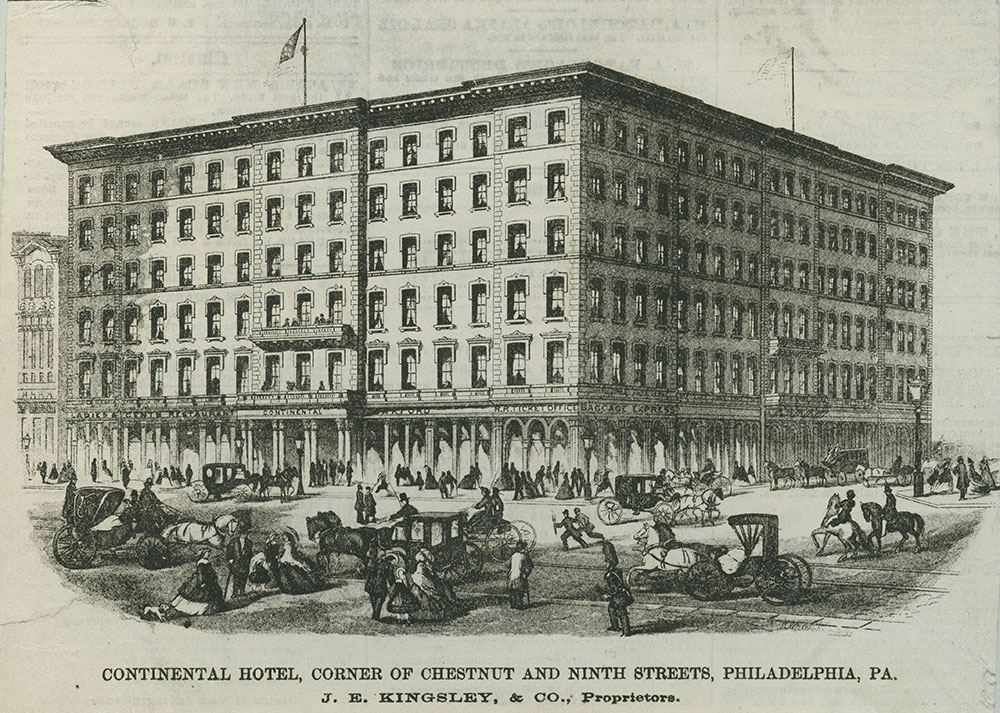
(Note: This hotel was demolished between 1923 and 1924 to make way for a more modern business structure. I can’t even imagine destroying such a beautiful work of art. It was built in 1860.)

John wrote that they then went to the Pennsylvania Hotel, which is where he stayed overnight. I couldn’t find much information about that hotel online but plan to dig around a little bit to see what I can find about it later on.

“The next morning, we went to South Street where we got our breakfast at the Franklin Eating Saloon,” he wrote. “We then, went to the Navy Yard to see the Regular troops and the great big cannons that are there. There are some that I can stick my head in and they look very heavy. They weigh several tons. They are used on ships or at forts they are building. Three very large steam ships are at the Navy Yard. Each of these is to take eight of the large cannons aboard and I think if they get a chance as some of the Rebel’s battery’s they will blow them to the other side of the Jordan.”
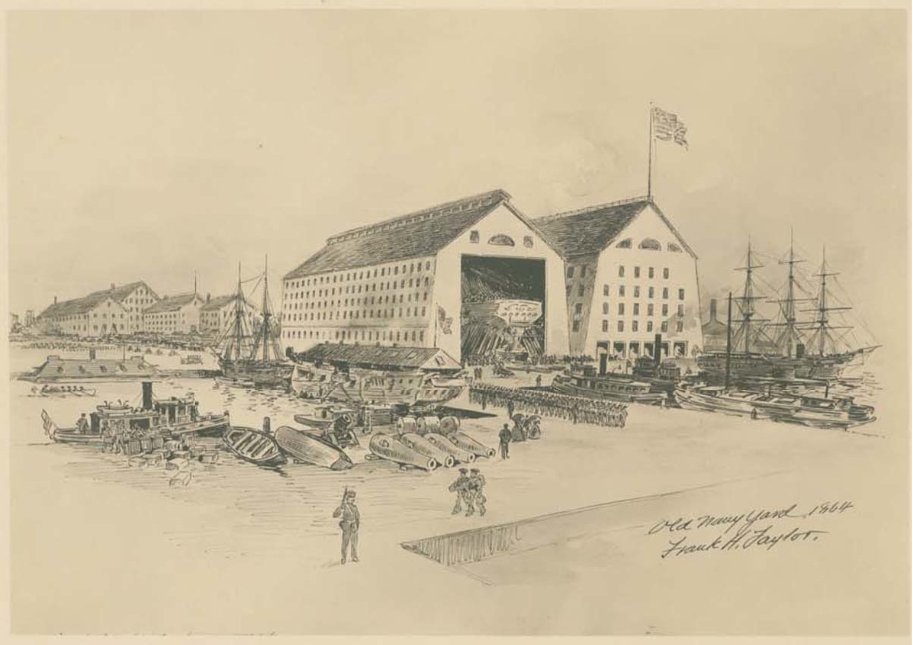
“It is a very fine sight to be in a Navy Yard. You can see most everything a going on that you wish to see. Building ships, casting cannons, cannon balls and shells and all kinds of machinery going on that you can think of. After we saw everything that we wished, we left the Navy Yard and went to the Hall of Independence to the place where the Declaration of Independence was declared in 1776. There you can see all the Patriots that was present at the signing of the Declaration of Independence.  They look very near natural. After we saw all the pictures in the room where the Declaration was declared, we went up in the steeple to see the city.

“A body can see from this steeple over in New Jersey, see the city of Camden, which is on the opposite side of the Delaware. After we saw all that, we wished, we then went to Walnut St. Hospital, or Pain Hospital as it is generally called, to see Charles.”

Now, I am gathering that this is my great-great-grandfather’s half-brother Charles. There was a 13-year age gap between John and Charles, so Charles would have been about 31 at this time. There was a 15-year age gap between William and John so John would have been 33.

Both Charles and William would go on to serve in the Union Army and I will share their journeys and fate in a future post, where I will also share what John G. thought about political issues that stemmed from the war.

“He has been there for a month or more to get his health restored,” John wrote in his letter. “He is getting so that he can be up and around but the doctor will not allow him to go outside of the hospital walls yet for a while. The complaint that he has is called the Grave. This was the first time that I saw him in eight years. He did not know me when I first stepped into this room. He said that he wouldn’t have known me if he would have seen me out on the street.”

John ends the letter by saying he must go to drill.

John did write about battles during the war as well, including this story to William in a Dec. 22, 1863 letter:

On the 15th at 5 p.m. 100 of the 58th under the command of Captain T. Blakely left this place marched through swamps and waded creeks so as to avoid the rebel pickets until we reached within four miles of Greenville where we surprised a rebel camp of Calvary capturing 23 prisoners, one captain, one Lieutenant, 35 horses, all their  arms and equipment – all this being done without firing a shot. On our return we captured their pickets at Chicora Bridge, which crosses Swift Creek five miles this side of where we surprised the camp and a half mile farther down the creek where we crossed when going out.”

“After we captured the picket we swam the creek to this side with our horses, while those on foot crossed on the bridge. I got wet all over as my horses, while those on foot crossed on the bridge. I got wet all over as my horse went in head over heels. The creek is very deep and swift. I captured two prisoners, one horse and two carbines but I have to turn them all over to Uncle Sam. After we all got safe on this side of the creek, we joined our cavalry and one section of the 23rd NY Battery who came up that far so as to cooperate with us in case we should have got into trouble.”

“We arrived at Washington at 2 o’clock the same day, making the whole march of over 40 miles in less than 20 hours from the time we left Washington.”

A quick internet search helped fill in some blanks about this particular story. From the site Civil War In the East:

Expedition from Washington to Chicora Creek

Captain Theodore Blakeley led Company B in surprising a Confederate camp and capturing a Captain and sixty men with their horses and equipment, all without loss.


Reading about life when my great-great-grandfather and his brothers were young and what they faced as the nation they lived in was at war with each other is honestly quite surreal.

The fact that they struggled to put food on the table yet also wanted to fight for what they felt was right for their nation and their family is a hard concept to wrap my mind around.

I’m sure there was part of John Grant who didn’t want to fight, yet part of him who also wanted to show his bravery and the love for the country he grew up in. Even young people seemed very old back then. John’s letters speak to me like someone who is much older than 18, but by the age of 18 he would have seen a lot. His father had died when he was only about 2-years-old.

His older brothers were most likely living other places to work. His mother then remarried and had a couple more children who did not live beyond infancy. He most likely had to start work very early to help support his family.

Then there was the war and the opportunity to be paid to be a soldier. It’s all such heavy stuff for someone so young. No wonder he sounds mature beyond his years. He had to be. So many people of that generation had to be. They had little time to be silly or contemplate anything other than how to survive from day to day.

It’s so different from what young people and even older people like me have to face today. Reading about their struggles reminds me how lucky I am to live where and when I do and how that privilege was made possible by the sacrifices they made for me.
Saturday Afternoon Chat: Cold weather, warm fires, and Grandpa’s poems

I did nothing this week. Like nothing. I haven’t even left the house once.

Nope, not sick. Not depressed. Oh, wait, yes, I am depressed, but that’s not why I didn’t leave the house. I just didn’t have anywhere I needed to go this week and it was very, very cold. Today it is 11 degrees as I write this and the high is going to be 23. The day started off at around negative five degrees Fahrenheit.

Thankfully tomorrow is supposed to be a bit warmer with temps climbing toward 40 degrees. I will take it after the frigid weather we’ve been having. It’s been so cold not even my adventurous younger cat wanted to go out most days and if she did it was for a very short time.

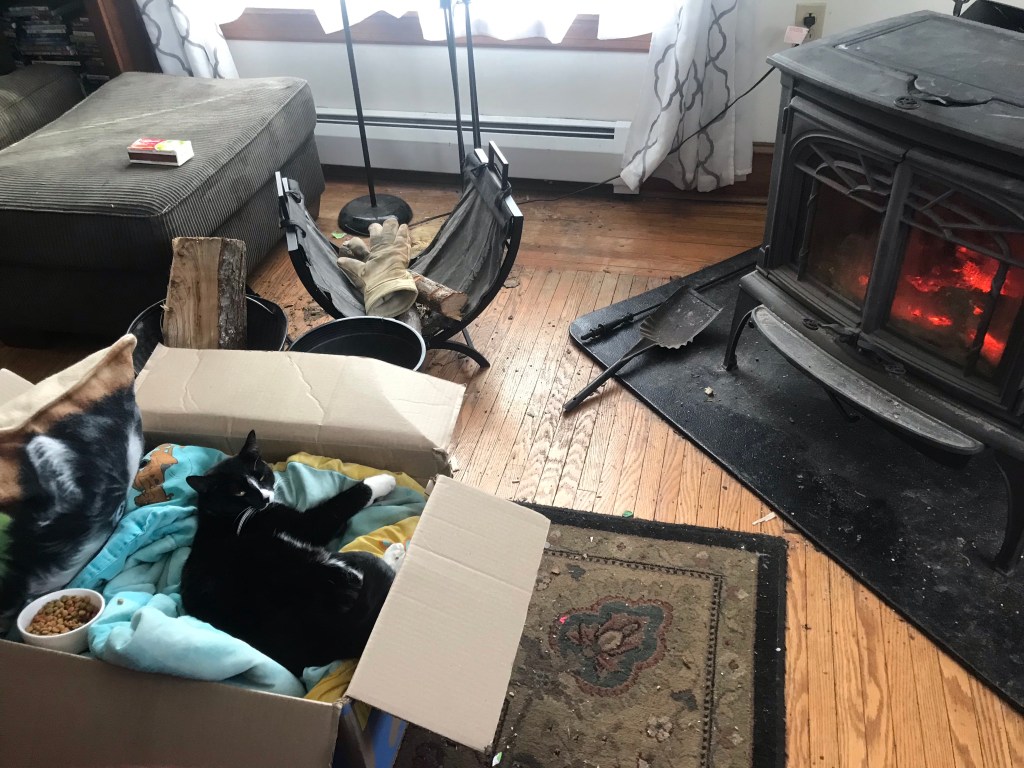
We have been running our woodstove full bore for the entire week, 24/7. Our pets have enjoyed it very much.

We have also enjoyed it since it has helped us save the little bit of heating oil we have left in our tank until we place a new order sometime this next week. I can’t believe how high heating oil was months ago (and still is really). That just started us on a snowball effect of trying to keep up with the bill and still pay our other bills and buy groceries. Eventually, the snowball became a full-blown avalanche and overran us, leaving us in a pile of Overwhelm at the bottom.

(Excuse the wood chips. We brought in a lot of wood this week and still had to sweep when I took this photo).

This week I was so thankful for the woodstove and electric heat upstairs in our house because without it we would have really been in trouble.

The Boy and The Husband bring in the wood for the stove most of the time but Friday morning I braved the wind and swirling snow to the woodpile behind the garage and brought a few logs in. I have short arms and a big head so I can’t carry as much as the guys can. Have you ever seen that scene in Meet The Robinsons? The T-Rex in it says that and I always think of that when I share about my short arms. I will post it below for your viewing pleasure:


I consumed so much organic peppermint tea with local honey this week to try to keep warm and calm, I was practically floating.

Last week I wrote about how Jesus helped to calm the storm in me while chaos raged around us, and it was the same this week. We still have a lot of weirdness going on and one situation that is not resolved, but this week still seemed calmer overall than other weeks. I had some anger issues over the one situation but was able to settle that a bit by venting to family and pacing a lot. Oh, and there was chocolate. There is always chocolate that is needed in those situations.

On Tuesday I released Shores of Mercy to the world finally. I was glad to have the book out there and the Spencer Valley Chronicles almost complete. As I mentioned in a post on my new newsletter site I plan to have five books in the series when it is all done, but for now, I am taking a break from the series to work on a couple of other projects. You can read about that on my new Substack site, which will only be used as a newsletter for my writing. I will most likely only update it once or twice a month, if that at this point, so if you do subscribe to it, don’t worry – I won’t spam your email every day or week.

I tried to get some writing in on a couple of the new projects this week and then realized I have no idea where the new books are going so I will need to do some more brainstorming and plotting on those.

I may not have gone out much this week, but the rest of my family did. The Husband took Little Miss to Awana on Wednesday at my parents’ former church. On Thursday my parents drove two miles north to see my 90-year-old aunt whose health is not doing well. They made me a nervous wreck because they had to call me for directions, couldn’t hear through the cell phone at one point, and then my mom called out my dad’s name and said, “Oh my!” and I thought they’d had an accident.

Then they decided to stop for dinner on the way home as if they are grown adults and can do what they want to do. I told them that they have to check in when they are going to be out past their curfew but they didn’t seem to listen to me. Parents are so rebellious sometimes.

It is almost like they are trying to get back at me and my brother for the times we were out and didn’t call them and tell them where we were, so they were home worrying about us. Not that either of us actually went out that much. My brother and I were both fairly tame growing up and also stayed close to home. If we did go out it was down the road to a friend’s house or in the yard to read a book. Yep, we were that boring, and proud of it.

I was originally supposed to drive my parents up to see my aunt but then my dad got all morbid and said he’d rather if something happened, it happened to just two family members and not three so that my children didn’t lose three family members at one time. He thinks such pleasant things, doesn’t he? But, yeah, he had a good point.

Last week my parents sent me home from their house with two huge boxes of blankets, comforters, and flannel sheets. They have too many and decided they needed to declutter. They met my brother and his wife for lunch and gave them a bunch too.

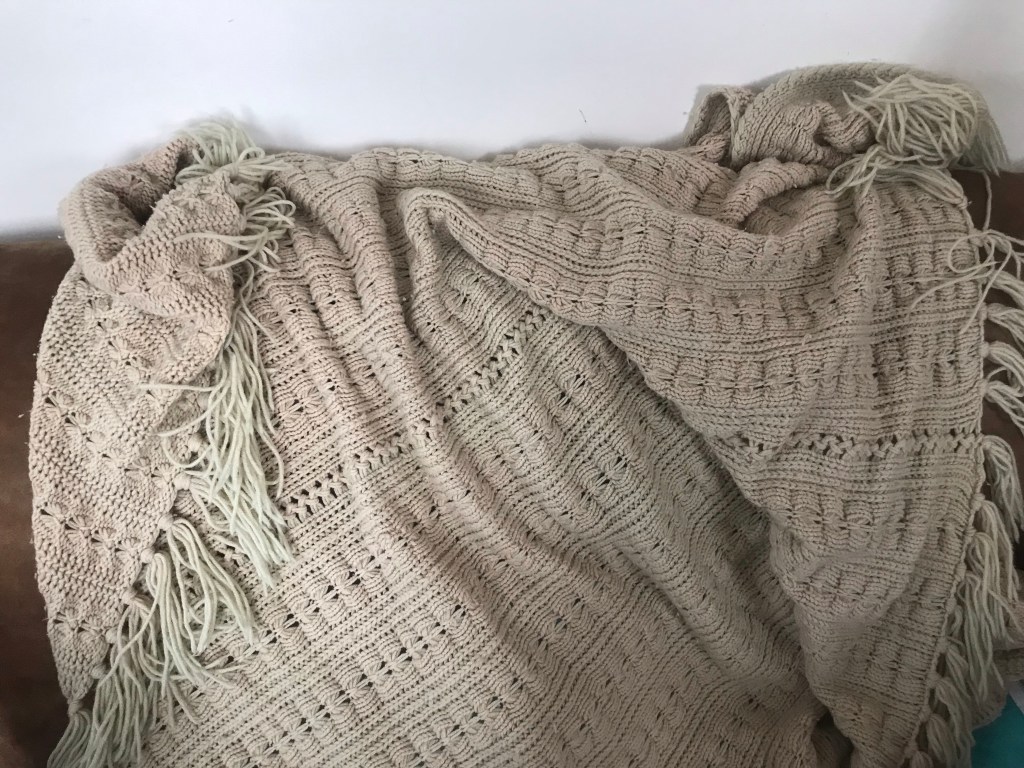
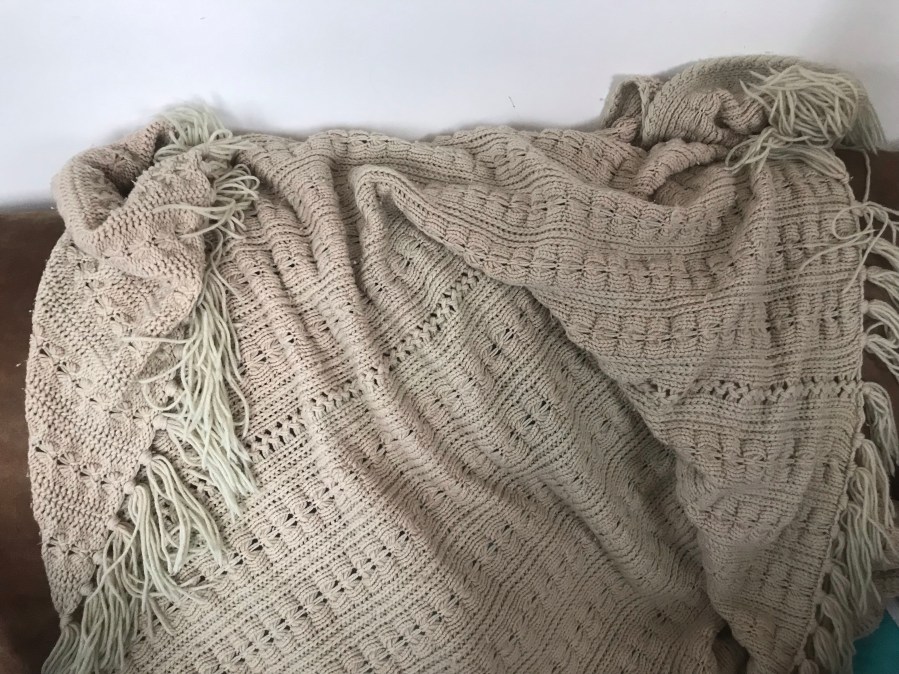
One of the blankets I immediately said I wanted was my grandmother’s – my dad’s mom. We lived across the hill from her (over the creek and through the woods to grandmother’s house we went) for my entire life until we moved in with her when I was in college.

She used to curl up in a tiny ball in the corner of this curved couch she had and cover herself with this afghan. She weighed about 100 pounds and wasn’t very tall so the thing covered her almost entirely.

My mom asked if I knew why she used to tie a red piece of ribbon to the bottom of it. I had no idea.

“She didn’t want to have the part of the blanket that was down by her feet up by her head when she laid back down,” Mom said.

Oh. Well, that’s one way to do it. I don’t think about such things but my grandmother apparently did. I have not yet tied a ribbon around the fringe of the blanket but I have covered up with it a couple of times, cried and least twice, and felt very sentimental every other time.

As an aside, I picked up the habit of rinsing out my mug several times under the faucet before using it to make sure it is totally void of leftover soap or dust of any kind. Grandma used to do that and now I do it and can’t stop. It’s my one, small OCD tendency.

Later in the week, Dad brought me a box of poems from my grandfather, which he wants me to place in some kind of scrapbook after I read through them.

It was all a little bittersweet because there was a series of poems in there written about a year before Grandpa died while my grandparents were on a trip to Maine. I never got to know the man since I was two when he died. My mom says I was afraid of men and even him because he had such a deep voice, but shortly before he died she’d leaned over to say goodbye to him (he was in a hospital bed at the house) with me in her arms and I impromptu leaned over and kissed his cheek. She said his expression was one of delight because I had never done anything like that before. He passed away not long after.

My grandfather was such a large figure, reputation-wise, in the family and community, though, so in many ways it feels as if I have known him all my life, even though I never really did.

He wrote a lot of poetry and kept very simple journals that mainly detailed what the weather was, what he’d had for breakfast, where he had gone that day, and who he had played cards with (usually some close friends who are distant relatives and the same couple my parents would later play cards with as well, even though my mom hates to play cards. Ha!).

Dad said he has a ton of large, padded, yellow envelopes with what looks like more of his writing in them spread out at his house. Looks like I know what my job will be Sunday afternoon.

Does your family hold on to family memorabilia or writings as well?

In addition to Grandpa’s writing, my dad also has quite a few items from my great-grandparents and great-great-grandparents, including a blood letter (not sure of the technical name for this) from my great-great-grandfather who was a doctor in the 1800s. This is the same great-great-grandfather who fought in the Civil War and whose brother also fought and then died in Libby Prison. (Trying saying great-great three times fast. After a bit, the words start to sound funny. *snort laugh*).

He also had a box of gold nuggets from my great-great-grandfather but we’re not sure why they are there. Dad thinks that maybe he was going to invest in some firm that was gold panning but he isn’t sure. The nuggets and the box they are in are probably about 200 years old. The nuggets look totally fake to me, but what do I know?

The full word above is “glass” but the g and l are on the other side of the box.

My dad gave The Boy a small framing hammer that my great-grandfather used to frame windows, including the one at the school of the local Catholic Church that we can see from our house. You know, the one with the bell that rings five times a day and the one I’ve featured in photos on this blog a few times.

After all this rambling I am sure you need a warm-up on your beverage. I shall pause while you do that.

Here is our intermission music:


Seriously, though, I do need to wrap this post up as it is dragging out, but I think I will pick up about Grandpa’s poems in another blog post later this week.

I hope you had a wonderful week last week and have a better one this week. As usual, feel free to share what you are drinking today in the comments and come back tomorrow for Sunday Bookends, where I share what I am reading, watching, listening to and writing.

I thought I’d share a poem from Grandpa to close out today:

Listen all here’s the deal,
You’re a cog in the wheel.
Some with a brush, a cloth, a comb,,
Others will pills as they roam.
Quiet you down, ease your pain.
All the duties not the same.
Others are just the nurses aid,
Let’s not forget the cleaning maid.
Some prepare for a transfusion
Inject iv’s its utter confusion.
In every bed there’s someone sick
All ring at once want you quick.
Samples of blood as you go along
Go to the lap to see what’s wrong
Temperature, heart beats, pulse and pressure
Ah yes, ‘tis work beyond measure.
Rub your back, arms they clutch
Get you up on a crutch.
And doctor’s orders you must obey
Among other things in the day.
Don’ know where we’d all be
Without that wheel don’t you see.
You jot a word on our chart
Yes everyone’s a vital part.
Yet ‘tis rewarding to the soul
To keep the wheel so she’ll roll.
So at years end, the yuletide season
We love you all, that’s the reason.
As these words we pause to write
Have a wonderful day and peaceful night
~Walter H. Robinson.

The day I met my great-grandfather’s sister’s great-grandson when he came to sell me air conditioning

Our town is small, as I’ve mentioned before. Not only is our town small, our whole two county area is small. Let me tell you how small.

A few weeks ago a guy came from a town about an hour from our new house to talk to me about the possibility of installing ductless air conditioning and as he got ready to leave he handed me his business card. His name looked very familiar and I immediately knew why.

A couple months before his visit I had been packing to move to this house and I found a letter sent to me about 20 years ago (I know, I’m old) when I worked at one of the local newspapers (I started when I was 10. Wink.).

The letter was from a man who recognized a name I mentioned in one of my columns. The name belonged to my great-grandfather’s sister Molly Grant Manley. The man who wrote me was one of her grandson’s.

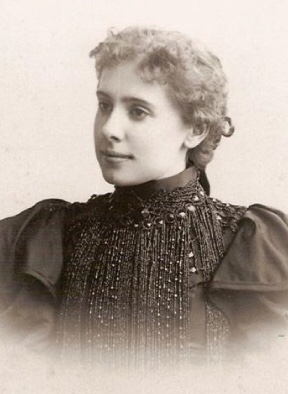
Molly

When the air conditioning man handed me his card, I saw his last name and realized he was related, somehow, to the man who wrote me the letter because his name was included in the letter. Long story short, the man who wrote me the letter was this man’s great-uncle and his great-uncle and grandfather were the grandsons of my great-grandfather’s sister. This man’s was named after his great-grandfather, who was a former bank president and well-known in his community.

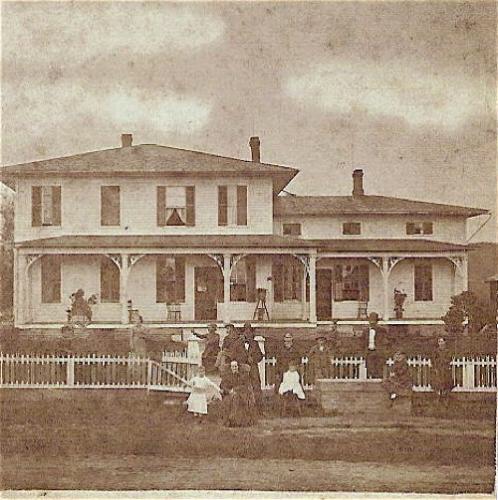
I wrote a column mentioning Molly because sometime in the early 1900s Molly used her new engagement ring to carve her name in the window pane in a window at her parent’s, or brother’s home. That home was where I grew up and the window was still there when I was a child. We were often warned not to break the window because it was a family heirloom. It wasn’t uncommon for my mom to call outside to my friends and me: “Go throw that ball somewhere else, please. You might hit Molly’s window!”

Somehow Molly’s window survived all those years with children throwing balls and playing outside it. It even survived my dad almost shoving a rake right through it . Luckily he only hit the storm window that was installed in front of it.

When my parents moved out of the house and in with my grandmother across the creek they gently removed the window, wrapped it up in a thick blanket and took it with them. It’s now stored behind my grandmother’s safe.

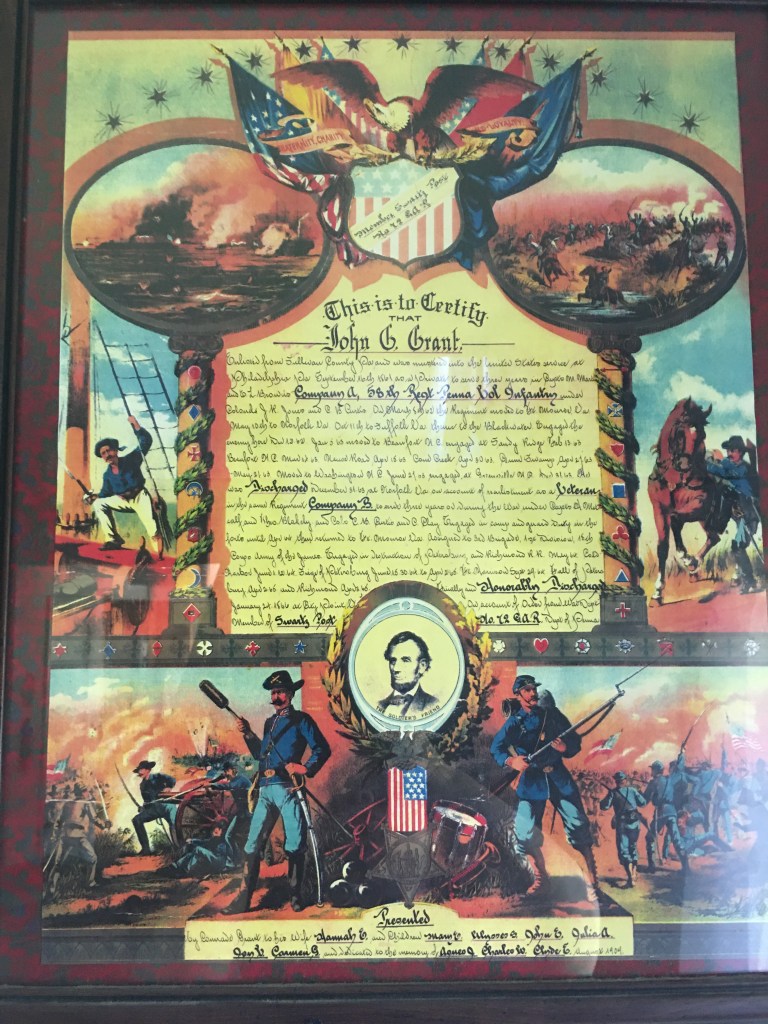
While the ac man (hmmm, maybe I should call him my distant cousin from now on?) was here I showed him his great-great grandfather’s discharge papers from the Union Army which all of the grandchildren of my grandmother was given a copy of several years ago after she and I discovered the original under her bed. Grandma knew the document was there but didn’t really realize what it was until we unfurled it and read it closely.

Molly is listed as Mary on the paper but from what we understand she was always referred to as Molly, not Mary.

I can’t help wondering what type of personality Molly had to have to decide to carve her name in a window with her diamond ring. I always imagined she must have been pretty spunky and fun.

My distant cousin had to head back to work, I had to tell him later we can’t afford his system this summer (hopefully next) but he said his family was going to be very interested in my information about Molly.

Now that I think about it, I’d be interested in some information from them about the woman whose name was almost literally engrained into my childhood. Hopefully, we can connect someday soon and exchange what we know about our common ancestors.

For now, most of what I know about Molly and her husband is on the website for the Pennsylvania Apple and Cheese Festival because it is held at the farm they lived on all those years ago.

Looking at her husband’s photo and reading on that he died some thirty years before her in 1935 and that she was 92 when she died, my creative brain is also sparking and I’m thinking a story based (loosely of course) on her life might be fun to write someday. We will have to see.

(P.S. Molly’s husband looks a lot like our AC Man. Of course, that is his great-grandfather but still, isn’t the passing down of family physical traits interesting?)

Next to the girl and her dog

DSC_5628-2

I posted this photo of my daughter and our dog on Facebook recently and my dad commented the following under it:

Next to the girl collecting Easter eggs with her dog stands a pair of sawhorses that belonged to her great great grandfather. Just to the left of them is a gnarly maple with different bark than the other maples. Behind her is a beautiful tall always liked ash. It is yellowed pale and almost dead now from the ash tree bores that have destroyed most all of Pennsylvania’s ash. To the right just out of focus is a large stone over the grave of one of her mother’s cats.

There is also a small dogwood tree planted by her grandfather nearby. Beyond that are some rotted boards of the dog house he built when nine years of age or so he claims.  A shag-bark hickory stood near there and fifty yards above that spot stood a balsa tree, the largest tree in the lot. Seventy-five feet behind the girl is a hand dug well that is now covered with heavy steel plates. This well gravity fed the house and chicken coops. Another well hidden just over the stone wall property line has a large stone covering it.

Just beyond the fence once stood one chicken coop. Water would be hand carried to that one as it was not downhill enough for gravity feed. Hid in the brush 100 feet to the left of the sawhorse is the foundation remains of the spring-cooled milk house. Also, the corn crib was near there. The granary still remains in that spot. A week later as this is being written the buds are opening to vivid green leaves, the forsythia flowers are bright yellow and life goes on.