

Erin from Still Life, With Cracker Crumbs and I are watching Comfy, Cozy movies from September through November.
This week we had a Halloween freebie/wildcard.
Originally, I was going to write about Practical Magic because Erin was watching the movie and I thought I would too. Then I watched Practical Magic and…plans changed. I’ll leave it at that.
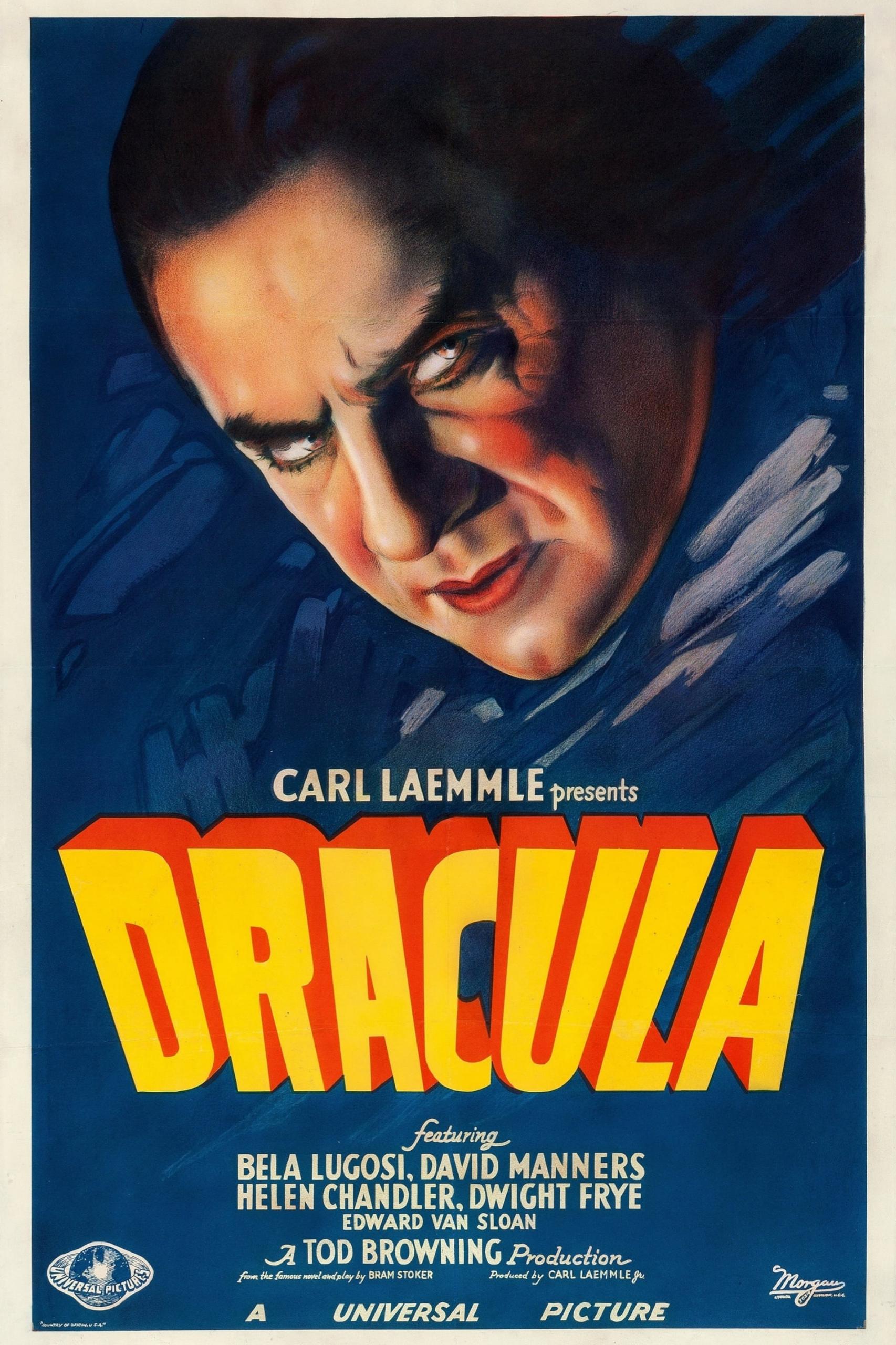
Instead, I decided to rewatch the original black and white Dracula movie from 1931 and write about that. I will admit this movie is neither comfy or cozy!
At the beginning of the movie, we see a group of people traveling through a remote area – where it is we aren’t told but later the movie subtitles say they are speaking Hungarian.
One woman is reading about the area and says there are ruins of castles in the area that can be seen. She almost falls over as the carriage continues and a man asks for the driver to slow down.
“No!” one man declares. “We need to get to the village before sundown. It is Walpurgisnight, the night of evil.”
There are dark things afoot when the sun sets, he says.
Soon the carriage stops and we have one of the men telling the villagers that he isn’t going to stay in their village but instead is going to go up the mountain around midnight to meet a carriage and go on to the house of Count Dracula. The villagers are clearly upset at this news and urge him not to go. They tell him there are vampires at the castle of Count Dracula and, in fact, they come into the village and drink the blood of anyone who stays outside after sunset.
The man is determined though and off he goes, much to the disappointment of the villagers and carriage driver. One of the women even hands him a necklace with a cross and begs him to take it for the sake of his mother to protect him.
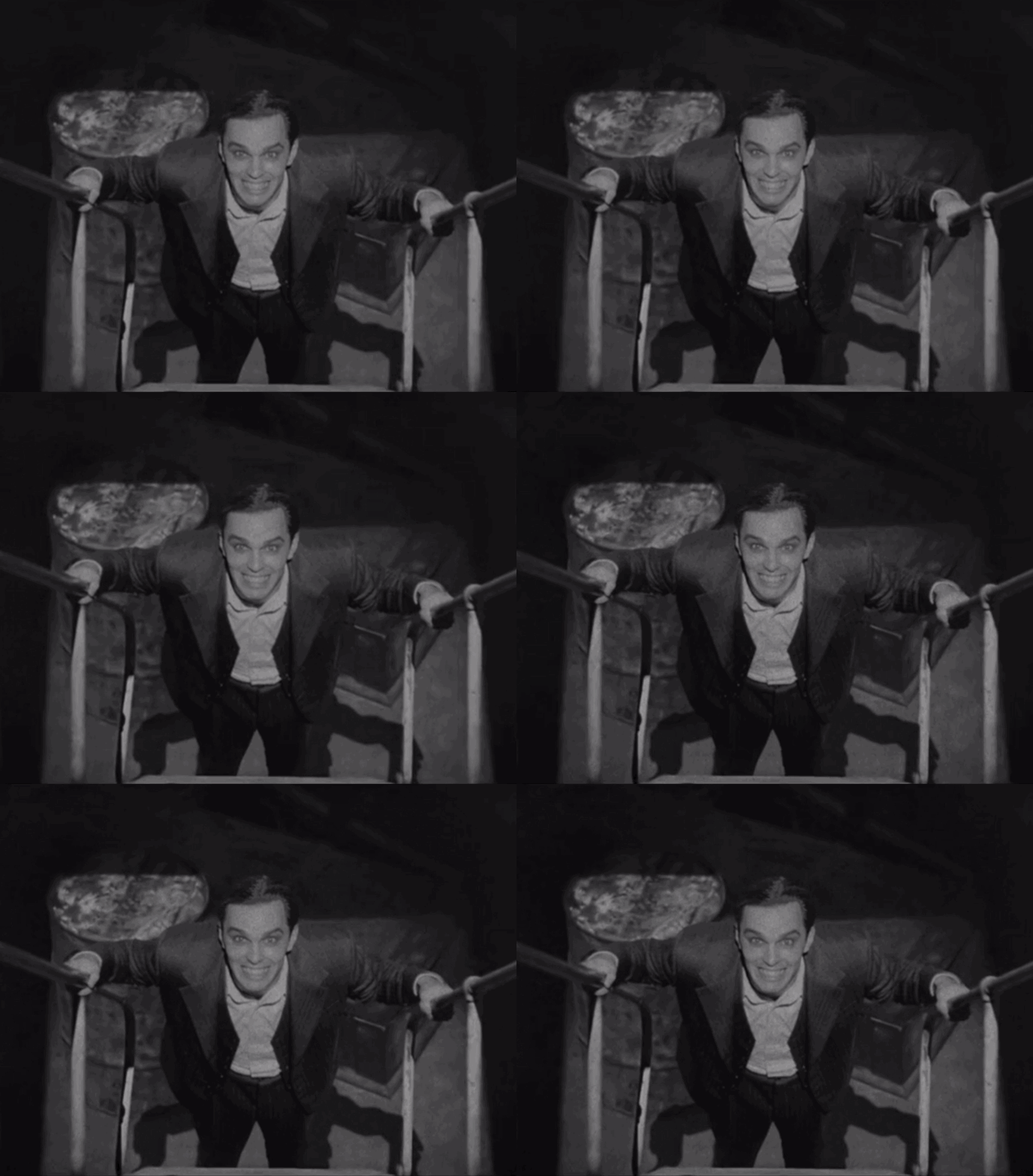
The carriage takes off over the desolate hills and next we see a clip of a man and woman climbing from a coffin in a dark basement or crypt and the man looking ominously at the camera, dark shadows all around him except for a spotlight on his dark eyes. The three women in long white dresses walk around inside the crypt, carrying candles.
This movie is 93 years old this year and still had shivers sliding up my spine. A foreboding atmosphere hangs over the scenes, telling the viewer that something bad is going to happen or the bad is going to continue to get worse.
The movie is shot very, very dark, which sometimes makes it hard to see what is going on, but the viewer can certainly tell that the man – R.M. Renfield (played by Dwight Frye) — is very nervous when the carriage pulls up in the rain to pick him up. He’s regretting his decision even more when he walks into the ruins of the castle. Renfield is there to arrange the lease of an abbey in London for the count.
The view of this castle from the inside is insane and if it was today, I’d say it was CGI, but this movie was made at a time when they didn’t have CGI. The inside shot when the man first walks in and sees the scope of this castle is mesmerizing.
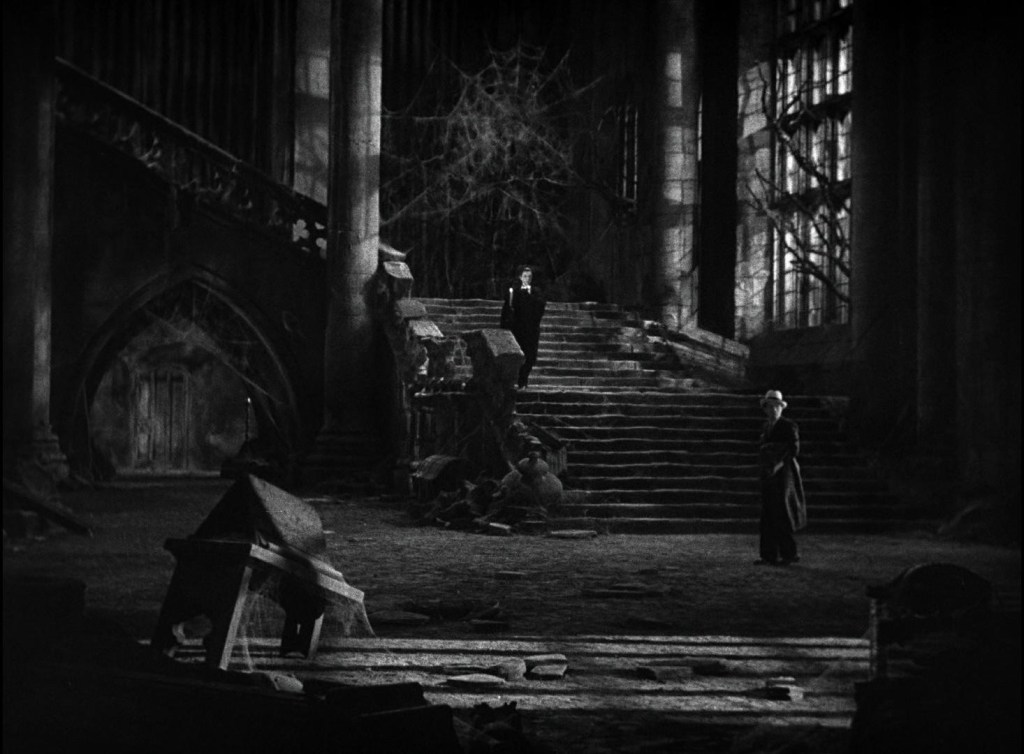
I was shocked when I read that the scenes in the castle were shot in Universal City, California on a sound stage. The set was painstakingly built and the ruins of the castle were used for years in other movies, one article stated.
Much of the so-called special effects of the movie were created with fog, camera angles, and lighting.
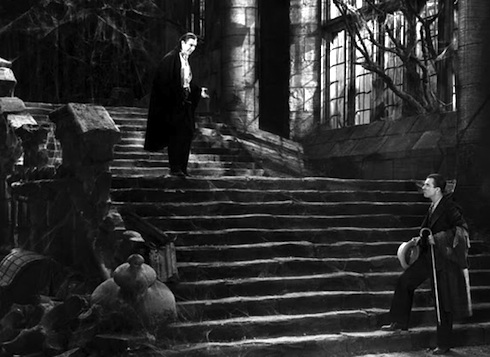
The effects are in full force when a man walks down the long stairway, out of the dark shadows to meet Renfield.
“I am Dracula,” the man says, his face lit by the candle.
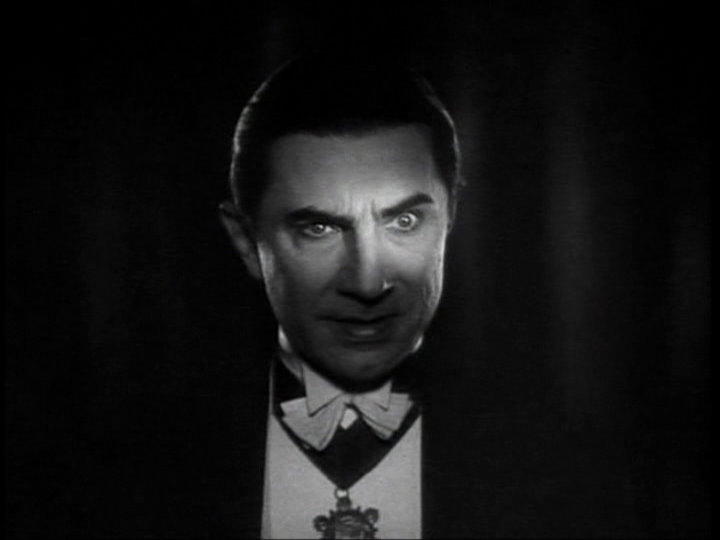
The actor who plays Dracula is, of course, Bela Lugosi, whose portrayal, according to the Encyclopedia Britannica is considered the definitive portrayal of Count Dracula. Bela’s version of Dracula is absolutely haunting. Old movie or not, the acting in this movie is done terrifyingly well.
Dracula is a character created by author Bram Stoker who wrote the novel of the same name in 1897. This movie was based on the 1920s stage production of the book. Lugosi portrayed Dracula in that production on Broadway, in 1927, as well.
According to the Encyclopedia Britanica web page, “[Lugosi’s] halting speech, in his own thick Hungarian accent, contributes to the frightening appeal of the film, along with its eerie atmosphere, long tension-raising pauses, and lack of music.”
That lack of music is quite chilling. Apparently, in 1998, Philip Glass was commissioned to score music for the film and it was added to a re-released version of the film. I watched the original film without the music and I prefer it that way. Much like black-and-white photography strips away the distractions of color, the lack of music in Dracula leaves the viewer even more immersed in the horror experience – undistracted by a melody or a tone of a musical piece.
“These first 20 minutes are predominantly silent – in fact, beyond a few snatches of Tchaikovsky and Wagner, there is no background music in the film at all,” TCM’s Rob Nixon writes. “A rising sense of dread is accomplished by the creaking sounds of coffin lids and by cinematographer Karl Freund and Director Tod Browning’s floating camera creating an atmosphere of mystical terror reminiscent of the German silent fantasies.”
When Lugosi comes down the stairs carrying a candle and announces, “I am Dracula,” in a very calm, but eerie voice, Renfield looks slightly relieved. Afterall the carriage driver drove off with his luggage, the cobwebbed-covered castle is bathed only in moonlight, and there are wolves howling outside. Surely this man will be leading him into the cozier setting in the upstairs of the castle.
When Dracula says the wolves are the children of the night, this should have alarmed Renfield more but, no, he continues on, even when he sees a large spider web and spider inside.
Things, of course, go off the rails for poor Renfield when he gets a cut from a paperclip and starts to bleed. This must have reminded the count he was a bit peckish because the look he gets on his face is pure obsession over the blood on Renfield’s finger. The cross that falls from around Renfield’s neck is the only thing that saves him in that moment.
Sadly, it won’t save him for long but I’ll let you find out what happens if you watch the movie, or if you don’t know the story.
Later in the movie, we will be introduced to Professor Van Helsing (Edward Van Sloan) who will try to stop Dracula from his murderous feasting throughout London.
I won’t give the ending of the movie away but it was seriously not the exciting ending I was hoping for.
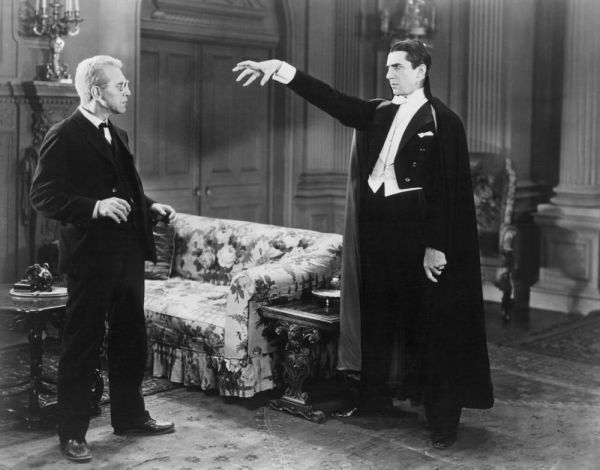
This film was filmed in 36 days for $341,191, just under the planned $350,000 budget. When the movie was first discussed, it was going to be a large, sprawling remake of the stage production, according to TCM.com, but the Great Depression hit and the movie had to be scaled back.
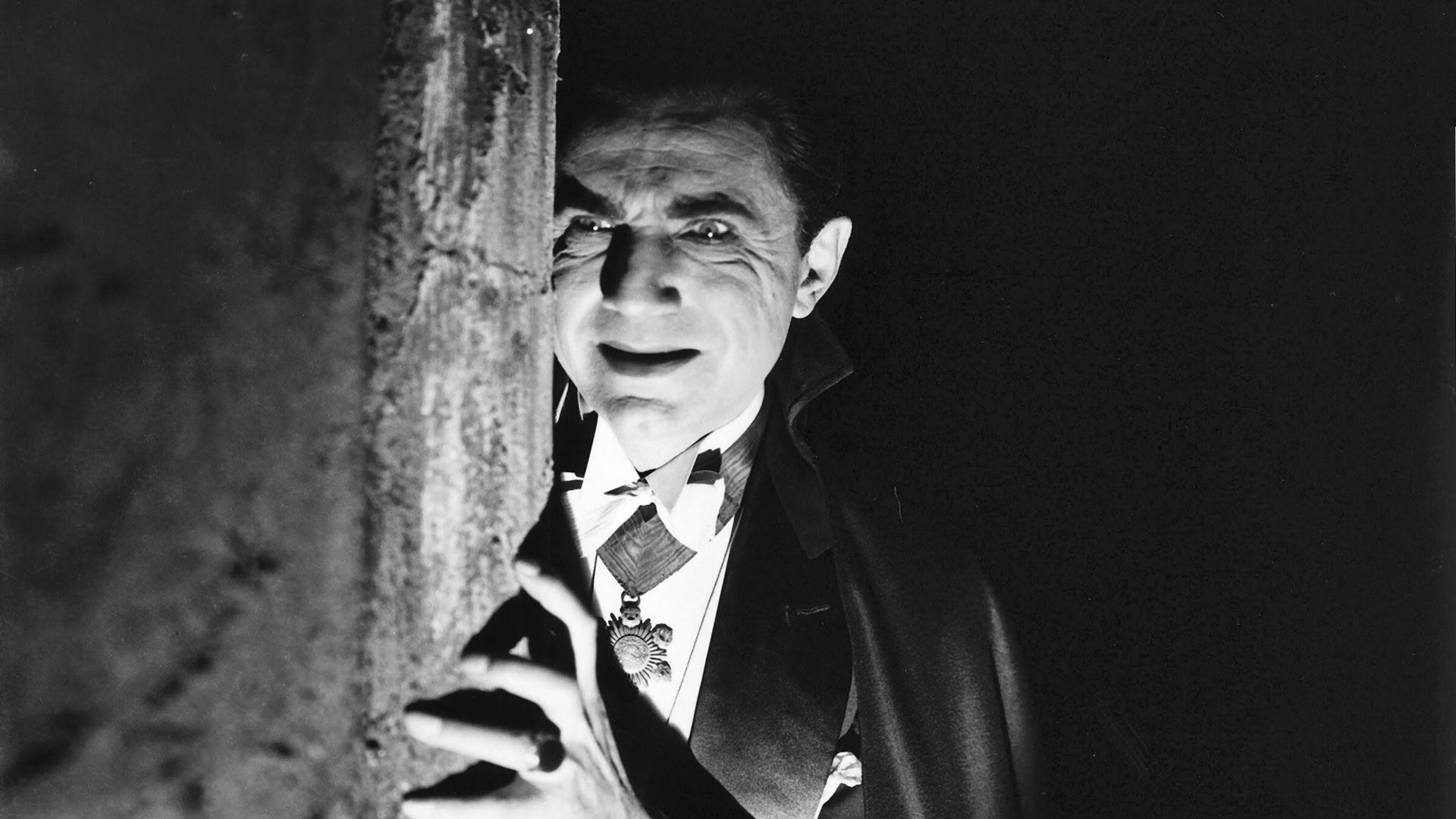
People on set say that Lugosi used to practice saying his lines and getting into character by posing in front of a mirror and tossing a cape across his shoulder. He spoke very little to the cast, saying only hello when he came in and goodbye when he left.
According to Nixon, Lugosi was typecast after Dracula to the point he couldn’t break into any other style of acting.
“Typecasting is an inherent danger for any star; for Lugosi, it crept strangely into his private life as well,” Nixon wrote. “For many years, he appeared in public in his trademark costume and demeanor, and was even buried in Dracula’s black cape. When he looked in the mirror, did he only see the Transylvanian count staring back at him? Or, like the vampire character he portrayed, did he see nothing at all?”
A note on him being buried in the cape: other online articles state that Lugosi did not request to be buried in the cape. His son and fifth wife chose to do so because they thought he would like it. Yes, you read that right. His fifth wife.
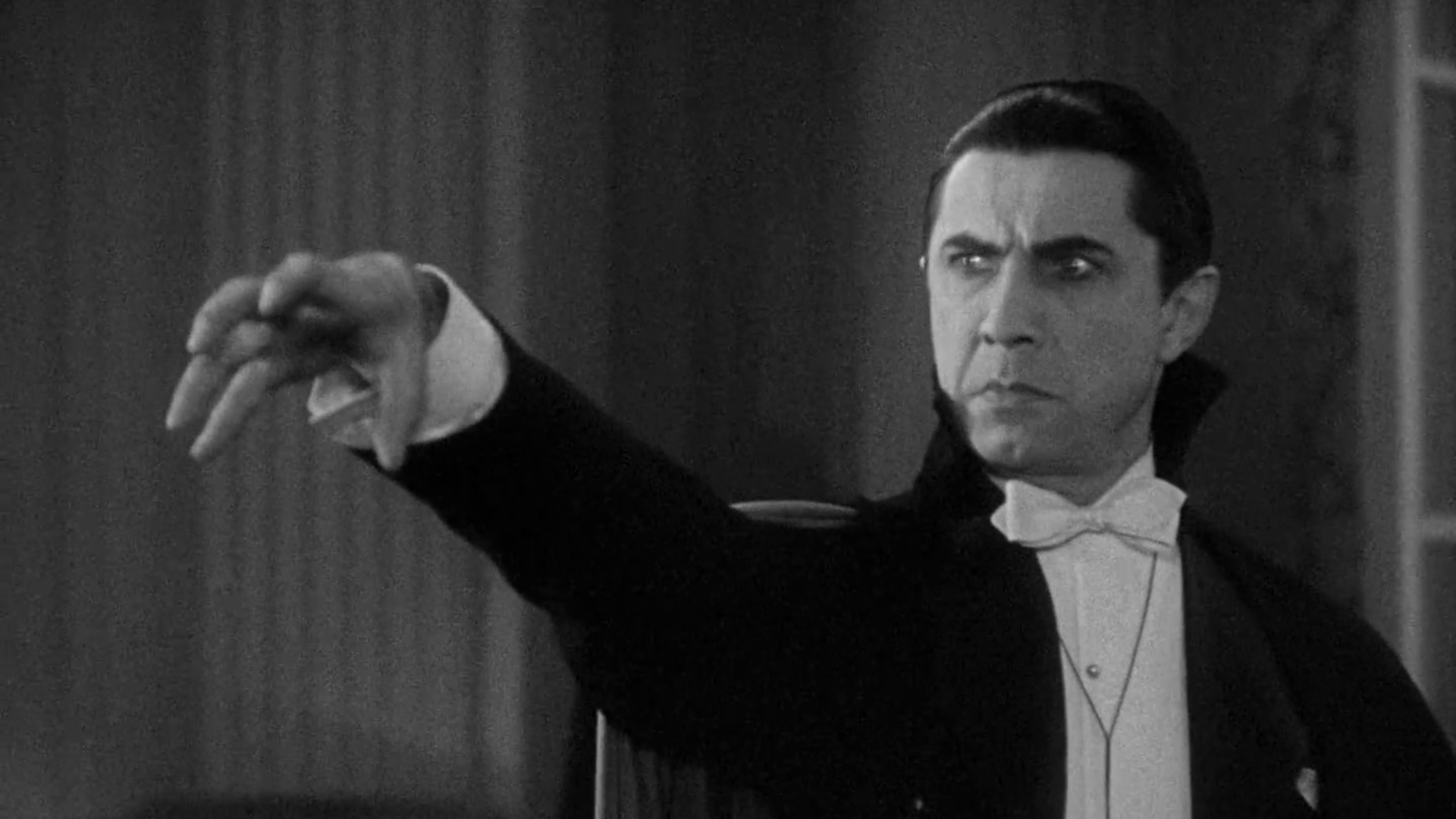
Anyhow, back to the movie – while it was directed by Tod Browning, some said that Freund was the actual director. Freund was an Academy Award-winning cinematographer for his work on The Good Earth from 1937 and at the end of his career filmed various television shows – including I Love Lucy.
In some ways Dracula holds up more than many films of today. The creep factor was definitely there – especially Frye’s manic/insane portrayal of Renfield after his interaction with Dracula. I don’t think it is a movie I will watch again because I could barely make it through it without wanting to flip to Anne of Green Gables to clear my movie-watching palette.
Have you ever seen this version of Dracula? What did you think of it?
If you want to read Erin’s impressions of Practical Magic, you can find it here.
Up next week for the Comfy, Cozy Cinema is Skylark, the second movie in the Sarah, Plain and Tall series. This one really is a comfy, cozy watch.
Here is our remaining list, including a group watch of Chocolat (date to be announced) that we will be writing about on Nov. 21. You do not have to write about the movie to watch with us.
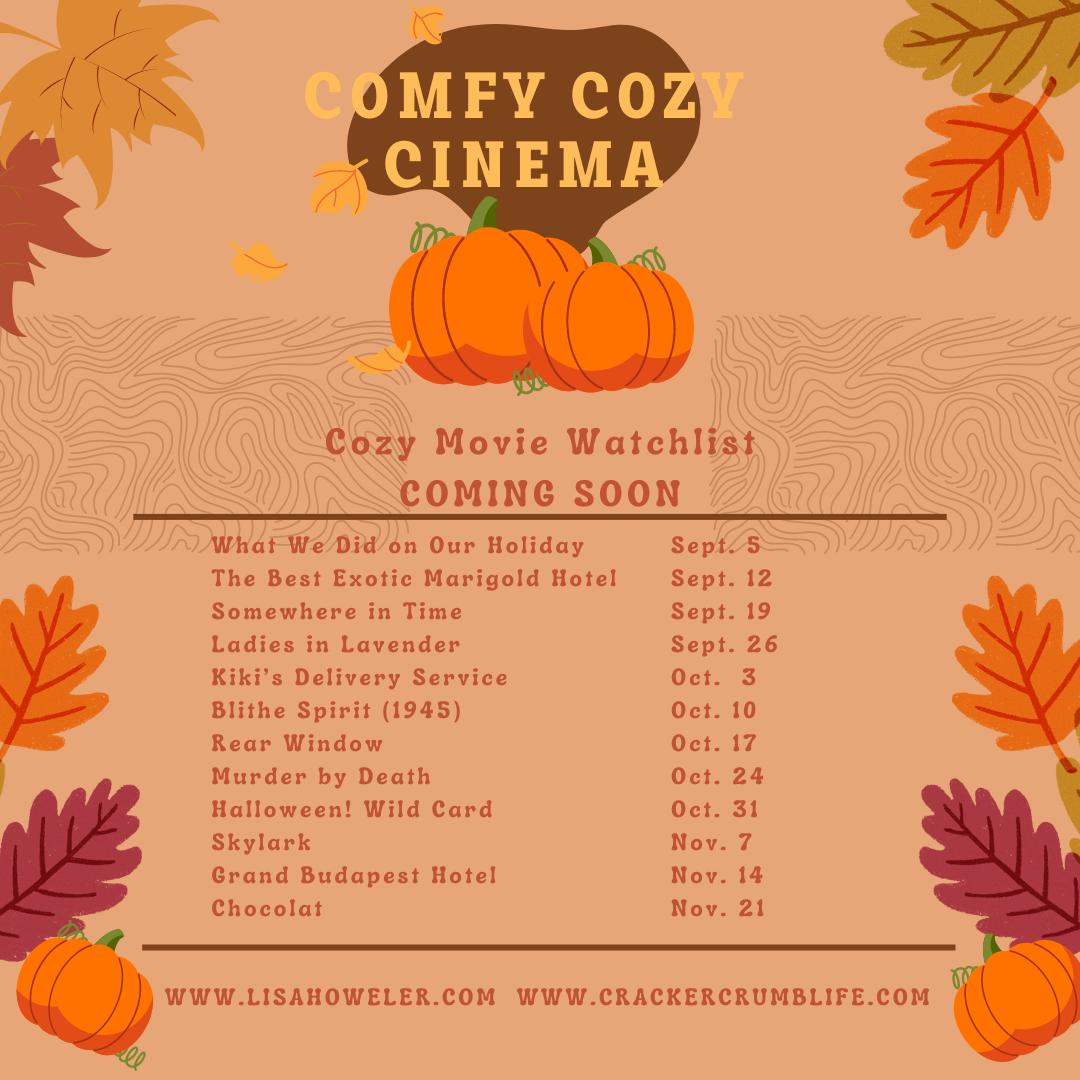
We will be pushing play together on Chocolat and then chatting about the movie in our Discord group (The Dames), which you can join for free now here: https://discord.com/invite/J7qQ36Uf
If you want to join in and add a blog post you wrote about the movie you watched this week you can leave a link here:
