Today’s prompt is: Books on My Spring 2026 To-Read List
I already shared a post about what books I have on my spring hopeful list, so today I am narrowing the list down to the top ten from that list that I definitely want to read, even though I know other books will probably catch my attention along the way.
A note for this post: it does contain affiliate links. Clicking the link does not mean that you will pay more for the item, only that I make a tiny commission if you make a purchase from that link.
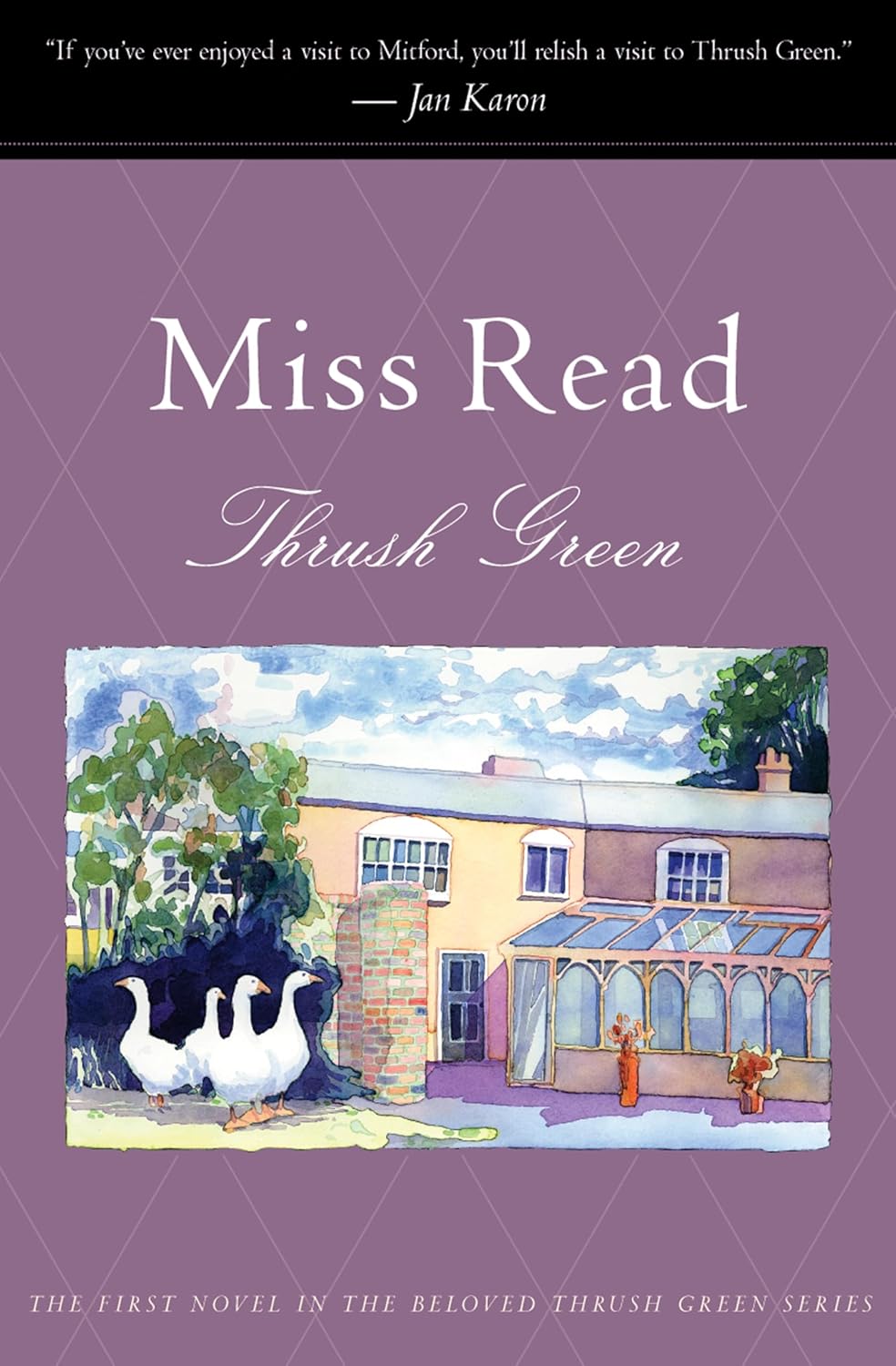
I’ve read other Miss Read books and enjoyed them so wanted to try this one.
Discover the little English village that neighbors Fairacre, in a novel that’s “enchanting, lovely, gentle, pointed, and charming” (Minneapolis Sunday Tribune). Miss Read’s charming chronicles of English small-town life have achieved legendary popularity, providing a welcome return to a gentler time with “wit, humor, and wisdom in equal measure” (The Plain Dealer). Welcome to Thrush Green, the neighboring village to Fairacre, with its blackthorn bushes, thatch-roofed cottages, enchanting landscape, and jumble sales. Readers will enjoy meeting a new cast of characters and also spotting familiar faces as they become immersed in the village’s turn of events over the course of one pivotal day: May Day. All year, the residents of Thrush Green have looked forward to the celebration. Before the day is over, life and love, and perhaps eternity, will touch the immemorial peace of the village.
I keep saying I am going to read this one and just never do it! This spring I want to actually read it!
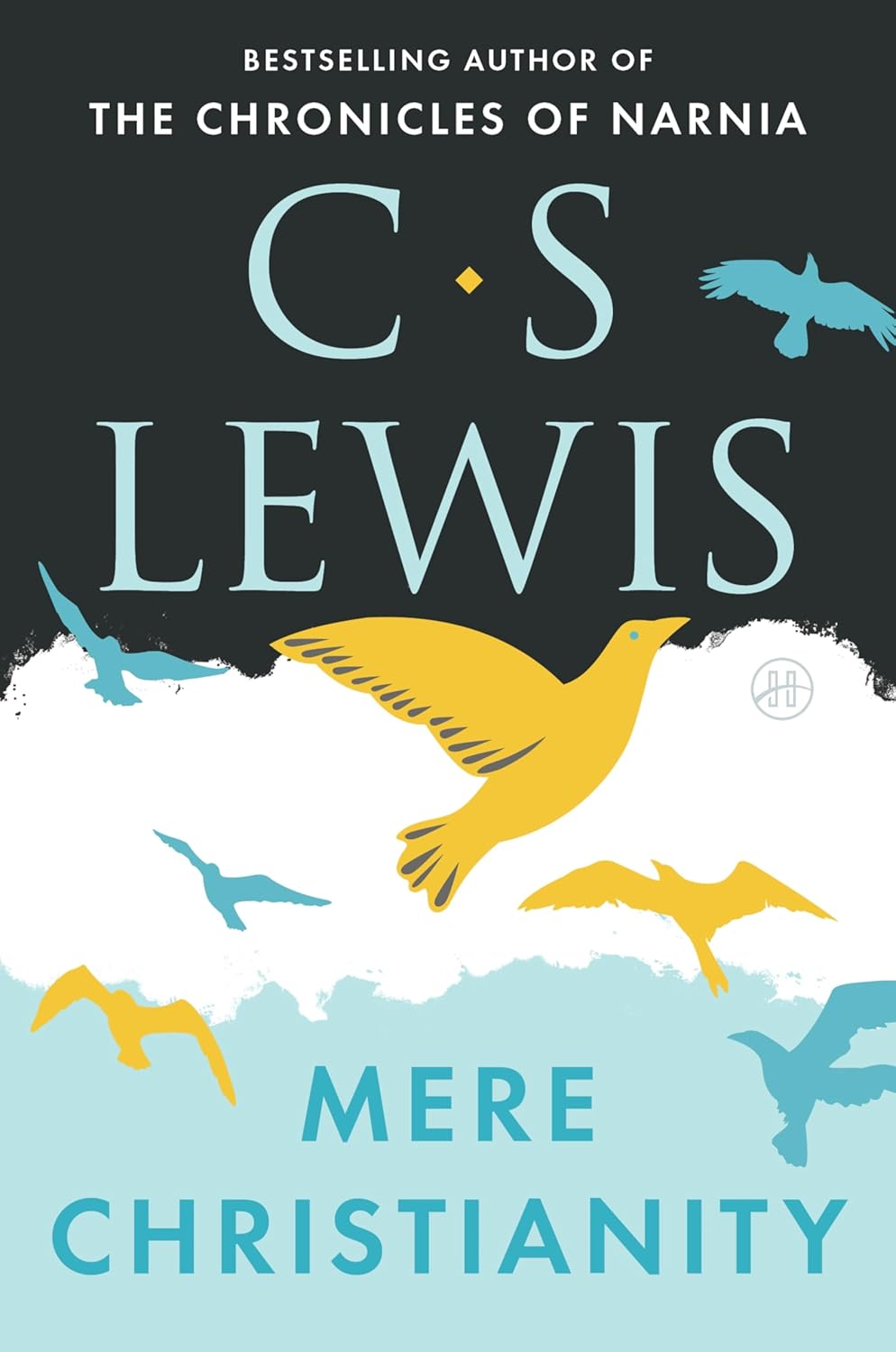
Our moral consciousness and moral judgements are proof to the human race that a moral being exists—God.
Mere Christianity explores the core beliefs of Christianity by providing an unequaled opportunity for believers and nonbelievers alike to hear a powerful, rational case for the Christian faith. A brilliant collection, Mere Christianity remains strikingly fresh for the modern reader and at the same time confirms C. S. Lewis’s reputation as one of the leading writer and thinkers of our age.
The book brings together Lewis’ legendary broadcast talks during World War II. Lewis discusses that everyone is curious about: right and wrong, human nature, morality, marriage, sins, forgiveness, faith, hope, generosity, and kindness.
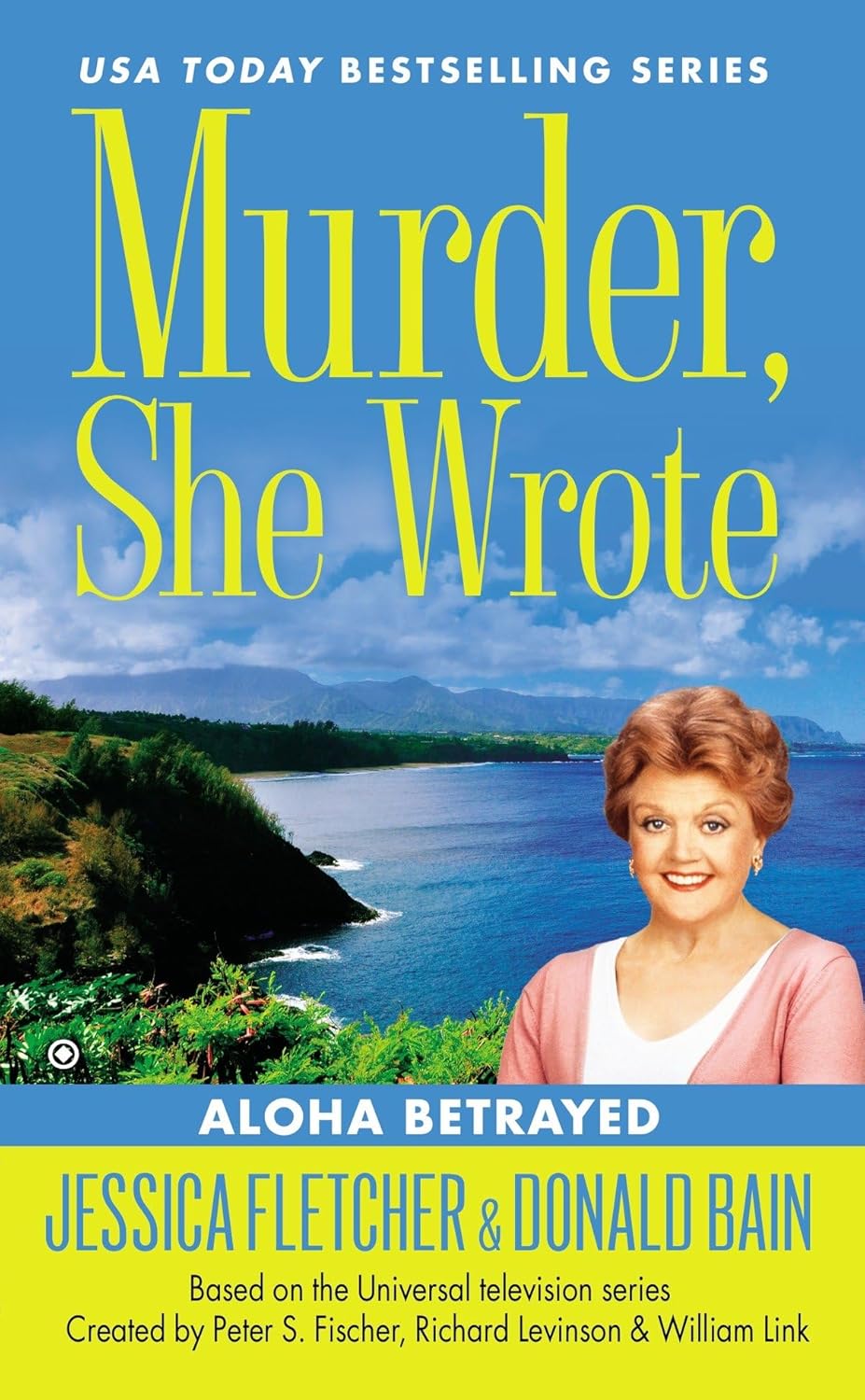
These are always fun reads so I need at least one per season if not one per month!
Description: Jessica is on the Hawaiian island of Maui, giving a lecture on community involvement in police investigations. Her co-lecturer is legendary retired detective Mike Kane, who shares his love of Hawaiian lore, legends, and culture with Jessica. But the talking stops when the body of a colleague is found at the rocky foot of a cliff.
Mala Kapule, a botanist and popular professor at Maui College, was known for her activism and efforts on behalf of the volcanic crater Haleakala. Plans to place the world’s largest solar telescope there split the locals, with Mala arguing fiercely to preserve the delicate ecology of the area.
Now it’s up to Jessica and Mike to uncover who was driven to silence the scientist…and betray the spirit of aloha.
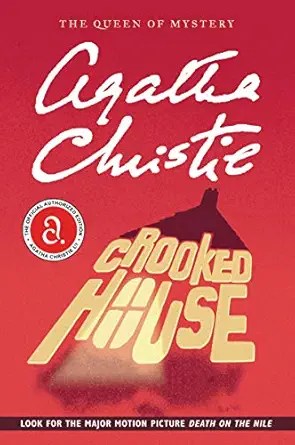
Description Described by the queen of mystery herself as one of her favorites of her published work, Crooked House is a classic Agatha Christie thriller revolving around a devastating family mystery.
The Leonides are one big happy family living in a sprawling, ramshackle mansion. That is until the head of the household, Aristide, is murdered with a fatal barbiturate injection.
Suspicion naturally falls on the old man’s young widow, fifty years his junior. But the murderer has reckoned without the tenacity of Charles Hayward, fiancé of the late millionaire’s granddaughter.
This is my April read for the Read Christie 2026 Challenge.
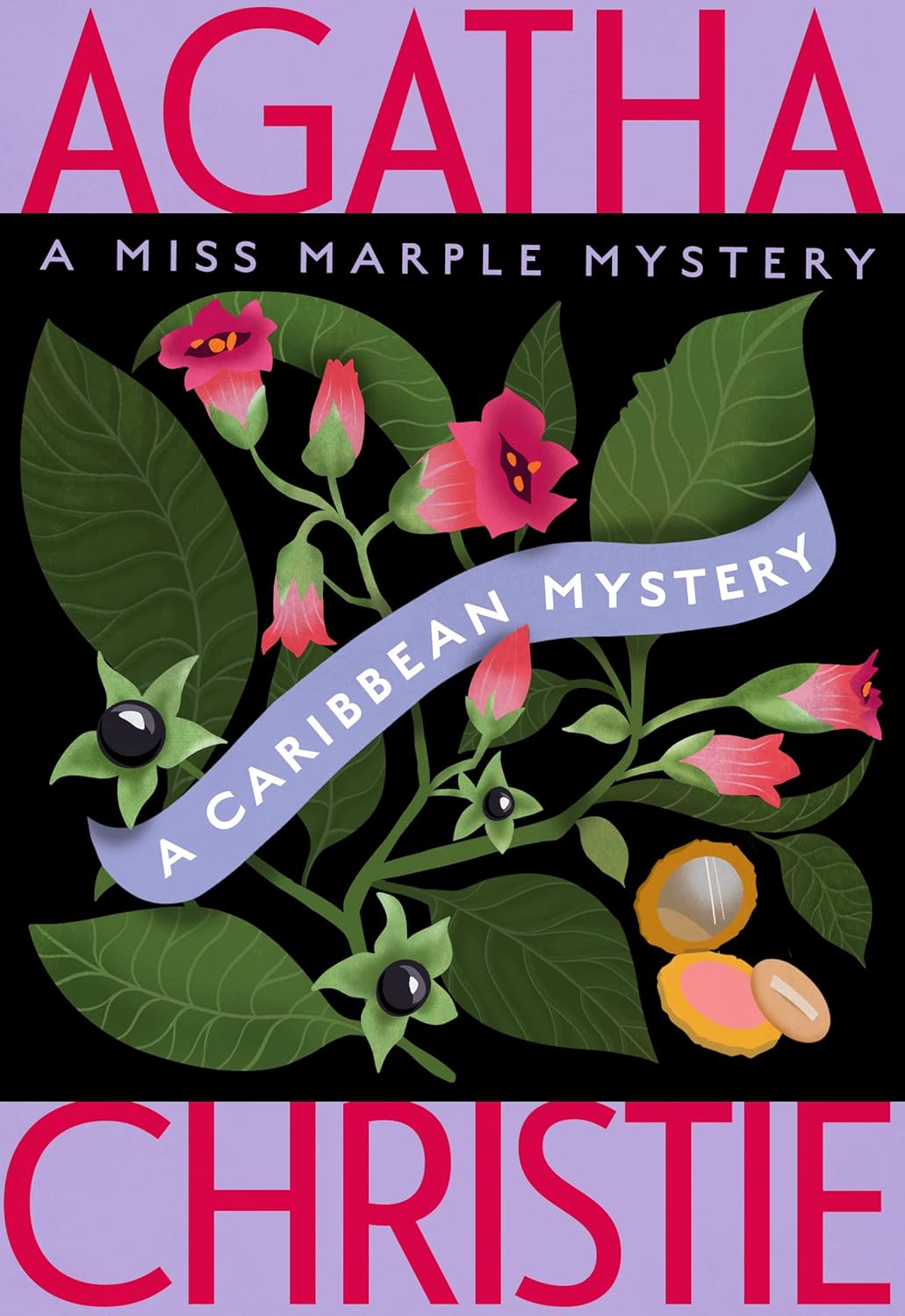
Description: As Miss Marple sat basking in the Caribbean sunshine, she felt mildly discontented with life. True, the warmth eased her rheumatism, but here in paradise nothing ever happened.
Eventually, her interest was aroused by an old soldier’s yarn about a murderer he had known. Infuriatingly, just as he was about to show her a snapshot of this acquaintance, the Major was suddenly interrupted. A diversion that was to prove fatal.
I am reading this one with Erin from Still Life, With Cracker Crumbs.
Description: At the age of six, little orphan Heidi is sent to live with her grandfather in the Alps. Everyone in the village is afraid of him, but Heidi – fascinated by his long beard and bushy grey eyebrows – takes to him immediately and soon earns his love in return. She adores her life in the mountains, playing in the sunshine and growing up among the goats and birds, but one terrible day Heidi is collected by her aunt and forced to live with a new family in town. Heartbroken by the loss of her Alpine life, she must do everything she can to return to her grandfather.
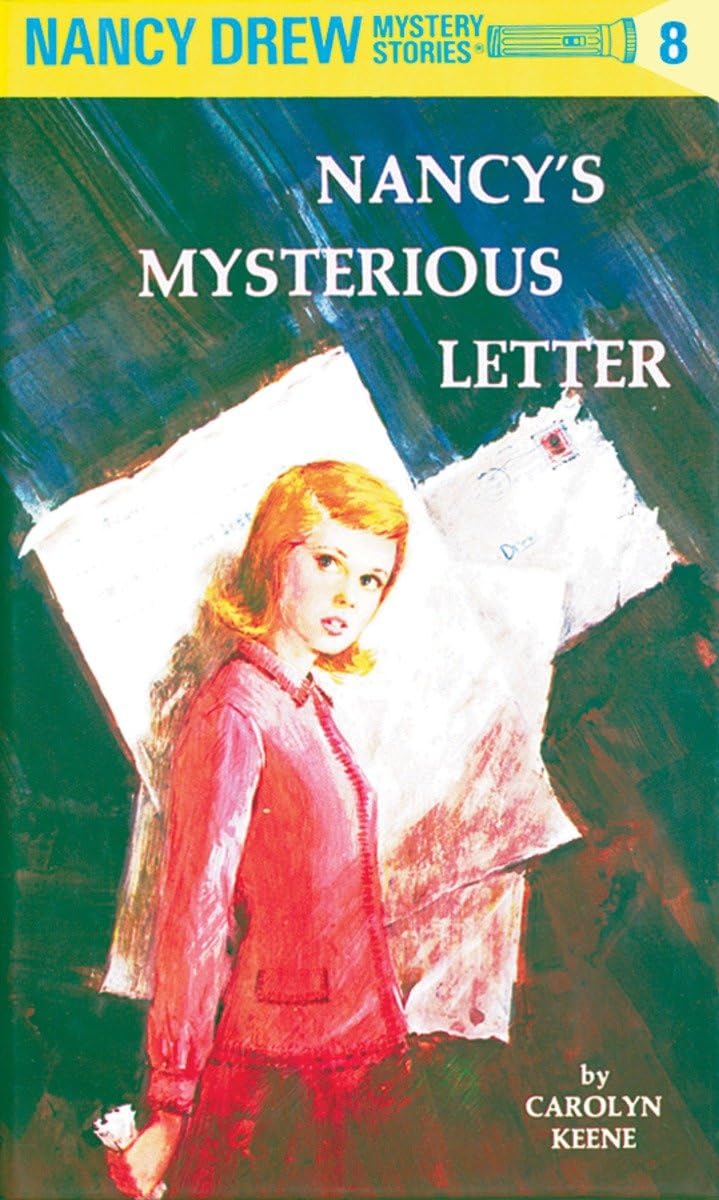
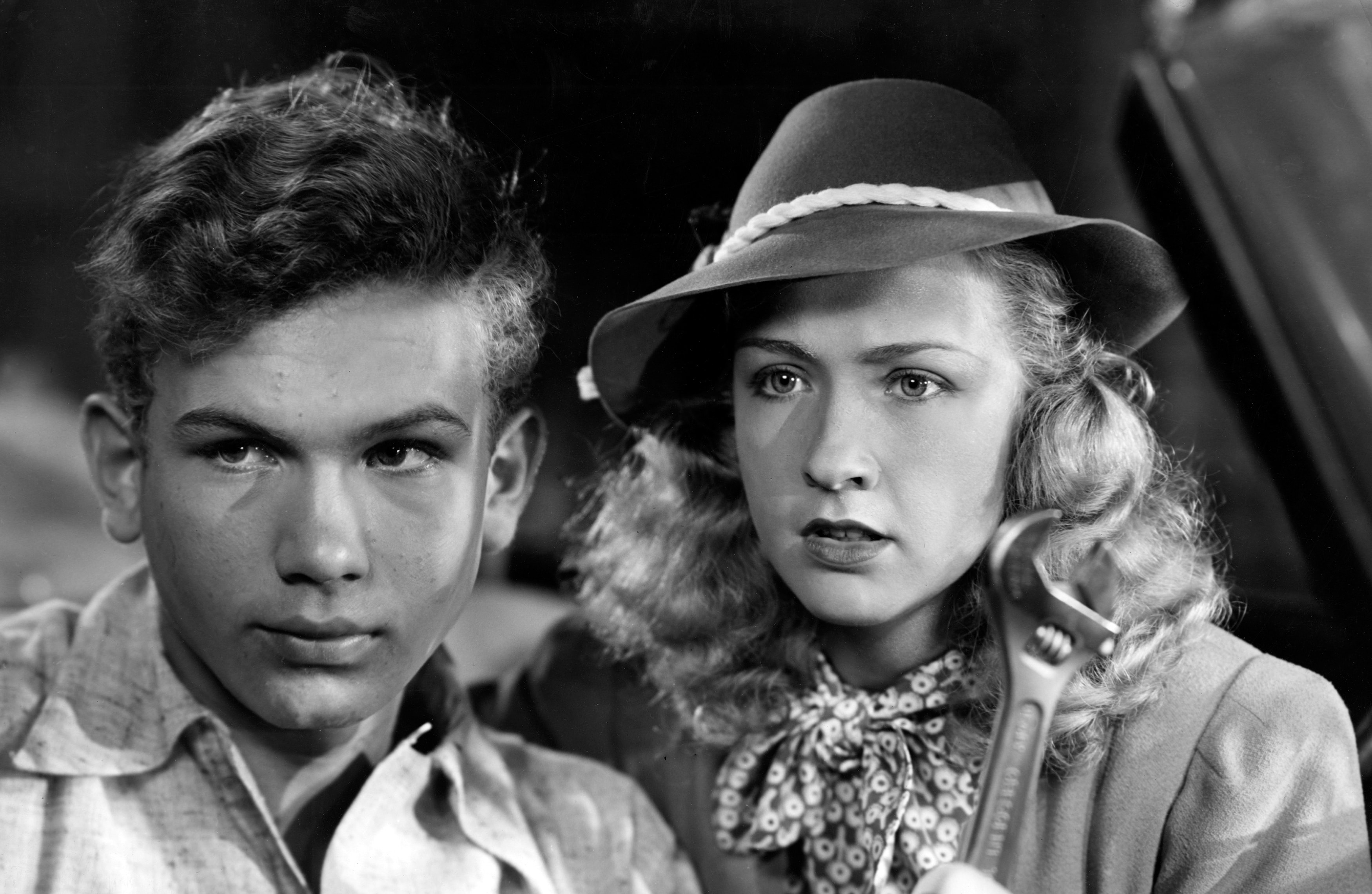
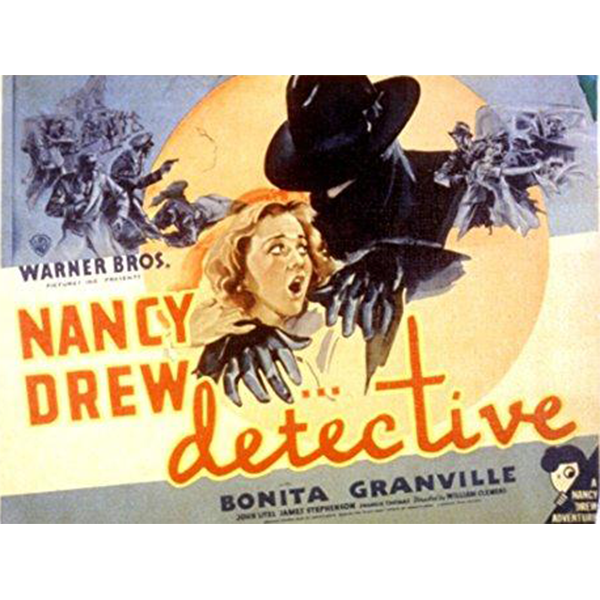
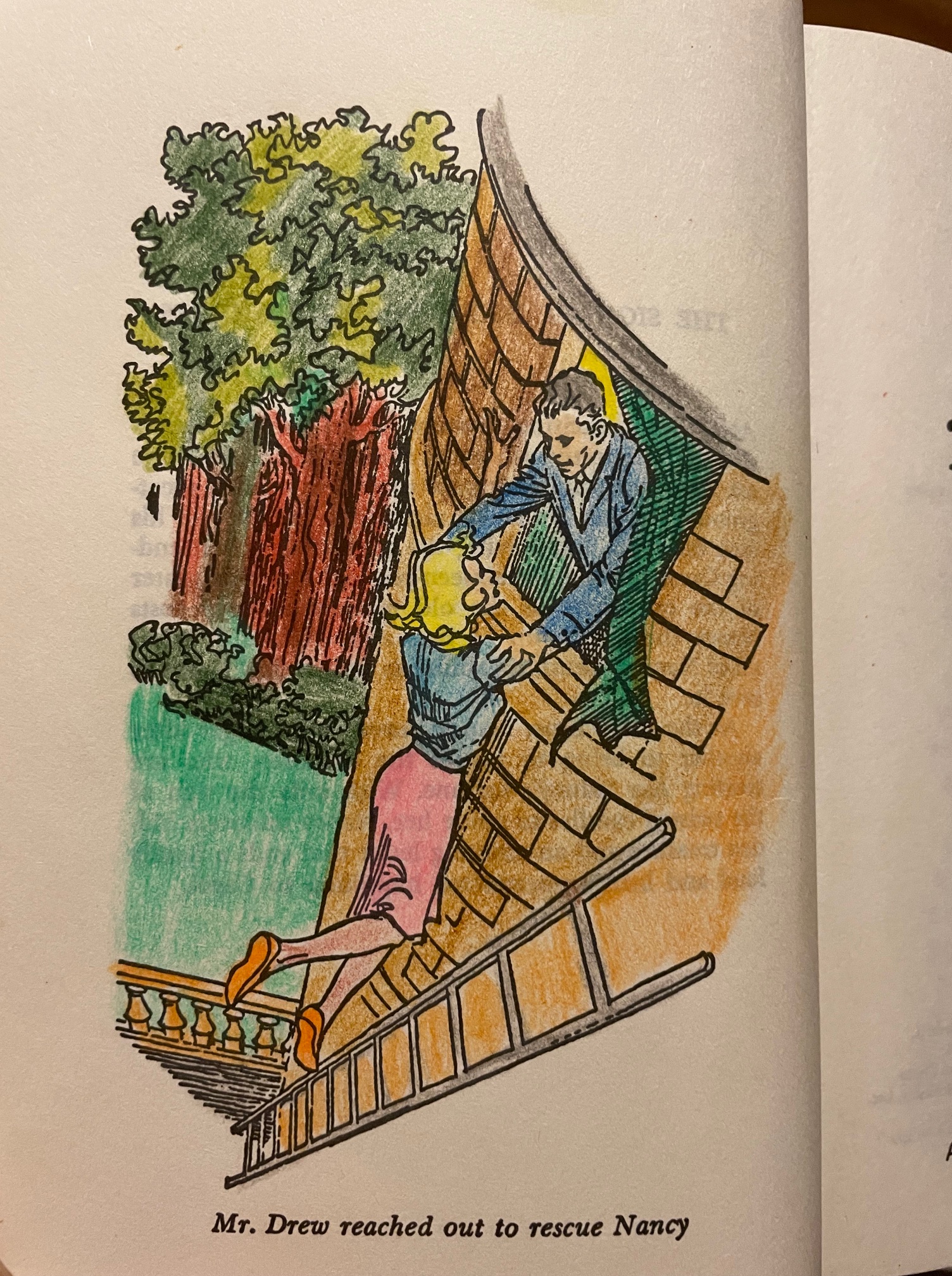
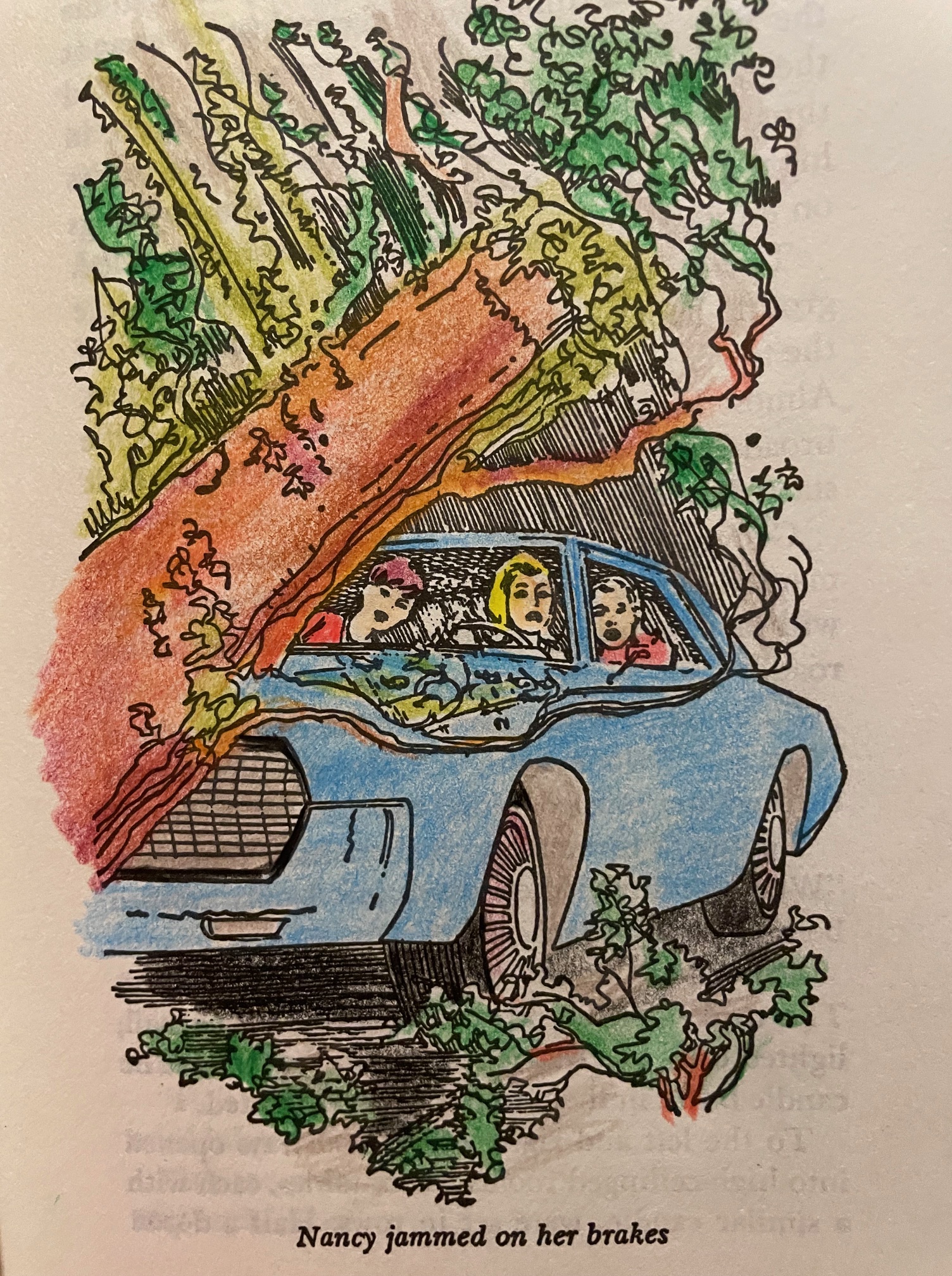
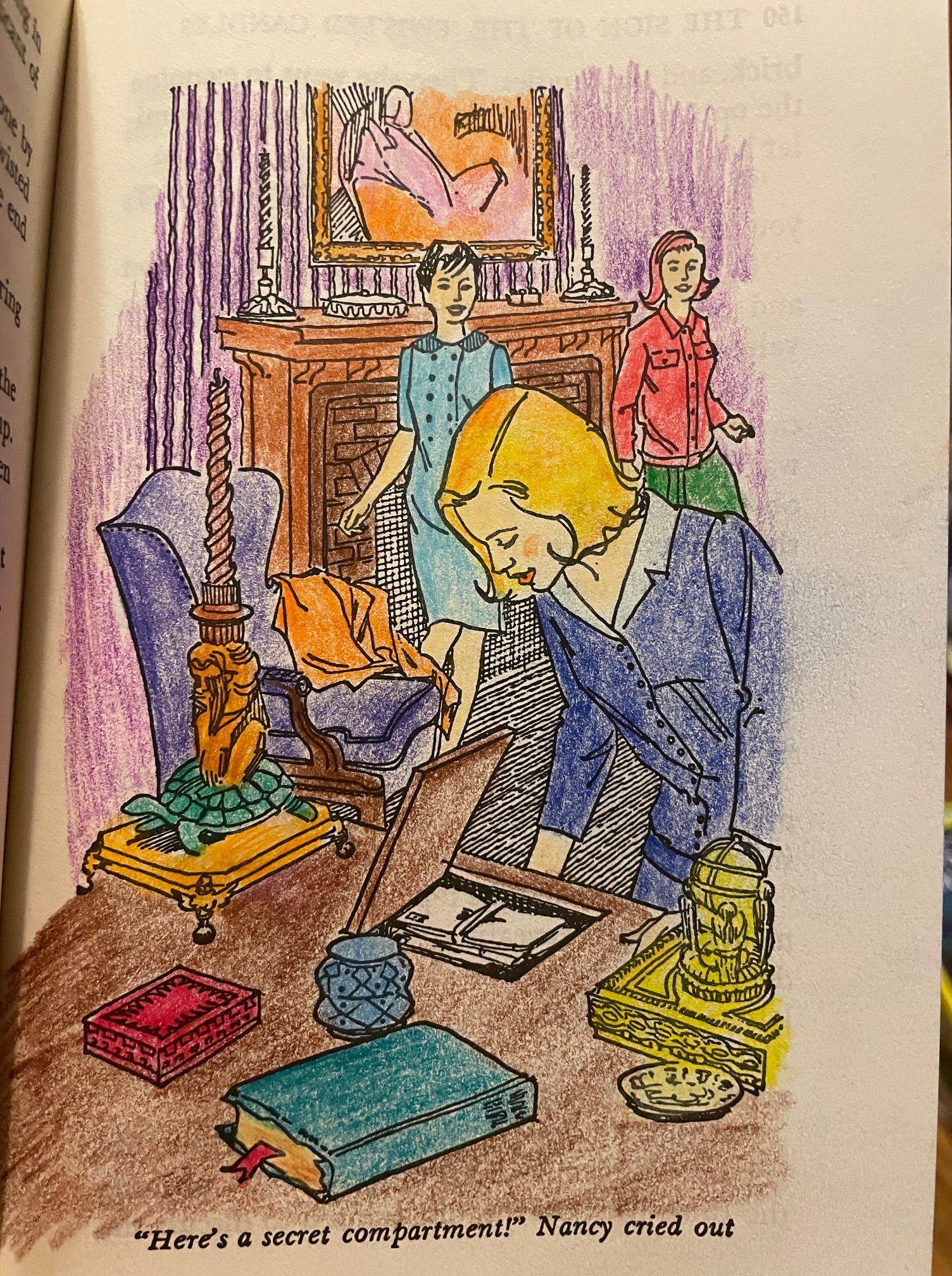
Description: By mistake, Nancy Drew receives a letter from England intended for an heiress, also named Nancy Drew. When Nancy undertakes a search for the missing young woman, it becomes obvious that a ruthless, dangerous man is determined to prevent her from finding the heiress or himself. Clues that Nancy unearths lead her to believe that the villainous Edgar Nixon plans to marry the heiress and then steal her inheritance.
Little Miss and I will be reading this for school.
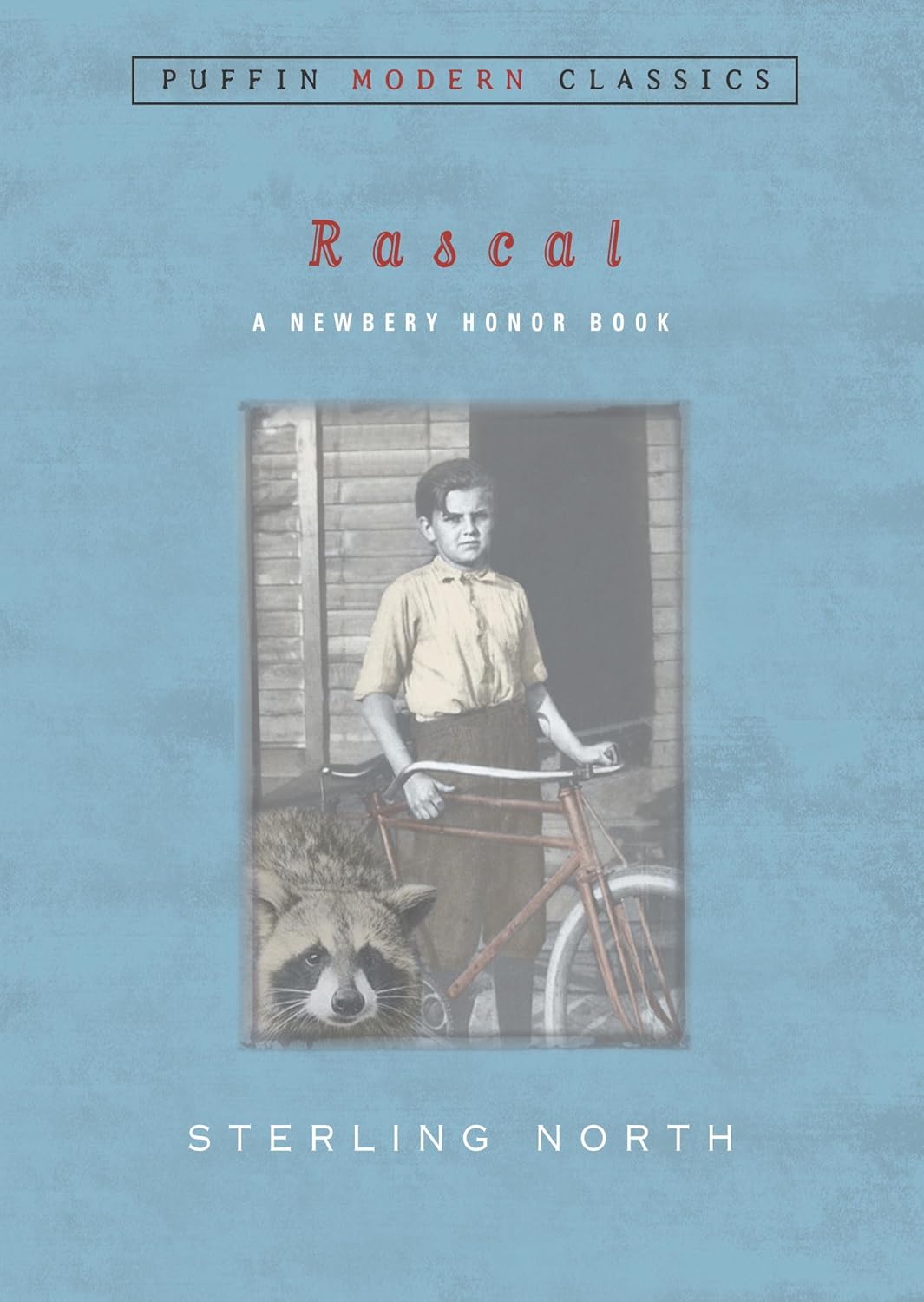
Description: Rascal is a beloved, autobiographical children’s book by Sterling North, published in 1963, that tells the heartwarming story of a boy’s year-long friendship with a pet raccoon in 1918 Wisconsin. The book, a Newbery Honor winner, chronicles the adventures of young Sterling and his mischievous companion, exploring themes of nature, family, and a changing world as the boy navigates life with his father after his mother’s death.
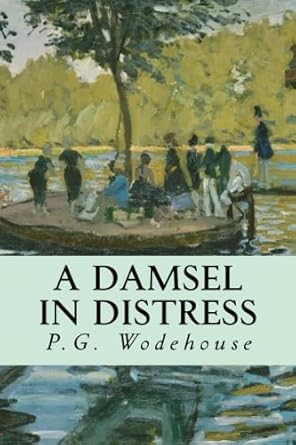
I’ve really enjoyed his Jeeves series so we will see about this one.
Description: P. G. Wodehouse’s charming tale of a taxi driver who falls in love with a wealthy woman who rides in his cab. Hilarity and antics ensue when he arrives at her rural estate.
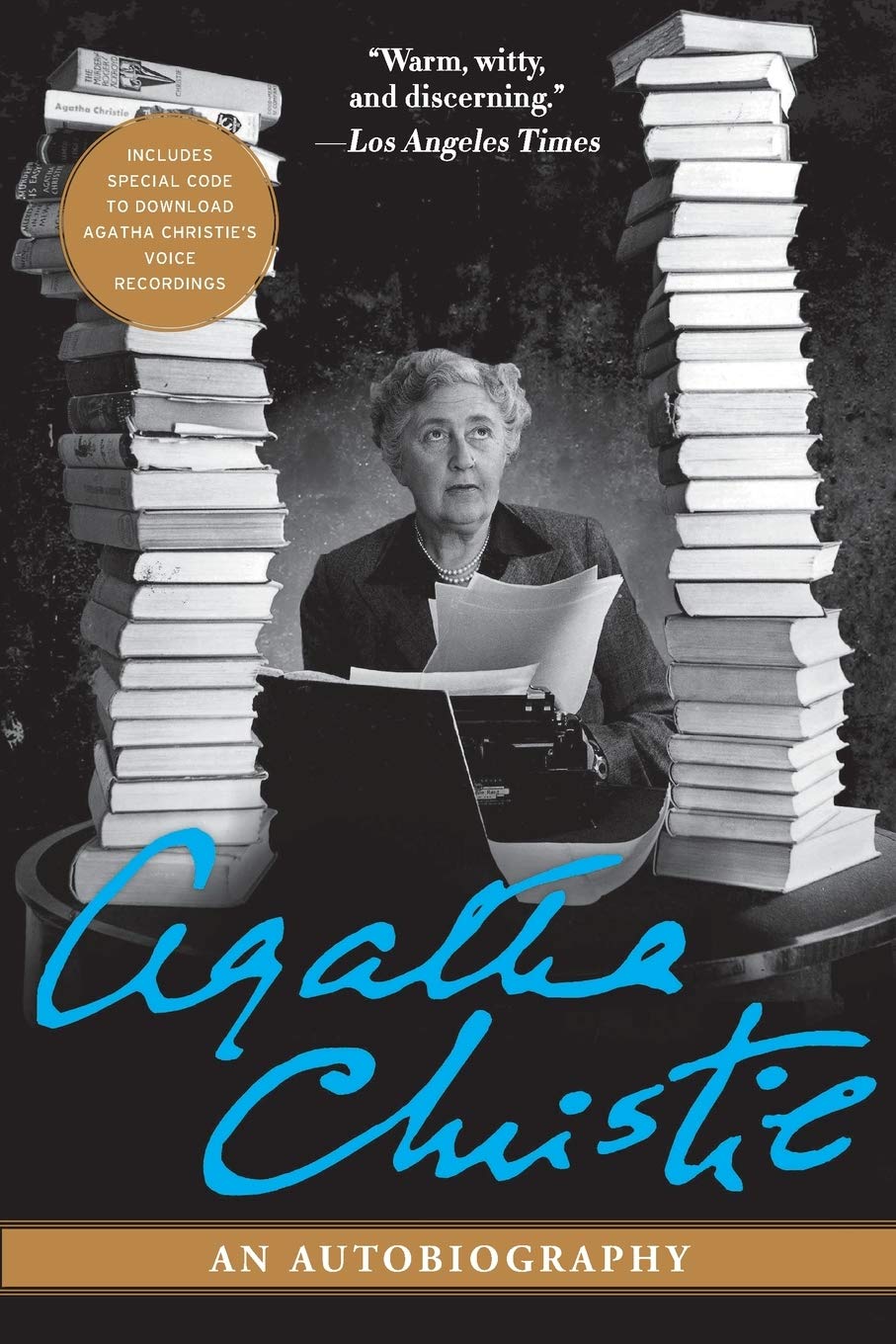
This one may take me a bit as it does seem long, but I am very interested in it.
Version 1.0.0
Description:
Back in print in the exclusive authorized edition, is the engaging and illuminating chronicle of the life of the “Queen of Mystery.” Fans of Hercule Poirot and Miss Marple and readers of John Curran’s fascinating biographies Agatha Christie’s Secret Notebooks and Murder in the Making will be spellbound by the compelling, authoritative account of one of the world’s most influential and fascinating novelists, told in her own words and inimitable style. The New York Times Book Review calls Christie’s autobiography a “joyful adventure,” saying, “she brings the sense of wonder…to her extraordinary career.”
Have you read any of these?
If you write book reviews or book-related blog posts, don’t forget that Erin and I host the A Good Book and A Cup of Tea Monthly Bookish Blog Party. You can learn more about it here.
On Thursdays, I am part of the Weekend Traffic Jam Reboot blog link party. You can find the latest one in the sidebar to the right under recent posts.
Hello! Welcome to my blog. I am a blogger, homeschool mom, and I write cozy mysteries.
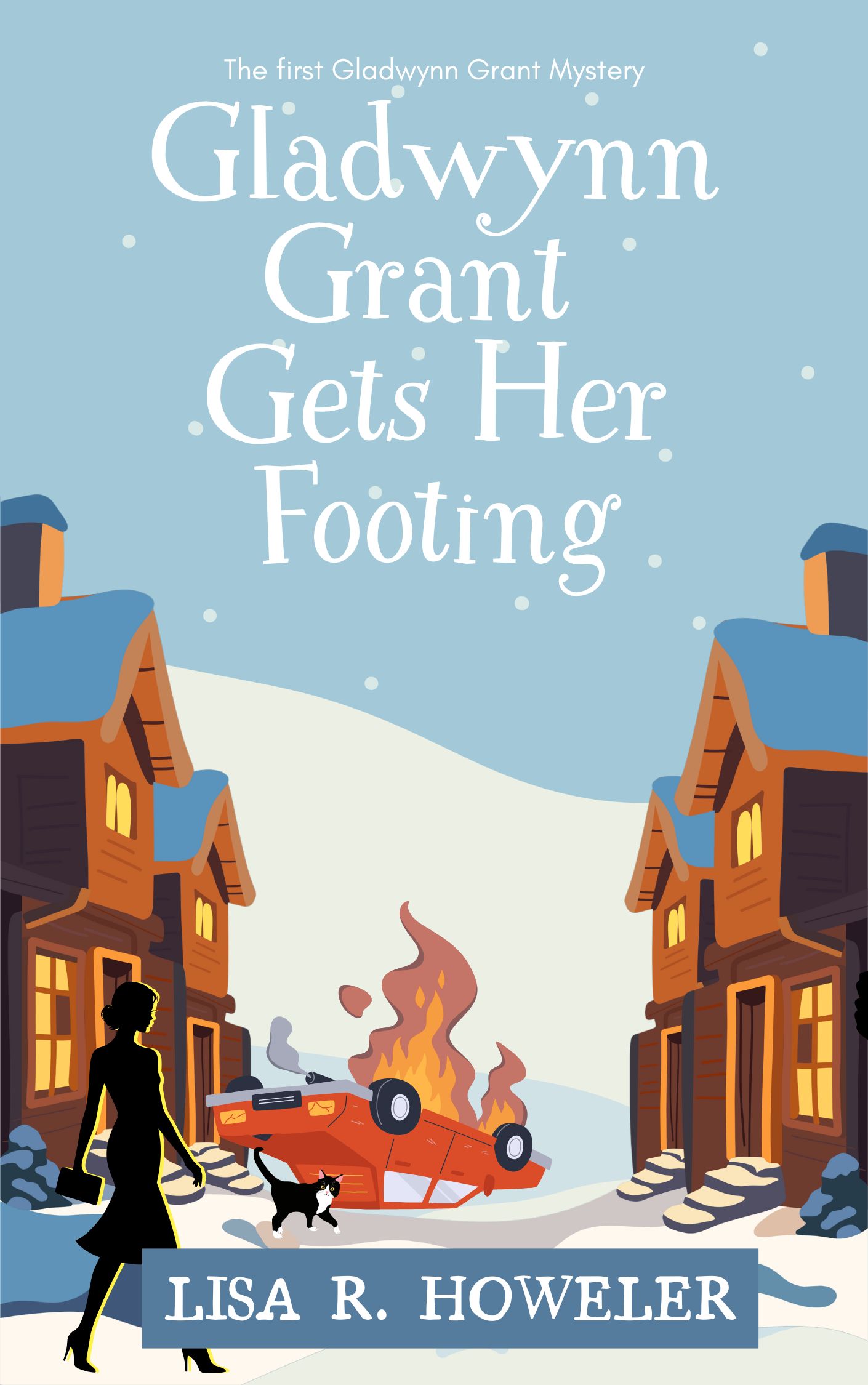
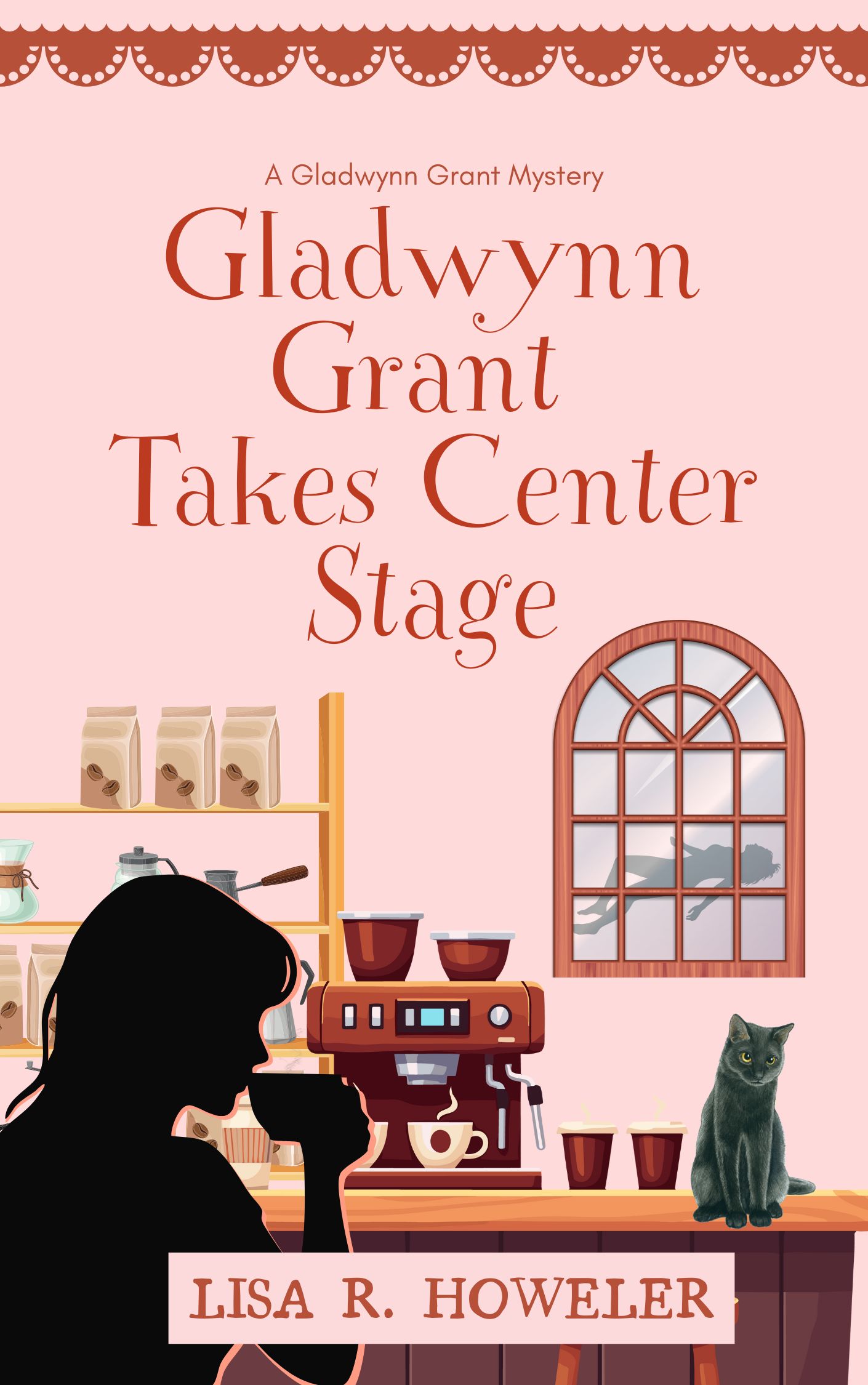
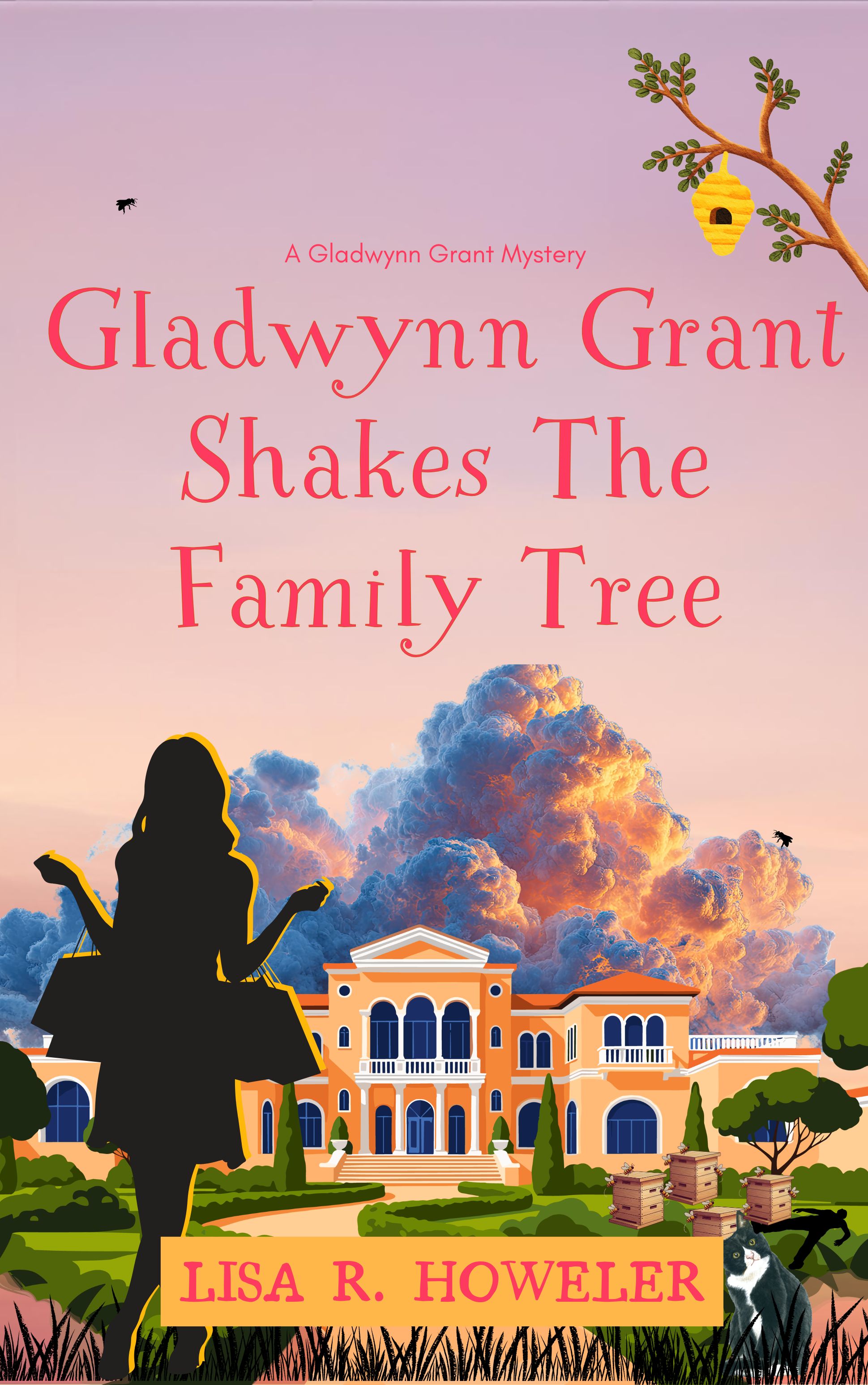
You can find my Gladwynn Grant Mystery series HERE.
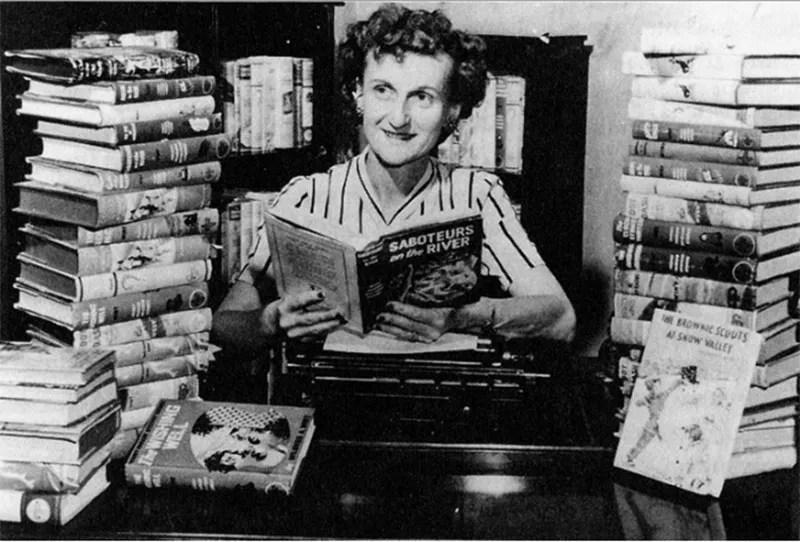
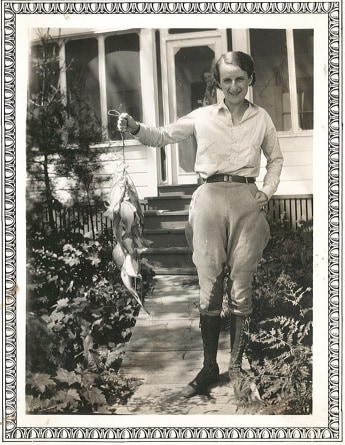
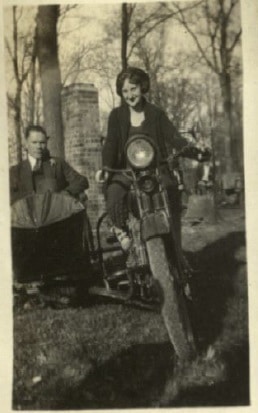
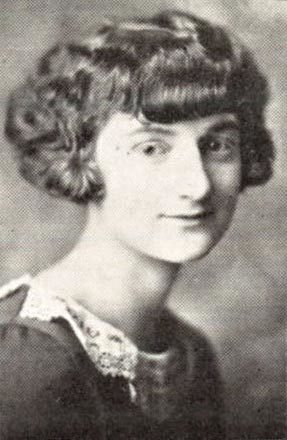
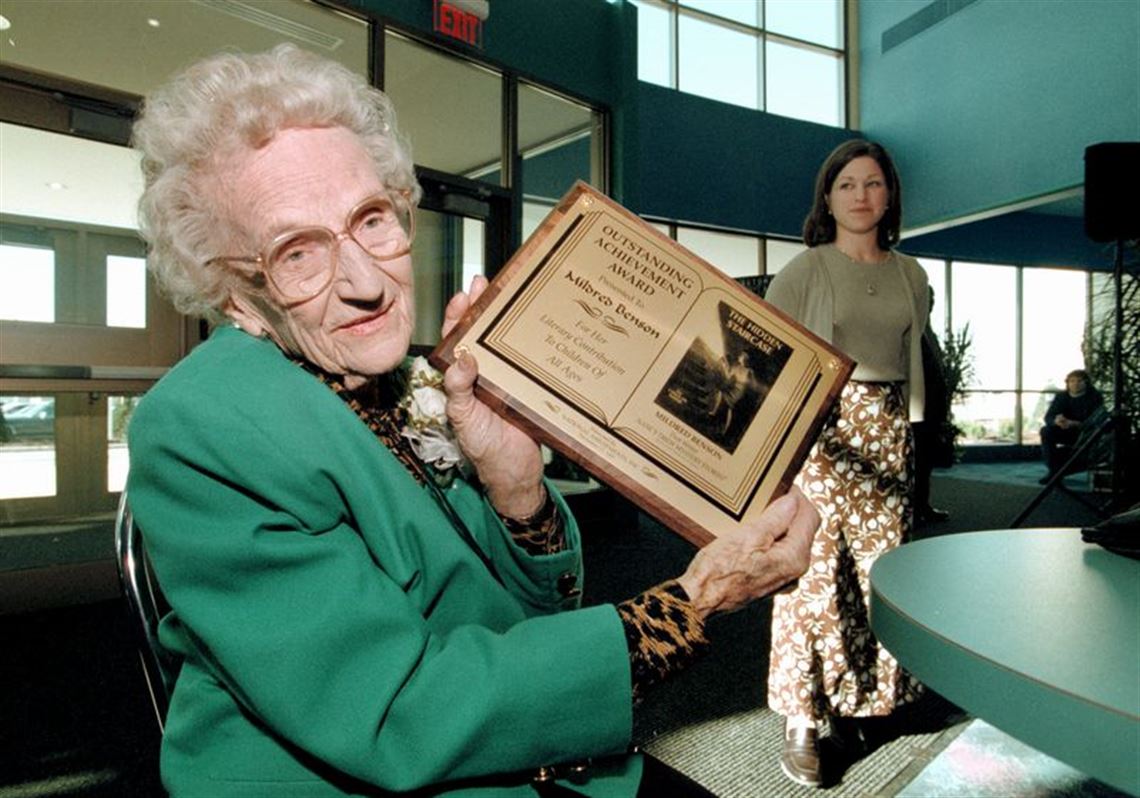
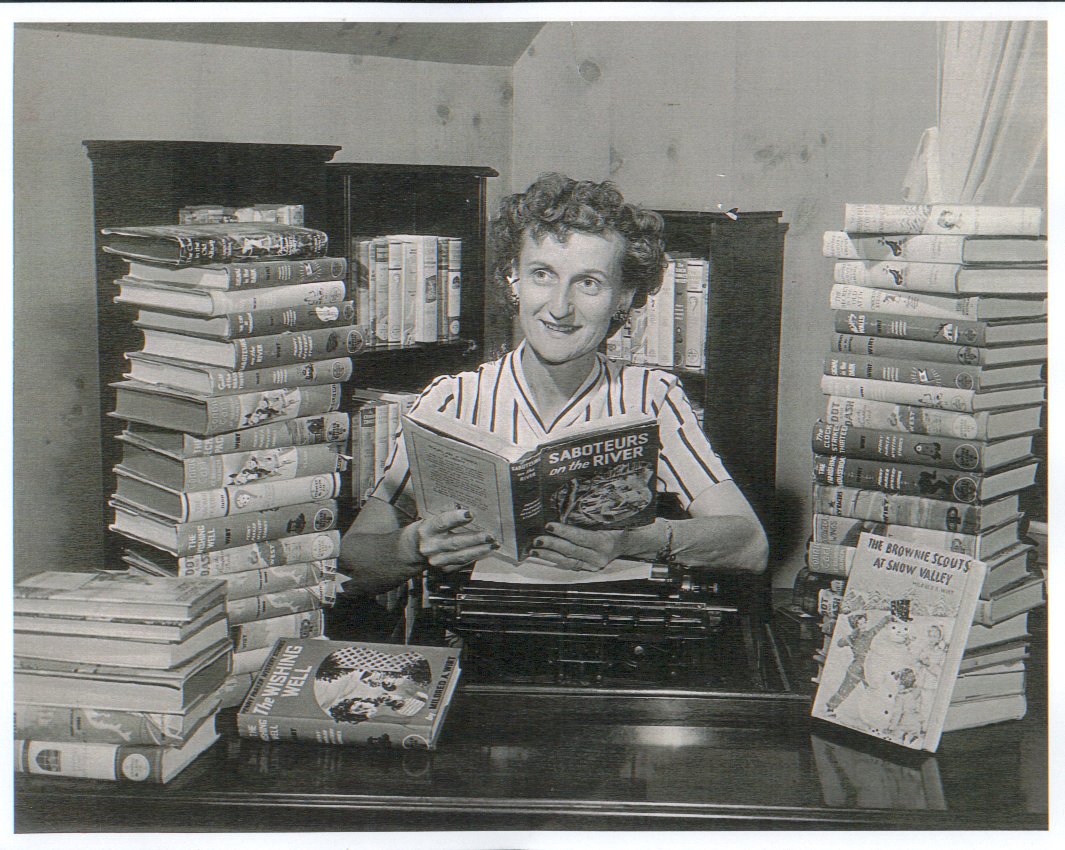
Mildred, or as many called her, Millie, wasn’t an amateur detective, but she was the co-creator of one of the most famous teen amateur sleuths in the United States — Nancy Drew.
For 50 years very few people knew that Millie helped create Nancy Drew.
Until 1980, many readers of Nancy Drew didn’t know that Carolyn Keene, the woman listed as the author of the Nancy Drew books, wasn’t actually a real person. She was a pseudonym for some 28 authors, men and women, who create and wrote the stories for the series.
It was a lawsuit between Grosset & Dunlap, the original publisher of the Nancy Drew books and the Stratemeyer Syndicate, the owner/creators of the stories, that brought Millie into the spotlight.
Really, though, Millie had been somewhat in the spotlight before that. She’d written some 130 books in children’s series under her own name from the 30s to the 50s and was an accomplished journalist and world traveler.
What she hadn’t really talked about a lot was her involvement with the Nancy Drew Mystery series.
She’d signed agreements saying she wouldn’t talk about how she’d written 23 of the first 30 Nancy Drew books. She’d written the books with the direction and input of Edward Stratemeyer, founder of the Stratemeyer Syndicate and the brains behind many juvenile series, including multi-million selling series like Nancy Drew, The Hardy Boys, The Bobbsey Twins, Tom Swift, and Rover Boys.
Millie was born Mildred Augustine in 1905 in Iowa, the daughter of a well-known doctor. She wasn’t treated like other girls at the time who were expected to learn how to sew and keep the house.
Instead, Millie was given freedom to explore her own interests and passions. One of those passions was sports. She felt women should have the same opportunities as men to participate and compete in sports she said in an interview with WTGE Public Media in the mid-1990s
“Girls were discouraged from all sorts of athletics,” Millie said. “And I fought that tooth and nail right from the start because I felt that girls should be able to do the same things that boys did.”
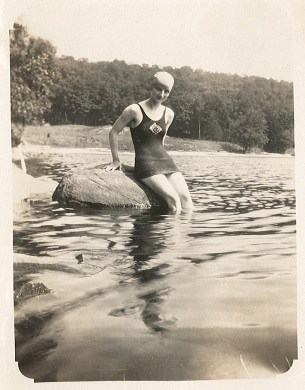
While Millie enjoyed sports, such as swimming and diving, she also loved to write, something her mother encouraged her to continue.
Her father, however, said if she wanted to make money, she should do something else and she admits that he was probably right.
She began selling her stories to church papers, but they only paid a few dollars.
She finally sold a story for a whole $2.50.
“That made me a writer,” Millie said in the interview, while laughing. “So, from then on, I was hooked.”
She attended the University of Iowa after school, majoring in journalism and working on the school newspaper. She also worked with George Gallup, the creator of the Gallup Poll.
After graduating, she landed a job at a newspaper, but at the age of 22, she wanted to see what else she could do and traveled to New York City to look for work.
It was there she wrote to Edward Stratemeyer looking for work. Stratemeyer was releasing a book series for juveniles. They were assembly-line type books where he wrote a paragraph detailing what he wanted in the book, including character names and plots. He would send the information he wanted out to writers he knew, and those writers would write the books under the pen name that Stratemeyer controlled and retained the rights to. The writers signed away their rights to credit for the books to Stratemeyer.
While Stratemeyer didn’t have anything for Millie at the time she contacted him, he reached out to her later and asked if she would write a book for the floundering Ruth Fielding series. She did and from there she began to write books for other series for the company. In the midst of all this she also married Asa Wirt in 1928 while attending graduate school.
Millie was reliable, dependable, and a good writer. When Stratemeyer thought about his Hardy Boys series and how young boys liked the boy detectives and then began to wonder if girls would like a girl detective, he turned to Millie.
Stratemeyer had the basic idea of Nancy Drew, but many literary historians and Nancy Drew fans say it is Millie who flushed her out and made her who she became. Millie created a version of Nancy that Stratemeyer’s daughter, Harriet Stratemeyer Adams, later toned down and changed.
Millie’s version of Nancy was a lot like Millie. She was athletic, adventurous, bold and brash, and never backed down from a challenge. Harriet’s version made her a bit more “perfect” — a rule follower who was polite but still adventurous and who little girls could look up to.
Nancy was what so many girls in the 1930s weren’t allowed to be.
Young girls could live vicariously through her.
Stratemeyer passed away 12 days after the first Nancy Drew book was released. His daughters took over the business after they couldn’t sell it in the difficult economy. Eventually Harriet began taking more control of the Nancy Drew series. Other ghostwriters were working on the series in addition to Millie, who wrote 23 of the first 30 books in the series. In the 1950s Harriet began to rewrite Millie’s original books, changing Nancy’s character, updating some of the material, and, in many ways, stripping away the personality of Nancy that Millie had created.
Millie was working on her own books at that time and had dealt with the illness and death of her first husband and then being a single mother. It was disappointing to see the changes being made but she had other irons in the fire.
In the early 1950s, she was working for the Toledo Times, remarried to the editor of the paper, and being a mother to Margaret Wirt.
She was also writing a character she felt was even more Nancy Drew than Nancy Drew — Penny Parker in the Penny Parker Mysteries.
Penny didn’t see as much success as Nancy, but she didn’t have the mammoth marketing effort that Nancy had, says Millie.
In 1959 Millie was widowed again and afterward she began to live a life a bit more like Nancy Drew — international travel, adventures, independence, learning more about archaeology and even taking flying lessons and eventually earning several flying lessons.
It wasn’t until 1980 when Harriet decided to move the printing of Stratemeyer books from Grosset & Dunlap to Simon and Schuster that more of the public learned about Millie’s role in creating Nancy.
She told WTGE that she could have pushed for her to get credit for the books she’d written. She could have gotten a lawyer and demanded more of the royalties.
She simply didn’t have the desire to put up a fight, though, she said.
“I wrote because I liked to write and I wanted to produce books that girls would enjoy,” Millie said. “And so I didn’t care too much but it got to be … my friends knew I wrote the books and that was sufficient for me. Eventually though it got to be that Mrs. Adams put out publicity to the fact that she was the author and people were reading that.”
One person who was reading all those stories was Millie’s daughter, who asked her own mother if she’d been lying all those years about writing the Nancy Drew books.
Millie hadn’t shared her role in the books with many but when her own daughter started to doubt her, she began to be more open about sharing her role in the creation of the character.
“I thought if my own daughter doubts my integrity, then it’s time I let the truth be known so when people asked me, I stuck my neck out and I told them the truth, which was that I wrote the books.”
Millie was subpoenaed by Grosset & Dunlap during the 1980 when the publisher sued the Stratemeyer Syndicate to keep them from publishing Nancy Drew with anyone else.
They wanted to prove that Harriet Adams didn’t have the right to say who could and could not publish past Nancy Drew books because she had not actually written them. As part of the case, the records that showed Millie had helped developed the series were also subpoenaed.
The truth was finally out there. Millie was the original Carolyn Keene.
Harriet, however, continued to claim she’d written the books right up until her death in 1982 and because the court records were sealed for years, it wasn’t until 1993 when the University of Iowa held a Nancy Drew conference, that Millie really became known as Carolyn Keene.
The conference at the university attracted the attention of literary scholars, collectors, and fans who wanted to know more about the original author and Millie was the main speaker.
Millie, incidentally, was the first woman to earn a master’s degree in journalism from the University of Iowa in 1927.
More fame than Millie imagined hit her after the conference. In some ways, life continued as normal despite the extra attention. She continued to write news and feature stories and her column for the Toledo newspaper. Nancy fans began to contact her, though, asking about her role and for autographs. She was also inducted into the Ohio and then the Iowa Women’s Hall of Fame and her typewriter was enshrined at the Smithsonian.
Millie worked first at the Toledo Times, now defunct, and then at the Toledo Blade right up until the day she died, literally. She was writing her column for the paper, at the age of 96, in the Blade office, when she became ill and was taken to the hospital, where she later passed away.
In the article about her death, the Blade wrote about how her writing impacted young girls and women.
“Her books, Nancy Drew buffs have said, allowed teenage girls and young women to imagine that all things might be possible at a time when females struggled mightily for any sense of equality.”
“Millie’s innovation was to write a teenage character who insisted upon being taken seriously and who by asserting her dignity and autonomy made her the equal of any adult. That allowed little girls to dream what they could be like if they had that much power,” said Ilana Nash, a Nancy Drew authority and doctoral student at Bowling Green State University.
The article continues: “Going to work was a way of life for me and I had no other,” she wrote in a December column upon her pending retirement.
In the column, she explained that her legendary work ethic related to being hired by The Times in her third try during World War II.
“I was told after [the war] ended there would be layoffs, and I would be the first one to go. I took the warning seriously and for years I worked with a shadow over my head, never knowing when the last week would come,” she wrote.
Millie’s column was called, “On the Go With Millie Benson.”
Millie was described in the article about her death as fiercely independent and “always willing to go after a story she was assigned or had set her sights on.”
She almost never took a day off. In fact, the day after she was diagnosed with lung cancer in June, 1997, she was back at her desk working on her next column saying her desk was where she needed to be.
Millie once said in an interview that she never looked back on the books she’d written, “Because the minute I do I’m going into the past, and I never dwell on the past. I think about what I’m doing today and what I’m going to do tomorrow.”
I have had the opportunity to read a couple of books written by Millie, before Harriet got to them, and I have to say I did enjoy them. I didn’t know at the time that other books had been revised, and I had an original copy of Millie’s work, but when I found out, I could see the difference between Millie’s writing and other ghost writers/Harriet.
I am going to be purchasing a couple of books from Millie’s Penny Parker series to see what that series was like as well.
As president of the Nancy Drew Fan Club, Jennifer Fisher is considered a Nancy Drew and Mildred Benson expert. She operates the website nancydrewsleuth.com and donated her Nancy Drew collection several years ago to the Toledo library and now curates items to be added to the collection.
She is currently looking for information on Millie, from letters to manuscripts, to any memorabilia of hers that someone might have.
On her site Jennifer details the life of Millie and talks about the impact her books (130 of them all together, including the Nancy Drew books) made for young women.
Jennifer wrote about Millie in a special section on the site, including detailing the trial where Millie spoke about the conflict that eventually arose between her and Harriet Adams.
“On the stand when shown letters between herself and Harriet regarding criticisms and difficulties, she recalled that this was “a beginning conflict in what is Nancy. My Nancy would not be Mrs. Adams’ Nancy. Mrs. Adams was an entirely different person; she was more cultured and more refined. I was probably a rough and tumble newspaper person who had to earn a living, and I was out in the world. That was my type of Nancy.”
And it is that type of Nancy, and that type of woman, who so many women over the years have been drawn to despite the changes. Even with the changes later made to the books, the heart of Nancy, created by Millie, always remained.
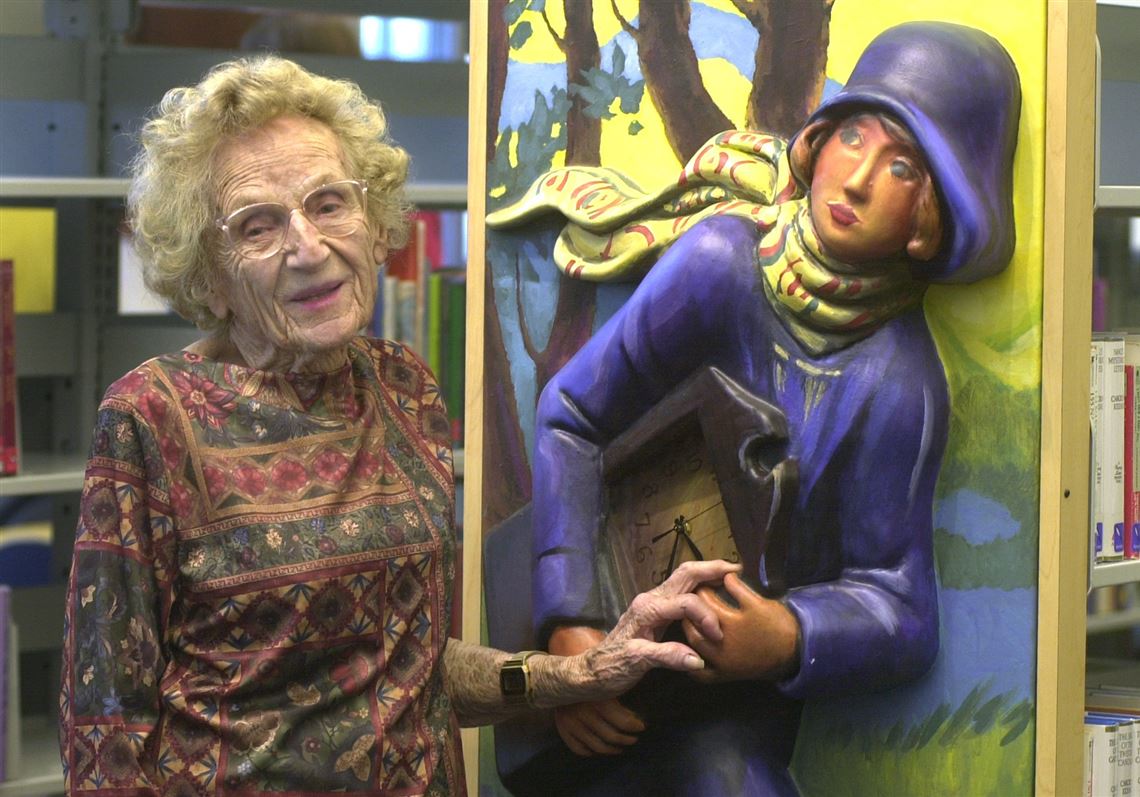
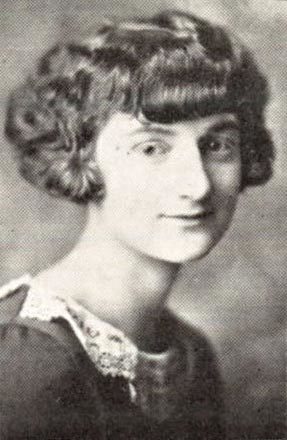
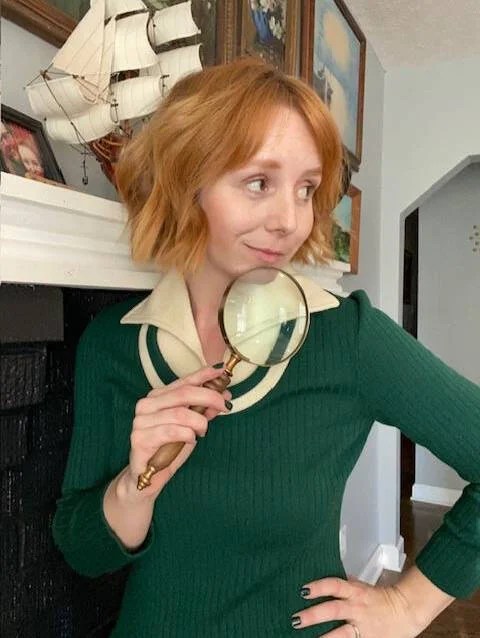
She’s looking pretty good for someone her age, isn’t she?
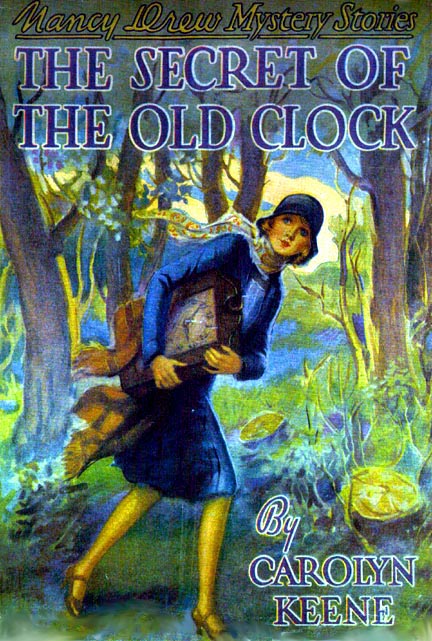
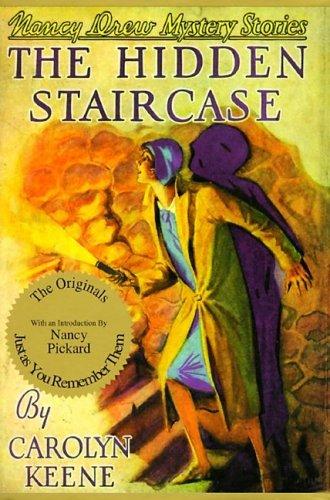
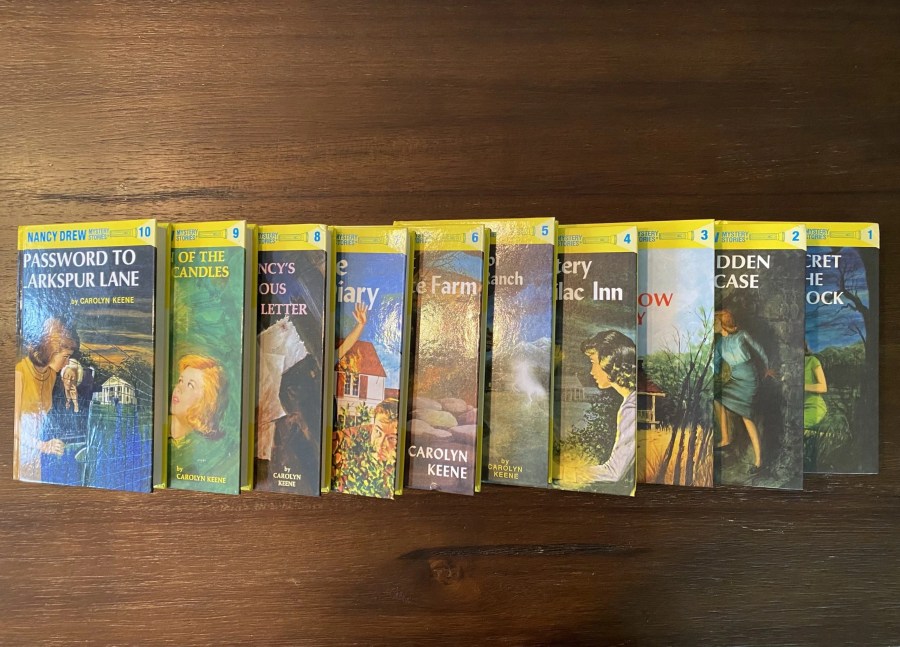
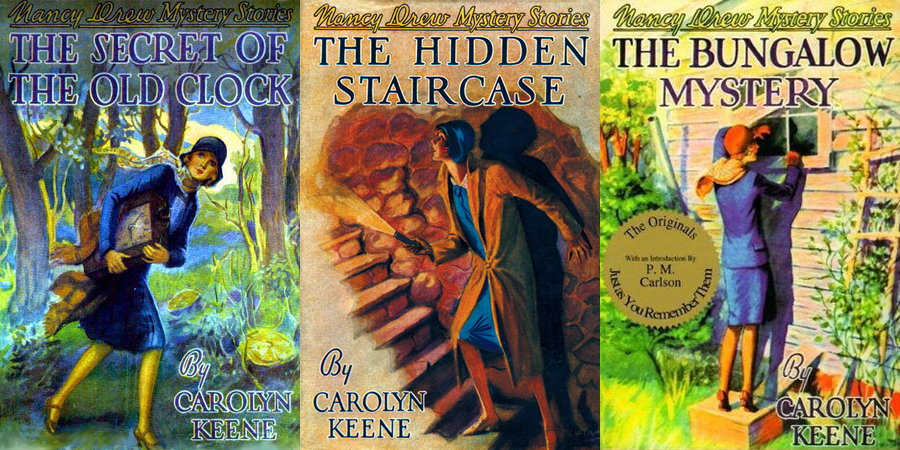
The first Nancy Drew book, The Secret of the Old Clock, was released on April 28, 1930. Two more books, The Hidden Staircase and The Bungalow Mystery. Since then, there have been millions of books published, TV shows and movies produced, spin-off series launched, and culture impacted.
Who would have imagined that children’s stories about a teenage girl sleuth would launch a worldwide phenomenon? I doubt even Nancy’s creator Edward Stratemeyer would have imagined it.
The concept for Nancy Drew was created in the 1920s by Stratemeyer who also created the idea of The Hardy Boys. Well, if it wasn’t Stratemeyer alone who created her, it was a combination of him and those who worked with him at The Stratemeyer Syndicate.
The Syndicate was Stratemeyer’s brainchild, created after he’d already found success writing stories for children, starting when he was a child himself.
According to a 2018 article in The New Yorker, Stratemeyer was born in 1862 in New Jersey. He was the youngest of six children. As a child he spent a lot of time reading the popular rags-to-riches tales of Horatio Alger and William T. Adams (a.k.a. Oliver Optic). In his teens he bought his own printing press and created his own stories. At the age of 26 he sold his first story, “Victor Horton’s Idea” to Golden Days, a popular boys magazine at the time. He was paid $75 for the story and his father, who previously had seen his writing as a waste of time, suggested he write more.
He did write more, under a variety of pen names. Then he became an editor at Good News, another child magazine. Eventually he became a ghost writer for various children’s book authors, wrote many of his own, and turned out ideas for other authors to create characters. Many said he wasn’t a great writer, but he was great at ideas.
As his ideas began to sell books, he decided to form a syndicate or a publishing company which would produce books in an assembly line style. By 1910 his syndicate was producing ten or more juvenile titles with about a dozen different writers. By 1920 tens of millions of books produced by the Stratemeyer Syndicate were circulating with surveys showing that in 1926, ninety-eight percent of children listed at least one Stratemeyer produced book as their favorite.
According to the article in The New Yorker, this is how it worked:
“Stratemeyer would come up with a three-page plot for each book, describing locale, characters, time frame, and a basic story outline. He mailed this to a writer, who, for a fee ranging from fifty dollars to two hundred and fifty dollars, would write the thing up and—slam-bang!—send it back within a month. Stratemeyer checked the manuscripts for discrepancies, made sure that each book had exactly fifty jokes, and cut or expanded as needed. (Each series had a uniform length; the standard was twenty-five chapters.) He replaced the verb “said” with “exclaimed,” “cried,” “chorused,” and so forth, and made sure that cliffhangers punctuated the end of each chapter—usually framed as a question or an exclamation. Each series was published under a pseudonym that Stratemeyer owned. As Fortune later noted, it was good business for children to become attached to a name, but it would be bad business for that name to leave the syndicate with the ghostwriter.”
And this, eventually, would be where the name Carolyn Keene, the “author” of Nancy Drew came from. In reality, there was no Carolyn Keene. There were only a large number of writers who wrote the books the way Edward Stratemeyer, and later his daughter, Harriet, wanted, just like they had all the other titles and series.
Series produced by the Stratemeyer Syndicate included Tom Swift, Bobbsey Twins, Rover Boys, Hardy Boys, Nancy Drew Mysteries, Motor Boys and some 50 others.
Nancy Drew’s first book came out April 28, 1930. Twelve days later, Edward Stratemeyer, who had already published millions of books was dead of pneumonia at the age of 67.
His two daughters were left with the question of what to do with the company. Should they continue it? Sell it?
Eventually, the daughters would take over the business, but Harriet would become the driving force behind the company, including helping to make Nancy Drew a worldwide phenomenon.
Grossett and Dunlap produced the books produced by Stratemeyer and they greenlighted the Nancy Drew series after receiving this memo from him:
“These suggestions are for a new series for girls verging on novels. 224 pages, to retail at fifty cents. I have called this line the “Stella Strong Stories,” but they might also be called “Diana Drew Stories,” “Diana Dare Stories,” “Nan Nelson Stories,” “Nan Drew Stories” or “Helen Hale Stories.” […] Stella Strong, a girl of sixteen, is the daughter of a District Attorney of many years standing. He is a widower and often talks over his affairs with Stella and the girl was present during many interviews her father had with noted detectives and at the solving of many intricate mysteries. Then, quite unexpectedly, Stella plunged into some mysteries of her own and found herself wound up in a series of exciting situations. An up-to-date American girl at her best, bright, clever, resourceful and full of energy.”
One of the first writers of the series was Mildred Wirt Benson (just Mildred Wirt when she wrote the series). In fact, Stratemeyer had her in mind when he conceptualized the series.
She wrote twenty-three out of the first thirty books in the Nancy Drew series.
This would become a source of controversy in 1980 when Harriet tried to claim she had written all of the Nancy Drew books herself under the Carolyn Keene pseudonym. A court case involving Grosset & Dunlap and Simon & Schuster about who owned the rights to produce Nancy Drew books drew Mildred out of the woodwork and made Harriet admit she’d helped to write the books, and at one point rewrite them, but she was not the primary writer for most of the books.
When Harriet rewrote the Nancy Drew books in the 1950s she changed the sleuth’s personality from Benson’s original vision of her being more spunky and assertive than Benson had made her.
Mildred had been working for the Syndicate since 1926 when she had answered an ad at the age of 21. The ad had stated that the publishing house was looking for young writers who could come up with new ideas for juvenile books.
She wrote for other Stratemeyer series, but it was Nancy that would become the breakout success. Not that Mildred told a lot of people about her role in the books, partially because she was not supposed to as part of her agreement with the syndicate, who she worked with the syndicate until the early 1950s when management changes changed her role.
Mildred wrote the first Nancy Drew book at the age of 24.
In an interview with WTGE Public Media in Toledo, Ohio, the city where Mildred eventually settled down, she said she didn’t know when she was writing those first books that Nancy would become as big as she did.
“In fact, I don’t think anyone ever anticipated the success such as Nancy Drew has had,” she said. “But I did know that I was creating something that was an unusual book. I knew from the way I felt as I wrote that I was writing something that would be popular.”
While Harriet took the opportunity in 1973, after her sister’s death, to claim she helped her father create Nancy Drew, the 1980 court case blew that out of the water and Benson was subsequently credited with helping to create Nancy. Harriet was, however, a contributor to changes to the books Mildred wrote (taming Nancy Drew down readers say) and the promotion of them, as well as helping ghost writers write later editions.
Later Benson would name the second book in the original series, The Hidden Staircase, as her favorite book to write. Over the years she agreed to sign Nancy Drew books, but only those she had actually written.
Other titles Benson worked on for the syndicate included Kay Tracey and Dana Girls mysteries. After leaving the syndicate she wrote the Penny Park mystery series, which was about the daughter of a newspaper editor who was trying to become a newspaper reporter herself. She called Penny the favorite character she’d ever created, even over Nancy Drew, because she considered Penny “a better Nancy Drew than Nancy is.”
In 1944 Benson began writing for the Toledo Blade and continued to work there for 58 years, focusing mainly on journalism for the rest of her life. It’s why the Toledo Public Library held a Nancy Drew Convention on Friday to celebrate her 95 years.
Benson was a true Nancy Drew and you can read more about her in my separate post here.
Though Nancy Drew was written during the Great Depression, her books didn’t focus on the struggles of everyday citizens. Instead, Nancy was jetting off on trips, driving nice cars, taking flying lessons, learning new skills, being bold. She loved fashion but she also wasn’t afraid of getting her hands dirty.
She could wear pearls and a dress one evening and wear jeans and sneakers the next.
Nancy Drew books never focused on the macabre. Very few books discussed murders. There was very little description of violence. There was absolutely no sex show or even discussed. Nancy had a boyfriend (Ned Nickerson) but they didn’t even kiss.
In other words, Nancy didn’t drink, didn’t smoke, and didn’t go out with boys who did.
Nancy’s image was very important to Harriet, who wanted Nancy to be someone young women could look up to and strive to be like.
Cara Strickland wrote in a 2018 article for JTSOR Daily, that Nancy’s books were “intended to be safe for children, but also functioned as an escape from the heavy realities of their cultural moment.”
The mysteries in a Nancy Drew book were simple, yet also featured complex elements, such as red herrings and miscommunications.
They were fast-moving, full of minimal descriptions, and void of deep exchanges among the characters. They didn’t make you think much beyond what mystery was unfolding and how it was being solved.
The goal of the books wasn’t to address current events or push agendas. Their goal was simply to show the book’s heroes prevailing over evil and setting the world right again.
Young readers loved this, and now, many adults do as well.
The lack of mention of current events also made sure the books remained timeless.
Yes, the books, especially the earlier ones, are certainly dated. There are aspects that some in today’s world might see as culturally insensitive, old-fashioned, or out of touch.
They still, however, show us a young woman who is brave, curious, driven, and determined to solve mysteries to help other people.
From that first book in 1930 came 600 different titles, including spinoffs and updates. Later came movies (the first appearing in 1938), TV Shows, video games, comic books, podcasts, and, of course, merchandise of all kinds (lunch boxes, t-shirts, bookmarks, socks, etc. etc.).
Nancy Drew was originally published by Grosset & Dunlap, but during the lawsuit filed in 1980, as mentioned above, Simon & Schuster won the rights to publish Nancy Drew books after the first 56 because in 1979, the Syndicate had switched to Simon & Schuster. Grosset & Dunlap retained the publishing rights to the first 56 books and eventually Simon & Schuster purchased the Stratemeyer Syndicate in 1984.
The Nancy Drew Mysteries (original series) ran from 1930 to 2003 and produced 175 different titles. Nancy Drew Girl Detective ran from 2004 to 2012. The Nancy Drew Diaries started in 2013 and continue through today. Many fans of the original, more sanitized versions of Nancy, haven’t appreciated the more modernized version of Nancy. So much so that some of the series were discontinued.
The original Nancy Drew series, without the more modern social aspects the more modern series might have, remains the perfect escape from a world growing increasingly chaotic and frightening. Now, though, it isn’t only younger readers craving that escape. People, mainly women, of all ages, are losing themselves in Nancy Drew mystery books. Whether they are revisiting them from when they were young girls or finding them for the first time, they are filling a void that other books can’t for them.
“I guess I would say that I’m a fan of the Nancy Drew book series because it is a comfort to me,” Avery wrote to me this weekend. “Reading the books now as an adult instantly transports me back to a simpler time, when I was a girl, and Nancy was a constant companion to me, whether at school, on a road trip, or just laying on a blanket in the backyard on a sunny day and reading one of her mysteries. Nancy Drew showed me from a young age that women can be capable, skilled and smart. She modeled all of the best qualities: how to be a good friend, a good daughter and a good detective! And it always struck me as really cool that my mother and grandmother, who got me into the series, read the books before I did and it was something we could share and talk about together.”
On her website, Avery shares: “In Nancy, I saw a young woman who was not only capable, smart and resourceful when she solved mysteries, but a character that shared my strawberry blonde or “titian” hair color. Back in April 2023, my dad and I happened to go to an estate sale where I bought 70+ Nancy Drew books I had never read or seen before–later paperbacks from the 1990’s–and the idea for @TrueDrewPodcast was born!”
Laura Puckett, a reader and mom, also started reading Nancy when she was young.
“My memories of Nancy Drew started when I was quite young,” she writes. “Right after piano lessons my mother would take me to the library, and I would take the direct path to the sgelf with all the yellow book spines. Finding the next mystery that I hadn’t read, I would barely contain my excitement while looking at the cover to see which adventure I’d get to go along with Nancy on. These books accompanied me on road trips, in my hammock, in my bed before sleep, and so many other places. They are a pleasant part of my childhood and helped me fall in love with reading.”
Mystery author Trixie Silvertale started reading Nancy Drew books when she was five or six years old.
“It was very meaningful to read about a female main character. The fact that she was intelligent and broke a few rules, but did the right thing in the end, was a really great role model… Even though I didn’t realize it at the time! I always think of those books fondly.”
Are the stories in a Nancy Drew Mystery earth-shattering or life-changing? Not usually.
Are they hard-hitting and full of globally impactful wisdom? Nope.
Are they full of gritty stories and swoony romantic scenes? Not at all.
And all those reasons are why so many readers still find themselves reaching for them at libraries, bookstores, and thrift shops today. 95 years after they were first introduced.
The Secret of the Wooden Lady is the 27th book in the original Nancy Drew series written by – uh, “Carolyn Keene.” Of course, most readers of Nancy Drew know there were a number of people who wrote Nancy Drew, including Mildred Benson and about 27 other authors.
This is the eighth book of the original series I have read and at first, I wasn’t sure I liked it as much as a couple others.
It seemed a little discombobulated and was a little slow in the middle of the book after starting off with a bang (not a literal bang this time).
Most of the book took place on an old clipper that an elderly sea captain wants to buy, but can’t because the original title can’t be found. In addition to the deed being lost, the captain has been experiencing some weird events involving thefts on the ship as well as seeing what he fears might be ghostly figures.
Nancy knows about what Captain Easterly is dealing with because he knows her father, Attorney Carson Drew, — described in the book as tall and handsome — and Captain Easterly has written him a letter.
Carson wants to help the old man find out what is going on and invites Nancy to go with him to Boston and look for the title and find out if someone is prowling around on the clipper at night.
Nancy is excited about having another mystery to solve and while she waits for the next day when she and her dad will leave, she gets a call from her friend Bess. While she and Bess are on the phone, Bess says she hears someone in the house. Her parents aren’t home and she’s nervous. Suddenly the line goes dead and Nancy, appropriately, freaks out and runs to her car to go see what’s happened to Bess.
She tried to call the police before she left, but the lines were busy. This was the 1930s so I suppose that is a plausible situation.
I was freaking out for Bess when I read this part. It was late at night and I was brushing my teeth and getting ready for bed and when I read the part about the phone going dead I was like, “Oh my gosh! What happened to Bess!”
My daughter was very confused until I explained to her it was a character in the book I was reading.
You will have to read the book to find out what happened to Bess, but it is a bit of a spoiler to say that Bess and her cousin, and Nancy’s other friend, George, are invited up to Boston by Carson Drew when he has to leave the city to find out more information about the title and doesn’t want to leave Nancy alone. That’s pretty nice of him since he usually he doesn’t seem too worried about his daughter investigating things alone.
It doesn’t take too long for the girls to learn that what happened to Bess and her family might be related to what is happening aboard the clipper – The Bonny Scot.
Before Nancy had left for Boston she went to a dance with Ned Nickerson, by the way. Ned is her “boyfriend” but he’s not necessarily called that. He is the young man who clearly cares for her but she’s always too busy solving crimes. Ned is sad she’s running off to Boston because he was hoping to take her out again before he has to go off to his summer camp job.
Luckily, it turns out that Ned’s camp isn’t too far from Boston, so we end up with Ned and two of his friends – apparent love interests of Bess and George that might have been mentioned in previous books I haven’t read yet – arriving to help out with the mystery as well.
Like I said above, the middle of this book was a little slow but then things picked back up again and the girls were thrown into more dangerous situations than the characters on a CW show, which is saying a lot.
As always, the book is simply written with more “telling” paragraphs that move the reader along at a fairly fast and furious pace, but these books were originally written for younger readers so that is understandable.
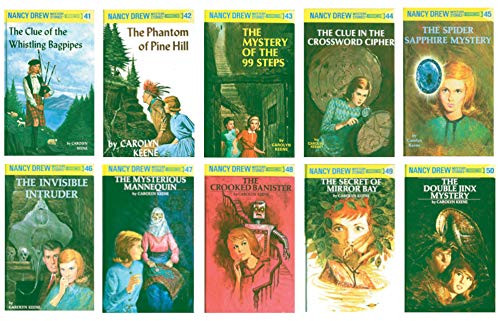
While I liked this one, The Case of the Whistling Bagpipes remains my favorite of the ones I’ve read so far.
You can read reviews of three of the other books I’ve read here:
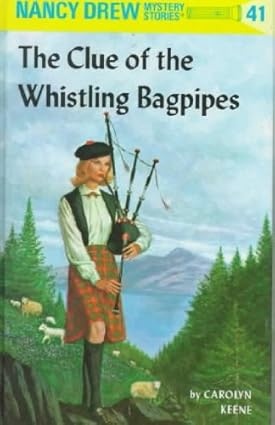
The Clue of the Whistling Bagpipes turned out to be one of my favorite Nancy Drew books that I have read so far. I really enjoyed the Scottish history woven into the story.
Description:
Warnings not to go to Scotland can’t stop Nancy Drew from setting out on a thrill-packed mystery adventure. Undaunted by the vicious threats, the young detective – with her father and her two close friends – goes to visit her great-grandmother at an imposing estate in the Scottish Highlands, and to solve the mystery of a missing family heirloom.
And there is another mystery to be solved: the fate of flocks of stolen sheep. Baffling clues challenge Nancy’s powers of deduction: a note written in the ancient Gaelic language, a deserted houseboat on Loch Lomond, a sinister red-bearded stranger in Edinburgh, eerie whistling noises in the Highlands. Startling discoveries in an old castle and in the ruins of a prehistoric fortress, lead Nancy closer to finding the solution to both mysteries.
My thoughts:
When Nancy travels to Scotland with her father, Drew, and her friends George and Bess, she’s already being pursued by someone who knows she is coming. Someone has already tried to run her off the road and she already knows someone has stolen an heirloom from her great-grandmother, Lady Douglas, that was meant to be given as a gift to her.
Once in Scotland, the attacks against her continue and it doesn’t help that Bess has sent her name into an international magazine, which announces that she is a famous detective. Now everyone in the small Scottish town they are going to visit knows who she is.
This news has someone on the edge because they are attempting to run her off roads like they did in River Heights, following her, and then pushing George down a hill to throw Nancy off their scent.
As usual, Carson Drew is off on other business and barely has a clue that Nancy is traveling the Scottish countryside alone with her friends while trying to track down sheep thieves and whomever has stolen her great-grandmother’s heirloom and her inheritance – a diamond encrusted brooch.
The diamond encrusted brooch was worn by Lady Douglas one night when she walked around the lake on her property and then disappeared when she went back the next day to take it off her shawl. Now she is worried about who could have stolen it and Nancy only makes her feel worse by suggesting it could be someone who works for her.
What was fun about this book was all the interesting, down-to-earth characters that Nancy and her friends meet during their journey. They aren’t only on a sleuthing mission, but are taken on a series of excursions to local landmarks where they learn about local and Scottish history. While they learn we, the readers, learn too.
I don’t know if it is because this is one of the later books or simply because of the subject matter but this book seemed more intricate, complex, and well-written than other installments of the series that I have read so far.
Have you read this one? What did you think about it?
I’ve been reading through the original Nancy Drew books, which, as many of us now know, were written by around 28 ghost writers. These first books I am reading, though, were written by Mildren Benson using outlines given to her by either Edward Stratemeyer or his daughter Harriet Stratemeyer Adams.
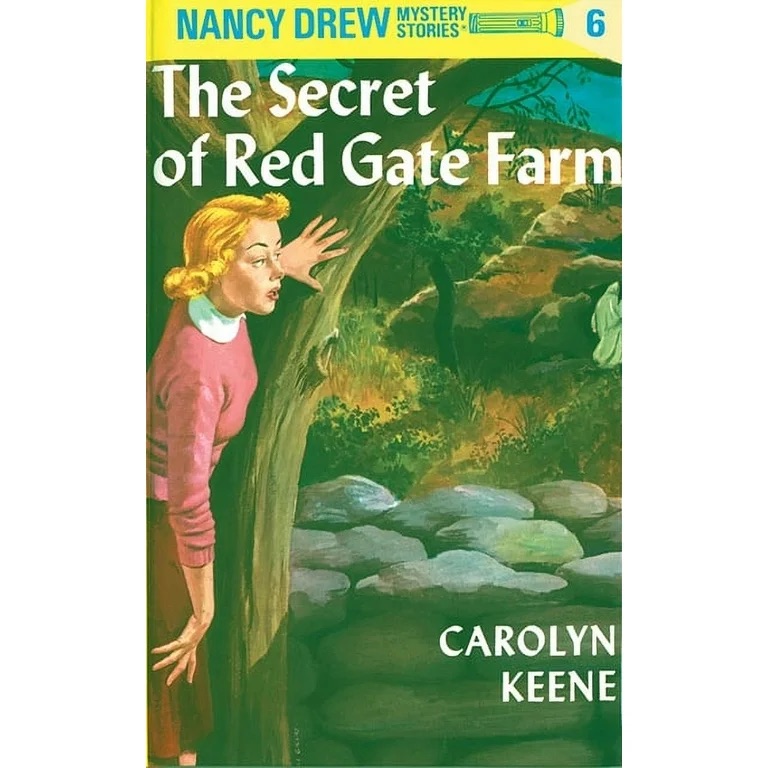
The Secret of Red Gate Farm is number six in the original series and was first released in 1931 with some rewrites of it done in 1961 by Adams.
In this book we find Nancy caught up in a mystery that starts on a train while she and her friends George (female George) and Bess are coming home from a shopping trip.
Let’s start with the summary: “Nancy and her friends, Bess and George, meet Joanne Byrd on a train ride home. Joanne lives at Red Gate Farm with her grandmother, but if they do not raise enough money to pay the mortgage, they will soon lose the farm! Nancy, Bess, and George decide to stay at Red Gate for a week as paying customers. Soon, they learn about the strange group of people who rent a cave on the property. They describe themselves as a nature cult called the Black Snake Colony.”
Nancy Drew books are written simplistically in many ways but the storylines are not light by any means. There are subjects of abuse, criminal underworlds, abandonment, parental loss and many other hard-hitting issues.
This one was no exception. A young woman goes to the city to look for work because her grandmother is going to sell the family farm because they are losing money. While there she meets Nancy and almost gets caught up in a gambling ring of some sort when she interviews for the job and the interviewer is super, super creepy. I’ve watched too many movies and written up too many stories for newspapers so I imagined all the horrible things that would happen to this girl and Nancy while reading these scenes. It made me a bit lightheaded, but since it is a Nancy Drew book I knew things would turn out okay in the end.
Nancy decides she and her friends will go with the young girl back to her farm and pay to stay at the farm while also encouraging others to do the same. Nancy’s idea is like an early Airbnb. People can rent rooms at the farm and this will help the farm owners pay off their dept.
While there Nancy and her friends notice people in the woods, wearing all white, and dancing in the moonlight. This doesn’t seem like your everyday farming community activity so they ask Joanne’s grandmother what that is all about. The woman says she’s renting her land to a group of people to help avoid selling the farm but she doesn’t really know what they are doing up there. Can we say “RED FLAG”?
In addition to that craziness, there is also a man trying to buy the rest of the farm but the grandmother is trying to push him off until she sees if other options work to raise some money.
Despite the simple and fairly innocent way the Nancy Drew books are written, this one was a little creepy for me because of the cult angle.
Even with the simple writing, the dark subject matter leaked through and left me a little unsettled part of the time. People wearing white robes, dancing weirdly in the moonlight? Shudder!
Then Nancy and her friends decide to infiltrate the group at one point and I swear I was about to faint from the tension.
Nancy Drew books might be written simply but their plots still hold together well in my opinion.
Either Stratemeyer or Mildred had quite an imagination.
Have you read this one in the series yet or before?
This spring I plan to read the following books (or I’m already reading them):
The Secret Garden by Frances Hodgson Burnett
I have seen at least one movie version of this one (the one from the early 1980s) but have never read the book and have been wanting to for a long while.
Description:
Follow young Mary Lennox as she embarks on a captivating journey that will unlock the secrets of her own heart and the hidden wonders of a long-forgotten garden. As Mary explores the magical realm tucked away within the walls of Misselthwaite Manor, she unearths not only vibrant flowers and lush greenery, but also the key to her own healing and happiness.
With the help of her newfound friends, including the spirited Dickon and the remarkably talented Colin, Mary learns to nurture both the garden and the fragile bonds of trust and friendship. Together, they breathe life into the barren landscape, uncovering the beauty and joy that can be found even in the most desolate places.
The Divine Proverb of Streusel by Sara Brunsvold
I started Sara’s first book – The Extraordinary Deaths of Mrs. Kipp – but abandoned it because it was hard to listen to during a stressful time of loss in my family. I will be going back to finish it because I did enjoy it.
I was interested in this book as well so I decided to give it a chance when I saw it on a list of books I could review for Clean Fiction Magazine (which is a place where readers of clean fiction can find book recommendations from many genres).
Description:
Shaken by her parents’ divorce and discouraged by the growing chasm between herself and her serious boyfriend, Nikki Werner seeks solace at her uncle’s farm in a small Missouri hamlet. She’ll spend the summer there, picking up the pieces of her shattered present so she can plan a better future. But what awaits her at the ancestral farm is a past she barely knows.
Among her late grandmother’s belongings, Nikki finds an old notebook filled with handwritten German recipes and wise sayings pulled from the book of Proverbs. With each recipe she makes, she invites locals to the family table to hear their stories about the town’s history, her ancestors–and her estranged father.
What started as a cathartic way to connect to her heritage soon becomes the means through which she learns how the women before her endured–with the help of their cooking prowess. Nikki realizes how delicious streusel with a healthy dollop of faith can serve as a guide to heal wounds of the past.
Night Falls on Predicament Avenue by Jaime Jo Wright
I’ve always steered clear of Jaime’s books because anything creepy or related to ghosts, etc. is not really my thing. Jaime’s books are listed under Christian Fiction so they are clean, in case you are wondering. They are just creepy. I saw this one being offered as part of a book tour and decided to give it a chance. I have started it and, so far, I don’t like to put it down because I really want to know what happened.
Description:
In 1910, Effie James is committed to doing anything to save her younger sister, who witnessed a shocking murder, leaving her mute and in danger of the killer’s retribution. Effie must prove what her sister saw, but when a British gentleman arrives, he disrupts Effie’s quest with his attempts to locate his wife, Isabelle Addington, who was last seen at the supposed crime scene in the abandoned house at 322 Predicament Avenue. Just as Effie discovers what she seeks, she finds that the blood staining the walls will forever link her to a scandal she couldn’t imagine, and to a woman whose secrets promise to curse any who would expose them. A century later, Norah Richman grapples with social anxiety and grief as she runs her late great-aunt’s bed-and-breakfast on Predicament Avenue. But Norah has little affection for the house and is committed only to carrying out her murdered sister’s dreams until crime historian and podcaster Sebastian Blaine arrives to investigate the ghostly legacy of the house’s claim to fame–the murder of Isabelle Addington. When a guest is found dead, the incident is linked to Isabelle’s murder, and Norah and Sebastian must work together to uncover the century-old curse that has wrapped 322 Predicament Avenue in its clutches and threatens far more than death.
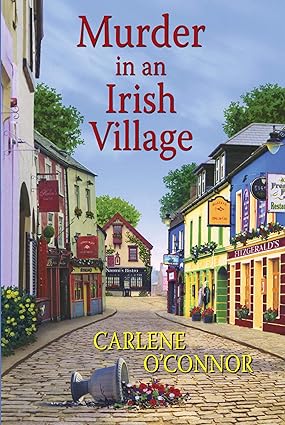
Murder In An Irish Village by Carlene O’Connor
I’ve also started this book and I’m just as tied up in it as I am Jaime’s. This is my first book by O’Connor, who I had never heard of until a cozy mystery account on Instagram suggested it.
This is a wild Irish ride and I really am enjoying it. Must be the Celtic blood in me.
Description:
In the small village of Kilbane, County Cork, Ireland, Naomi’s Bistro has always been a warm and welcoming spot to visit with neighbors, enjoy some brown bread and tea, and get the local gossip. Nowadays twenty-two-year-old Siobhán O’Sullivan runs the family bistro named for her mother, along with her five siblings, after the death of their parents in a car crash almost a year ago.
It’s been a rough year for the O’Sullivans, but it’s about to get rougher. One morning, as they’re opening the bistro, they discover a man seated at a table, dressed in a suit as if for his own funeral, a pair of hot pink barber scissors protruding from his chest.
With the local garda suspecting the O’Sullivans and their business in danger of being shunned—murder tends to spoil the appetite—it’s up to feisty redheaded Siobhán to solve the crime and save her beloved brood.
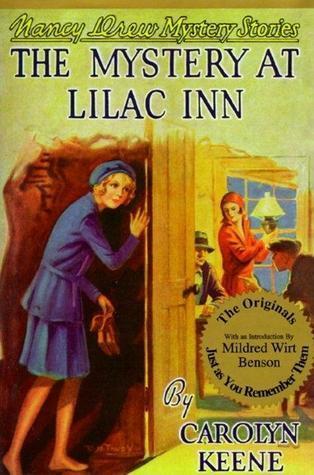
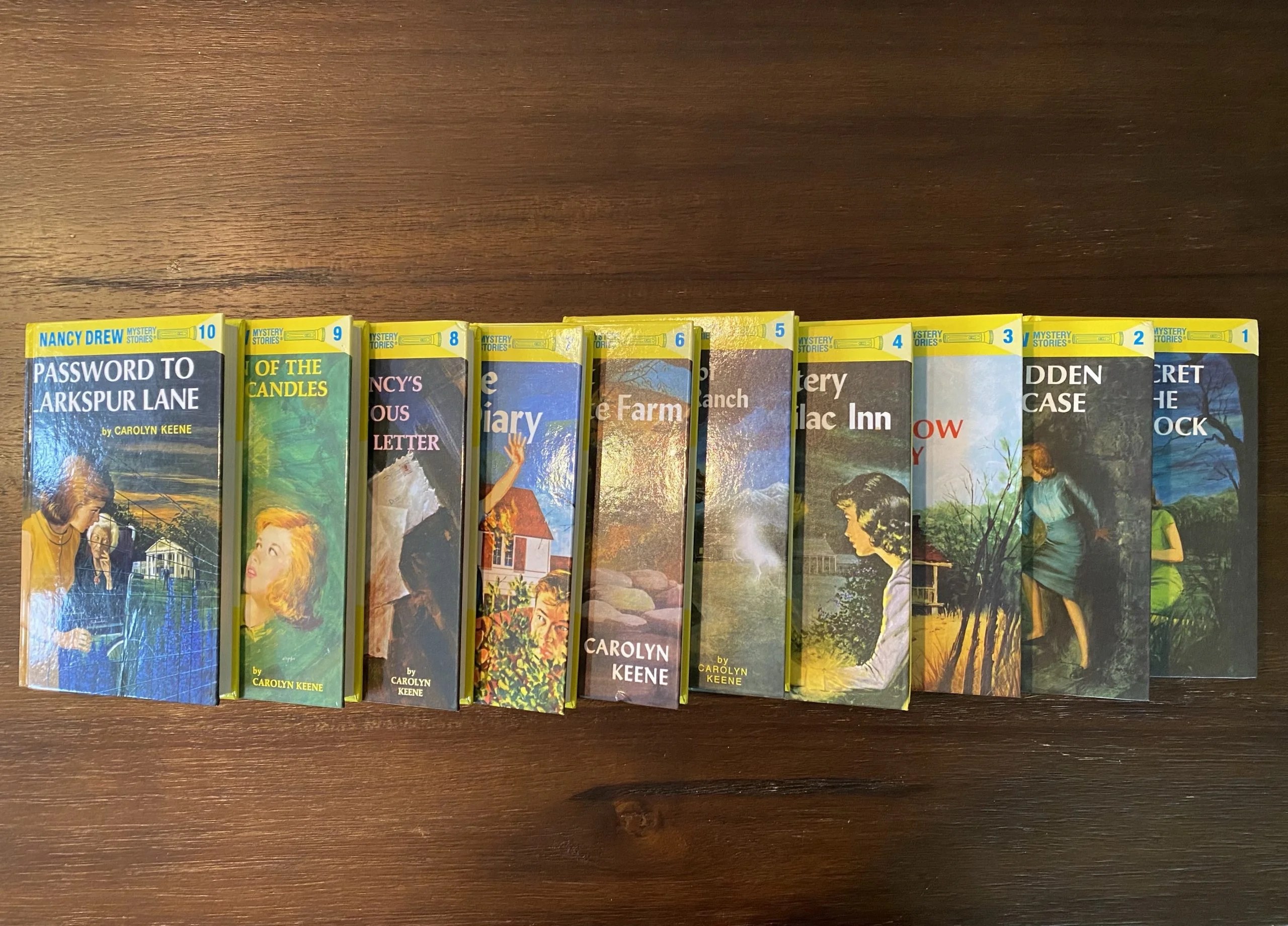
The Mystery at Lilac Inn by Carolyn Keene.
I am continuing to read through the original Nancy Drew books and this is up next.
Description:
Nancy and her friend Helen visit their friend Emily Willouby at the Lilac Inn, which Emily now owns, to help her plan her wedding. Emily plans on selling inherited diamonds in order to help fix up the Lilac Inn. However, Nancy soon learns that someone has been impersonating her and making expensive purchases under her name. Soon after, Emily’s diamonds are stolen! Can Nancy find the thieves and recover the missing diamonds?