It’s time for our Sunday morning chat. On Sundays, I ramble about what’s been going on, whatthe rest of the familyand I have been reading and watching, andwhat I’ve been writing. Some weeks I share what I am listening to.
This past week I received book-related stickers in the mail and was thrilled because I love stickers and putting them in books. I don’t have a lot of places to stick these stickers but it is still fun to have them. I have a reading journal, so I stuck some there and Little Miss took some for her phone.
Do you keep a reading journal? I was all excited to get one (which is just a journal with blank pages that I fill in) but then I ended up not taking the notes about the books I was reading, or doing much of anything I planned to do with it. I do keep a list of the books I’ve read throughout the year (which is much lower this year than last year) in it. I also keep a list of books recommended to me, books I want to read, my favorite books read, movies I’ve watched, and movies I want to watch.
I have a list going of Nancy Drew books I’ve read so far in it and that list actually isn’t that big. I think next year I will start a list of The Hardy Boys books I’ve read. So far, it’s exactly one.
I also ordered a set of magnetic bookmarks with cats on them last week. That was also exciting for me, but I will lose them quickly because I always seem to. I don’t know how. I lay them down next to me, get up, and they’ve fallen into some sort of portal! For example, I stood up tonight while reading to go pick up my kids after they were trick-or-treating and I dropped the bookmark and it was gone. Just gone. It’s possibly buried in my all-black purse, but even the purse seemed like some sort of portal because when I looked inside, it was gone.
Luckily, I have about 20 other bookmarks I can choose from to replace it. And then lose them as well.
In addition to the stickers and bookmarks, I also received an order of five books from Thriftbooks.
One of them is for Little Miss for school. It’s called Secrets of Civil War Spies by Nancy LeSourd.
The other four were:
Rebecca by Daphne Du Maurier
Bombs on Aunt Dainty by Judith Kerr
The Silver Chair by C.S. Lewis
Murder, She Wrote: Aloha Betrayed by Donald Bain
The week before I received three new Nancy Drew books via the True Drew Podcast shop.
Those books were two from the 80s and 90s: The Nancy Drew Files Win, Lose or Die and The Nancy Drew Files Pure Poison. I also ordered an original book, The Mystery of the Fire Dragon.
This week I finished Trick or Treachery by Donald Bain, a Murder, She Wrote book. I finished it in three days after Little Miss told me I couldn’t finish it by the weekend. I showed her. I finished it three days early. She may have had an ulterior motive because with me reading she could get away doing what she wanted during the day. Hmmm…wait a minute!
I also started Home to Harmony by Phillip Gulley and The Nancy Drew Files Win, Place, or Die by Carolyn Keene. The Nancy Drew book is one of the books from the 1990s series. I’m about 50 pages from the end, which isn’t saying much since these books are only 150 pages total. I’ll finish it today. I have to say, I know these books are for kids or preteens, but the plot of this one really isn’t that bad. This is the first one I’ve read as an adult from this particular series. I am certain I read one in high school.
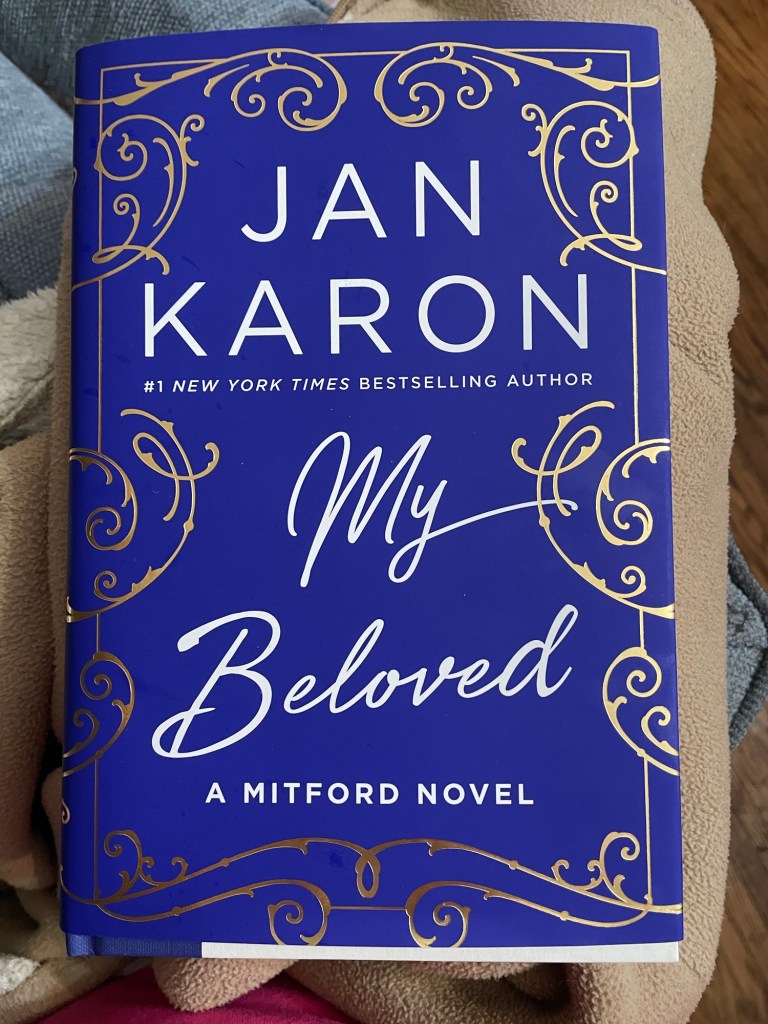
The Husband ordered me a copy of the latest Mitford book by Jan Karon (My Beloved) as a surprise, and it came yesterday. I’d had a bit of a rough few days with a sore tooth and feeling overwhelmed in life, so it was a wonderful surprise that brought me to tears.
I am going to start it sometime in November or maybe even December because it has a Christmas theme. I will not lie, I opened the book after I took a photo of it and inhaled deeply. It was so comforting.
Little Miss and I finished The Good Master this week, and we have been listening to — I kid you not — a Murder, She Wrote book before bed at night.
She said she’s actually enjoying it, so she requests it.
We are also reading the Civil War themed book for school and finishing the second Caddie Woodlawn book, which we forgot to finish when we got distracted by The Good Master.
The Husband is reading….? Oops … forgot to ask but it was Boone’s Lick by Larry McMurty.
The kids and I watched Mrs. Doubtfire last night. It has been years since The Boy has seen it and Little Miss has never seen it.
Earlier in the week I watched Petticoat Junction and yesterday I watched part of The Big Trail with John Wayne from 1930. That movie — wow. That was a crazy journey with very realistic scenes of the wagon trains traveling into the West.
I think I will write a post about it once I finish it. I would love to know more about the making of that movie.
I also watched another two-part Hardy Boys/Nancy Drew Mystery. Yes, I’ll definitely recap this one because it was a crazy ride with more romance between Nancy and Frank.
What have you been doing, watching, reading, listening to, or writing? Let me know in the comments or leave a blog post link if you also write a weekly update like this.
*This was supposed to publish this afternoon, but I forgot to hit…yes…publish. Hahaha!
Winter is coming early to Pennsylvania, it seems.
Temps have dropped into the mid-to-high 30’s at night and aren’t reaching much above 55 most days.
We have been inside a lot, bundled up under blankets and sweaters, with The Husband determined not to turn the main heat on until November 1.
I, however, have been turning our electric heat on in the hallway upstairs at night to try to chase away some of the chill. Shhhh.. we will keep that our little secret.
I am a fan of curling up under blankets and tossing a warmed-up rice pack at my feet so I don’t mind keeping it cozy in the house but having it just a touch warmer on some nights would be nice.
This past week was fairly non-eventful. The Boy visited his grandparents most days, helping them with various household chores and projects.
On Thursday, Little Miss and I visited them and helped around the house.
Yesterday we stayed home and did some school and housework of our own. Tonight, I will be taking the kids downtown for a trunk-or-treat and then trick-or-treating around town if they want to do that.
I don’t usually walk around, but instead sit in the car, sipping hot cocoa and reading a book. I am hoping The Boy will go with us and walk around with his little sister and her friend so I don’t have to. I am not a huge fan of trick-or-treating or walking around a small town in the dark with a knee that sometimes gives out.
I think we will probably have lunch at my parents tomorrow and Monday night The Husband and I have to drive . . . can you guess how long of a drive to pick our car up from the mechanic?
If you guessed 45-minutes, you were right.
I swear everything is 45-minutes away from us now.
This is a mechanic we used when we lived up that way and was able to fix something on our poor, war-torn car that mechanics in our area couldn’t. The Husband hit a deer — again — with this car two weeks ago. We have now hit a deer with it every fall for the last three years. The last time, Little Miss and I were with him. Each time the deer has smashed in the hood and kept going. I’m not sure if they made it any of those times, but they weren’t along the road afterward. Those creatures are a lot more solid than they look out in our yard or fields. They are all muscle and that makes even more of an impact when you are going along at 40 miles per hour, which is about how fast he was going the last two times. Not sure about that first time.
On Tuesday, The Husband and I might go to a theater to see Pyscho on the big screen. Guess again how far away the theater is….
This past week I received some used books in the mail from Thriftbooks which I will talk about more tomorrow in my Sunday Bookends post, but I also received some book and reading related stickers.
I am such a nerd — I couldn’t wait to open them up and look through them and then decide where to put them. I placed them in my reading journal which is much messier than I intended for it to be. I always think I’m going to keep my journals neat but instead they become a bit of a free for all of all my notes about books and movies and blog post ideas.
I was also excited to receive some magnetic bookmarks earlier in the week.
Yes, my life is very, very exciting. You should be jealous.
This upcoming week promises to be just as “exciting”
The Husband ordered a special book for me that came today too. I was so excited to see a hardcover copy of My Beloved by Jan Karon. It will probably be the last Mitford book so I am excited to have it in my hands. I don’t even care if it is awful, though I doubt it will be. To read more of Tim and Cynthia’s story is just so exciting for me. And an update on Dooley and Lace too? Squeal! I can’t wait.
So how was your week last week? Do anything exciting? Let me know in the comments!
I’ve recently started reading the Murder, She Wrote books, based on the TV show, of course.
There are currently a couple of authors writing the books, but I believe the original person to write them was Donald Bain. I like the books of his in this series that I have read so far which is exactly two. Ha! I am currently reading my third by him.
My husband bought me a copy of the first book in the series — Gin and Daggers — after I read Killer in the Kitchen and it was better than I expected.
This one doesn’t take place in Cabot Cove but takes us straight to England where Jessica has traveled to visit with good friend of hers – a famous mystery writer. Think Agatha Christie level.
The woman — Marjorie Ainsworth — isn’t in great health, though, and some are speculating she could pass away. That’s not all they’re speculating. She’s just released a new book and some staying at the mansion for the celebration don’t believe she even wrote it because of her declining health. Marjorie Ainsworth
It isn’t her declining health that leads to her death, though. It’s murder. Now Jessica must figure out who among the guests at her mansion killed her while avoiding being blamed herself.
One thing I’ve noticed about these Murder, She Wrote books is they take their time getting to the mystery. This gives the reader time to get to know the characters and really feel like they are invested in the story before the crime occurs. A lot of more modern mysteries rush right into the crime without letting the reader create an attachment to the potential victim and the possible suspects. Some readers like this and some find it boring and tedious. Whether I like it or not depends on what mood I am in. For this book, and the other Murder, She Wrote books I have read, I have not minded.
I like how these books make Jessica even more real than the show – in this one she cries over her friend passing away and when she remembers her late husband. She seems more vulnerable in the books than on the show.
The world of Jessica Fletcher is more in depth and real in the books, in other words, unlike the surface level portrayal from the show. Jessica’s close connection to Dr. Seth Hazlitt is also more pronounced in the books. Though a romance isn’t suggested, it is clear that she and Seth are very close.
This is very clear in this book where Jessica is accused of Marjorie’s murder and Seth hears about it back in Cabot Cove and hops a plane with Sheriff Mort Metzger to bring a bit of Cabot Cove to London.
There are a number of suspects in this one and while the story does drag at times and it gets a bit convoluted at the end, it held my interest and was a solid mystery. I wouldn’t say I would read this one again and again but I enjoyed it as fun, and well-written (prose wise) book.
One thing I find interesting about these books is how well Bain writes a female character. He isn’t perfect at it, but he does write Jessica as someone who is strong and bold, but also connected with her feelings more.
The bottom line on books based on shows is that they are never amazing literature but they are a good escape and some (usually clean) fun. What these books with Donald Bain have going for them is an extra cozy feel and solid writing.
Have you read any of the Murder, She Wrote books? If so, which one? If not, would you ever try one?
Welcome to the Weekend Traffic Jam Reboot, where we offer a place for bloggers to link up and get a fresh set of eyes on their posts. We also feature one blog a week, letting our readers know about the blog and providing a link so readers can learn more about it.Please feel free to post new blog posts or old ones you want to bring attention to again.
Look for the post to go live about 9:30 PM EST on Thursdays.
This week, we have a little announcement because we are saying goodbye to Sue from Women Living Well After 50.
We are all sad to see her go, but Sue has some other things she wants to pursue and may take a break from blogging altogether for a bit.
I know Marsha, Melynda, and I certainly appreciate her being part of this link party and hope to see her in the blogsphere in the future. If you are interested in being a co-host please leave a comment and I will put you in contact with Marsha, our fearless leader.
Now, let’s introduce our current hosts for the Weekend Traffic Jam Reboot:
Marsha from Marsha in the Middle started blogging in 2021 as an exercise in increasing her neuroplasticity. Oh, who are we kidding? Marsha started blogging because she loves clothes, and she loves to talk or, in this case, write!
Melynda from Scratch Made Food! & DIY Homemade Household – The name says it all, we homestead in East Texas, with three generations sharing this land. I cook and bake from scratch, between gardening and running after the chickens, and knitting!
Lisa from Boondock Ramblingsshares about the fiction she writes and reads, her faith, homeschooling, photography and more.
Cat from Cat’s Wire is a bookworm, movie fan, crazy cat lady, armed with beads, cabs, wire and a very jumpy brain which loves to go down rabbit holes!
Rena from Fine, Whatever writes about style, midlife, and the “fine whatever” moments that make life both meaningful and fun. Since 2015, she’s been celebrating creativity, confidence, and finding joy in the everyday.
We would love to have additional Co-Hosts to share in the creativity and fun! If you think this would be a good fit for you and you like having fun (come on, who doesn’t!) while still being creative, drop one of us an email and someone will get back with you!
WTJR will be highlighting a different blogger each week this year! We invite you to stop by their blog, take a look around and say hello!
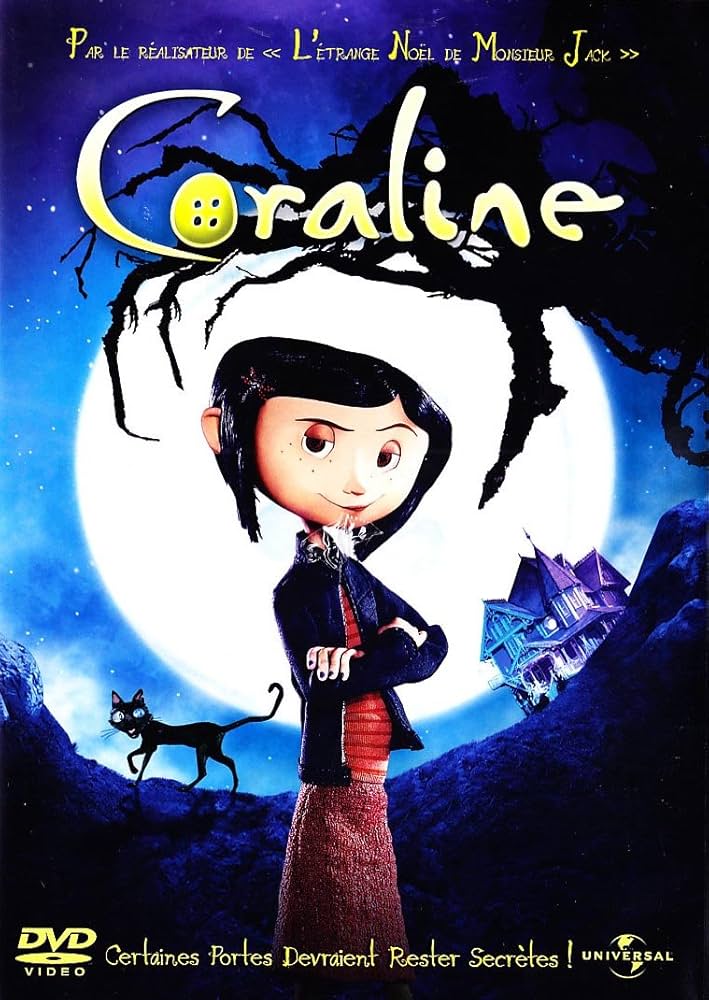
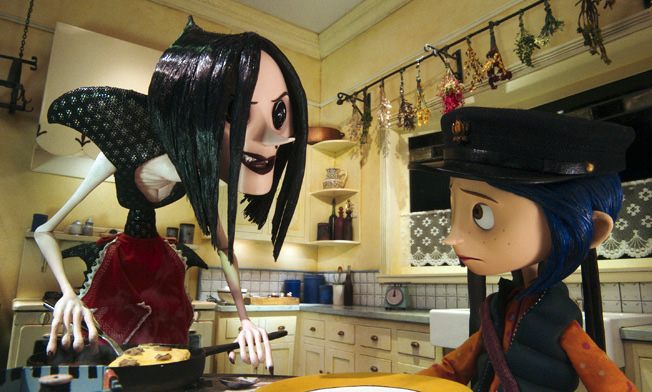
Erin from Still Life, With Cracker Crumbs and I are hosting Comfy, Cozy Cinema again this year and up this week was Coraline, based on the book by Neil Gaiman, and released in 2009. It was directed by Henry Selick.
Regular blog readers might have figured out that spooky or creepy movies are not really my thing, but, on occasion, I watch them with friends or family.
Up front, I want to say that while this movie isn’t one I would watch again and again because it was creepy to me (and because I’m not a huge fan of Neil Gaiman’s stories…they always creep me out!) I do understand why those who like a bit of a spookier movie like it. Also, I do want to make clear that I do NOT hate this movie. It simply creeps me out and makes me uncomfortable, so once is enough for me.
It is well done and fun for those who like their movie a bit on the creepy side. I’m just not one of those people! The story is also interesting, as Gaiman’s usually are. If you’ve read any news about him lately, you know he’s pretty good at making up stories. Ahem. Anyhow…moving on.
The movie is a stop-action animation movie geared toward “kids”, but I find it a bit too creepy for many kids and me. Of course, others may not feel the same way and may think it is totally fine for kids.
Before I get too far into this post, let me give you a little description of the movie from online:
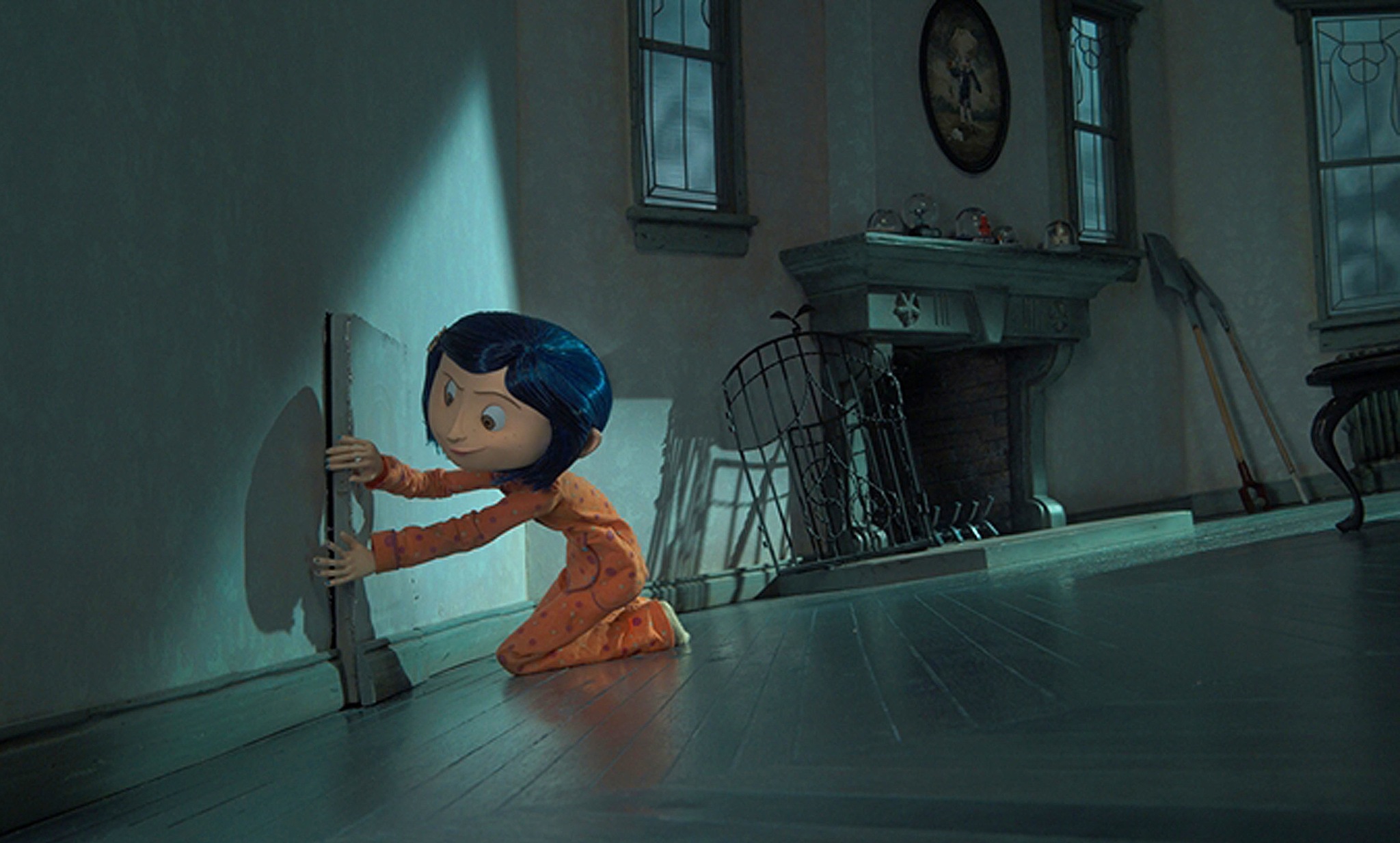
While exploring her new home, a girl named Coraline (Dakota Fanning) discovers a secret door, behind which lies an alternate world that closely mirrors her own but, in many ways, is better. She rejoices in her discovery, until Other Mother (Teri Hatcher) and the rest of her parallel family try to keep her there forever. Coraline must use all her resources and bravery to make it back to her own family and life.
Now a bit more of the plot.
Coraline Jones has moved into a new house in a new state (Oregon, I think) and on her first day she sets off to explore. She is originally from Michigan which is one reason Erin suggested this one for this year’s Comfy, Cozy Cinema.
Coraline is followed on her walk by a creepy cat and sort of creepy boy. The boy’s name is Wybie, short for Wyborn, and he says the name wasn’t his idea.
His grandmother owns the house Coraline is living in and Wybie says he’s surprised she rented it since she doesn’t normally rent to families with children.
Like a lot of movies like this, Coraline’s parents are distracted and annoyed by her presence.
Wybie sends a doll wrapped in newspaper to Coraline’s house the next day and the doll looks exactly like her. Um…ew. I am not a fan of a lot of dolls, especially creepy ones.
While unpacking, Coraline finds a snow globe of the Detroit Zoo and that, I think, is the Easter egg Erin wanted me to look for since she’s been to that zoo many times.
Later that night Coraline explores the house and finds a small door with a tunnel that leads into a world just like hers except everyone has doll eyes and her “parents” are paying attention to her. At first Coraline really likes this world and likes to go back and forth between the worlds.
Things get weird when new neighbors in the real world warn her about the dangers of the Other World and then the parents in the Other World try to convince her to stay with them and tell her she can’t go back to her real life. They tell her if she wants to stay she’ll have to sew buttons on as her eyes.
Everything about this movie is weird but things just keep getting weird. At one point she learns about Wybie’s great-aunt who once disappeared into the Other World and never came home.
If you want to know what happened to the original Wybie, you will have to watch the movie but not read the book because he isn’t in there.
The animation of this movie is very interesting, but I always think stop motion animation is.
While looking up some trivia about this movie, I read that there were 24 different puppets of Coraline used to make the movie. Each one took ten people and 3-4 months to construct.
(If you want to know more about how it was made, you can watch this video about it here:
If you would like to read a little more trivia/facts I have them for you here:
The character Wybie Lovat is not in Gaiman’s 2002 novel. Writers said he was added so Coraline would not have to talk to herself and so she would have a friend her age.
The band They Might Be Giants wrote several songs for the movie but they were all scrapped when the tone of the movie changed. I’m guessing from a lighter tone to a darker one. I listened to They Might Be Giants in the 90s and think their songs probably would have added to the movie
The plan was initially to have the movie be live action. Dakota Fanning was asked to portray Coraline , but when it was decided instead to make a stop-motion animated film, Fanning was asked if she would still be interested in providing Coraline’s voice. She agreed, especially after seeing Coraline’s design.
One crew member was hired specifically to knit miniature sweaters and other clothing for the puppet characters, using knitting needles almost as thin as human hair.
Neil Gaiman was typing the name “Caroline,” but he made a mistake, and it came out “Coraline.” Gaiman says, “I looked at the word Coraline, and knew it was someone’s name. I wanted to know what happened to her,” which inspired him to write the novel.
The film was shot over the course of 18 months, following two years of pre-production.
In the initial recording session, Dawn French played the role of Miss Spink, and Jennifer Saunders played Miss Forcible. The director wasn’t satisfied with the result, though, so he had French and Saunders switch roles and re-recorded their parts. These second recordings were used in the film and some viewers says this might explain why the characters resemble the actress who did NOT provide the voice.
Have you ever seen this one? What did you think of it?
You can read Erin’s impressions of the movie on her blog.
Next week we will be watching an intense one with some creepy scenes — The Mummy.
The rest our list for the remainder of our Comfy, Cozy Cinema is included below.
If you write book reviews or book-related blog posts, don’t forget that Erin and I host the A Good Book and A Cup of Tea Monthly Bookish Blog Party. You can learn more about it here.
Hello! Welcome to my blog. I am a blogger, homeschool mom, and I write cozy mysteries.
You can find my Gladwynn Grant Mystery series HERE.
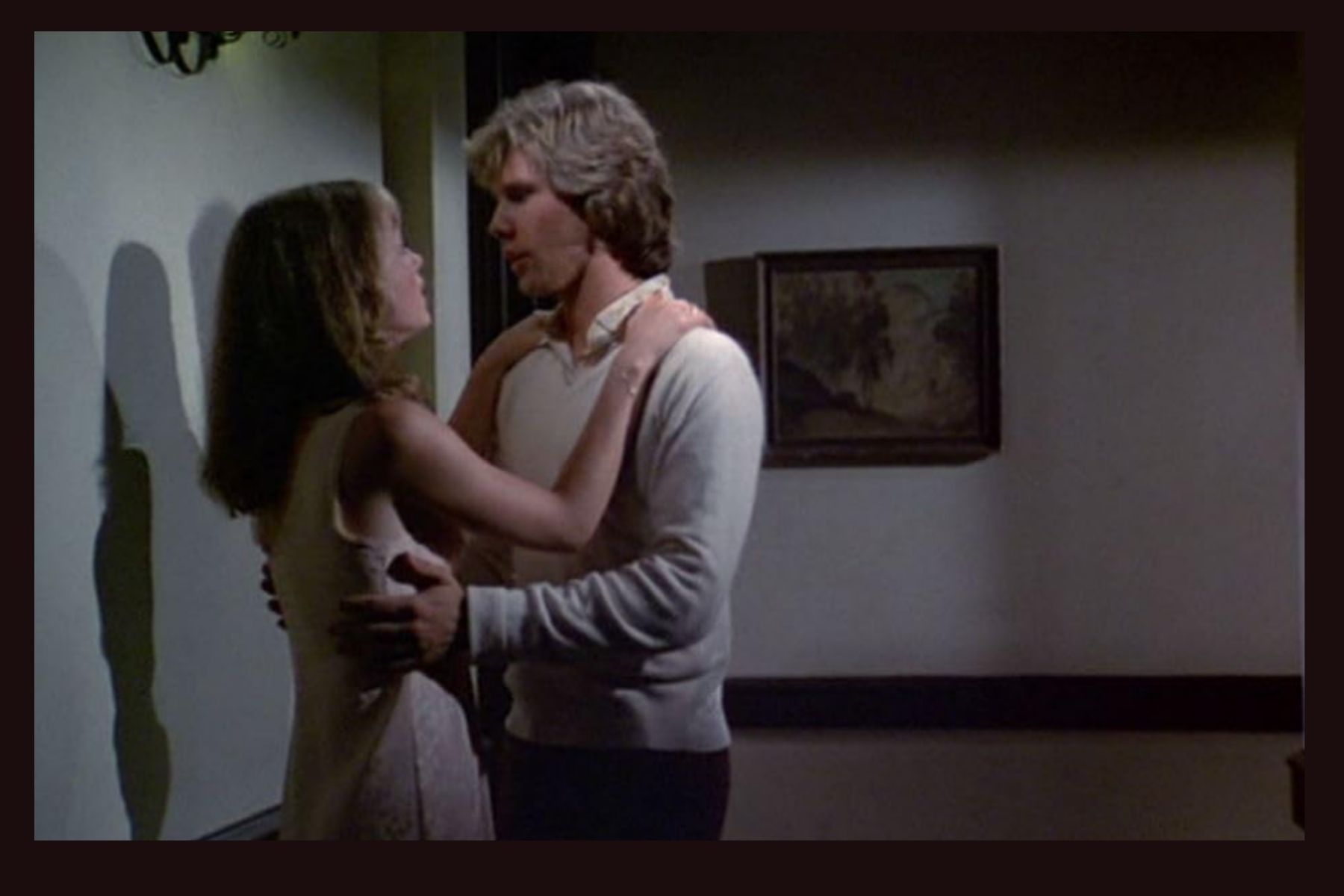
Here I am with another recap of an episode from The Hardy Boys/Nancy Drew Mysteries show from 1977.
As I’ve mentioned before, in the first season of this series, the episodes switched back and forth from Hardy Boys and Nancy Drew episodes and in the next season, which is the season I am in now, they started to join together. Eventually, they began to phase out the Nancy episodes and focus more on The Hardy Boys. A new actress also stared as Nancy part way through season two when Pamela Sue Martin became disenchanted with the lack of parts that were being written for her character.
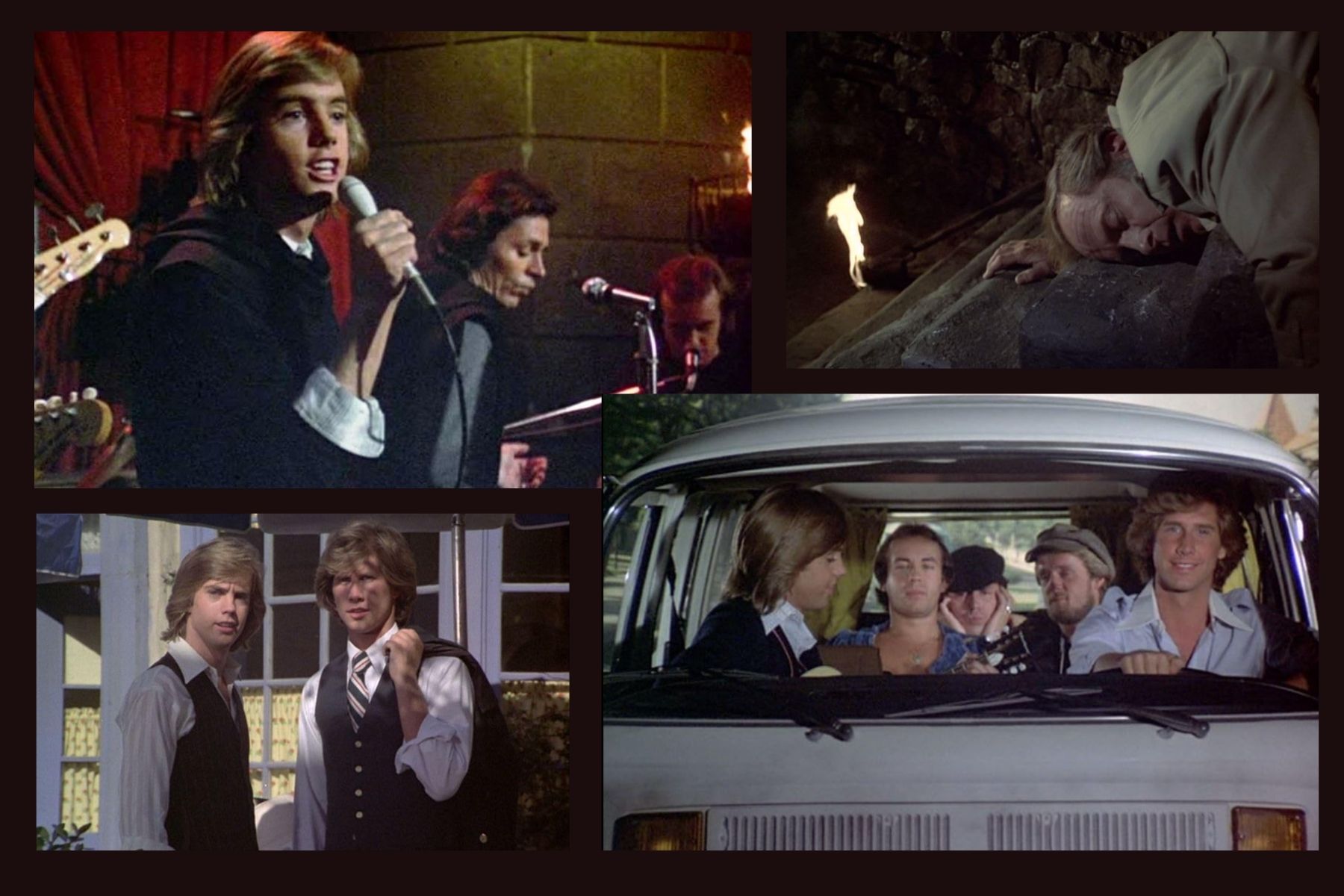
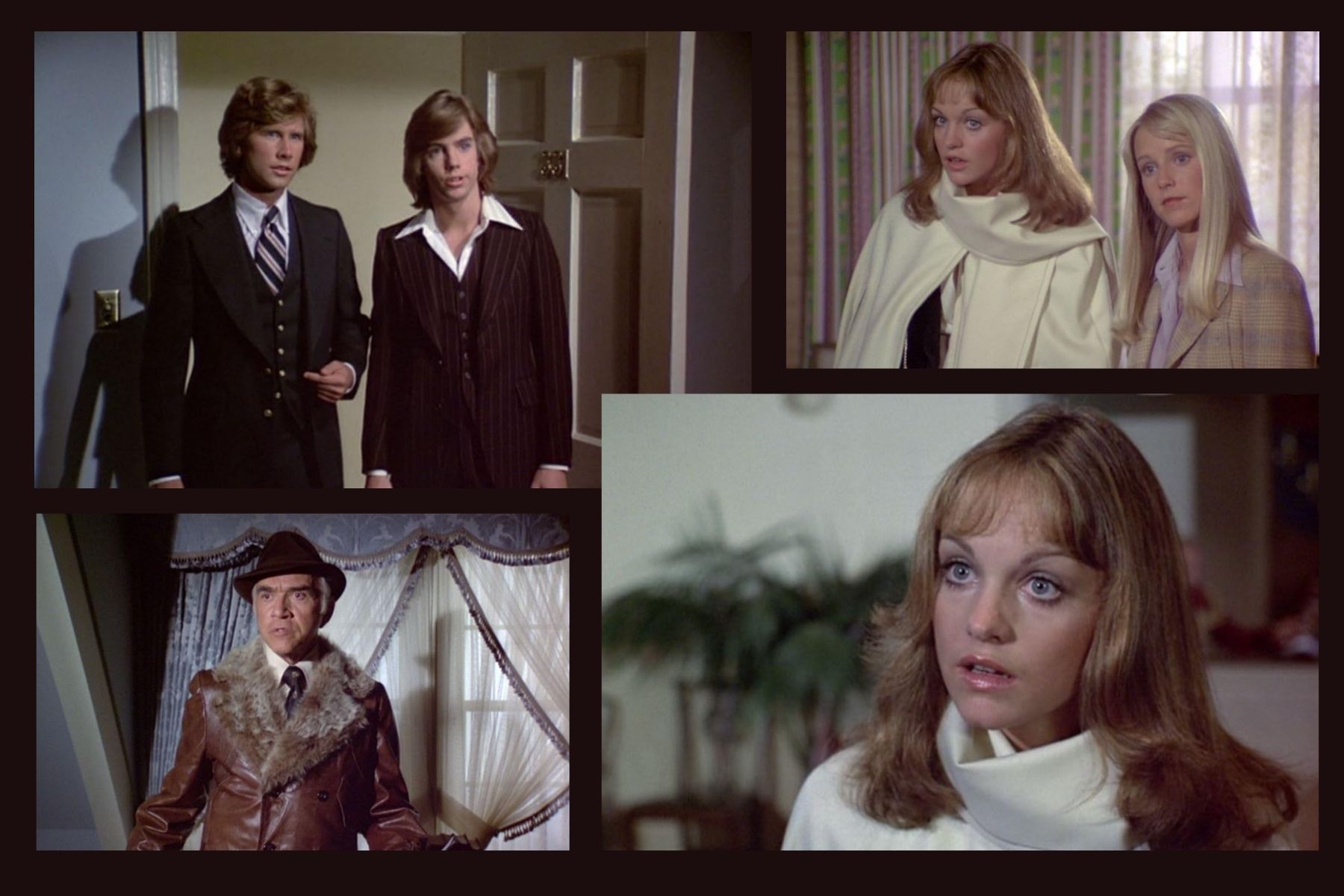
This time around, I am tackling The Hardy Boys and Nancy Drew Meet Dracula. This was a two-part episode with both Nancy and the Hardy Boys, so it was essentially a movie.
I don’t know why it took me so long to get back to rewatching and then writing about these two episodes. I know that most of my blog readers do not read these recaps, which really makes the fact that I still write them a bit sad, (haha!) but I can’t seem to stop writing them. Writing them is a funny and light distraction from the tougher parts of life so I shall keep writing them.
I was watching the first episode of this two-parter last week to get ready for this blog post, when I saw that one of the podcasters I listen to had also watched these episodes and was sharing her own view of them on her most recent I thought that was neat timing. Yes, I wrote the word neat. Yes, I am old.
The Hardy Boys and Nancy Drew Meet Dracula was the start of The Hardy Boys/Nancy Drew Mysteries second season. The two-part character crossover aired on September 11, 1977, and was the first (but not the last) time the sleuths teamed up on the show.
Our story starts in Transylvania with Fenton Hardy, the dad of Frank and Joe. He’s being driven up to the entrance of a very creepy castle at night. Why at night? Who knows…maybe the taxi driver wouldn’t take him up during the day. Either way, he arrives at night. On the way up a very rocky, out of shape road, the taxi driver complains about some American rock singer coming to the castle to perform.
When they arrive at the castle, Fenton gets out and starts to walk up to the front with a flashlight. The man tells him not to go in, but when Fenton mocks him, asking if he believes in the living dead and Dracula, he says it’s just an old building and he doesn’t think he should go in. Fenton asks the driver to wait, but the driver says he will drive to the bottom of the hill and wait for him. Fenton rolls his eyes and heads inside.
Inside Fenton is sneaking around, clearly looking for something, and being followed by someone wearing boots and who has a very white hand with ruffled sleeves and a ruby ring.
Eventually Fenton almost falls into a hole with human bones and drops his flashlight. This leads him to pick up a torch on the wall and light it with the lighter he apparently carries around with him.
He is making his way down a flight of stairs when he is hit on the back of the head by someone and falls down the stairs.
(Avery from the True Drew Podcast said she always hates to see the dad figure in a show get hurt because it makes her think of her own dad and I have to agree. I didn’t like the way Fenton Hardy fell or the way his head bounced on the way down.)
Next, we switch to Paris with Frank and Joe. It is June 9th we are told. We find out that Fenton has now been missing for two weeks.
“We’ve got to follow every lead, no matter how thin,” Frank tells Joe.
“You’ll forgive me if I pray this one doesn’t work out,” Joe says.
The next thing we see is a door to the morgue. The boys are both dressed in suits and a man is telling them a body was pulled up from the river. Thankfully, the body is not that of Fenton’s.
The boys are relieved and head back to the hotel where their dad was staying to see if they can find out anything else about where he is.
They see a band performing across the street and that will come into play later.
When they go back to the hotel room, they hear someone searching their father’s room. They break in and find an older man with a very thick Romanian accent who asks them who they are and why they are in the room.
“Isn’t that our line?” Frank asks.
“Only if this is your room,” the man responds.
“It’s our father’s room,” Joe says.
The man double checks who their father is and then introduces himself as Inspector Hans Stavlin (portrayed by Lorne Greene – a well-known actor from the original Battlestar Galactica, Bonanza, and many other shows).
He says he is with the Romanian police and Frank says he’s a long way from home.
The inspector is looking for their father too and tells them he will fill them in on what he knows. After the “commercial break” we are at a small café and Stavlin is telling the boys that their father was working on a case with Interpol of “international importance.”
“A series of spectacular thefts of paintings which emptied the museums in Europe,” Stavlin says. “I believe you father was on the verge of a breakthrough when he disappeared.”
He says he received a phone call from their father saying he had a lead in Paris and then the phone went dead.
The boys want to know why Fenton would call him and Stavlin says their father was the liaison between all the police departments in Europe. (Ummm..ooookaaay. If he says so.)
Stavlin encourages the boys to go back home and wait for news on their father.
They aren’t very interested in that but ask him how they should reach him if their father does reach out. He says he is going home to a small town in the provinence of Transylvania and they can reach him there or through Interpol.
The boys discuss the fact he just said Transylvania and say they weren’t even aware it was a real place. They go back to their dad’s hotel room and look where he normally hides things — under the dresser drawer. There they find his notebook and a list of dates and locations. Each one corresponds with the robbery dates.
“Meet at Ritz Hotel, Munich, 5 o’clock,” Frank reads in the his dad’s planner. “Book for 301 in the name of Fredericks.”
They also see a note about the town Punare and a “Dracula Festival.” It’s the same town Stavlin just said he was from.
The boys decide they need a cover to get into the festival and offer money to a band they see performing outside to travel with them across Europe.
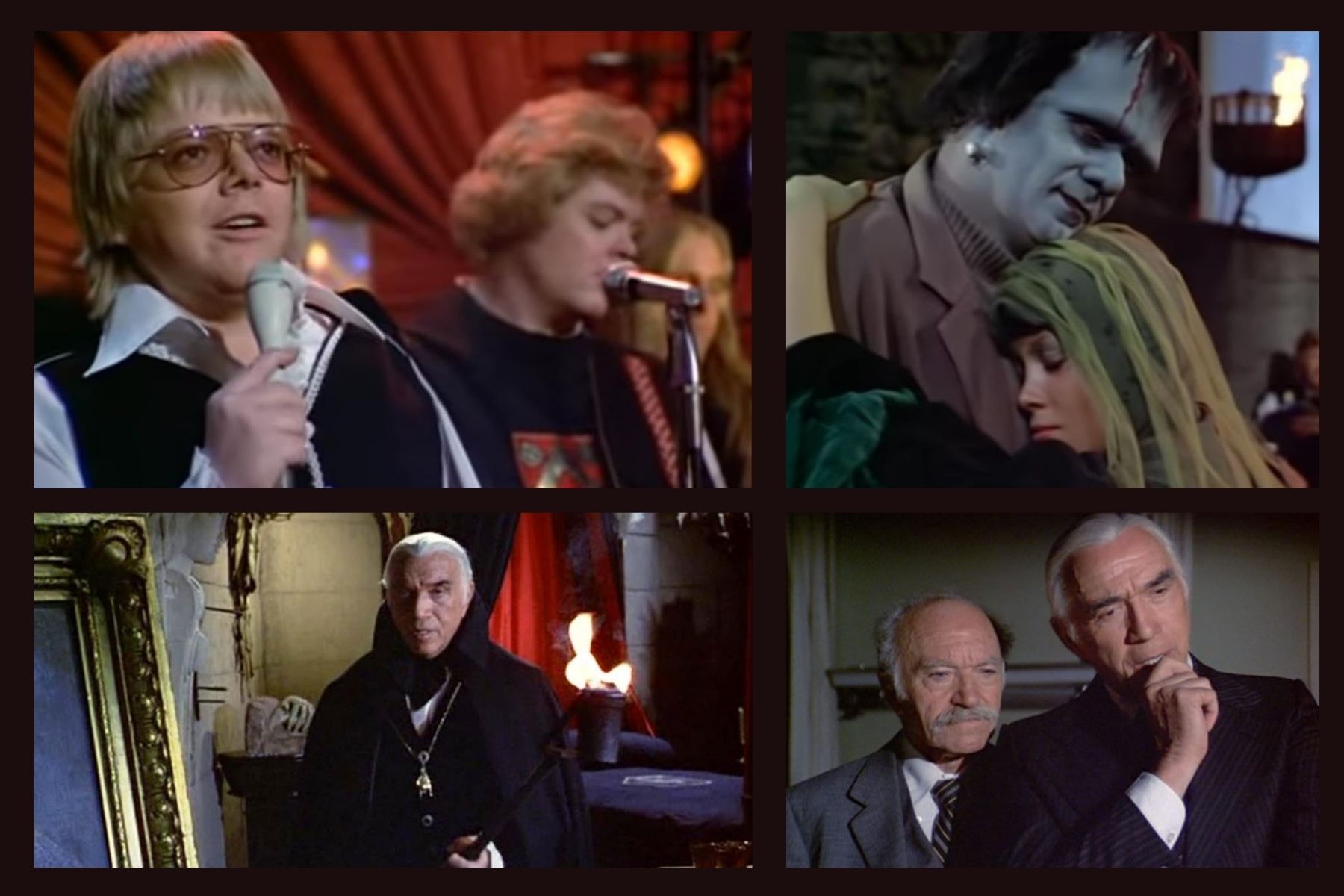
The band agrees, saying they’re going to the Dracula Festival to perform with American Rockstar Alison Troy, who in real life is singer Paul Williams. Nope, never heard of him either.
The group hops in a little 70s-style van, first to Munich to meet whoever their dad was meeting at the hotel and then on to Transylvania for the festival. As they travel we listen to them singing Ob-la-de-obla-da by The Beatles and as the scenery flies by them I had to laugh a bit and wonder if that is the only song they sang the entire drive.
Anyhow, they arrive at the hotel on June 10 and I thought this was probably impossible but a quick search online revealed that they could have driven from Paris to Munich in that time frame.
They check in at the hotel and get another room for their band friends.
So here is where things get weird with the people at the hotel. The bellman is repeatedly calling the man at the front desk “capitan” and then saying “Ooops.” He also gives him the Nazi salute more than once. I am truly not sure what this was all alluding to — other than these are former Nazis who have escaped being punished? I have no idea.
It’s just weird.
The boys get to their room but still have two hours before the person who was supposed to meet their dad is due to show up so they head downstairs to get some lunch.
While they are gone in enters Nancy Drew looking stylish as all get out with a long white cape, matching calf length skirt, knee high black boots, and stunning reddish-brown hair.
She turns a lot of heads as she confidently marches to the front desk and asks to be taken to room 301.
The man at the front desk lets her know the other five have arrived. She’s taken aback. “There are five people in room 301?”
He tells her there are only two and three are on the second floor.
She is, of course, bewildered and even more so when the man points out that she forgot to mention a rock-n-roll group would be arriving with them.
Nancy acts like this is all normal and requests a bellman to be sent up with her. She then turns and calls out, “Bess.”
Aha. So now we get George’s cousin Bess Marvin.
In the books, George and Bess are a package and help Nancy solve her crimes. George is a bit of a tomboy and more bold and Bess is plump and more timid.
In the first season of this series, they didn’t show us Bess and George took on more of Bess’s character of being afraid of everything and a more cautious confidant to Nancy — warning her to be careful or suggesting she avoid going here or there.
We didn’t see Bess at all.
I’m not sure if this means we will be getting Bess this season or not.
I will say that I know we will be getting a different Nancy later in this season when Pamela Sue Martin chooses to leave because she felt the Hardy Boys were getting more airtime — and they pretty much were because Parker Stevenson and Shaun Cassidy were teen heartthrobs at the time.
Back to the show, though. Nancy is taken to the room and instructs the bellboy (who is actually an old man) to take the Hardy Boys bags away. She says she’s pretty sure the hotel has been pranked by the rock band who is trying to get a free room.
She tells Bess that she was to meet a man with the last name Fredericks, who is really Fenton Hardy, at 5 p.m. and that Fenton Hardy is clearly not a rock band. She was to meet Fenton because her dad sent her since she was already on vacation in France and Fenton needed help with his investigation.
Down in the restaurant, the boys are trying to get some food when Frank sees their luggage being carried to the lobby. He takes off while Joe (always the hungry one) is trying to order.
Frank tells the bellman to take his luggage back upstairs. When he and Frank reach the room they find Nancy and Bess’s luggage and Frank tells the man to remove their luggage.
He does and then we switch back to the restaurant where Joe is still trying to order. He finally gets a hold of the waiter but Nancy swoops in with Bess and tells the waiter they need to get food and fast.
Joe stares at Nancy in bewilderment all while Frank comes back down in a huff. Nancy and Bess then see their luggage being carried down by the overworked bellman. Nancy rushes off to stop him and orders him to take them back up. Back in the restaurant Frank declares there is no time to eat because they have to meet with whoever their dad was meeting with. He snatches the menu from Joe and off they go. Nancy tells Bess she’s going to meet with Fenton Hardy in the room.
The three meet in the elevator but don’t know who each other is until they end up walking to the same room.
An argument ensues and Nancy threatens to flip Frank on his back if he tries to move her bags. He puts his hand on her luggage and she flips him onto his back.
The boys are bewildered by her aggressive behavior but want her out of their room.
After some back and forth, and showing of passports, the trio finally get to the truth about why they are both there.
Calming down some (Pamela certainly played Nancy highstrung, but….well…she was that way in the books too), Nancy explains what information she has about the case and the boys tell her that their dad is missing.
She tells them she was attending a summer extension course with her friend when a friend of her fathers was also in Paris to pick up a rare painting he had purchased to donate to a museum back home. The painting was stolen so the client called Carson Drew (Nancy’s dad) to ask for help. Carson learned that this was one of many paintings that had been stolen for the past six months.
Nancy explains she does investigative work for her father and came up with some pieces to the puzzle that Fenton was interested in.
She was going to meet and compare notes with Fenton. Now the boys show her Fenton’s notes. She says the dates in Fenton’s books coincide with concerts held by Allison Troy.
The boys scoff at this. Allison Troy has tons of money. Why would he want to steal paintings?
Nancy says that the paintings were always stolen during an Allison Troy concert so the theory was that maybe it was someone from his entourage.
Nancy tells them that once she solves the case they’ll be able to find Fenton. This gets their back up and they say she’s threatening their dad’s case. Nancy doesn’t like to be challenged, so when they tell her they are sneaking into Transylvania and Allison Troy’s concert with a rock band and will report back to her what they find, she tells them she’s headed there on her own to do a thorough, well-thought-out investigation like her dad taught her to do.
She flounces off with a confused Bess in tow.
“What was all that about?” Bess asks as they reach the exit to the hotel.
“Amateur hour,” Nancy says. “Come on we have an appointment.”
“With who?” Bess asks.
“Dracula,” Nancy responds as creepy music and a wolf howl plays out the scene.
Next we see the boys pulling up to the castle in their van but they decided to head back to the little town because they are a day early and the castle is creepy.
The next scene we see is Stavlin telling the town council that the rock concert shouldn’t be held. The kids coming in will trash the town, he claims. Frank and Joe overhear him and then approach him and he smiles, though he looks a little uncomfortable with their appearance.
The concert will be filmed by an American television station (we see later it is ABC, which is where the Hardy Boys/Nancy Drew Mysteries aired, the mayor of the little town tells them. Allison Troy has leased the castle for a week and during that time the town does hold a festival Scavlin says. It is a tradition he says.
The castle was owned by someone called The Prince of Wallachia or The Beserker or “Count Dracula” because he killed thousands of people in the 1400s.
He was not actually a vampire, but he was a torturer and dictator and horrible man and committed many of his crimes at his castle. He was later killed by the Turks, Scavlin says.
Scavlin says that some say the monks buried his body on an island near there and others say his body was brought back to Transylvania to rest there and then rise again.
Meanwhile, Nancy and Bess have also snuck into the caverns and eventually find Frank locked in the cell.
Greene, by the way, is amazing in this role. I know this show can be cheesy at times but this episode is fairly good because of him. He is downright creepy with his Transylvania accent and makes the viewer wonder what his real story is. What is his connection to the castle? To Dracula? Is there any?
When the boys sign in they see their dad’s code name “Fredericks” in the sign-in log and know he was staying there. They feel the are on the right track to finding him.
The next night we are at the Allison Troy concert, or at least one of a couple that will be held at the festival. The real singer, Paul Williams, is singing some weird song about a man who was “bad in bed and would be better of dead.”
I don’t know what all that was about but the rest of the song talks about how so much of our life is a waste and “that’s the hell of it.”
While he sings, adults dressed as various monsters and creepy creatures are dancing while ABC cameras film it all.
Joe and Frank arrive with their band and eventually talk to Allison who is pretty arrogant. There are a few things he wants them to know. First, he wants them to help with music so there is music going on all night and ABC will be filming them as well but when the final show airs it will be 90 percent him because he’s the star. He also wants them to know they can’t go beyond the main hall of the castle, into the caverns below. The owner said it was one of the rules for the castle being leased.
The boys immediately know that they are going into those caverns to search for their dad, though.
Eventually, Joe will stay with the band to sing (what’s a Hardy Boys episode without teen heartthrob Shaun Cassidy singing??), while Frank sneaks off to find out what is in the basement of this castle. The mayor and other council members have already set off to find out what is downstairs. This is when the taxi driver/castle caretaker from before reappears and gives them a tour. Problems arise when he accidentally leads them to a closed door with the coat of arms of Dracula on it. He tells them they must get away fast and they mayor chuckles. When they leave we see the door open and the leather boots we’ve seen before step out.
Before long, though, the council members realize they’ve lost one of their party.
Frank, wandering around on his own, stumbles onto the lost member unconscious in a cell. When he goes to check on him, someone closes the cell door and locks him in.
My daughter (who I call Little Miss on here) watched this scene, including when Frank tried frantically to open the door to the cell. She said, “Bro didn’t even try to act. He was like ‘how do I make this look realistic’ I know let’s hold the door and then violently shake my head instead the rest of my body.”
She cracks me up.
Meanwhile, Nancy and Bess have also snuck into the caverns and eventually find Frank locked in the cell. Frank tells Bess to go upstairs and get help and Nancy works to pick the lock. Frank is impressed with her work. Then they both inspect the man and find out that he has –dun-dun-dun….a bite mark that looks like fangs on this neck!
Episode one ends with the words ‘to be continued.’ I am going to plow ahead with part two in this same post, though, because my daughter said she hates when you have to go somewhere else for the second part of a story and advised that I recap both parts in the same post. Yes, I take advise from a 11-year-old. You’re point?!
I’m “stealing” this next section from Avery, the host of the True Drew Podcast. I like when she shares in her episodes what she liked or didn’t like about the book or episode she is talking about.
What I liked about episode one :
I enjoyed the verbal sparring between Nancy and Frank and Joe. I loved Nancy’s outfit. I thought the dancing in the castle was fun and quintessential 1970s. I enjoyed the music even though it was a bit cheesy.
What I didn’t like:
I wasn’t a huge fan of the weird “Nazi-like” behavior of the characters in the hotel. I’m not sure I like that they have gotten rid of George and replaced her with Bess, instead of leaving them as a team like they were in the books. Otherwise, I didn’t have a ton of dislikes in this one.
Part 2
We start right where we left off on part one. Scavlin and others arrive after Bess called them. Frank shows them all the bite marks and Scavlin orders an ambulance because the man is not dead, only unconscious.
At this point, Nancy says she and Frank and Joe should start working together and Frank agrees.
Upstairs, the teen heartthrob is singing his heart out and shaking his hips while all the ghosts and ghouls dance away on the dance floor.
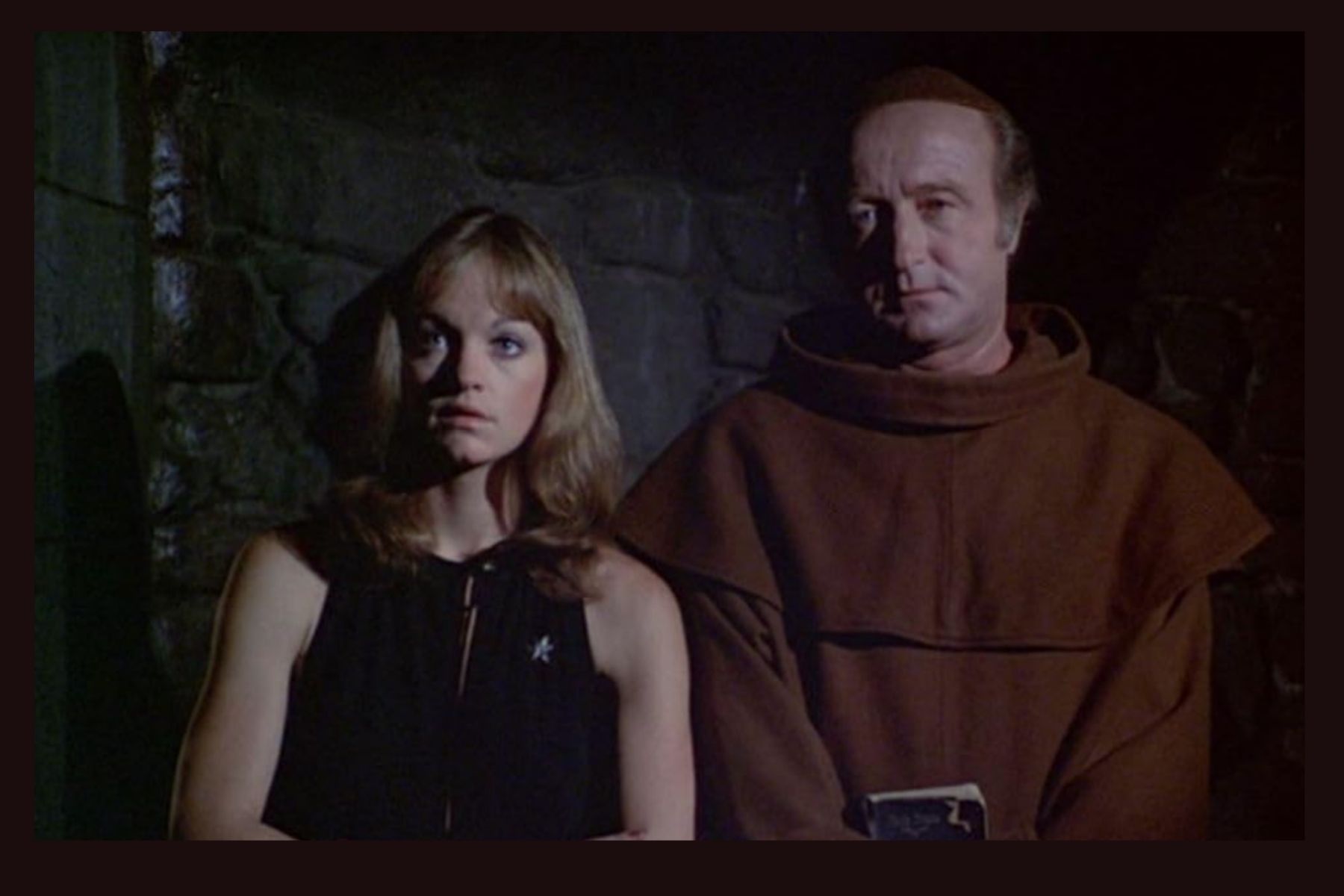
When Nancy gets the two together, she lets them know she has some news for them. She’s found their father and he’s at a monastery. The monks found him and called for a doctor. The doctor advised them not to move Fenton, but said he was in stable condition and would recover.
Nancy drives them to the monastery and a touching scene unfolds as the boys look down at their unconscious father in a small, plain bed with a monk standing next to them.
The monk, Frank, and Nancy leave and Joe has a tender moment with his father, telling the sleeping man to hold on.
“We need you dad.”
They do too because in this iteration of the series, their mom is dead. In the books, however, their mom is still alive.
Before the boys leave the monk tells them the only thing their father has said since he’s been there has been the word “caverns.”
This makes the boys think they need to inspect the caverns more thoroughly, but when they go back there isn’t much to see, other than a door marked Dracula. They’re still leaning toward Allison Troy, the singer, somehow being involved with the thefts of the paintings, but their tired and go back to the hotel.
The figure with the boots, ruffled sleaves, and ruby ring is following them this whole time as well.
The next day Nancy, Bess, Frank, and Joe walk the streets as the townspeople put garlic up outside their homes and business, sure that Dracula is coming back.
That night at the next concert performance of the festival they split up and inspect Troy’s room and car.
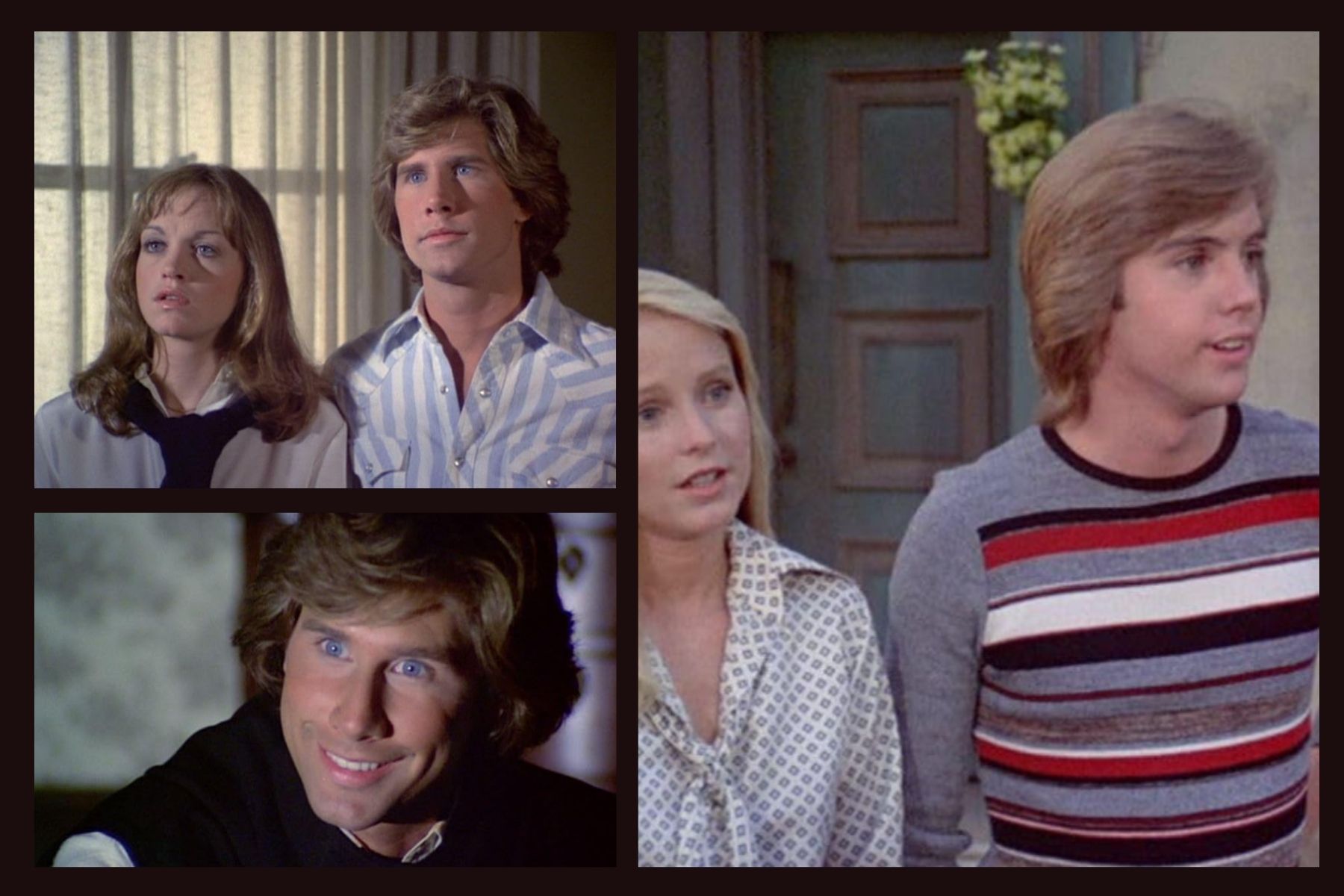
Nancy and Frank go to his room and while there a bit of flirting unfolds as Nancy excitedly discovers a lock picking kit.
“Do you always get like this when you’re excited?” Frank asks her.
“When I get excited, you’ll know about it,” she responds.
“I’m looking forward to that,” Frank tells her with a grin.
To speed things up a bit I’ll list what happens next:
There is more dancing with Allison Troy (Williams) singing;
The people of the town grab pitchforks and march to the castle to demand the concert be stopped because it is a descretation of Dracula’s resting place and he will come back for revenge for that desicration;
Scavlin tells them all to go home and he, as the inspector of the town, will keep them safe (even though he was against the concert in the beginning);
Scavlin tells them that there is no vanmpire and that there have been accidents but no deaths;
Finally the town people leave;
Nancy and Frank ask the mayor if they can meet with him and he agrees but brings Scavlin because they were already talking;
The mayor says his home is part of an old jail and it could protect him but he’s not afraid of anyone hurting him;
The four talk and then Nancy, Frank, and Scavlin leave and urge the mayor to lock his doors. The mayor laughs but after they leave he does lock his doors.
Later the mayor is found unconscious in his locked office and, yes, he also has the bite marks. When he is hospitalized, Scavlin temporarily takes over as mayor.
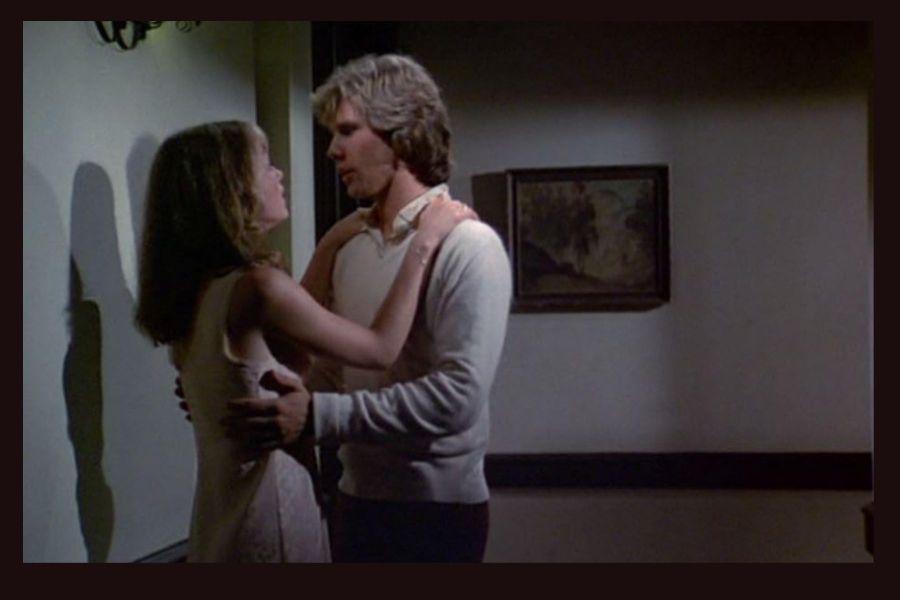
Mixed in the middle of all this will be an incident where a bat suddenly shows up in Nancy’s locked room, terrifying her and causing her to scream for help. Frank comes to her rescue (much to the joy of those of us who would like the two to get into a relationship) and she falls into his arms before remembering she’s tough-girl Nancy Drew and pulls away.
Skipping ahead some, we will eventually see Scavlin arresting Allison Troy fr the thefts. He says he has found the lock picking kit in the hotel room and plans of the museums where paintings were stolen from in Allison Troy’s car.
Joe says that’s ridiculous because he and Bess looked in Troy’s car and didn’t see any plans, so the plans have to have been planted.
Reluctantly, Scavlin agrees and then suggests that maybe there are supernatural things unfolding in the community. He releases Troy and the foursome return to their hotel, with Joe and Frank dropping the girls off at where they are staying first. While sitting outside in the boy’s van, with Nancy and Frank in the front, and Joe and Bess in the back, an awkward and giggle-inducing scene evolves as Frank and Nancy say, “well” a few times to each other and Joe comments on how articulate his brother is.
He then announces that he knows how to say goodnight properly to a lady and leans over and kisses Bess.
Nancy and Frank never get further than a couple more utterances of “well, well…” before the scene ends and we fans are denied our Nancy and Frank kiss.
The boys head back to the castle and while there go right to that door with Dracula’s coat of arms on it. They enter the room and find a fully furnished room, a lit fire, and a coffin, but also a pile of stolen paintings.
Just as Frank is about to open the coffin, Scavlin walks in behind them and says in a very creepy, Dracula-like voice, “You should not have come here.”
Ah-ha! Scavlin! He’s the guilty party. He’s been following Allison Troy on his tour and stealing paintings to get himself some money since he was being forced out as the inspector. He was using the castle so he could play Dracula and scare everyone away from it since that was where he was storing the paintings.
Stavlin was making marks on people’s necks and tried to remove Fenton Hardy from the equation so he couldn’t find out about the stash. He didn’t want anyone to die, but he did want them frightened enough to stay away from the castle.
That’s why when the people from town wanted to burn the castle down, he had to stop them.
Stavling says the boys are correct in their assumption and now they have to go too. That’s when he opens a trap door in the floor. The boys move aside and it is Stavlin who starts to fall when he’s startled by the mayor, Fenton, and Nancy and Bess rushing in to confront him.
It turns out that Nancy came up with the same theory as the boys and ran to get the police and mayor (and I guess Fenton too?) to go to the castle to see if they found Stavlin there.
The police officer has handcuffed Stavlin to him but Stavlin wants to get his hat from the wardrobe before he leaves and when he opens the door — are you ready for this?
Joe notices that he can’t see Stavlin’s reflection in the mirror on the wardrobe door.
No kidding.
Joe begins to stammer, overwhelmed by what he is seeing.
“F-f-rank…”
Frank ignores him and Stavlin makes some comment about not being in jail long.
He disappears down the hallway with the officer and they all watch him go while Joe continues to stammer. They walk down the hallway after them and the door with the Dracula coat of arms closes slowly.
Cue scene and episode.
What I liked about episode two:
There was a lot to like about this one. Nancy and Frank flirting. Joe and Bess’s kiss. Lorne Greene’s great acting as “Stavlin/Dracula.”
There was a couple of fun songs too.
What I disliked:
They listed Pamela Sue Martin as a guest star when she was supposed to be a star of the show. Ummm…..no wonder the woman finally left the show. Otherwise I thought this one was pretty good.
That brings us to the end of this one. Like Avery on True Drew Podcast, I will probably continue to watch season two, even though Pamela Sue Martin leaves part way through and we get a new actress for Nancy. Avery says she thinks it is interesting to see how different actresses portray Nancy and I tend to agree with her.
Yes, Avery has become my Nancy Drew guru, apparently.
So up next for our recap will be The Mystery of King Tut’s Tomb with The Hardy Boys.
If you want to catch up on my other recaps, you can catch them here:
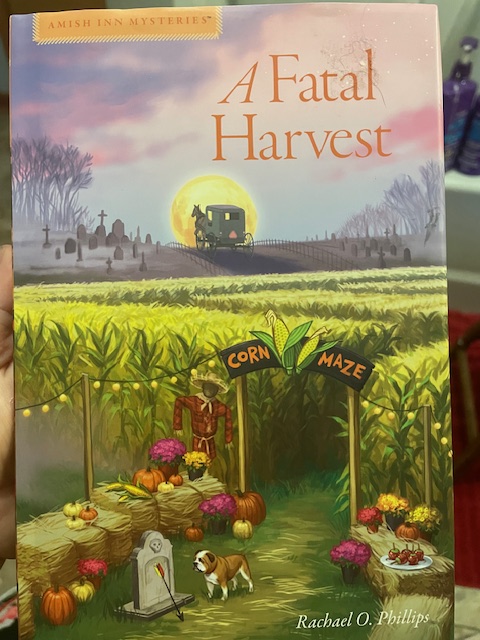
A Fatal Harvest is an Amish Inn Mystery. This series is written by a few different authors but this particular book was written by Rachael O. Phillips. So far I have enjoyed the books she writes in the series the most.
The series focuses on Liz Eckhardt, the owner of an Amish Inn called the Old Mansion Inn, in Indiana. This is Amish country and Liz has many connections to the Amish community, mainly through her mother. If you want to know more about that you’ll need to read the first book in the series, Secrets of the Amish Diary.
Liz’s friends, Sadie and Mary Ann and Naomi, form a group called “The Material Girls” and they knit and sew together. The women in the group also occasionally help Liz who always seems to get herself involved in a mystery. Liz’s group of friends also includes the inn’s resident bulldog, Beans, who Liz inherited when she bought the inn.
In this book, one of Liz’s guests is murdered at a community Halloween party in a corn maze and Liz not only wants to find out why he was murdered but who he really was.
Things get even more complicated when a mysterious and handsome man arrives, threatening Liz’s budding romance with town mayor, Jackson.
I enjoyed the coziness of this one because mixed in with the mysteries in this book were heartwarming and fun moments between Liz and her friends. This book was a slowed down mystery with some parts that didn’t have anything to do with the mystery but were instead like a leisurely and relaxing walk through Liz’s life with her friends.
I didn’t feel those brief detours took away from the mystery or the book overall, but instead made the book even more cozy. I felt as if I was getting to know the characters on a deeper level which I welcomed. I have about twelve more books to read in this series and I hope we find out even more about the personal lives of Liz’s friends as we continue.
An aside about the physical book — I love that each of the books produced by Annie’s Fiction are hardcover and include their own bookmark. It makes it easier to mark my place without having to find a bookmark!
Sadly, when I went to the website for Annie’s Fiction, I learned that the site is down so the company may have folded. Luckily, you can still find copies of many of their books on various sites online, especially used book sites.
Have you read any of the books in this series?
If you write book reviews or book-related blog posts, don’t forget that Erin and I host the A Good Book and A Cup of Tea Monthly Bookish Blog Party. You can learn more about it here.
Hello! Welcome to my blog. I am a blogger, homeschool mom, and I write cozy mysteries.
You can find my Gladwynn Grant Mystery series HERE.
It’s time for our Sunday morning chat. On Sundays, I ramble about what’s been going on, whatthe rest of the familyand I have been reading and watching, andwhat I’ve been writing. Some weeks I share what I am listening to.
This past week was fairly busy with vet appointments and sitting with my mom who is a fall risk. I went alone on Tuesday and on Wednesday Little Miss and I went together. She and I had fun spending time with Mom and then taking a ride on the golf cart on Wednesday after my dad arrived home. It was fun to watch little Zooma the Wonder Dog sprint next to us as we rode. She likes to race us but also likes to take a quick break by jumping on the cart with us. I had to hold her tight when we rode up to the neighbors because they raise labradors and although they are in kennels, I didn’t want her to stir them up.
Little Miss had four online classes as part of her homeschooling this week, which also kept us busy.
Thursday and Friday were days for relaxing, though, luckily. I was also so happy this week to see the hostages from Israel released and hope to see peace come to Israel and to the Gazans with the hopeful removal of Hamas’s power.
I am not sure what is coming up for this week other than homeschooling and an extra class for Little Miss on Outschool. I know it will be cold, though, because cool autumn air is definitely here with some of our nights dropping into the thirties already!
Don’t forget that Erin from Still Life, With Cracker Crumbs and I are hosting the A Good Book and A Cup of Tea Monthly Link up for all book related posts. You can find that link here:
This past week I finished A Fatal Harvest by Rachael O. Phillips and Come, Tell Me Where You Live by Agatha Christie Mallowen.
A Fatal Harvest was a cozy mystery and I will have a review of it up on the blog tomorrow.
Come, Tell Me Where You Live was non-fiction. It was a type of memoir by Agatha of her time in Syria with her archaeologist husband.
Now I am reading Trick and Treachery by Donald Bain. It’s a Murder, She Wrote Mystery.
I am also going to start A Damsel in Distress by P.G. Wodehouse this week.
I am supposed to receive a copy of Rebecca by Daphne DeMauier this week and I hope to start that soon as well.
Last night I rewatched the Anne of Green Gables movie from 1985 with Little Miss. Earlier in the week I watched The Hardy Boys and Nancy Drew Meet Dracula to prepare for writing about the two-parter later this week.
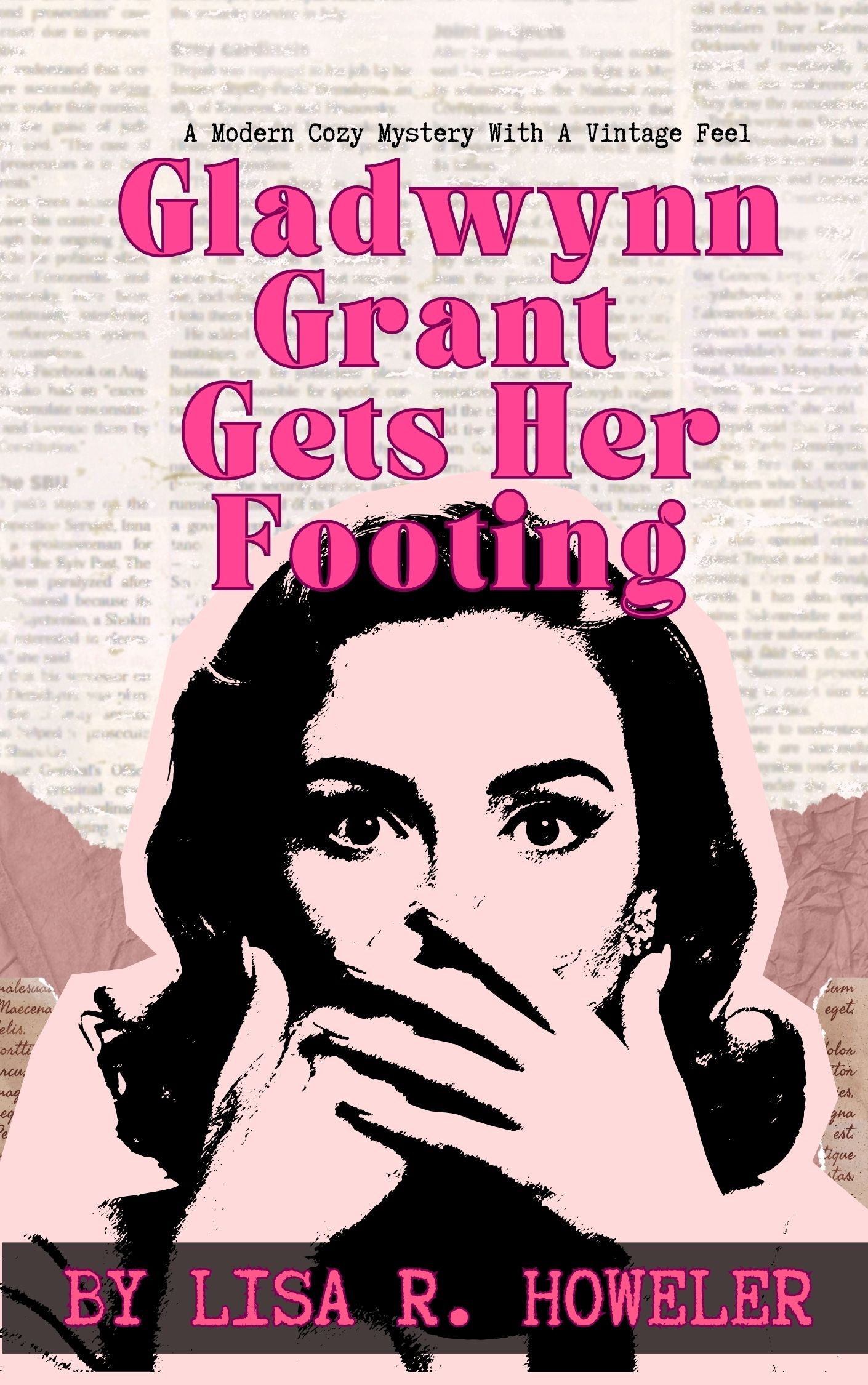
I’m working on Gladwynn Grant Goes Back to School for a February release.
I didn’t take this particular photo, but I saw it yesterday while looking at other photos and was just struck by its composition and beauty. It is obviously an Associated Press photo, so they get the credit.
Here are some photos I did take:
Now It’s Your Turn
What have you been doing, watching, reading, listening to, or writing? Let me know in the comments or leave a blog post link in my new link party if you also write a weekly update like this.
Welcome to the Weekend Traffic Jam Reboot, where we offer a place for bloggers to link up and get a fresh set of eyes on their posts. We also feature one blog a week, letting our readers know about the blog and providing a link so readers can learn more about it.Please feel free to post new blog posts or old ones you want to bring attention to again.
Look for the post to go live about 9:30 PM EST on Thursdays.
This week, we have a little announcement because we are saying goodbye to Sue from Women Living Well After 50.
We are all sad to see her go, but Sue has some other things she wants to pursue and may take a break from blogging altogether for a bit.
I know Marsha, Melynda, and I certainly appreciate her being part of this link party and hope to see her in the blogsphere in the future. If you are interested in being a co-host please leave a comment and I will put you in contact with Marsha, our fearless leader.
Now, let’s introduce our current hosts for the Weekend Traffic Jam Reboot:
Marsha from Marsha in the Middle started blogging in 2021 as an exercise in increasing her neuroplasticity. Oh, who are we kidding? Marsha started blogging because she loves clothes, and she loves to talk or, in this case, write!
Melynda from Scratch Made Food! & DIY Homemade Household – The name says it all, we homestead in East Texas, with three generations sharing this land. I cook and bake from scratch, between gardening and running after the chickens, and knitting!
Lisa from Boondock Ramblingsshares about the fiction she writes and reads, her faith, homeschooling, photography and more.
We would love to have additional Co-Hosts to share in the creativity and fun! If you think this would be a good fit for you and you like having fun (come on, who doesn’t!) while still being creative, drop one of us an email and someone will get back with you!
WTJR will be highlighting a different blogger each week this year! We invite you to stop by their blog, take a look around and say hello!
I’m Val , Canadian born, Vancouver BC raised! Here you’ll find top resources to plan your dream trip: In the USA, Canada & Europe. We are experts in travel to Portugal , the Pacific Northwest, Vegas and other Hidden Gems Around the Globe. Thx for joining my journey!
Thank you so much for joining us for our link-up!
And now some posts that were highlights for me this past week: