
Stock photography isn’t what it used to be. Gone are the cheesy cutouts and posed images. Those who purchase stock photography now want authentic, real-life images for their advertising – at least to make it look like they are authentic, real-life companies, selling authentic, real-life products.
I delved into the world of stock photography a couple of years ago, even purchasing a fancy Nikon d750 to help reduce the grain in my images so there would be more chance they would be accepted by the stock agencies. I knew from research I wouldn’t make a ton of money submitting my images to agencies that then sell them to advertisers, bloggers, or other content managers, but I hoped to make a little extra to add to our household needs.
Building up a portfolio for stock photography can take a very long time. I knew this, but this past year I’ve been more than a little discouraged with the industry and have learned stock may be a way to earn a small side income, but not necessarily a career. Unless you already have the cash to travel the world or are single with no children, stock photography is an extremely difficult “job” to make money at.
Still, I plug away at it, submitting photos here and there because it’s not like they’re going to make any money sitting on my hard drive or even hanging on my walls. And even if the money isn’t a lot, it’s something and every little bit counts in this day and age. Last year I was featured on Alamy.com as a featured artist and hoped that would boost my sales. It didn’t, but the honor was a nice one to have, at least.
If you are a photographer who is considering stock photography, some advice I would give is to not expect to make a great deal of money, even if you are accepted by a “high end” stock agency like I was. At least not at first. When I first signed up with one high-end agency, I was promised a starting price of $150 for each image sold, if not higher, but once I was accepted and began submitting images, that amount suddenly decreased until one of my last sales with them was 83 cents for one image. On the other end of the spectrum I also sold one for $120, so, in other words, I’ve discovered the amount you could make with stock varies greatly.
With many agencies you need at least 500 images to start making sales and usually having more than 1,000 is even better. Most agencies allow you to submit whatever images you want but then they must pass “quality control” to be added to your final portfolio. The standards of some agencies are higher than others. For example, Alamy allows almost anything to be submitted as long as it isn’t graphic, nudes, out of focus, or severely grainy. Their collection is aimed at anyone and everyone, much like Shutterstock, which I believe is based in the US. For an agency like Cavan Images, your images will be accepted only if they fit their particular style, which is more artsy-fartsy, as I call it. They say their agency is for more high end clients but, again, this is the agency that once sold one of my photos for 83 cents and another for 67 cents so …. don’t always take an agency at their word.
To pass quality control for most agencies the images don’t have to be artistically amazing, but they should be bright and without grain or blur. Each stock agency has their own rules about what the photos need to pass quality control and you can usually find that listed on the site before you submit.
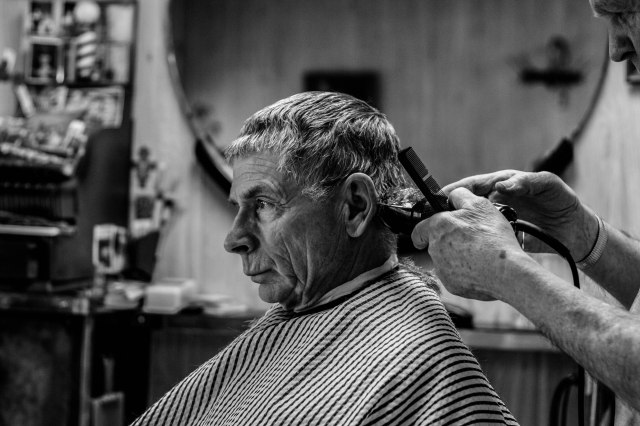
As for what sells in stock photography: the answer is almost anything, yet sometimes nothing. With some agencies, you can upload whatever you want because you never know what will sell. I’ve seen portfolios with photos of newspapers and trash cans and hands holding cellphones and for some reason those photos sell, mainly because some client, somewhere, needed the shot for some purpose. Some of the photos that have sold for me are not my favorites or technically perfect. Still, they brought me more income than they would have sitting in a hard drive, so I won’t complain. Right now the thrust of stock photography is “authentic imagery”, which can mean different things for different clients but normally means everyday people doing every day things.
The bottom line is that stock photography is not, for most people, a way to get rich fast, but if you keep plugging away and submitting images, you can at least earn a bit of a side income.
You can see some of my stock photography work at the links below:
Here is one of my top sellers on Lightstock, a Christian stock agency:

It’s been downloaded 64 times so far and you might think that means I made a lot of money from it’s sale, but sadly the total is about $240 in five years. Lightstock is not one of the agencies that compensates photographers at a high rate, but I support them for their message, more than their revenue capabilities.
To see more of my photography you can visit my photography site here or see my work on my Instagram account.



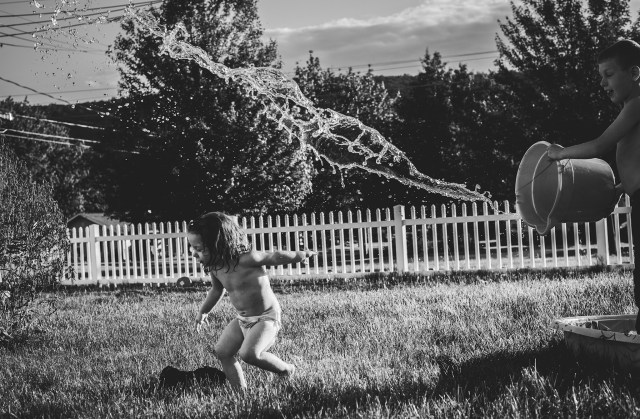
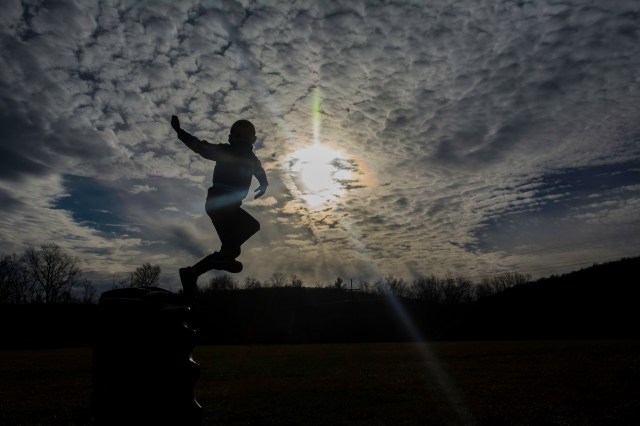
 Almost every photograph I take is a desire to capture joy within my life. I rarely take a photo to capture sorrow but if I do it is so I can convey to someone else the heavy emotion of the moment, opening their eyes to the experience of someone else and maybe to try to change the future so similar situations don’t happen again.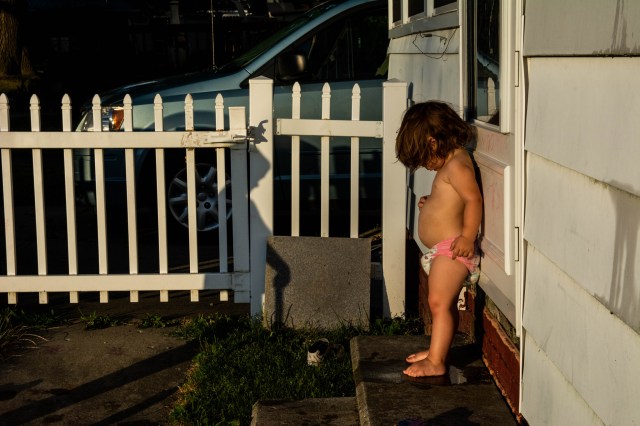


5 tips for holiday photos with kids
I’m sure many parents are planning to attend holiday events this year and taking photographs of their children is almost always part of the festivities. Here are 5 tips for getting the best out of those holiday photos and most of them are the same for any other planned special moments where children will be involved.
1) Fill their bellies and get ’em their naps! Make sure your children are well fed and well rested before attempting to ask them pose and smile for a photograph. Low blood sugar and drowsiness is a perfect storm for tantrums, crying fits and uncooperative subjects. The same is actually true for adults. 😉
2) No need for the “smile for the camera!” chant. Don’t actually ask your child to smile. It’s not always necessary to pose your subject or even have them look at the camera to get a good photograph. Sometimes capturing your child in the moment, enthralled or excited about their surroundings is enough to make the moment and the memory magical.
3) Don’t use flash . Not only can a flash be distracting but it can also create unnatural images or allow only portions of the scene to be illuminated. If you’re not a professional photographer and can’t figure out how to take a good photo without the flash in a low lit scene, look for an auto setting on your camera that can help such as the the aperture setting which will allow you to set your aperture wide open, letting more light into the camera. If you can adjust ISO on your camera then definitely boost that up as well. Some smart phone cameras allow you to turn the flash off and will automatically compensate for the lower light.
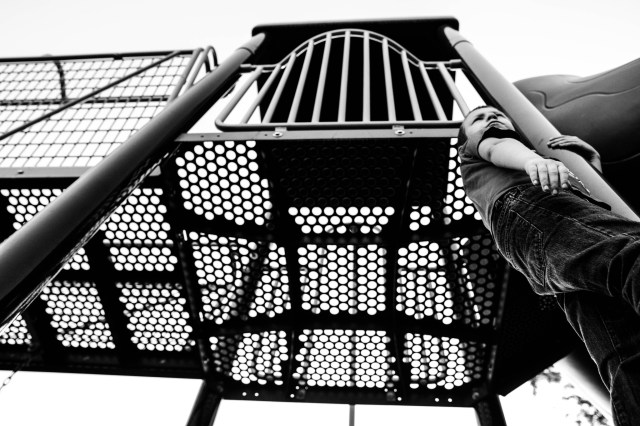
4) Get low. Get down to the same level as your child so you can see what they’re seeing. This tip is true anytime you are photographing children but can especially be helpful at the holidays when the delight in a child’s eyes are what the moment is about.
5) You got to move it! Try different angles/distances. Yes, it can be important to get down on your child’s level but you don’t have to stay there. Sometimes changing your perspective can help give an entirely different feel to an image, whether by conveying a feeling of smallness or magnitude or simply bringing you closer to the action or the moment.
Most importantly and more important than anything is remember to have fun and not become so focused on visually documenting the moment that you forget to live in the moment. Remember to set aside perfection and planning and embrace the spontaneous for the sake of securing memories.
Featured